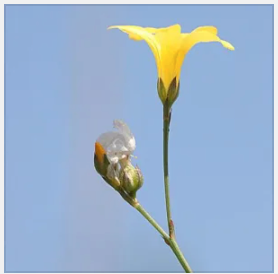
Loss of roadside vegetation

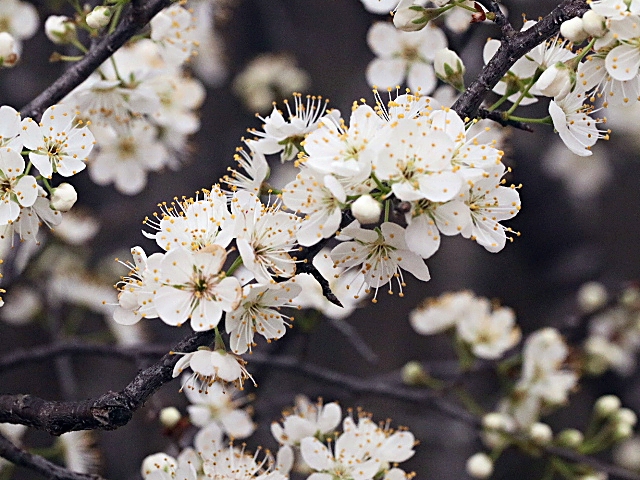
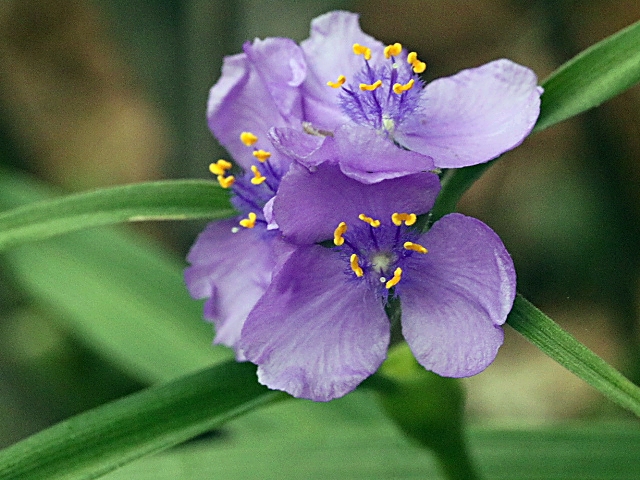
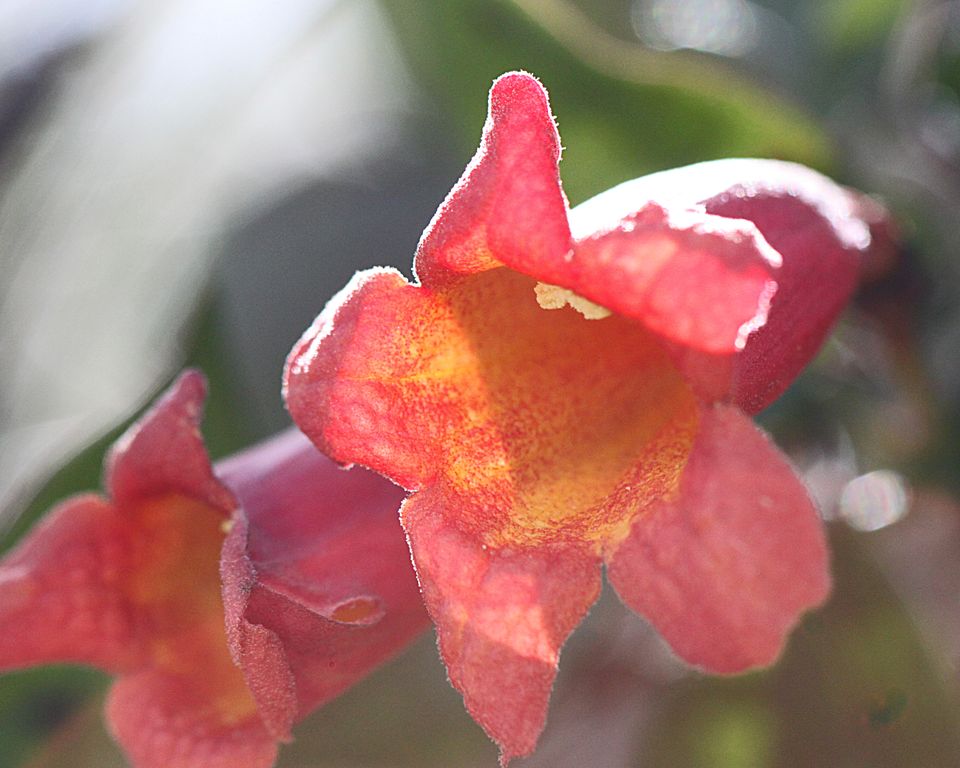
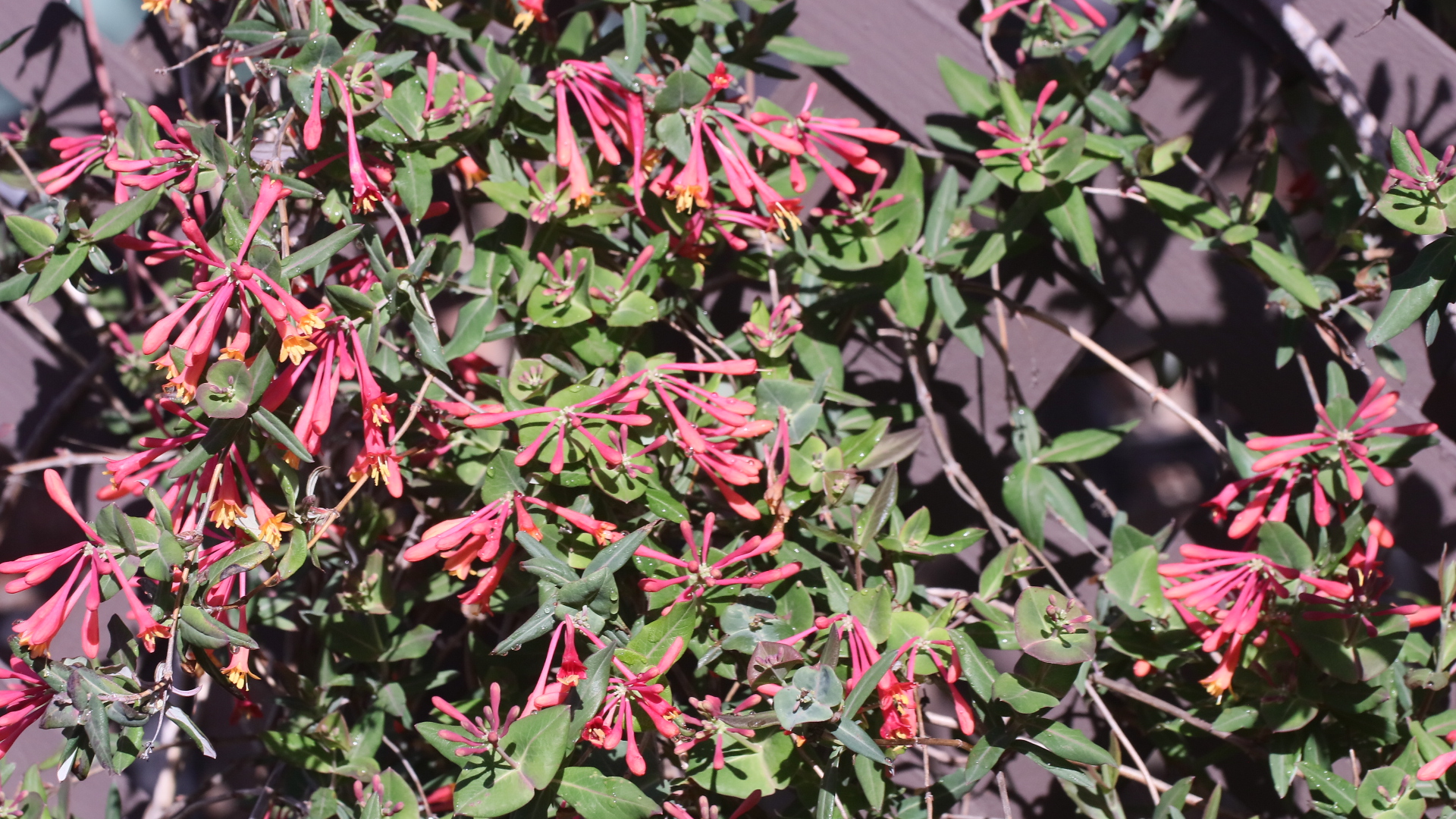
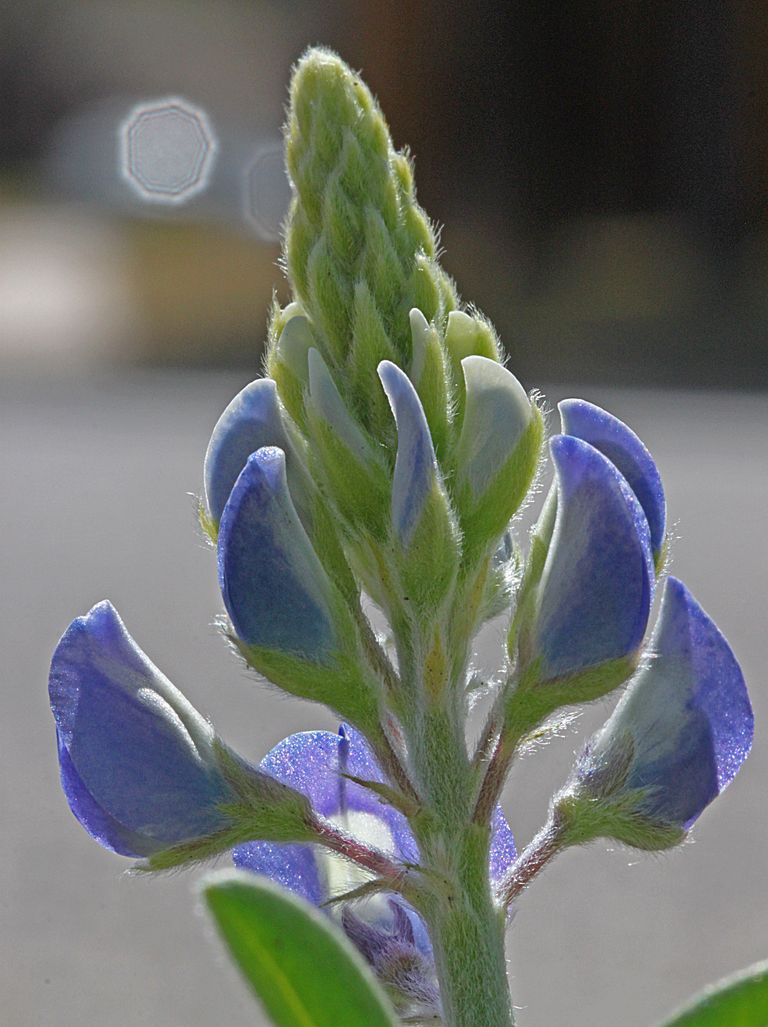
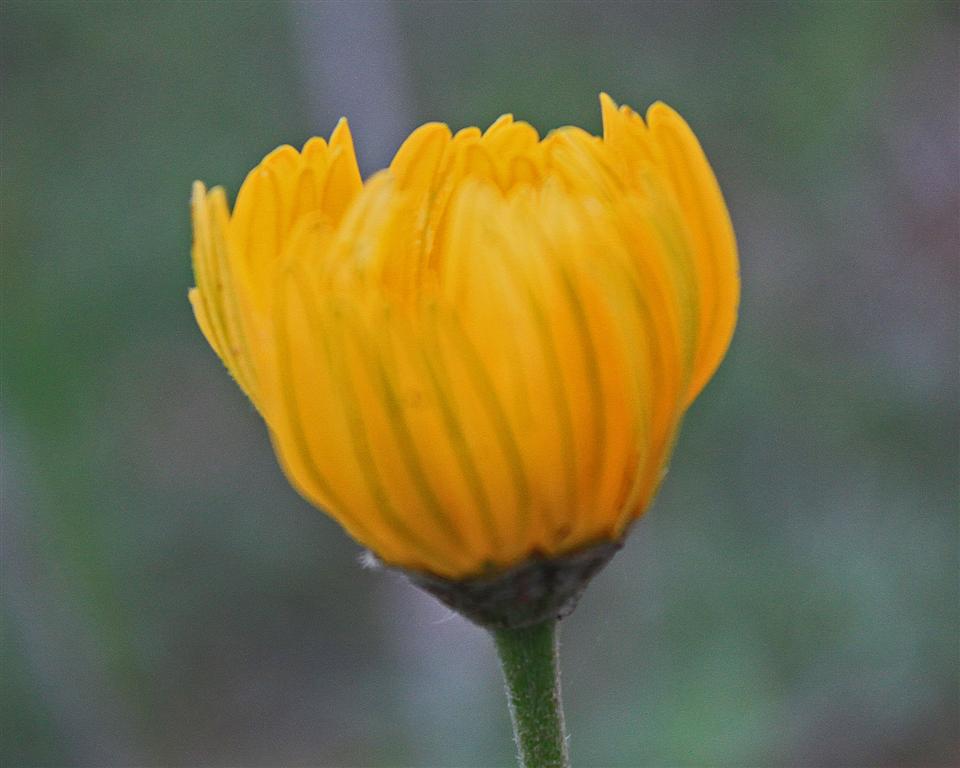
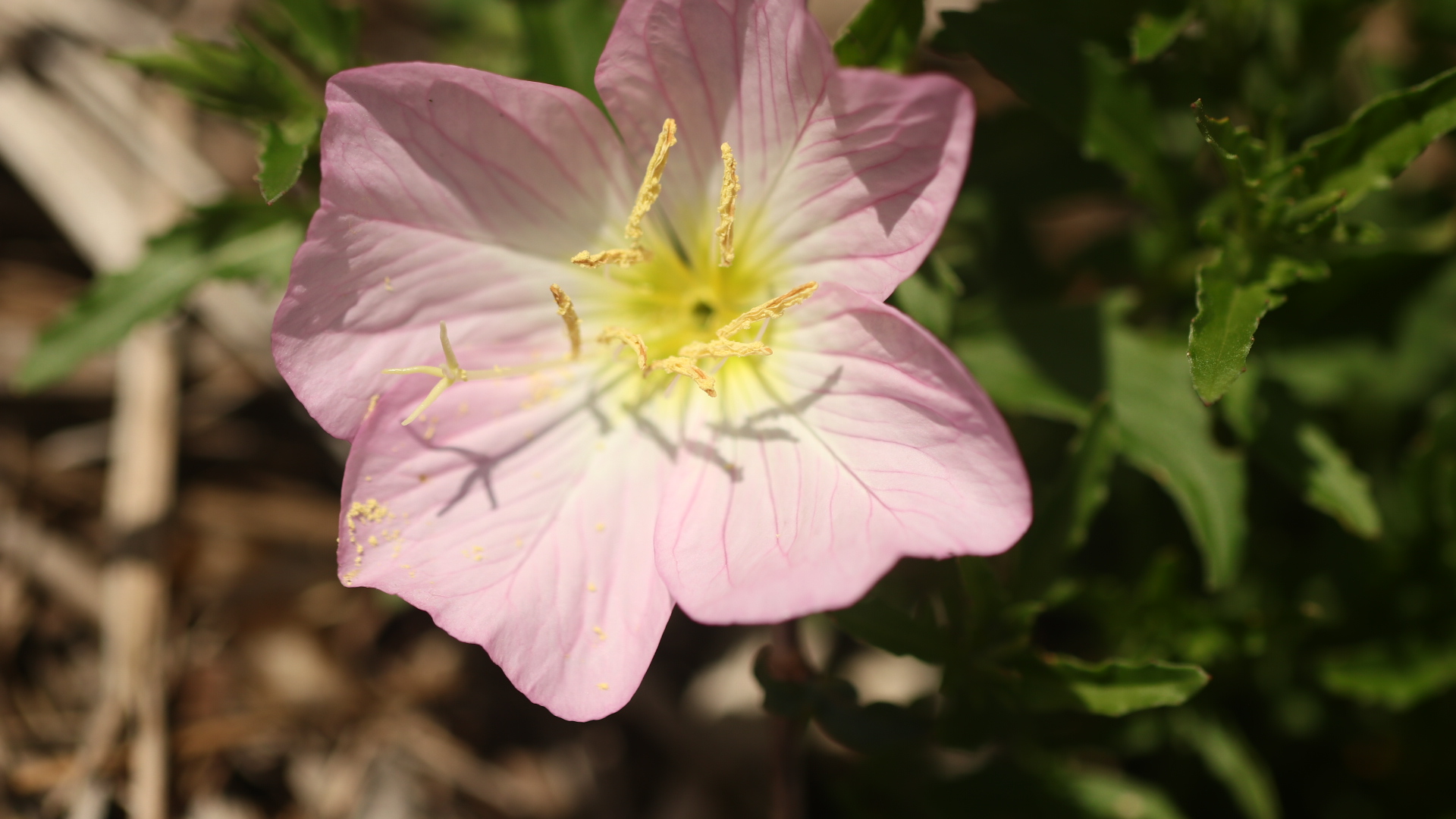
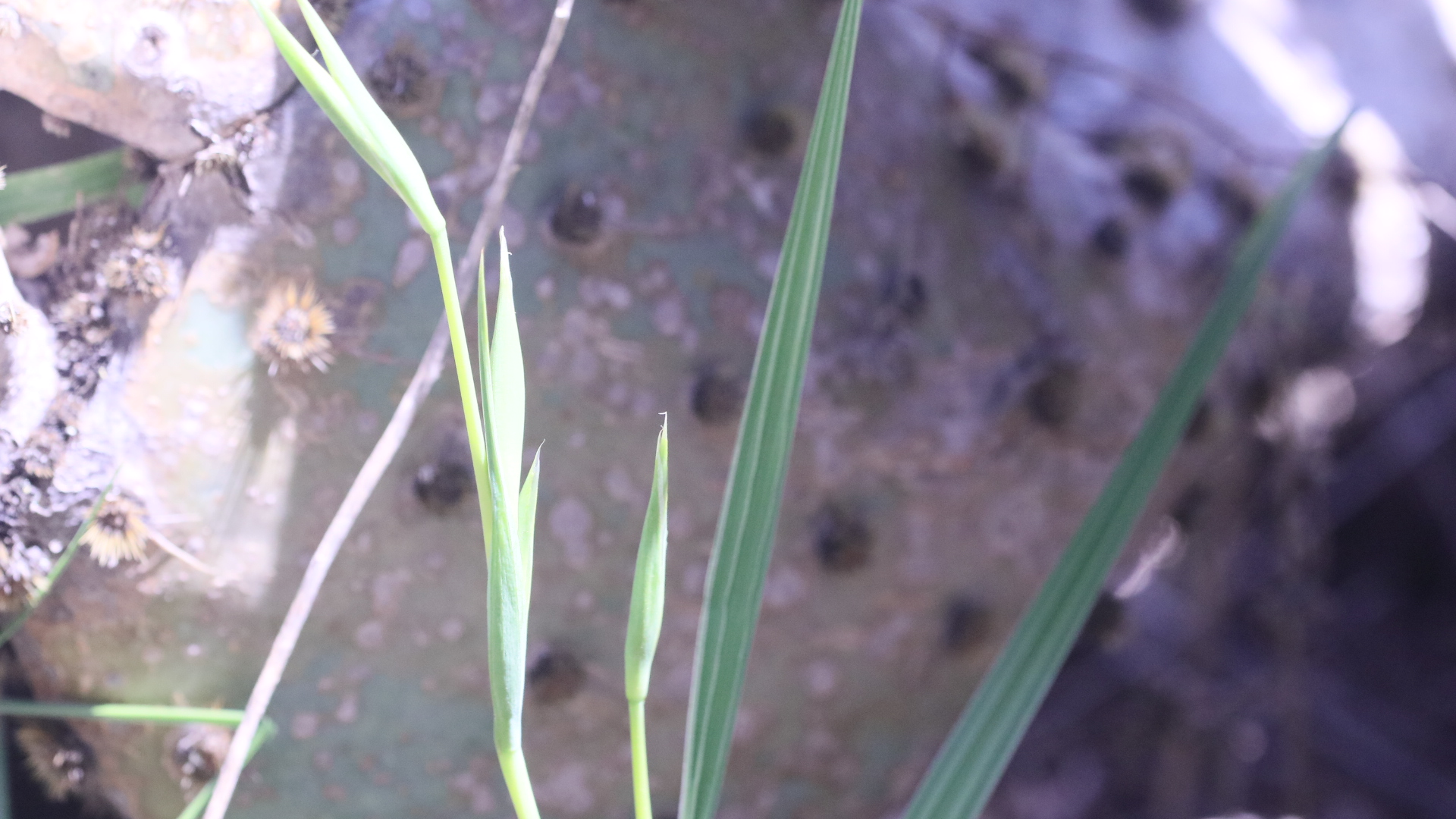
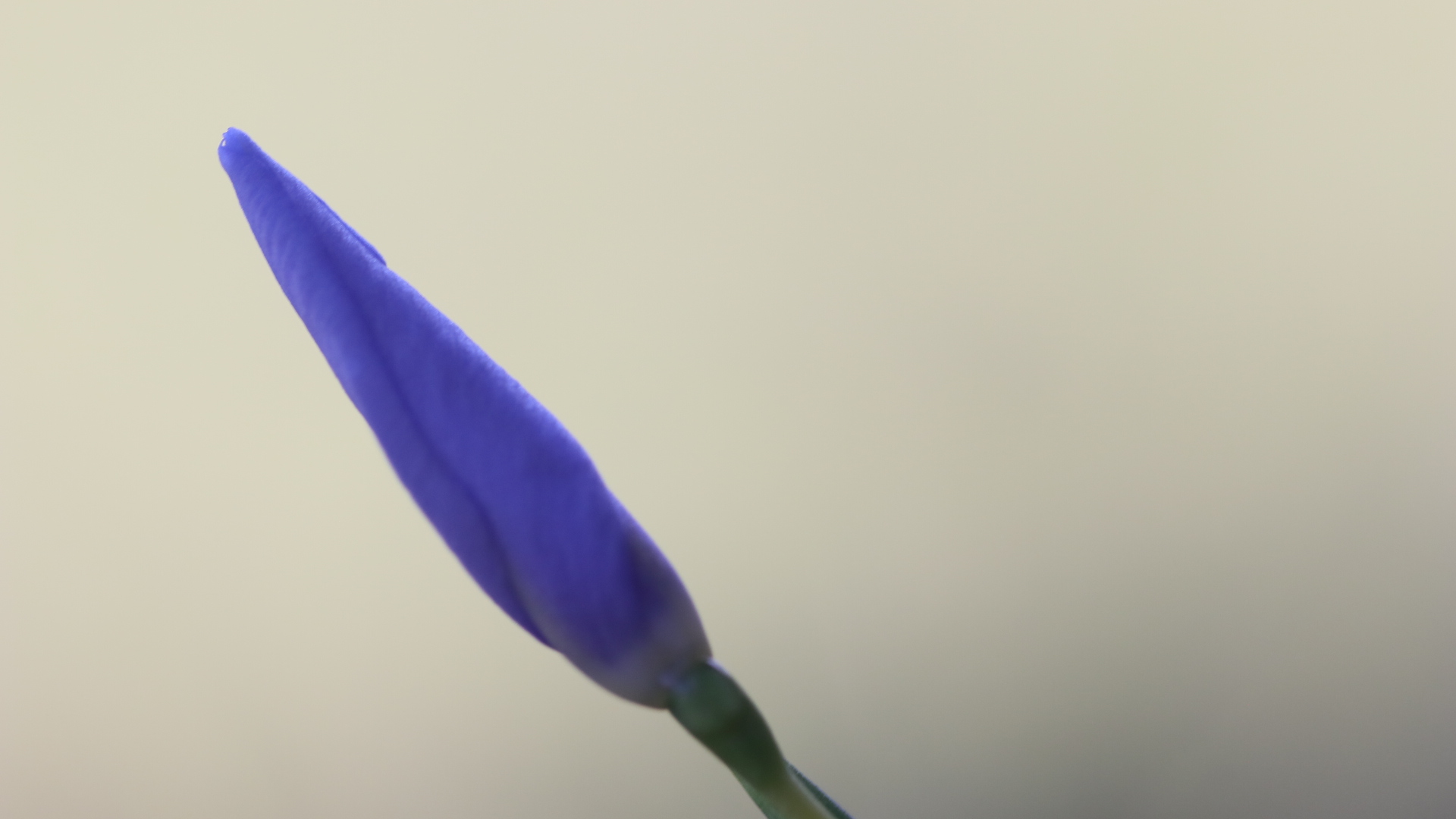
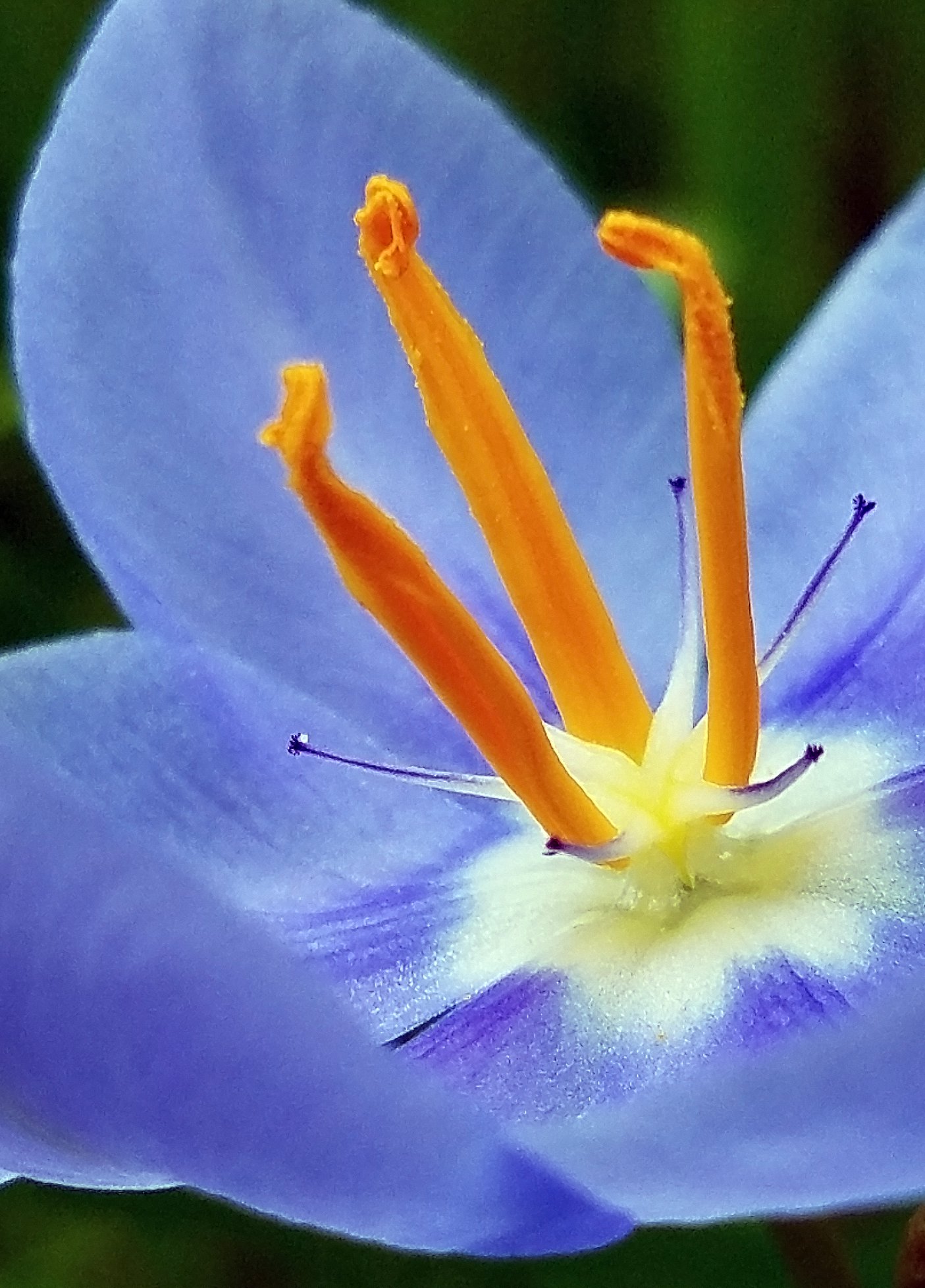
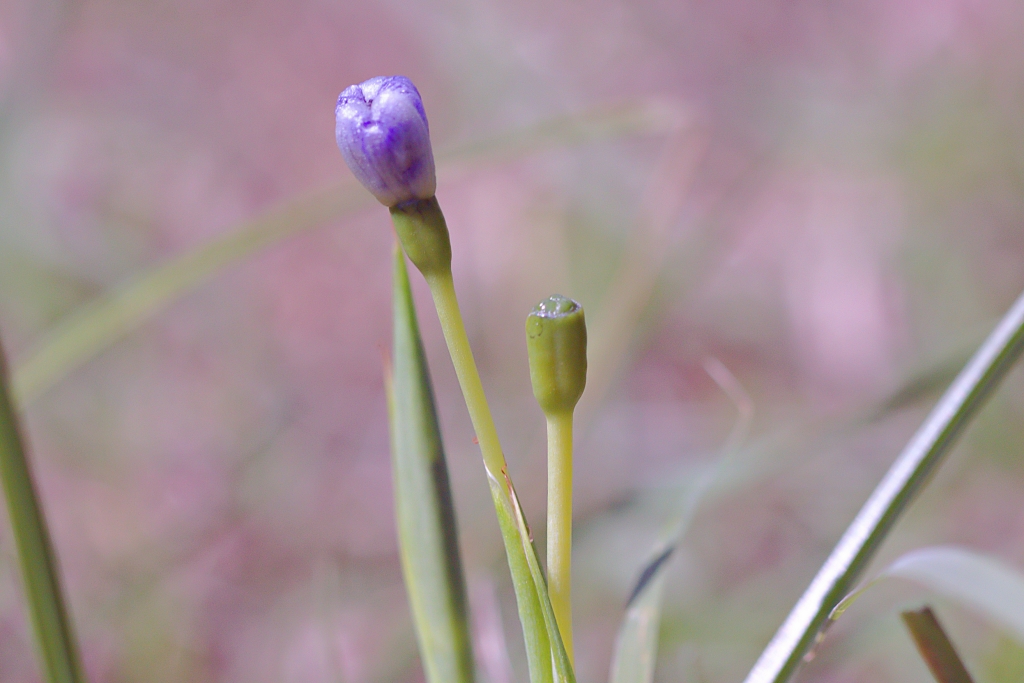
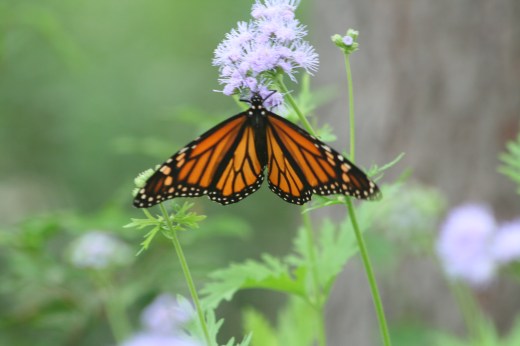
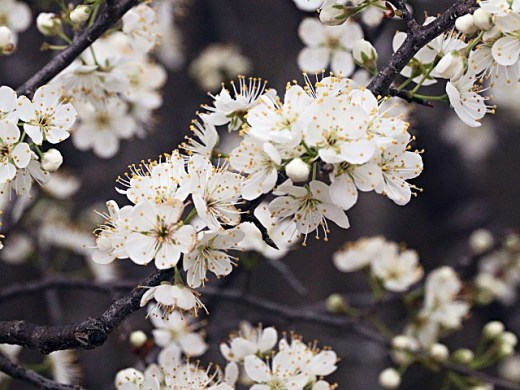
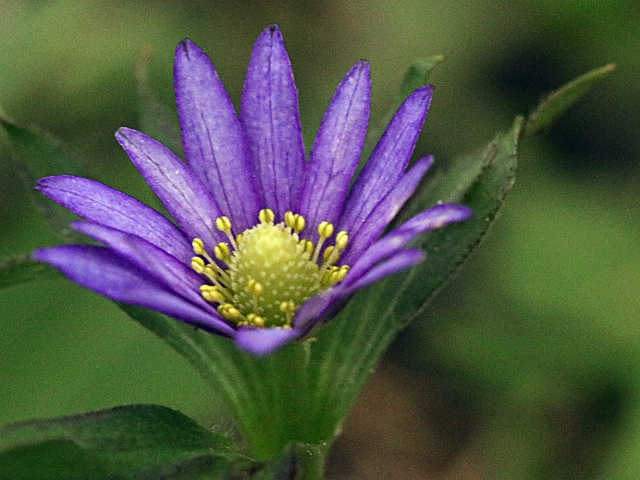
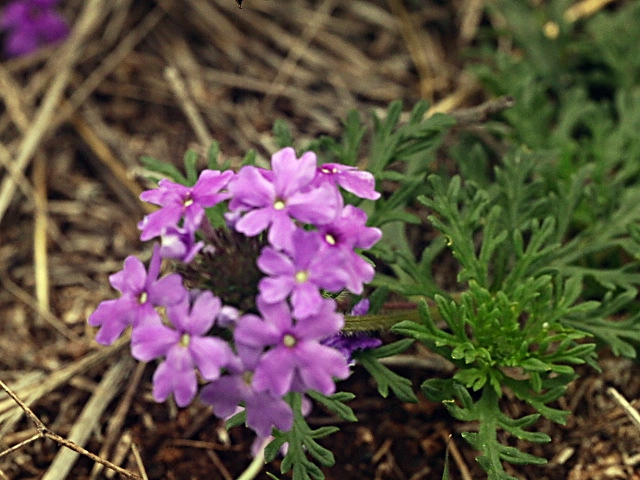
My previous post mentioned a September set of observations – unfortunately, the observations were not posted to this blog but on Facebook. Sad to say, the situation has gotten worse – Although the native (mostly) plants  were left alone while in bloom in September, the blooms had disappeared a few. months later, and this first week of March 2021, I observed that the plants, for the most part, appeared to have been removed.  Thanks to the ongoing pandemic and my age, I try not to go out too often. but will have to go out and see if any Winecups are in evidence (there was at least one rosette in the video). Maybe take a few home to ensure the preservation of the species. The folks running City Hall don’t seem to care about preserving native plants… as far as I can tell. Oh well. Watch it and weep.

The irony of the last few slides are that they show the invasive Crepe Myrtle and Heavenly Bamboo or Nandina, used as landscaping in the property just south of. the one now being bulldozed for a parking lot and who knows what kind of business. I suspect that a similar lack of consideration for native plants, birds, and other wildlife will guide the development of this property.

#RoundRock #OldChisholmTrail #NativePlants #HabitatDestruction

Attention, cyborgs: be aware of environmental electrical interference

I became aware through the news feed that some research is going on regarding electrical interference and DBS implants. Of all the websites and information I found, this page at UC-Davis is the most accessible:

DBS issues – UC-Davis health (PDF)

This next article isn’t accessible to me, but if anyone does have access and could shoot me a copy, it would be greatly appreciated. I might even get around to reading it. In fact, if anyone out there knows how I could get access to research journal subscriptions through an institution, please, please, please leave a note in the comments and I’ll get back to you.

Abstract

Deep brain stimulation (DBS) has evolved into an approved and efficacious treatment for movement, obsessive-compulsive, and epilepsy disorders that are refractory to medical therapy, with current investigation into other disease conditions. However, there are unintentional and intentional sources of external electromagnetic interference (EMI) that can lead to either malfunctioning or damaged DBS devices, as well as injury to human tissue. Comprehensive studies and guidelines on such topics in the medical literature are scarce. Herein, we review the principles behind EMI, as well as the various potential sources of interference, both unintentional (e.g. stray EMI fields) and intentional (e.g. MRI scans, “brainjacking”). Additionally, we employ the Manufacturer and User Device Facility Experience (MAUDE) database to assess real-world instances of EMI (e.g., airport body scanners, magnetic resonance imaging (MRI), and electrosurgery) affecting DBS devices commonly implanted in the United States (US).  (emphasis added above and below).

Highlights
• Electromagnetic equipment in our environment may interfere with implanted deep brain stimulation devices.

• Common EMI sources include airport security gates, antitheft and metal detectors, MRI, and electrosurgical or other medical equipment.

Intentional EMI to “hack” or “hijack” DBS systems is a growing cause for concern.

• Research on EMI and DBS devices is scarce, and deserving more attention given the gravity of potential adverse events.

Practical guidelines for patients, healthcare workers, and those who frequently handle electromagnetic devices are lacking.

Intentional EMI to “hack” or “hijack” DBS system?!?  I don’t know about my fellow cyborgs, but I am cautious about letting magnetic and electrical fields get close to the areas where I have my DBS electrodes, wiring, and programmer/battery. However, it sure would be nice. if they would at the least make the “practical guidelines” open access or available somewhere. Seems to be a contradiction. to make someone pay to find out how to protect oneself from harmful electrical interference. Isn’t  part of the Hippocratic oath “First, do no harm?” It seems to me that if you know the bridge is out, and some asks you for directions, and you tell them the directions but fail to mention that the bridge is out, that you are doing harm, The same goes with, “Yeah, I can tell you how to get there safely, but you’ll have to purchase a PDF file of the directions for $45.00 USD..”

Guess I’ll have to search for :”Practical Guidelines to Avoid Electrical Interference for DBS.” 

Boston Scientific has a nice page on EMIs, although it deasl with ICDs (which I take to mean (implanted Cardiac Device or something along those lines) basically a pacemaker for the heart.. So I guess this page will work folks who’ve become cyborgs due to PD DBS implants:  EMI safety

Another list of publicly available guidelines can be found at EMC Devices and risks on the Medtronics website. The list addresses risks related to cardiac devices,  but one can probably generalize to DBS devices (or one can look further than I did). Well, I looked a little further and found the DBS manuals for my model. Appendix A has the list of EMC guidelines. I also found the patient counseling information, which I’ll print here:

Patient information
Programming and patient control devices
Patient control devices may affect other implanted devices – Do not place the patient
control device over another type of active implanted medical device (eg, pacemaker,
defibrillator, another type of neurostimulator). The patient control device could
unintentionally change the operation of the other device.
Patient activities
Activities requiring excessive twisting or stretching – Patients should avoid activities
that may put undue stress on the implanted components of the neurostimulation system.
Activities that include sudden, excessive or repetitive bending, twisting, or stretching can
cause component fracture or dislodgement. Component fracture or dislodgement may
result in loss of stimulation, intermittent stimulation, stimulation at the fracture site, and
additional surgery to replace or reposition the component.
Component manipulation by patient – Advise your patient to avoid manipulating the
implanted system components (eg, the neurostimulator, the burr hole site). This can result
in component damage, lead dislodgement, skin erosion, or stimulation at the implant site.
Manipulation may cause device inversion, making a rechargeable neurostimulator
impossible to charge.
Patient activities and environmental warnings – Patients should exercise reasonable
caution in avoidance of devices that generate a strong electric or magnetic field. Close
proximity to high levels of electromagnetic interference (EMI) may cause a
neurostimulator to switch on or off. The system also may unexpectedly cease to function.
(emphasis added)- For these reasons, the patient should be advised about any activities that would be
potentially unsafe if their symptoms unexpectedly return. For additional information about
devices that generate electromagnetic interference, call Medtronic. Refer to the contacts
listed at the end of this manual.
Scuba diving or hyperbaric chambers (emphasis added)- Patients should not dive below 10 meters
(33 feet) of water or enter hyperbaric chambers above 2.0 atmospheres absolute (ATA).
Pressures below 10 meters (33 feet) of water (or above 2.0 ATA) could damage the
neurostimulation system. Before diving or using a hyperbaric chamber, patients should
discuss the effects of high pressure with their clinician.
Skydiving, skiing, or hiking in the mountains (emphasis added).- High altitudes should not affect the
neurostimulator, however, the patient should consider the movements involved in any
planned activity and avoid putting undue stress on the implanted system. Patients should
be aware that during skydiving, the sudden jerking that occurs when the parachute opens
may cause lead dislodgement or fractures, which may require surgery to repair or replace
the lead. (emphasis added).

My Practical Guidelines search uncovered another article, but it wasn’t open access. so I won’t even bother to link to it. I was going to add the Medtronics Appendix A, but it simply repeated the information above,

And there you have it. Don’t go putting strong magnets next to your brain, avoid Tesla Coils, and try not to get hit by lightning. 

And don’t let the EMS guys or ER folks stick you in an MRI machine.

###

Native plants are the answer…

Maybe it’s just me, but it seems to me that there are far too many crepe myrtles (Lagerstroemia sp.) in use for the good of the planet, especially for the good of wildlife in the United States.

The same could be said of other exotic plants, such as Privet or Ligustrum (Ligustrum sp.), Heavenly Bamboo (Nandina domestica),   Chinaberry (Melia azedarach), and others. Even plants native to one area might become invasive if introduced and allowed to spread in another ecoregion.

Best advice, of course, is to plant plants that are native to your ecoregion. And with Climate Change (or Climate Chaos, which seems to be a more accurate description), even plants native to one’s ecoregion might be getting squeezed out or moving further north, or moving higher up, or retreating into ecological niches (if they haven’t been paved over or bulldozed into oblivion).

img_0413

Texas Lantana (Lantana urticoides)

Take, for instance, Texas Lantana (Lantana urticoides) which can often be found, even in the “big box” stores. However, its cousin Lantana camara which is similar but has different colored flowers and somewhat different leaf texture (I am told) can also be found in those same stores which don’t offer plants grown only in the local region. So it shouldn’t have surprised me when I found several of the L. camara in the greenbelt this past fall, growing right beside what I took to be L. urticoides. And while trying to get photos of a stand of native Solidago sp., (aka Goldenrod), I chanced upon a young Chinaberry (Melia azedarach) sapling. Nearby there are several invasive Chinese pistache (Pistacia chinensis). And that’s just directly behind my house and/or my neighbors’ houses.

This, in a greenbelt that is protected because there is a cavern underneath it within which live one or two endangered species.

The conclusion is the title to this post.

PLANT GRASSES, FLOWERS, SHRUBS AND TREES THAT ARE NATIVE TO THE AREA IN WHICH YOU LIVE. NOTHING ELSE.

If you want a Crepe Myrtle in your yard, then move to Southeast Asia, or wherever it is that they’re from. And take the big-box store nurseries with you. Please. Thank you.

p.s. drove past the construction site where I had taken photos on September 23, 2020, and it appears that most of the native plants have been the subject of “brush clearing.” Don’t know for sure. Didn’t stop and inspect. Would think the Winecups might be in bloom, either now or soon.

###.

More physical therapy, more research & guidelines

Perhaps it is because one is in rehabilitation, that one’s interest turns towards rehabilitation and Parkinson’s Disease. Sounds like a reasonable explanation.

This article from 2017 looked at rates of utilization of rehabilitative services, looking at several demographics:  Utilization of rehabilitation therapy services in Parkinson disease in the United States    (This article is on PubMed and is open access).

  The authors. …”found that 75% of Medicare beneficiaries diagnosed with PD did not receive rehabilitative therapies over a 36-month period. While it is not clear what the appropriate utilization rate should be, utilization among patients with PD in the Netherlands and the United Kingdom greatly exceeds what we found in the United States: at least 57% and 54%, respectively., In this study, predictors of higher (but still low) rates of therapy utilization included PD care by a neurologist, Asian or Caucasian race, and geographic location. 

The NICE folks in the UK have a link where one may download their entire set of guidelines for treatment of people with Parkinson’s:

Parkinson’s disease in adults

After looking at their recommendations on DBS, I’m not sure I am in total agreement with them there. But other that, they seem to be solid, aimed at the general practitioner, though, not to the Movement Disorders Specialist (my impression).

This article is not available for open access, but here’s the citation:

Rafferty, M.R., Nettnin, E., Goldman, J.G. et al. Frameworks for Parkinson’s Disease Rehabilitation Addressing When, What, and How. Curr Neurol Neurosci Rep 21, 12 (2021). https://doi.org/10.1007/s11910-021-01096-0

There is moderate to strong evidence supporting physical therapy, occupational therapy, and speech-language pathology soon after diagnosis and in response to functional deficits.

We propose a framework of three pathways for rehabilitation care:

(1) consultative proactive rehabilitation soon after diagnosis for assessment, treatment of early deficits, and promotion meaningful activities;

(2) restorative rehabilitation to promote functional improvements; and

(3) skilled maintenance rehabilitation for long-term monitoring of exercise, meaningful activities, safety, contractures, skin integrity, positioning, swallowing, and communication.   (emphasis added).

I would agree with the overall framework – I have had some postural issues since the beginning (pre-PD), and assessment and promotion of meaningful activities would have been helpful. I did receive some physical. therapy to correct posture, which did so, only to reveal spinal stenosis.  Later on, I had bunionectomies which kept me wheelchair bound or with limited mobility for a year, and restorative rehabilitation was provided and needed. Finally, my own hubris regarding my mobility led to several falls in 2019 and 2020, and are now being addressed with both restorative rehabilitation and skilled maintenance rehabilitation which will hopefully correct the problems and provide the the tools to maintain posture, etc. over the (hopefully) years to come.

The polar vor-Texas of 2021


Or, that was the week that was…

On February 11, went outside and snapped these – oak leaves encased in ice, desert willow branches looking more like Apache plume, Opuntia dripping icicles and a frozen “heart”, icicles  hanging from. a cholla tree cactus, frozen Ashe juniper leaves,, brave little four nerve daisy, and Mexican feather grass icy swirls. 

Those were taken on February 11. And yet, there was more to come. On February 15,  2021,   the Four nerve daisy sticking it out above the accumulation.The berm, completely covered by 6 inches of snow, avng been mowed below 4 inches in January, a Texas persimmon leaf encased in ice, an icy silhouette, and a tangled web of branches. Finally, on the 20t, things  bega to start thawing out. 

###

It’s PT (Physical Therapy) time again

I have described myself as “71 going on 17” frequently enough lately to others that isn’t getting funny anymore. But a couple of things have happened that go beyond a palindromic allusion to the soundtrack from “The Sound Of Music.”

On March 27, 2019, I was reaching over a landscape boulder in my yard, trying to put in place a sun shade umbrella stand that would serve as a solar panel stand for a small water feature, when I lost my balance, fell forward, and broke my fall with my left hand. I was actually in physical therapy at the time for rehabilitation following a couple of bunionectomies on the same foot, so after X-rays confirmed there was no fracture, I continued with both rehabs. This past October, 2020, I managed to step off a different landscape boulder in my yard with no apparent damage while falling on my back. Then later in the month, on the 24th and 31st, while out photographing wildflowers in a preserve, I fell backwards stepping off – again, no apparent damage. On the 31st, I attempted to catch up with the group I was with by taking a shortcut, stepping up on a boulder using my walking stick. I almost made it, but teetered and fell backwards. Fortunately there were no apparent fractures. But it did make the symptoms from the 2019 return. Short story long – my Primary Care Provider referred me to rehab, I was assigned to a PT who had seen me before, and she quickly focused in on the worst pain, and then worked on the other, postural habits and problems that continued to cause problems. And noted that when I step up, I tend to lean back, which probably had something to do with my October 31 fall.

All of which is a roundabout way to lead in to this review article: Physiotherapy in Parkinson’s Disease:A Meta-Analysis of Present Treatment Modalities   

Results:

  •  Conventional physiotherapy significantly improved motor symptoms, gait, and quality of life.
  • Resistance training improved gait.
  • Treadmill training improved gait.
  • Strategy training improved balance and gait.
  • Dance, Nordic walking, balance and gait training, and martial arts improved motor symptoms, balance, and gait.
  • Exergaming improved balance and quality of life.
  • Hydrotherapy improved balance.
  • dual task training did not significantly improve any of the outcomes studied.

citation info: Neurorehabilitation and Neural Repair 2020, Vol. 34(10) 871–880 © The Author(s) 2020 Article reuse guidelines: sagepub.com/journals-permissions DOI: 10.1177/1545968320952799 journals.sagepub.com/home/nnr

Some research that might be of interest…

My Google Scholar alert feed tossed a couple of items my way  that might be of interest. They are in PDF format, so you can read them online or download them for future reference:

Tricky partners: native plants show stronger interaction preferences than their exotic counterparts.

Citation: Coux, C., I. Donoso, J. M. Tylianakis, D. Garcı´a, D. Martı´nez, D. M. Dehling, and D. B. Stouffer. 2021. Tricky partners: native plants show stronger interaction preferences than their exotic counterparts Ecology 102(2):e03239. 10.1002/ecy.3239

Main takeaway (my interpretation): Increasing presence of exotic plants may put rare native plants at higher risk of extinction.

(Caveat: my browser says the site is not secure. However, I have several security programs that (hopefully) would mitigate. the risks).

That being said, the article is from a group of scientists from New Zealand, Germany and Spain who looked into the interactions that native and exotic plant species had with other plant species.

Exotic species interact with many partners with which they have not coevolved, and it remains unclear whether this systematically influences the strength of neutral processes on interactions, and how these interaction-level differences scale up to entire networks. To fill this gap, we compared interactions between plants and frugivorous birds at nine forest sites in New Zealand varying in the relative abundance and composition of native and exotic species, with independently sampled data on bird and plant abundances from the same sites

The results found that native plants’ interactions with birds were both more positive (preference for) and negative (avoidance of). Their analysis suggests that the blending of species communities through dispersal of exotics into native plant communities might result in an increase of neutral interactions between birds and native plants or exotic plants.

This could make rare species more vulnerable to this loss of selectivity and to greater randomness in the identity of their interaction partner.

So there’s another argument for getting rid of invasives.

Moving right along, here comes

Where Have the Native Grasses Gone: What a LongTerm Repeat Study Can Tell Us about California’s Native Prairie Landscapes

…found that native grass cover decreased dramatically (especially on the valley floor), exotic grass cover fluctuated widely over time, while both native and exotic forb cover increased over time. The findings support the notion that prior grazing management practices may have supported the former stands of Stipa pulchra.

… Several trends became apparent when the data from the three periods are viewed together. Both native and exotic forbs increased between each data collection. There were consistently more native forbs than exotic ones and native grasses decreased in cover. Though exotic grasses fluctuated, they always made up a greater amount of cover than their native counterparts. Lastly, cover of bare ground fluctuated and shrubs declined. The Fisher’s Exact test of the increases and decreases of forb and grass cover across quadrats from 1981 to 2015 had a p-value of 0.00012 indicating that we can reject the null hypothesis of independence…

… native bunchgrasses have declined dramatically since the end of the ranching era. Simultaneously, native forbs have increased (at least temporarily), especially on the valley floor. Our findings also suggest that the historical ranching practices in LJV likely supported the excellent stands of Stipa observed in the valley prior to release from grazing. These findings are in agreement with those of previous long-term studies in other parts of California that also found a decline in Stipa cover on lands released from grazing. (emphasis added).

If one were to generalize the conclusions of this study to Texas, where this writer resides, I would say that the presence of large stands of Prickly Pear (Opuntia sp.). and Texas Cedars (Juniperus ashei) as the dominant species in large parts of Central Texas is probably due to past practices of overgrazing, similar to the presence of the native bunchgrasses in California has been attributed to the previous grazing practices in the study cited above.

However, I do not believe that the answer to the problem is to bulldoze the soil away and to cover the land with non-permeable surfaces like buildings and asphalt parking lots.  One can develop land while leaving large portions of native plant species intact, and without replacing them with crappy myrtles and Nandina plants.

postscript:

One of the references used in the article on California grasses was California’s Fading Wildflowers  by Richard A. Minnich. The table of contents and lists of illustrations and tables and preface are available for open access, but the book itself costs a hefty $128.00.  Another reference was Terrestrial Vegetation of California. California Native Plant Society Special Publication Number 9 (pp. 733–760). Sacramento, California., which is not on the web.

###

Cannabis and Parkinson’s Disease (PD)

This article popped up in my email alerts. Although I do not have access to the journal in which it appeared, I thought I would post it anyway, along with several article titles that appeared in the same journal. (If my former employer would grant me access to their technical library, I would be most grateful, and might even forego any patent filing awards that I would be eligible for if I hadn’t retired. I come across at least one new Human-Computer Interface issue that could be solved each week, But I digress). (The actual link to the article was in Medscape News).

Despite high interest (no pun intended(?)) in the use of cannabis as a treatment for Parkinson’s Disease symptoms, this study  finds that actual use remains low (at least in Germany). The article appeared in  Journal of Parkinson’s Disease: Yenilmez, Ferhat et al. ‘Cannabis in Parkinson’s Disease: The Patients’ View’. 1 Jan. 2021 : 309 – 321. 11, no. 1, pp. 309-321, 2021.

Sadly, it is not available as open access, but fortunately the methods and results provide adequate data regarding the study.

Abstract:

Background: Little is known about the patients’ view on treatment with medical cannabis (MC) for Parkinson’s disease (PD). Objective: To assess the PD community’s perception of MC and patients’ experience with MC.Abstract:

Methods: Applying a questionnaire-based survey, we evaluated general knowledge and interest in MC as well as the frequency, modalities, efficacy, and tolerability of application. Questionnaires were distributed nationwide via the membership journal of the German Parkinson Association and locally in our clinic to control for report bias.

Results: Overall, 1.348 questionnaires (1.123 nationwide, 225 local) were analysed. 51% of participants were aware of the legality of MC application, 28% of various routes of administration (ROA) and 9% of the difference between delta9-tetrahydrocannabinol (Δ9-THC) and cannabidiol (CBD).

PD-related cannabis use was reported by 8.4% of patients and associated with younger age, living in large cities and better knowledge about the legal and clinical aspects of MC. Reduction of pain and muscle cramps was reported by more than 40% of cannabis users. Stiffness/akinesia, freezing, tremor, depression, anxiety and restless legs syndrome subjectively improved for more than 20% and overall tolerability was good. Improvement of symptoms was reported by 54% of users applying oral CBD and 68% inhaling THC-containing cannabis. Compared to CBD intake, inhalation of THC was more frequently reported to reduce akinesia and stiffness (50.0% vs. 35.4%; p < 0.05). (emphasis added) Interest in using MC was reported by 65% of non-users.

Conclusion: MC is considered as a therapeutic option by many PD patients. Nevertheless, efficacy and different ROA should further be investigated.

Some other articles on the same issue that might be of interest (All are at the above link):

The Subjective Experience of Living with Parkinson’s Disease: A Meta-Ethnography of Qualitative Literature

Does Gut Microbiota Influence the Course of Parkinson’s Disease? A 3-Year Prospective Exploratory Study in de novo Patients

Association Between Thyroid Diseases and Parkinson’s Disease: A Nested Case-Control Study Using a National Health Screening Cohort  ” The rates of levothyroxine treatment for more than 3 months, hypothyroidism, and hyperthyroidism were higher in the PD group than the control group (3.2%, 3.8%, and 2.8% vs. 2.5%, 2.9%, and 1.9%, respectively, p  < 0.05). The adjusted odds ratios (ORs) in model 2, which was adjusted for all potential confounders, for hypothyroidism and hyperthyroidism in the PD group were 1.25 (95% confidence interval (CI) 1.01–1.55, p  = 0.044) and 1.37 (95% CI 1.13–1.67, p  = 0.002), respectively. 

Subthalamic Stimulation Improves Quality of Sleep in Parkinson Disease: A 36-Month Controlled Study

Diet Quality and Risk of Parkinson’s Disease: A Prospective Study and Meta-Analysis

Identification of Pre-Dominant Coping Types in Patients with Parkinson’s Disease: An Abductive Content Analysis of Video-Based Narratives

Dissonance in Music Impairs Spatial Gait Parameters in Patients with Parkinson’s Disease Conclusion: Our observations suggest that dissonant music negatively affects particularly spatial gait parameters in PD by yet unknown mechanisms, but putatively through increased cognitive interference reducing attention in auditory cueing.”

###

So.. what’s new?

A couple of recently published reviews (for folks that want to stay on top of things) :

What do we know about PD and what can we do about it?   This one is more of a commentary piece, that is to say, it isn’t an experiment or a structured desk review of other papers. It covers PD in (almost) layman’s terms, the causes (genetic, environmental, and perhaps lifestyle choices – nicotine and caffeine seem to have a neuroprotective effect), and the signs and symptoms:

… symptoms appear in other diseases as well so that not everyone with one or more of these symptoms has
the disease. In some people, the disease evolves more quickly than in others and it is not possible to predict what course the disease will take.

According to the author, the younger the age at onset, the more likely it is to be genetically related. Later onset symptoms appear more gradually. ( my note: I had many of the prodromal symptoms beginning around age 16, including REM Sleep Behavior Disorder, depression (probably due to environmental (e.g., workplace management) factors), essential tremors,  and have the LINGO1 gene variant that has been linked to both essential tremors and Parkinson’s. A recent Michael J. Fox Foundation – 23AndMe study found another couple of dozen or more gene variants associated with a higher risk for Parkinson’s. Clearly, there is a need for earlier detection and mitigation of Parkinson’s and parkinsonism conditions).

PD dementia and dementia with Lewy bodies differ in when dementia occurs, among other things. In PD, dementia occurs after PD diagnosis, in the latter, dementia occurs before PD symptoms become apparent. 

The author continues to provide an overview. But for me the sentence that stuck out glaringly was “Scientists still do not know what causes cells that produce dopamine to die.” (I need to finish reading this one… Will have to put it on my to-do list). 

Parkinson’s patients’ needs during the pandemic   This was a survey study done in Northern Italy with PD patients. Findings included:

(i) fearing the risk of contracting coronavirus,

(ii) the reduction of physical activity,

(iii) perception of the risk of not being able to access outpatient clinics or support services, and

(iv) the suffering from the important reduction in socialization.

The authors also noted that the perception could be greater than the actual difference, especially for item iii.

Enhanced differentiation of human induced pluripotent stem cells toward the midbrain dopaminergic neuron lineage through GLYPICAN-4 downregulation    I just tossed this link in for kicks – it is way outside of my area of expertise, but might be of interest to someone who knows something about the workings of the brain.

A scoping review of the nature of physiotherapists’ role to avoid fall in people with Parkinsonism – Now, here’s something I have a little more experience with – having fallen 3 times in October 2020 while stepping backward off of boulders, or trying to step up onto a boulder, either in my yard or in a park/preserve. Fortunately, I was referred to an excellent Physical Therapist who zeroed in on the greatest source of pain and then has moved toward improving strength, balance and posture. She noted my habit of leaning back when stepping high, and suggested that this might have caused the last, and most painful fall. 

As for the review, it noted that PT can have a positive effect on many issues related to falls in Parkinsonism. But the many studies were so varied, that many more studies would have to be done to specify which therapy works best for which problem at what stage of the disease. (surprise, surprise).

And now, to sleep, perchance to dream (Shakespeare) and hopefully, not to be tossin’ and turnin’ all night (Phillip Upchurch).

###


Discrete choice experiment

Published in the Australian Journal of Physiotherapy as an open access article, we have an experiment in which several factors were used to determine participants’ preferences in a hypothetical exercise program.

People with Parkinson’s disease are more willing to do additional exercise if the exercise program has specific attributes

Conclusions were:

People with Parkinson’s disease were more willing to participate in exercise programs that cost less, involve less travel, provide physical or psychological benefits and are supervised by qualified professionals. To enable more people with Parkinson’s disease to exercise, health services should provide programs addressing these factors and account for sex differences. [emphasis added. Men were more likely to favor strength training, women were averse to aerobic exercise, and folks already exercising 300 minutes per week were less likely to favor adding more exercises.]

The group to which I subscribe on their YouTube channel, and support in various ways, is Power For Parkinson’s® (PFP). I also am a member of the Georgetown Area Parkinson’s Support group (GAPS) and the Capital Area Parkinson’s Society (CAPS) Both PFP and GAPS sponsor several exercise groups aimed directly at people with Parkinson’s Disease (PD) and their needs, so I am usually working out at least one hour daily. So I might fall into the last group of folks not willing to add more exercises.

On a different tangent, A couple of articles showed up that deal with the idea of Multiple Intelligences. Actually, one is a book excerpt with selected portions available on Google Books, and the other is the cover, Table of Contents, Bibliography, and Index of a different book. Granted, the Index does list Parkinson’s Disease on at least 2 pages. Why bother? Because, as those who have read the earlier blog post(s) on Moses Maimonides and Me, I don’t particularly subscribe to Maimonides’ categories of four ways in which humans strive to achieve perfection.

These books are:

Eastern European Perspectives on Emotional Intelligence

in which some of the available pages include charts of Howard Gardner’s Multiple Intelligences, and some of the results which seem to show a clustering of several factors (using factor analysis). Since that is outside of my area of expertise, I won’t comment on it. (This is all copyrighted material, provided only for personal education, etc.

The other is Mind Ecologies: Body, Brain and World which has the extensive bibliography and index. Probably well worth looking into the bibliography, if one has a mind to do so (but not today). The TOC reads:

1. Life, Experimentalism, and Valuation 16
2. Pragmatism and Embodied Cognitive Science 51
3. Social Cohesion, Experience, and Aesthetics 94
4. Pragmatism and Affective Cognition 124
5. Perception, Affect, World 156
6. Broadening Ecologies 184 

and the whole thing is copyright The Columbia University Press.

My pulmonologist prescribed a nap in the morning and afternoon, and since I missed the morning nap, will head off to do one this afternoon.

###