Research on the arts and outcomes related to Parkinson’s – and more related research and hypotheses

For our first article, we have a review on group based dance, singing, music, and theatrical treatments on a variety show of outcomes. 

A systematic review of active group-based dance, singing, music therapy and theatrical interventions for quality of life, functional communication, speech, motor function and cognitive status in people with Parkinson’s disease

Basically, they found that the arts seemed to have positive effects for folks with PD – but that not all types of arts were evaluated against all of the outcomes listed. So “More research is needed” to look into all aspects. But it’s a good thing.

Next up is a review of the effects of oxytocin and the effects of music on the human brain. And on social behavior and bonding. While not specifically directed at Parkinson’s disease, it is certainly applicable to treatments for people with Parkinson’s.

Links Between the Neurobiology of Oxytocin and Human Musicality

 It is argued that many of these characteristics of oxytocin biology closely mirror the diverse effects that music has on human cognition and emotion, providing a link to the important role music has played throughout human evolutionary history and helping to explain why music remains a special prosocial human asset. Finally, it is suggested that there is a potential synergy in combining oxytocin- and music-based strategies to improve general health and aid in the treatment of various neurological dysfunctions.

Keywords: oxytocin, music, dance, reward, empathy, trust, therapy

If there is a link between neurobiology and music, then it stands to reason that music played a part in the evolution of modern Homo sapiens. That is the topic of the brief review of:

Music and the Meeting of Human Minds by Alan Harvey

The author addresses

  1. when and why  modern humans evolved musical behaviors,
  2. the evolutionary relationship between music and language, and 
  3. why humans, perhaps unique among all living species, universally
    continue to possess two complementary but distinct communication streams.

He argues that “early in our history, the unique socializing and harmonizing power of music acted as an essential counterweight to the new and evolving sense of self, to an emerging sense of individuality and mortality that was linked to the development of an advanced cognitive capacity and articulate language capability.”

Dopamine is one of the keywords, so it should be of interest to People with Parkinson’s.

Another article along similar lines is Music as a coevolved system for social bonding,  The authors put forth an hypothesis and

make testable predictions for future research, including neurobiological bases of musicality and relationships between human music, language, animal song, and other domains. The music and social bonding (MSB) hypothesis provides the most comprehensive theory to date of the biological and cultural evolution of music.

More materials on this area of interest:

Four principles of bio-musicology (2015)

Without it no music: cognition, biology and evolution of musicality (2015)

Motor constraints influence cultural evolution of rhythm 

Music and Language in Social Interaction: Synchrony, Antiphony, and Functional Origins

How to sum it all up?  In the words of James Brown: 

I Feel Good

###

And we have some losers…

Proboscidea louisianica - Ram's Horn, Devil's Claw

Not so long ago, (November 10th 2020) I went out to the backyard and looked over the fence to find that the mowers had once again been through the berm ( the area between the houses and the greenbelt/protected zone that prevents (one hopes) undesirable materials (such as pesticides) from draining into the cavern which houses an endangered species.

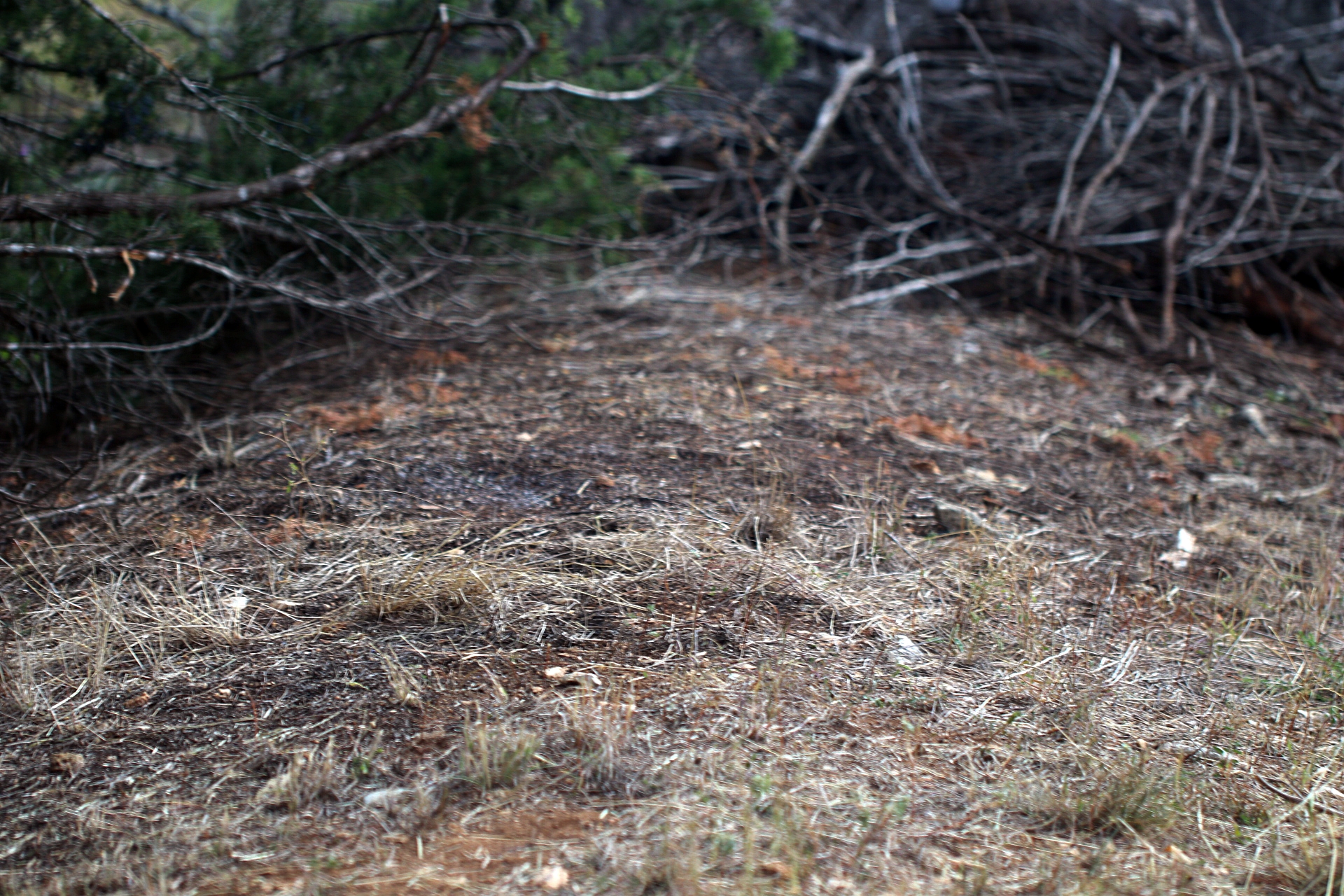
Here’s what I observed:

2020-11-10-3715

2020-11-10-3711

“Scalping” of the berm in several places. The berm is slightly sloped, so as one drives over the top from either side, it is hard to avoid scalping unless the blades of the mower are set to the seven inches which the Texas Department of Transportation specifies in its 2018 Roadside Vegetation Management Manual for rural areas and five inches in urban areas (Chapter 2, page 17). The reasoning is this: low cutting is undesirable because it:

  • stresses the vegetation, especially in dry, hot conditions, resulting in loss of desirable vegetative cover,
  • deprives wildlife of cover,
  • and the lack of leaves above the ground reduces the ability of the plants to develop roots below the ground, resulting in susceptibility to things like
    • erosion,
    • loss of native plant cover, and
    • vulnerability to invasive plant species which can crowd out native species because they have no natural enemies or symbiotic fauna species ( which might depend on them for survival).

Earlier posts on this blog have documented

  • Mowing on wet ground after a rain (Chapter 2, page 16)
  • Mowing down stands of wildflowers still in bloom, (Chapter 1, page 8), and
  • invasive species that were most likely introduced by failure to follow safe hygiene (Special Provision 730-003, which requires pressure washing before and after equipment enters and leaves an area).

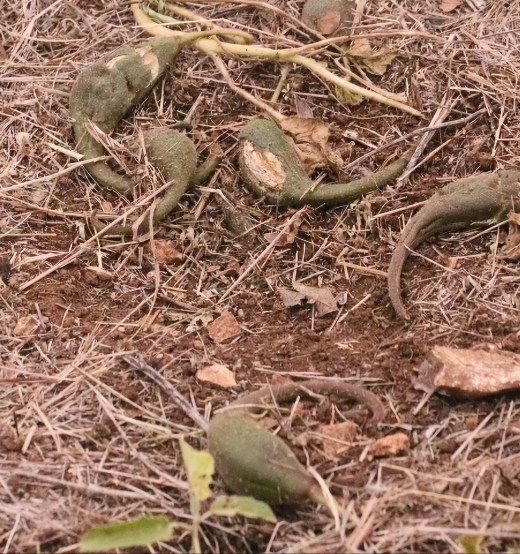
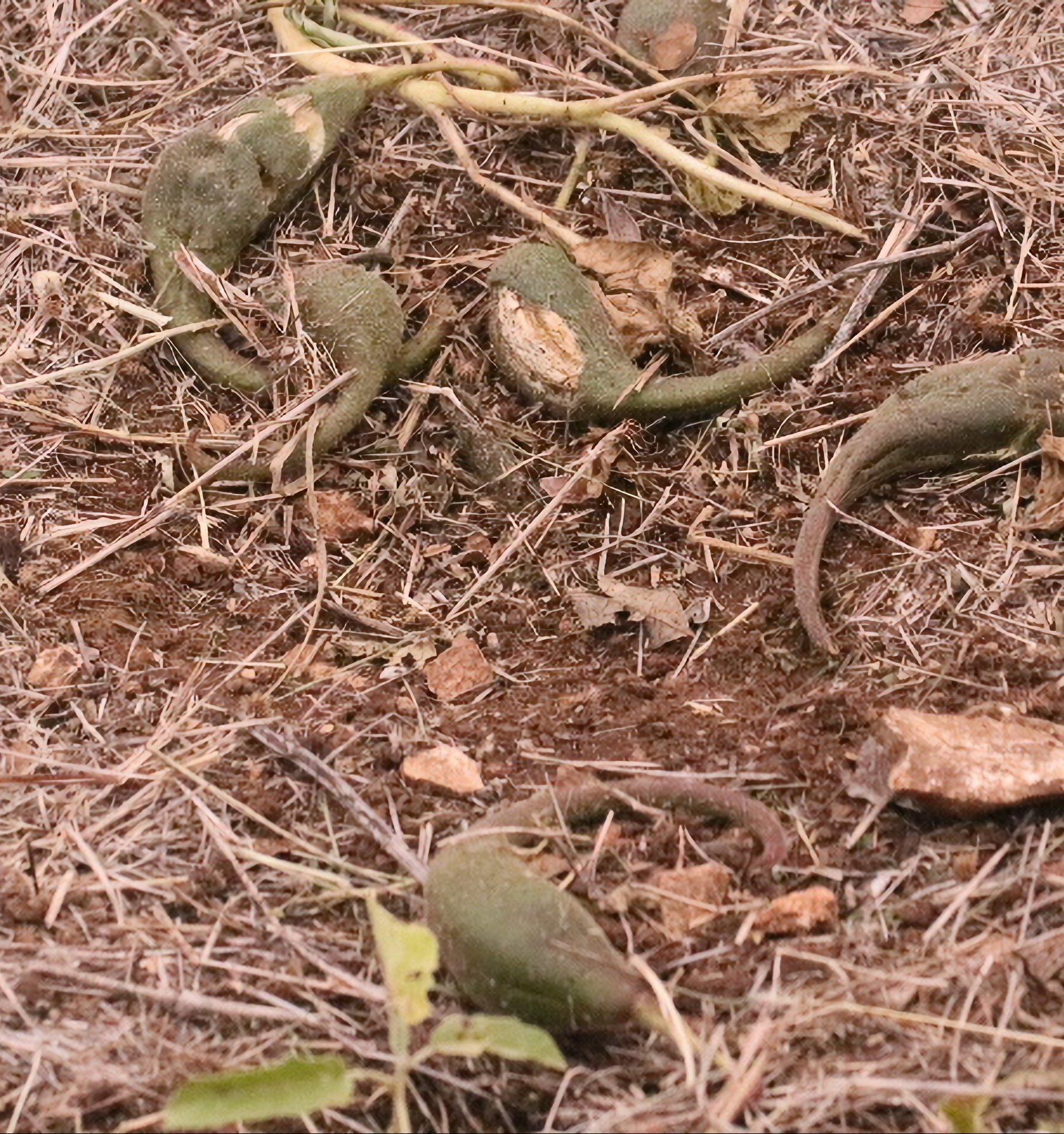
The November mowing was no exception, although it was done on dry soil, before a predicted rainfall the following week. But no plants below the height of three inches was spared. Although this Proboscidea louisianica was no longer in bloom, it had not completely set seed, as evident in these still green fruits. The mower had no sympathy for this Devil’s Claw.

Proboscidea louisianica - Ram's Horn, Devil's Claw

Proboscidea louisianica – Ram’s Horn, Devil’s Claw

One of my favorite Korean drama series, “Romance Is A Bonus Book” has a scene in which the CEO of the book publishing company says “You don’t need a botanist to mow the lawn.”

I’m beginning to think that you DO need a botanist, if not to mow the lawn, to tell the mowers When to mow, Where to mow, What to mow, How to mow, and Why to mow or not mow, so that the person Who does the mowing understands what he or she is doing, and can take pride in a job well done. The supervisors of the people who have mowed the berm between my house and the greenbelt, as well as other locations, based on the evidence I see, do not know, or have not trained their employees well.

Every time I see a roadside scalped, or steep sloped ditch mowed when it should have been planted with appropriate native plants, I wonder how long humans have before they realize that they are not the only species on this planet, and start to act as intelligently as they seem to think they are, “the most intelligent creatures on Earth.”

We have a winner!

2020-NPSOT-PhotoContest-GulfCoastPlainsAndMarrshes-winner

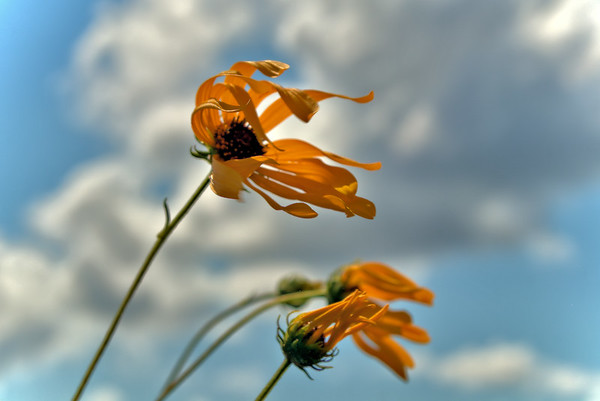
I am happy to say that I lucked out at the 2020 Native Plant Society of Texas photo contest with this photo taken at a pocket prairie East of League City, Texas. The category was the ecoregion of the Gulf Plains and Marshes (there are 12 ecoregions in the 2020 NPSOT photo contest).

I was consciously channeling my “inner Steven Schwartzman” when I took this photo of the Maximillian Sunflowers (Helianthus maximiliani) that were blowing in the wind against a cloudy but sunny sky.. This one had the best composition of those that I took that day – other species were either out of focus or not suitable for a contest entry.

I did enter three other photos in a contest that was marked by many high quality photos – perhaps in part because Steven Schwartzman, who won in a majority of the 12 ecoregions last year, made the rounds to many of the chapters across the state to deliver his presentation on nature photography.

Here are my “losers.”

From the Edwards Plateau, this photo of a Wild Petunia (Ruellia nudiflora) taken early in the morning to catch the sun in the upper right, showing off the translucency of the petals and the red “sundog” created by the lens in. the lower left, and highlighting the hirsute stem and body:

2020-08-16-Wild-Petunia-Ruellia-nudiflora-rjk1024x768-IMG-3346

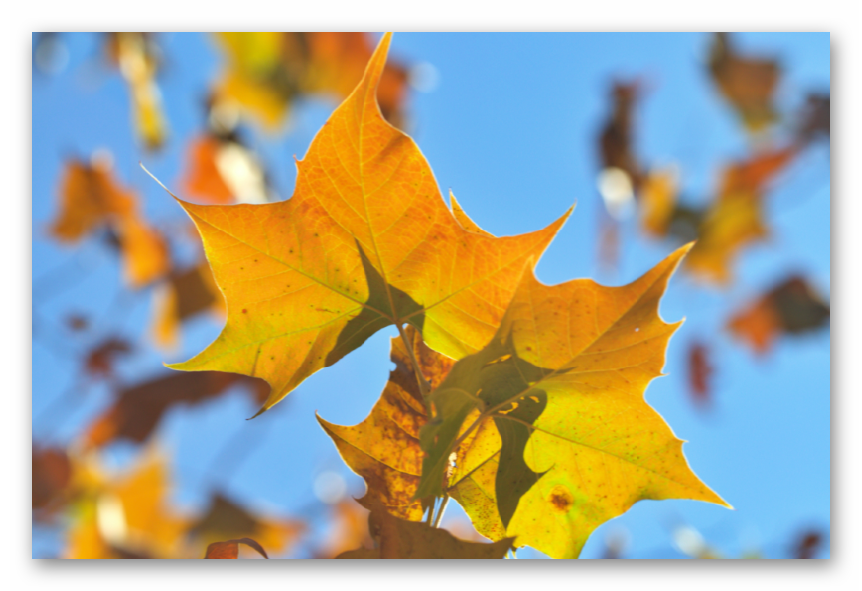
From the Cross Timbers ecoregion, this shot of an American Sycamore (Platanus occidentalis) with the autumn colors against a blue sky (Taken at Miller Springs Park near Belton, TX:

CrossTimbers

And finally, this photo from 2014 of a Southern Prairie Aster ( Eurybia hemispherica) in the East Texas Plains, this was the only one that showed the bloom off individually – although I used photo-editing software to sharpen it, I did not hype the colors. (And it might have disqualified because it was taken 6 years ago – the judges might have considered photos taken only with the last couple of years – I’m not entirely clear on that, but I not complaining, the overall qualities of the entries was awesome, and I was lucky to get one picked as a winner). And I’m not sure that i got this ID correct.

EastCentralPlains

All in all, any of the. above might have won, had there been different judges, or if there hadn’t been so many other high quality entries. I suspect that the latter is the main reason.  Check out the link to the contest entries (and winners) above and see if you don’t agree.

This has been a busy season, and I have yet to return to the issue of the berm between me and the greenbelt, or protected species area (there is a cave in the area, with an endangered species, so it is protected from development, but not from invasive species).

But that is for a different day.

Sleep, drowsiness, DBS and PD

Here are a few links to articles that look at the effects of Deep Brain Stimulation (DBS) on sleep, and daytime drowsiness, which could be a side effect from poor sleep. Or it could be something else.

Long term effects of DTN DBS on sleep

10 year study on daytime drowsiness and PD

REM Sleep Behavior Disorder is one of the more highly correlated conditions that end up with Parkinson’s.I remember having to spend the night on the floor of a motel when traveling with the college marching band. I was dreaming about a girl, and reached out to put my arm around her,  waking the guy who was sharing the queen bed with me.  It’s funny, now. I’ve had worse dreams. Still act out some of them.  Which as a lead-in to:

The largest clinical investigation to date of Prodromal Parkinsonism and Neurodegenerative Risk Stratification in REM Sleep Behavior Disorder

Abstract from a chapter in a book on sleep disorders:

 Significant progress has been made in understanding the pathophysiology of sleep and wake disruption in alphasynucleinopathies during the past few decades. Despite these advancements, treatment options are limited and frequently associated with problematic side effects. Further studies that center on the development of novel treatment approaches are very much needed. In this article, the author discusses the current state of the management of disturbed sleep and alertness in PD and MSA. © 2017 International Parkinson and Movement Disorder Society (emphasis added)

accessed at this link:

Management of sleep disorders in Parkinson’s disease and multiple system atrophy

As someone once wrote: To sleep, perchance to dream…

Self management and care partnerships

I don’t know about y’all, but without my care partner I would have been dead a long time ago. As it is, I am able to let her go off for a couple of weeks to help take care of her elderly old father and still manage to handle all the Activities of Daily Living (AD). This thesis looked into care partnerships and clinicians, and what could be done to improve outcomes. Four insights emerged:

Self-Management as a means to Achieving Client-Centred Care for the Care Partnership Living withParkinson’s disease

This research program has given rise to four main insights, grounded in the perspectives of both care partnerships and the clinicians who provide their care.

First, is the importance of incorporating the care partner into clinical care discussions, both about how to support the person diagnosed with PD, and for their own health.

Second, is to consider self management education as a means of achieving client-centered care by supporting the care partnership to effect the cognitive, emotional and behavioural responses required to manage the many dimensions of PD.

Third, is the importance of supporting the care partnership to assemble a healthcare team of relevant professionals and connecting them with appropriate community resources.

Finally, identifying and managing expectations through empathetic,
effective communication is paramount to the care partnership’s satisfaction with their clinical care.

Understanding how care partnerships learned to care for themselves while living with PD carries important implications for clinical practice in various disciplines. Healthcare professionals may reflexively contemplate these insights and consider how they may be applied in their clinical settings.

Gone to seed, fruits, or berries, mostly…

Took a walk out in the woods, in the middle of the summer, to see if the Phemeranthus calycinus aka Rock Pink, might be in bloom, since we had had several days of rain prior. No such luck. There had been at least 20 specimens in the immediate area about four years ago, and earlier this year I found one in bloom, but even the Bitterweed (Helenium amarum) seemed to be scorched, for the most part, although I did take a photo of one that wasn’t, and some grasses. (For an article describing the flower I was looking for, and some photos, see Stalking the ephemeral Rock-Pink).

The area I’ve dubbed “Lace Cactus Lane” because of its concentration of Echinocereus species, was in fairly decent condition. And a pass through the area I call “Vine Street” revealed some Pearl Milkweed Vine (Matelea reticulata) pods dried and open, as well as some Carolina Snailseed (Cocculus carolinus), starting to put out its berries. Of course, there was the usual Poison Ivy (Toxicodendron radicans), Virginia Creeper (Parthenocissus quinquefolia ) and Sevenleaf Creeper (Parthenocissus heptophylla). And I took a few shots of the Bearded Swallow-Wort vine (Cynanchum barbigerum) just to illustrate the way it braids itself along whatever is supporting it.

A bit closer to home, Butterflyweed (Asclepias tuberosa) were in bloom,  as were Texas Lantana (Lantana urticoides) , Apache Plume (Fallugia paradoxa), Gregg’s Mistflower (Conoclinium greggii), Mealy Blue Sage (Salvia farinacea), Skeleton-leaf Golden-eye (Viguiera stenoloba),  Four-nerve daisies (Tetraneuris sp.), Flame acanthus  (Anisacanthus quadrifidus), Autumn Sage (Salvia greggii), and Manzanilla (better known by the name Turk’s Cap, and rarely called Texas Red Mallow)(Malvaviscus arboreus var. drummondii). Even the Wild petunia (Ruellia nudiflora) has been putting out blooms lately, and the Yellow Passion Flower (Passiflora lutea) seems to have just recently finished its latest cycle.

Which leads to a mention of the life cycle of the Gulf Fritillary (Agraulis vanillae) butterflies, which have tried their best but haven’t succeeded in stripping the Passiflora vines completely this year. Given that it is safe to speculate that the suburban subdivision where I reside has little habitat for these beautiful pollinators, one can only hope that my little nursery is keeping the local population going.

In the heat of the summer

I seem to suffer from Gilligan’s Syndrome – what starts out as a five minute walk outside to water the plants in their containers that I am hoping will hold on until cooler weather comes (September? October?) turns into an hour or more photo safari. Sometimes I go beyond the confines of my yard, sometimes not.

Ruellia nudiflora, for instance, has suddenly been blooming like crazy. A Passiflora incarnata volunteer popped up in the mulched bed across from the Passiflora lutea and Passiflora suberosa, and started putting out blooms. The Malvaviscus arboreus var. drummondii continue to bloom, as do the Salvia greggii, Lantana urticoides, Scutellarria wrightii, Salvia farinacea, and Conoclinium greggii. In the “nursery,” several Asclepias milkweeds have bloomed or budded, along with Tetraneuris scaposa. In the gravel pathway, I had to (reluctantly) trim the Boerhavia coccinea back to allow human passage. The Fallugia paradoxa has put out a few blooms and plumes, and the Pavonia lasiopetala has been a pleasant surprise with its hibiscus-like pink blossoms.

We have Liatris punctata still in bloom, Melampodium leucanthum, Asclepias texana, and a native grass that I have been calling “Indian Grass,” (turns out that is the common name for Sorghum nutans. The Aloysia gratissima has attracted pollinators, as has the Anisacanthus quadrifidus, and behind the fence, the Proboscidea louisianica or “Devil’s Claw,” has held out with a bloom or two. The Glandularia bipinnatifida has come up in various spots, too low for the mowers’ blades most of the time. As can be seen in some of the photos, these native plants of Texas, most of which are not receiving any supplemental watering, provide food for Bumblebees, butterflies, and even hummingbirds, lizards, and wasps. I even went out and over the course of several days, harvested enough Diospyros texana fruit to make a Texas Persimmon Loaf. The slide show that follows includes photos taken the week of August 10 – 16, 2020

This slideshow requires JavaScript.

Where it’s at (at this moment )

As a person who was diagnosed in late 2011 with Parkinson’s disease after several years of treatment for Essential Tremors that had gotten uncontrollable, I had Deep Brain Stimulation (DBS) shortly thereafter (I had already decided to go for DBS to control the tremors, and in the additional testing, rigidity was observed, allowing the diagnosis).

Since then, thanks to a supportive care partner, a supportive community that provides exercise and dance classes, and now vocal exercises (singing) which I had initiated in 2015 along with a friend, now deceased, I am able to function fairly well. I consider my self ” the luckiest guy” to paraphrase Lou Gehrig.

So instead of my usual posting of an article or a few on a specific topic, I thought I would post this YouTube video documenting my current situation (albeit somewhat exaggerated for dramatic effect) as far as Parkinson’s Disease goes:

I Blame The Parkinson’s

The link between environmental chemicals and Parkinson’s

Jane Brody of the New York Times wrote a recent review of a new book, co-written by several experts in the field of neurology. These include Dr. Ray Dorsey, neurologist at the University of Rochester; Todd Sherer, neuroscientist with the Michael J. Fox Foundation for Parkinson’s Research; Dr. Michael S. Okun, neurologist at my other hometown at the University of Florida; and Dr. Bastiaan R. Bloem, neurologist at Radboud University Nijmegen Medical Center in the Netherlands.

The book titled “Ending Parkinson’s Disease” calls the occurrence of PD a “man-made pandemic” with references to to many studies that show the high correlation of PD to the exposure to toxic chemicals on farms and in the workplace, as well as animal studies in which PD symptoms were replicated.

Here’s one YouTube video about the book:

Brief overview of the book of Ending Parkinson’s Disease

And here’s a forty minute Zoom presentation by Dr. Michael Okun at the University of Florida on the book’s topics. (unfortunately, there are distracting sounds from participants/attendees who didn’t mute their microphones):

Ending Parkinson’s Disease with Dr. Michael Okun

My next action will be to order the book.

###

A review on dance and PD

Dance classes for Parkinson’s patients was one of the things that got me involved in Power for Parkinson’s© and the Georgetown Area Parkinson’s Support group to begin with. For me, it has helped to improve symptoms and quality of life tremendously.

In this desk review of many studies, the authors came to the following conclusions:

Overall, the reviewed evidence demonstrated that dance can improve motor impairments, specifically balance and motor symptom severity in individuals with mild to moderate PD, and that more research is needed to determine its effects on non-motor symptoms and QOL. RCTs that use a mixed-methods approach and include larger sample sizes will be beneficial in fully characterizing effects and in determining which program elements are most important in bringing about positive, clinically meaningful changes in people with PD.

 Carapellotti AM, Stevenson R, Doumas M (2020) The efficacy of dance for improving motor impairments, non-motor symptoms, and quality of life in Parkinson’s disease: A systematic review and meta-analysis. PLoS ONE 15(8): e0236820. https://doi.org/10.1371/journal.pone.0236820

I have come to the conclusion that every study or review has to include the phrase “more research is needed.” And it is true.

You can read the article in its entirety at the URL in the citation, or download it directly from this link:

The efficacy of dance for improving motor impairments, non-motor symptoms, and quality of life in Parkinson’s disease: A systematic review and meta-analysis