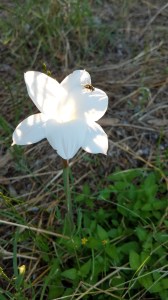
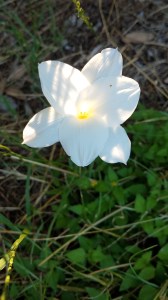
Natives returning, along with a few undesirables

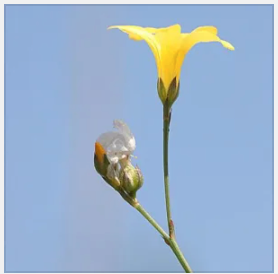
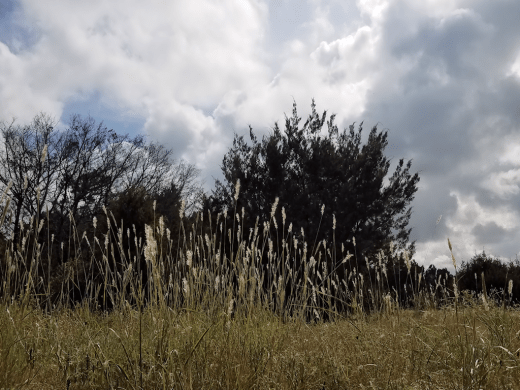
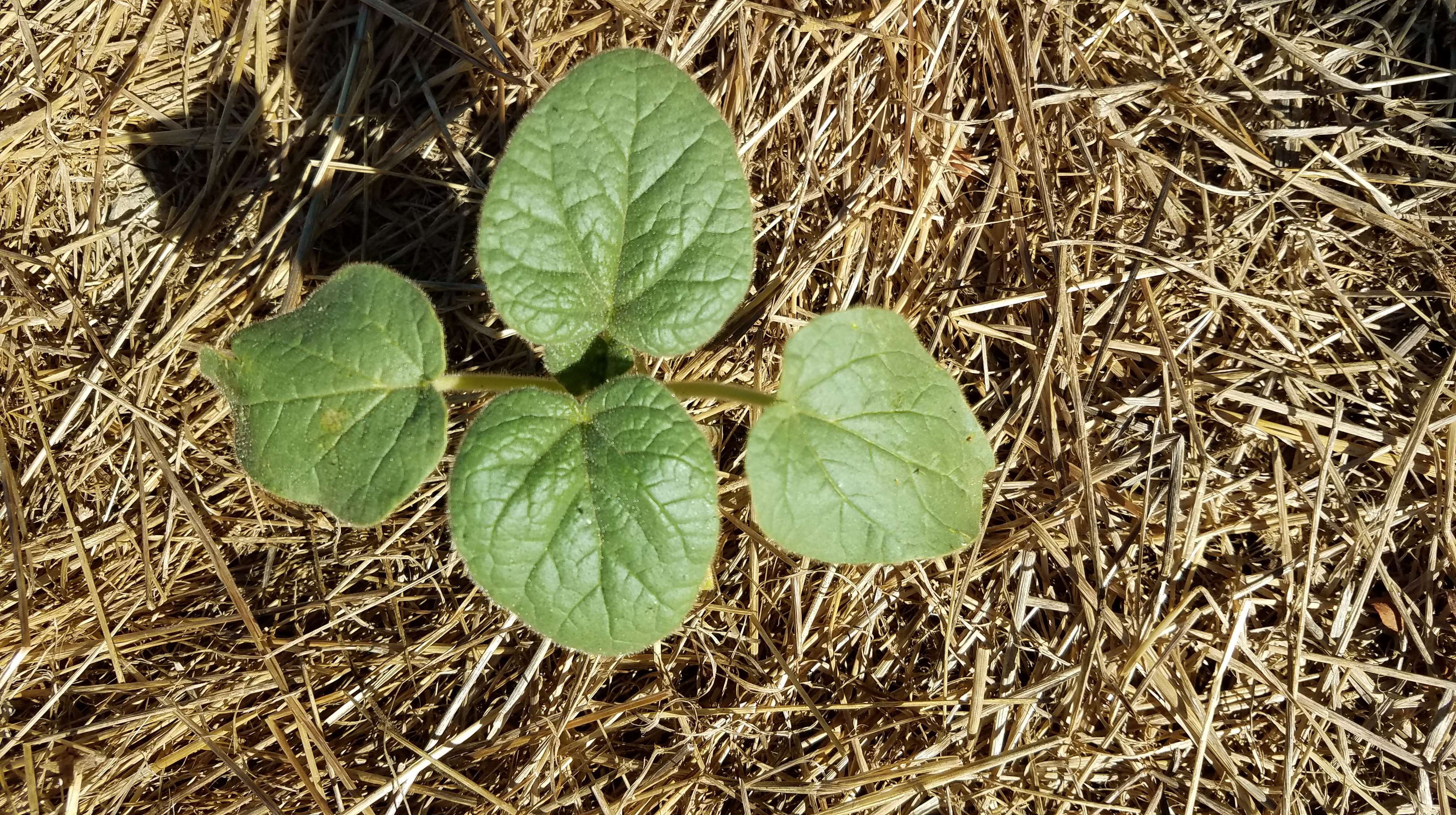
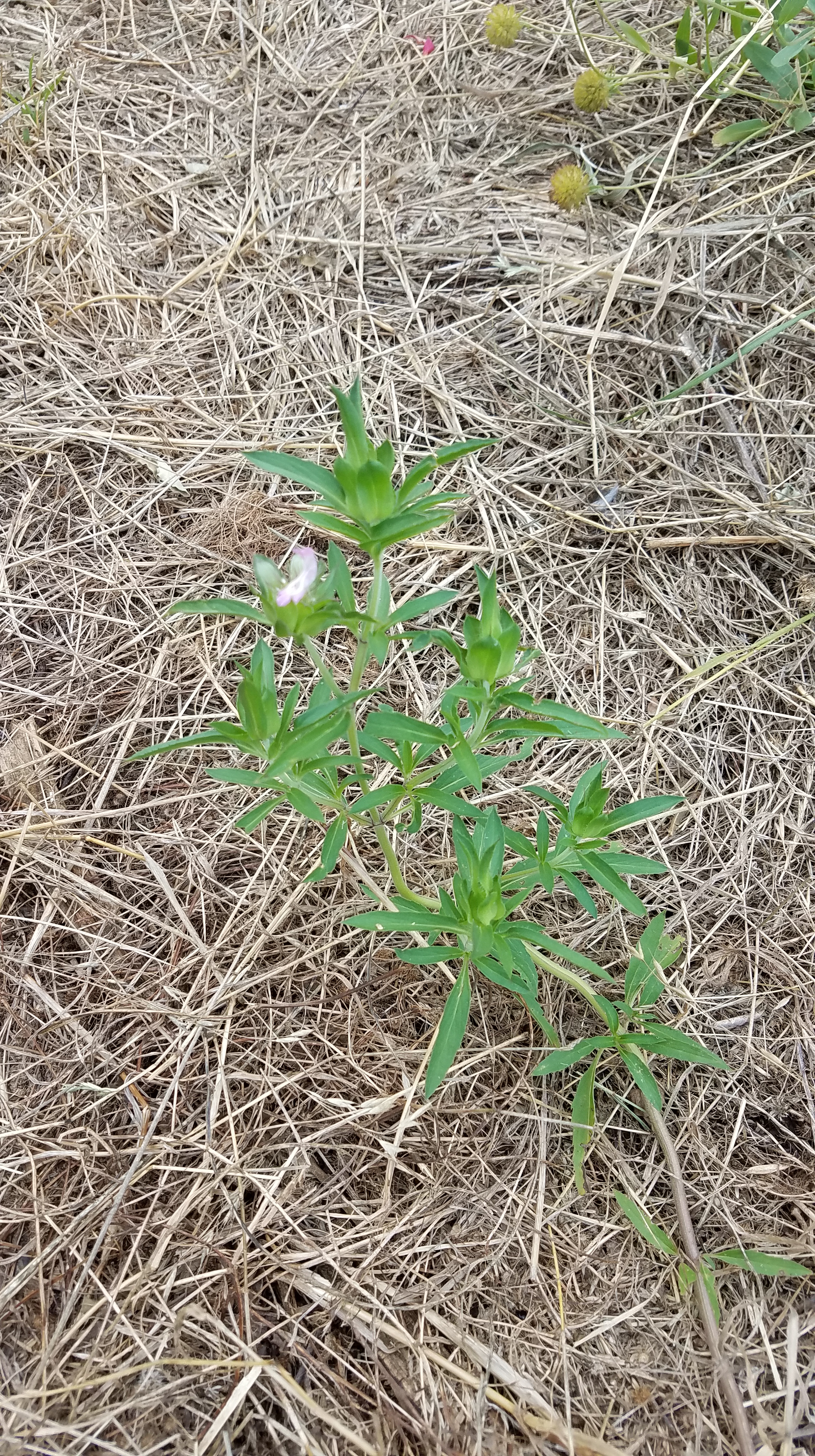
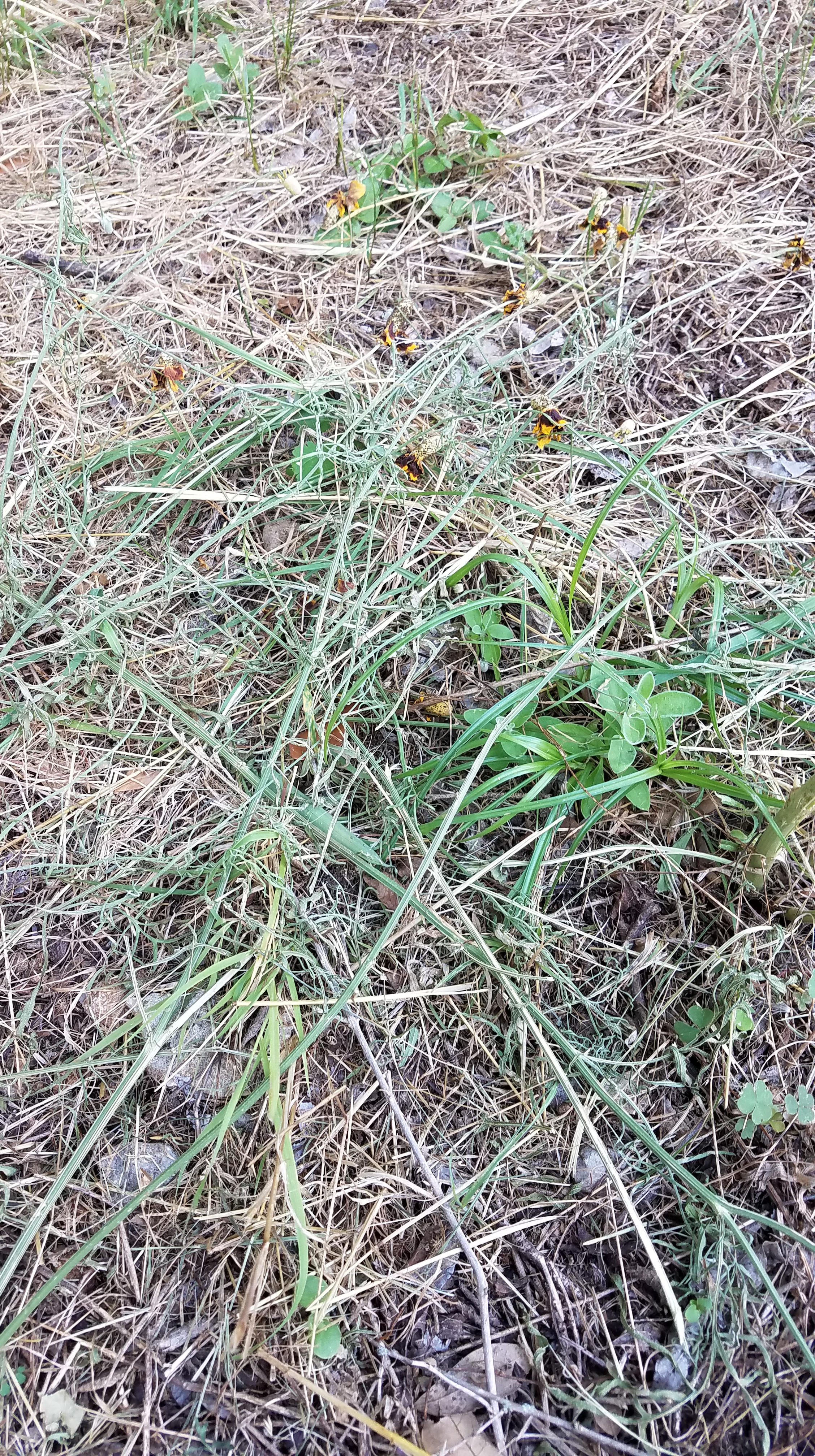
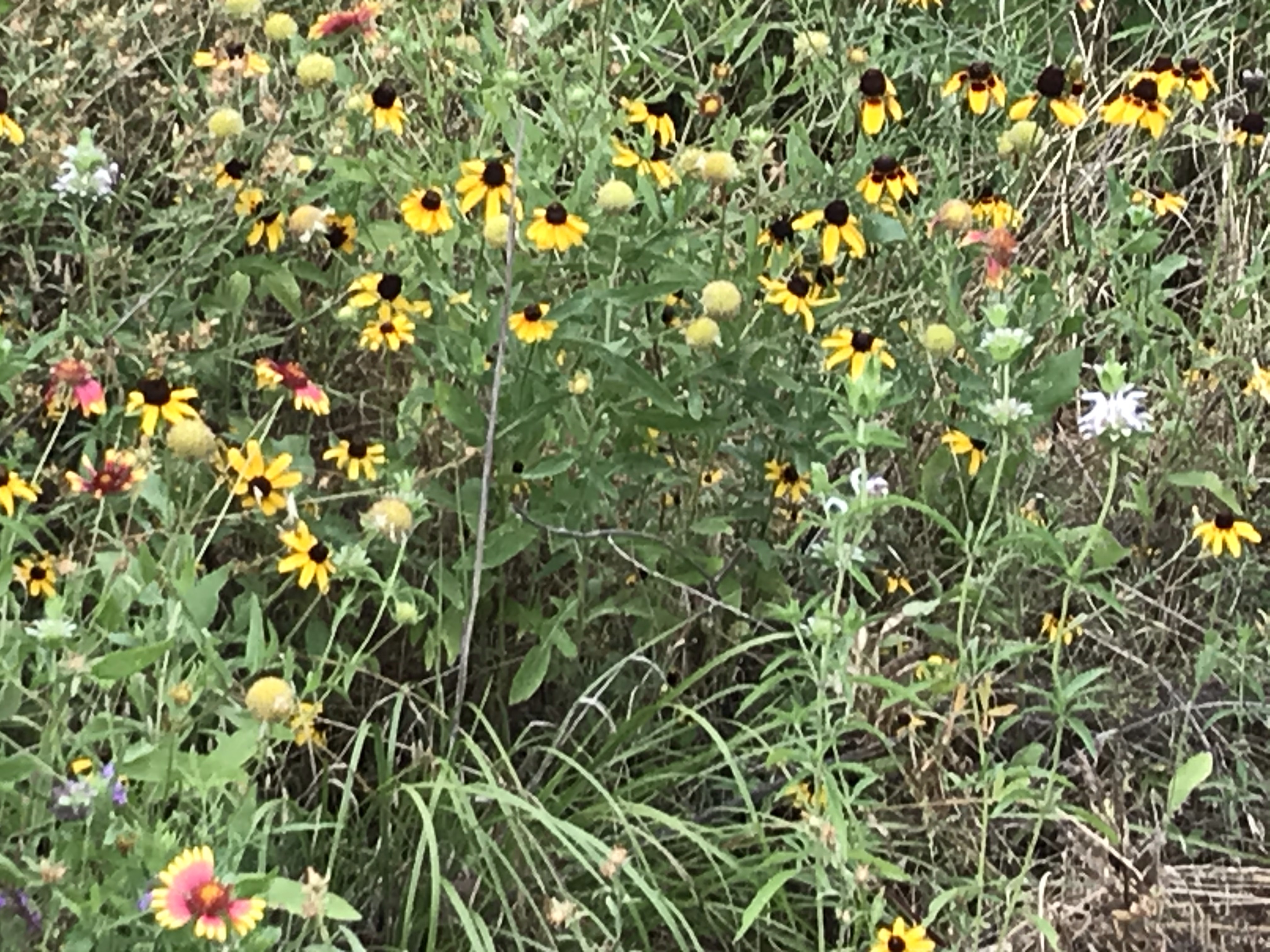
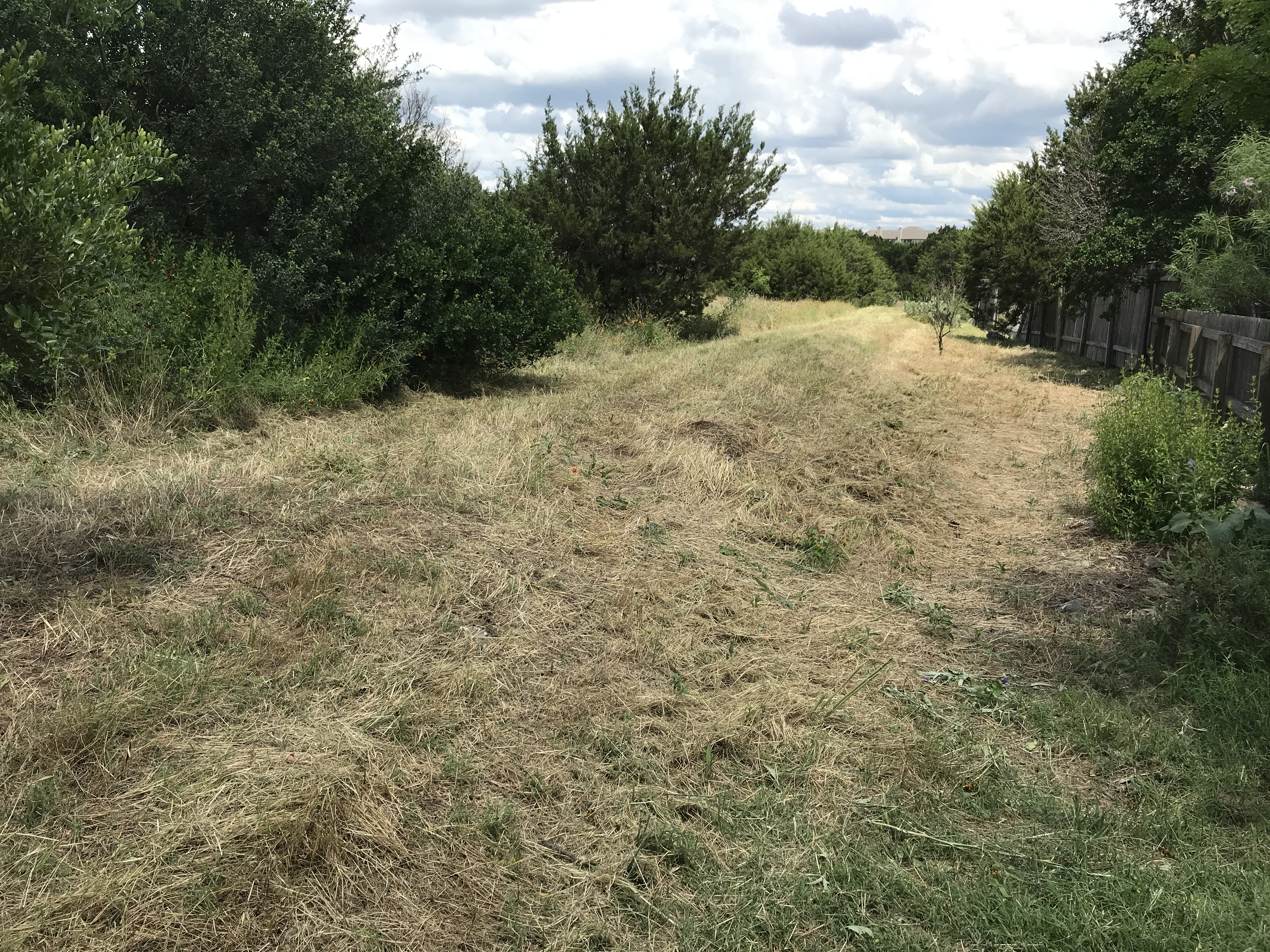
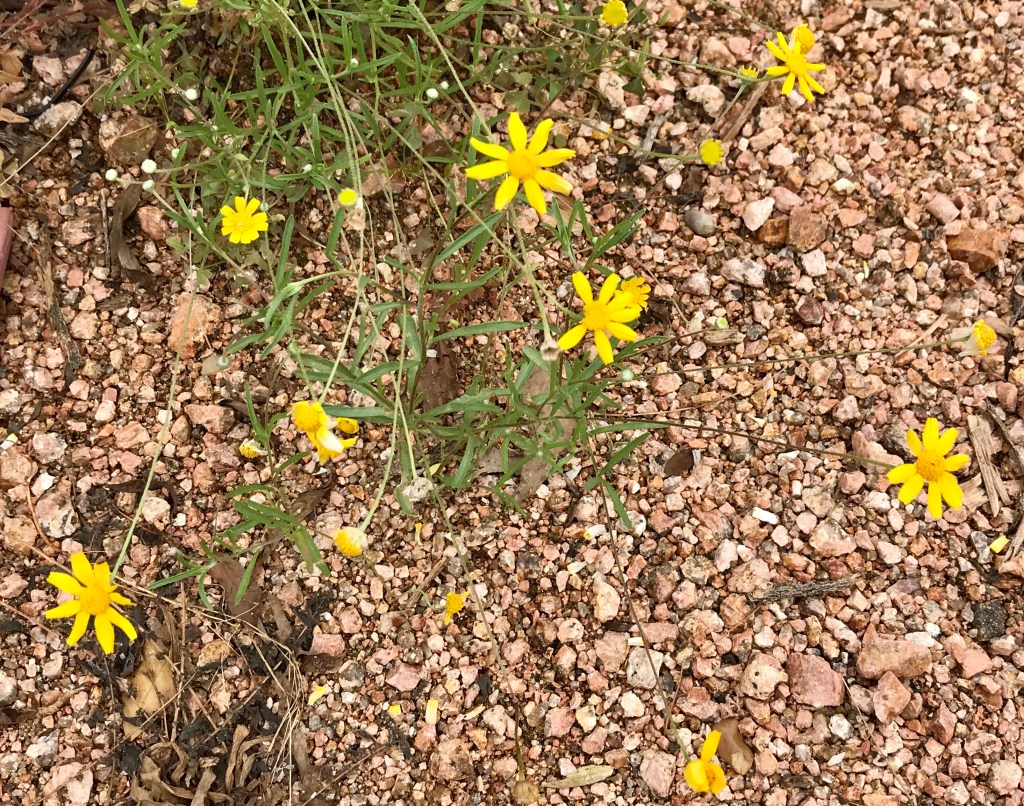
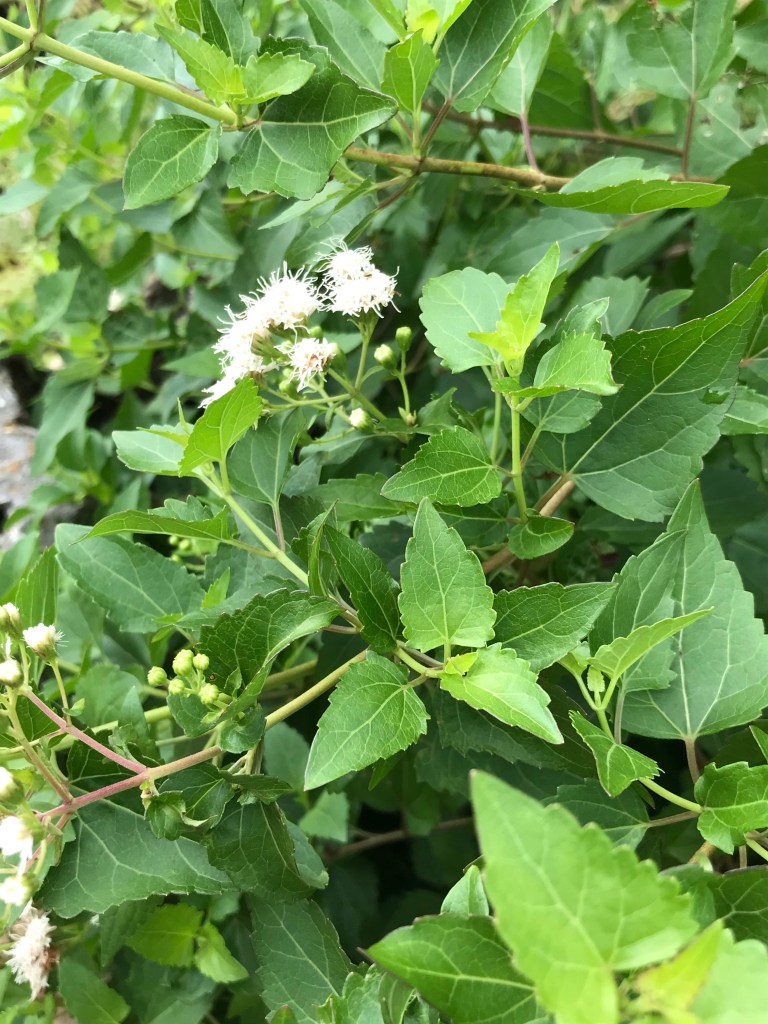
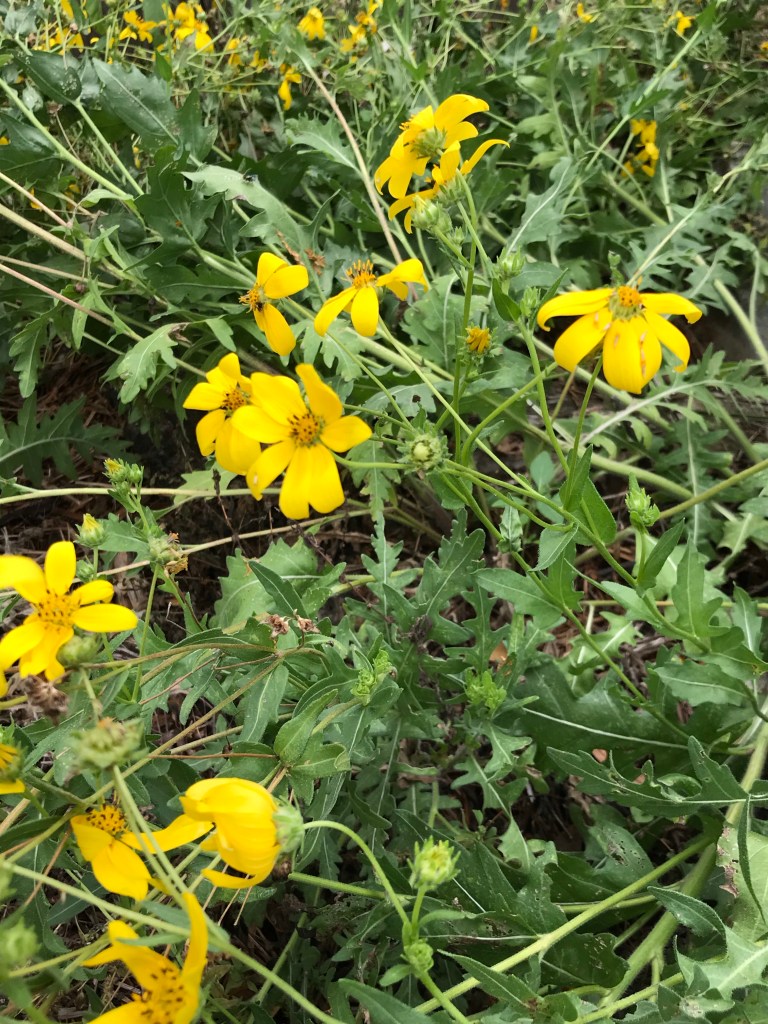
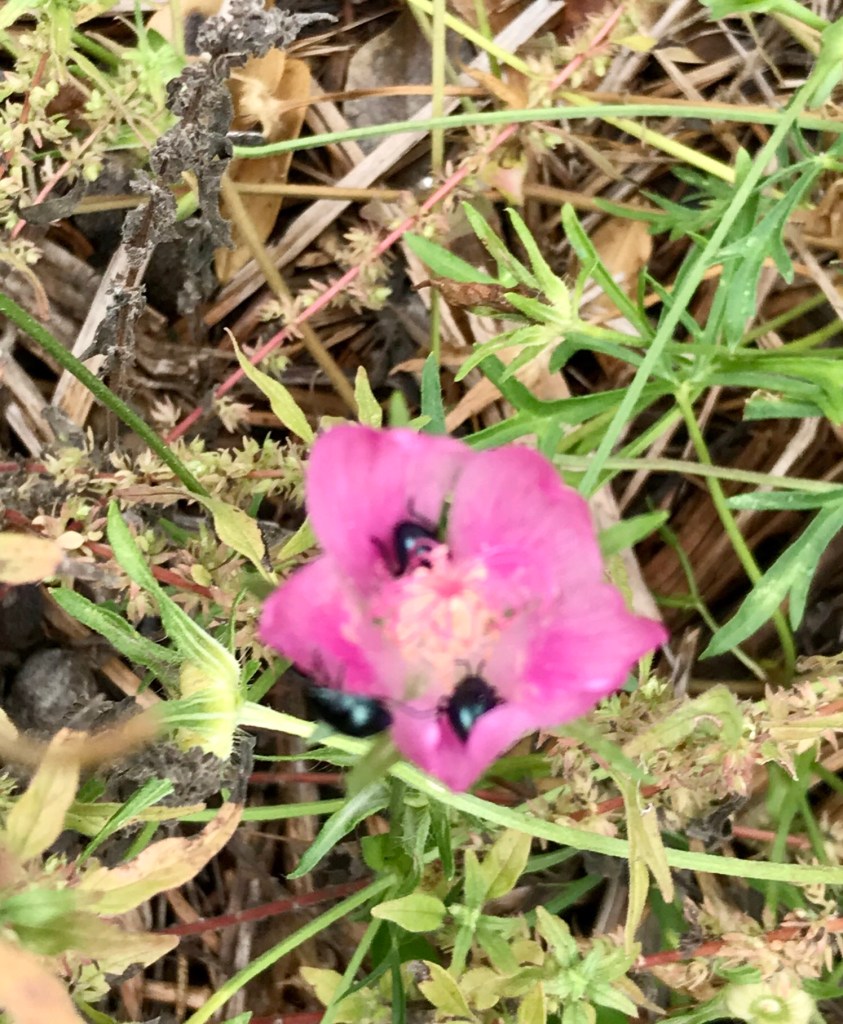
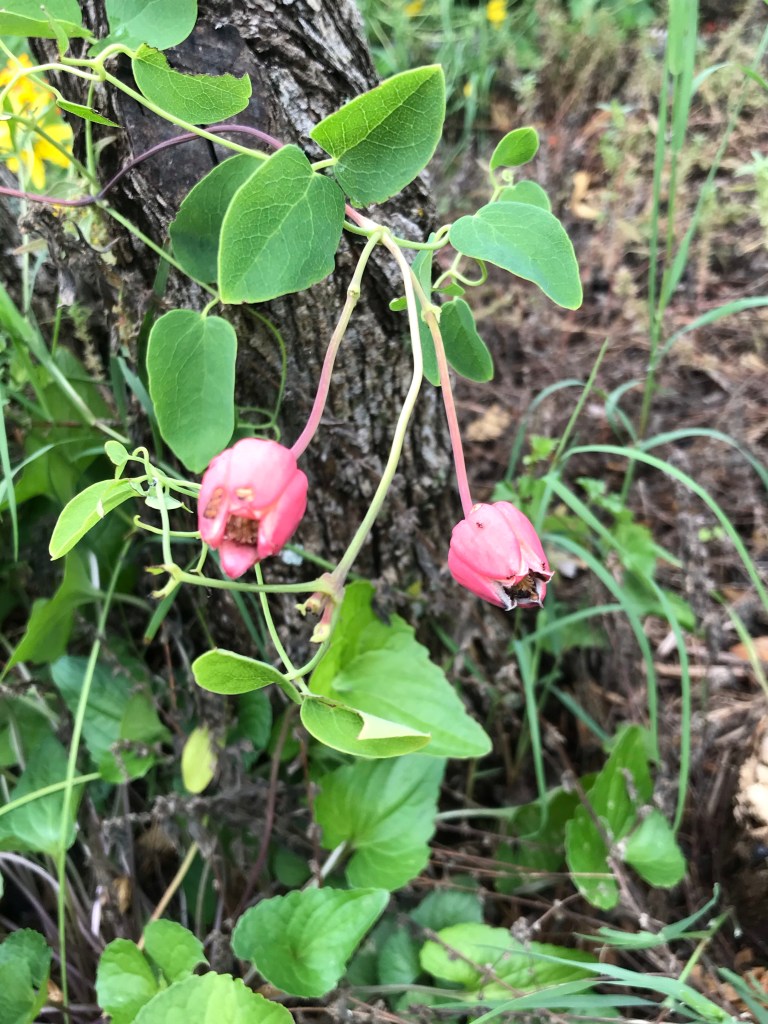
A month after the Wildflower Massacre at the hands of untrained/poorly trained mowers (who are not to blame, for the are just pawns in the game), the native plants are making a strong comeback, as well as a couple of unwelcome plants, both exotic and native. Among the invasive or undesirable plants are Johnson Grass (Sorghum halepense), Bermuda Grass (Cynodon dactylon), and Poison Ivy (Toxicodendron radicans). Interestingly enough, most of the “new” natives are coming up in the area in which I had already pulled some 10 bags of grasses and weeds of the exotic and invasive persuasion. But enough talk, here’s a slideshow to illustrate what I’m talking about.


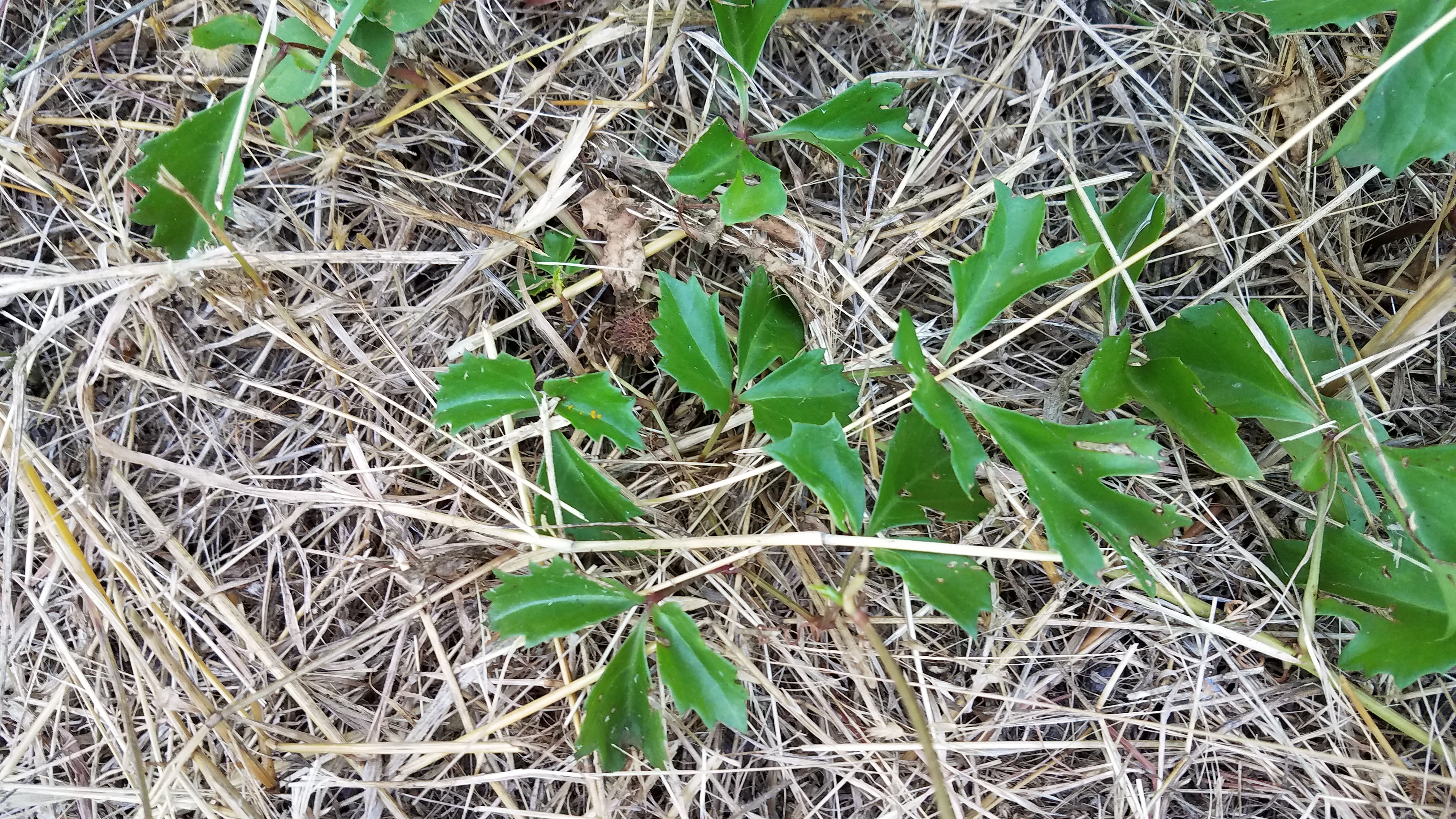
The low blade mowing (under 7 inches) according to a personal source expert on eradicating non-native species from parks and preserves, is a great way to spread the Poison Ivy (a native, but one which one prefers left in preserves, untouched by mower blades). I suspect that cutting below 7 inches also encourages the spread of Bermuda Grass. The Johnson Grass is an opportunistic plant that likes disturbed soils such as construction sites or “scalped” roadways and in my case, berms. But it can be easily defeated by pulling it out after every rain, and letting native grasses take over.

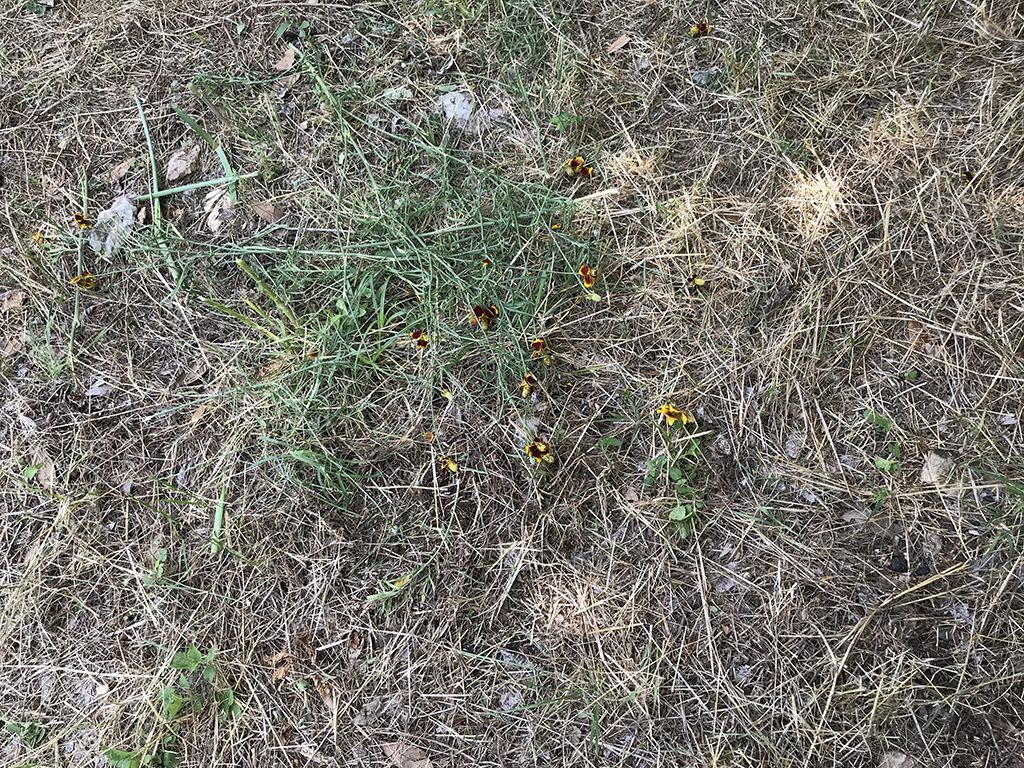
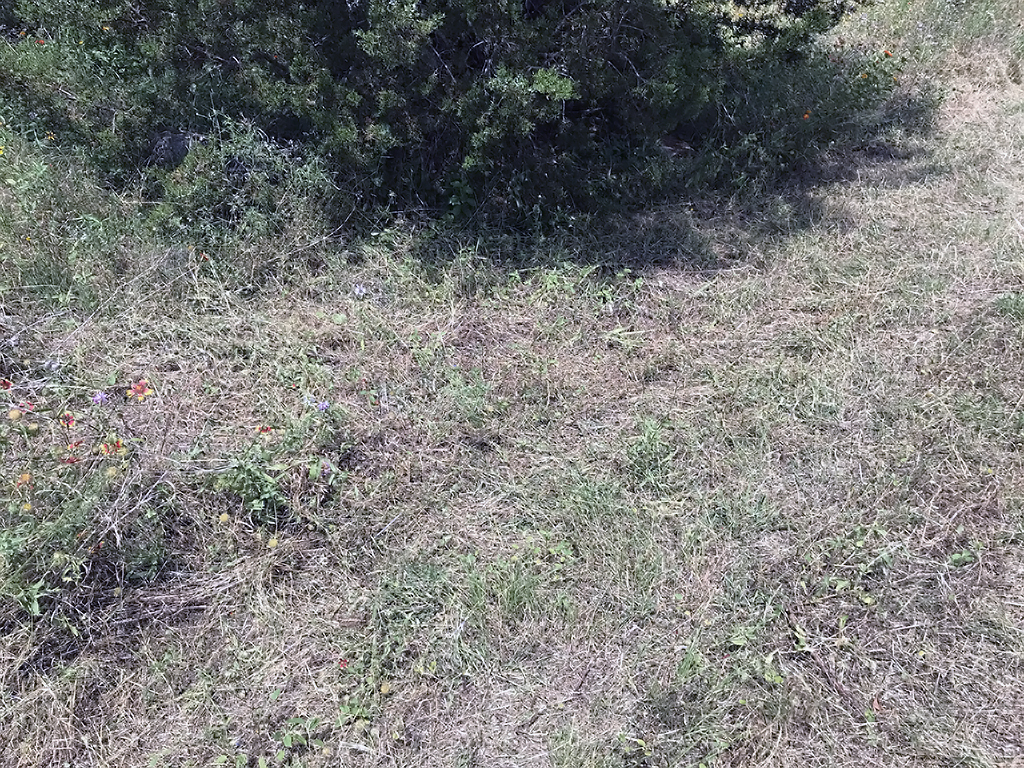
Mowed down to the ground, the natives return

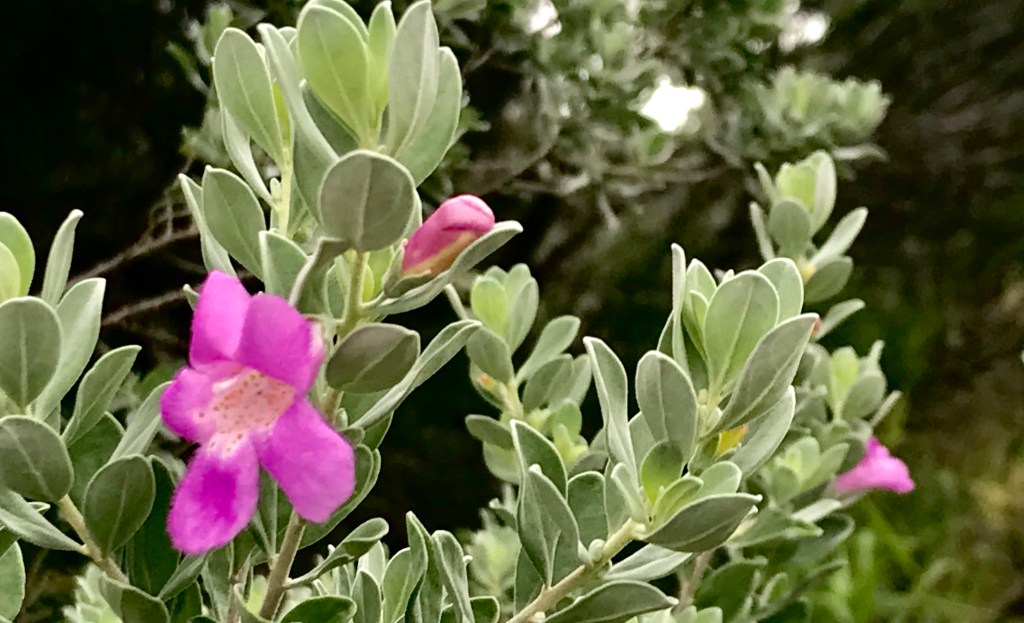
  • Texas Bluebonnet floret
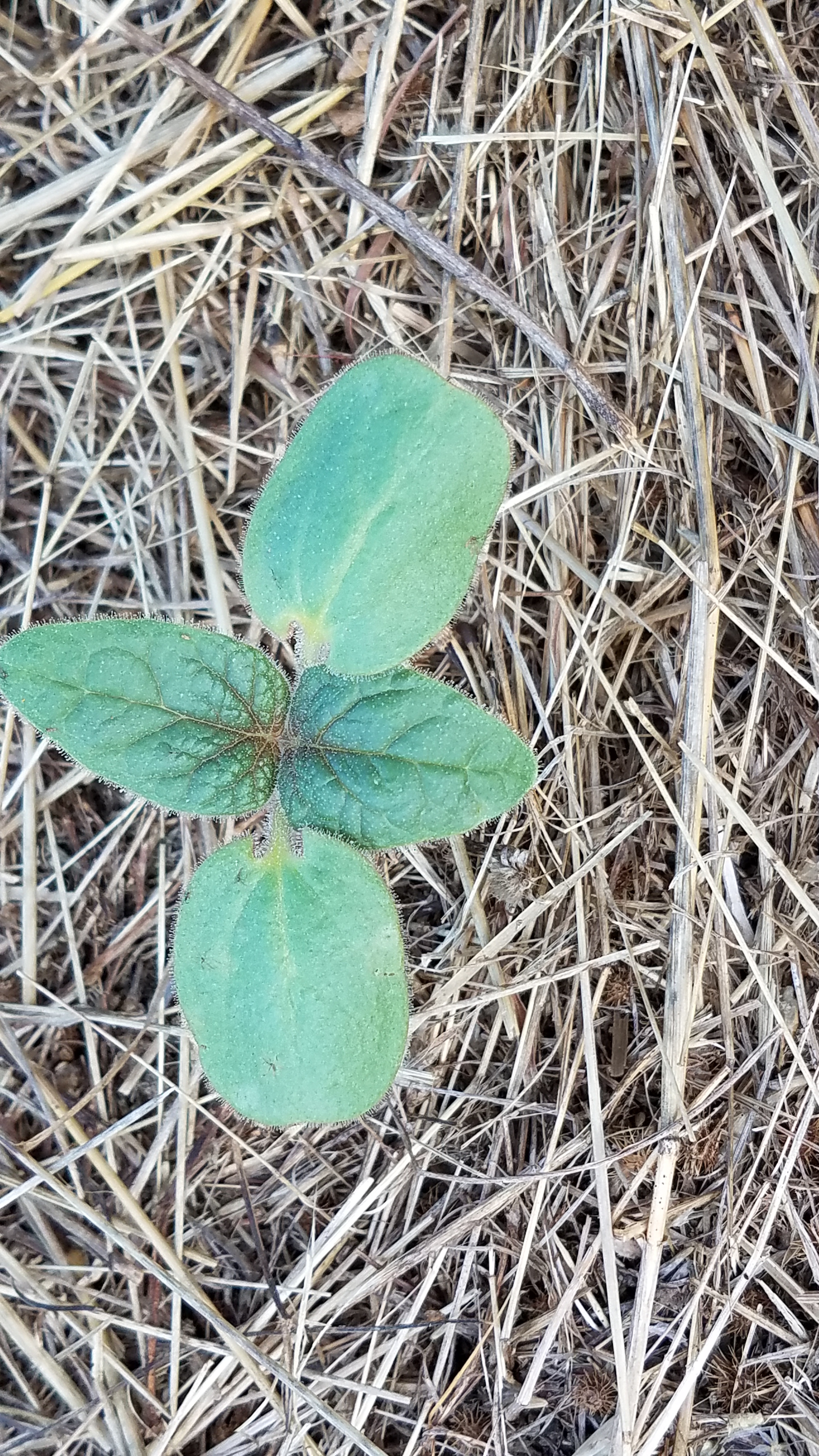
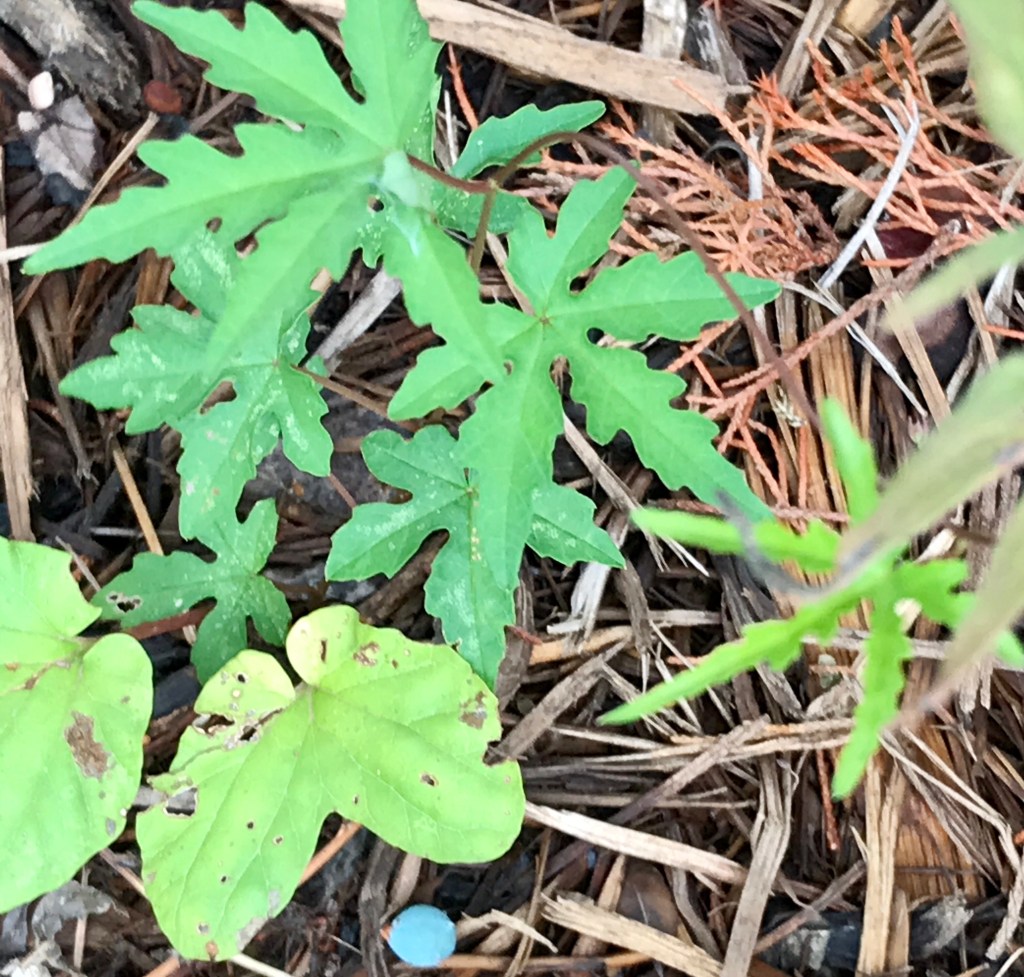
  • Devil's Claw / Ram's Horn
  • Horsemint / Bee Balm
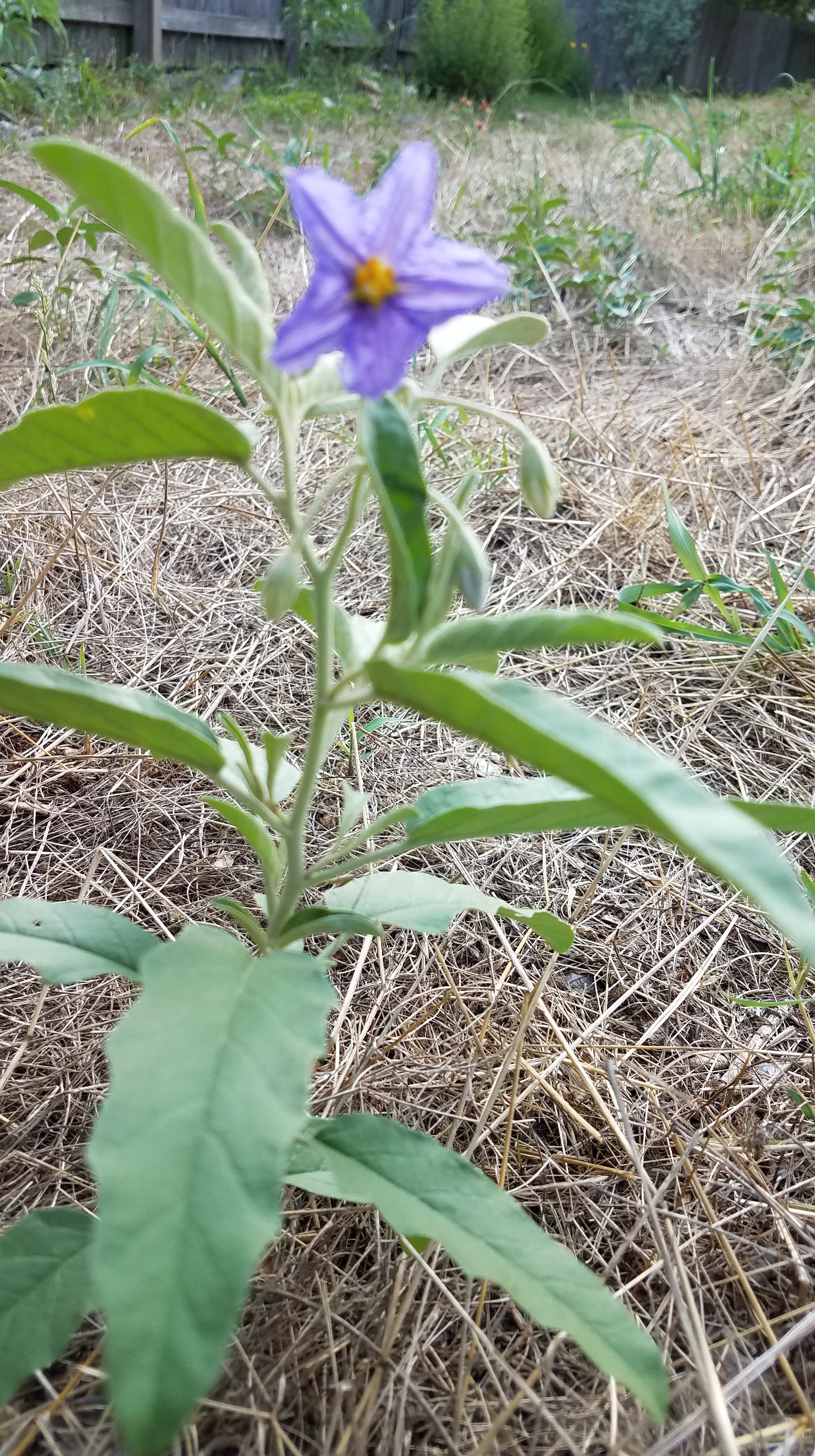
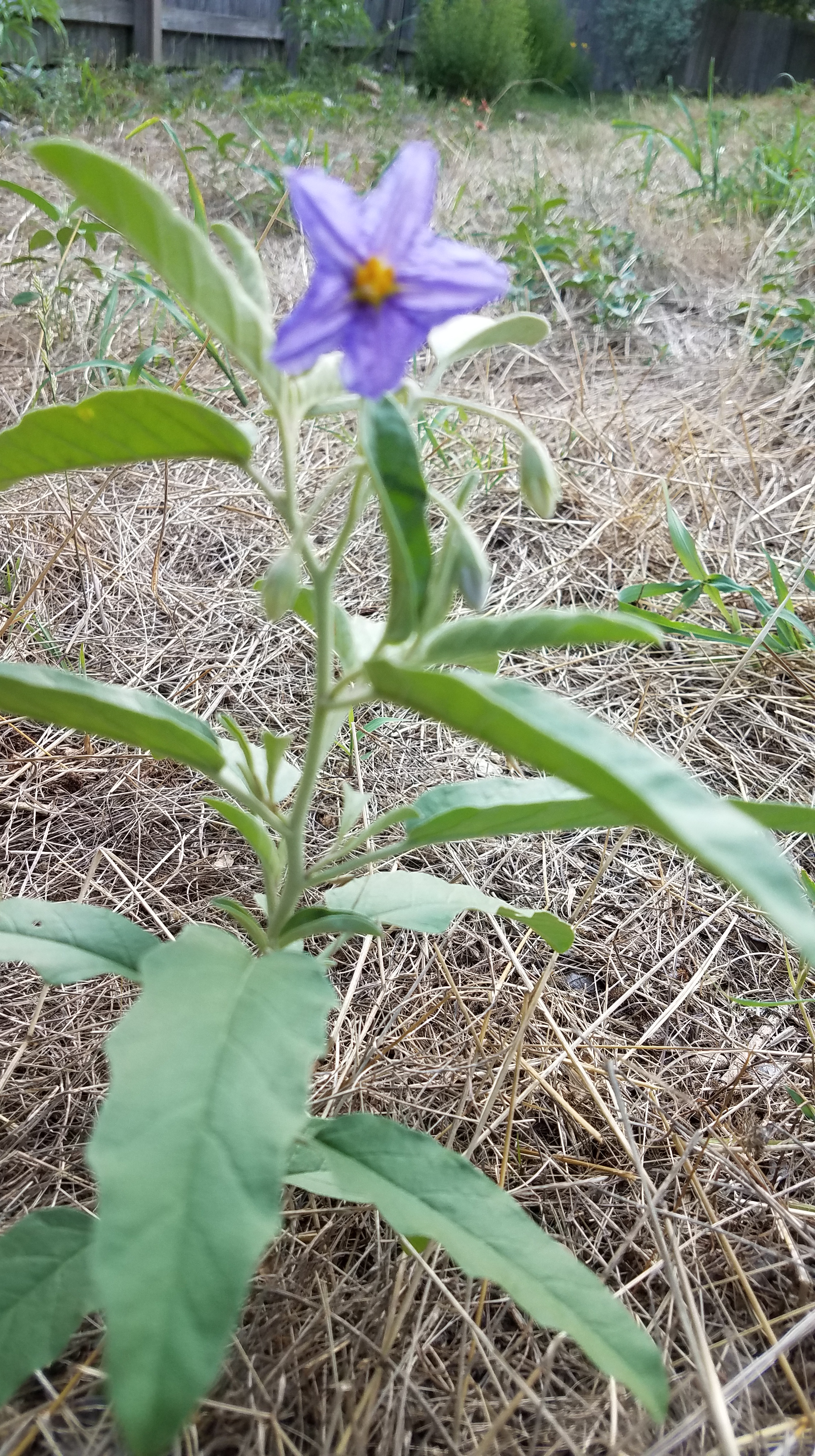
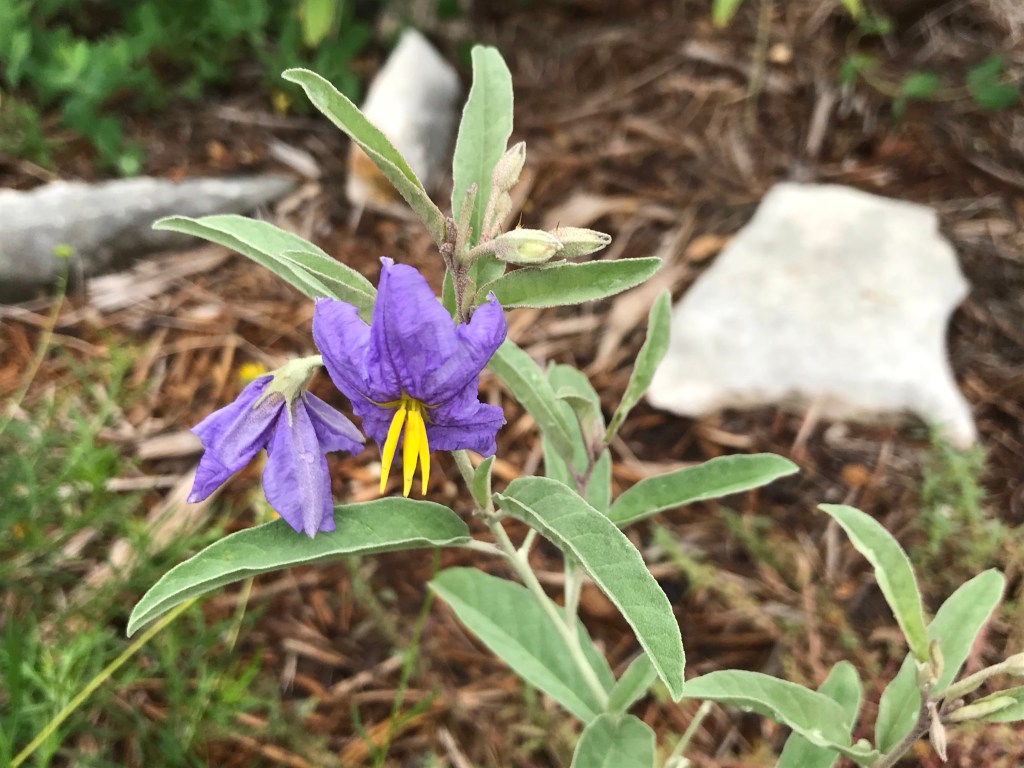
  • Silverleaf nightshade
  • Devil's Claw
  • Devil's Claw
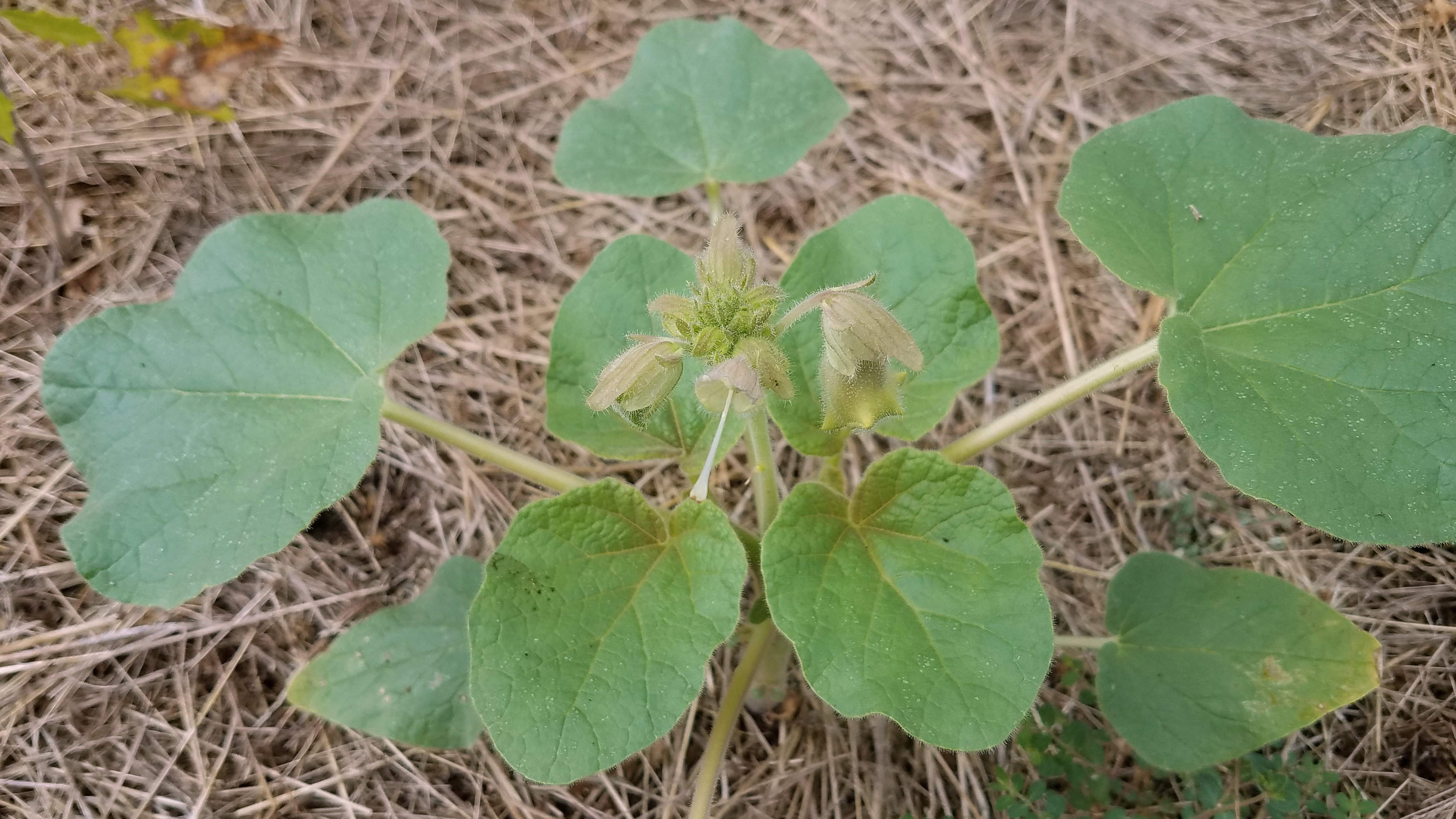
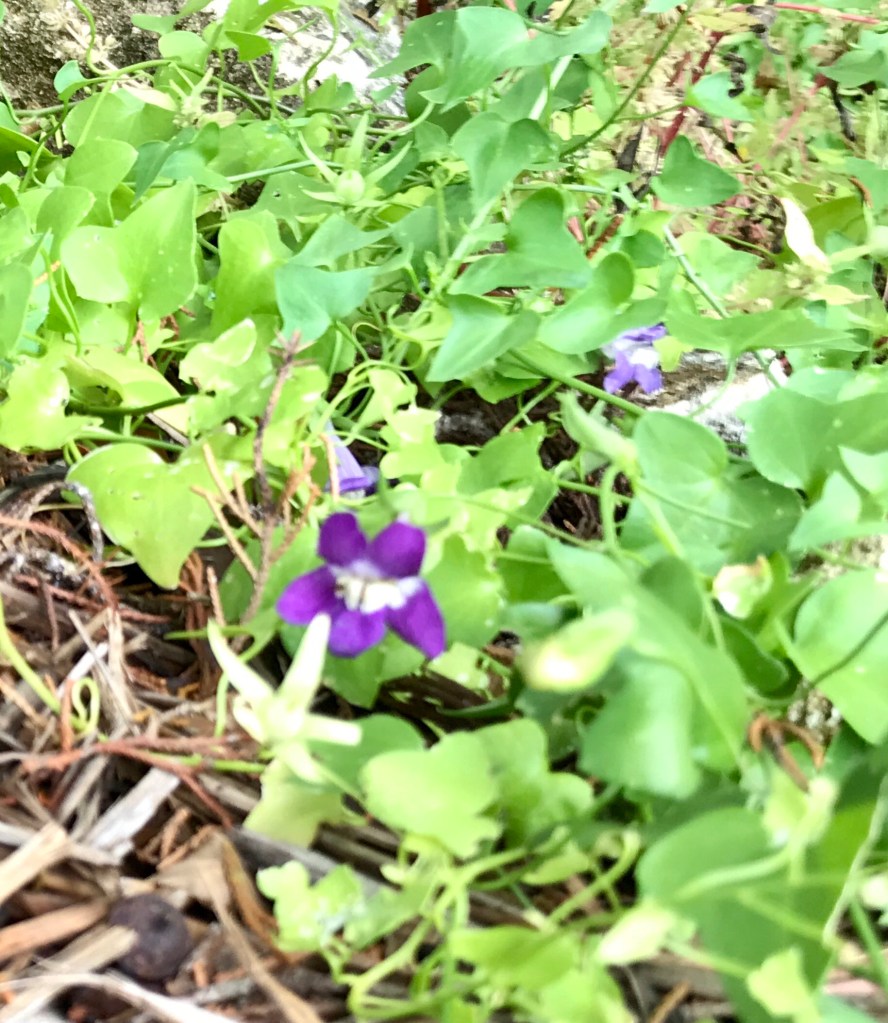
  • Cow-Itch or Sorrel vine
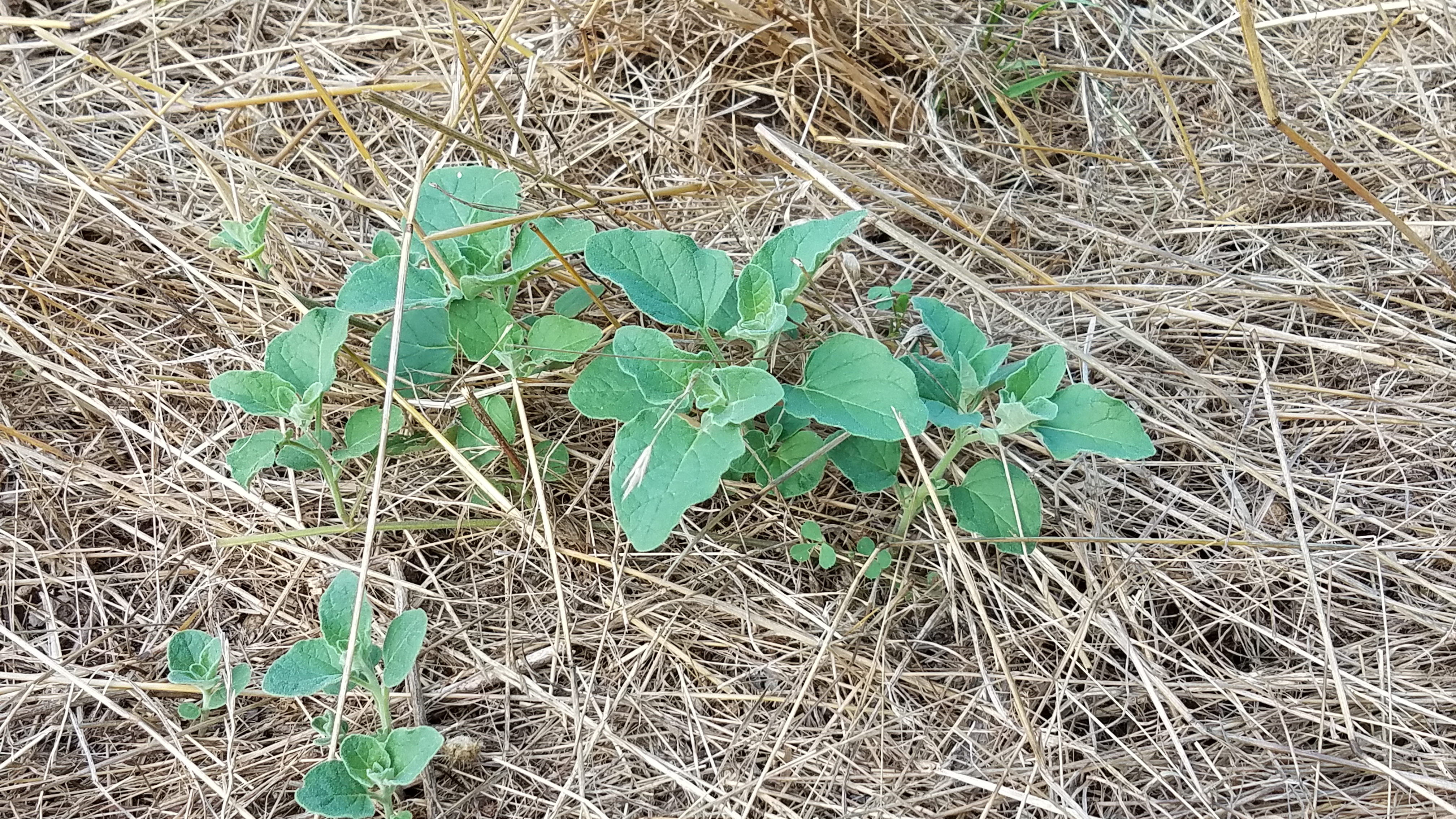
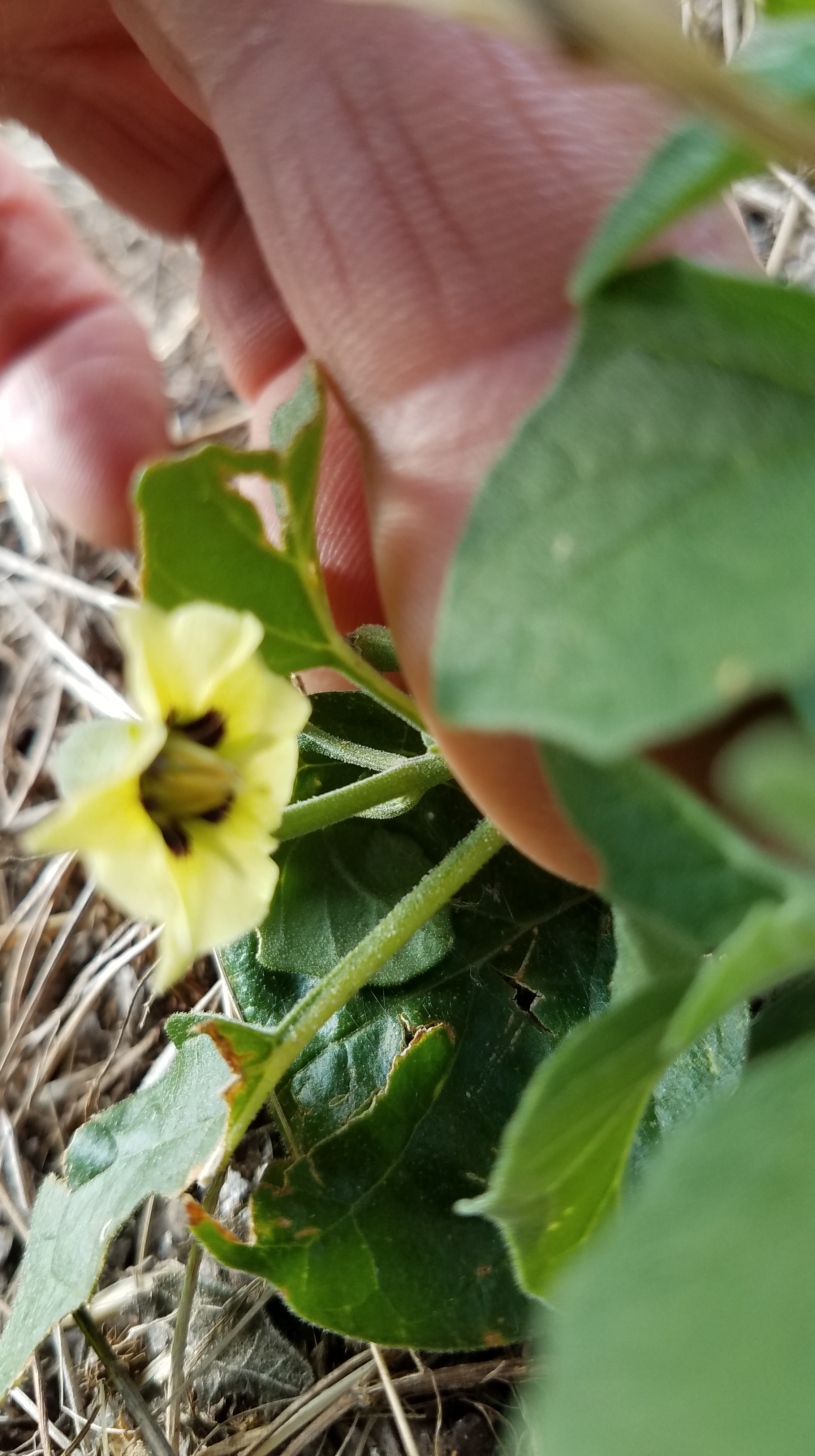
  • Yellow Ground Cherry - one of the Solonaceae
  • Silverleaf Nightshade
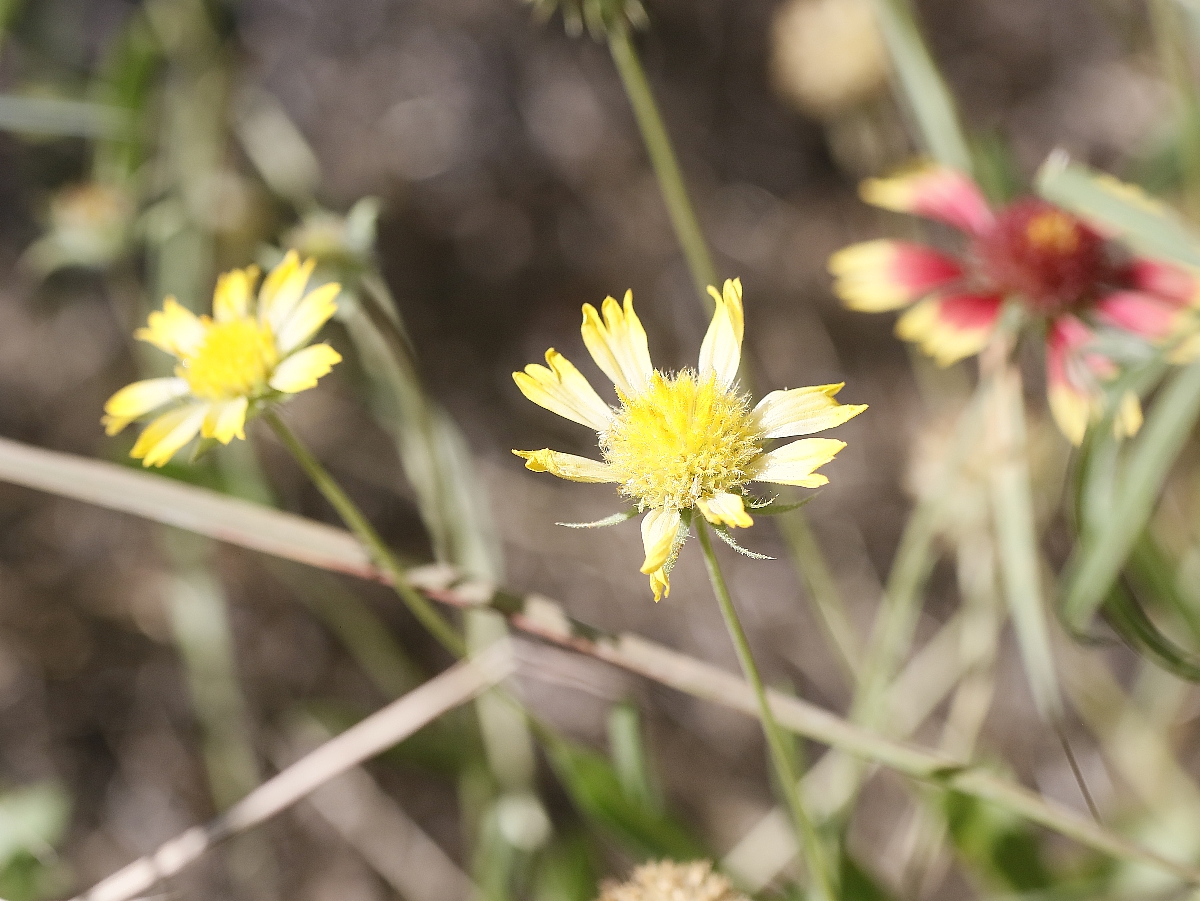
  • Gaillardia pulchella
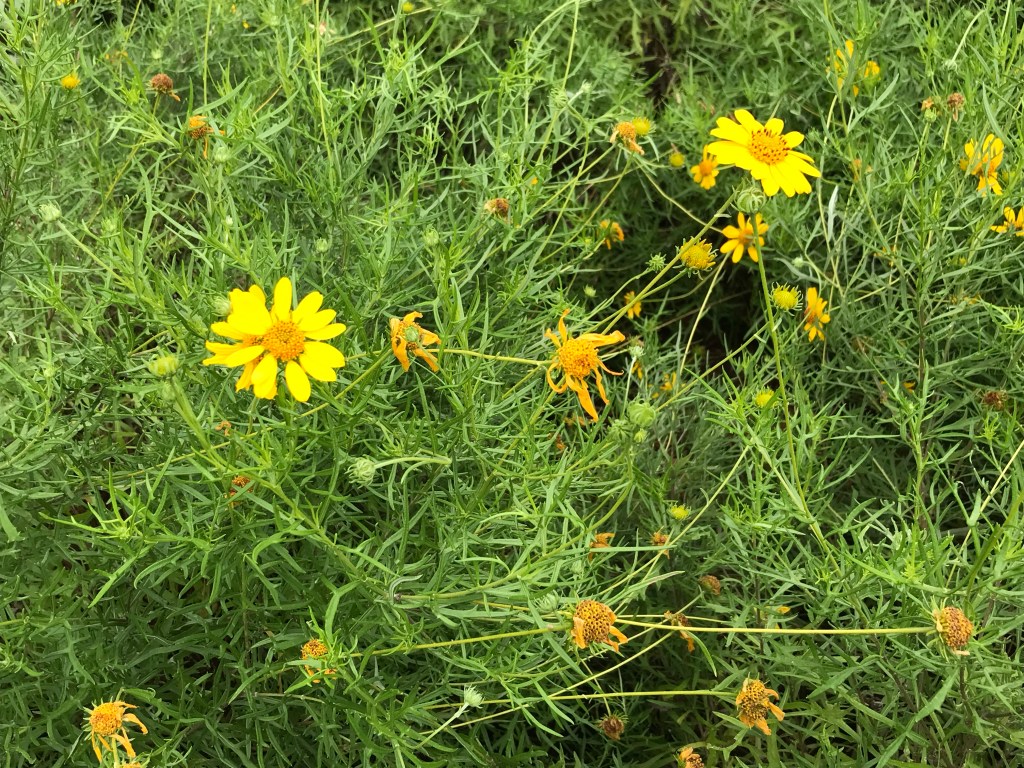
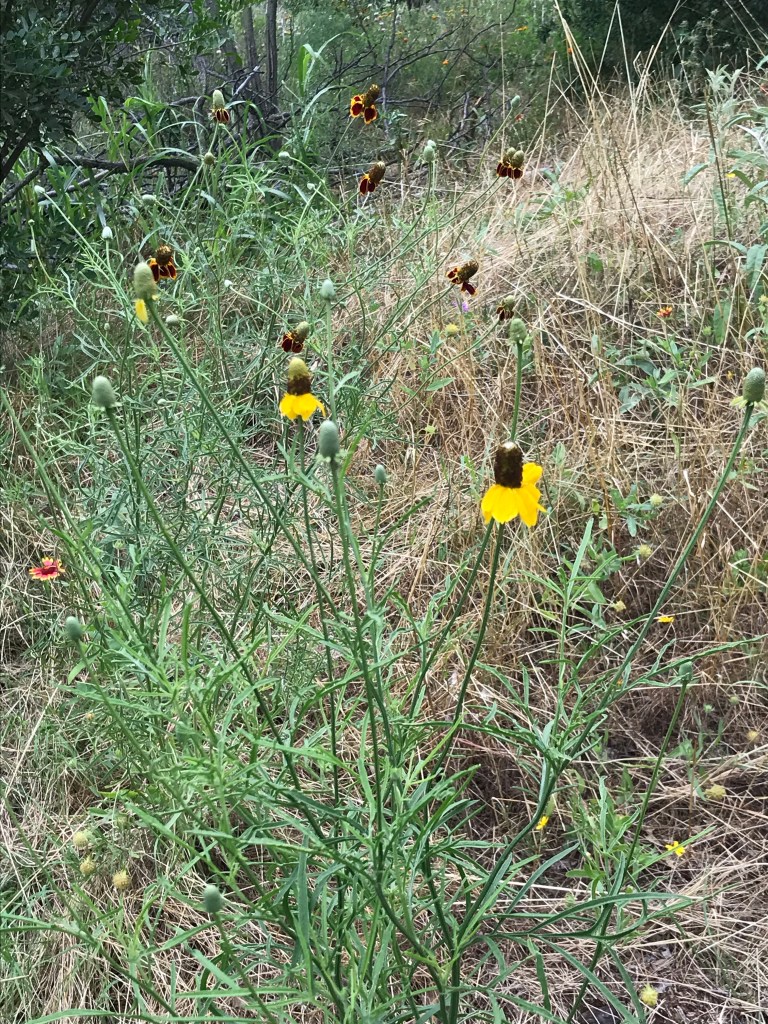
  • May 27, 2020 - prostrate upright coneflowers (Ratibida columnifera)
  • Ram's Horn or Devil's Claw

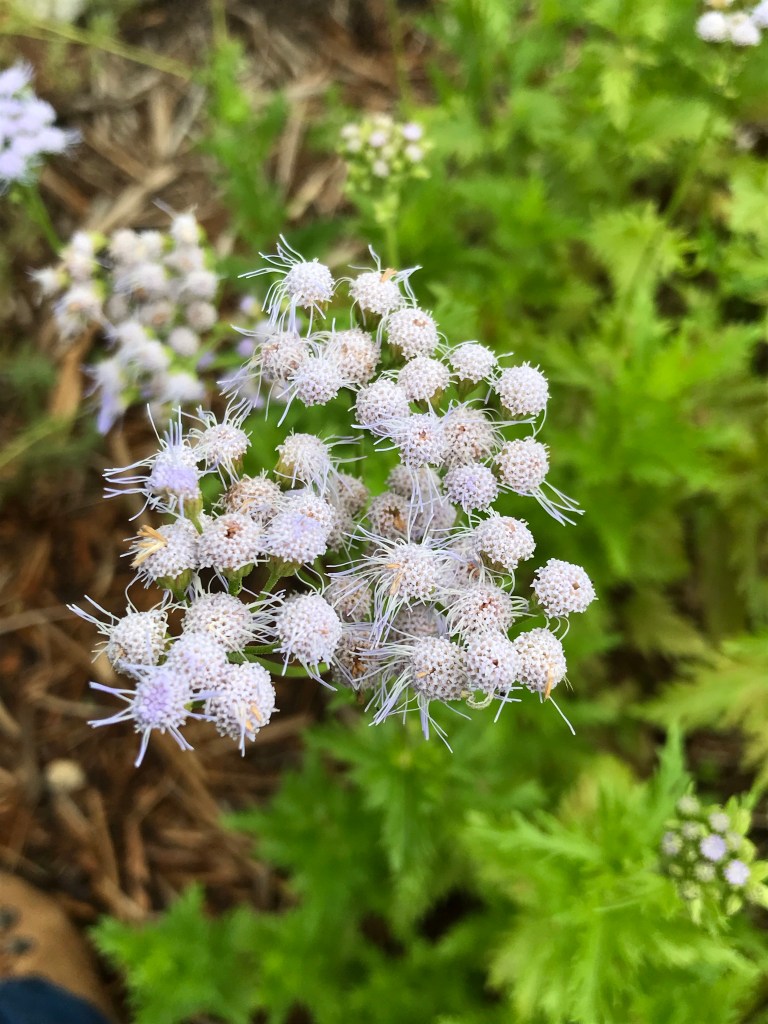
On May 26, the mowers came by and mowed down the stand of wildflowers still in bloom on the berm between my backyard and the greenbelt. But since then, in addition to the Johnson Grass (which is fairly easy to control as an invasive plant), there have been several native Texas plants coming up from the embattled field.

A Texas Bluebonnet floret starts the slide show, and we have Gaiillardia, including some of the “albino” variety that seems to favor this location. Straggler Daisy, a low lying ground cover, and a member of the primrose family.above it. It’s not clear to me yet whether it is small due to lack of nutrients, or if it a different member of the Onotheraceae. I will have to look in my books…

And we have have a few that I haven’t identified but others have seen the photos and suggested Ram’s Hron for one of them. The Prairie Vervain have come, as have several Solonaceae: Silverleaf nightshade, Western Horse Nettle, and even Ground Cherry.

And I should probably note the Poison Ivy, which has entangled itself among some of the other plants. I have been told by an expert in the eradication of invasive plants that mowing is one of the best ways to spread Poison Ivy around.

And shall we do now?

What a difference a day makes… not for the better, this time.
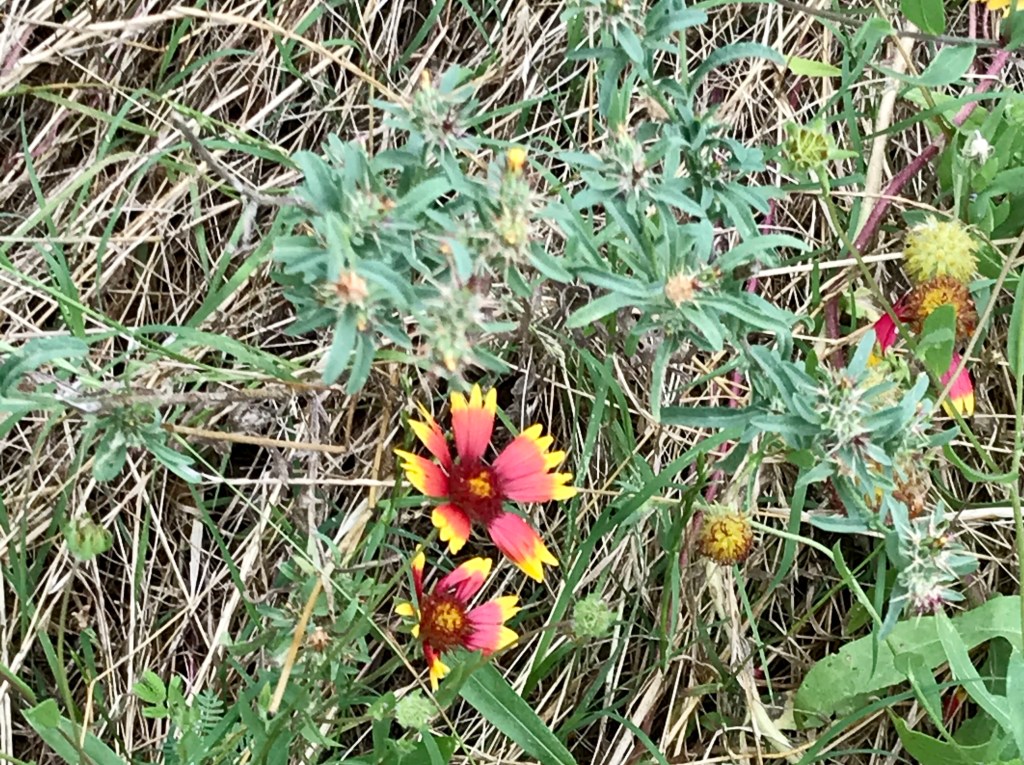
On Tuesday, May 26, 2020, I was participating in an online Parkinson’s exercise class when I heard the sound of engines and saw a mower going across the berm next to a green belt. The first three pictures below show the wildflowers that I had managed to give some room by pulling about 10 bags of invasive grasses and noxious weed from around them since February. The last three pictures show the result of the mowers’ work, having cut the berm bare, including the stands of blooming wildflowers. Warning: disturbing and graphic photographs are included.

I quickly called Ecosystems Landscaping of Austin, the name of the company on the mower’s tee-shirt, who had simply waved at me and turned his mower in the opposite direction when I tried to flag him down. (Granted, I did not have a face mask on. Perhaps he was following COVID-19 prevention precautions).

I spoke on the phone with a Mr. Robert G., who basically let me vent while his company’s employees cut down all the wildflowers still standing on the berm, many of which were not yet in full bloom or had even gone to seed.

He told me that their contracts required them to mow within a certain date. I asked why there weren’t clause(s) that prohibited mowing under unsuitable conditions, such as following rains (we had received at least two inches of rain in the last three days, and the ground was still wet, as was the grass). He claimed that their mower blades were pressure washed before bringing the mowers to the site, and that the blades were set at least three inches high. (I advised him that the Texas DOT guidelines for roadside vegetation management recommend setting the blades at 7 inches for rural areas, and to avoid mowing next to natural preserve areas, which the greenbelt is). I suggested that the Lolium perenne (annual rye grass) and Centaurea melitensis (Malta star thistle), both highly invasive plants, could not have come in during the last two years in as great of numbers as they had without having been carried in on mower blades.

Although the following references are to the Texas Department of Transportation’s (TXDOT) online manual for roadside vegetation management, (click on the “Home” icon to view a PDF version) I remember learning that the first documented case of child abuse in the US was reported to the Animal Welfare Agency and was prosecuted under the laws regarding cruelty to animals. I think any claim that HOAs and other entities are not subject to the same guidelines are spurious by analogy. At best, such an argument is specious.

In short, I observed the following presumed violations of The Texas Department of Transportation guidelines to Roadway and Roadside Maintenance, to name a few:

  • Assumed violation of guideline on Invasive Species (Ch.1, Section 3) “which calls for pressure washing of mowing equipment before the equipment enters or leaves designated areas.” as outlined in Special Provision 730-003 (dated 2004) on Roadside mowing which requires notification of the engineer prior to the pressure washing of mowing equipment in order to ensure that plant materials are contained. (An assumption based on the resulting infestation of invasive exotic vegetation. I am willing to retract this assumption if anyone can provide proof of actual pressure washing before moving the mowers into the area. Video with a date stamp would be sufficient and easy to create with a smartphone). (Emphasis added).
  • Presumed violation of Section 4: Special Situations, which states “frequent mowing of of native grasses would allow noxious weeds to invade. … “should be cut no lower than seven inches to ensure survivability.” {emphasis added).
  • Presumed violation of Section 2: Preserving and Enhancing Habitat: “Diversity – both in plant variety and growth structure – is the key to preserving and enhancing wildlife habitat. … focus on encouraging a diverse native plant population that will provide abundant food and cover for a variety of wildlife.”
  • Obvious violation of Chapter 1 Section 3 – levels of management: ” Large stands of wildflowers including fall blooming nectar plants for pollinators should be avoided when mowing unless safety concerns arise.” (emphasis added).

I could go on.

But I am an elderly person with Parkinson’s Disease. I can’t go out waving my machete at the mowers to get them not to mow over stands of blooming wildflowers. I had thought about putting out signs saying “Wildflower Restoration In Progress – Do Not Mow” the day before, but I had other promises to keep. Maybe this Fall. At least I pulled the 10 bags of invasive plants in the last three months. There will be that many fewer invasive plant seeds, and perhaps the native grasses and wildflowers will have a better chance next year.

###

What was blooming (or not) 25 May 2020

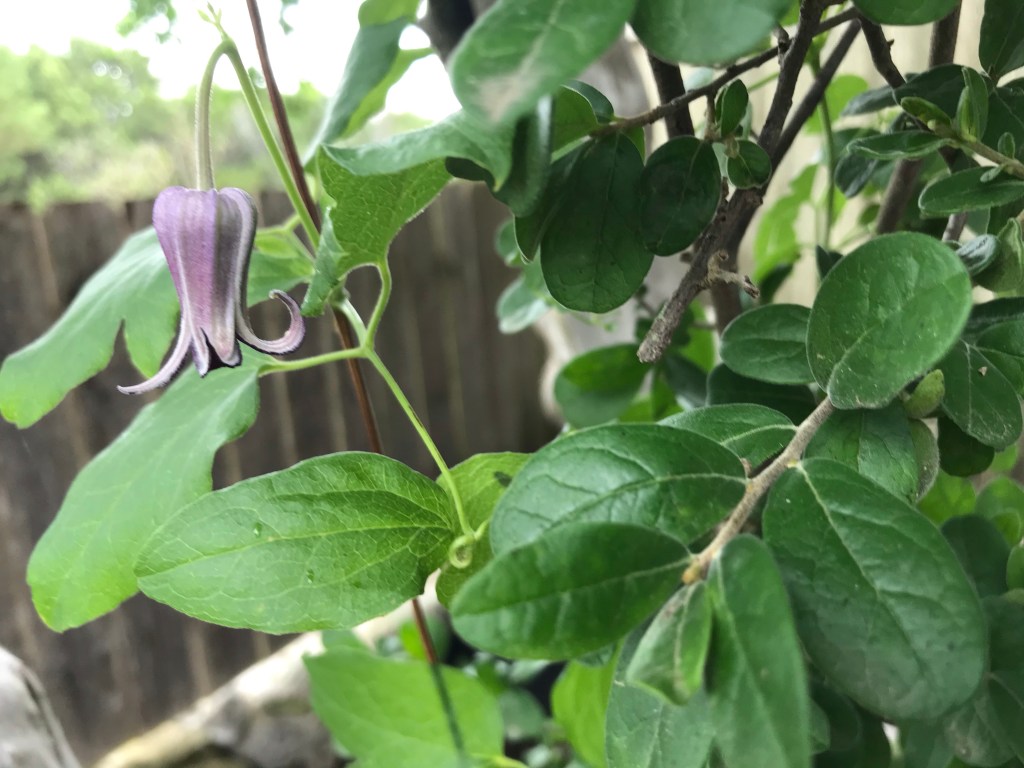
Clematis pitcheri (Purple leather flower) (cultivated)

(Posted about a year ago – edited to add the names of the plants), Went out in the yard and beyond today and captured a few items of interest. Didn’t go into the front yard because it was getting close to dinnertime.

Lantana urticoides (Texas Lantana)
Salvia farinacea (Mealy blue sage)(cultivated)
Symphyotrichum oblongifolium (Fall aster or Aromatic aster) (cultivated)
Merremia dissecta. (Alamo vine)(cultivated)(escaped from cultivation)
(Maurandella antirrhiniflora) (Roving sailor or Snapdragon vine) (native, not cultivated)
Tetraneuris linearifolia var. linearifolia (Slenderleaf bitterweed) (native, not cultivated)
(Viguiera stenoloba) Skeleton-leaf Goldeneye (cultivated)
Solanum elaeagnifolium (Silverleaf nightshade) (native, not cultivated)
Conoclinium greggii (Gregg’s mistflower) (cultivated)
Ageratina havanensis (White mistflower, White boneset) (cultivated)
Viguiera stenoloba . (Skeleton-leaf goldeneye) (cultivated)
Callirhoe involucrata (Winecup, Purple Poppy Mallow)(cultivated)
Clematis texensis (Scarlet Clematis, Scarlet Leatherflower, Texas Clematis)(cultivated)
Opuntia sp. (Prickly pear)(cultivated, “spineless varietal)
Luchophxllum frutescems (Cenizo, Purple sage, Trvas sage)(cultivated))
Gaillardia pulchella (Firewheel, Indian Blanket) (natiive, not cultivated)
Oenothera speciosa (Pink Evening Primrose, Pink Ladies) (native, not cultivated)
A variety of native plants (mostly)
Glandularia bipinnatifida (Dakota Mock Vervain, Prairie verbena) (native, not cultivated)
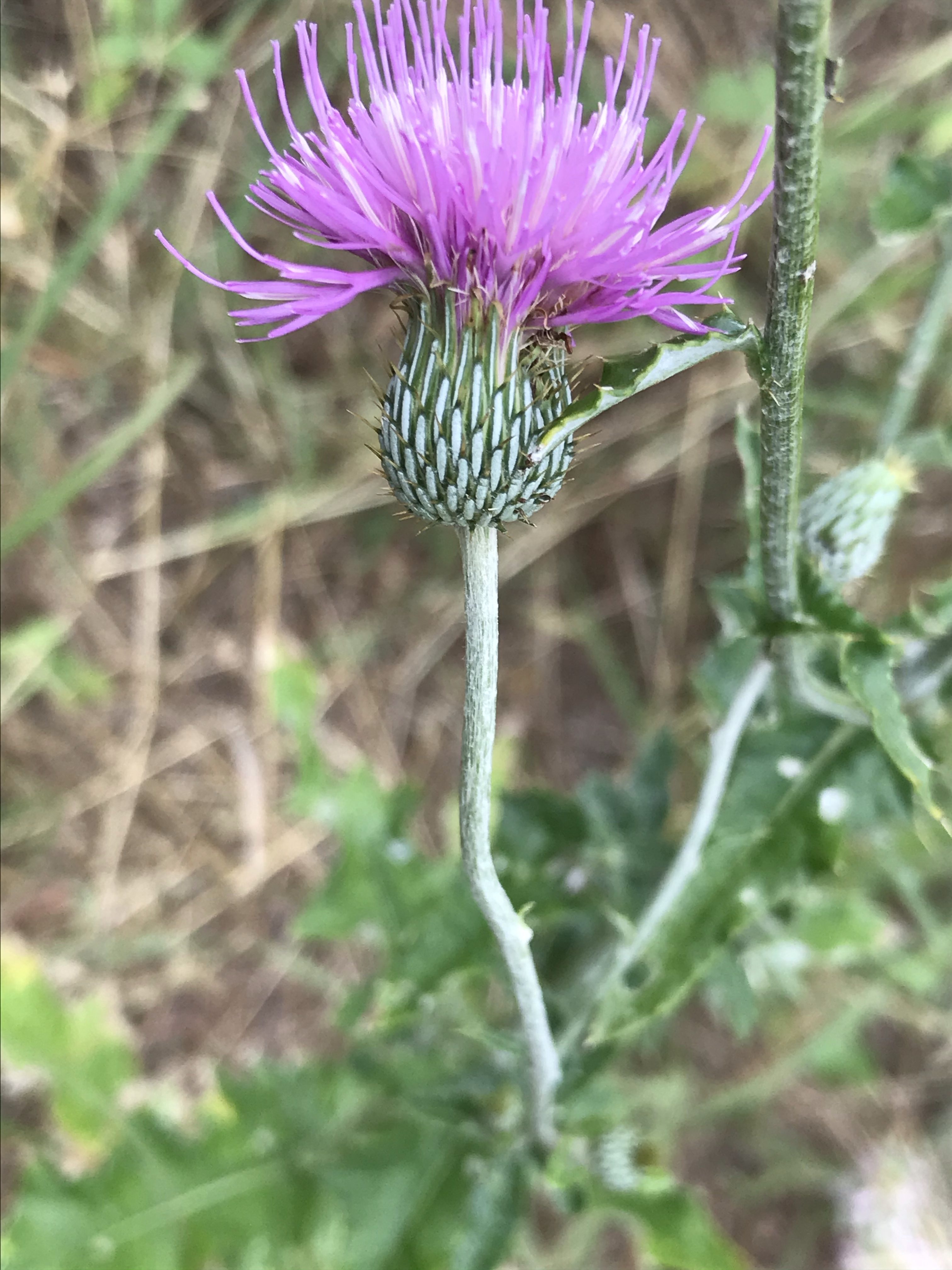
Cirsium texanum (Texas Thistle) (native, not cultivated)
Gaillardia pulchella (Indian Blanket) including recessive gene lacking red pigment, “Sunwheel” (native, not cultivated)
Ratibida columnifera (Prairie Coneflower, Mexican Hat)(native, not cultivated)

Return of the purple leather flower

_MG_08451024jpg

Clematis pitcheri – Purple leather flower

Back in the corner of our tiny lot, next to the compost bins and under the Diospyros texana, is a gallant vine that until now has shown no intentions of putting out any flowers.

Yesterday was the first day a bud showed up, so maybe it will get some followups as it matures, or other flowers come out. The Texas persimmon mentioned by its scientific name above provides the majority of the foliage in the photo above. but the Clematis leaves can be seen, they’re just much larger and out of focus.

Yesterday, while sitting on the back porch/deck, a titmouse came up to the trellis and started poking its head about. As I fumbled with my camera, I was able to get about four poorly focused or poorly framed shots, so my best guess is that it was a tufted and not aa black crested titmouse. As I tried to follow it around the yard after it left the deck, I took several shots of dubious quality. I was surprised to find that instead of the aforementioned bird, the next best shot was of a Carolina chickadee. Naturally, after the initial excitement of tiny birds flitting about the yard, I was left standing holding the camera without any feathered bipeds in sight, though I could still hear them singing – mostly a mockingbird.

Which I guess is why I mostly stick to plant photos – at least they stand still, more or less, except when the wind blows, or even breathes a whisper across them.

A small gift after clearing away invasive plants

20200520_190727

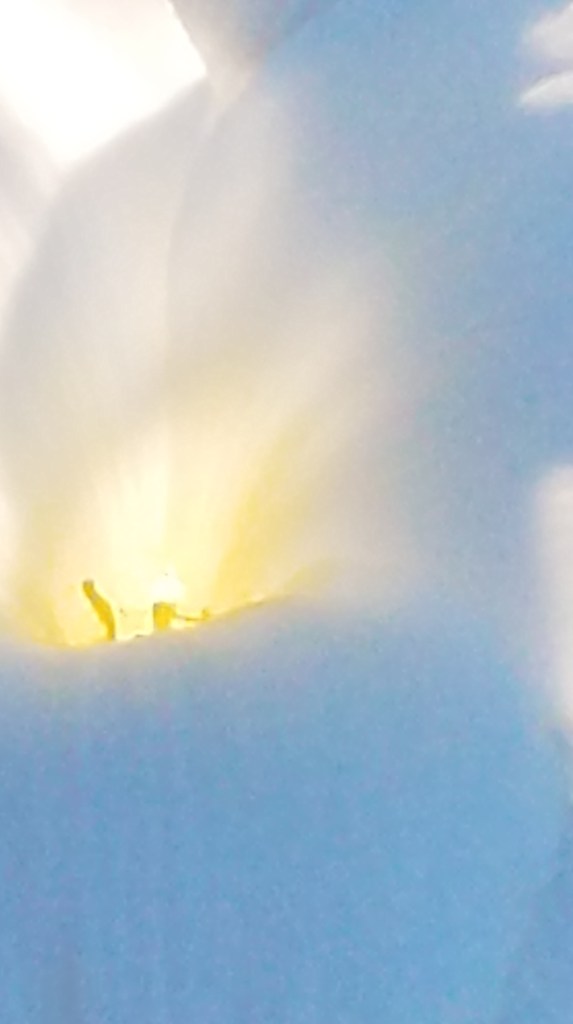
Cooperia pedunculata syn. Zephyranthes drummondii – Rain Lily

Thanks to some poor hygiene and poor knowledge regarding mowing ( or not mowing) next to a greenbelt, the berm behind my house and the neighboring greenbelt which has a cavern populated by endangered insects, has become overrun with Lolium perenne (annual ryegrass, winter ryegrass), Centaurea melitensis (Malta star thistle), and Bromus japonica (Japanese brome), to name the three worst offenders.

This February I wrote to both my HOA and my Municipal Utility District to report the failure of their mowers to follow the guidelines established in 2013 and 2018 by the Texas Department of Transportation on mowing of roadside vegetation, and vegetation adjacent to natural preserves.

Thankfully, the berm has not been mowed since early February, and I have been able to put in an hour or two, mostly on days following Spring rains, to fill about ten 42 gallon bags with the offending weeds. Although the natural covering of Gaillardia pulchella (Firewheel, Indian Blanket) and Ratibida columnifera (Prairie coneflower, Mexican hat) is greatly reduced at present, and I know that I will have to maintain vigilance and start pulling invasive weeds and grasses earlier next year, I did receive a small reward this past Wednesday.

As I was about to enter the berm to take a photograph of this Rain lily (Cooperia pedunculata, syn. Zephyranthes drummondii),  I noticed a small movement. It turned out to be an Eastern cottontail rabbit, munching on the plants in the berm. We both stood still for a few moments while I took some photos with my Android, it then hopped into the greenbelt and the cover of brush.

Then I went in, took a few shots of the Rain lily that would have been blocked from the sunlight by the ryegrass that I had removed, and caught the above photo of the light from the sunset shining through to backlight its stamens.

A small reward, perhaps, but a big warm feeling…

20200520_19073520200520_190755

For a fully detailed botanical description see: Studies on the Vascular Plants of Williamson County, Texas

###

Endemic in a time of a pandemic

2020_04_10_Clematis_texensis_1521

Clematis texensis – Scarlet Leatherflower

I just realized that there is an analogy between the pandemic coronavirus now causing troubles throughout the planet’s human organizations and the title and subtitle of this blog  – “Return To The Natives – Native Plants Are The Answer.”

C. texensis is endemic to the Texas Hill Country, or the Edwards Plateau, although because of the scarlet flowers, it has been exported to other locations for cultivation. However, it doesn’t seem to be an aggressive plant, so most places outside of Texas where it is found are probably in containers, where they are tended carefully by loving horticulturists.

The example shown above is a next door neighbor example of this phenomenon: Although it it is in Williamson County, TX, it was introduced and is under cultivation. I don’t know of any locations where it is growing in Williamson County without having been introduced by humans. But – it is native to Texas, and to neighboring counties, and who knows? – there might be some undiscovered instances of this species in the Balcones Canyon National Wildlife Refuge.

Unlike some other plants, like Poison Ivy, Malta Star Thistle, Perennial Rye, and Bur Clover, which are aggressive and spread rapidly when they are introduced to an area through human intervention, often by poor mowing practices, this one is unlikely to dominate your garden. But with the right conditions and in the right place, it can and will flourish in Central Texas.

More detailed information on Clematis texensis can be found at Studies on the Vascular Plants of Williamson County, Texas. If that is too much detail for you, there’s always the Native Plant Information Network (NPIN) database at the Lady Bird Johnson Wildflower Center

The analogy mentioned above?

The pandemic virus is like an exotic plant that is introduced to areas where it doesn’t belong – and spreads, unchecked, unless we take quick action to recognize the problem and isolate, treat, and follow up on contacts, to eradicate and mitigate the adverse effects. The same analogy applies to invasive animals, whether Zebra mussels in the lakes of the South, or pythons in the Florida Everglades. It’s hard to get the genie back in the bottle, or to get everything back inside Pandora’s box.

Stay home. Practice good hygiene, whether traveling or working with plants. The only thing that can prevent pandemics is you, to borrow a slogan from a well known fire prevention campaign.

Plant and grow things that are native to the area in which you live – practice proper hygiene when traveling from place to place, being careful not to spread seeds through carelessness, and if you gotta mow, mow only at the right time and the right places that need mowing for the primary reason of safety. Bermuda grass is hard to eradicate once it has spread, and viruses are hard to kill but easily spread through careless hygiene practices.

Don’t “stop to smell the roses” – Learn about the plants that are native to your area, and take the time to enjoy them and their relationships with the wildlife, butterflies, and native bees that are in your six feet of separation.

###


Return of Return To The Natives

Well, folks, this site was left behind a few years ago, but from my overall WordPress traffic reports, it seems to be visited from time to time. Thus it seems that it might not be a bad idea to start updating it. Could be wrong of course, but here goes nothing: One of my favorite Texas native wildflowers, the Prairie Celestial.

Nemastylis geminiflora - Prairie Celestial

Nemastylis geminiflora – Prairie Celestial

These members of the Iris family bloom for approximately two weeks, beginning with somewhere near the Spring equinox, and ending around April 1st. This year, there was an early “scouting” expedition around the 13th-15th of March, then a gap, followed by the expected blooming around the 19th of March through April 1st, which appeared to have been the last of it. Then, around the 5th through the 10th of April, I discovered some more blooms, stragglers, as it were.

Each flower blooms for just one day, and they often appear in pairs, hence the species name geminiflora. Each plant, which is a deep seated bulb (and hard to dig up, even for scientific sampling), may have several flowers. Another common name is Pleat Leaf Lily, derived from the “pleats” in the leaves, as shown below.

You might also note the bur clover or yellow clover, an invasive weed that forms a carpet and crowds out native plants, especially when mowing is frequent and close to the ground, and mowers move between locations without pressure washing plant materials off the blades of their mowers.

Nemastylis geminiflora - Pleat Leaf Lily

Nemastylis geminiflora – Pleat Leaf Lily

Don’t stop moving to the music

Neither of these articles addesses Parkinson’s Disease, buut what the heck, I’ll report on them anyway.

music therapy in the schools

Basically, the abstract says that music therapists in the schools do a lot of good for a lot of kids.

and another abstract, this one about dance:

Effect of dance therapies on motor-cognitive dual-task performance in middle-aged and older adults: a systematic review and meta-analysis

Purpose: To systematically review the effectiveness of dance-based programs to improve motor-cognitive dual-task performance in middle-aged and older adults.

Materials and methods: Five scientific databases were selected Ninety-one articles were found in the electronic databases. Fourteen articles fulfilled all inclusion and exclusion criteria…

Results: All the studies had an acceptable methodological quality. Dance-based interventions had a duration of 8–52 weeks, 1–3 sessions per week, with sessions lasting 40–90 min. According to the overall effect size, dance-based interventions significantly improved dual-task performance (−0.48 with a 95% confidence interval from −0.88 to −0.08).

Conclusions: Dance-based intervention programs may be effective at improving the performance on motor-cognitive dual-task in middle-aged and older adults. Apart from the effects on the cognitive Time Up and Go test, dance interventions may also improve speed walking with a cognitive task. All these conclusions must be taken with caution due to the heterogeneity and the small number of articles. Future research can be developed to increase the knowledge on these issues.

Alvaro Murillo-Garcia, Santos Villafaina, Daniel Collado-Mateo, Juan Luis Leon-Llamas & Narcis Gusi (2020) Effect of dance therapies on motor-cognitive dual-task performance in middle-aged and older adults: a systematic review and meta-analysis, Disability and Rehabilitation, DOI: 10.1080/09638288.2020.1735537

Say what?

Not specifically related to Parkinson’s, this study looked into whether providing musical training to older non-musicians would have an effect on the experimental task.

Experienced musicians outperform non-musicians in understanding speech-in-noise (SPIN). The benefits of lifelong musicianship endure into older age, where musicians experience smaller declines in their ability to understand speech in noisy environments…  results suggest that short-term musical training in older adults may enhance neural encoding of speech, with the potential to reduce age-related decline in speech perception. [emphasis added]

The effects of short-term musical training on the neural processing of speech-in-noise in older adults

… these findings suggest that music training enhances neural responses to speech in speech-motor and control regions.The absence of training-related interactions with noise level suggests that the benefit of music training is related to processing speech in general, and not separating it from background noise;
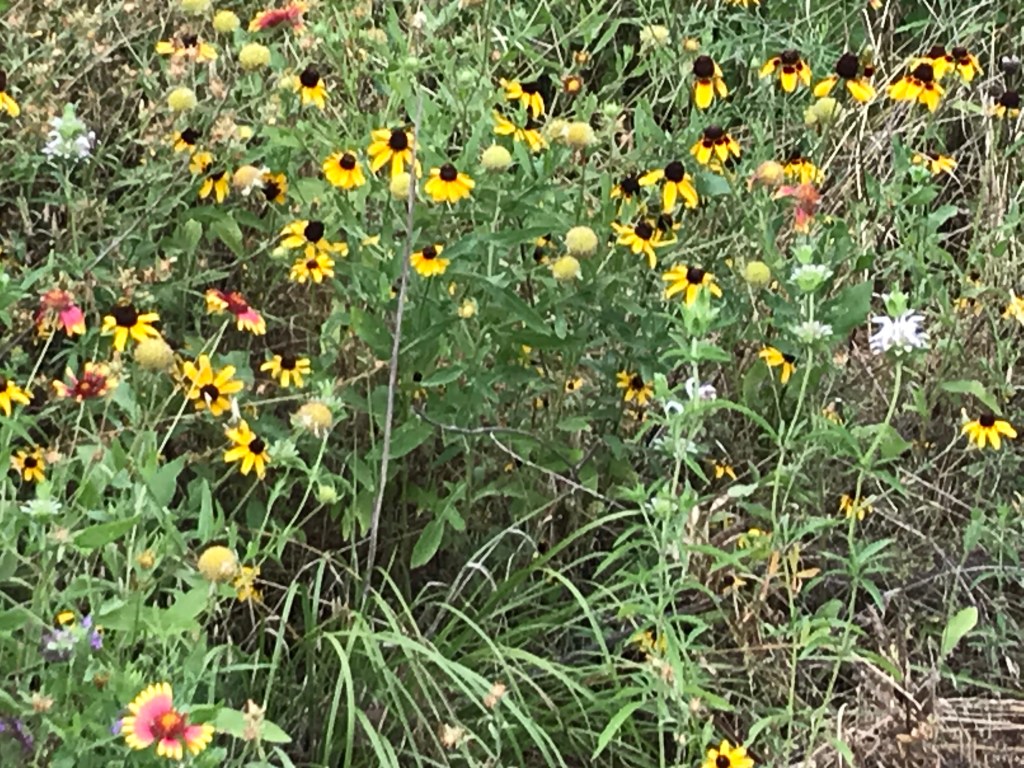
– BUT analysis of functional Magnetic Resonance Imaging showed electrical activities in a couple of areas of the brain related to speech perception for those who were in the musical training group.

Obviously, “further research is needed,” as the saying goes, and perhaps for longer periods of time.

Whatever type of musical training one chooses, singing, keyboard, string, or wind instruments, there’s another saying that applies to that as well: “It may not help, but it can’t hurt.”

###