The native Texas April yard/garden…

IF you live in Central Texas, of course. While many plants (including some native plants) are still trying to recover from what I have heard called Winter Storm Uri, which lasted for about ten days back in mid-February, 2021, most of the plants native to this region of Texas are coming back strong, or putting out blooms already.

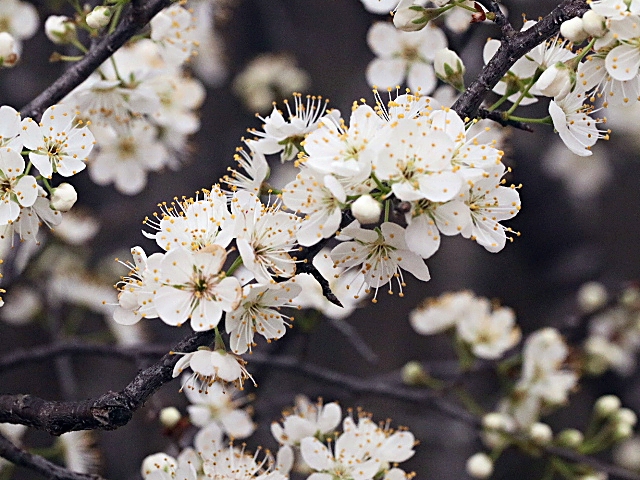
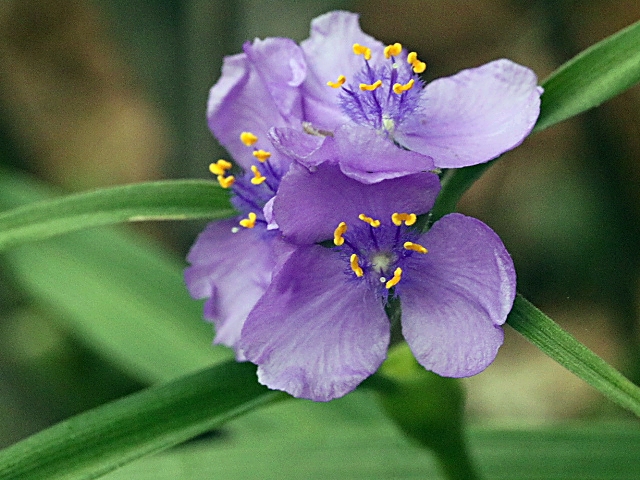
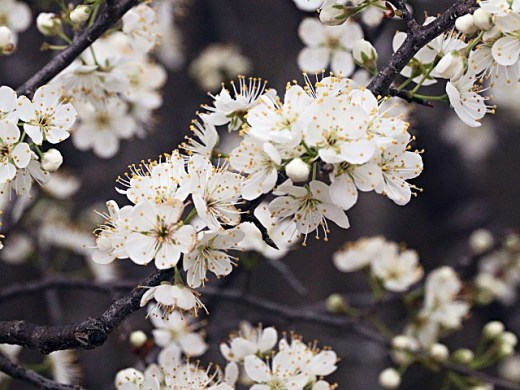
Mexican Plum (Prunus mexicana) has already flowered and started putting out leaves. Giant Spiderwort (Tradescantia gigantea) has for the most part finished with its most robust blooms, but there are still a few left. (Both of these photos were taken March 16, 2021).

.Prunus mexicana - Mexican PlumTradescantia gigantea

A little over two weeks later, things are really starting to perk up in the yard.

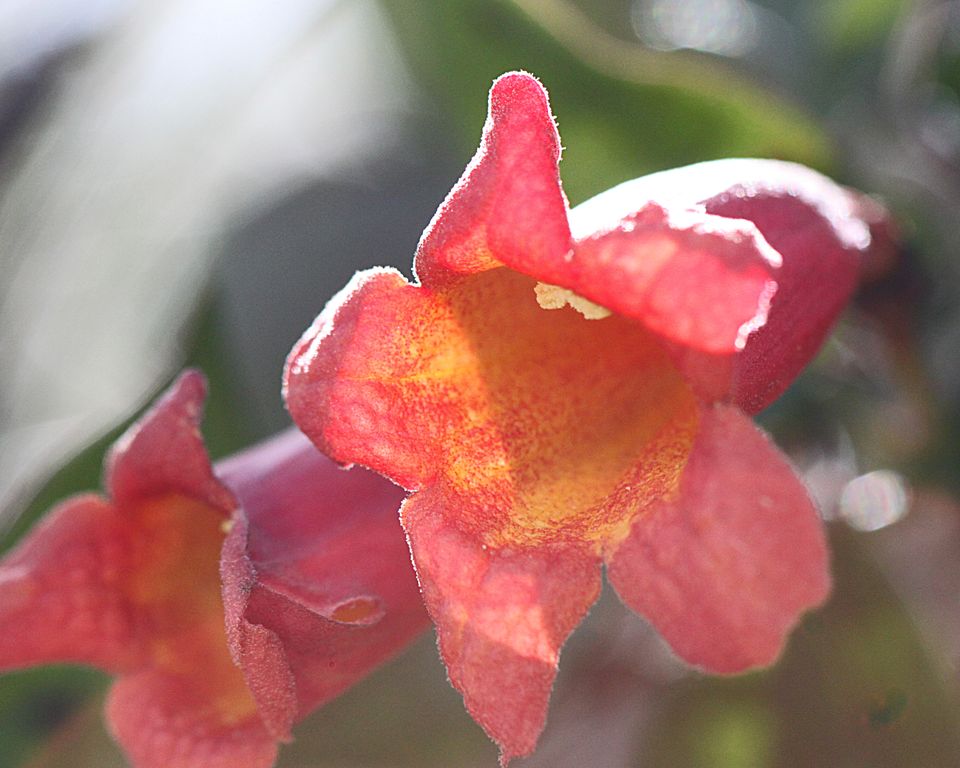
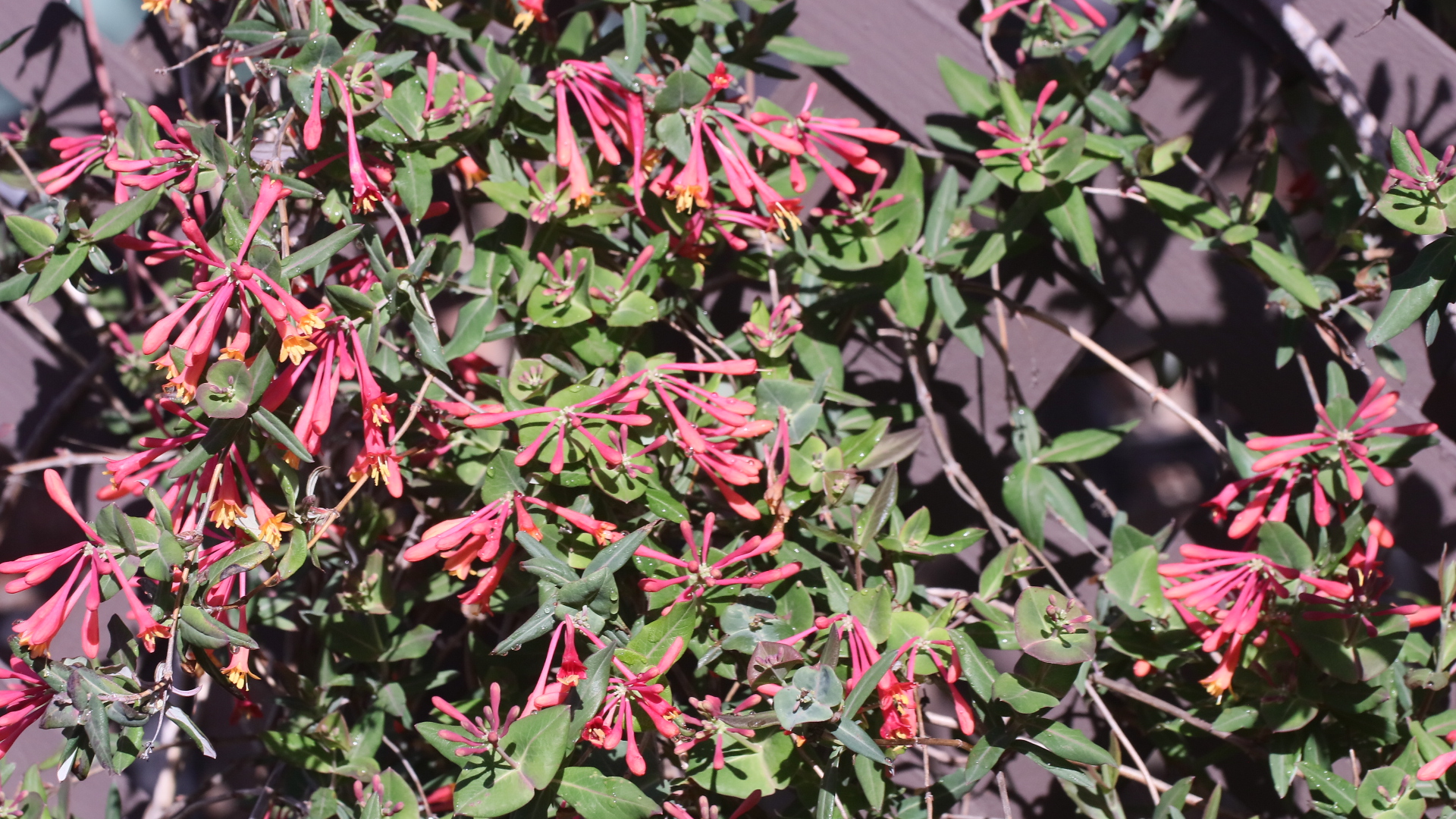
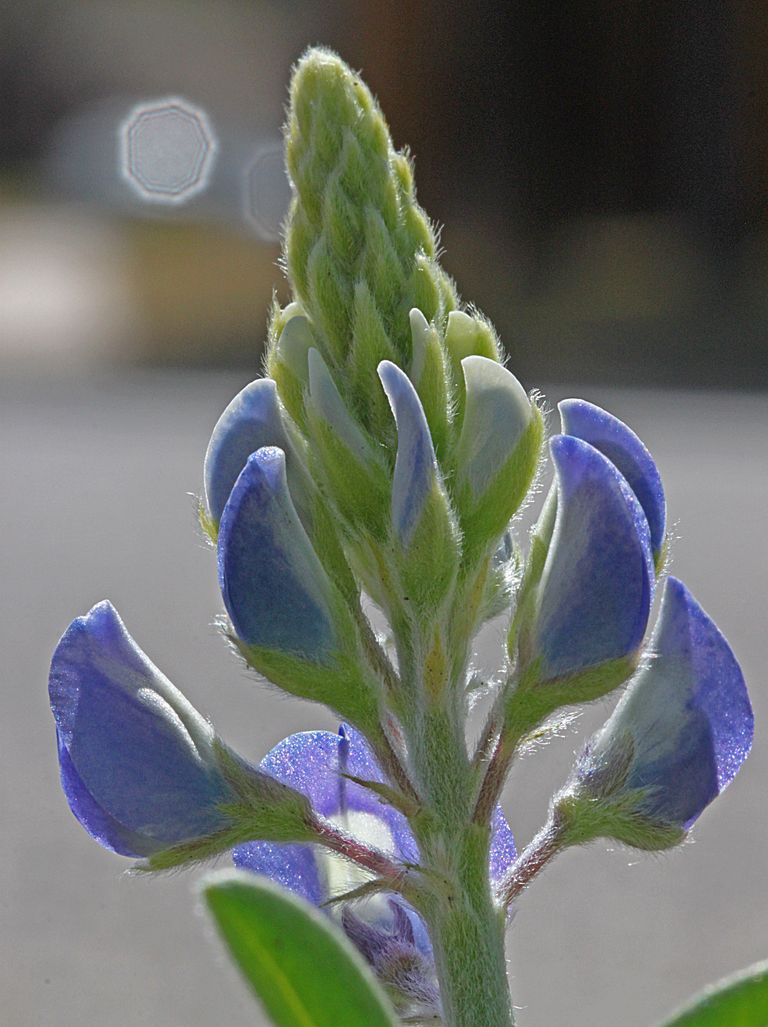
Bignonia capreolata - Crossvine Coral Honeysuckle (Lonicera sempervirens) Lupinus texensis - Texas Bluebonnet Crossvine (Bignonia capreolata), for instance, and Coral Honeysuckle (Lonicera sempervirens) which are both favored by Hummingbirds are blooming in profusion, as are the Texas Bluebonnets (Lupinus texensis).

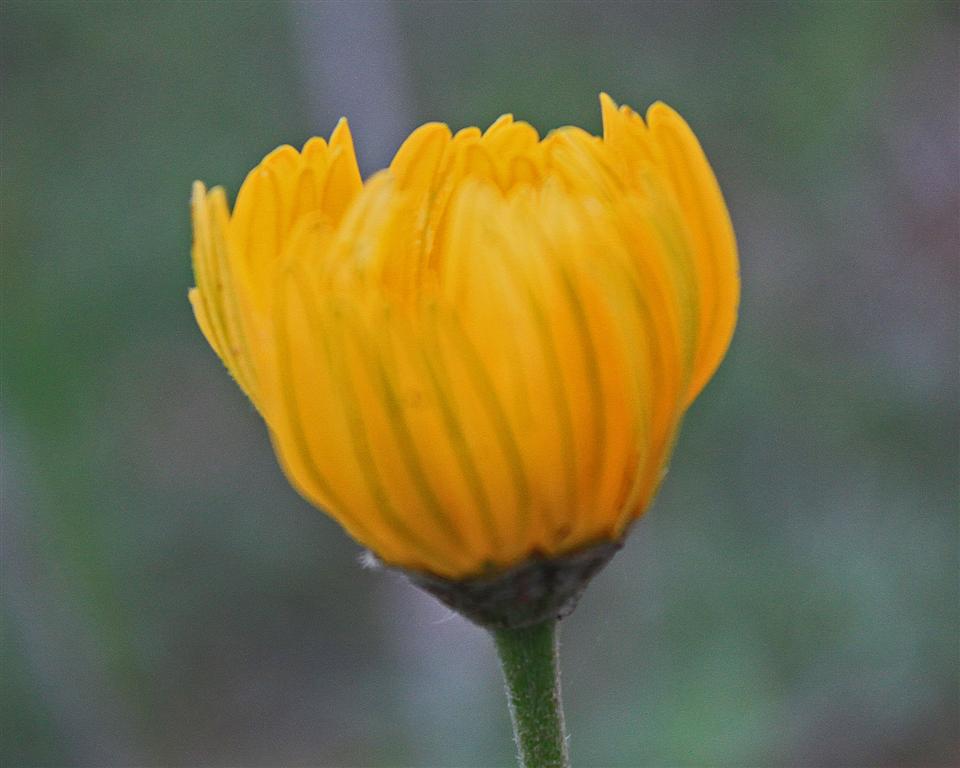
And then there are the Tetraneuris scaposa.which will bloom all year round if you let them, or keep on trimming off the deadheads, so that they can. These are perennials, but short lived, so after a few years you might have to replace them – or they might have spread and created new copies on their own.

Tetraneuris scaposa - Four Nerve Daisy

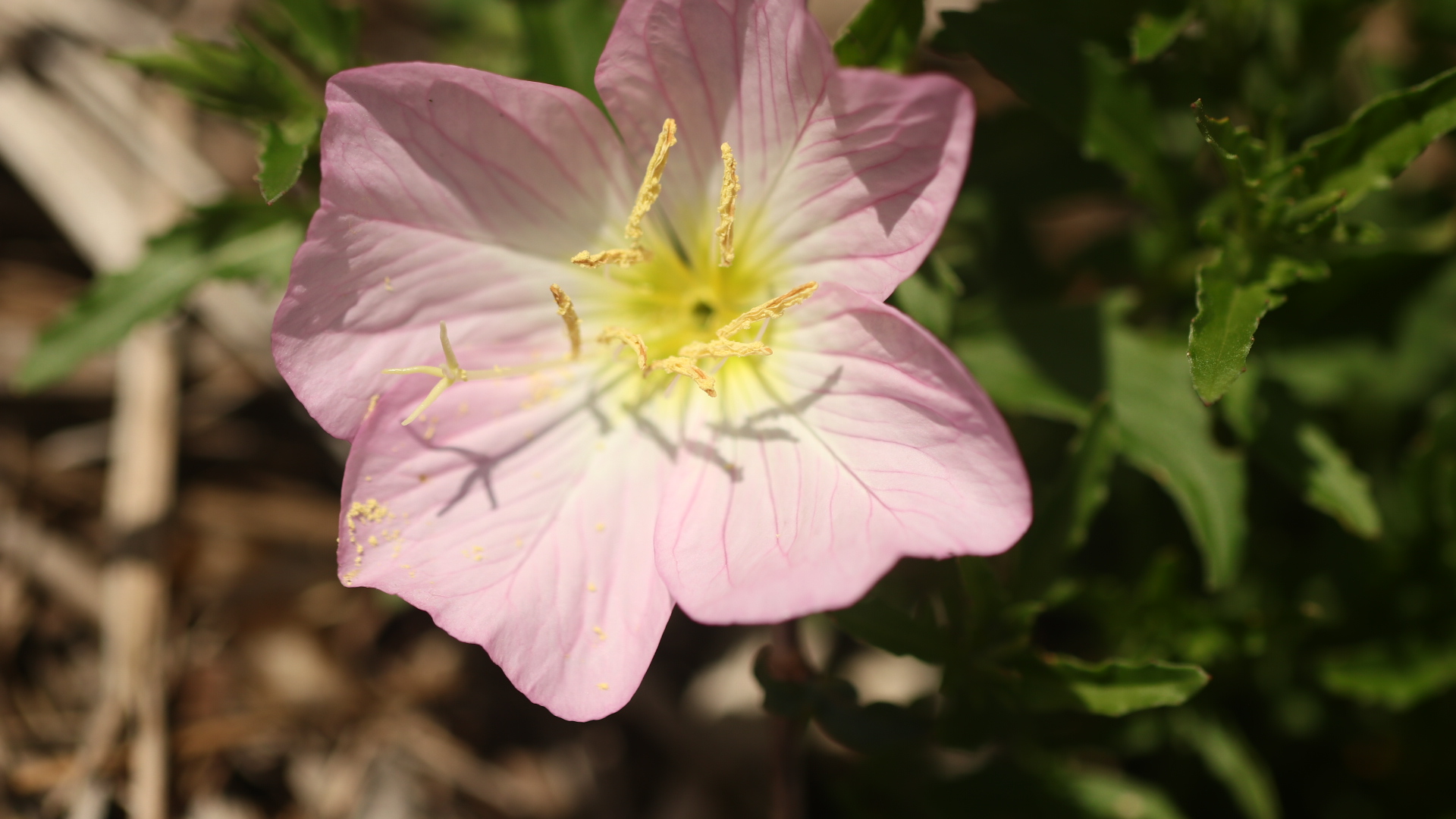
Oenothera speciosa - "Pink Ladies"

Oenothera speciosa – “Pink Ladies”

And, just to get this out there, Oenothera speciosa, known as Pink Primroses or Pink Ladies, are blooming currently. I have seen some popping up in neighbors’ yards that are otherwise mowed too short and devoid of any other native Texas plants. But thankfully, they haven’t mowed down the Pink Ladies. 

I will mention, but not add photos of Blue eyed grass, Cobea and Gulf Penstemons,  Mealy Blue Sage, Wright’s Skullcap, and a few others. The month of April is nearly over, The US Senate has unanimously voted to name April 2021 as National Native Plant Month, and there are invasive plants in my backyard and. beyond that need to be cut down before they go to seed. Oh, and the Rain Lilies have started popping up, finally after several days of light rain.

Hasta luego.

Darwin’s notebooks and Parkinson’s Disease?

What connection could there be between Charles Darwin’s notebooks and PD?

According to Roger Barker, writing in the Advanced Clinical Neuroscience Rehabilitation journal on Parkinson’s disease over the last 20 years – new concepts and developments, it took Cambridge University that much time to realize that it had lost two priceless original notebooks belonging to Charles Darwin, and during that time, in the field of PD much new knowledge has been gained, partly due to

  • Stem cell creation discoveries, (how to create induced pluripotent stem cells {iPSCs)),
  • Gene cell editing with CRISPR/Cas9,
  • and the ability to do single cell RNA analyses.

Much has been gained directly from observational and clinical studies, however.

First, alpha synuclein proteins were observed in tissues which had been transplanted, which led to hypotheses that

  • Alpha synuclein fibrils  can spread seed pathology in the adult Central Nervous System (CNS), which led to the hypothesis that
  • PD begins in the gut/olfactory system and then spreads along the connecting nerves to the brain, seeding the pathology as it goes until it finally reaches the STN (subthalamic nigra) dopaminergic cells.

This in turn led to

  • The concept of a prodromal stage of PD before the cardinal symptoms of tremor, bradykinesia and rigidity are evident in the motor control brain cells, and
  • The possibility of targeting pathological alpha synuclein proteins to slow down or stop the progression of PD.

In addition, PD has been hypothesized to have two different origin points

  • H1: The disease starts in the PNS and spreads centrally or
  • H2: The disease tarts within the CNS itself and then out to more peripheral sites. 
  • Recent imaging studies support this concept of PD falling into these two subtypes
  • Not either/or, but both could be true (Blog author’s note: which could be a reason why the course of PD is different for each person?)

Many different methods have been used to study the course of PD

  • The most powerful are those using community based epidemiological studies following patients over time
    • avoids possible bias in selection
    • Results:
      • younger patients tend to do better than older patients and
      • that those with more PD related symptoms and signs at diagnosis do less well

Another area of interest has been the relation between PD and the gut biome and inflammation

  • Alpha synuclein pathology starts in the gut and travels to the brain and CNS
  • People on anti-inflammatory medication seem to have lower rates for PD
  • Result is:
    • Repurposing of anti-inflammatory medications to treat PD and
    • Use of drugs specifically targeting the gut biome or alpha synuclein
  • Further advances include
    • stem cell transplants (now in clinical trials)
    • autologous cell transplants
    • As to whether these therapies will prove effective not yet known

Twenty years of research on PD has produced a great deal more knowledge than the previous 200 years since Dr. James Parkinson wrote his essay on the “Shaking Palsy.” The concept of prodromal stages and symptoms (to me) seems to be one of the most important ways to diagnose probable PD before the cardinal symptoms appear – resting tremors, bradykinesia, and rigidity – and thus provide the possibility of delaying the onset of the disease through lifestyle or nutritional changes, or both.

Dr Barker’s review can be read at:  Barker R. Adv Clin Neurosci Rehabil 2021;20(2):13-15

And that’s my slide presentation of Dr. Barker’s article. Hope I hit all the major points and didn’t miss anything.

###

Return of the Celestials (or, A Day In The Life)

Fully open early in the day Nemastylis geminiflora

 I had been looking for Nemastylis geminiflora, commonly known as Celestials, among other names, since the middle of March. On March 23, 2021, I saw the first bloom or two. On the 24th, nothing blooming. Even went out later in the afternoon to see if anything had come up after the earlier jaunt, but still nothing new to show.

Note: I once contacted a seed source company to enquire if they had any seeds or bulbs for this plant. They indicated that they had a small amount sometime in the past, but they had quickly sold out. IF you have a large colony on your property, you might consider checking with a reputable native seed source to see how one might go about collecting seeds. I do not recommend trying to dig them up. They have bulbs which are buried deep in the soil which here in Central Texas is very rocky. Please refer to the Native Plant Society of Texas’s policy on the “taking” of plants.

First of all, what to look for?
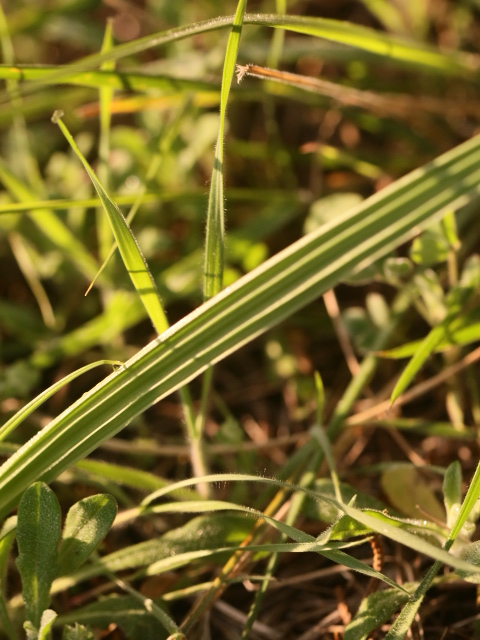
Pleatleaf Lily, one of the common names of N. geminiflora, comes from the distinctive shape of its leaves

Pleatleaf Lily, one of the common names of N. geminiflora, comes from the distinctive shape of its leaves.

Somewhere around midwinter the plant starts sending up a leaf or two. This inferred from the apparently chopped off tips of some of the leaves, following a presumed mowing. and probable weed-eater-ing of the berm, probably in January, which kept the berm shorn to less than 3 inches in height and scalped to bare soil in several places (but that’s a different post). Or maybe it was deer browse or rabbit nibbles.

In Central Texas, somewhere around mid-March, I am now beginning to scout out the individual plants, supposedly so I can find them later. In 2017 and 2020, I photographed plants in bloom around the 15 or 16th of the month, but most years they have appeared right about the Spring Equinox. Last year, the first plants appeared around the 15th-17th of March, then no blooms until around the 27th-29th. Then nothing, until I stumbled across a few around April 10th.This year, 2021, the first blooms did not appear until the 23rd, and these two or three seem to have been early bloomers. The majority of the plants in the area in which I am familiar were still just pleated leaves.

Eventually one will observe the stems with the pre-blossoms (for want of the correct botanical term) coming up, and from that, if one is lucky, the unfurled blossom in the early morning hours. 
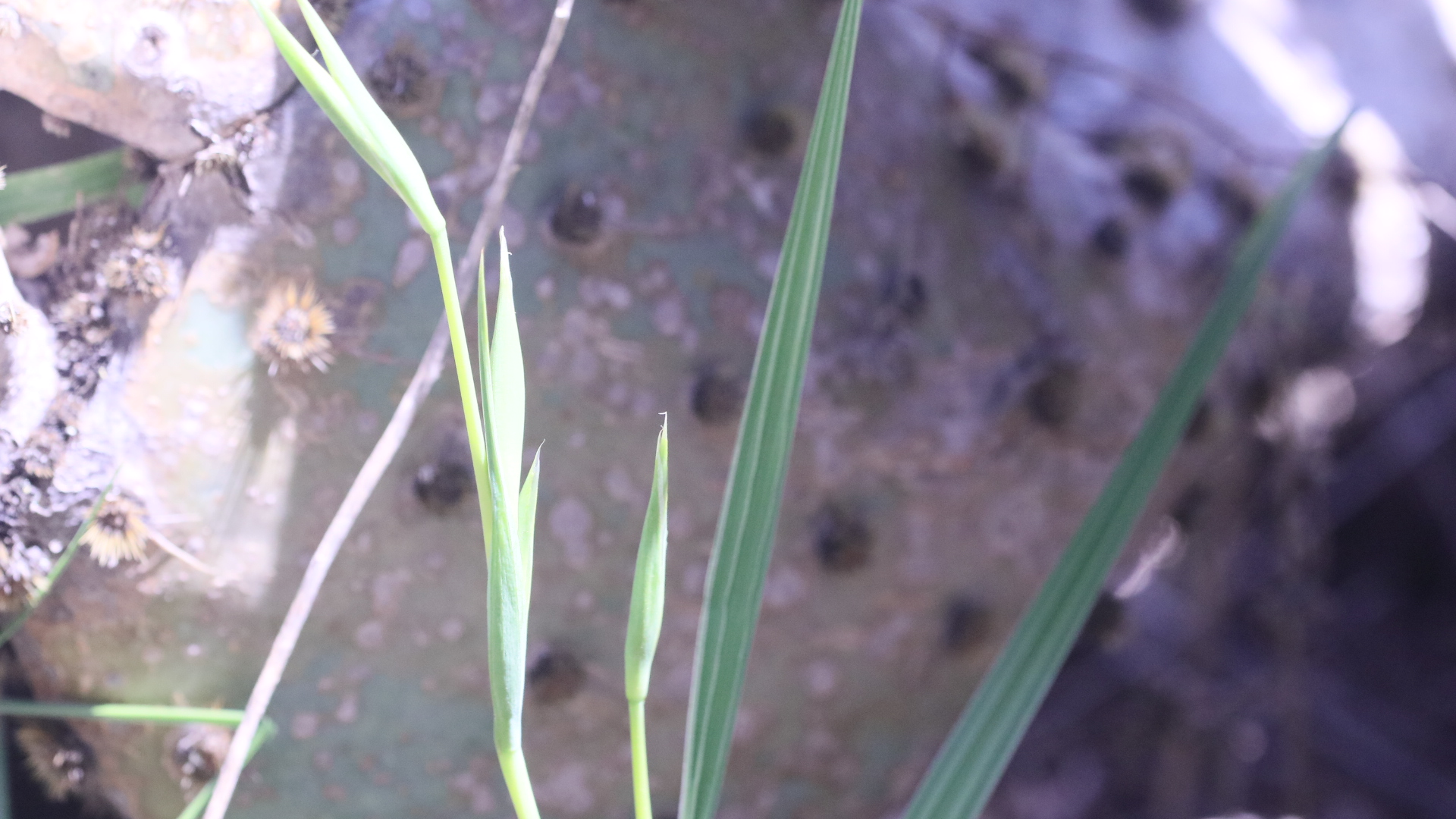
Celestial before blooms open (leaves to the right, stems with unopened inflorescences on the left)
Celestial before blooms open (leaves to the right, stems with unopened inflorescences on the left)

Inflorescence, still unfurled

Inflorescence, still unfurled

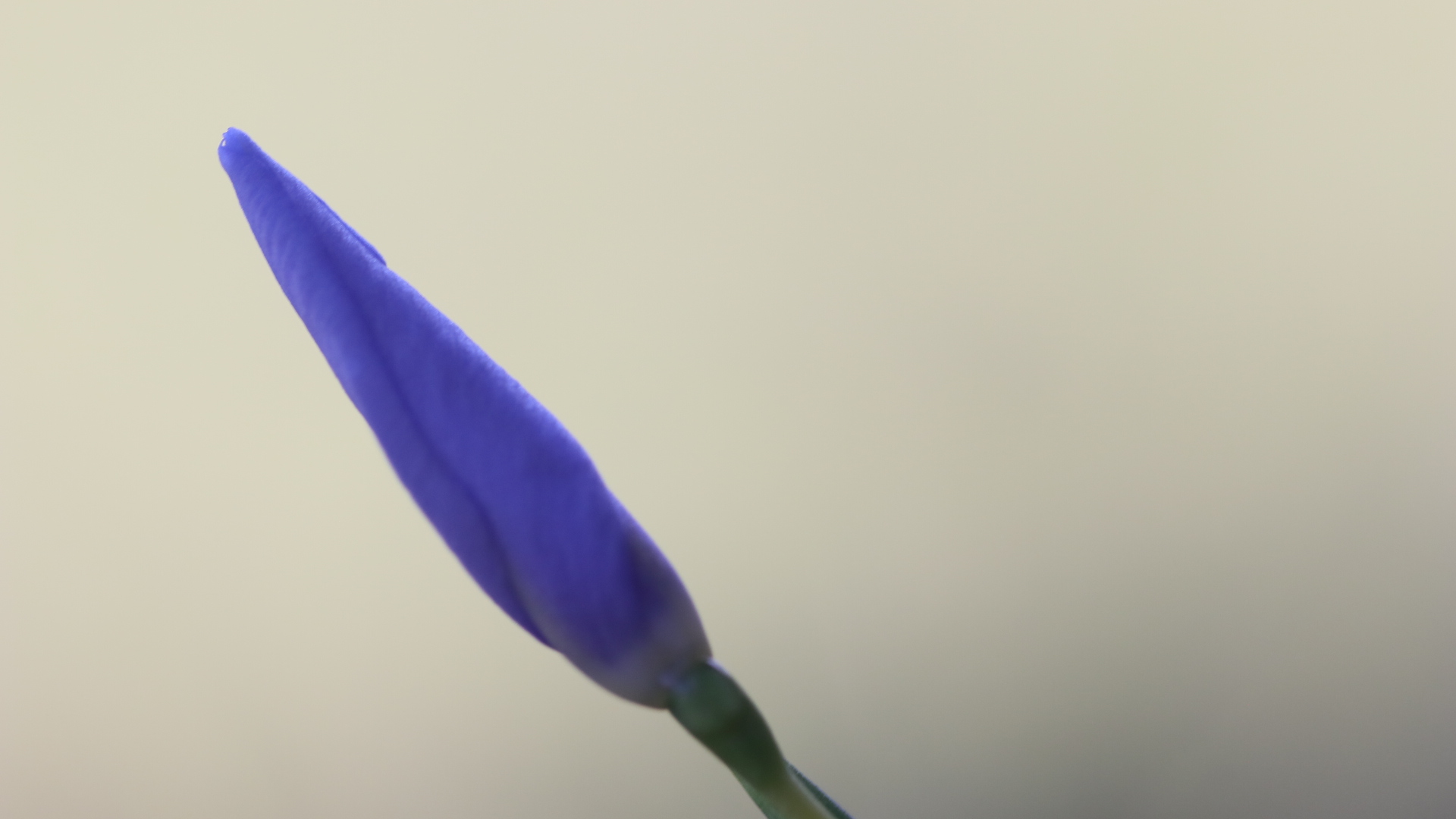
Then, usually the day before or earlier in the morning that the inflorescence fully extends, you’ll see a purple or bluish “flag,” not yet unfurled. 
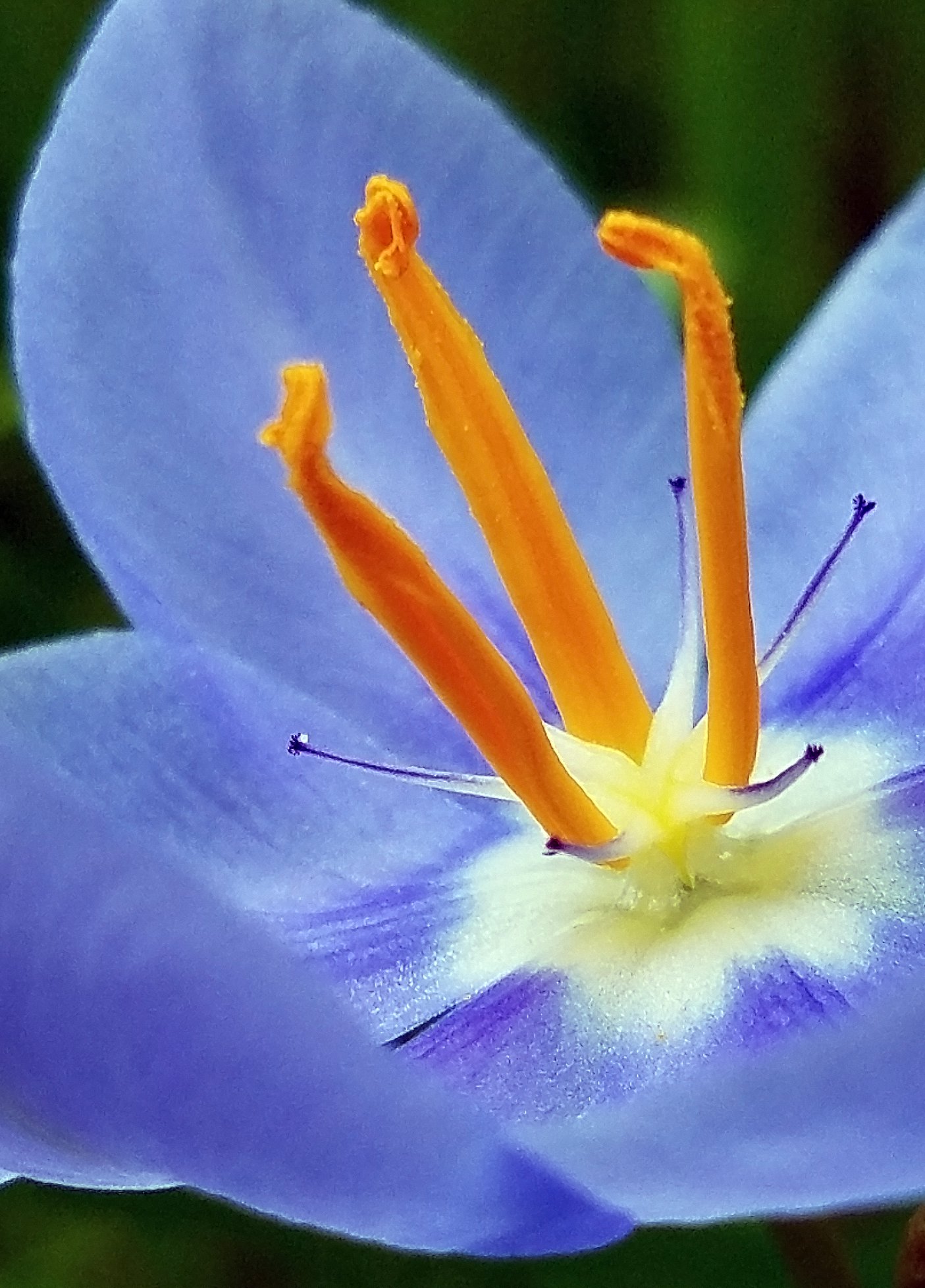
Fully open early in the day Nemastylis geminiflora

Fully open early in a day in the life of a Nemastylis geminiflora.

Either the next day or later the same day, depending upon the sort of day it is (cloudy days they seem to remain closed until after noon. Sunny days they seem to open earlier).

Later in the day, the three tall yellow stamens will have curled up and descended/curled up towards the six stigma spread out at the bottom of the flower as show below. This particular photo taken around 2:30 PM CDT, on a fairly sunny day this March 27th or 28th.

Stamens curled up as a pollinator of undetermined species is busy at work in mid afternoon.
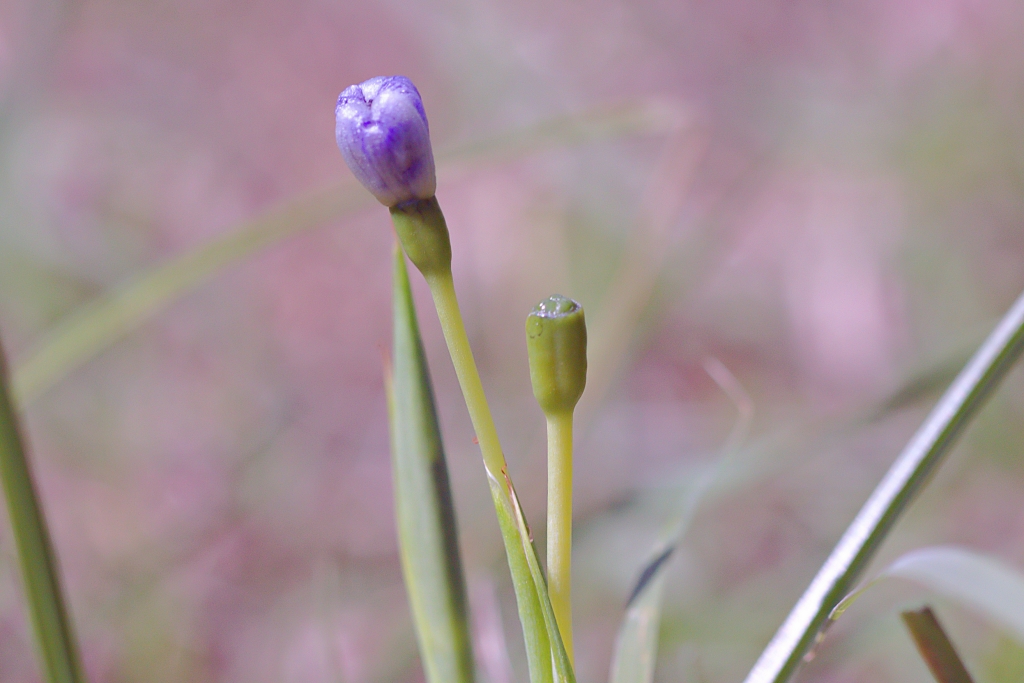
Stamens curled up as a pollinator of undetermined species is busy at work in mid afternoon.

Tomorrow, and tomorrow... the petals have folded, and then the fruit begins to form, as seen left to right.

Yesterday, today, and tomorrow… the tepals have folded, and then the fruit begins to form, as seen left to right.

Although each flower blooms for a single day, a plant may have several flowers. Above, you can see what looks like a potential inflorescence to the left, either today or yesterday’s flower folded in on itself in the center, and to the right, the immature fruit which will eventual mature and provide seeds for future generations. When dry, they dehisc, popping out the small black seeds into the near vicinity.

So: That’s the life cycle of. the Nemastylis geminiflora, which usually blooms for a few short weeks from around the Vernal Equinox until the beginning of April – although sometimes it will fool you as I was last year when I chanced upon some late bloomers around the 10th of April. (I know, the Beatles’ song “Fool On The Hill” comes to mind – if not yours, in my mind, and “In My Life” at least).

Two takeaways:

  1. Do not pick the flowers – this prevents them from going to seed and producing new flowers for the next year. 
  2. Do not try to dig them up. Although they are called Prairie Celestials, the soil in which these are found is rocky and the bulbs are buried deep below the surface, so any attempt to dig them up will likely as not result in damaging the stem or the bulb, thus rendering such efforts useless.

 And a third:

Do get out to a local park or trail where native plants have not been discouraged by putting green level mowing practices, and take a leisurely walk (wearing a face mask, and maintaining a safe social distance). Even if you don’t see any Celestials, you just might see some other native plants and wildflowers. (In Central Texas, they were a little late in their blooming, so maybe they will extend it a little further into April. Who knows? Plants apparently don’t read field guides or any other books, so they don’t seem to follow the “rules” all the time).

###
Slow down… or speed up, that is the question…

This article isn’t about Parkinson’s, but since bradykinesia is one of the signature symptoms of parkinsonism, and the title is about the challenge of being slow, it interested me.

Birgitta Burger & Clemens Wöllner (2021): The challenge of being slow: Effects of tempo, laterality, and experience on dance movement consistency, Journal of Motor Behavior, DOI: 10.1080/00222895.2021.1896469

Basically, the authors found that people who were musically trained were better able to perform the given tasks consistently on both sides of their bodies. In other words, they are bilateral in terms of brain dominance, while other folks showed lower scores in terms of consistently performing the actions at different tempi (speeds). Because they were dominant on one or the other side of their brains. 

As an amateur musician, mostly untrained (or it didn’t take) I have found that during rhythm & drumming classes that I have been in that things like a simple paradiddle are much more difficult at a slower tempo than at a faster tempo. On the other hand, some combinations are more difficult at a faster tempo than at the slower tempo. Just trying to build those cross brain connections, as the prefrontal cortex to the back of the brain and the motor control and reward system parts fade out. So I will play at the piano at a slow speed, ’cause if I pick up the tempo my fingers get even more clumsier than they are.

Maybe difficulty with moving both sides consistently is part of the reason People with Parkinson’s have difficulty with balance and with falls?  From my own experience, can’t confirm or deny the hypothesis, since I’m not that good as a musician, but seem to have some bilateral skills, and until recently, when immersion in the moment took over the judgement and reason, have not experienced problems with balance or falls. Would be an interesting research question, though…

###

Blooming March 16, 2021, ’round Round Rock, TX

Prunus mexicana - Mexican Plum

Took a walk outside this morning in search of one particular species, which hasn’t shown up yet, but found these, some planted, some occurring naturally:

Prunus mexicana - Mexican Plum

Mexican Plum started blooming a day or so ago. Noticeably absent so far has been a proliferation of pollinators.

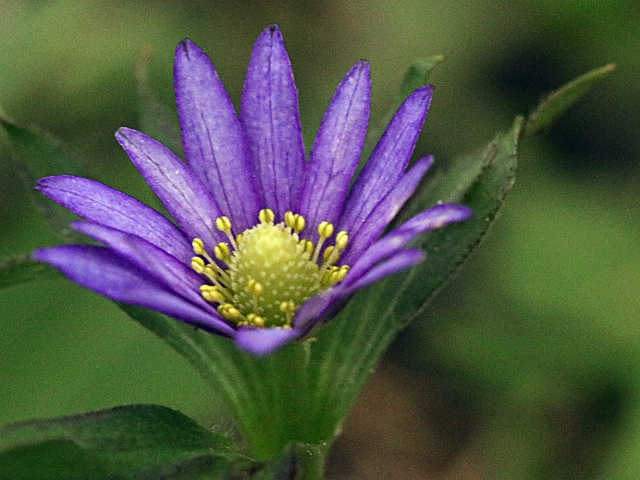
Anemone berlandieri

Anemone berlandieri – also known as Ten Petal Anemone, Berlandier’s Anemone, and Windflower

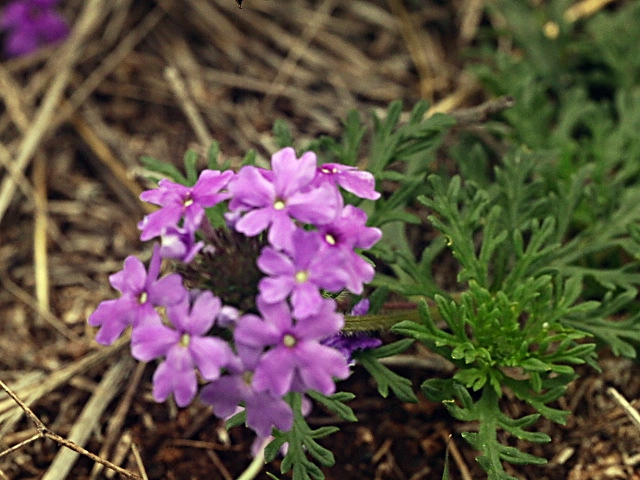
Glandularia bipinnatifida var. bipinnatifida

Glandularia bipinnatifida var. bipinnatifida, also known as Dakota Vervain, Prairie Verbena, among others

Tradescantia gigantea

Tradescantia gigantea – also known as Giant Spiderwort, is a good companion planting for Turkscaps (Malvaviscus arboreus var. drummondii), since the low grass-like mounds of the spiderwort remain green throughout the year, and start to bloom in lat February or early March, after the Texas Red Mallow (another common name) have dropped their leaves (and in the home garden, are ready to be trimmed back). Spiderwort is an aggressive spreader, Turkscap not so much: both can handle partly shady to shady environments. Both attract a variety of pollinators.

#RoundRockTX #CentralTexas #WhatsInBloom #NativePlantsOfTexas

Loss of roadside vegetation

My previous post mentioned a September set of observations – unfortunately, the observations were not posted to this blog but on Facebook. Sad to say, the situation has gotten worse – Although the native (mostly) plants  were left alone while in bloom in September, the blooms had disappeared a few. months later, and this first week of March 2021, I observed that the plants, for the most part, appeared to have been removed.  Thanks to the ongoing pandemic and my age, I try not to go out too often. but will have to go out and see if any Winecups are in evidence (there was at least one rosette in the video). Maybe take a few home to ensure the preservation of the species. The folks running City Hall don’t seem to care about preserving native plants… as far as I can tell. Oh well. Watch it and weep.

The irony of the last few slides are that they show the invasive Crepe Myrtle and Heavenly Bamboo or Nandina, used as landscaping in the property just south of. the one now being bulldozed for a parking lot and who knows what kind of business. I suspect that a similar lack of consideration for native plants, birds, and other wildlife will guide the development of this property.

#RoundRock #OldChisholmTrail #NativePlants #HabitatDestruction

Attention, cyborgs: be aware of environmental electrical interference

I became aware through the news feed that some research is going on regarding electrical interference and DBS implants. Of all the websites and information I found, this page at UC-Davis is the most accessible:

DBS issues – UC-Davis health (PDF)

This next article isn’t accessible to me, but if anyone does have access and could shoot me a copy, it would be greatly appreciated. I might even get around to reading it. In fact, if anyone out there knows how I could get access to research journal subscriptions through an institution, please, please, please leave a note in the comments and I’ll get back to you.

Abstract

Deep brain stimulation (DBS) has evolved into an approved and efficacious treatment for movement, obsessive-compulsive, and epilepsy disorders that are refractory to medical therapy, with current investigation into other disease conditions. However, there are unintentional and intentional sources of external electromagnetic interference (EMI) that can lead to either malfunctioning or damaged DBS devices, as well as injury to human tissue. Comprehensive studies and guidelines on such topics in the medical literature are scarce. Herein, we review the principles behind EMI, as well as the various potential sources of interference, both unintentional (e.g. stray EMI fields) and intentional (e.g. MRI scans, “brainjacking”). Additionally, we employ the Manufacturer and User Device Facility Experience (MAUDE) database to assess real-world instances of EMI (e.g., airport body scanners, magnetic resonance imaging (MRI), and electrosurgery) affecting DBS devices commonly implanted in the United States (US).  (emphasis added above and below).

Highlights
• Electromagnetic equipment in our environment may interfere with implanted deep brain stimulation devices.

• Common EMI sources include airport security gates, antitheft and metal detectors, MRI, and electrosurgical or other medical equipment.

Intentional EMI to “hack” or “hijack” DBS systems is a growing cause for concern.

• Research on EMI and DBS devices is scarce, and deserving more attention given the gravity of potential adverse events.

Practical guidelines for patients, healthcare workers, and those who frequently handle electromagnetic devices are lacking.

Intentional EMI to “hack” or “hijack” DBS system?!?  I don’t know about my fellow cyborgs, but I am cautious about letting magnetic and electrical fields get close to the areas where I have my DBS electrodes, wiring, and programmer/battery. However, it sure would be nice. if they would at the least make the “practical guidelines” open access or available somewhere. Seems to be a contradiction. to make someone pay to find out how to protect oneself from harmful electrical interference. Isn’t  part of the Hippocratic oath “First, do no harm?” It seems to me that if you know the bridge is out, and some asks you for directions, and you tell them the directions but fail to mention that the bridge is out, that you are doing harm, The same goes with, “Yeah, I can tell you how to get there safely, but you’ll have to purchase a PDF file of the directions for $45.00 USD..”

Guess I’ll have to search for :”Practical Guidelines to Avoid Electrical Interference for DBS.” 

Boston Scientific has a nice page on EMIs, although it deasl with ICDs (which I take to mean (implanted Cardiac Device or something along those lines) basically a pacemaker for the heart.. So I guess this page will work folks who’ve become cyborgs due to PD DBS implants:  EMI safety

Another list of publicly available guidelines can be found at EMC Devices and risks on the Medtronics website. The list addresses risks related to cardiac devices,  but one can probably generalize to DBS devices (or one can look further than I did). Well, I looked a little further and found the DBS manuals for my model. Appendix A has the list of EMC guidelines. I also found the patient counseling information, which I’ll print here:

Patient information
Programming and patient control devices
Patient control devices may affect other implanted devices – Do not place the patient
control device over another type of active implanted medical device (eg, pacemaker,
defibrillator, another type of neurostimulator). The patient control device could
unintentionally change the operation of the other device.
Patient activities
Activities requiring excessive twisting or stretching – Patients should avoid activities
that may put undue stress on the implanted components of the neurostimulation system.
Activities that include sudden, excessive or repetitive bending, twisting, or stretching can
cause component fracture or dislodgement. Component fracture or dislodgement may
result in loss of stimulation, intermittent stimulation, stimulation at the fracture site, and
additional surgery to replace or reposition the component.
Component manipulation by patient – Advise your patient to avoid manipulating the
implanted system components (eg, the neurostimulator, the burr hole site). This can result
in component damage, lead dislodgement, skin erosion, or stimulation at the implant site.
Manipulation may cause device inversion, making a rechargeable neurostimulator
impossible to charge.
Patient activities and environmental warnings – Patients should exercise reasonable
caution in avoidance of devices that generate a strong electric or magnetic field. Close
proximity to high levels of electromagnetic interference (EMI) may cause a
neurostimulator to switch on or off. The system also may unexpectedly cease to function.
(emphasis added)- For these reasons, the patient should be advised about any activities that would be
potentially unsafe if their symptoms unexpectedly return. For additional information about
devices that generate electromagnetic interference, call Medtronic. Refer to the contacts
listed at the end of this manual.
Scuba diving or hyperbaric chambers (emphasis added)- Patients should not dive below 10 meters
(33 feet) of water or enter hyperbaric chambers above 2.0 atmospheres absolute (ATA).
Pressures below 10 meters (33 feet) of water (or above 2.0 ATA) could damage the
neurostimulation system. Before diving or using a hyperbaric chamber, patients should
discuss the effects of high pressure with their clinician.
Skydiving, skiing, or hiking in the mountains (emphasis added).- High altitudes should not affect the
neurostimulator, however, the patient should consider the movements involved in any
planned activity and avoid putting undue stress on the implanted system. Patients should
be aware that during skydiving, the sudden jerking that occurs when the parachute opens
may cause lead dislodgement or fractures, which may require surgery to repair or replace
the lead. (emphasis added).

My Practical Guidelines search uncovered another article, but it wasn’t open access. so I won’t even bother to link to it. I was going to add the Medtronics Appendix A, but it simply repeated the information above,

And there you have it. Don’t go putting strong magnets next to your brain, avoid Tesla Coils, and try not to get hit by lightning. 

And don’t let the EMS guys or ER folks stick you in an MRI machine.

###

Native plants are the answer…

Maybe it’s just me, but it seems to me that there are far too many crepe myrtles (Lagerstroemia sp.) in use for the good of the planet, especially for the good of wildlife in the United States.

The same could be said of other exotic plants, such as Privet or Ligustrum (Ligustrum sp.), Heavenly Bamboo (Nandina domestica),   Chinaberry (Melia azedarach), and others. Even plants native to one area might become invasive if introduced and allowed to spread in another ecoregion.

Best advice, of course, is to plant plants that are native to your ecoregion. And with Climate Change (or Climate Chaos, which seems to be a more accurate description), even plants native to one’s ecoregion might be getting squeezed out or moving further north, or moving higher up, or retreating into ecological niches (if they haven’t been paved over or bulldozed into oblivion).

img_0413

Texas Lantana (Lantana urticoides)

Take, for instance, Texas Lantana (Lantana urticoides) which can often be found, even in the “big box” stores. However, its cousin Lantana camara which is similar but has different colored flowers and somewhat different leaf texture (I am told) can also be found in those same stores which don’t offer plants grown only in the local region. So it shouldn’t have surprised me when I found several of the L. camara in the greenbelt this past fall, growing right beside what I took to be L. urticoides. And while trying to get photos of a stand of native Solidago sp., (aka Goldenrod), I chanced upon a young Chinaberry (Melia azedarach) sapling. Nearby there are several invasive Chinese pistache (Pistacia chinensis). And that’s just directly behind my house and/or my neighbors’ houses.

This, in a greenbelt that is protected because there is a cavern underneath it within which live one or two endangered species.

The conclusion is the title to this post.

PLANT GRASSES, FLOWERS, SHRUBS AND TREES THAT ARE NATIVE TO THE AREA IN WHICH YOU LIVE. NOTHING ELSE.

If you want a Crepe Myrtle in your yard, then move to Southeast Asia, or wherever it is that they’re from. And take the big-box store nurseries with you. Please. Thank you.

p.s. drove past the construction site where I had taken photos on September 23, 2020, and it appears that most of the native plants have been the subject of “brush clearing.” Don’t know for sure. Didn’t stop and inspect. Would think the Winecups might be in bloom, either now or soon.

###.

More physical therapy, more research & guidelines

Perhaps it is because one is in rehabilitation, that one’s interest turns towards rehabilitation and Parkinson’s Disease. Sounds like a reasonable explanation.

This article from 2017 looked at rates of utilization of rehabilitative services, looking at several demographics:  Utilization of rehabilitation therapy services in Parkinson disease in the United States    (This article is on PubMed and is open access).

  The authors. …”found that 75% of Medicare beneficiaries diagnosed with PD did not receive rehabilitative therapies over a 36-month period. While it is not clear what the appropriate utilization rate should be, utilization among patients with PD in the Netherlands and the United Kingdom greatly exceeds what we found in the United States: at least 57% and 54%, respectively., In this study, predictors of higher (but still low) rates of therapy utilization included PD care by a neurologist, Asian or Caucasian race, and geographic location. 

The NICE folks in the UK have a link where one may download their entire set of guidelines for treatment of people with Parkinson’s:

Parkinson’s disease in adults

After looking at their recommendations on DBS, I’m not sure I am in total agreement with them there. But other that, they seem to be solid, aimed at the general practitioner, though, not to the Movement Disorders Specialist (my impression).

This article is not available for open access, but here’s the citation:

Rafferty, M.R., Nettnin, E., Goldman, J.G. et al. Frameworks for Parkinson’s Disease Rehabilitation Addressing When, What, and How. Curr Neurol Neurosci Rep 21, 12 (2021). https://doi.org/10.1007/s11910-021-01096-0

There is moderate to strong evidence supporting physical therapy, occupational therapy, and speech-language pathology soon after diagnosis and in response to functional deficits.

We propose a framework of three pathways for rehabilitation care:

(1) consultative proactive rehabilitation soon after diagnosis for assessment, treatment of early deficits, and promotion meaningful activities;

(2) restorative rehabilitation to promote functional improvements; and

(3) skilled maintenance rehabilitation for long-term monitoring of exercise, meaningful activities, safety, contractures, skin integrity, positioning, swallowing, and communication.   (emphasis added).

I would agree with the overall framework – I have had some postural issues since the beginning (pre-PD), and assessment and promotion of meaningful activities would have been helpful. I did receive some physical. therapy to correct posture, which did so, only to reveal spinal stenosis.  Later on, I had bunionectomies which kept me wheelchair bound or with limited mobility for a year, and restorative rehabilitation was provided and needed. Finally, my own hubris regarding my mobility led to several falls in 2019 and 2020, and are now being addressed with both restorative rehabilitation and skilled maintenance rehabilitation which will hopefully correct the problems and provide the the tools to maintain posture, etc. over the (hopefully) years to come.

The polar vor-Texas of 2021


Or, that was the week that was…

On February 11, went outside and snapped these – oak leaves encased in ice, desert willow branches looking more like Apache plume, Opuntia dripping icicles and a frozen “heart”, icicles  hanging from. a cholla tree cactus, frozen Ashe juniper leaves,, brave little four nerve daisy, and Mexican feather grass icy swirls. 

Those were taken on February 11. And yet, there was more to come. On February 15,  2021,   the Four nerve daisy sticking it out above the accumulation.The berm, completely covered by 6 inches of snow, avng been mowed below 4 inches in January, a Texas persimmon leaf encased in ice, an icy silhouette, and a tangled web of branches. Finally, on the 20t, things  bega to start thawing out. 

###