I’m not sure why the line numbers were included in the PDF, my guess is that it is/was pre-publication. At any rate, it just adds to the body of evidence that rhythm and movement helps get rid of the blues.
Music can help people make more positive evaluations of acute exercise as an affective and
113 ergogenic stimulant. A recent meta-analysis of 139 studies revealed that listening to music during
114 acute bouts of exercise and sport activities increases positive affective valence (g = 0.48, CI [0.39,
115 0.56]), reduces ratings of perceived exertion (RPE; g = 0.22, CI [0.14, 0.30]), enhances physical 116 performance (g = 0.31, CI [0.25, 0.36]), and improves oxygen consumption (VO2max; g = 0.15, CI
117 [0.02, 0.27]) compared with activities without music (Terry et al., 2020). These findings support the
118 notion that music helps physical activity to be more joyous, less arduous, and more energetic and
119 efficient, arguably motivating the exerciser to join additional bouts. It is noteworthy that the
120 beneficial effects of music on affect and RPE were not moderated by physical activity intensity in the
121 meta-analysis (Terry et al., 2020), which indicates that music provides psychological benefitsacross
122 the full range of intensities.
Here’s a few studies that came up in my news feed from PubMed Central (PMC) or elsewhere for articles recently published on the topics in which I’m interested – namely, prodromal symptoms related to PD, the relationship of REM sleep disorder and depression to PD, and, of course, the use of singing and dance therapies as complementary approaches to dealing with the symptoms of PD.
The prevalence and duration of non-motor symptoms (NMS) in prodromal Parkinson’s disease (PD) has not been extensively studied. The aim of this study was to determine the prevalence and duration of prodromal NMS (pNMS) in a cohort of patients with recently diagnosed PD.
…subtracted the duration of the presence of each individual NMS reported from the duration of the earliest motor symptom. NMS whose duration preceded the duration of motor symptoms were considered a pNMS. Individual pNMS were then grouped into relevant pNMS clusters based on the NMSQuest domains. Motor subtypes were defined as tremor dominant, postural instability gait difficulty (PIGD) and indeterminate type according to the Movement Disorder Society Unified Parkinson’s Disease Rating Scale revision.
Results: Prodromal NMS were experienced by 90.3% of patients with PD. … males reporting more sexual dysfunction, forgetfulness and dream re-enactment, whereas females reported more unexplained weight change and anxiety. There was a significant association between any prodromalgastrointestinal symptoms and urinary symptoms and the PIGD phenotype.[n.b.: phenotype includes inherent traits or characteristics that are observable]. [Emphases added].
Citation: Durcan R, Wiblin L, Lawson RA, Khoo TK, Yarnall AJ, Duncan GW, Brooks DJ, Pavese N, Burn DJ; ICICLE-PD Study Group. Prevalence and duration of non-motor symptoms in prodromal Parkinson’s disease. Eur J Neurol. 2019 Jul;26(7):979-985. doi: 10.1111/ene.13919. Epub 2019 Mar 1. PMID: 30706593; PMCID: PMC6563450.
Purpose: To explore the effect of sleep disorders, including the probable rapid eye movement (REM) sleep behavior disorder (pRBD) and the daytime sleepiness, on depressive symptoms in patients with early and prodromal PD.
5-year follow-up study showed that sleep disorders, including pRBD and daytime sleepiness, were associated with the increased depressive-related score in individuals with early and prodromal PD.
Conclusion: … Sleep disorders, including pRBD and daytime sleepiness, are associated with depression at baseline and longitudinally, … partially mediated by the autonomic dysfunction in early and prodromal PD, … implication that sleep management is of great value for disease surveillance.
Citation: Ma J, Dou K, Liu R, Liao Y, Yuan Z, Xie A. Associations of Sleep Disorders With Depressive Symptoms in Early and Prodromal Parkinson’s Disease. Front Aging Neurosci. 2022 Jun 10;14:898149. doi: 10.3389/fnagi.2022.898149. PMID: 35754965; PMCID: PMC9226450.
Abstract Background Previous reports suggest that group therapeutic singing (GTS) may have a positive effect on motor symptoms in persons with Parkinson’s disease (PD).
Objective To determine the effect of a single session of GTS on clinical motor symptoms.
Methods Clinical motor symptom assessment was completed immediately before and after 1 hour of GTS in 18 participants.
Results A significant decrease in average scores for gait and posture and tremor, but not speech and facial expression or bradykinesia was revealed.
Conclusion These results support the notion that GTS is a beneficial adjuvant therapy for persons with PD that warrants further research.
Citation: Stegemoller E, Forsyth E, Patel B, et al. Group therapeutic singing improves clinical motor scores in persons with Parkinson’s disease BMJ Neurology Open 2022;4:e000286. doi: 10.1136/bmjno-2022-000286
Seems that I went and got elected to my HOA board, which will require me to cut back or off on certain activities until my 3 year term is up, or I have to resign for any of a number of possible reasons that one might imagine. (Health is the most likely culprit). I might post on an even more irregular basis – maybe some of the stuff I do for my HOA, if it proves to be of value.
Therefore, I am once again abandoning this blog, although if you’ve seen one year’s worth of photos here, you’ve probably seen most of what there is to see within 1/2 mile of my home, or in my yard.
I will be posting directly to the Williamson County chapter of the Native Plant Society of Texas (NPSOT-Wilco) Facebook page from time to time.
Hopefully, I can help to improve my community by ensuring that the virtues and benefits of native plants are more than the appeal of cheap prices and easy availability of common exotics.
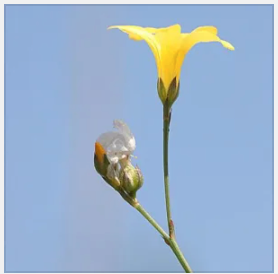
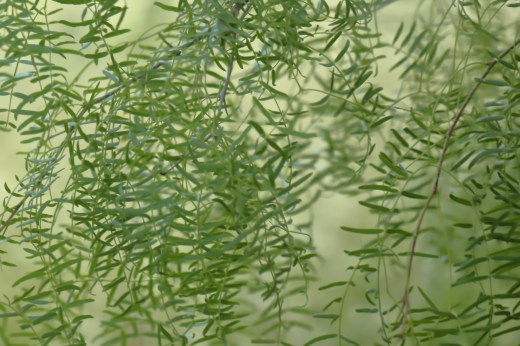
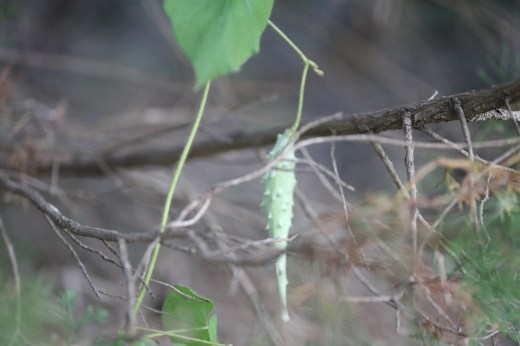
So, as parting photos, I present one taken recently by my smartphone when I wasn’t trying to take a photo (above), and another of a volunteer in my backyard (below).
What research has found its way into the email inbox recently?
Although singing is a nearly universal human behavior, many adults consider themselves poor singers and avoid singing based on self-assessment of pitch matching accuracy during singing (here referred to as singing accuracy), in contrast to the uninhibited singing exhibited by children. In this article, I report results that shed light on how singing accuracy changes across the lifespan, using data from a large online sample, including participants ranging from 6 to 99 years old. Results suggest that singing accuracy improves dramatically from childhood to young adulthood, unperturbed by voice changes during adolescence, and remain at a similarly high level for the remainder of life, exhibiting no strong tendency toward age-related decline. Vocal or instrumental musical training has significant positive effects on singing accuracy, particularly in childhood, though there was no evidence for gender differences. Finally, pitch discrimination varied with age similarly to singing accuracy, in support of views that singing accuracy reflects sensorimotor learning. Taken together, these results are consistent with the view that singing accuracy is a learned motor skill that benefits from engagement and can remain a fruitful endeavor into old age. (emphasis added).
Basically, this says that if you learned how sing accurately when you were young, you can probably sing well into your later years. And, since singing is a learned motor skill, one might assume that it can be learned even as one gets older.
Relevance to folks with Parkinson’s Disease (PD)?
Vocal strength exercises, such as those provided by Power for Parkinson’s as free YouTube video classes, can help with specific Parkinson’s related symptoms:
Many people with PD speak quietly and in one tone; they don’t convey much emotion. Sometimes speech soundsbreathy or hoarse. People with Parkinson’s might slur words, mumble or trail off at the end of a sentence.Most people talk slowly, but some speak rapidly, even stuttering or stammering.
Parkinson’s motor symptoms, such as decreased facial expression, slowness and stooped posture, may add to speech problems. These can send incorrect non-verbal cues or impact the ability to show emotion. Source: https://www.michaeljfox.org/news/speech-swallowing-problems accessed June 20, 2022 (emphasis added).
Since our vocal cords are muscles, and singing is a learned motor skill, we can strengthen those muscles and push against the progressive, degenerative symptoms of PD through exercises that:
remind us to breathe deeply to sustain vocal volume,
improve our posture in order to enable deep breathing,
exercise the muscles of the face and mouth
to enable crisp diction instead of slurring and mumbling, and that
support emotional expression through inflection and singing.
And “Everybody Knows” that if exercise is fun, one is more likely to continue doing it.
Full disclosure: The author has attended Power for Parkinson’s ® vocal exercise classes since their inception in 2016, and co-founded a participant organized singing group (with the late Jeff Berke) in 2015. Therefore, he might be (definitely is) biased in favor of this modality of treatment for vocal and speech related symptoms of PD.
Early June 2022 and the heat is in the “triple digits”as the meteorologists like to say in TV-land. or 39 ° Celsius, as we were told we would have converted to 50 or more years ago. Either system, hot to humans is hot.
But to native plants that evolved in Central Texas for more years than Crepe Myrtle has been here, even these signs of Global Warming haven’t phased them. (Granted, I do some supplemental watering, especially of small trees for the first few years, but other plants like Passiflora incarnata grow like “weeds”).
I’ll let the plants speak for themselves:
white flower 10-29-2012
Allium drummondii – Wild Garlic
LILI Nothoscordum bivalve – Crow-Poison
Malpighia glabra – Barbados Cherry
Malvaviscus arboreus – Turks Cap
Clematis drummondi – Old Man’s Beard
Pavonia lasiopetala – rose pavonia
Clematis drummondi – Old Man’s Beard
unknown flower at WFC
Malvavisus arboreus – Manzanilla
Echinacea purpurea – Purple Coneflowewr
Aster subulatus possibly
Hylephila phyleus (male) – Fiery Skipper on Fall Aster
Those are just the photos I took on June 8, 2022, mostly in my yard. The Rain Lilies were just past the back fence (the ones in my yard had bloomed and gone to seed after the previous week’s mild spattering of rain drops).
This past Saturday (May 29, 2022), I went out of the house for a change, on a field trip with the Williamson County Chapter of the Native Plant Society of Texas (NPSOT-Wilco), at the Southwest Williamson County Regional Park (SWCRP). The field trip consisted of walking along the Jim Rodgers Nature Trail, 1.75 miles long, I’m told.
I managed to arrive late, but soon caught up with the group. (Usually I arrive a week early, having managed to forget the actual date and time).
Then I managed to continually fall behind and catch up, working up a sweat. Because this was an evening field trip on a fairly even path (it does need mulching to give it a little more comfort underfoot), the pace of the hike was a little closer to a real hike than the usual NPSOT or Texas Master Naturalists’ walk in the woods – where it often takes an hour to go half a mile down the trail – if that much. And yet, I was able to get some interesting shots of some of the native plants and wildflowers.
And from the abstract and significance statement of the original (non-open access) article:
Physical exercise improves motor performance in individuals with Parkinson’s disease and elevates mood in those with depression. Although underlying factors have not been identified, clues arise from previous studies showing a link between cognitive benefits of exercise and increases in brain-derived neurotrophic factor (BDNF). (emphasis added).
and:
Exercise has been shown to improve movement and cognition in humans and rodents. Here, we report that voluntary exercise over 30 days leads to an increase in evoked dopamine (DA) release throughout the striatum, and an increase in BDNF in the dorsal (motor) striatum. The increase in DA release appears to require BDNF, indicated by the absence of DA release enhancement with running in BDNF+/- mice. Activation of BDNF receptors using a pharmacological agonist was also shown to boost DA release. Together these data support a necessary and sufficient role for BDNF in exercise-enhanced DA release, and provide mechanistic insight into the reported benefits of exercise in individuals with dopamine-linked neuropsychiatric disorders, including Parkinson’s disease and depression. (emphasis added).
The citation:
Voluntary exercise boosts striatal dopamine release: evidence for the necessary and sufficient role of BDNF, Guendalina Bastioli, Jennifer C. Arnold, Maria Mancini, Adam C. Mar, Begoña Gamallo-Lana, Khalil Saadipour, Moses V. Chao, Margaret E. Rice,Journal of Neuroscience 16 May 2022, JN-RM-2273-21; DOI: 10.1523/JNEUROSCI.2273-21.2022
So that covers why exercise is good for all. But what about what is good for the one?
… there is growing recognition that PD is not a single entity but instead reflects multiple diseases, in which different combinations of environmental, genetic and potential comorbid factors interact to direct individual disease trajectories… The clear consequence of there being distinct diseases that collectively form PD, is that there is no single biomarker or treatment for PD development or progression. We propose that diagnosis should shift away from the clinical definitions, towards biologically defined diseases that collectively form PD, to enable informative patient stratification. N-of-one type, clinical designs offer an unbiased, and agnostic approach to re-defining PD in terms of a group of many individual diseases. . (emphasis added).
The citation links to PubMed where you can download the full article, should you be so inclined. The next citation also links to an open access free article.
In this article, Riggare reports on self tracking done in 2012 (as a Person with Parkinson’s), and the offer the possibility that self-tracking of symptoms and medications can help to inform the physician’s decisions over the course of treatment. In other words, one should be a self-advocate as a patient and work with your physician to achieve the best combination of treatments to address Parkinson’s and its comorbidities. (At least that’s my takeaway from the article. Others might differ).
Another look at PD aims to categorize it into various sub-types:
This article is a “desk review”of other studies, using specific criteria to either include/exclude each study in the results. Their conclusion:
Conclusion: Subtyping studies undertaken to date have significant methodologic shortcomings and most have questionable clinical applicability and unknown biological relevance. The clinical and biological signature of PD may be unique to the individual, rendering PD resistant to meaningful cluster solutions. New approaches that acknowledge the individual-level heterogeneity and that are more aligned with personalized medicine are needed. (emphasis added).
Among the articles cited in the bibliography is this one (another open access article):
In this, the authors describe their methodology and results from the Oxford cohort (one of several cohorts of PwPs and controls that have been used for research. (I would take the time and effort to locate the original publication describing the different cohorts involved in the effort to find biomarkers, but I am currently experiencing a wave of Parkinson’s related apathy. Check my past posts, or do a search on PubMed – I do remember that Oxford and Boston were two of the cohorts of PwPs. But I digress).
Results: Apolipoprotein A1 and C-reactive protein levels differed across our PD subtypes, with severe motor disease phenotype, poor psychological well-being, and poor sleep subtype having reduced apolipoprotein A1 and higher C-reactive protein levels. Reduced apolipoprotein A1, higher C-reactive protein, and reduced vitamin D were associated with worse baseline activities of daily living (MDS-UPDRS II).
In other words: Close, but no cigar. But I, for one, certainly could have benefited from this knowledge had it been available 60 years ago. (don’t get me started – I’ve played that tape many times before).
It has been a while since I have been able to venture far from my own yard, but here’s what I got to report, mostly from my front, side, and back yards:
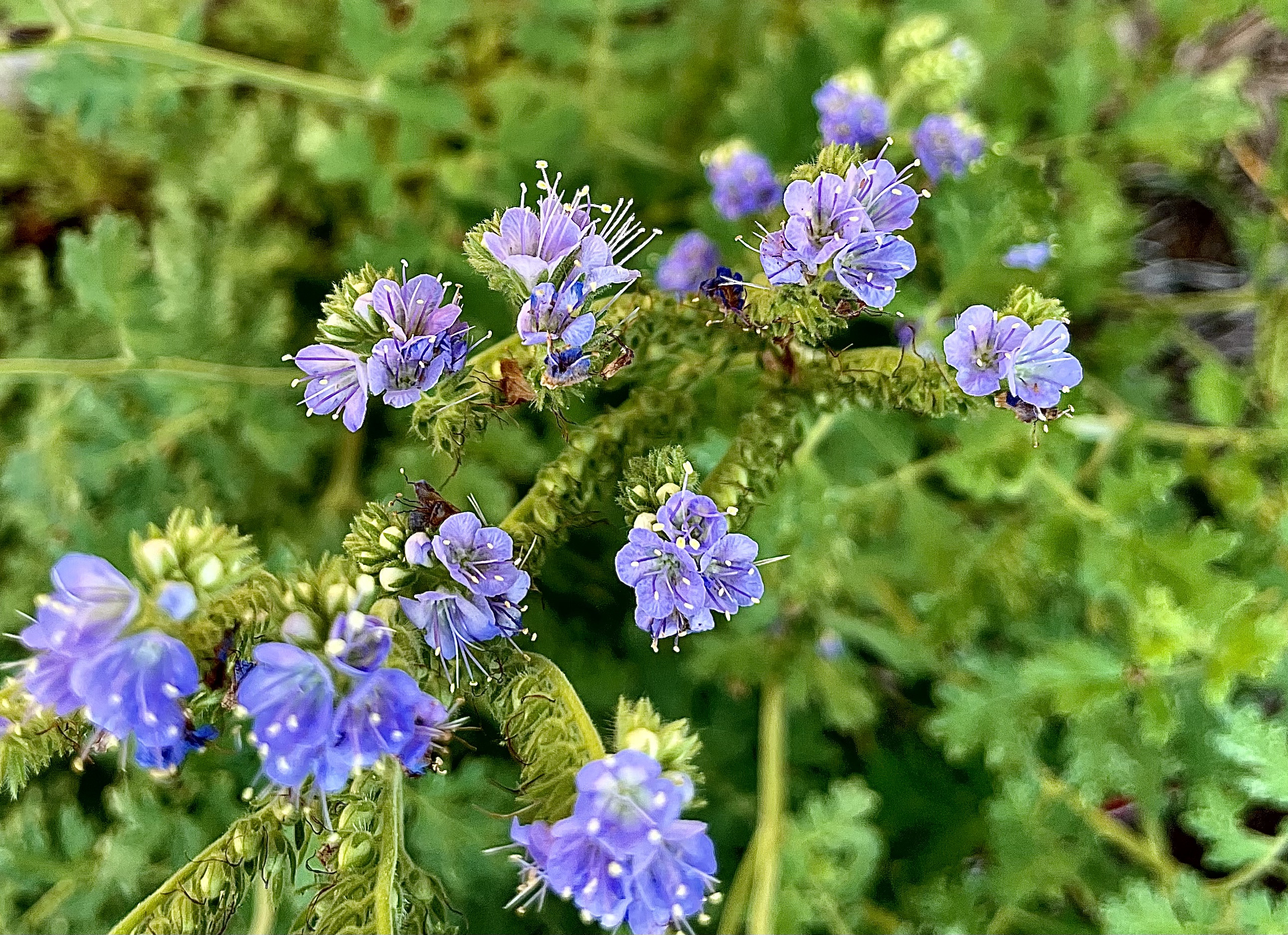
Phacelia congesta – Blue Curls (These, like the Bluebonnets, are mostly gone to seed by now).
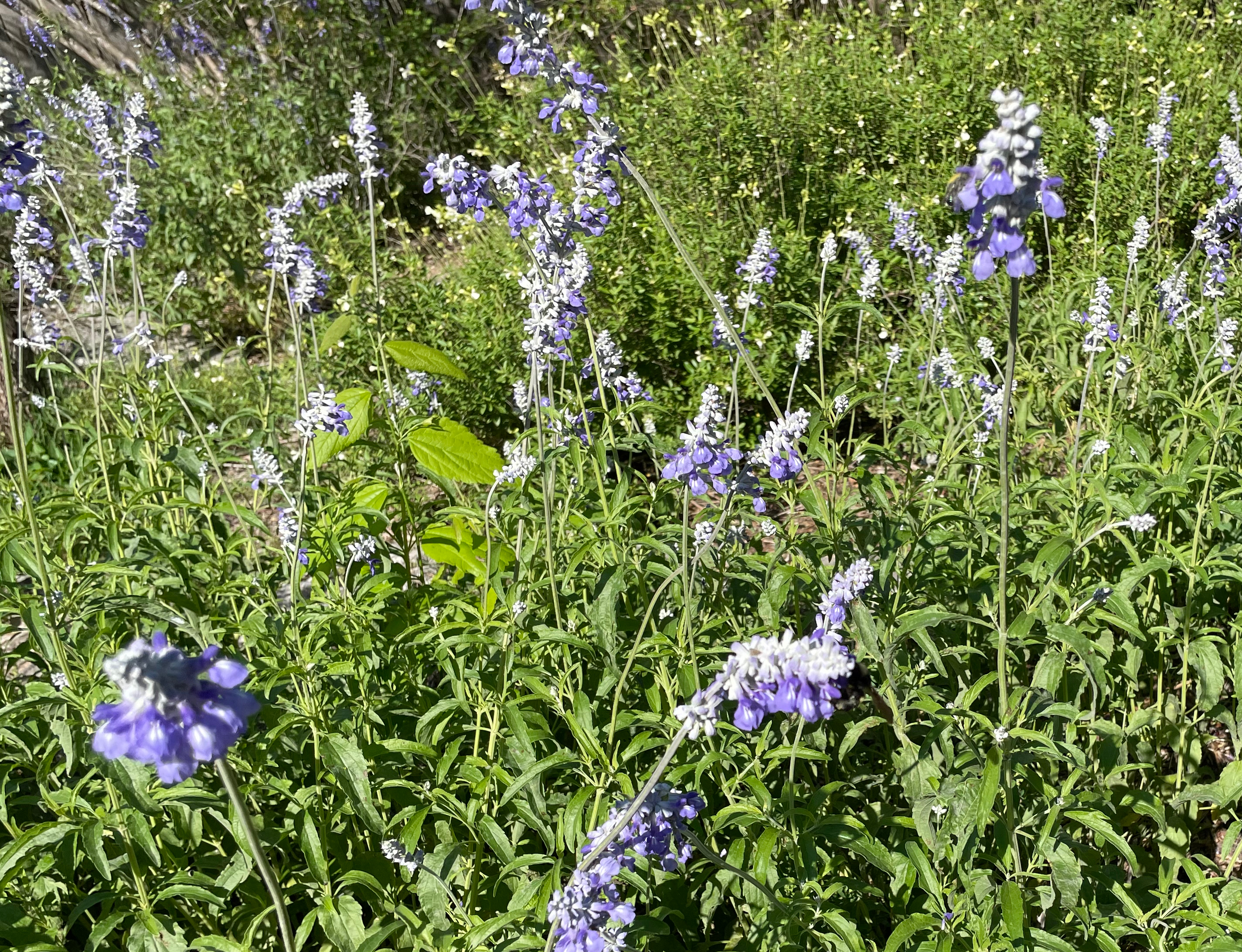
Salvia farinacea – Mealy Blue Sage *These will provide nectar to native Bumble Bees and other pollinators through the Spring, Summer, and into Autumn).
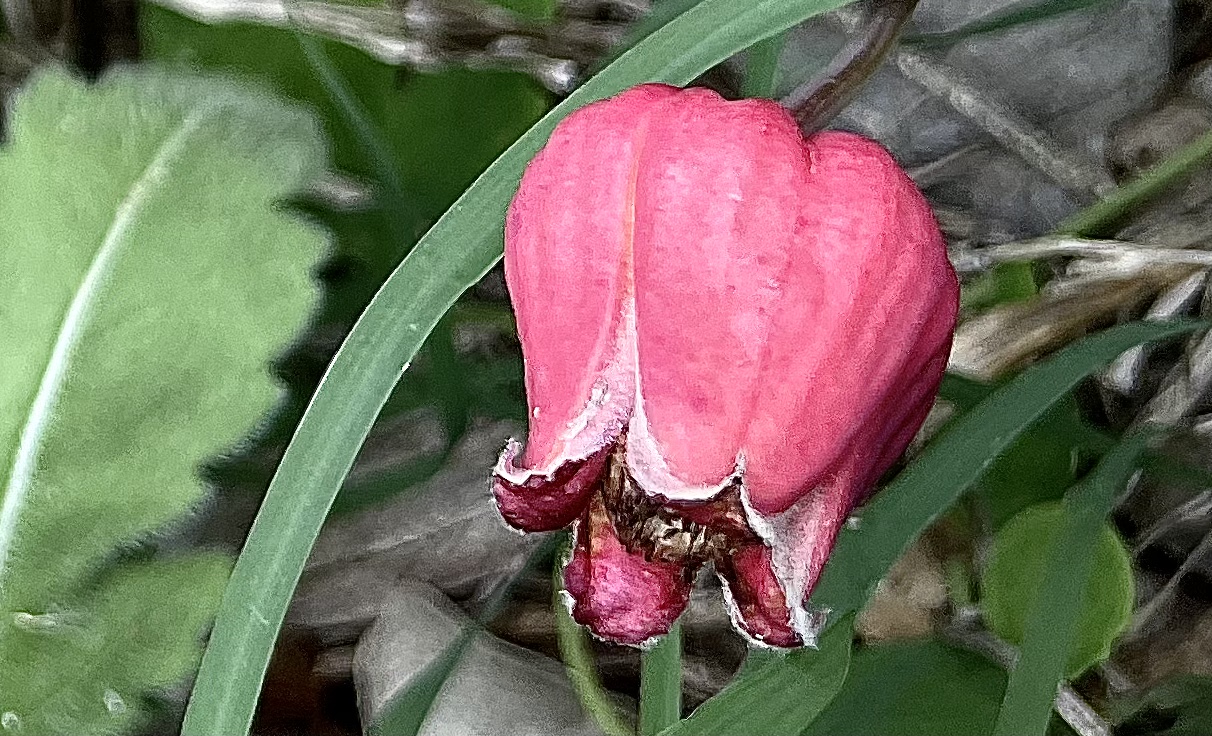
Clematis texensis – Scarlet leather flower (This plant is endemic to the Edwards Plateau region of Texas. This one is cultivated in its native ecoregion).
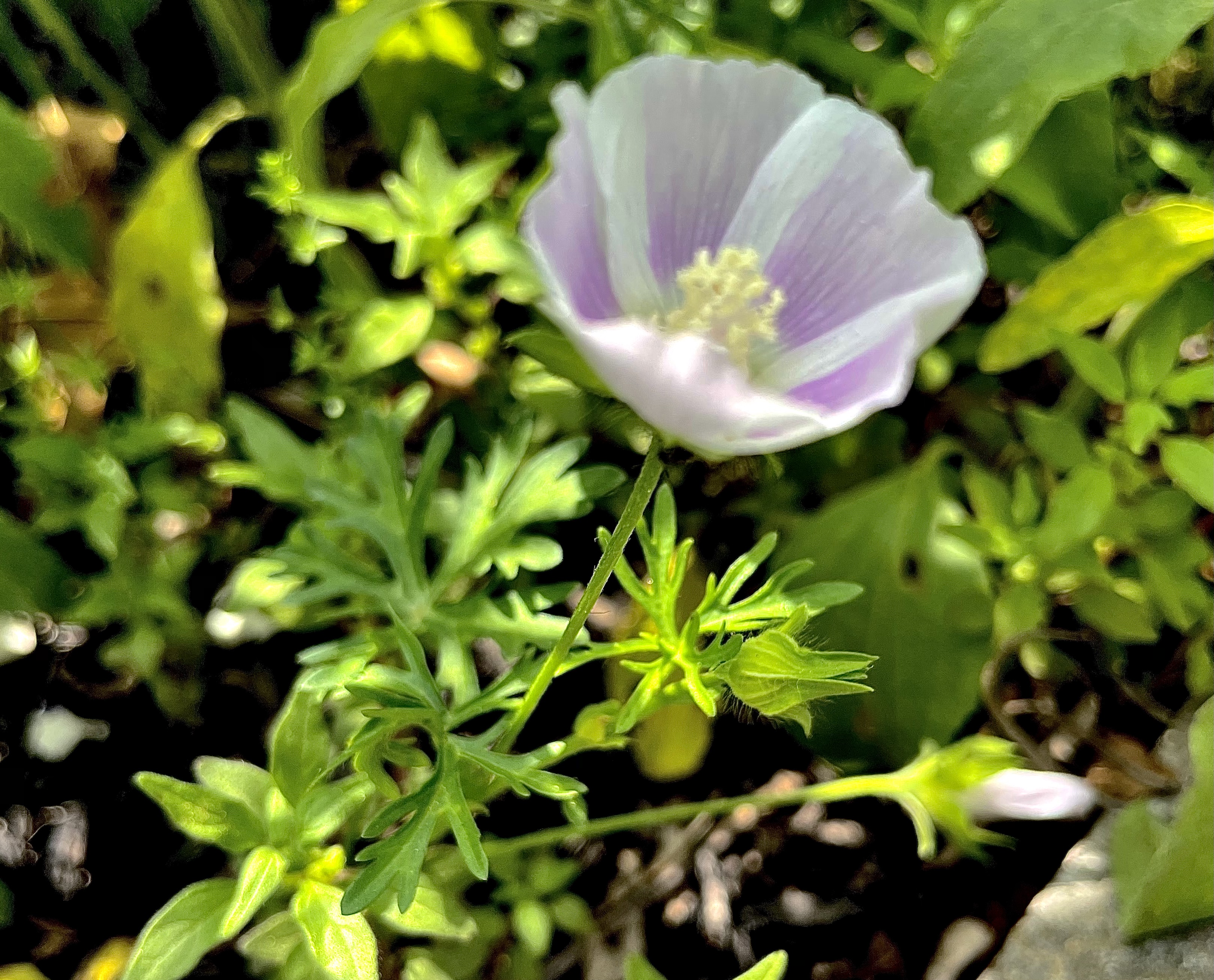
Callirhoe involucrata var. lineariloba – White winecup or “Williamson County Winecup” (Endemic to just a few counties in Texas, the Williamson County chapter of NPSOT has adopted it and given it their own common name).
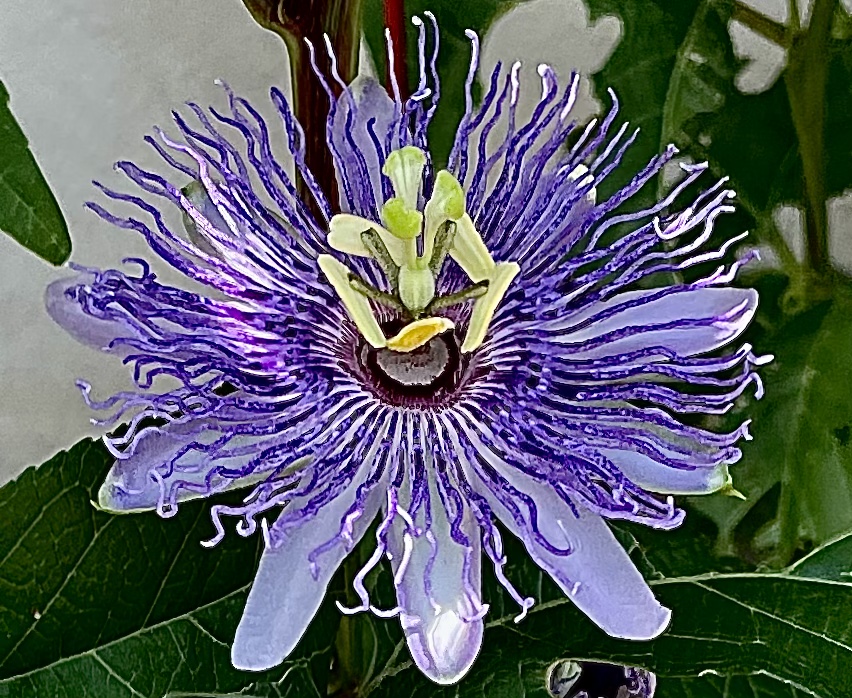
Passiflora incarnata – Purple passion flower (Like all Passiflora vines, this is home to and critical to the life cycle of Gulf and Variegated Fritillary butterflies) – (And it grows like a weed, so one can start with one and soon be giving them away as gifts with a little water and root stimulator).
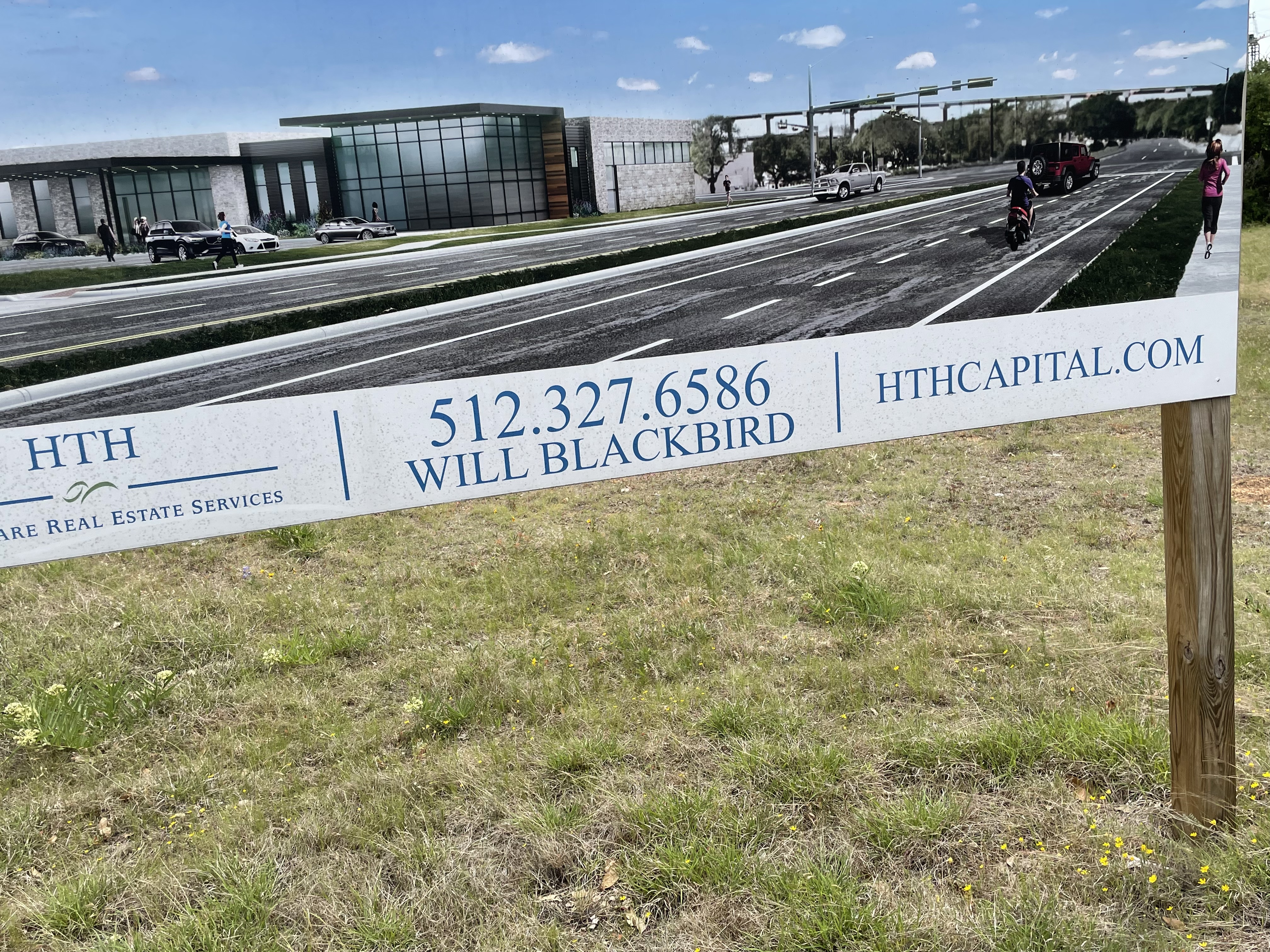
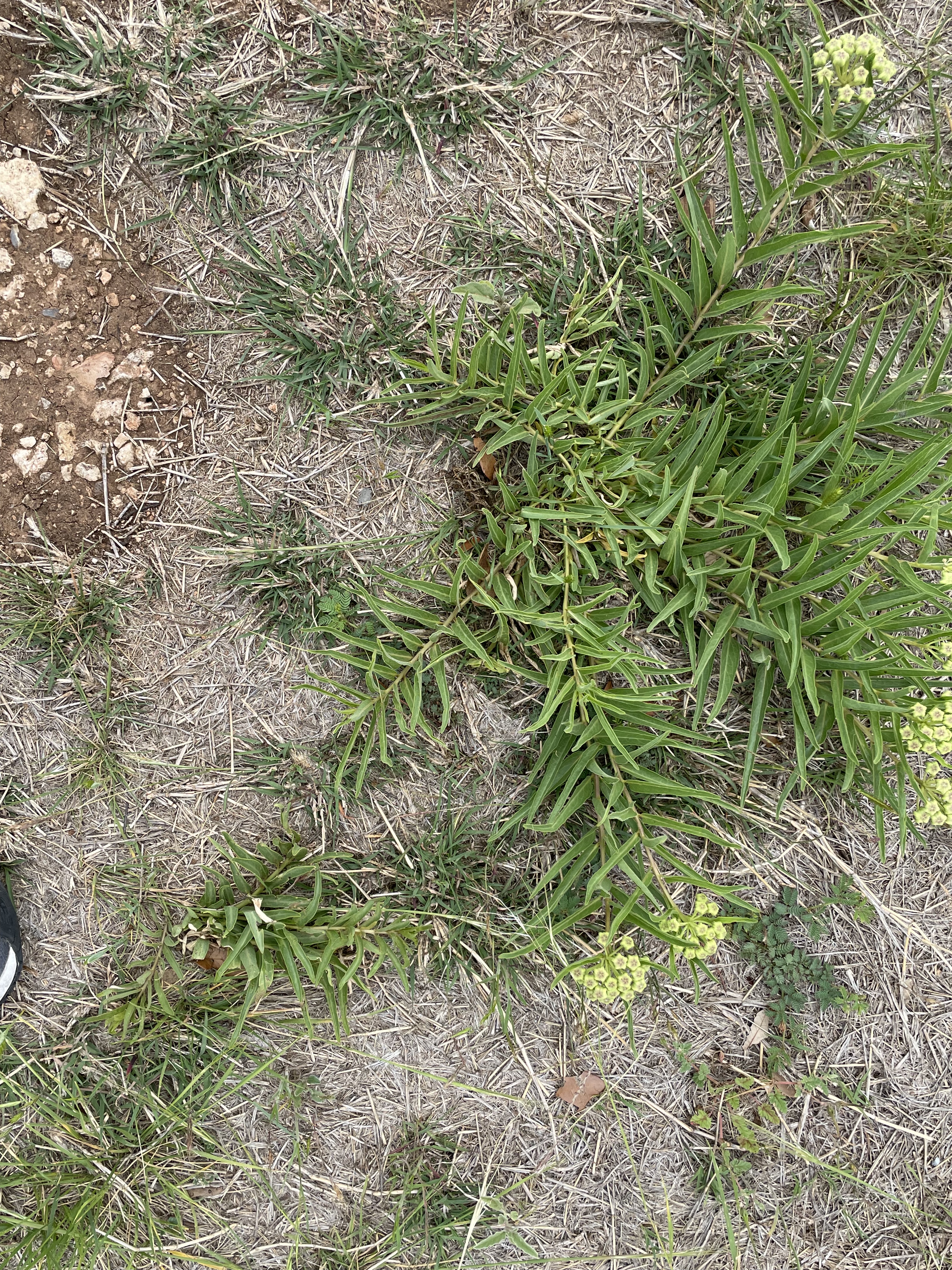
“Vacant” lot – Antelope Horns galore – The future home of a children’s hospital. I have contacted the Williamson County and Austin chapters of the Native Plant Society of Texas to ask that they make contact and request a plant rescue. These milkweeds have deep tap roots, so one hopes the developer and the hospital will see the benefits to the butterflies and to the good public relations from such an effort. Typically, the plants go to the city or county for use in future projects, with volunteers allowed to take about 10%. And there are a lot more native plants than just Antelope Horns out there. (Call the number on the billboard and let them know that you think a plant rescue before bulldozing the lot bare would be a good thing).
Asclepias asperula – Antelope Horns – one of the several milkweeds that Monarch butterflies need to survive.
Chilopsis linearis – Desert Willow – saw a hummingbird hovering around this one…
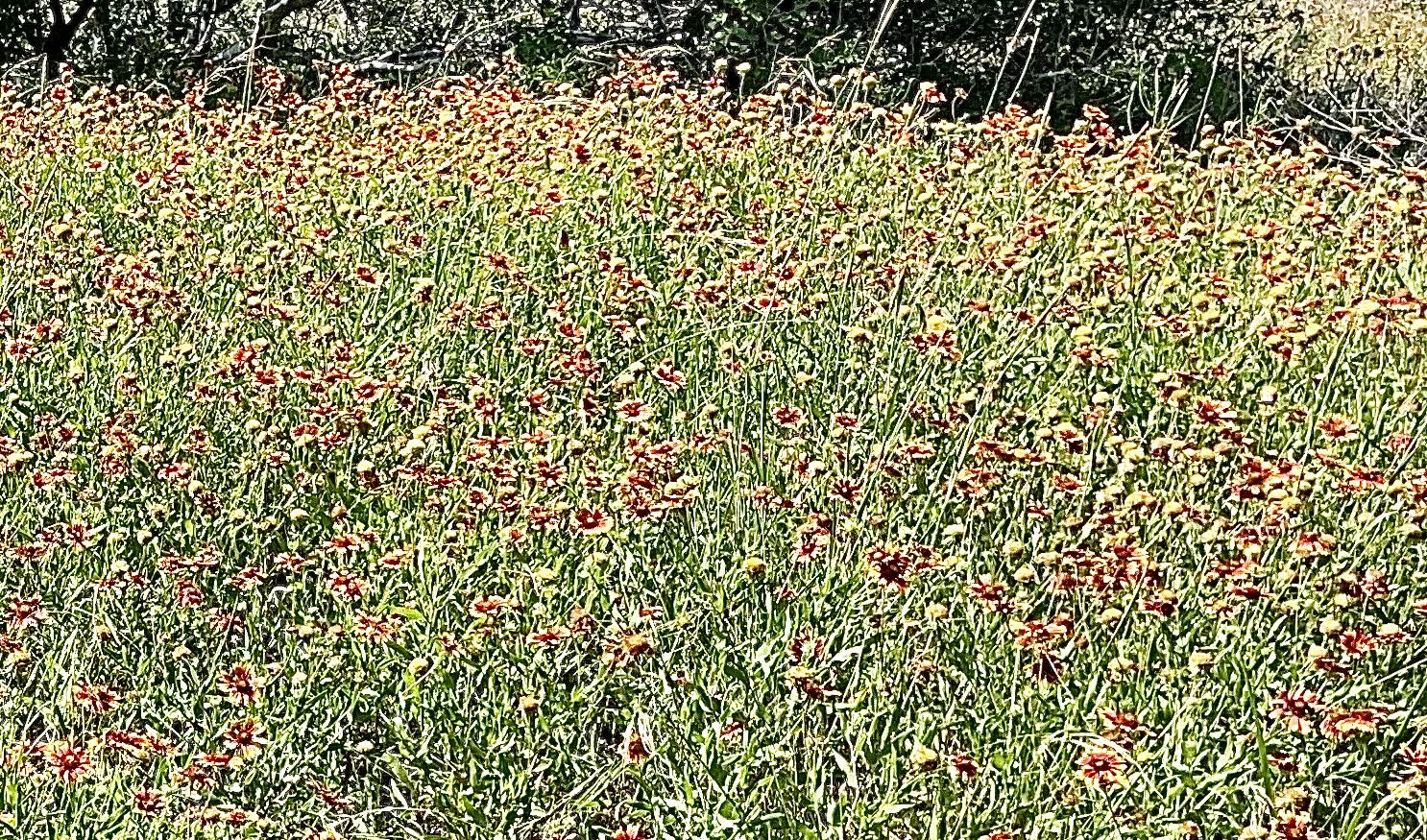
Gaillardia pulchella – Indian Blankets – This the berm behind my house, after three years of removing invasive exotic grasses and Malta Star Thistle. Of course, most of the Gaillardia have gone to seed by now, and the Silver Bluestem, Mexican Hats/Prairie Coneflower will be blooming next, along with others.
Rudbeckia hirta – Black (or Brown) Eyed Susan growing out of a crack in a limestone landscaping rock. Native plants are tough.
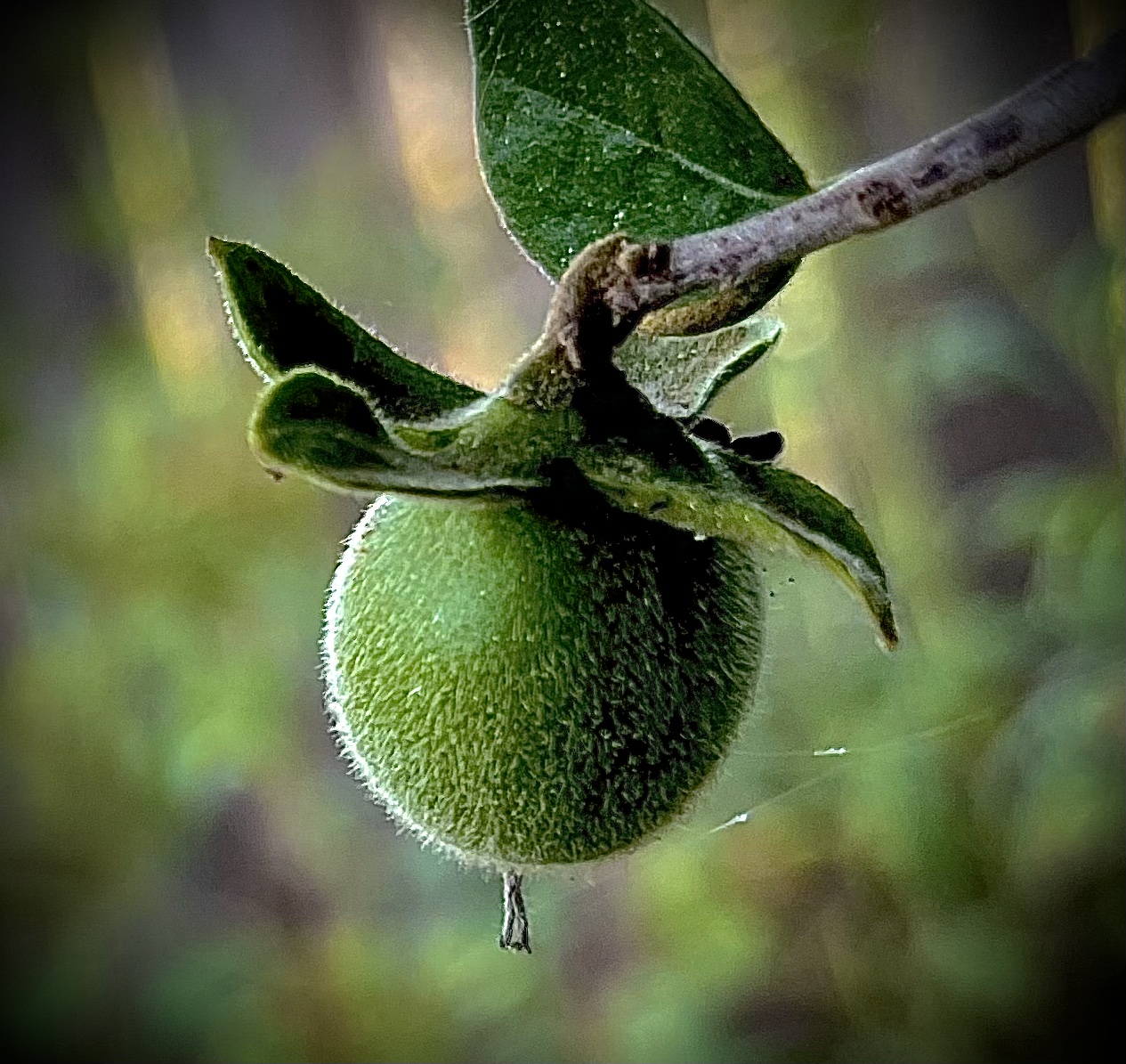
Diospyros texana – Texas Persimmon. The fruit will eventually turn black and raccoons, among other wildlife, will take all the fruit if you’re too slow to gather enough for a tasty Texas Persimmon loaf.
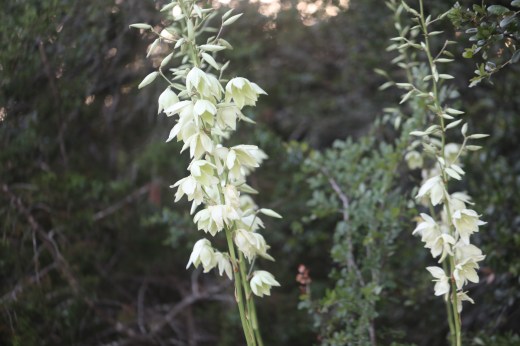
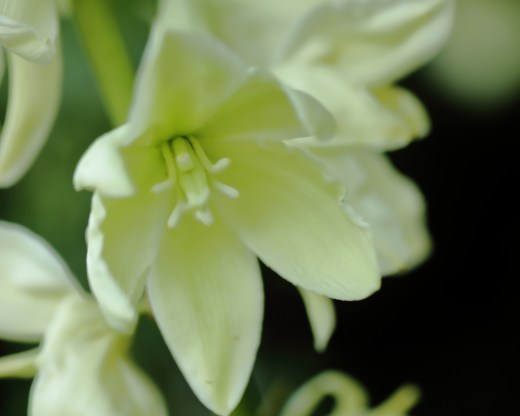
Manfreda virginica – Texas False Aloe – Not actually native this far North, but it survived the Winter freezes of 2022, and with global warming,, its range may move further North anyway. Interesting stamens, and a flower that starts pale and turns red as it ages. I like it.
I don’t have access to the content of this book, but I was struck by the abstract to this chapter:
ABSTRACT
The right to an education is an important human right and is regulated in considerable detail in Articles 13 and 14 of the International Covenant on Economic, Social and Cultural Rights as well as in Articles 28 and 29 of the UN Convention on the Rights of the Child. With the sole exception of the United States,all United Nations member States have accepted the right to education as a legally binding human right that needs to be implemented in their domestic systems. (emphasis added)
What’s wrong with education in the United States? The U.S.A. hasn’t accepted it as a legally binding human right. No wonder that (well, I won’t go there today).
Chapter: Music Education Child Development and Human Rights By Steven J. Holochwost, Elizabeth Stuk
The book citation is: Fifer, J., Impey, A., Kirchschlaeger, P.G., Nowak, M., & Ulrich, G. (Eds.). (2022). The Routledge Companion to Music and Human Rights (1st ed.). Routledge https://doi.org/10.4324/9781003043478 eBook ISBN 9781003043478
Book Description The Routledge Companion to Music and Human Rights is a collection of case studies spanning a wide range of concerns about music and human rights in response to intensifying challenges to the well-being of individuals, peoples, and the planet. It brings forward the expertise of academic researchers, lawyers, human rights practitioners, and performing musicians who offer critical reflection on how their work might identify, inform, or advance mutual interests in their respective fields. The book is comprised of 28 chapters, interspersed with 23 ‘voices’ – portraits that focus on individuals’ intimate experiences with music in the defence or advancement of human rights – and explores the following four themes: 1) Fundamentals on music and human rights; 2) Music in pursuit of human rights; 3) Music as a means of violating human rights; 4) Human rights and music: intrinsic resonances.
The book is scheduled for publishing on May 31, 2022. $250 for print, under $50.00 USD for ebook format.
I really gotta look into becoming a student or getting associated with an organization or library that would allow me to access research articles, journals, ans books. It’s the one thing I miss most about IBM: access to technical journals through the library. That, and the IBM Club band, aka the Blue Diamonds Jazz Orchestra (BDJO).
While not exactly fitting in with music, but maybe under basic human rights (free speech, anyone?), here is an open access article reporting on the results of the Parkinson’s Voice initiative:
Conclusion first:
Sustained vowels may provide an objective, robust and streamlined approach towards informing PwP subtype assignment. The current study’s findings corroborate part of the PD research literature indicating the presence of four PD subtypes having been thoroughly validated on a large PwP cohort and externally validated on two additional PwP cohorts. There are important practical implications of defining PD subtypes using data that is easy to self-collect remotely such as speech signals and in particular sustained vowel /a/ phonations: they enable large-scale investigations and may bring us a step closer towards more personalized medicine approaches and targeted clinical management. The key limitation of the study is that we do not have additional clinical labels (e.g. UPDRS) or other self-reported outcome measures to map the resulting PD subtypes onto something that would be more tangible and comparable to related PD subtype studies. Future work could explore the extent subtypes form useful markers of symptom severity progression and conversely how PD progression might affect subtype membership for individual PwP. Similarly, further work could integrate additional modalities to speech to incorporate longitudinal passively collected modalities and self-reports which could be capturing PD-related symptoms, e.g. via using smartphones and wearables along the lines we have explored for mental disorders [64], [67]–[70]. Collecting additional modalities at scale using increasingly affordable technologies may provide new insights towards understanding PD subtypes which may translate into understanding individual PwP similarities, related PwP symptom trajectories, and ultimately lead to better symptom management strategies.
and from the abstract:
Purpose People diagnosed with Parkinson’s (PwP) exhibit a diverse manifestation of heterogeneous symptoms which likely reflect different subtypes. However, there is no widely accepted consensus on the criteria for subtype membership assignment. We explored clustering PwP using a data-driven approach mining speech signals. … Results We selected 21 dysphonia measures and found four main clusters which provide tentative insights into different dominating speech-associated characteristics (cophenetic coefficient=0.72, silhouette score=0.67). The cluster findings were consistent across the three PVI cohorts, strongly supporting the generalization of the presented methodology towards PwP subtype assignment, and were independently visually verified in 2D projections with t-SNE.
The citation (and the link to access) this open access article are:
Tsanas, T & Arora, S 2022, ‘Data-driven Subtyping of Parkinson’s using Acoustic Analysis of Sustained Vowels and Cluster Analysis: Findings in the Parkinson’s Voice Initiative Study’, SN Computer Science, vol. 3, 232. https://doi.org/10.1007/s42979-022-01123-y
And there you have it. A bunch of research or reviews over the last year and a half involving dance and Parkinson’s Disease. I did a search and haven’t had enough time to read any of these yet, but That’s part of the reason for this blog: to serve as a repository of links to articles. All of these are open access articles so the full text should be available.









 bob's brain: living well with a movement disorder and other comorbidities