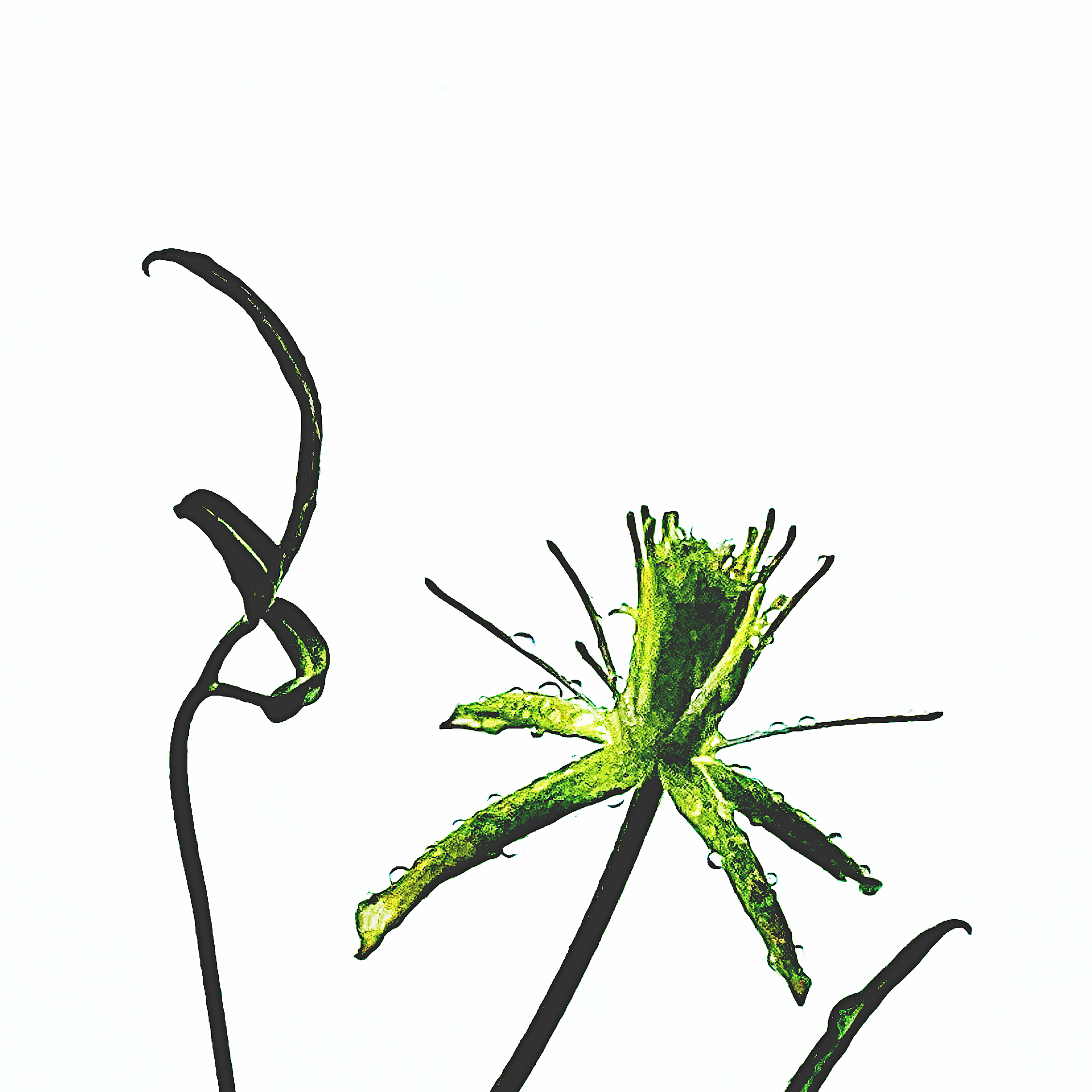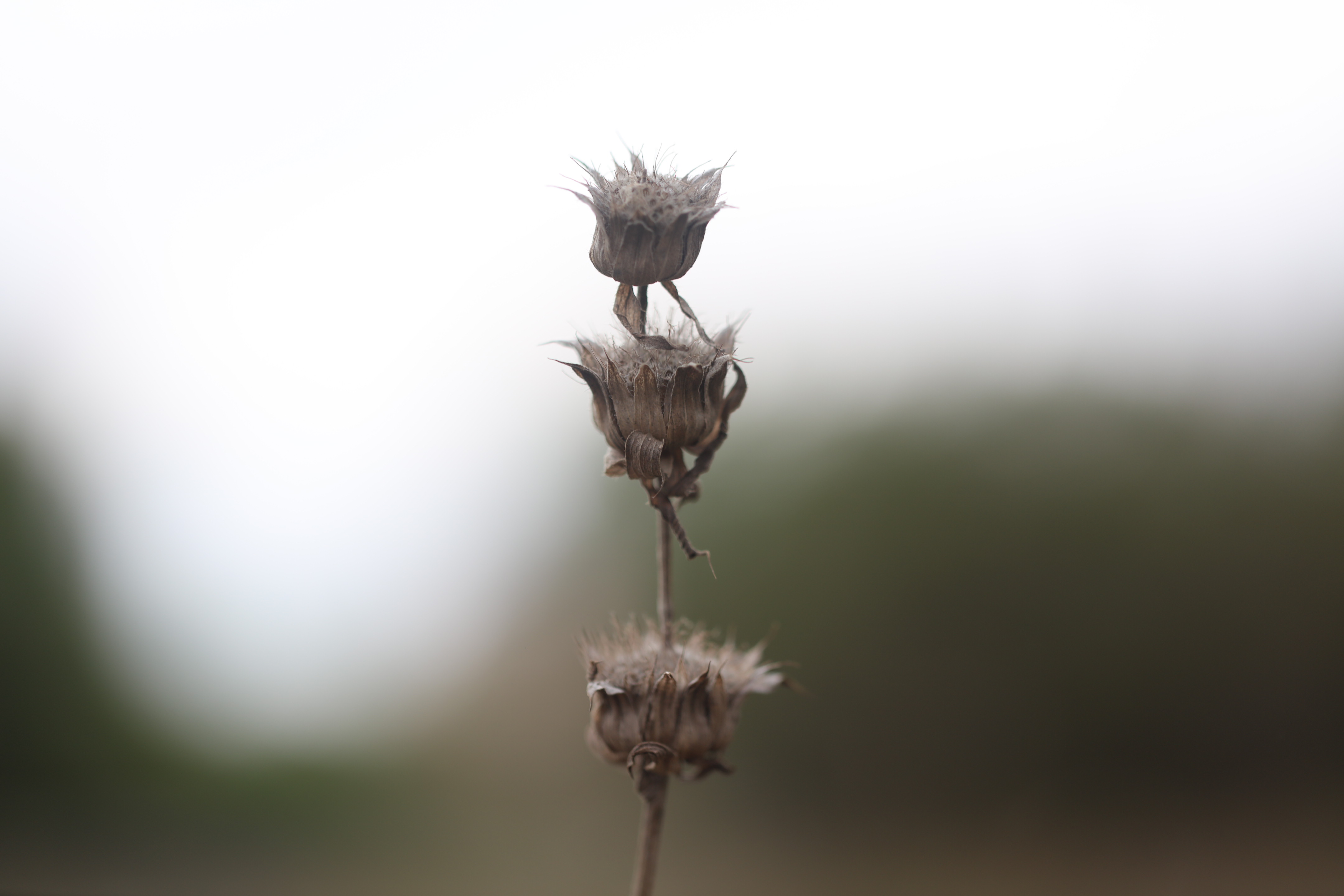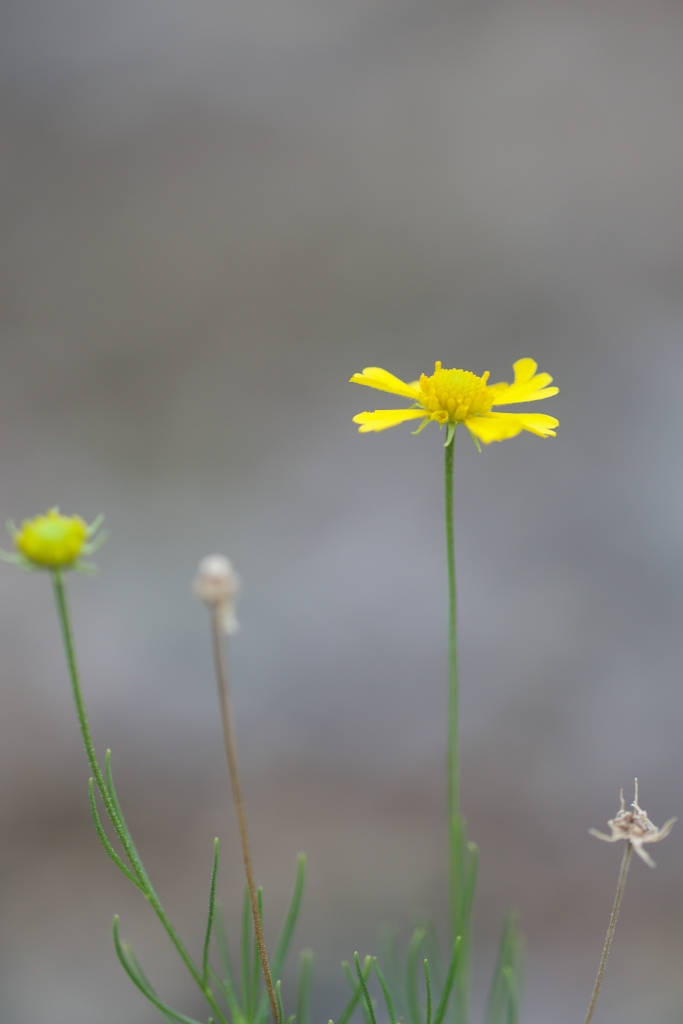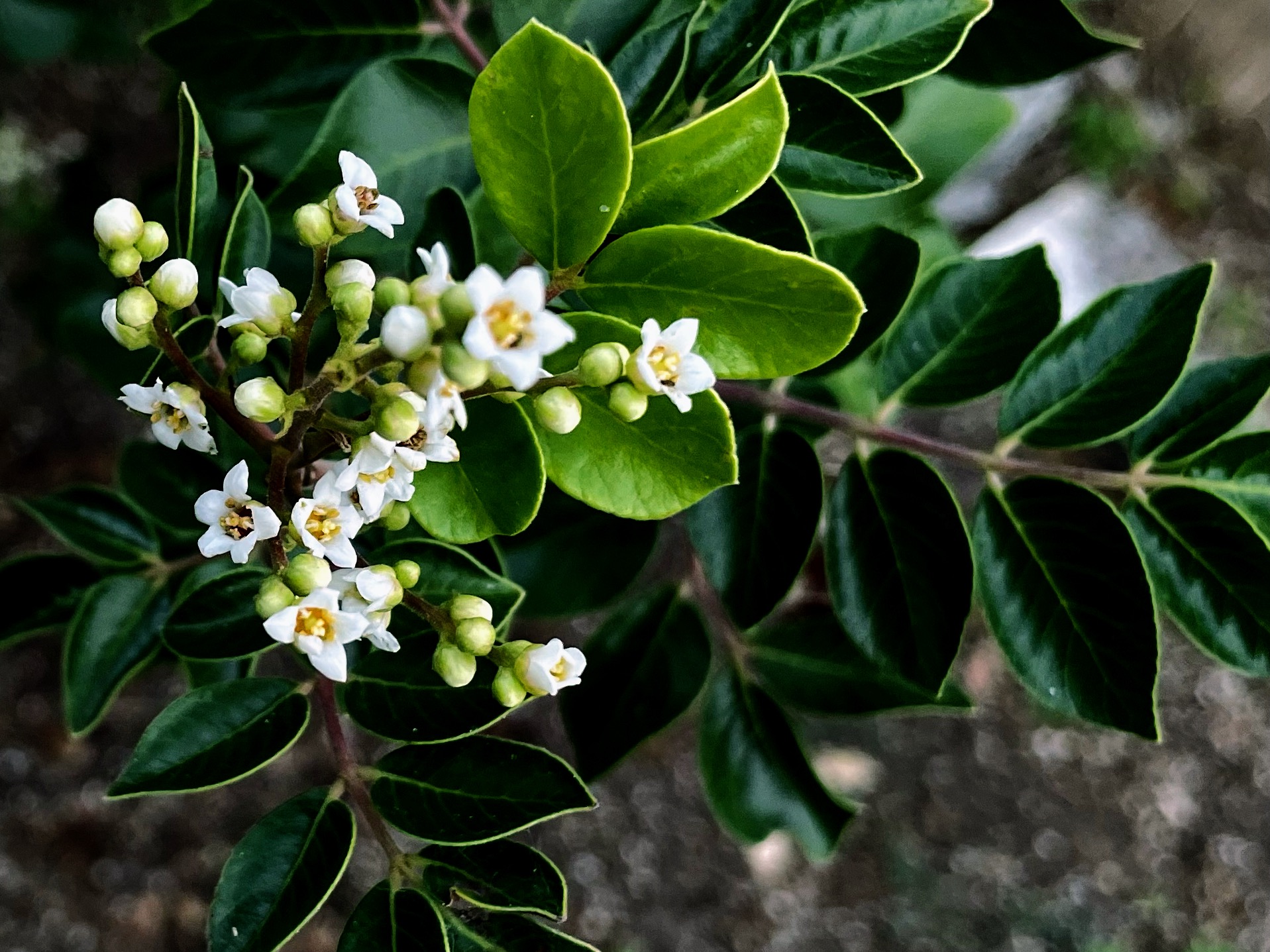
Recent blooms, both contained and wild

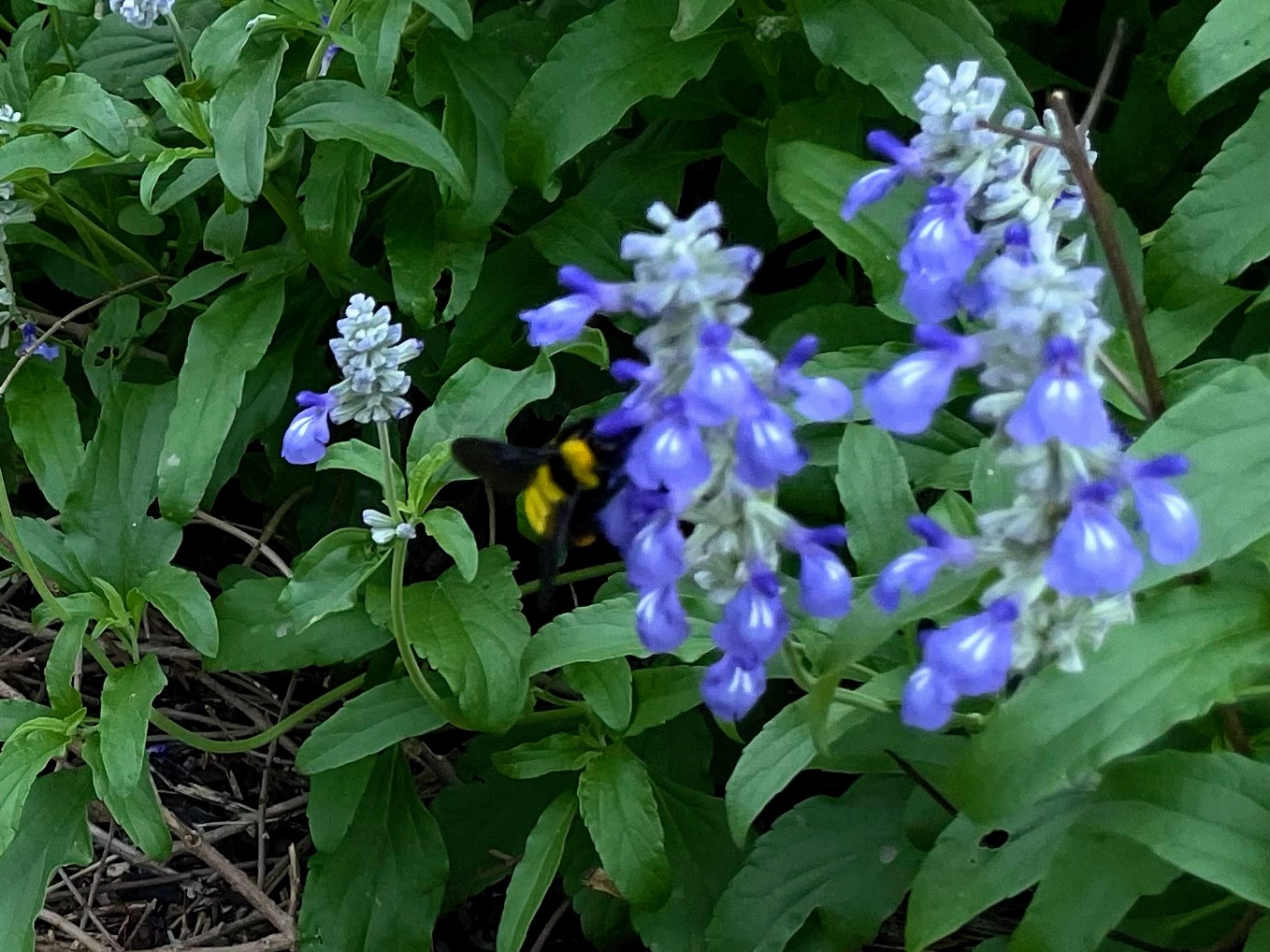
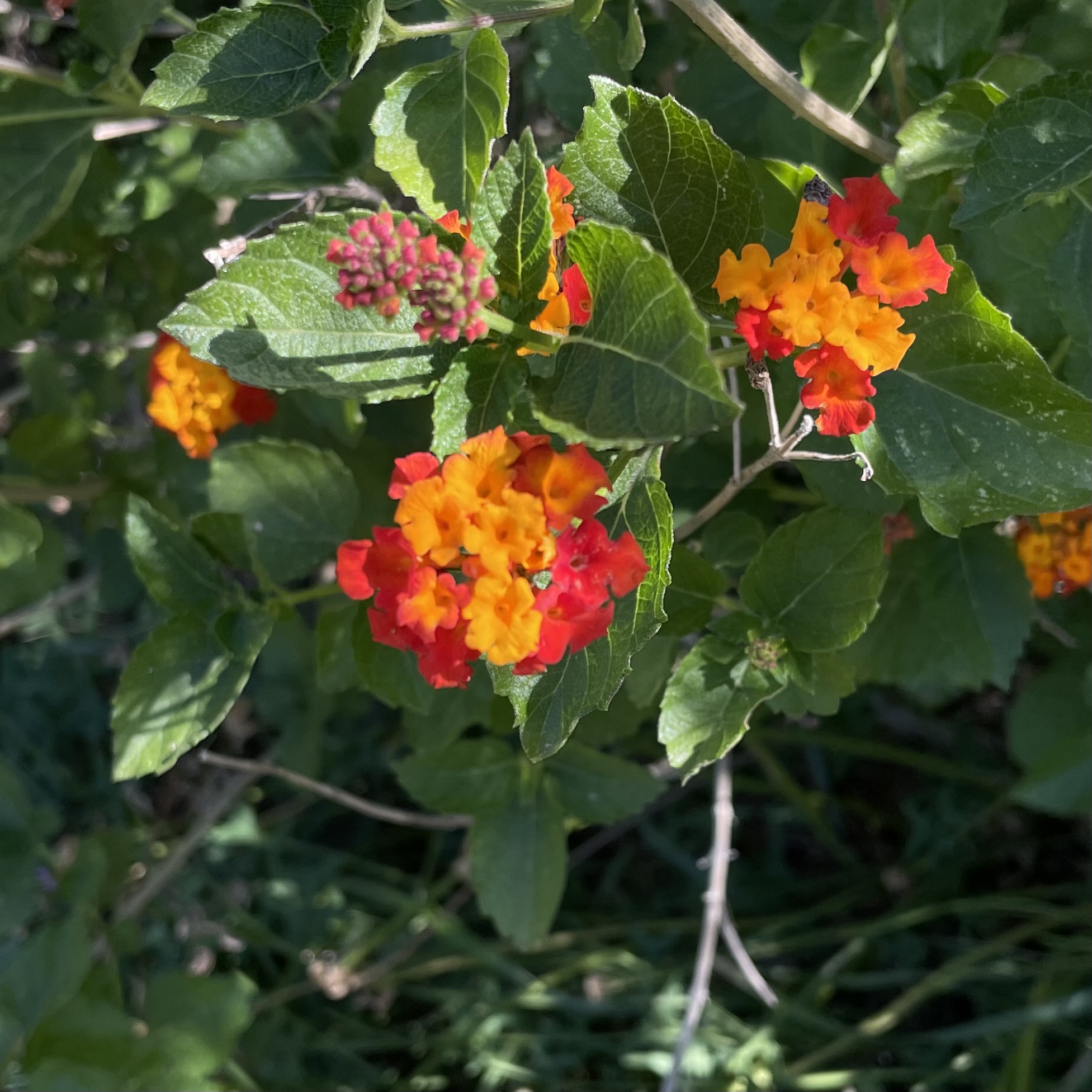
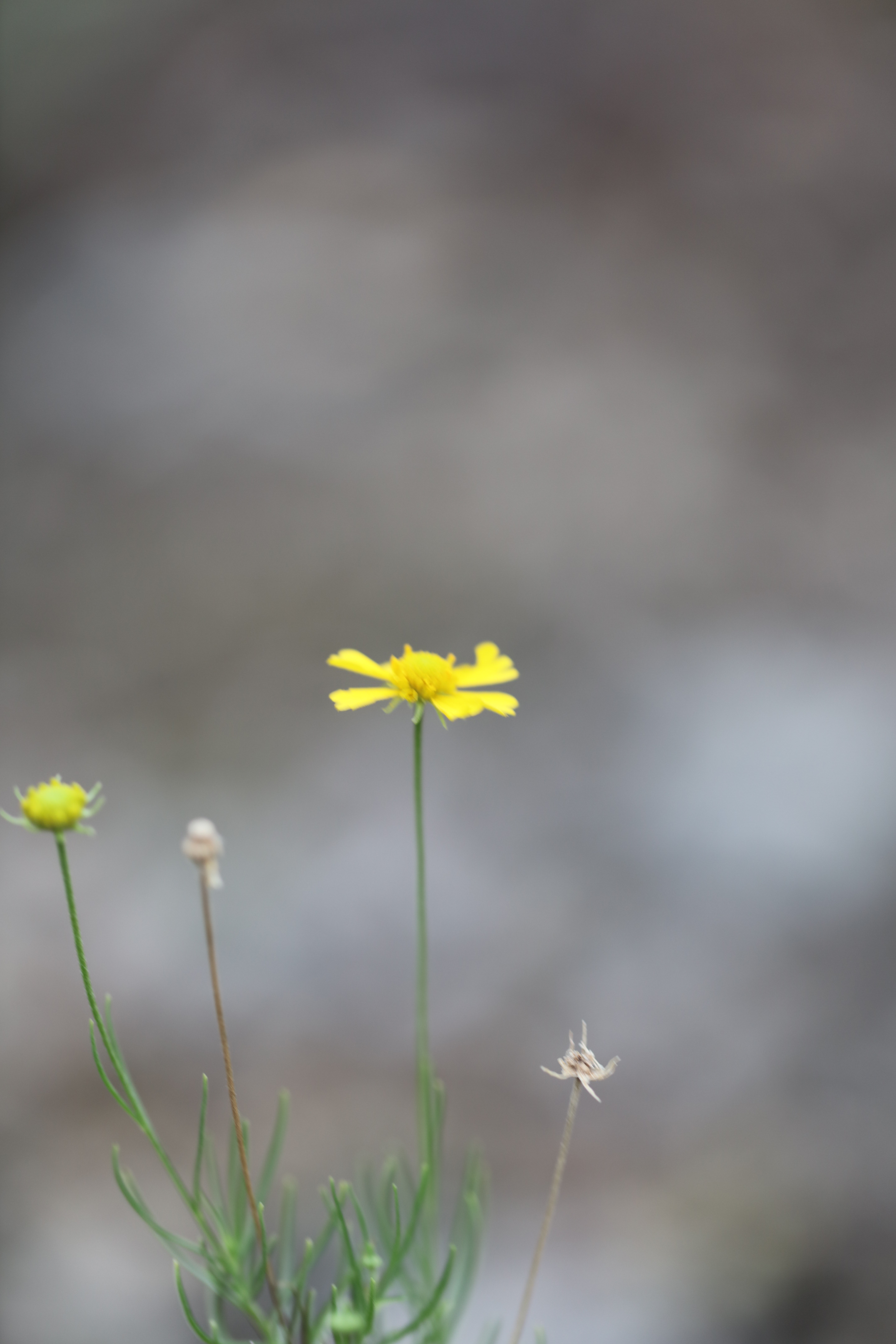
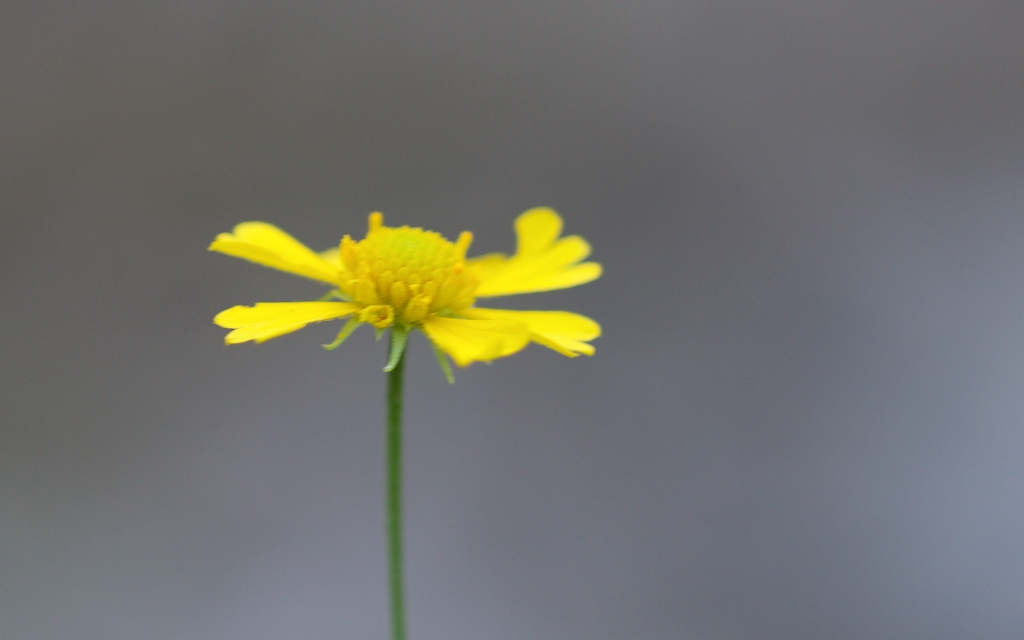
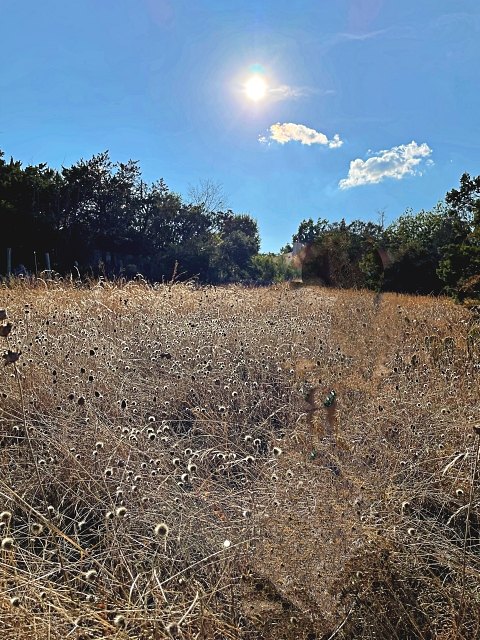
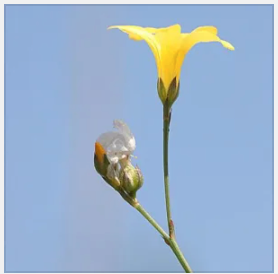
All the photos above were taken in September and October 2023, either in our yard or in the berm and greenbelt behind it. As one can tell, there was some rain during that time, enough to push up a few rain lilies, but not so much that most plants thrived.

###

Just a song and dance man

[updated April 8, 2025]

Some folks may recognize the title as an allusion to an old interview with Bob Dylan in which a reporter asked about him being considered a protest singer and/or the voice of a generation. If not, do a search on YouTube for the interview – probably in San Francisco, 1965, maybe – If my memory serves me well.

A hallmark of human movement is volitional control – the freedom to move easily, automatically, and safely within the changing demands of daily living. Clinical signs characteristic of Parkinson’s disease (PD) include rigidity and tremor, hypokinesia, stooped posture, vocal alterations, facial masking, and progressive loss of peri- and extrapersonal use of space . These movement aberrations are one of many factors that increase the risk of falling and point to the need for improving fall prevention strategies . These disease-related limitations experienced by people with Parkinson’s disease (PPD) increasingly rob them of movement freedom. Quality of life declines as conscious attention and effort in everyday living replace spontaneity of communication and safety in navigation.

Reading those words in the introduction to this article  flowed off of the page like they  were written in my soul. Many times I have avoided falling by using dance steps learned in my Rhythm and Moves class from Power for Parkinson’s® (PfP) (taught by Nancy Bain) located in nearby Austin, Texas. And certainly the improvisational dance techniques used in the class have improved my quality of life, allowing me to be more spontaneous. Following a fall in April of 2023, I have been on a 6 month journey of rehabilitation, and certainly my quality of life has deteriorated somewhat due to the conscious attention and effort in performing activities of daily living. But  dance, music, and improvisation continue to be the core of my spirit as I strive to improve against this incurable (yet!), progressive, degenerative, neurological disease. Even though I don’t get around much anymore…

This study reported on one of the co-authors’ method in teaching dance to mild-to-moderate stage People with Parkinson’s over a 3-year period (2013–2015). She is a tenured university dance professor also trained in the Mark Morris Dance for PD® program. 

Another (modified) quote from the article is this table, which I find reflects many of the implicit and explicit principles used in dance classes.  Verbal Auditory Cueing (VAC) is the acronym used in the table. Color coding has been added to separate the different methods more clearly:

Principles

and Methods 

Non-judgment

Class advertised as movement class


Greeting at entrance by teacher


Class offered free of charge


Inclusion of carepartners as students


VAC that there are no mistakes, only new movement options

Non-competitiveness

All movement is seen as an honest effort


VAC focused on action, not quality of movement


VAC “Yes, and …” replaces “Not that” or “Rather try this”

Curiosity and

playfulness

Awareness of movement possibilities

VAC “Stay curious in what you are doing” or “Keep going”

VAC “Nothing is precious”

Pacing of VAC does not allow self-editing

Risk taking

Selection of class environment


Student self-selection of participation level


VAC to validate self-selected level of participation


Adaptation of exercises to sitting or at the barre as needed


Structured, directive (non-improvised) activity transitions

VAC to attend to constraints of an activity rather than invoke fear

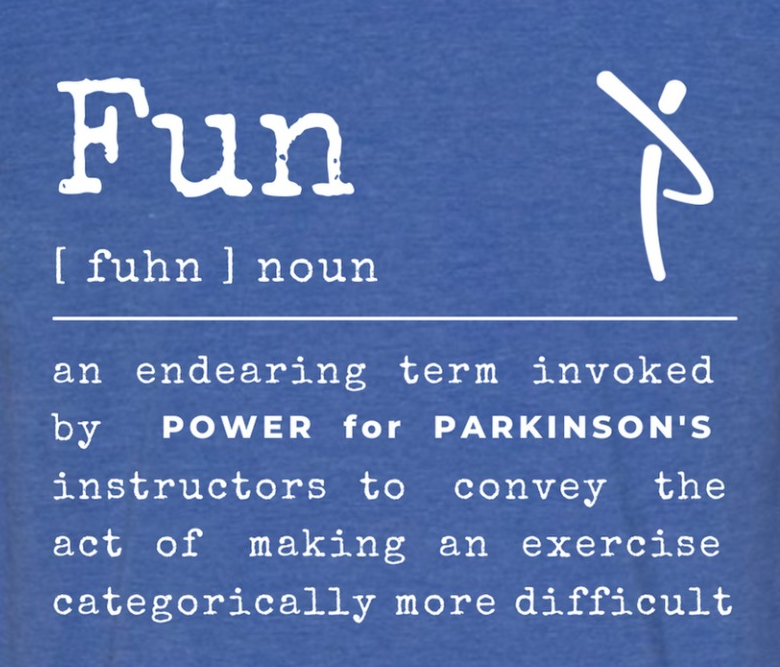
Another point used in the method was to increase challenge by gradually increasing the variety and complexity of movement tasks. In this way, the participants maintained safety while increasing their sense of confidence.  In PfP classes, this is called “Fun.” They even have a t-shirt with the definition of Fun printed on the back.

FUN Tshirt — Power for Parkinson's - www.powerforparkinsons.org

This particular study was published back in 2016,  and most of the authors were associated with Wake Forest University in Winston-Salem North Carolina.

Here’s the citation and a link to the open access article, which goes into more detail about the principles and the practice of the improvisational dance classes.

Batson G, Hugenschmidt CE, Soriano CT. Verbal Auditory Cueing of Improvisational Dance: A Proposed Method for Training Agency in Parkinson’s Disease. Front Neurol. 2016 Feb 17;7:15. doi: 10.3389/fneur.2016.00015. PMID: 26925029; PMCID: PMC4756105.

More information about Power for Parkinson’s®, their classes, and YouTube channel can be found at:

https://powerforparkinsons.org

Another 501(c)(3) charitable organization which happens to be focused on improvisation as a means to offer People with Parkinson’s (and their caregivers) to a safe environment using many of the principles listed above is Yes, and… Exercise (if that sounds familiar, take a look at the methods related to non-competitiveness in the table above) at https://yesandexercise.org.

And since the title says it, here’s a song about dance that I loved as a kid (still do, and probably still will, if I ever grow up)(note 2025-04-08: the original link is no longer available, so I just created a link to a song  that I also loved during my wasted youth, besides, I don’t remember what the original link was about.)

The Contours “Do You Love Me (Now That I can dance?)”

###

Music, movement, and PD

Jerry Coker, who was one of my instructors my first year in undergraduate college, and then again my last semester before graduation , had an hypothesis that for improvisation to be enjoyable, it had to be approximately 75% predictable and 25% unpredictable. Vary too far from those parameters, and you end up with something that is either too boring and predictable, or something that leaves the listener wondering what’s going on, trying to guess where the melody is.

I never advanced far enough to get his insights on swing, or the concept of where the beat is. Duke Ellington, whom I saw at a festival once, did have a short primer on swing. He began with the person who snaps his fingers or taps his feet on the downbeats (ONE-and-TWO-and….). Then he progressed to the folks who tapped their feet or snapped their fingers on the upbeat (1-AND-two-AND..). I forget where it went from there (maybe to Latin rhythm patterns), although I do remember him saying that when he greeted people, he always gave two kisses to the right, and two to the left, one for each cheek.

Love You Madly (ending)

Today’s readings all relate to music and movement –

From  Saluja A, Goyal V, Dhamija RK. Multi-Modal Rehabilitation Therapy in Parkinson’s Disease and Related Disorders. Ann Indian Acad Neurol. 2023 Jan;26(Suppl 1):S15-S25. doi: 10.4103/aian.aian_164_22. Epub 2022 Nov 21. PMID: 37092020; PMCID: PMC10114534. 

(emphasis added to the section quoted below):

Dance, Music, and Singing Therapy in Pd Rehabilitation

Dancing may improve speed of movement, balance, wellbeing, and QOL in patients with PD.[74,75] Multiple dancing interventions and their impact on symptomatology of PD patients have been assessed. In a systematic review of 38 articles that studied the role of various dancing interventions (tango, waltz/foxtrot, Sardinian folk dancing, Irish set dancing, Brazilian samba, Zumba, mixed dance forms, and home-based dance interventions), there was a moderate-to-large beneficial effect of dancing interventions in mild-to-moderate PD. Dancing sessions (once/week to daily for 30 minutes to 2 hours) significantly improved balance, total UPDRS, mobility, endurance, gait freezing, and depression among PD patients.[76]

Music and rhythmic auditory stimulation can improve gait parameters in PD.[77] BEATWALK is a smartphone-based application that initially assesses cadence in PD patients and then progressively increases musical tempo in order to reach the desired speed. A recent study found that BEATWALK significantly improved gait velocity (P < 0.01), cadence (P: 0.01), stride length (P: 0.04), and distance (P: 0.01) among 39 PD patients who could walk unaided and had no gait freezing.[78] The ParkinSong trial studied the effect of singing intervention (at weekly and monthly intervals) in PD and found significant improvements in vocal intensity (P = 0.018), maximum expiratory pressure (P = 0.032), and voice-related QOL (P = 0.043) among PD patients when compared to controls.[79] A recent systematic review and meta-analysis including 67 publications found that tango resulted in significantly improved UPDRS-III scores (Z = 2.87, P = 0.004) and TUG scores (Z = 11.25, P < 0.00001), whereas PD-specific dance resulted in improvement in PDQ-39 scores (Z = 3.77, P = 0.0002) when compared to usual care.[80]

Cox L, Youmans-Jones J. Dance Is a Healing Art. Curr Treat Options Allergy. 2023 Apr 10:1-12. doi: 10.1007/s40521-023-00332-x. Epub ahead of print. PMID: 37361639; PMCID: PMC10088655.

This article is considered an Opinion Statement rather than a “research study,”although they used the same armchair/desk jockey methods used by many reviews and meta-reviews. From the abstract (emphasis added):

The purpose of this review is to evaluate the health benefits of dance and dance therapy in various health domains. Dance interventions included movement therapy with certified therapists, common dances such as ballroom dancing, salsa, and cha-cha as well as ethnic dances, such as the Chinese Guozhuang Dance and the Native American jingle dance. The health domains included depression, cognitive function, neuromotor function, dementia, balance, neurological growth factors, and subjective well-being. The National Library of Medicine, Congress of Library, and the Internet were searched using the terms: dance, dance movement therapy, health, cognitive function, healing, neurological function, neuromotor function, and affective disorders from 1831 to January 2, 2023. Two-thousand five hundred and ninety-one articles were identified. Articles were selected if they provided information on the health benefits of dance in one or more of the above domains as compared to a “non-dance” control population. Studies included systematic reviews, randomized controlled studies, and long-term perspective studies. Most of the subjects in the studies were considered “elderly,” which was generally defined as 65 years or older. However, the benefits of DI on executive function were also demonstrated in primary school children. Overall, the studies demonstrated that DI provided benefits in several physical and psychological parameters as well as executive function as compared with regular exercise alone. Impressive findings were that dance was associated with increased brain volume and function and neurotrophic growth function. The populations studied included subjects who were “healthy” older adults and children who had dementia, cognitive dysfunction, Parkinson’s disease, or depression.

The benefits of dance for PwPs include movements and connections with others:

Jola C, Sundström M, McLeod J. Benefits of dance for Parkinson’s: The music, the moves, and the company. PLoS One. 2022 Nov 21;17(11):e0265921. doi: 10.1371/journal.pone.0265921. PMID: 36409733; PMCID: PMC9678293.

From the abstract:

Dance classes designed for people with Parkinson’s are very popular and associated not only with increasing individuals’ motor control abilities but also their mood; not least by providing a social network and the enjoyment of the music. However, quantitative evidence of the benefits is inconsistent and often lacks in power. For a better understanding of the contradictory findings between participants’ felt experiences and existing quantitative findings in response to dance classes, we employed a mixed method approach that focussed on the effects of music. Participant experience of the dance class was explored by means of semi-structured interviews and gait changes were measured in a within-subjects design through the Timed Up and Go (TUG) test before and after class, with and without music. We chose the TUG test for its ecological validity, as it is a simple test that resembles movements done in class. We hypothesised that the music and the dance class would have a facilitating effect on the TUG performance. In line with existing research, we found that before class, the gait of 26 participants was significantly improved when accompanied by a soundtrack. However, after class, music did not have a significantly facilitating effect, yet gait without music significantly improved after class compared to before.We suggest that whilst the music acts as an external stimulator for movement before the dance class, after the dance class, participants have an internalised music or rhythm that supports their motor control. Thus, externally played music is of less relevance. The importance of music was further emphasised in the qualitative data alongside social themes. A better understanding of how music and dance affects Parkinson’s symptoms and what aspects make individuals ‘feel better’ will help in the design of future interventions.

The entire article is Open Access at the link above. My own impression of the discussion of the contradictory results (from what was expected) reminded me of a quote my statistics professor was fond of repeating: It is meaningless to discuss what the data might have been if the data were something other than what they are. 

As a PwP, one explanation for the lack of significance difference in the TUG post-test could very well be fatigue. I, therefore, suggest that this could be looked into as a possible explanation for the lack of significant difference between external music v no external  music stimulus. Clearly, “Further research is needed.”

Morris ME, McConvey V, Wittwer JE, Slade SC, Blackberry I, Hackney ME, Haines S, Brown L, Collin E. Dancing for Parkinson’s Disease Online: Clinical Trial Process Evaluation. Healthcare (Basel). 2023 Feb 17;11(4):604. doi: 10.3390/healthcare11040604. PMID: 36833138; PMCID: PMC9957486.

The above citation reports on a clinical trial which was conducted with a fairly large and coordinated collaborative effort. Again, an excerpt from the abstract:

Results: Twelve people with PD, four dance instructors and two physiotherapists, participated in a 6-week online dance program. There was no attrition, nor were there any adverse events. Program fidelity was strong with few protocol variations. Classes were delivered as planned, with 100% attendance. Dancers valued skills mastery. Dance teachers found digital delivery to be engaging and practical. The safety of online testing was facilitated by careful screening and a home safety checklist. Conclusions: It is feasible to deliver online dancing to people with early PD.

As a PwP who has participated in Power for Parkinson’s online video dance Rhythm and Moves and other exercise videos, both live and asynchronously, the last line comes as no surprise.

The hour grows late, and I have medications to take before I sleep, oh so many medications to take before I sleep. To sleep, perchance to dream…

###

Like Puzzles? You’ll love Parkinson’s

It’s been said that if you’ve met one person with Parkinson’s Disease (PD), then you’ve met one person with PD. This week I met another person with PD, who said the same thing.  The implication is that PD is different for everyone who has it (or any other form of parkinsonism, as the terminology goes). As stated by one of the contributing authors:

The truth is that every person living with PD has a unique expression of the dysfunction and precise balance of factors contributing to this idiosyncratic disease journey.

Today, we look at and try to communicate in  “normal”  language the following open access article. To read the original, just click on the link at the bottom of this post.

Different pieces of the same puzzle: a multifaceted perspective on the complex biological basis of Parkinson’s disease.

As noted in the abstract:

Notably, … growing recognition that the definition of PD as a single disease should be reconsidered, perhaps each with its own unique pathobiology and treatment regimen.

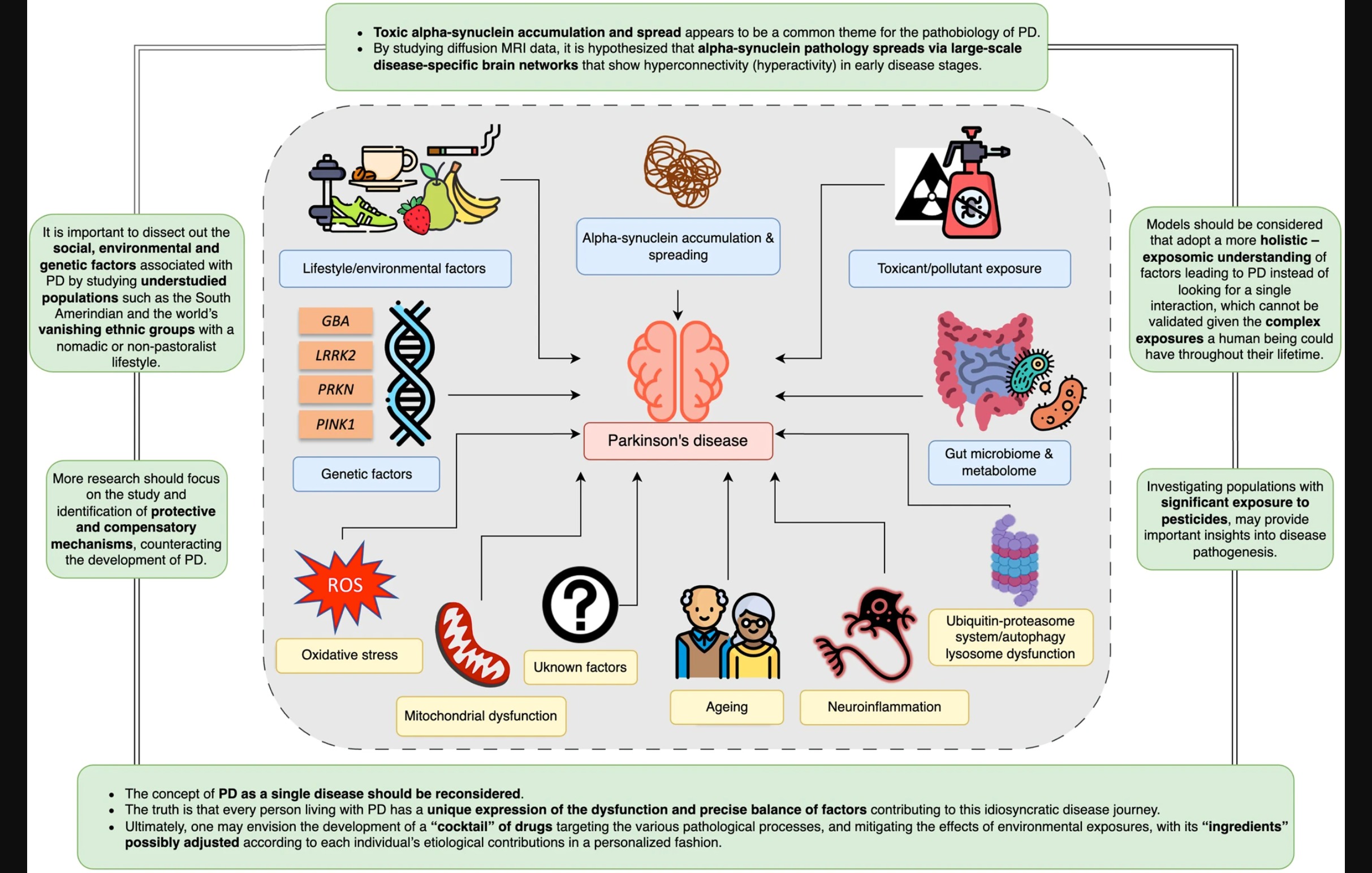
PD as complex- 41531_2023_535_Fig1_HTML.png (2075×1374) - media.springernature.com

Figure 1: Illustration from the article

Gene Genie

Pathological variations in a couple of different genes or enzymes ( PRKN, PINK1) are the strongest predictors of the disease. On the other hand, variations in other specific genes or enzymes (such as GBA and LRRK2) greatly increase an individual’s risk, and current research studies are looking into trying to tease out environmental factors, lifestyle behaviors or changes that might modify the course or severity of PD.

Down at the cellular level of our bodies, two other pathologies impact the progression of this neurodegenerative disease. One is the aggregation of alpha-synuclein proteins, the other is mitochondrial dysfunction, where the alpha-synuclein proteins fail to get cleared out and eventually result in apoptosis, or cell death. Part of this may be due to the aging process, but the occurrence of early onset PD should make us wary of the simplistic notion that PD symptoms are “just a sign of getting older.” The aggregation of alpha-synuclein proteins may be due to various reasons, such as over-production, while the end result is the same: mitochondrial dysfunction, leading to increased neurodegeneration.

LRRK2-ing around

Since its discovery in the early 2000s, the LRRK2 gene and leucine rich repeat kinase 2 enzyme have been repeatedly associated with the risk for PD.

Despite the fact that there have been no formal epidemiologic studies, and figures cited in the literature are mostly from clinical reports, LRRK2 dysfunctional mutations appear to confer the highest risk of PD. LRRK2 coding substitutions tend to be population specific: Basques,  North African Berbers, Ashkenazi Jews, and South Eastern Asia. Why these mutations (or variations) seem to provide an evolutionary advantage, allowing them to be passed on to future generations, is unknown.

Since PD is a multifactorial disease, the article proposes that animal models of the disease should also include factors such as genetic variations, environmental toxins, neurons, and the immune system, in order to find out where the biological intersections are.

Toxin exposure

Genetic risk factors, along with other factors, including toxins (including pesticides), are believed to have a cumulative impact on the brain, resulting in alpha-synuclein protein accumulation, low-grade inflammation, and the eventual apoptosis of dopaminergic neurons. These hypotheses are based on research data from high income countries. Two Sub Saharan African tribes, which have a nomadic or partly nomadic lifestyle, have virtually no exposure to pesticides, and no reported cases of parkinsonism. The author of this section suggests that “absence of” studies might be as important as “presence of” studies, in the search for causes of PD.

The genetic predisposition for PD may account for only 1/3 of the risk for PD.

…there is strong evidence to implicate pesticides as a significant environmental factor associated with the disease, especially paraquat, rotenone, and organochlorines

Although scientific research has shown its risks, paraquat is still widely used (and has not banned in the USA, although book bans seem to be popular. I have yet to hear of a book that caused PD).  Loose regulation of pesticides in Latin America seems highly correlated with the occurrence of PD compared to other countries,where paraquat is either restricted or banned. Studies comparing PD in populations where paraquat is restricted or banned vs. those in which its use is more loosely regulated, including longitudinal studies from conception to  end of life, are suggested. Finding biomarkers of chronic or long term exposure to such pesticides which might help predict risk of PD could be one goal of such studies. 

Toxic Hoarders: Accumulation of alpha-synuclein

Misfolded alpha-synuclein is the primary constituent of Lewy bodies, as was discovered over two decades ago. Further, variants in the alpha-synuclein gene (SNCA) were found to cause familial PD, linking genetics to PD for the first time. Since then, research has shown that it can also cause neurodegeneration and leads to apoptosis of mitochondria, and then on to the death of dopaminergic cells.

It is thought that abnormal alpha-synuclein s generated in the intestinal tract, where it causes inflammation and then can spread to the brain through the vagus nerve or other pathways.

Recent research has found the CHCHD2 gene as a cause for hereditary PD. This gene is localized to mitochondria, and animal model studies have show an increase in alpha synuclein in the brain. Whether alpha-synuclein damages mitochondria or mitochondrial dysfunction results in accumulation of misfolded alpha-synuclein is yet to be figured out.

Whether PD is body-first or brain-first in terms of pathogenesis is no longer a tenable position. Over the last 15 years, it has been recognized that “PD” should refer to “Parkinson’s Diseases,” which include a variety of factors, including genetic,  pesticides exposures, pollutants, exercise, diet, viral infection, head trauma, and inflammatory diseases, all of which interact to affect the progression of the symptoms.

Complexity, multiplicity and interactivity

Until recently, much of PD research has assumed that PD is a single disease; more recently, it has been accepted by many as a systemic disease with multiple effects on various systems instead of a localized neurological disorder. 

One of the authors of this article proposes a “threshold model” in which the different triggers work independently or simultaneously to build up stress on the various systems until reaching a a damage threshold, after which the initial stage(s) of the disease are developed.

We understand now that the disease initiation process is not following a single model. So, in one case, a pathogenic gene variant could interact with different environmental factors causing the disease (gene-environment interaction). In another case, different genetic variants could interact to cause the disease (gene–gene interaction), or different pollutants can interact to lead to the disease (environment-environment interaction). This can be even extended to involve more factors e.g., social stressors, metabolic diseases, etc. This model could allow us to adopt a more holistic – exposure over lifetime understanding of factors leading to PD instead of looking for a single interaction, which cannot be validated given the complex exposures a human being could have throughout their lifetime.

On the other hand, given that there is evidence that implicates both genetic and environmental factors in the occurrence and progression of PD, there are commonalities:

  1. PD is progressive and degenerative.
  2. PD includes the change of “normal” processes past a tipping point, to spiral downward into cellular degeneration. This includes factors such as inflammation, abnormal protein aggregation, and metabolic imbalance. Where it begins and the individual’s initial cause may well differ from person to person. 
  3. The disease(s) are triggered many years before symptoms of Parkinsonism become obvious.

Another contributor to this article emphasized protective and preventive factors such as

anti-inflammatory agents, antioxidants, calcium channel agonists, inhibitors of alpha-synuclein aggregation, neurotrophic factors and protective lifestyle factors, such as coffee drinking.

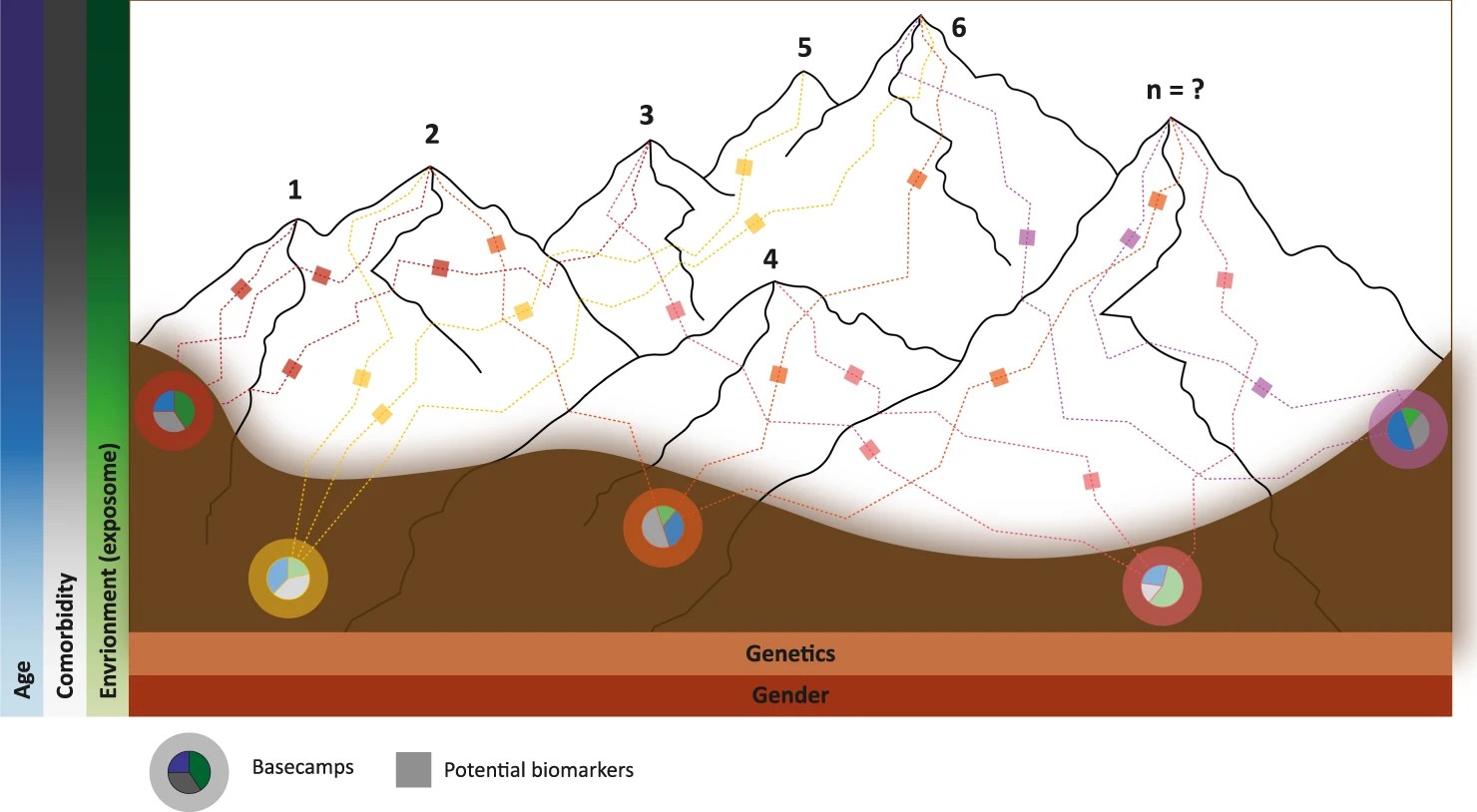
Reference is made to a Mountain Range model for PD, in which the genetic risk is considered as different “basecamps” at the valley at the foot of the mountain range, and the various risk factors or protective factors interact with the genetic risk to impact onset age, rapidity of progression, etc. Pie Charts at the basecamps indicate these risks and protective factors, and boxes along the paths or trails represent potential biomarkers. The height of the mountains within the range represent how rapidly the disease progresses.

41531_2022_307_fig1_html

Figure 2. The Mountain Range model. (This figure is from Farrow, S.L., Cooper, A.A. & O’Sullivan, J.M. Redefining the hypotheses driving Parkinson’s diseases research. npj Parkinsons Dis. 8, 45 (2022). https://doi.org/10.1038/s41531-022-00307-w, which is an open access  article ).

The microbiome-gut-brain-axis

It has been suggested that the disease originates in the gut biome, while theopposite theory that it originates in the brain and spreads to the gut microbiome also has support. It appears that it is possible that both explanations may be true, depending on the individual. As noted at the beginning, each case of Parkinson’s is different, to a certain extent Recent studies have indicated that once the process has begun, it may spread bi-directionally.

Loss of bacteria producing neuroprotective molecules such as short-chain fatty acids (a lack of which are linked to constipation, gut barrier dysfunction and inflammation, early symptoms related to PD). Corroborating these  human observations, animal models suggest that gut microbiome can contribute to PD onset. Definitive proof that they are causative will require large-scale longitudinal  studies with multiple samples to determine the role of gut microbial changes in PD. Studies that factor in caffeine intake, cigarette smoking, pesticides and other toxins that affect PD risk impact the gut microbiome are also needed.

In the future, a better understanding of modifiable factors and events operating along the microbiome-gut-brain axis may open up new ways to prevent or change the course of PD.

combo: socio-bio-enviro factors

In 2017, the economic burden of PD only in the USA was $51.9 billion USD. (And that was before COVID and subsequent inflation). 

Chile over the last 10 years, epidemiological and demographic data has been used to generate a publicly accessible resource: a nationwide de-identified individual-level electronic health record database. In addition, medical research can access clinical statistics from the Ministry of Health through the Department of Health Statistics and Information (DHSI) and to environmental factor exposure data (i.e., registry of contaminants by geographic districts) through the Ministry of Environment and others. A population of more than 37,000 PD cases over the last 20 years have been identified, mainly in overpopulated or industrialized regions. This shows how environmental factors (pesticides, pollution) influence the pathology of PD. Regional disease prevalence, progression, comorbidities, mortality, social factors, and economic burden can be inferred from the data involved in PD progression. Together, the social, biological, and environmental factors may help to explain why every person with PD has, for the most part, a unique experience and journey.

In conclusion:

Over 200 years after James Parkinson wrote his essay on The Shaking Palsy, we still do not have an answer to the question: What causes Parkinson’s Disease(s)? We can assume with confidence that the cause(s) of the disorder are multifactorial. Because individuals differ in genetics, environment and lifestyle, PD is different for and in each person with PD.


###

Note: The source materials for this blog post were published as Open Access under a Creative Commons license, which can be found at the links above and below. This writer has modified and paraphrased much of the wording from the  original article, hopefully to make it more accessible to folks with PD but neither an M.D. or PhD. after their name. Any misinterpretation of the original article is solely due to my own shortcomings (I blame it on the Parkinson’s©).  I omitted the concluding statement that suggested that since all the contributing authors were either M.D.s or Phd.s, or both, that there might be some biases in their viewpoints. I did notice that lifestyle was listed as a possible factor, but that exercise and dance were not specifically called out.

For anyone who wants to read the entire article, here’s the citation and link.

https://Müller-Nedebock, A.C., Dekker, M.C.J., Farrer, M.J. et al. Different pieces of the same puzzle: a multifaceted perspective on the complex biological basis of Parkinson’s disease. npj Parkinsons Dis. 9, 110 (2023)

###

Moses Maimonides, James Parkinson, and me

Subscribe to continue reading

Subscribe to get access to the rest of this post and other subscriber-only content.

Blooming in late May and Early June…

Here are a few of the flowers and other stuff I managed to capture on digital media recently.

Actually, there are a lot more items in bloom, but these were closest on hand. The front yard also has Four-nerve daisies, Wright’s skullcap, Autumn Sage, Simpson’s rosinweed, Turkscaps, Engelmann daisies, Rock Rose, and White avens in bloom, besides those pictured below.

The South side of the house has Passiflora vines, copious amounts of Gulf Fritillary and other butterflies in varied stages of development, a Texas lantana, a Datura , lots of Blue Curls, a couple of White mistflowers (not blooming until the Fall), Clematis texensis and drummondii, some Asclepias plants for the Monarchs, and that pretty much covers what’s on bloom in June.

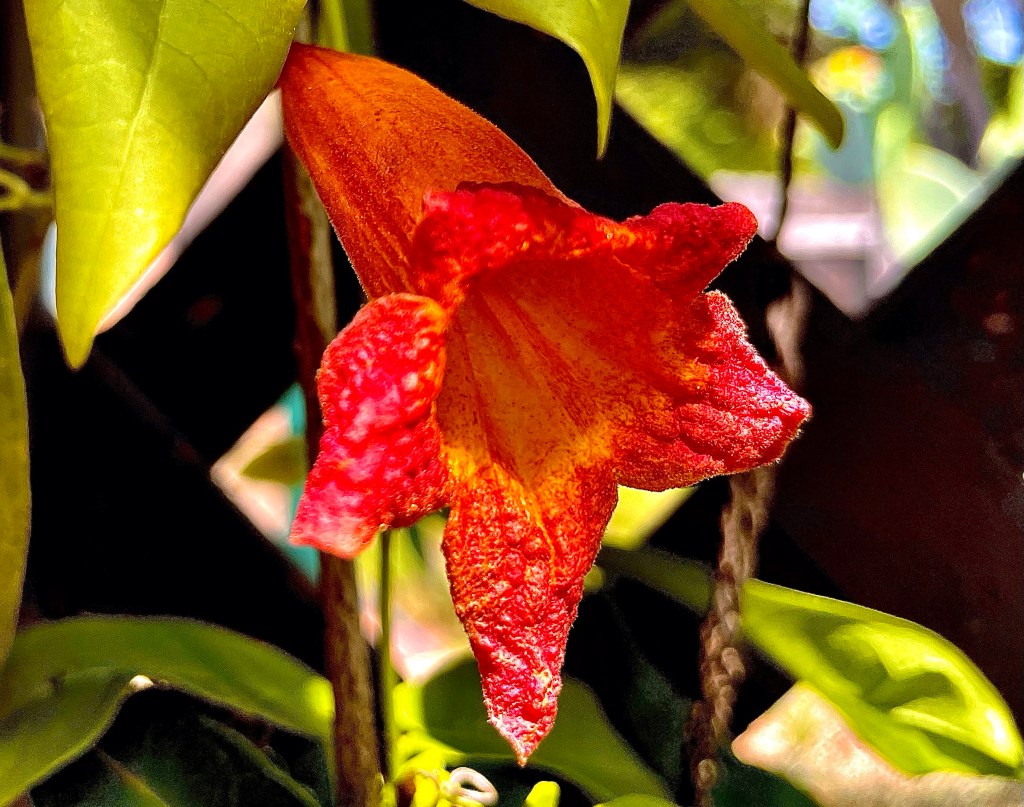
Bignonia capreolata (Crossvine), slightly past its glory

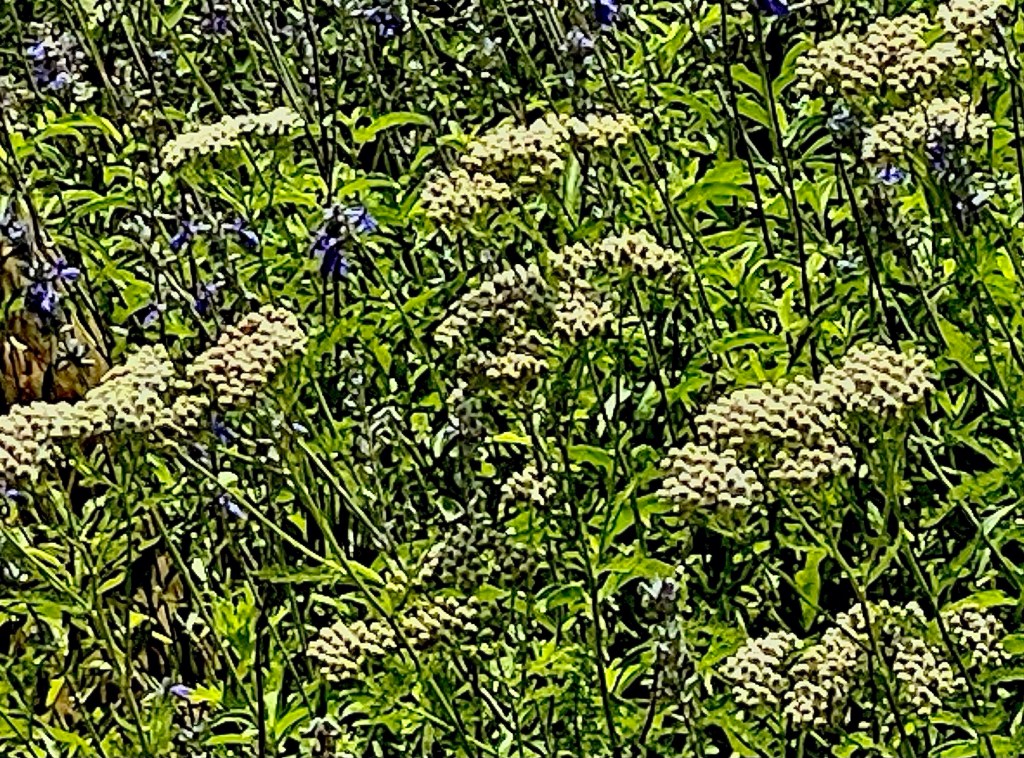
(Achillea millifolium) Milfoil

(Salvia farinacea) Mealy blue sage
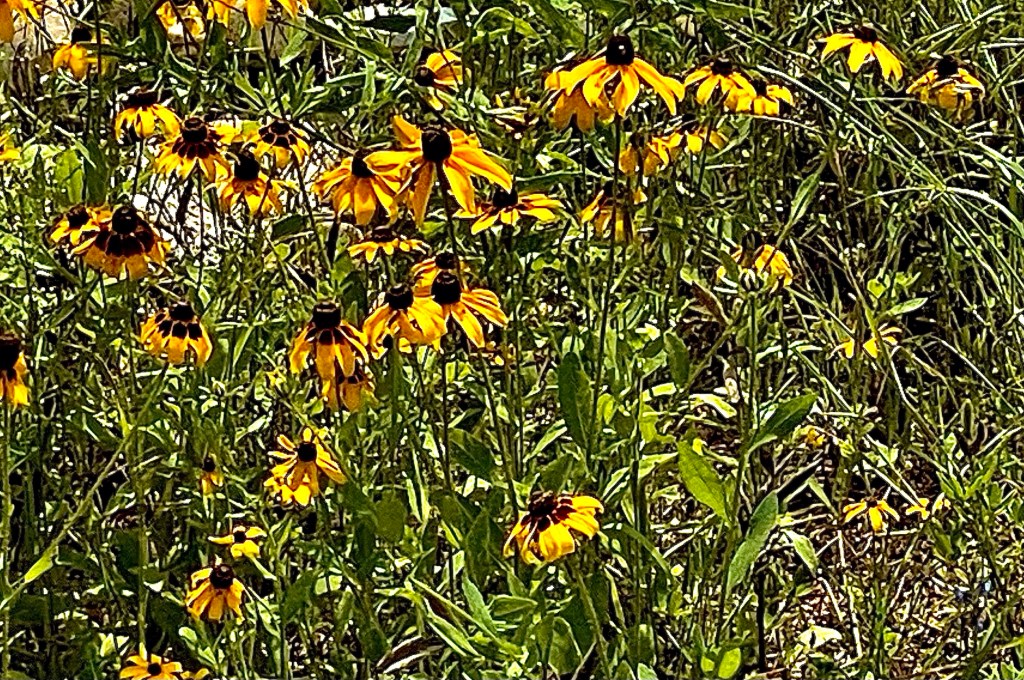
Rudbeckia hirta – Brown eyed Susans

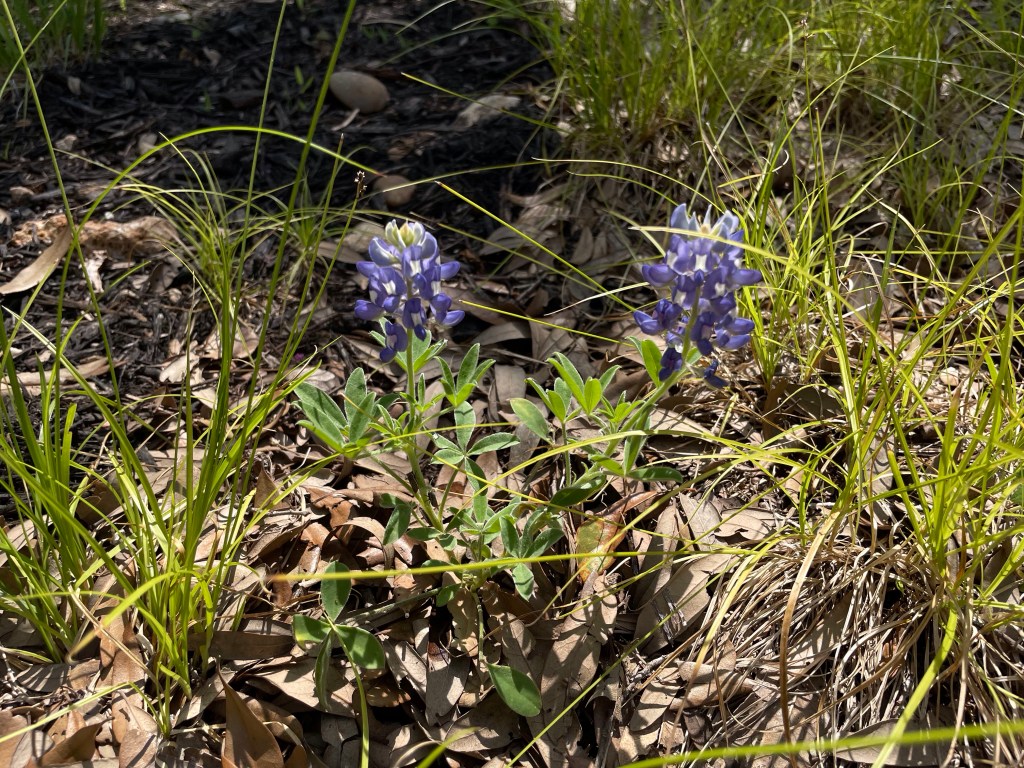
A surprise on June 1st – two baby Bluebonnets (Lupinus Texensis) blooming in the front yard!

Nature is good for you: who knew?

A recent study concluded that living close to blue (water) or green(woods, forests, and parks) spaces are good for folks with Parkinson’s, reducing the risks of hospitalization due to PD.

  • Older adults who lived near green space had a lower rate of hospitalization for Parkinson’s disease, Alzheimer’s disease and related dementias.
  • Blue space (lakes, rivers and oceans), and  parks were also associated with fewer hospital admissions for PD but not for Alzheimer’s and other dementias.
  • A word of caution, though: If you are a person at high risk for falls, don’t go out into nature on your own.

Klompmaker, J. O., Laden, F., Browning, M., Dominici, F., Jimenez, M. P., Ogletree, S. S., . . . James, P. (2022). Associations of Greenness, Parks, and Blue Space With Neurodegenerative Disease Hospitalizations Among Older US Adults. JAMA Network Open, 5(12), e2247664. doi:10.1001/jamanetworkopen.2022.47664

World Parkinson’s Day

Don’t know if it’s a cause for celebration or awareness, but here it is. World Parkinson’s Day , April 11, 2023. (If I managed to get my days right – seems I’m correct).

Anyway, to commemorate this day, I shall present some of my songs and “Parkinson’s Parodies©” that I’ve composed and or written lyrics to since having been diagnosed with Parkinson’s Disease in late 2011:

Submitted to the World Parkinson’s Coalition (WPC) this year as an entry in their song contest an original tune;

No Estoy Borracho

Also submitted to the WPC, a “Parkinson’s Parody©” based on Fleetwood Mac’s song “Don’t Stop”:

Don’t Stop Moving To The Music

Previously submitted to the WPC, but not this year,

Parkinson’s Anthem (We Ain’t Givin’ Up Hope”

… And that’s enough for today… I have an appointment with my Movement Disorders Specialist and so I gotta go now.

###

From my Nextdoor neighborhood group:

https://nextdoor.com/embed/sxW7MxB4bd-p

Okay, laziness is the mother of invention, so I’m trying to hit two birds with one stone, so to speak. The above is a link to my Nextdoor post this morning showing a few species of plants and animals related to Central Texas.

You might notice that the group there is also named Return To The Natives/Native Plants Are The Answer. If you think that’s a coincidence, you’d be wrong.

Dance, Dance, Dance

As in All I Wanna Do is post some links to research on Dance and effects on PD symptoms and other related aspects of being a living human being on the face of the planet Earth. As I was going through these, some of the titles looked familiar. If so, no biggie – if I posted the links before, and am being repetitious, “I blame it on the Parkinson’s”©. And repetition is useful in learning.

de Almeida HS, Porto F, Porretti M, Lopes G, Fiorot D, Bunn PDS, da Silva EB. Effect of Dance on Postural Control in People with Parkinson’s Disease: A Meta-Analysis Review. J Aging Phys Act. 2021 Feb 1;29(1):130-141. doi: 10.1123/japa.2019-0255. Epub 2020 Jul 31. PMID: 32736345.

 The statistically significant results of this meta-analysis indicate that dance can improve postural control in people with PD in a short period of time and therefore contribute to the prevention of falls.

Hackney ME, Earhart GM. Effects of dance on balance and gait in severe Parkinson disease: a case study. Disabil Rehabil. 2010;32(8):679-84. doi: 10.3109/09638280903247905. PMID: 20205582; PMCID: PMC2837534.

Twenty partnered tango lessons improved balance, endurance, balance confidence, and quality of life in a participant with severe PD. This is the first report of the use of dance as rehabilitation for an individual with advanced disease who primarily used a wheelchair for transportation.

Zhen, K., Zhang, S., Tao, X. et al. A systematic review and meta-analysis on effects of aerobic exercise in people with Parkinson’s disease. npj Parkinsons Dis. 8, 146 (2022). https://doi.org/10.1038/s41531-022-00418-4

Karpodini CC, Dinas PC, Angelopoulou E, Wyon MA, Haas AN, Bougiesi M, Papageorgiou SG and Koutedakis Y (2022) Rhythmic cueing, dance, resistance training, and Parkinson’s disease: A systematic review and meta-analysis. Front.Neurol.13:875178.doi:10.3389/fneur.2022.875178

Rhythmic cueing, dance, or RT positively affect the examined outcomes, with rhythmic cueing to be associated with three outcomes (Gait, Stride, and UPDRS-III), dance with three outcomes (TUG, Stride, and UPDRS-III), and RT with two outcomes (TUG and PDQ-39). Subgroup analyses confirmed the beneficial effects of these forms of exercise. Clinicians should entertain the idea of more holistic exercise protocols aiming at improving PD manifestations.

Overall, the reviewed evidence demonstrated that dance can improve motor impairments, specifically balance and motor symptom severity in individuals with mild to moderate PD, and that more research is needed to determine its effects on non-motor symptoms and QOL

Ismail, S.R., Lee, S.W.H., Merom, D. et al. Evidence of disease severity, cognitive and physical outcomes of dance interventions for persons with Parkinson’s Disease: a systematic review and meta-analysis. BMC Geriatr 21, 503 (2021). https://doi.org/10.1186/s12877-021-02446-w

Although certainty of evidence was low, our review suggests that dance intervention modestly reduced motor disease severity and improved certain aspects of balance, while there is insufficient evidence on all other outcomes. The wide variety of dance intervention types and outcome assessed diluted the strength of the evidence base on the effectiveness of dance in people with PD.

It is getting close to my bedtime, so let me just leave a few titles as links in order to expedite this.

Dance for Chronic Pain Conditions: A Systematic Review

Dance for neuroplasticity: A descriptive systematic review

Physiotherapy management of Parkinson’s disease

and now it’s waay past my meds time, and my errors have increased, so time to put this blog post to bed.

###