Hiatus

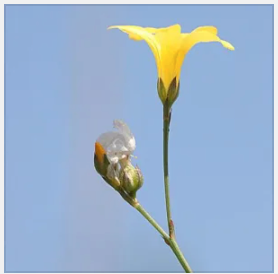
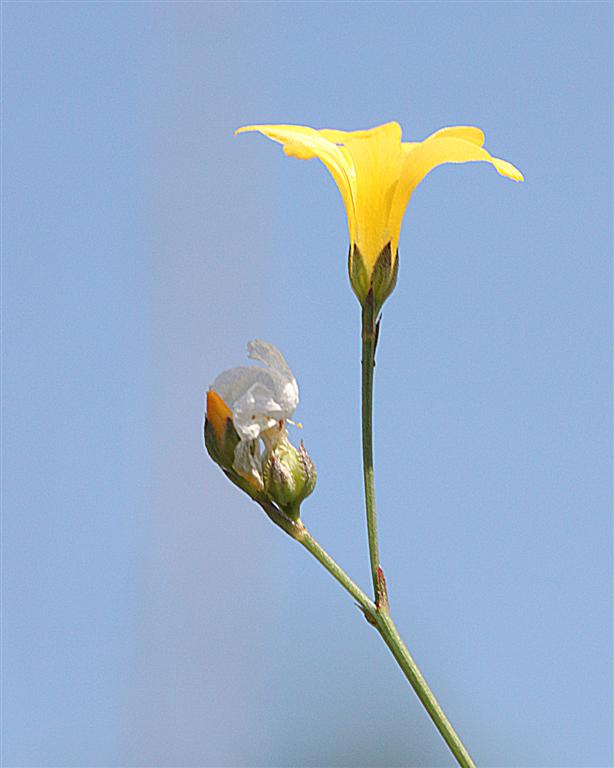
Linum rupestre - Rock Flax

Linum rupestre – Rock Flax

July 14, 2013

This is the end of updates for this blog, at least for the time being.

There is just so much one can do, and keeping this blog going on a regular basis is one of those things. It has always been an amateur effort and one can do more useful things, so this blog has been dropped from the B list to the D list and off the To-Do list.
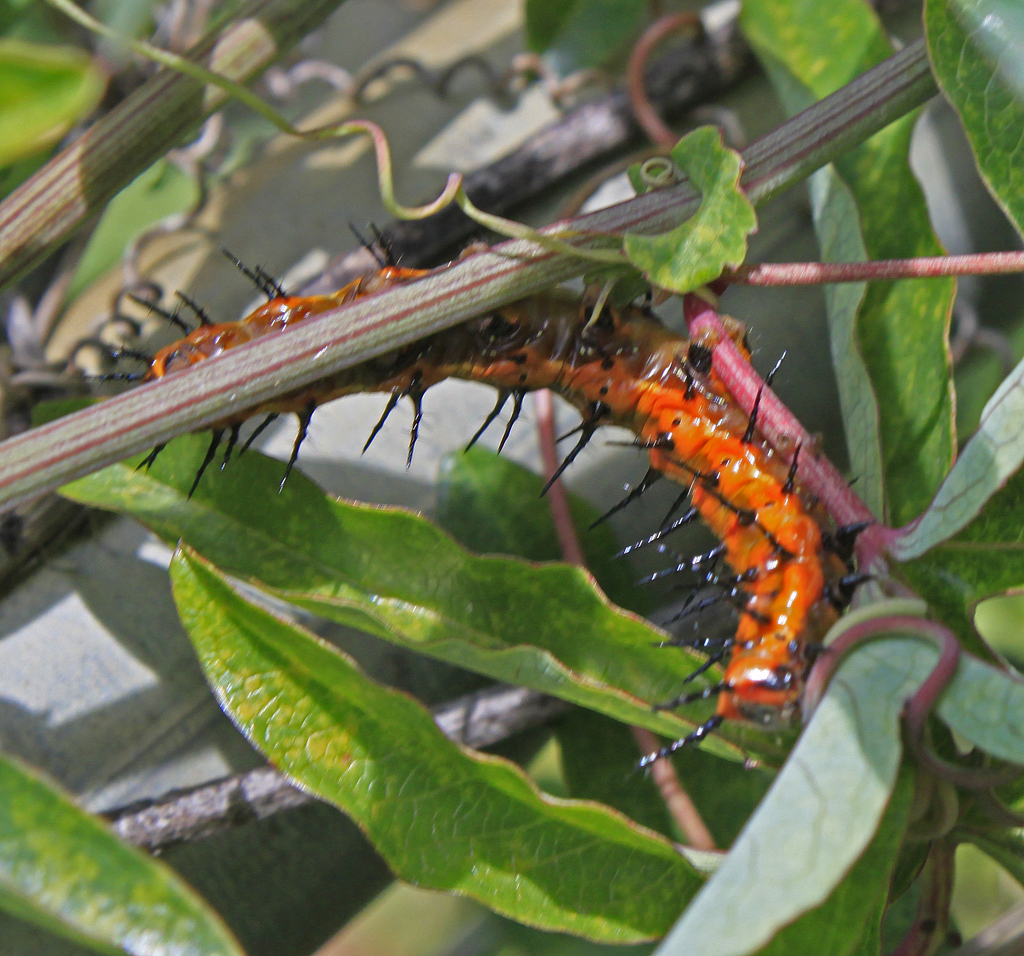
Agraulis vanillae Gulf Fritillary Butterfly larva

Agraulis vanillae Gulf Fritillary Butterfly on Passiflora sp

Agraulis vanillae Gulf Fritillary Butterfly on Passiflora sp


While the Gulf Fritillary, as the name implies, is native to the area surrounding the Gulf of Mexico, but its range actually extends far beyond that. It is found as far south as Argentina and as far north as San Fransisco, according to Wikipedia.

Here it is on one of the Passiflora vines, one which is not native to the part of Central Texas where I live. It seems that one cannot find locally native plants unless one digs them up, which can’t be both ethical and legal, or manages to find some that have gone to seed and from which a small taking of seed would not endanger reproduction in the natural state.


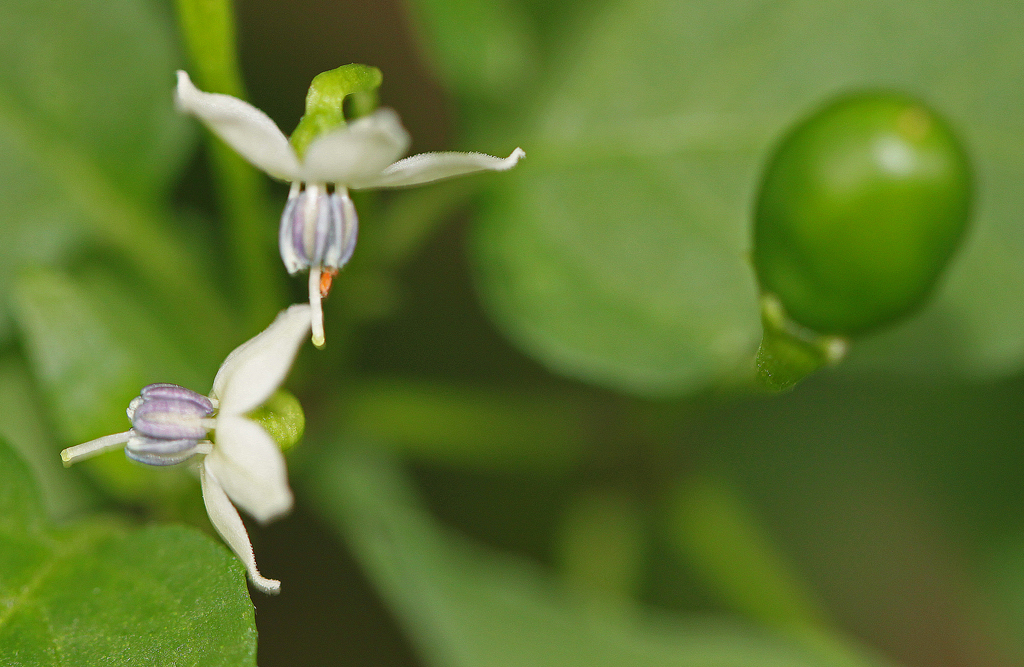
Capsicum annuum – Chile Pequin

 Capsicum annuum - Chile Pequin

Capsicum annuum – Chile Pequin

Hadn’t really looked at the tiny flowers of the Chile Pequin before, but here they are, with a slight touch of purple in them.

Off to the right is the fruit, which turns a bright shiny red when it has fully ripened. Easy to grow, withstands drought, edible, attracts nectar feeders when in bloom and birds after bloom has turned to fruit. Reseeds itself if allowed to.


Ratibida columnifera- Mexican Hat

Ratibida columnifera- Mexican Hat

Ratibida columnifera- Mexican Hat

Also known as Prairie Coneflower,  this perennial also comes with yellow petals instead of the orange, brown, and yellow petals shown here.  In their native environment, they can form large colonies, sometimes interspersed with similarly colored Gaillardia pulchella Firewheel. Whether seen singly or en masse, it is singularly and strikingly sttractive. It is drought tolerant and can grow in a wide variety of soil types.

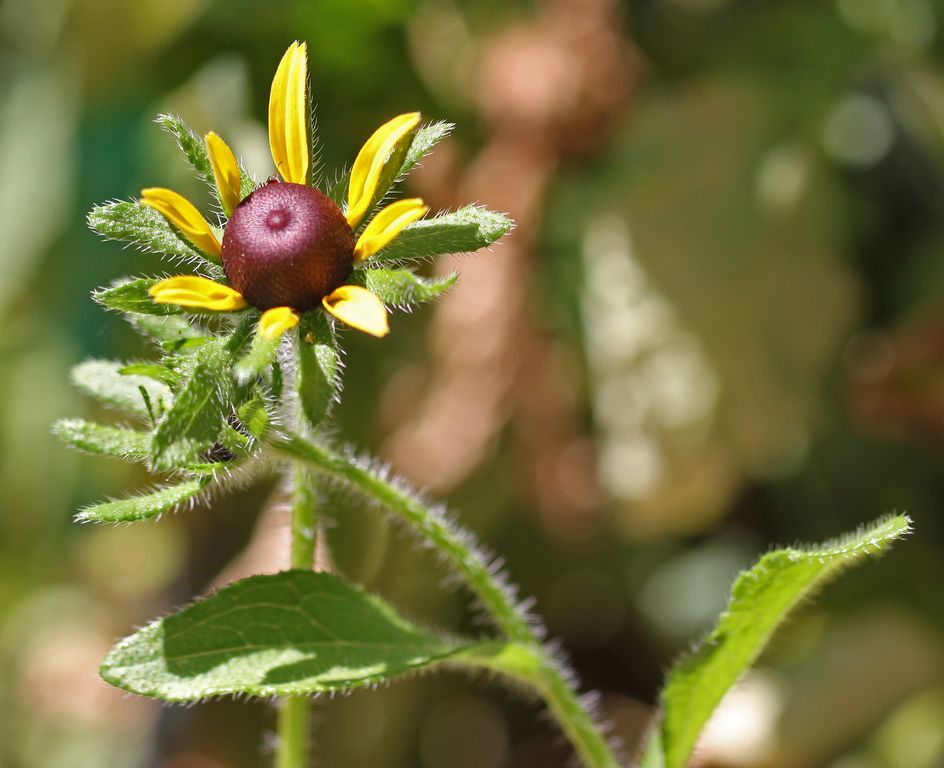
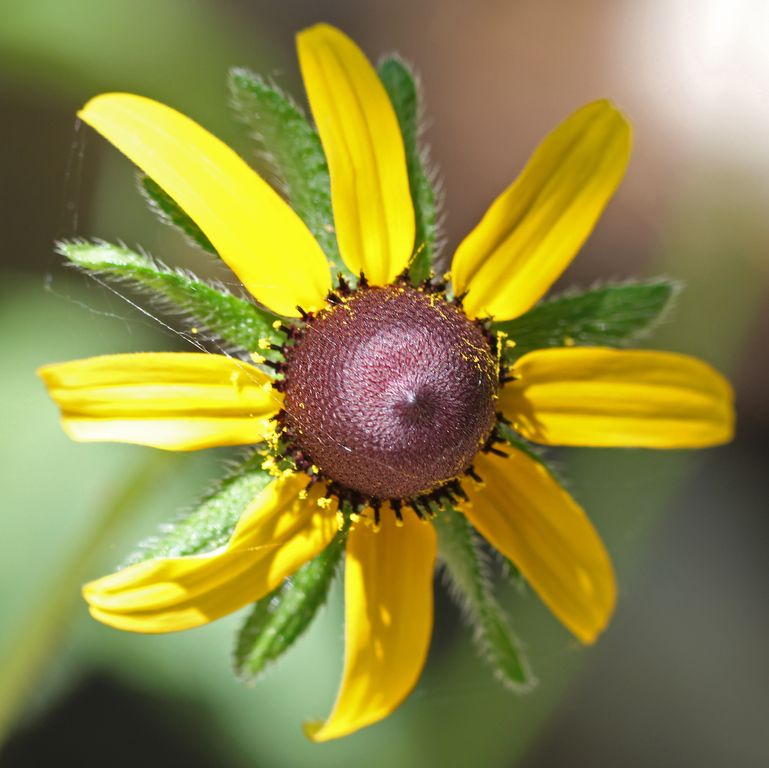
Rudbeckia hirta – Blackeyed Susan

Rudbeckia hirta - Blackeyed Susan

Rudbeckia hirta – Blackeyed Susan

Two of these wildflowers have shown up in my garden this year, most likely sown by birds. Not surprising, since it is one of the most widespread native plants in North America, native across Canada and the U.S. westward to New Mexico. It can grow in many light conditions, from sun to shade, but apparently doesn’t like calcareous or alkaline soils. It propagates itself easily by reseeding and can become aggressive if not faced with competition. It also has been widely used for medicinal as well as aesthetic purposes. What’s not to like about this cheery ornamental? For more information and links to more information than you can imagine, check out the entry at the NPIN plants database.

Rudbeckia hirta - Blackeyed Susan

Rudbeckia hirta – Blackeyed Susan

Aloysia gratissima – Beebrush

Aloysia gratissima - Beebrush

Aloysia gratissima – Beebrush


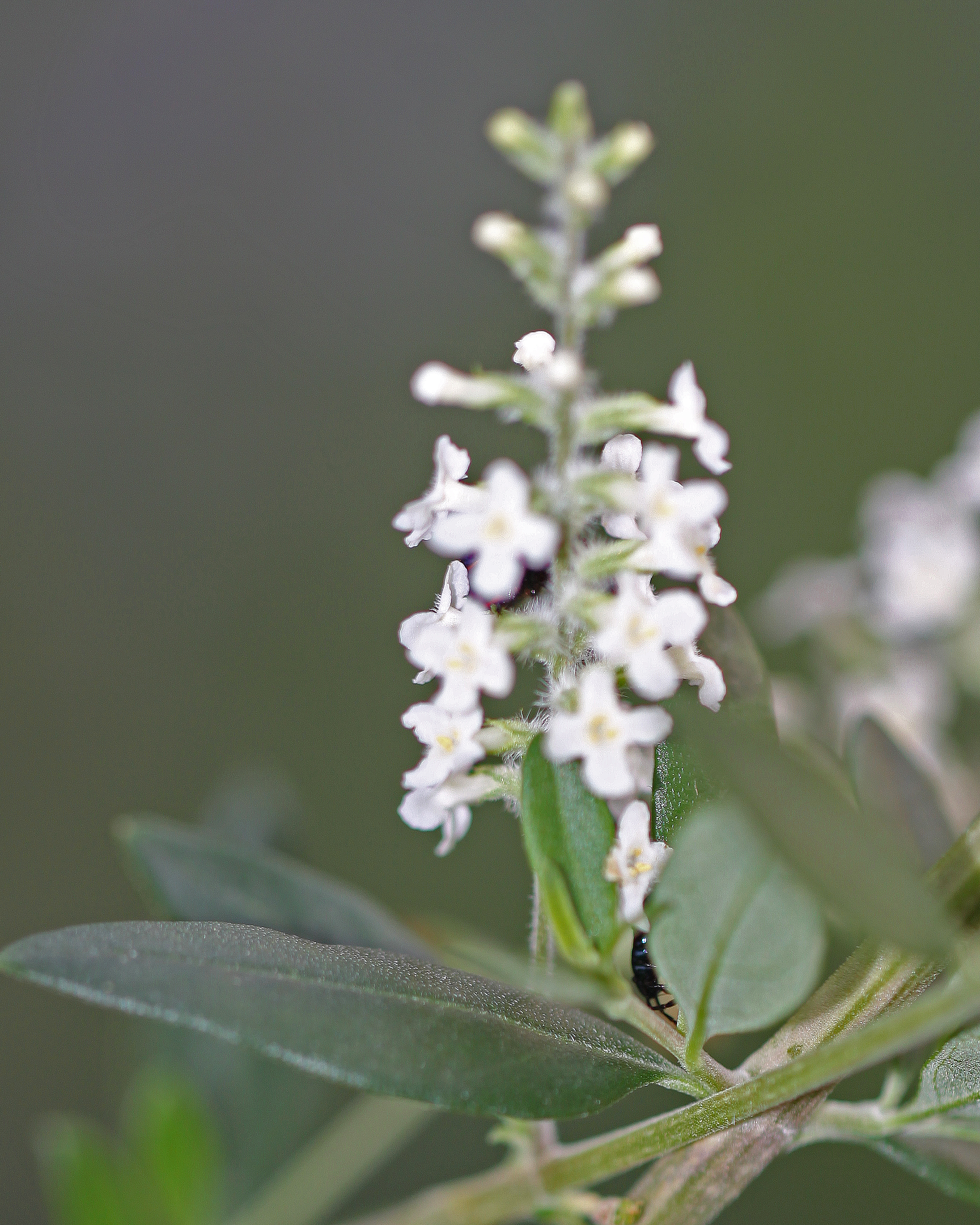
This Beebrush has been in the front yard under the Oak tree for several years now, and it probably should be transplanted to a spot where it will get full sun. Although it does have these vanilla scented spikes of flowers that attract bees and butterflies and other nectar feeding insects, I find it tends to be spindly in the partial shade it gets, and trimming shrubs is not my strong suit.

So if anyone in my vicinity (Round Rock TX) wants a high maintenance native plant that has a medium water use profile and likes moist soils, feel free to come over and dig it up with my blessings. Because this lovely little shrub will probably not make it through the summer in my yard, as it gets replaced by shade loving plants with low water requirements.


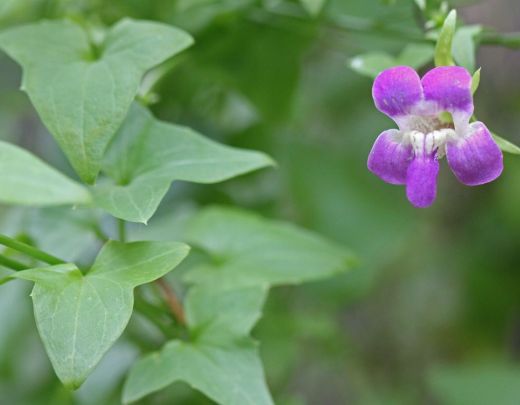
Penstemon tenuis – Brazos Penstemon

Penstemon tenuis - Brazos Penstemon

Penstemon tenuis – Brazos Penstemon

Peucetia viridans, the green lynx spider, hangs out on one of the purple, bell-shaped blossoms of the Brazos or Gulf Coast Penstemon. The flowers grow on spikes reaching a mere foot to foot and a half in height. They thrive in moist soil and sun and partial shade, in both clay and sandy loam soils. Native to Texas, Louisiana, Arkansas and Mississippi, it can handle poor drainage. A good choice for a perennial garden, it can easily reseed itself and spread through the garden. It is attractive to hummingbirds and nectar feeding insects, which apparently also attracts predators like the spider shown above. Also known as Sharp sepal Beardtongue, the blooms begin in March and continue through June.

Lupinus texensis – Texas Bluebonnet

Lupinus texensis - Texas Bluebonnet

Lupinus texensis – Texas Bluebonnet

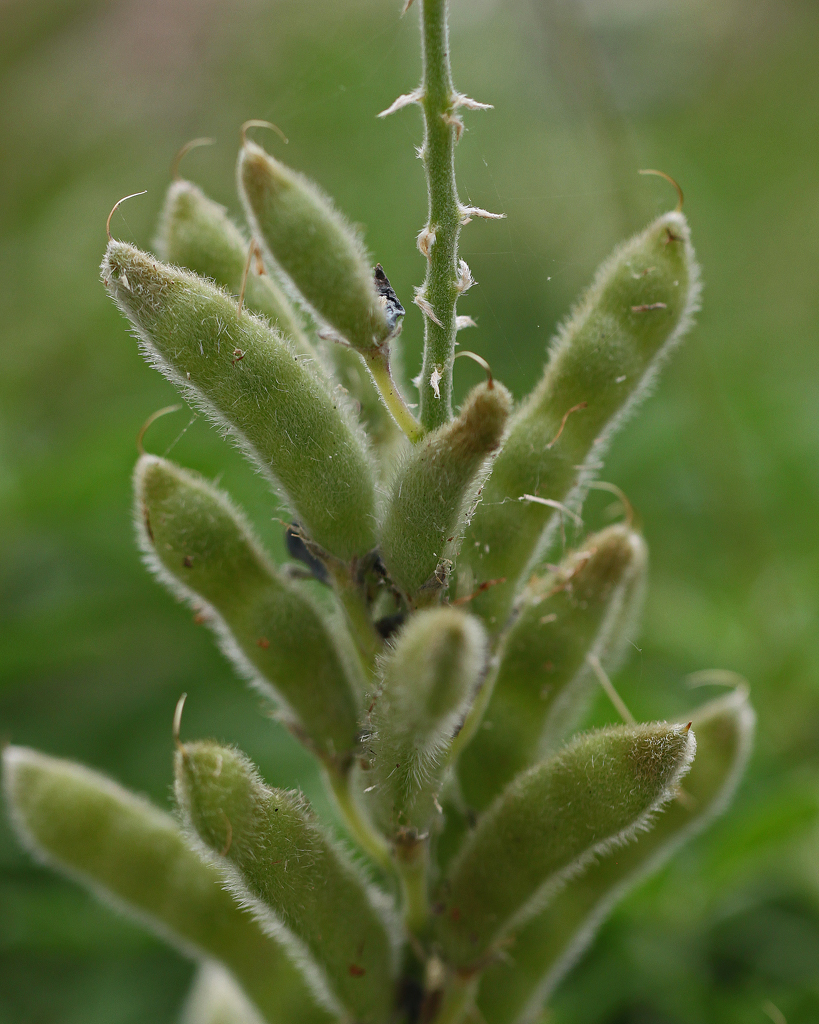
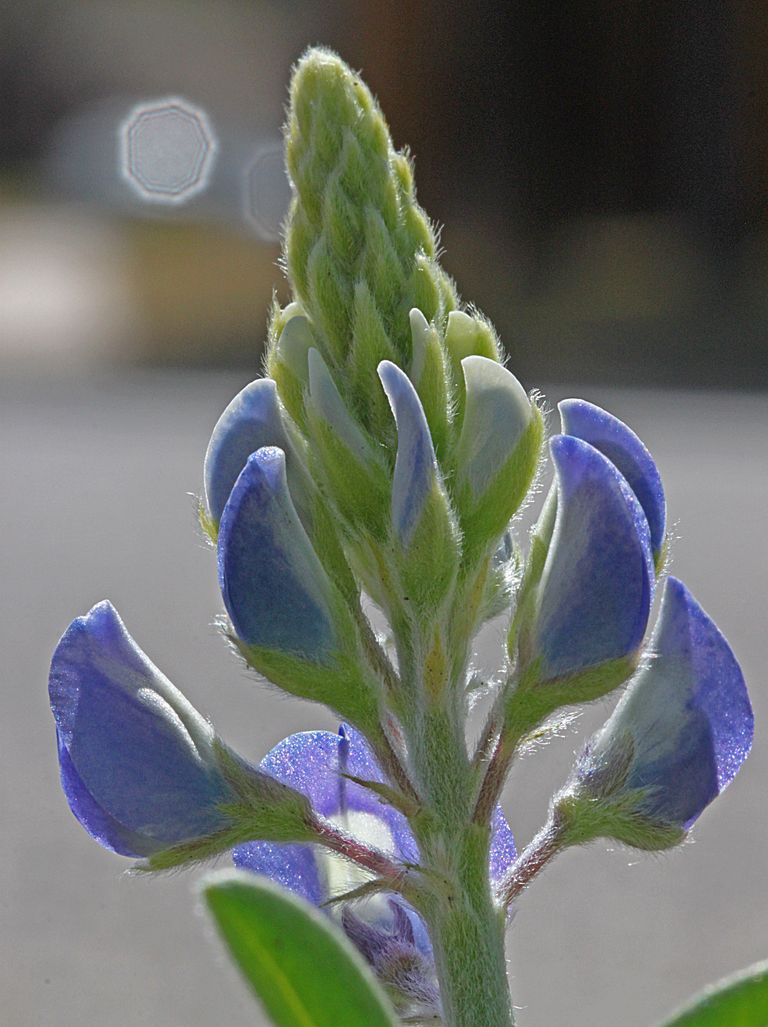
The earliest blooms on my Bluebonnets have gone to seed, leaving behind these pods with five visible bulges indicating the fruit inside. Compare with this view taken in March of this year:

Lupinus texensis - Texas Bluebonnet

Lupinus texensis – Texas Bluebonnet

One can clearly see that the flowers have turned to fruit.  Later it will become dessicated, turning brown. If you aren’t aware of the life cycle of the bluebonnet, it will then appear to be a weed, in violation of Home Owners Association rules almost everywhere. Then it will open, expelling the seeds forcefully and sowing the Bluebonnets of the future.