Blue Grama is a drought resistant native turfgrass that can be grown from seed. It can easily be mistaken for Bouteloua hirsuta Hairy Grama if one doesn’t know that Hairy Grama has a “spike” or pointy end to its seedhead. The Blue Grama pictured above is spikeless or pointless, as it were. And the picture above doesn’t quite show a seedhead, since the florets are in bloom. The picture above was taken next to the Bluebonnet in the previous post, in the little patch of grass between the curb and the sidewalk.
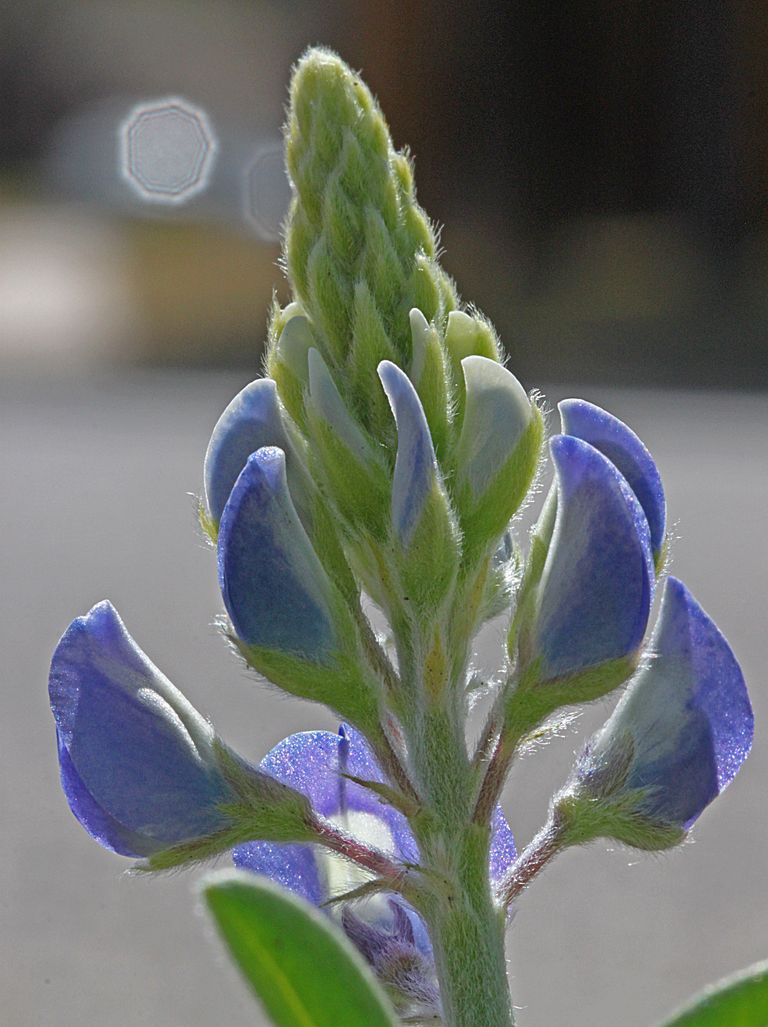
Lupinus texensis – Texas Bluebonnet
While most instances of the state flower in my yard are still scrawny and small rosettes thanks to the continuing drought in Central Texas, this example has started to put out blossoms in the area between the curb and the sidewalk. Conversations with other native plant advocates have indicated that some bluebonnets have been putting out new blossoms for a couple of weeks now.
The normal bloom period of this annual is from March through May, so it appears to be right on schedule this year. It is especially attractive to native bees and is frequented by butterflies as well. It serves as a larval host for the Hairstreak and Elfin butterflies.
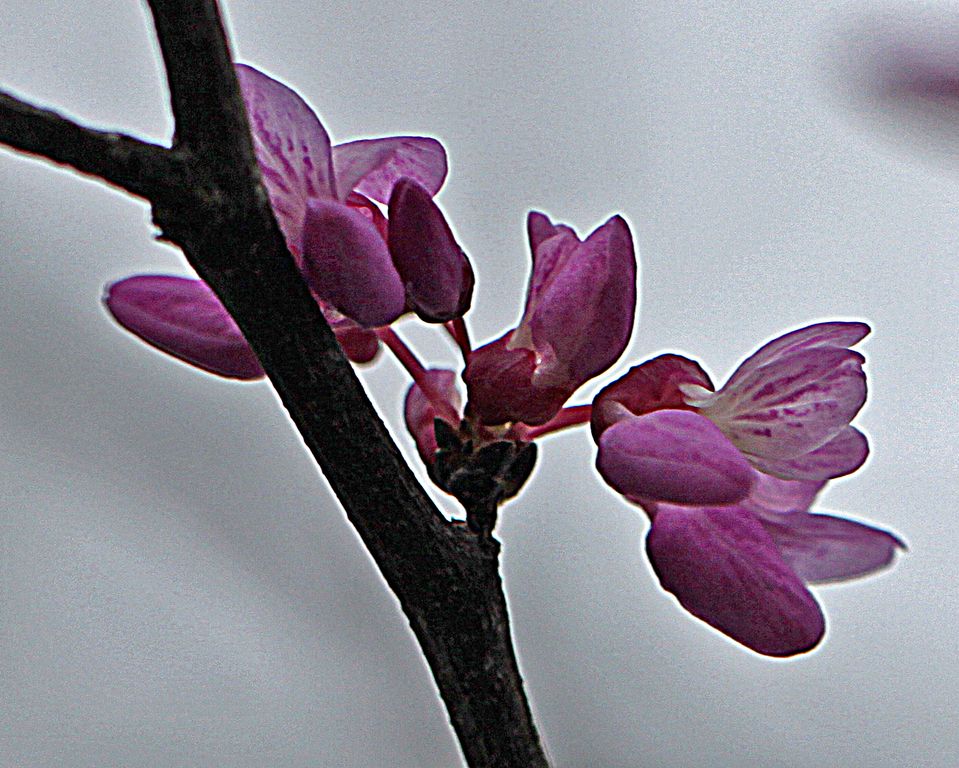
Redbud – Cercis canadensis
Normal bloom season for the Eastern Redbud is March through May. These buds popped up on 10 February, about three weeks ahead of schedule. Central Texas is about the westernmost part of the range for var. canadensis, where it is replaced by two smaller varieties, var. texensis and var. mexicana , which are also both native to Texas. As you can see here, the flowers appear on the bare branches, while the glossy leaves follow later. Need one add that it is deciduous?
The flowers and leaves apparently are edible, and the twigs have been used to create a yellow dye by boiling in water. The Eastern variety requires more water than the Texas or Mexican varieties, but even it is drought tolerant. It thrives in partial to full shade. and are good in wooded areas. In the past, I have observed an early migrating Monarch Butterfly attracted to the flowers, which in general provide nectar to nectar feeding insects. In North Carolina, I have heard these referred to as “weed trees” and considered a nuisance.
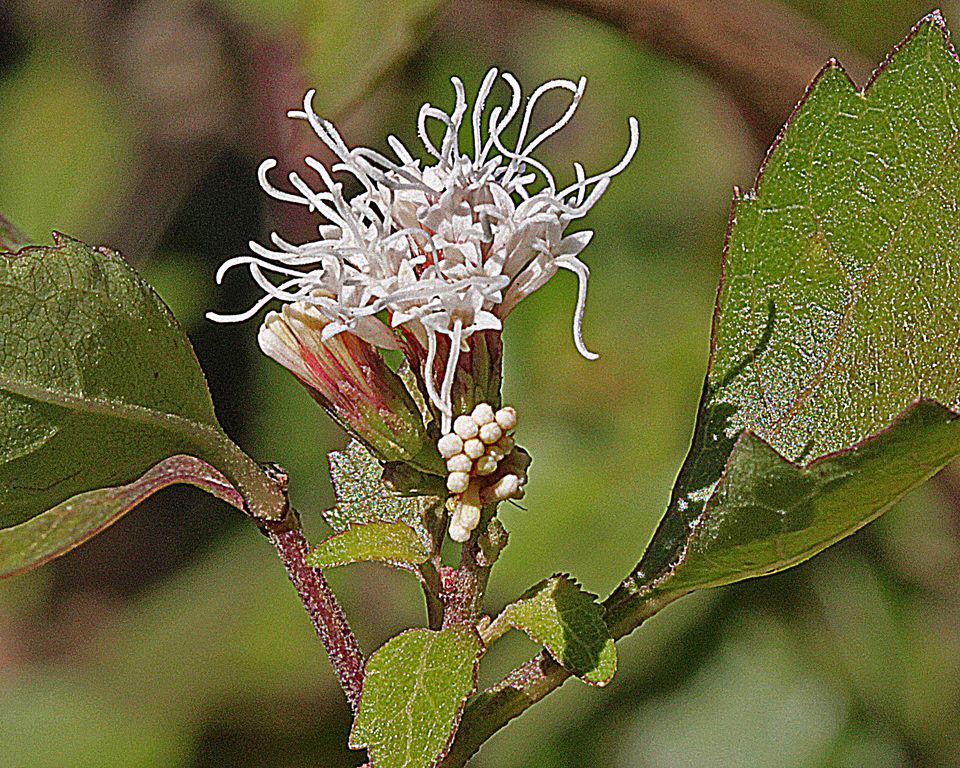
Ageratina havanensis – White Mistflower
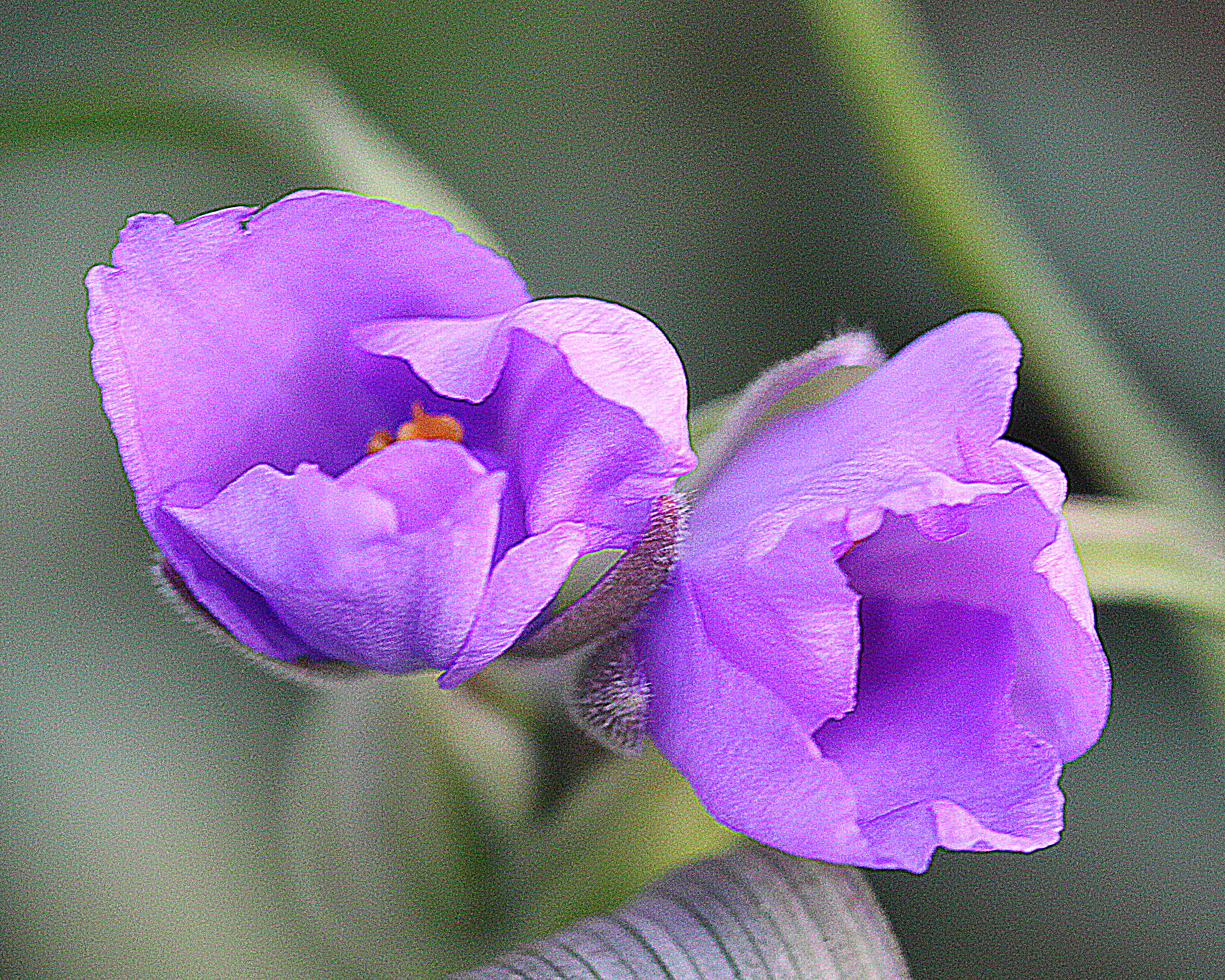
Tradescentia sp – Spiderwort
Here it is February 3, and the temperatures are reaching 70 degrees F. The Spiderworts are already starting to bloom, even though their usual bloom starts in March and lasts through April. Will have to keep track of how long they stay in bloom. These are planted as a companion to Turk’s Cap – Malvaviscus arboreus var. drummondii which typically bloom from May through November. The leaves drop in the winter and generally the plants are trimmed to about 1 foot from the ground around mid-February. This year the winter has been so mild that the wood has not been killed down to the roots as it often is. Call it climate change or call it global warming, but the plants are responding to their environment. And the Spiderworts are starting to bloom.
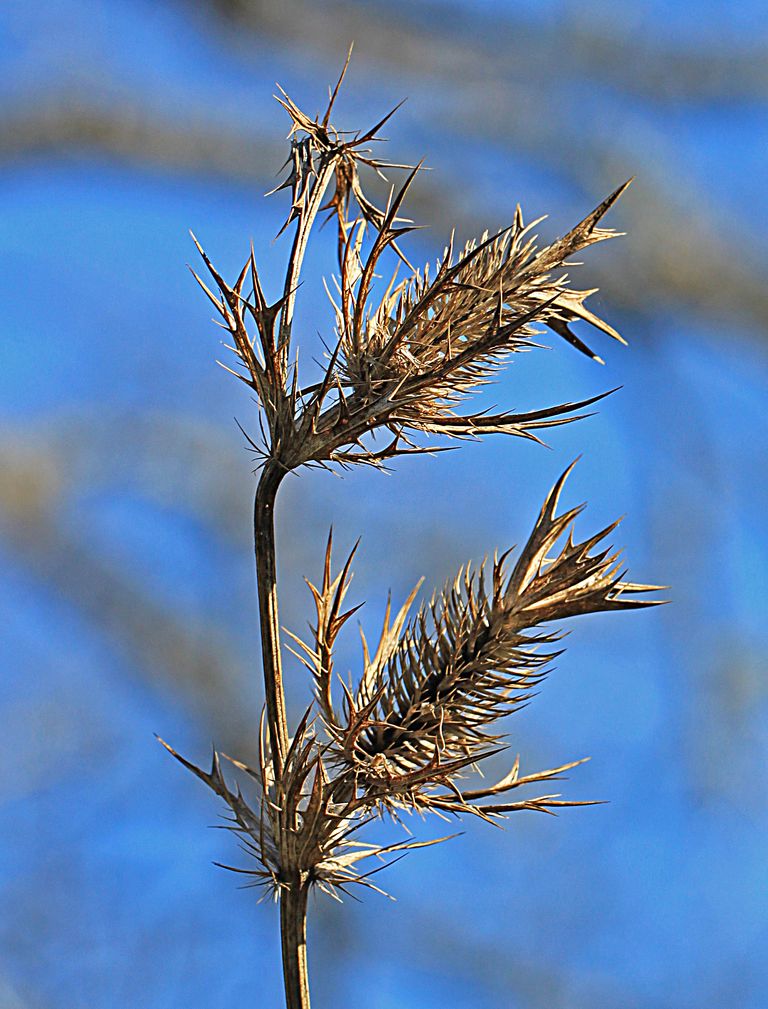
Eryngium leavenworthii – Eryngo
This is one time of the year that you might find the skeletons of the annual herbaceous plant Leavenworth’s Eryngo with their unique pineapple-shaped flowerheads. With their spiked leaves and bristly appearance, you might think them to be among the thistles, but actually they are related to carrots. Although lacking in the rich purple hues of its growing season, the bare remains have their own sort of beauty.
Krameria lanceolata – Rattany
Krameria is a low lying plant with fairly small but striking flowers, as can be seen here, with a little bit of the foliage in evidence behind it. The leaves are thin and almost spike-like, hence the lanceolata portion of its name and both the stem and the leaves are a bit hirsute including the seed, seen in the lower left of this photo. The bright reddish things that bring it to your attention are actually sepals, while the actual petals are the small things in the center with the green and red mixed coloration.
Off with the Old, In with the New
Here’s an empty cicada shell still hanging on an Ashe Juniper Juniperus ashei, or Cedar, as it is known commonly in these parts. It is perhaps symbolic of the first blog post of the new year that it features an artifiact of a fauna that has shed its old skin to emerge with a fresh new exoskeleton. Perhaps. Or it could be that I simply meant to choose a different picture and accidentally ( or subconsciously) chose this one instead. Could be.
One could try to figure out what it all means, or one could simply take a deep breah, and, in the words of Paul McCartney, let it be…
Big Box Solution = No Solution
Well that link expired. If I update his post, I will be sure to scan the image and upload it myself.
Saw this in my email inbox today – so wrong in so many ways
.