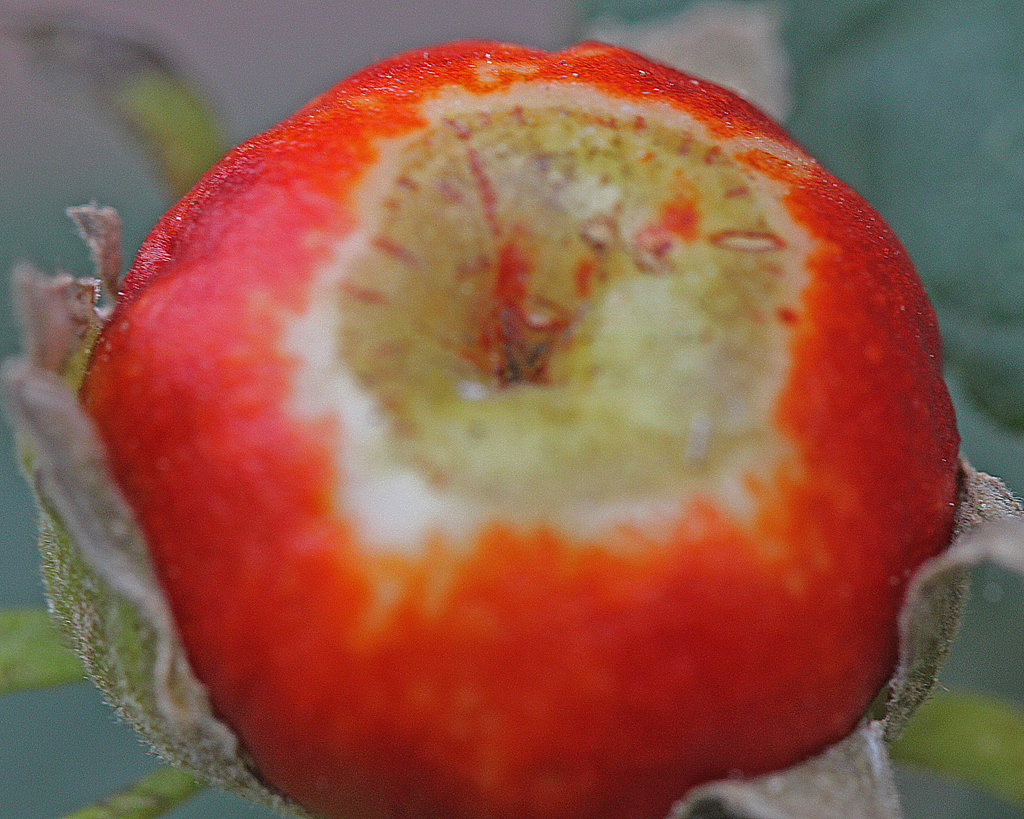
Fruit of Malvaviscus arboreus – Manzanilla

Malvavisus arboreus - Manzanilla

Malvavisus arboreus – Manzanilla


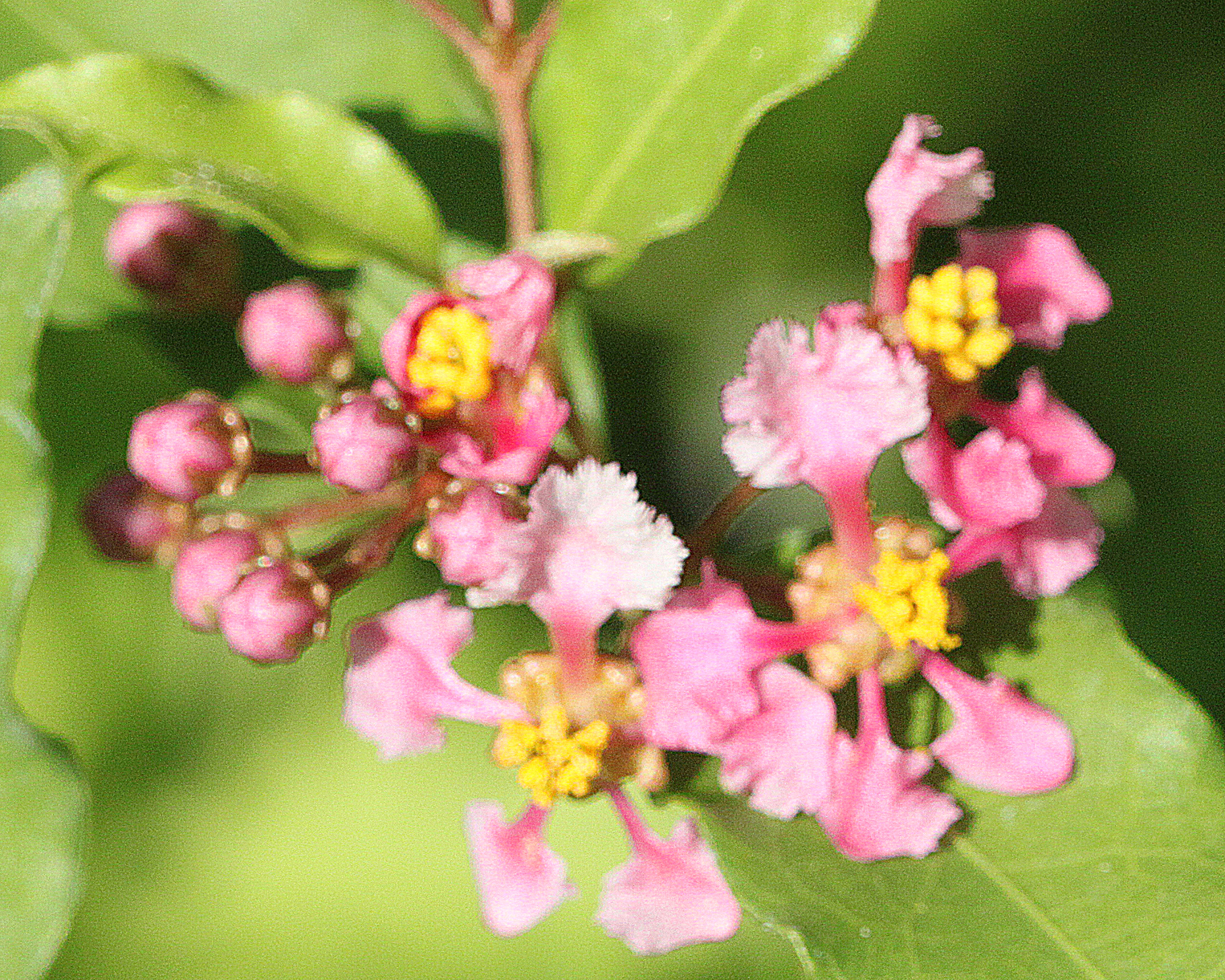
You might know this plant by the common name associated with its flower – Turks Cap.  Today we see its edible fruit, with its obvious resemblance to a small apple, hence the common names Manzanilla and Mexican Apple.  Manzanas of course, is Spanish for apples, and Manzanilla literally meaning “little apple” in translation.

The fruit is edible – I went back to look for this one a few days later and couldn’t find it. I assume it was eaten by a critter of some sort.

This illustrates some of the disadvantages of using common names for describing plants as well as some of the advantages of native plants in landscaping. The Malvaviscus arboreus provides nectar to hummingbirds and butterflies and other wildlife during its flowering stage, and fruit for wildlife after the bloom has gone. Having evolved in common with its habitat, it provides services to other living things that share that habitat.  It’s deciduous, so it sheds its leaves which decompose into compost, enriching the soil if given the chance.
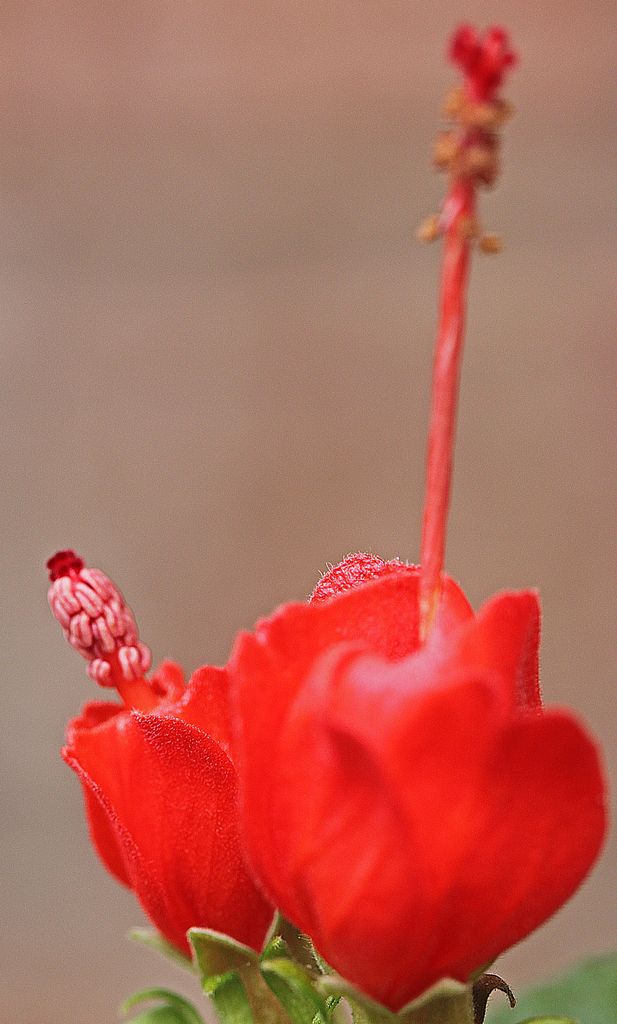
Malvaviscus arboreus - Turks Cap

Malvaviscus arboreus – Turks Cap

It makes a good alternative to the exotic or alien Nandina which is ubiquitous in the nursery trade and has aggressively escaped into nature. Generally, folks advise cutting the dead wood back to about 1 foot somewhere around mid-February, but anytime after it drops its leaves is fine and should keep HOAs from finding fault with your native plantings.

It is shade tolerant as well as drought resistant, and also comes in a white-flowered variation.
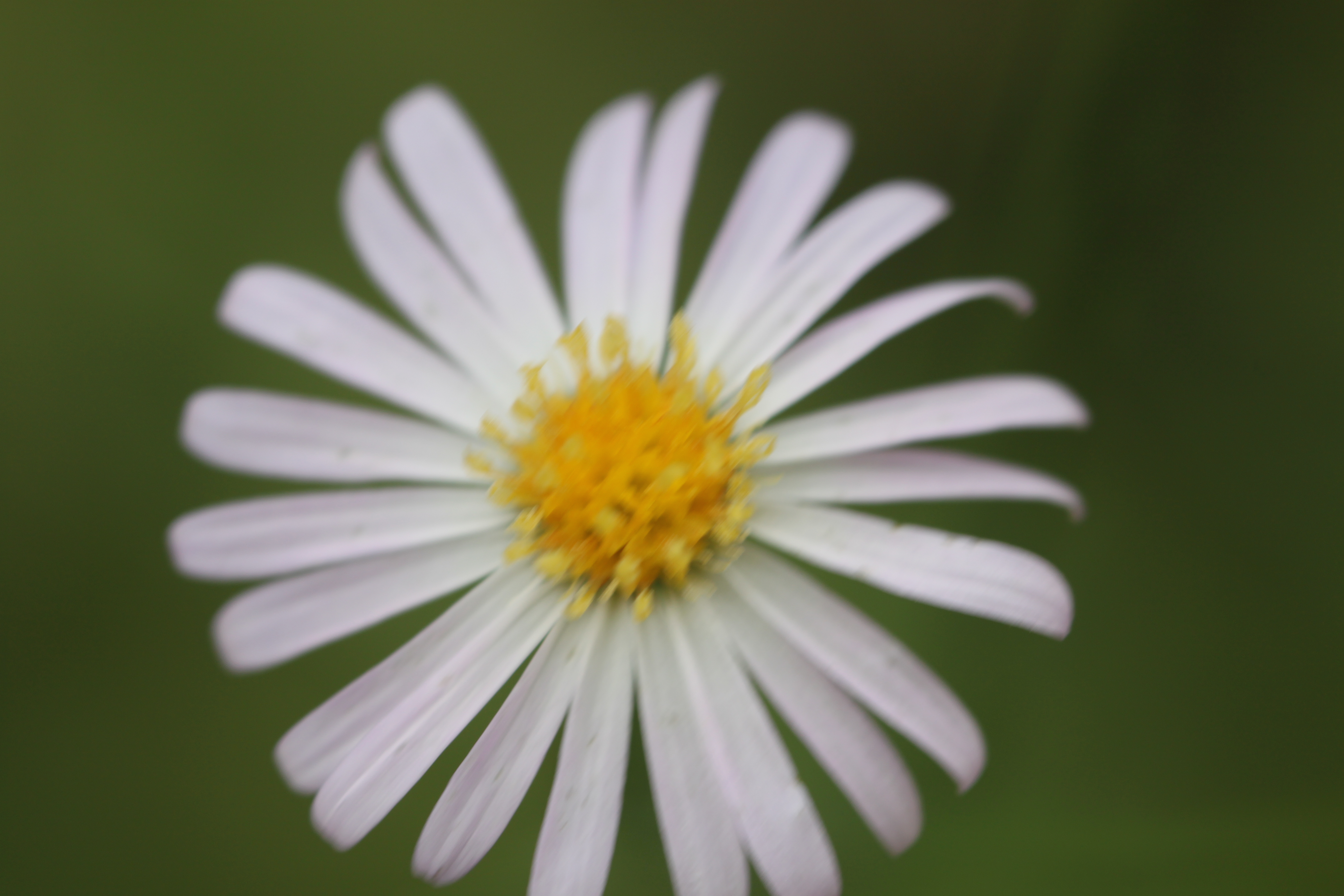
Symphyotrichum subulatum – Hierba del Marrano

Symphyotricum subulatum - Hierba del Marrano

Symphyotricum subulatum – Hierba del Marrano


This flower can easily be mistaken for Prairie Fleabane. The main difference is the bloom period, which is July to November according to Enquist for this plant and February to May for Prairie Fleabane. In my yard it has appeared along the edge of a mass planting of Salvia farinacea which accounts for the wet,low place context in which it is usually found. Nursery grown fleabane is probably available at the Wildflower Center annual Fall Sale which ends today (October 14).    

Malpighia glabra – Barbados Cherry

Malpighia glabra - Barbados Cherry

Malpighia glabra – Barbados Cherry

We used to have some of these back in Key West – the fruit, also known as Acerola cherries, is high in Vitamin C and can be used to make jelly.  Or eaten as is.

While native to Texas, its natural range is in South Texas, and probably only bloomed this year because of the mild winter we had in 2011-2012.  Its also native to Mexico, south to South America to Brazil.

I attended a talk on edible native plans for your garden this past Tuesday. Like many of the other edible natives that I have, in experience the widlife take the lion’s share of any fruits and I am left with to scavenge the gleanings.

Echinacea purpurea – Purple Coneflower

Echinacea purpurea - Purple Coneflowewr

Echinacea purpurea – Purple Coneflowewr


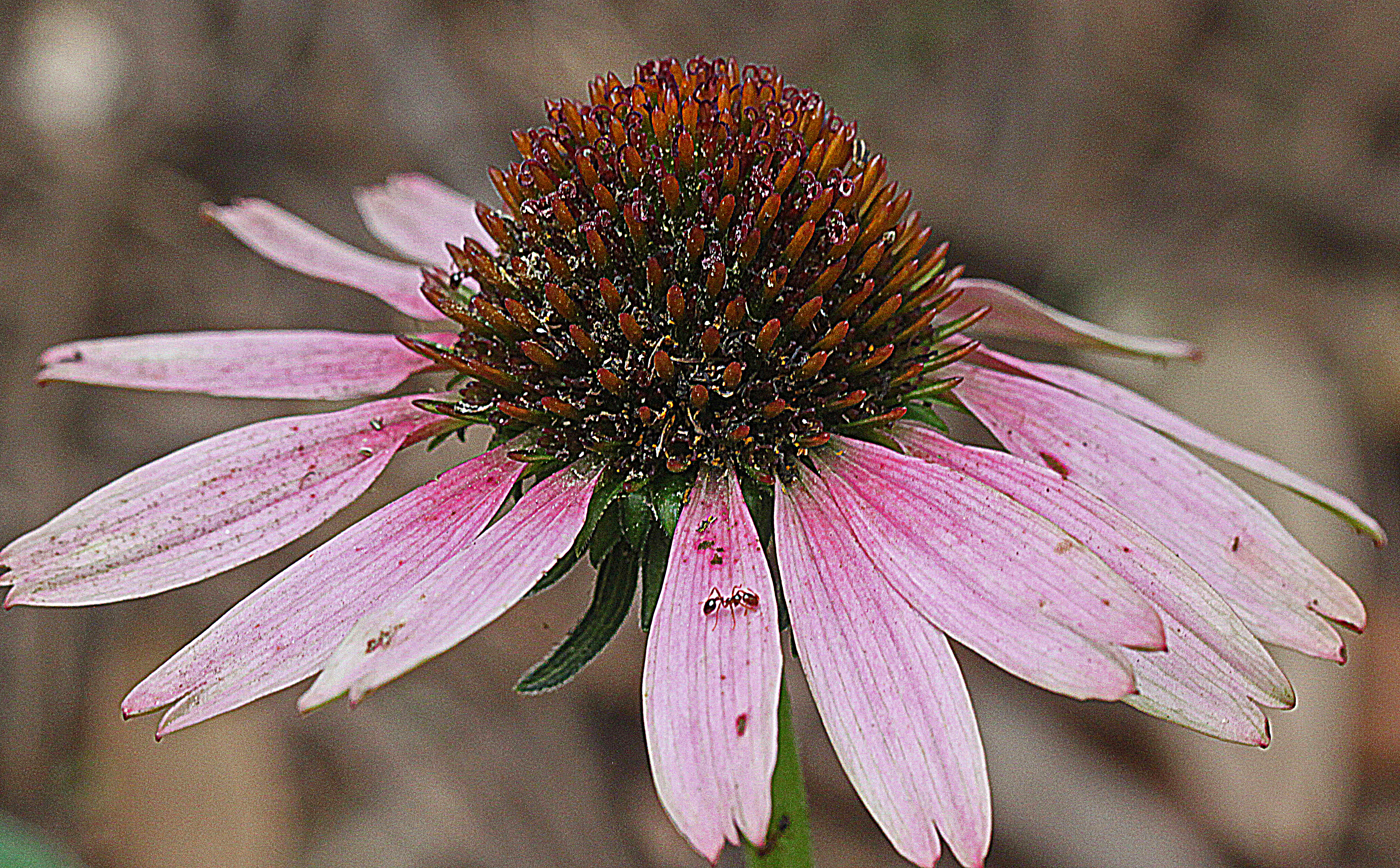
This is a pretty shaggy specimen of a Coneflower, with a couple of ants crawling about the petals, but here it is October and nominally outside its blooming period (April-September) and it has just recently bloomed.

I’ve made a tea from the leaves of the passion flower vine, but I haven’t actually made Echinacea tea, although I’ve had tea with Echinacea in it.  Yet.

In years previous, I’ve had some pretty healthy looking Purple Coneflowers, but this year they seem to have lagged a bit. It has been a year to remember for being off the norm. Or perhaps it’s a year in which a new normal is being established.

Oxalis drummondi – Drummond’s Woodsorrel

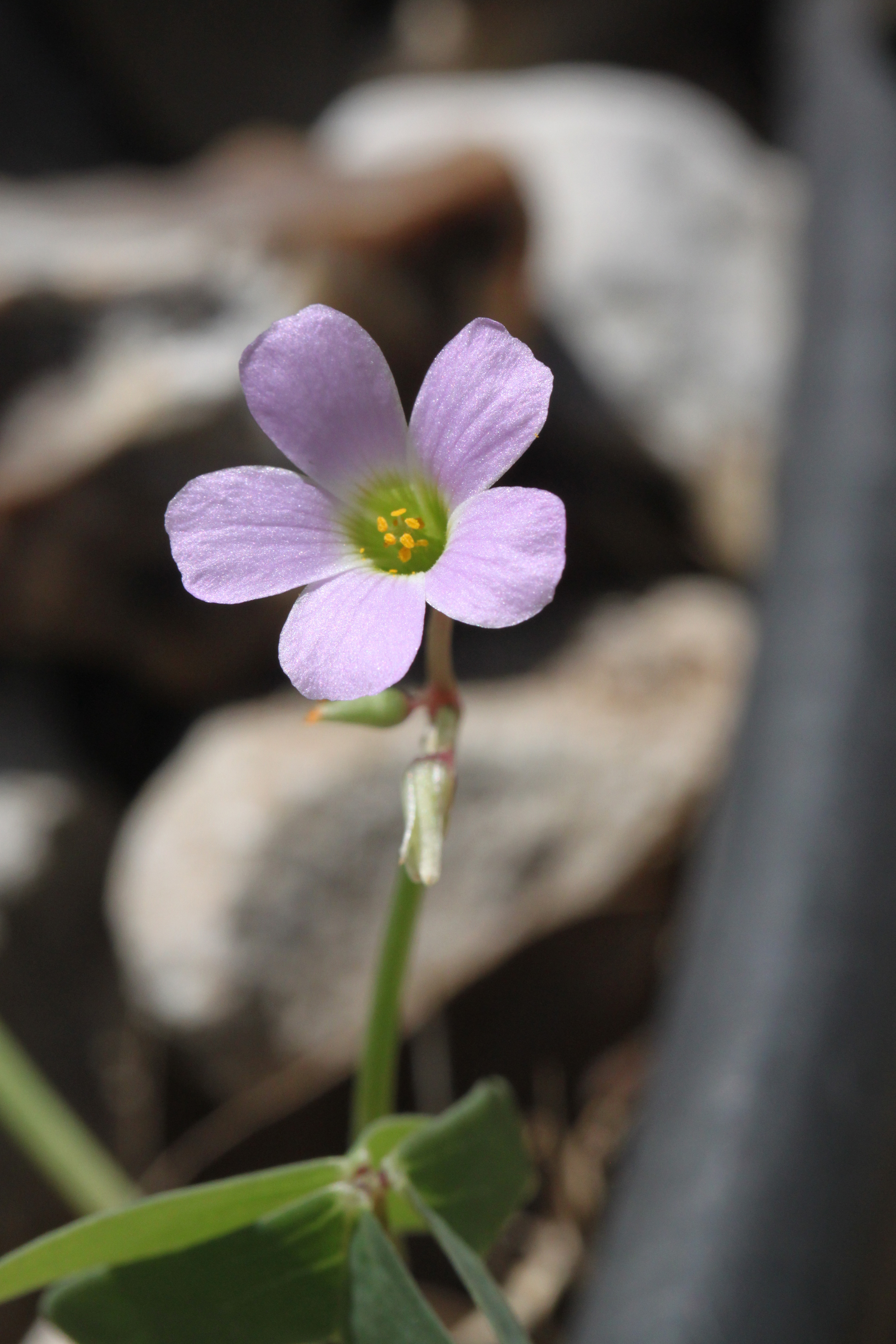
Here we are again with two phtos of Oxalis drummondi, Drummond’s Woodsorrel. This time there is a deliberate intent to get a shot of the woodsorrel’s distinctive leaves, as well as a shot of the blossom with its pinkish to purple color accented by striations of green leading down into the cup of the trumpet shaped flower. There is quite the little colony of these dainty little beauties along the side of the gravel path, almost to the point of aggressiveness…but not quite.

Gaillardia aestivalis var aestivalis – Prairie Gaillardia

Gaillardia aestivalis var aestivalis - Prairie Gaillardia

Gaillardia aestivalis var aestivalis – Prairie Gaillardia


Although this Gaillardia is indeed a native to Texas, and was photographed next to Gaillardia pulchella, the familiar Indian Blanket or Firewheel, this particular specimen is located at the Cape Canaveral National Seashore. It is found mainly in the coastal states, in dry, sandy soils. So I would guess in Texas it would be familiar along the Gulf Coast, while this Florida native was next to the Atlantic Ocean.

Oxalis drummondii – Drummond’s Woodsorrel

Oxalis drummondii - Drummond's Woodsorrel

Oxalis drummondii – Drummond’s Woodsorrel

This modest little flower is a native volunteer that just showed up in the yard this year. It has the distinctive leaves of a woodsorrel, but which one I didn’t know until I looked it up at http://www.wildflower.org/plants/result.php?id_plant=OXDR. That’s one of the pleasures of having a wildscape garden – the diversity of plant life that just “happens” from year to year. The photo above was chosen because it happens to include the leaves at the bottom of the photo, which aids in identification (although in this picture, not so much).

A slightly more aesthetically pleasing photo, but without the leaves, appears here:

Oxalis drummondii - Drummond's Woodsorrel

Oxalis drummondii – Drummond’s Woodsorrel

Bothriochloa laguroides ssp torreyana – Silver Bluestem

Bothriochloa laguroides ssp torreyana - Silver Bluestem

Bothriochloa laguroides ssp torreyana – Silver Bluestem

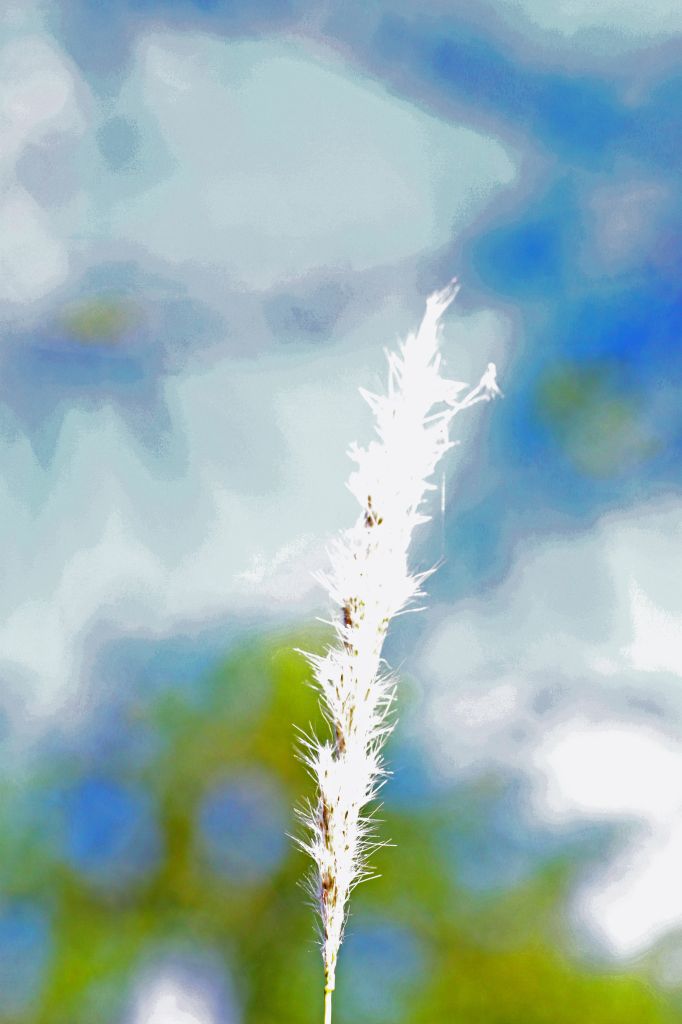
This not an attempt to create an artistic effect with photography – this is the result of a grossly overexposed photograph which one tried to recover or save using the “Enhance” menu in Photoshop Elements. On the other hand, it does appear somewhat like a watercolor filter effect. The Silver Bluestem grasses are blooming these days, and their distinctive seedheads are a distracting sight as one drives along the highways and byways. And with so many options available on a digital camera, it doesn’t cost too much to experiment with exposures and timings.

Asclepias sp – milkweed

Asclepias species - Butterfly Weed

Asclepias species – Milkweed

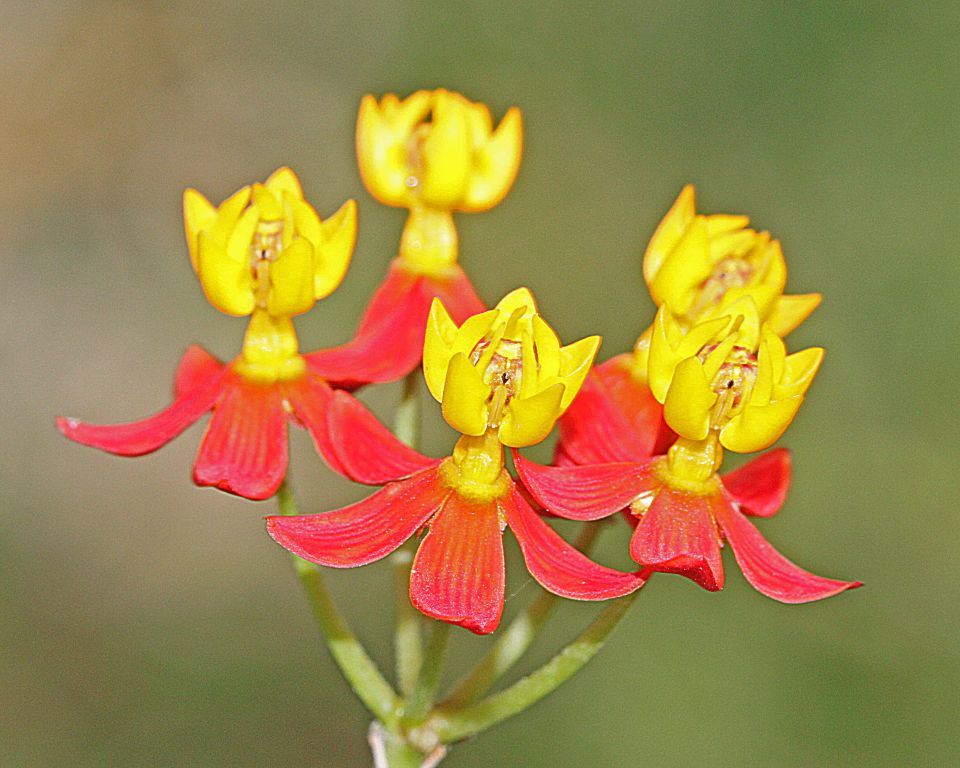
When I called the local nursery I specifically asked if they had Asclepias tuberosa, Butterfly milkweed…and they said yes. What I found was this, which as it turns out is most likely Asclepias currasavica, Tropical or Mexican Milweed.  That was last year, and they have managed to survive, and even to have been visited by Monarch Butterflies during their migrations.

Although I generally post species that are native to Central Texas and Williamson County in particular, an exception has been made here for the educational possibilities.  First, even though you ask for a species by name, you may not get that species, especially if  the plants are poorly or not labelled. Second, it’s probably best to ask to see the Texas Natives if you go into a nursery. That way you’ll find out just how aware the staff are of Texas Native plants and if they possess any knowledge in addition. Finally, its for good reason that one of the common names for Asclepias tuberosa is Orange Milkweed – the flowers are orange, not red and yellow.

Anisacanthus quadrifidus var wrightii – Hummingbird Bush

Anisacanthus quadrifidus var wrightii - Hummingbird Bush

Anisacanthus quadrifidus var wrightii – Hummingbird Bush

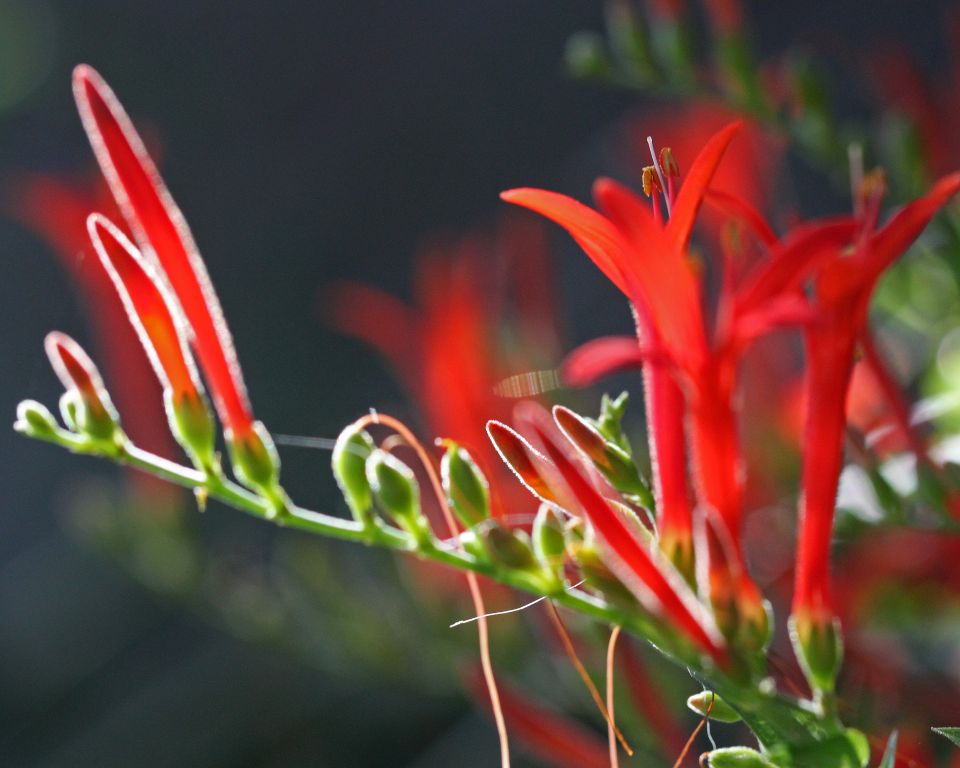
Also known as Flame Acanthus, this post goes with the Hummingbird Bush appellation because that’s what has been appearing in the yard lately. I believe that they are Black-throated Hummingbirds. Apparently this is the time for migration for these little feathered jewels.