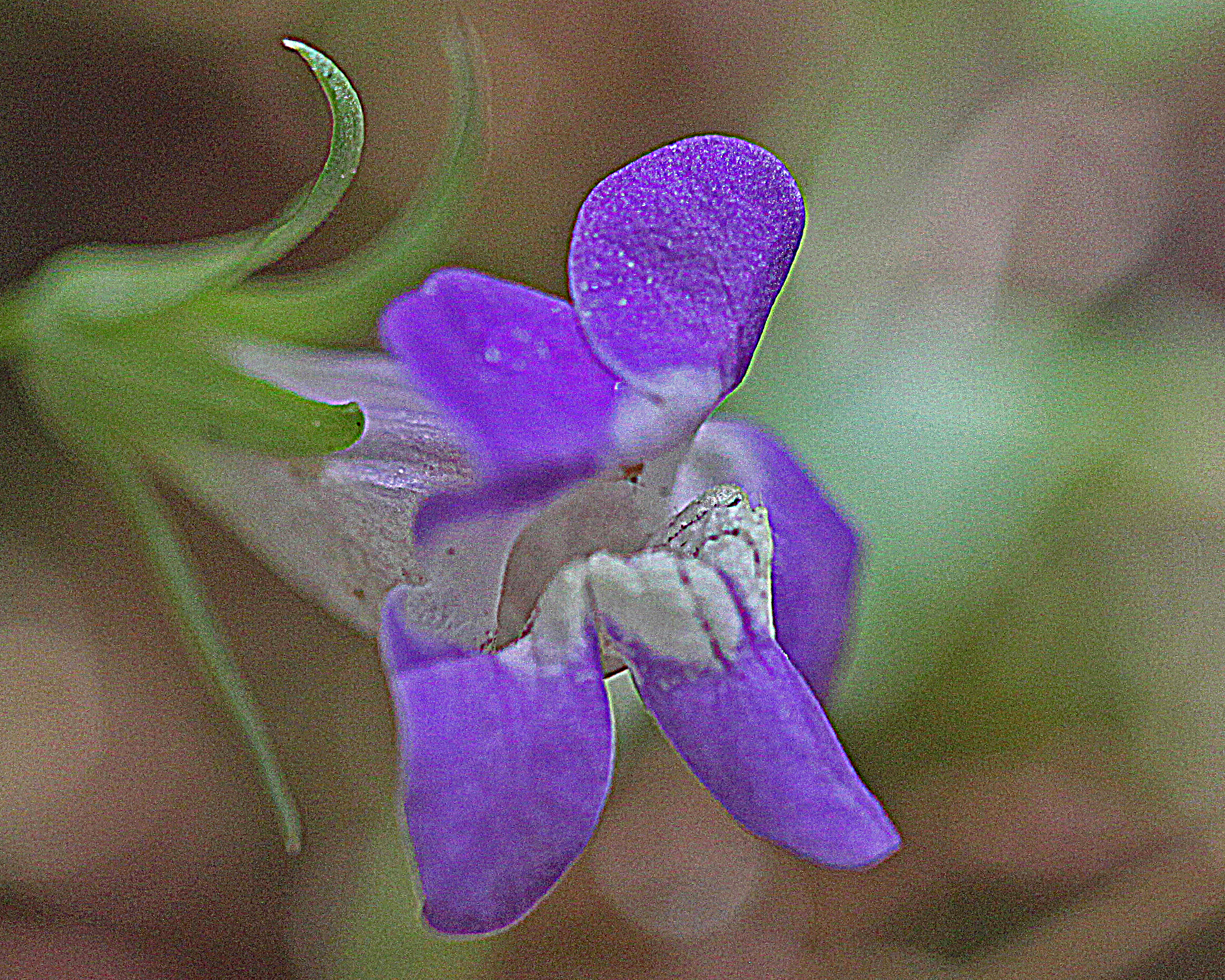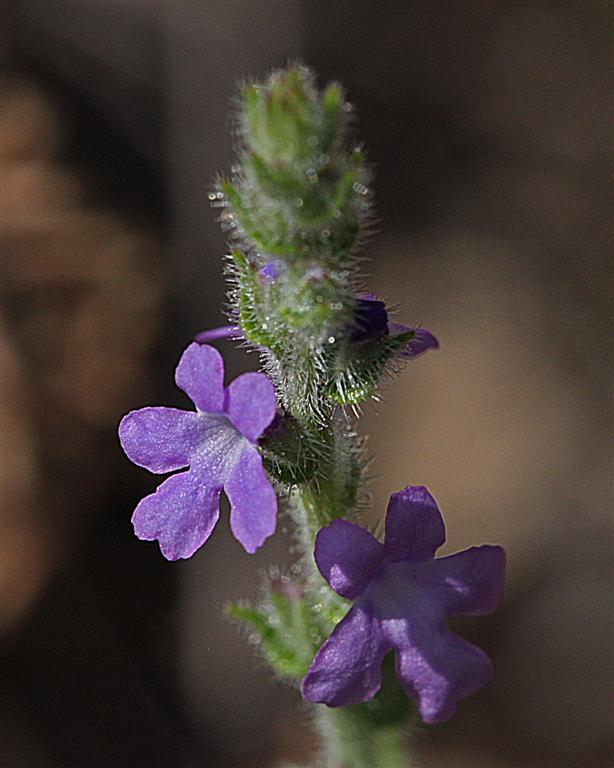
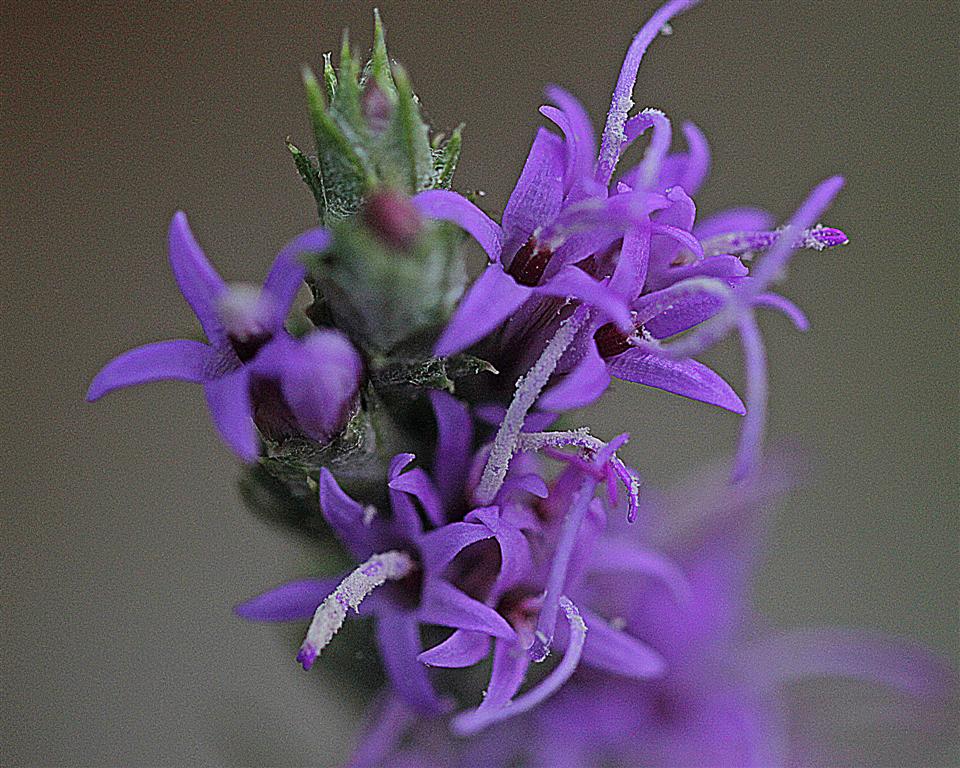
Gray Vervain is another one of those small plants likely to be unnoticed, or if it is, to be considered a weed by many. Here you can see some of the dense hairs that give it its “Gray” appellation. The small flowers of lavender or purple appear on 3″-6″ spikes from April through October.
Author Archives: RobertKamper
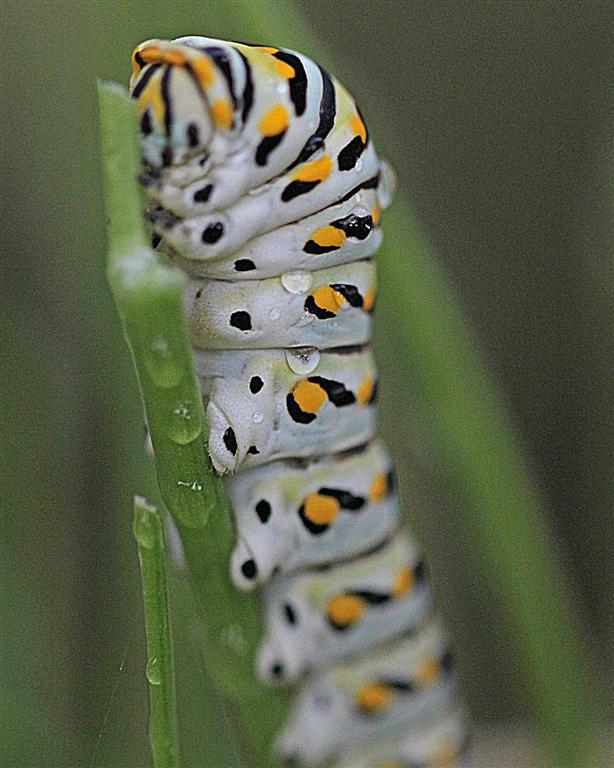
Papilio polyxenes – Black Swallowtail larva
Here we have the larva of the Black Swallowtail butterfly doing what it does best – decimating and digesting Parlsey. Unfortunately, the Parlsey is non-native, and being grown in my wife’s kitchen herb garden. So the best I can hope for is that I can convince her to let them try to feed on one of my native plants instead of squishing them. Oh well. I don’t have any Queen Ann’s Lace, which is a native plant host for these beauties. Guess I’ll have to do some research and find out if there are any other native plants that feed this until it’s chrysalis time…
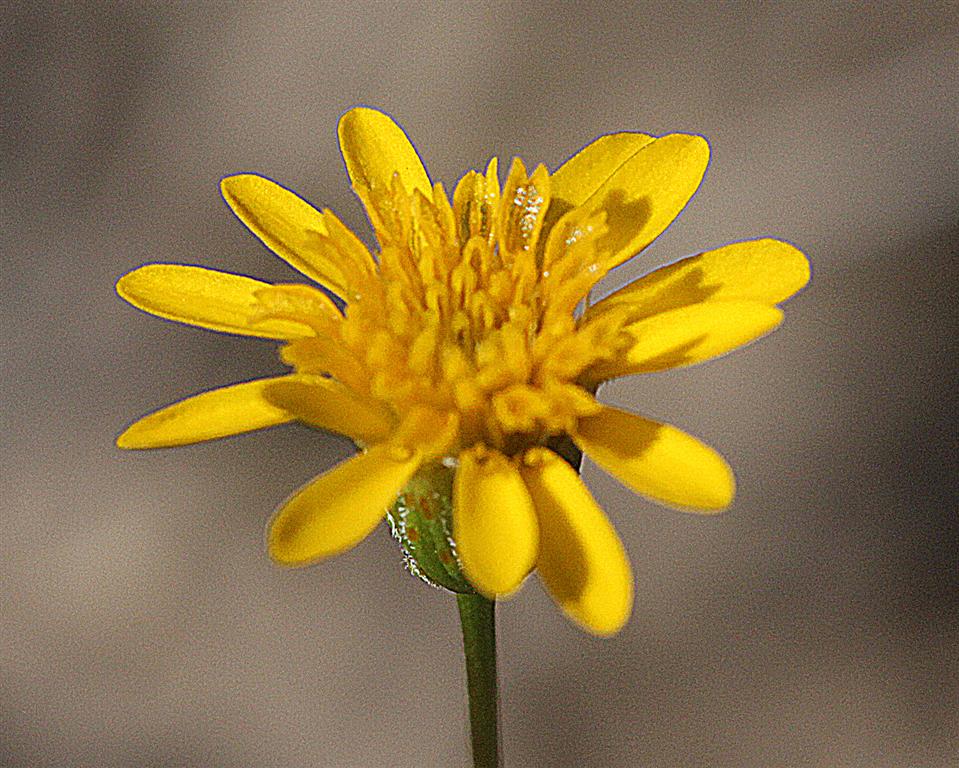
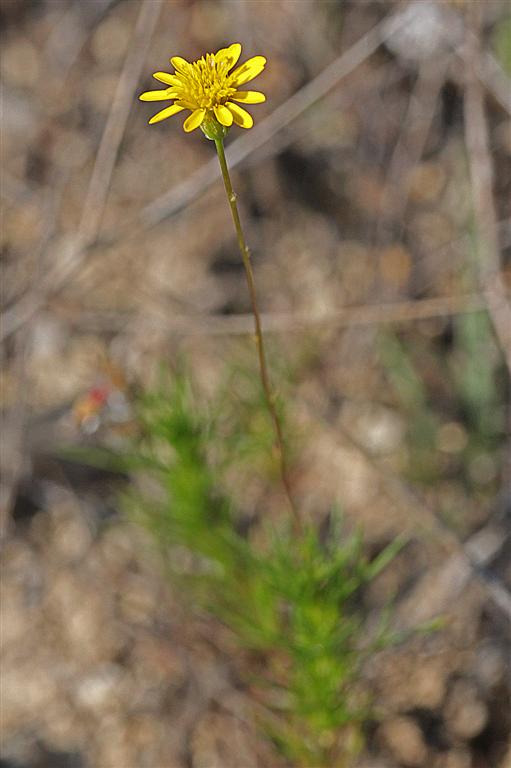
Dyssodia pentachaeta – Parralena
This perennial composite is on the short side – less than a foot tall. It’s found on dry caliche throughout Central Texas. This one was photographed during June’s plant survey field trip. The flowers are at the end of peduncles from 1 to 4 inches. I might have seen this in someone’s front yard the other day, but didn’t have my Enquist with me at the time to check it out.
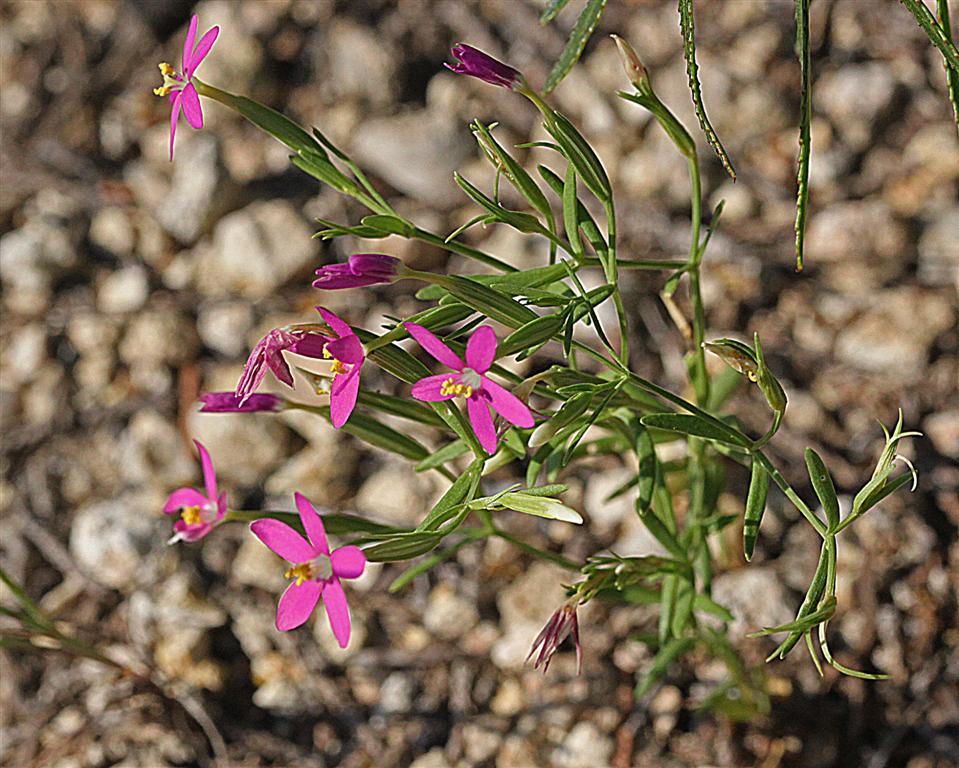
Centaurium texense – Lady Bird’s Centaury
Here’s another look at Lady Bird’s Centaury. this time a whole plant view. As mentioned previously, Mountain Pink is similar but it occurs in tightly bunched profuse cones of flowers, like a bouquet. As you can see, Centaurium texense is more loosely configured. In the field, this difference helps in the identification. Also obvious in this picture is the rocky calcareous soil in which it grows.
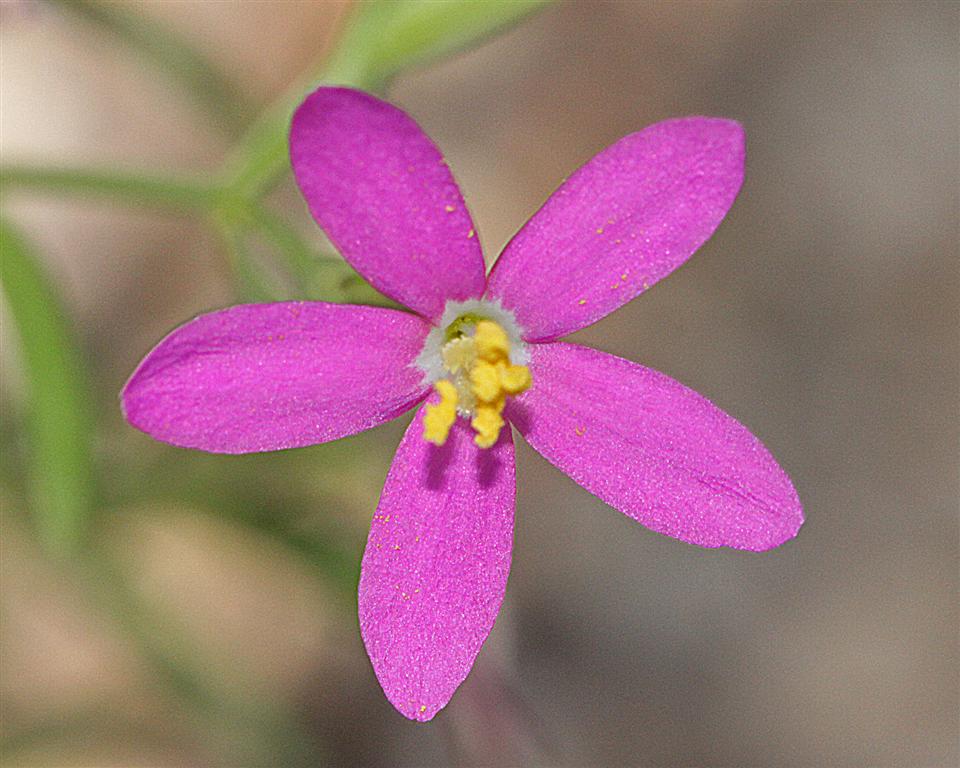
Centaurium texense – Lady Bird’s Centaury
Named after the former First Lady whose legacy lives on at the Wildflower Center south of Austin, this modest yet colorful little pink flower can be found on the rocky soils of the Hill Country. The individual bloom bears some resemblance to Mountain Pink, but the fact that one can isolate an individual bloom is a clue that this is indeed Centaurium texense.
Linum rupestre – Rock Flax
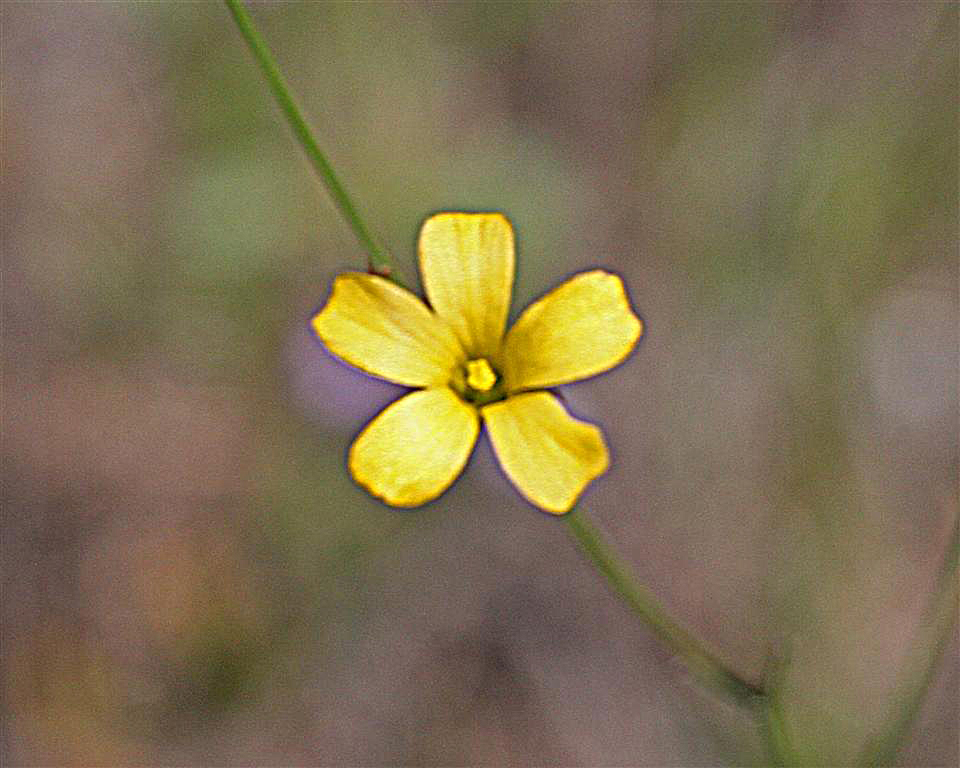
Here’s a different look at the Rock Flax, this time from above. Although not as artistic as the previous photo, this one does have the advantage of making it easier to identify the plant. Note the five petals and the yellow throat. Although not as obvious, another differentiating factor is the spindly stem, that grows upright from one to two feet tall.
Linum rupestre – Rock Flax
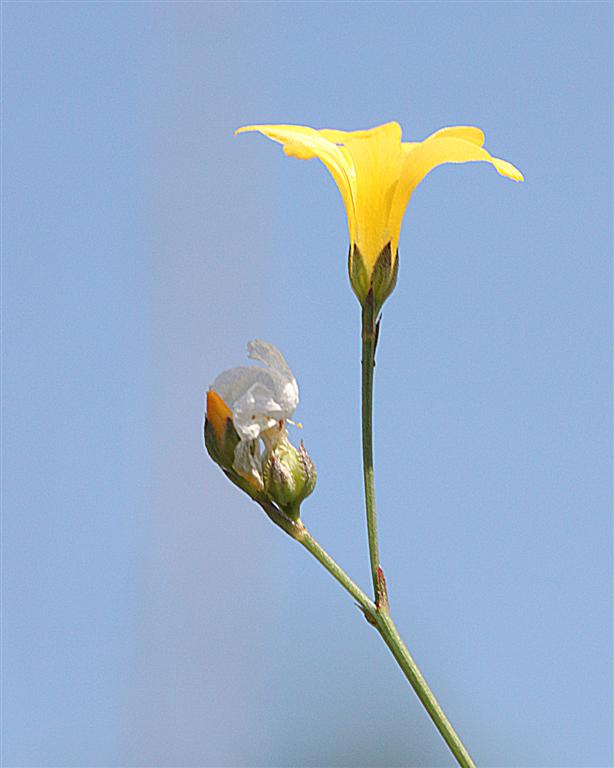
This is actually a fairly nondescript little yellow flower that grows in calcareous soils, hence the name Rock Flax. It is often found on caliche out in the sun. The yellow flowers have five petals. This photo was taken in an attempt to show the “tiny gland-tipped teeth” that line the margins of the sepals. Not sure that goal was completely achieved, but the photo is aesthetically pleasing nonetheless.