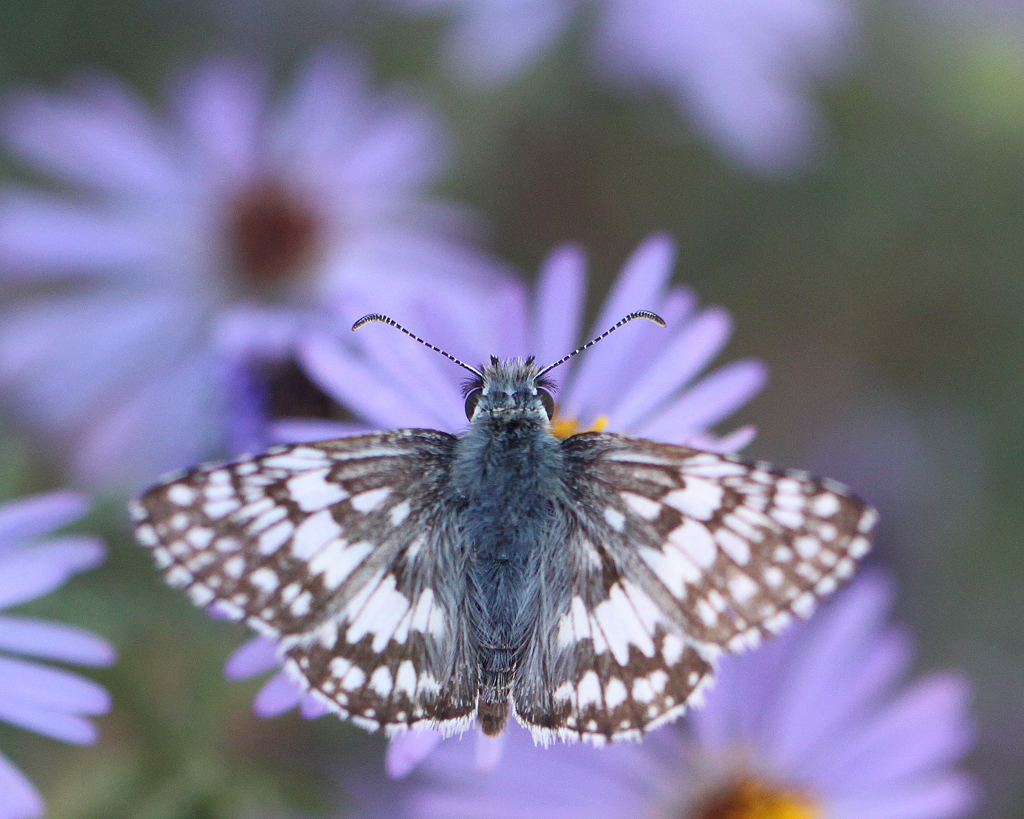
Pyrgus communis – Common Checkered Skipper on Symphyotricum oblongifolium – Fall Aster
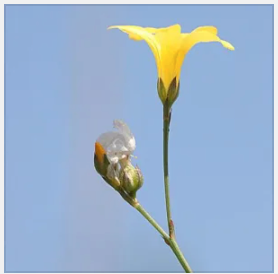
Pyrgus communis – Common Checkered Skipper on Symphyotricum oblongifolium – Fall Aster
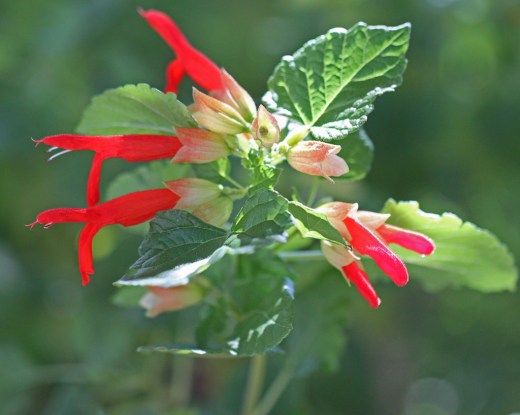
Salvia regla – Mountain Sage
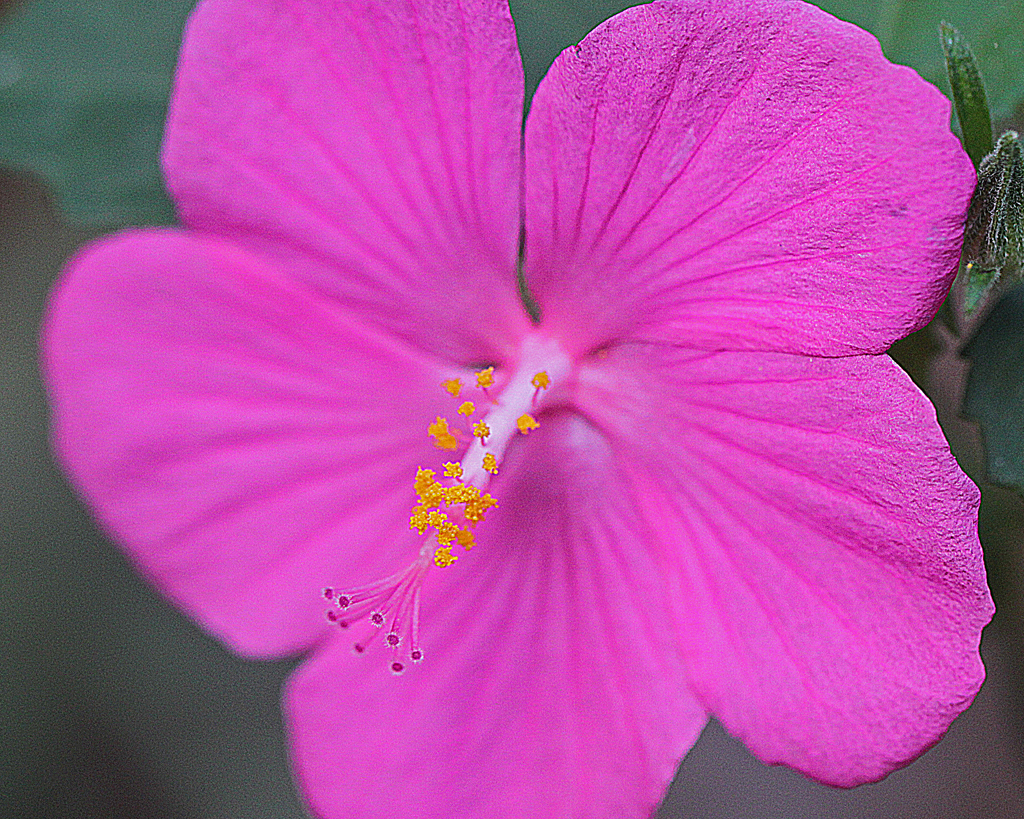
Pavonia lasiopetala – rose pavonia
Also known as Rock Rose and Rose Mallow, this Texas Native is an excellent alternative to hybrid roses and the like. It doesn’t require a lot of care and feeding, is resistant to bugs and moderately unpalatable to deer. I’ve noticed deer coming off the greenbelt lately to nibble on the acorns inside the subdivision where I live – but none in my yard of native plants bordered by salvias in the front. It is native to the Edwards Plateau, and prefers dry limestone soil locations, so this will grow best in the area of Williamson County that is west of Interstate 35.
It blooms from April through November, which is another of my criteria for choosing plants for my yard – they should be perennials and bloom for a long period of time – not just seasonal but cross-seasons.
And having come from Florida originally, I do enjoy that it so resembles a Hibiscus, as does the Turks Cap, another of my long blooming summertime favorites.
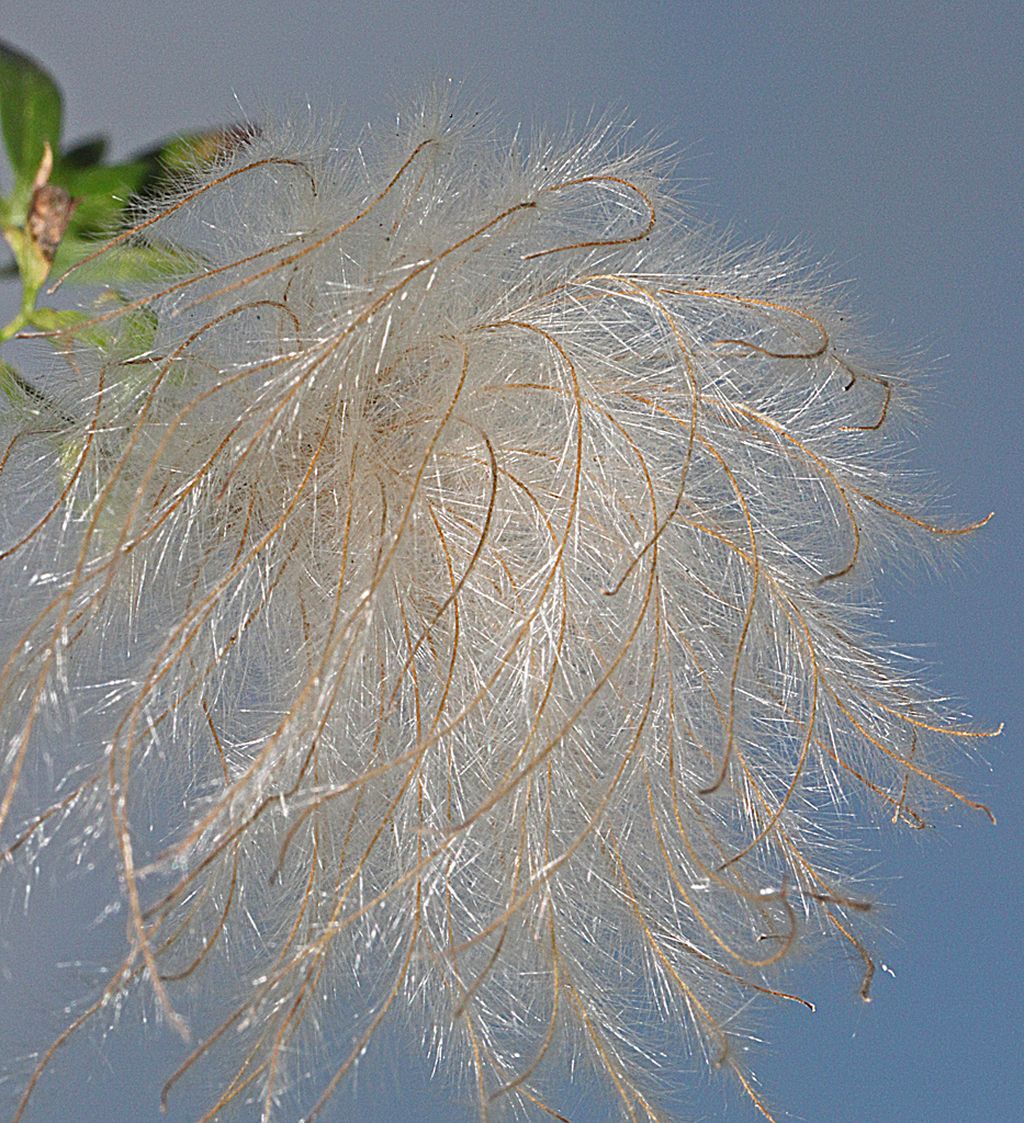
Clematis drummondii – Old Man’s Beard
Here is a flower that appears in the fall as a bunch of wispy cotton balls hanging over bushes and trailing all over the place. It’s fairly obvious how it gets the common name Old Man’s Beard, with its flowing white tresses of feathery seedheads. I have a slightly darker version of this photo against the sky. which remind me of something like spiders from Mars. Fortunately, lighten up the shadows and lo and behold, we have downy feathers.
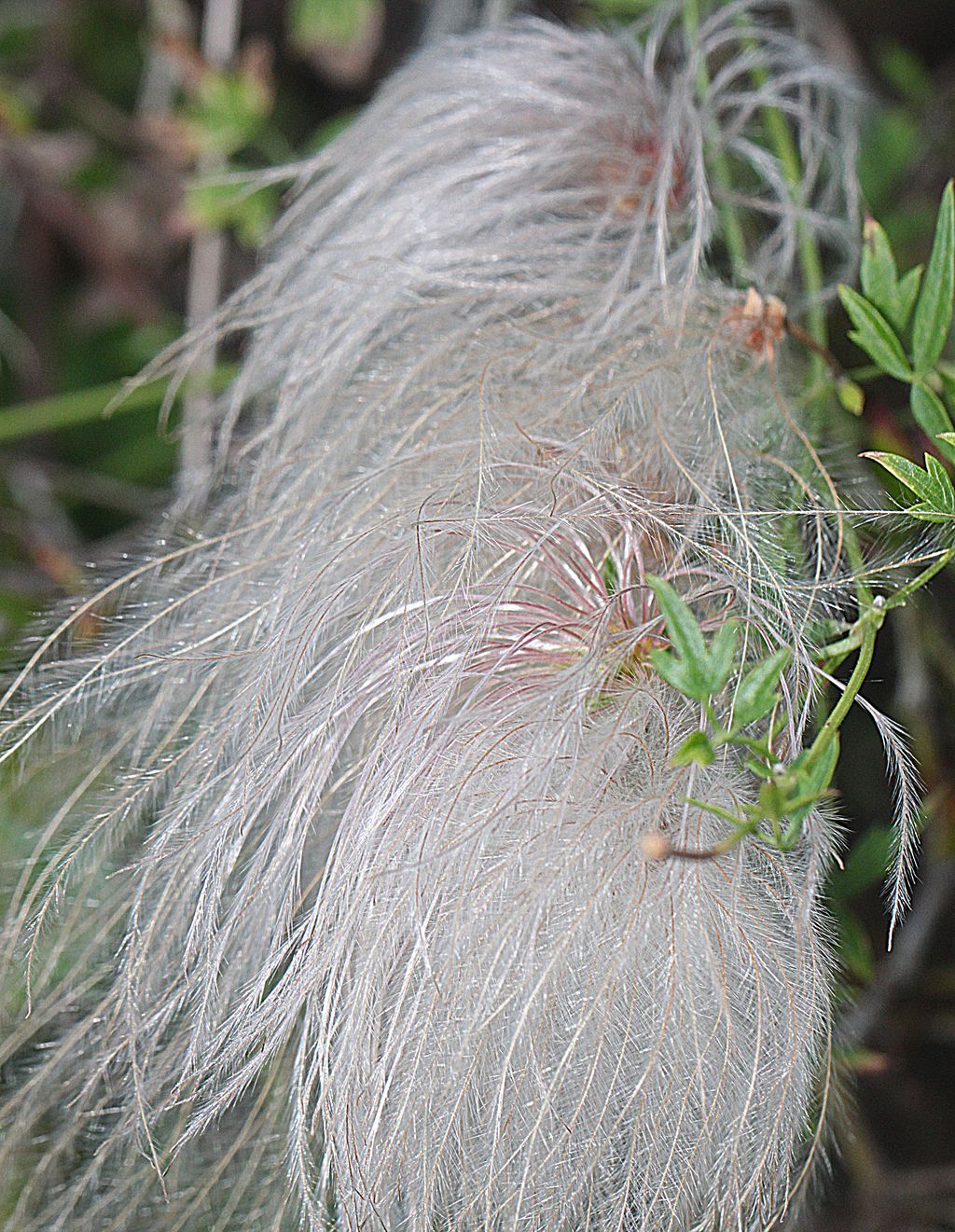
Clematis drummondii – Old Man’s Beard
Here’s a different angle, looking like a side view of ZZ Top. Not so feathery from this POV, a little grizzly perhaps. note: I just looked this up on the WFC’s NPIN and found out that drummondii is spelled with two i’s. Also that it’s called Texas Virgin’s Bower

Hylephila phyleus (male) – Fiery Skipper on Fall Aster
Here’s a busy little Fiery Skipper blending in with the similarly colored central flower blossoms of the fall aster. I’ve been busy resurrecting a different website and other such things and haven’t updated this site for some time.
Here’s another aster that has volunteered to appear in my yard and seems to be either a Prairie Fleabane out of season (not unheard of in this year of strangely out of season bloomers.) It looks to me to be a hierba del marrano or aster subulaus. The key identifier is the blush of purple … I seem to have noticed elsewhere that “baby’s breath” is another common name…
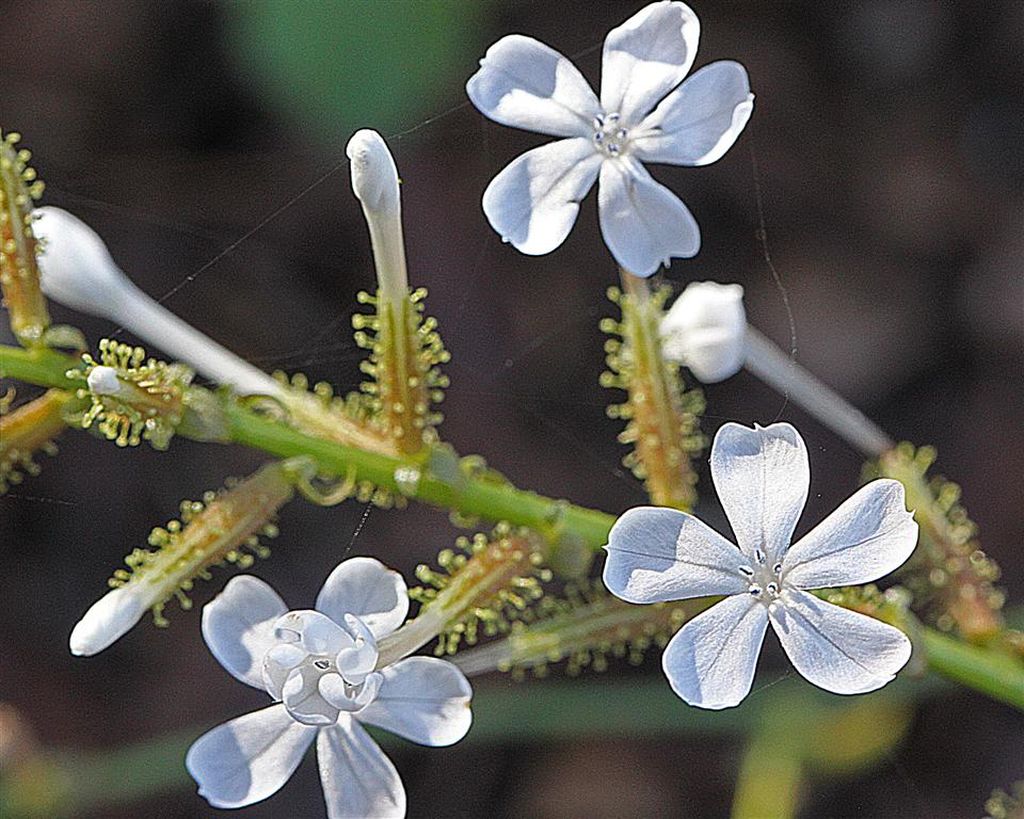
white flower 10-29-2012
And from October 29, and a trip to South Austin to the roadway around the Lady Bird Johnson Wildflower Center, comes this picture of an unidentified white flower that i haven’t been able to identify using the WFC’s online database. I’ve asked some folks but no one else seems to know either. I will be checking The Weeds OF The West and Toxic Plants Of Texas to see if there’s a match there…and the search for knowledge goes on.
And finally, since we are displaying our ignorance and searching for knowledge, here’s another unidentified flower from the roadside next to the closed on Mondays LBJ WFC – it does appear to be some sort of mallow to me, but so far no luck in figuring out each one. Oh well… tomorrow’s another day, or, based on the time zone in which this is being written, tomorrow is here, but the world is waiting for the sun to rise and I am waiting to sleep, perhaps to dream…
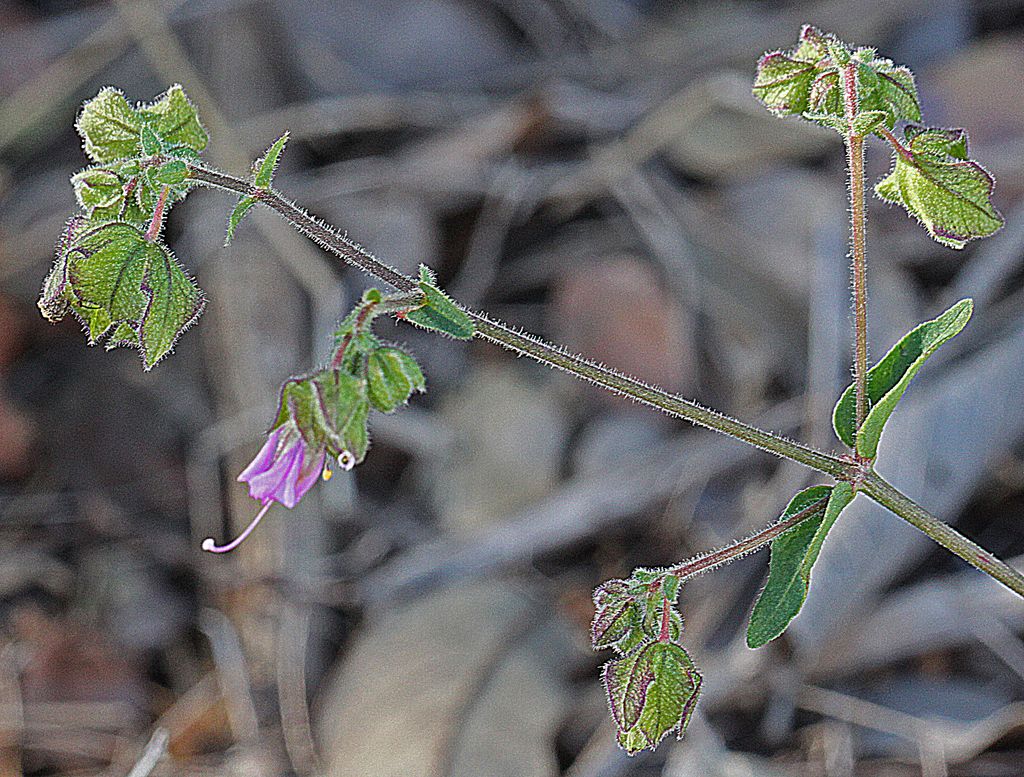
unknown flower at WFC

LILI Nothoscordum bivalve – Crow-Poison
The authorities have not yet reached a consensus whether this plant is toxic, either to humans or to crows, so they advise that you just don’t put this in your mouth. Or feed it to crows, I suppose.
Crow Poison can bloom early in the Spring, but as this shows, they can also bloom throughout the summer and well into fall. It is similar in size and shape to Allium Drummondii, Wild Garlic. Sight and Smell are the two senses that help to differentiate the two – Wild Garlic has a purple tint to its white flowers, and it smells like onion.
Here you can see the umbel of Crow Poison, with a couple of buds in the process still of opening. Elsewhere you can see an excellent photo by Joseph Marcus with the Lady Bird Johnson Wildflower Center in Austin, Tx (http://www.wildflower.org/gallery/result.php?id_image=13203 ). September 22, 2014 – Note: the linked photo used to be here. It has been removed in order to avoid infringing on Mr. Marcus’ copyright as well as to abide by the NPIN terms of use.
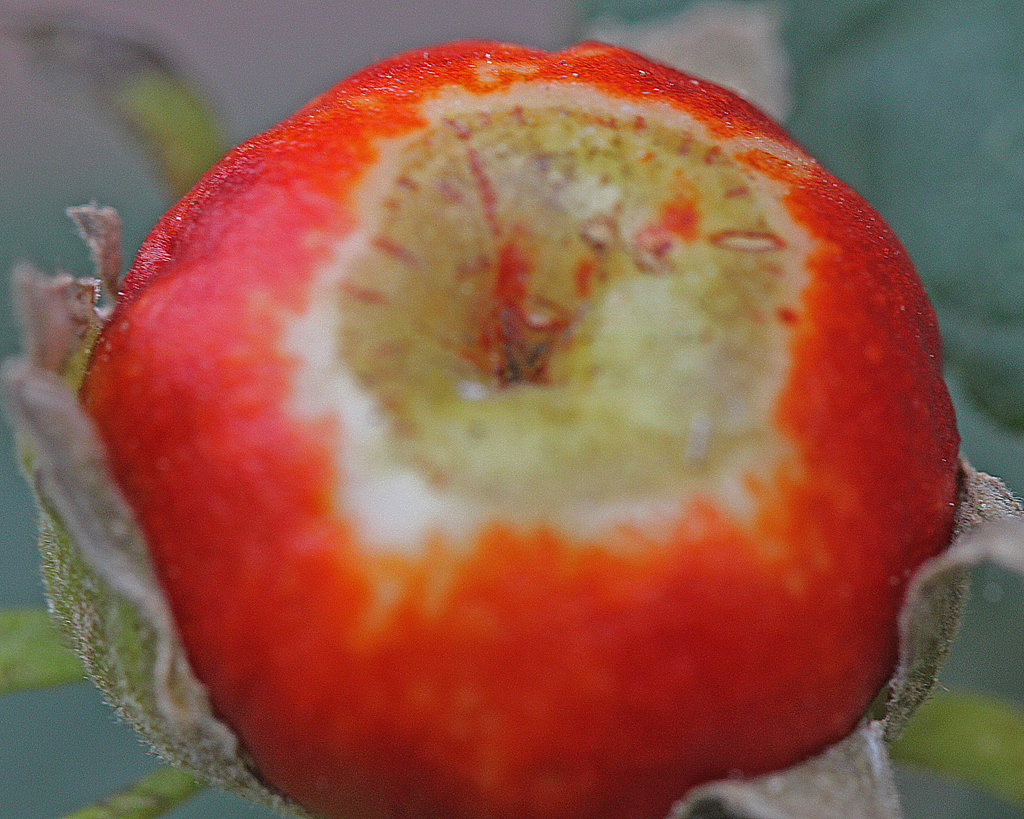
Malvavisus arboreus – Manzanilla
You might know this plant by the common name associated with its flower – Turks Cap. Today we see its edible fruit, with its obvious resemblance to a small apple, hence the common names Manzanilla and Mexican Apple. Manzanas of course, is Spanish for apples, and Manzanilla literally meaning “little apple” in translation.
The fruit is edible – I went back to look for this one a few days later and couldn’t find it. I assume it was eaten by a critter of some sort.
This illustrates some of the disadvantages of using common names for describing plants as well as some of the advantages of native plants in landscaping. The Malvaviscus arboreus provides nectar to hummingbirds and butterflies and other wildlife during its flowering stage, and fruit for wildlife after the bloom has gone. Having evolved in common with its habitat, it provides services to other living things that share that habitat. It’s deciduous, so it sheds its leaves which decompose into compost, enriching the soil if given the chance.
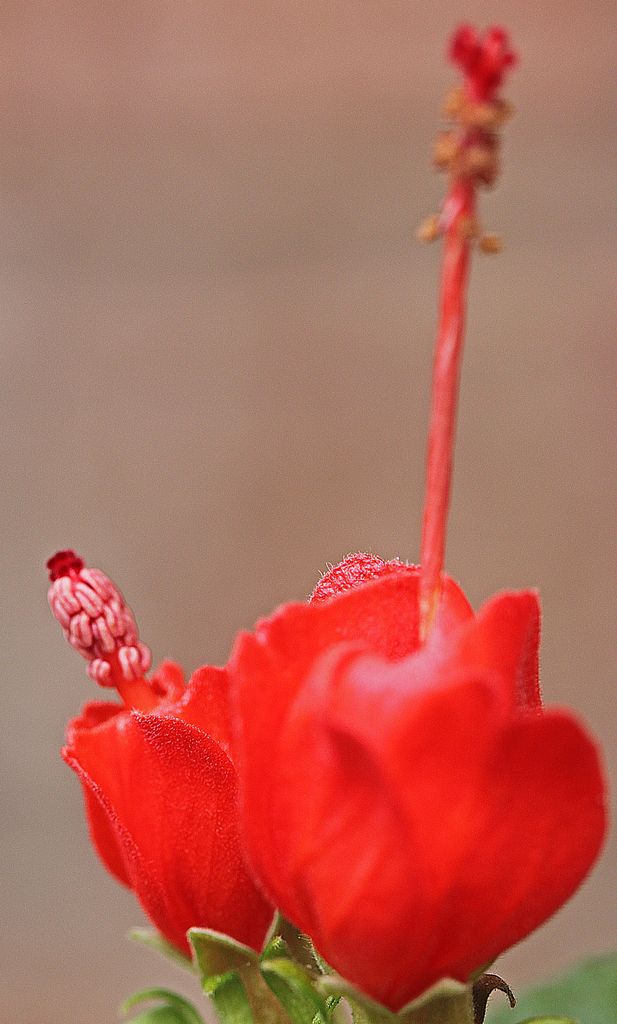
Malvaviscus arboreus – Turks Cap
It makes a good alternative to the exotic or alien Nandina which is ubiquitous in the nursery trade and has aggressively escaped into nature. Generally, folks advise cutting the dead wood back to about 1 foot somewhere around mid-February, but anytime after it drops its leaves is fine and should keep HOAs from finding fault with your native plantings.
It is shade tolerant as well as drought resistant, and also comes in a white-flowered variation.
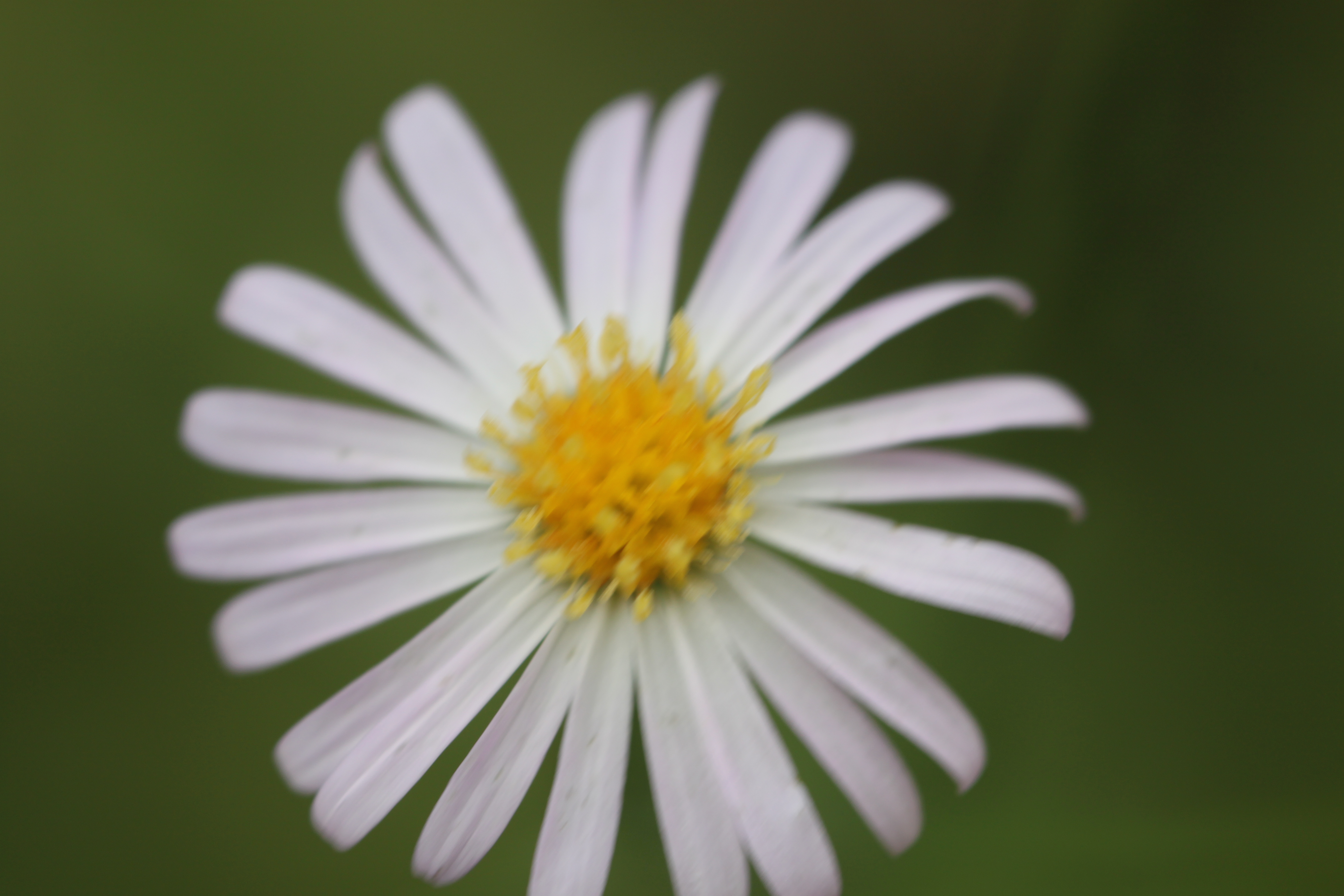
Symphyotricum subulatum – Hierba del Marrano
This flower can easily be mistaken for Prairie Fleabane. The main difference is the bloom period, which is July to November according to Enquist for this plant and February to May for Prairie Fleabane. In my yard it has appeared along the edge of a mass planting of Salvia farinacea which accounts for the wet,low place context in which it is usually found. Nursery grown fleabane is probably available at the Wildflower Center annual Fall Sale which ends today (October 14).
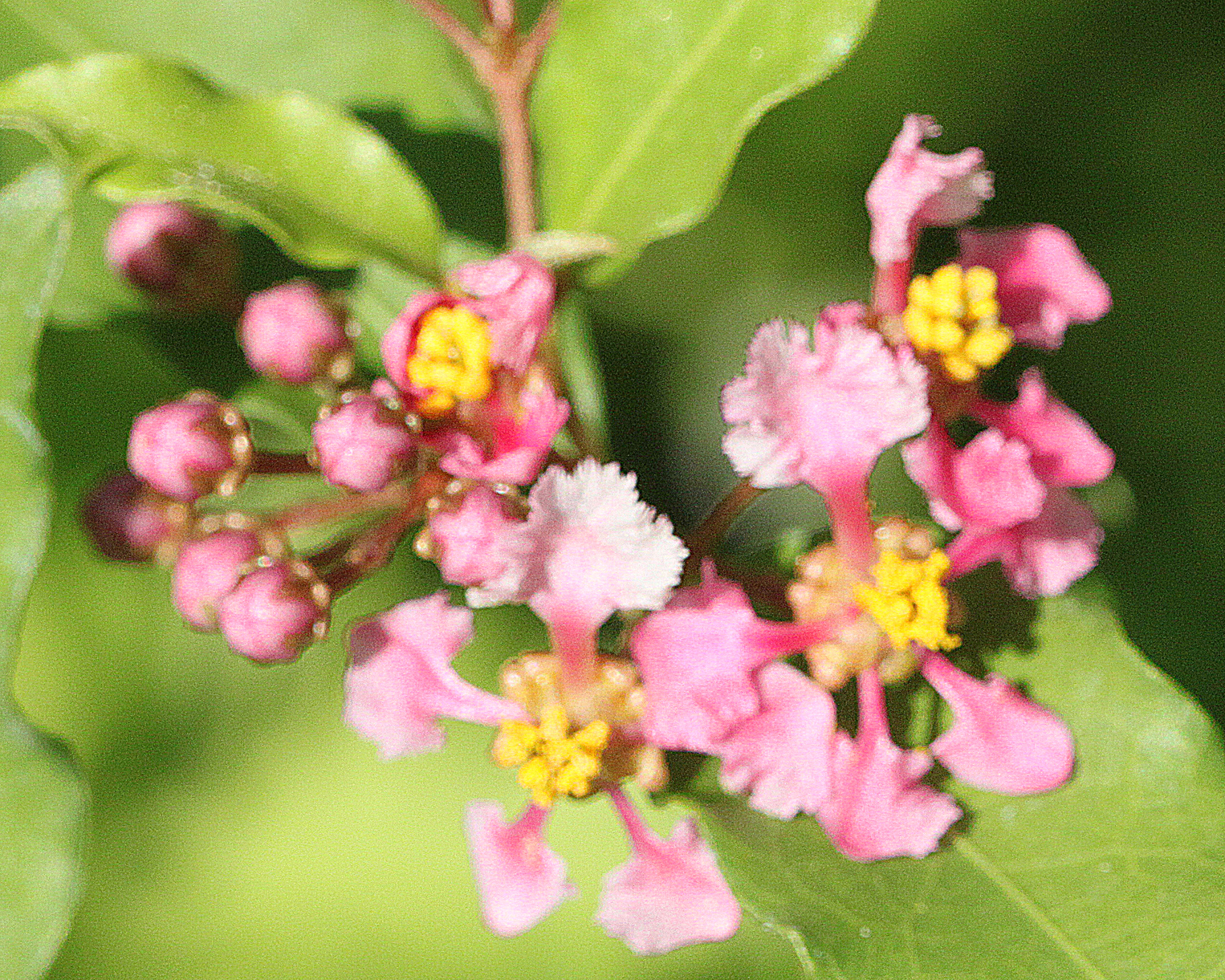
Malpighia glabra – Barbados Cherry
We used to have some of these back in Key West – the fruit, also known as Acerola cherries, is high in Vitamin C and can be used to make jelly. Or eaten as is.
While native to Texas, its natural range is in South Texas, and probably only bloomed this year because of the mild winter we had in 2011-2012. Its also native to Mexico, south to South America to Brazil.
I attended a talk on edible native plans for your garden this past Tuesday. Like many of the other edible natives that I have, in experience the widlife take the lion’s share of any fruits and I am left with to scavenge the gleanings.
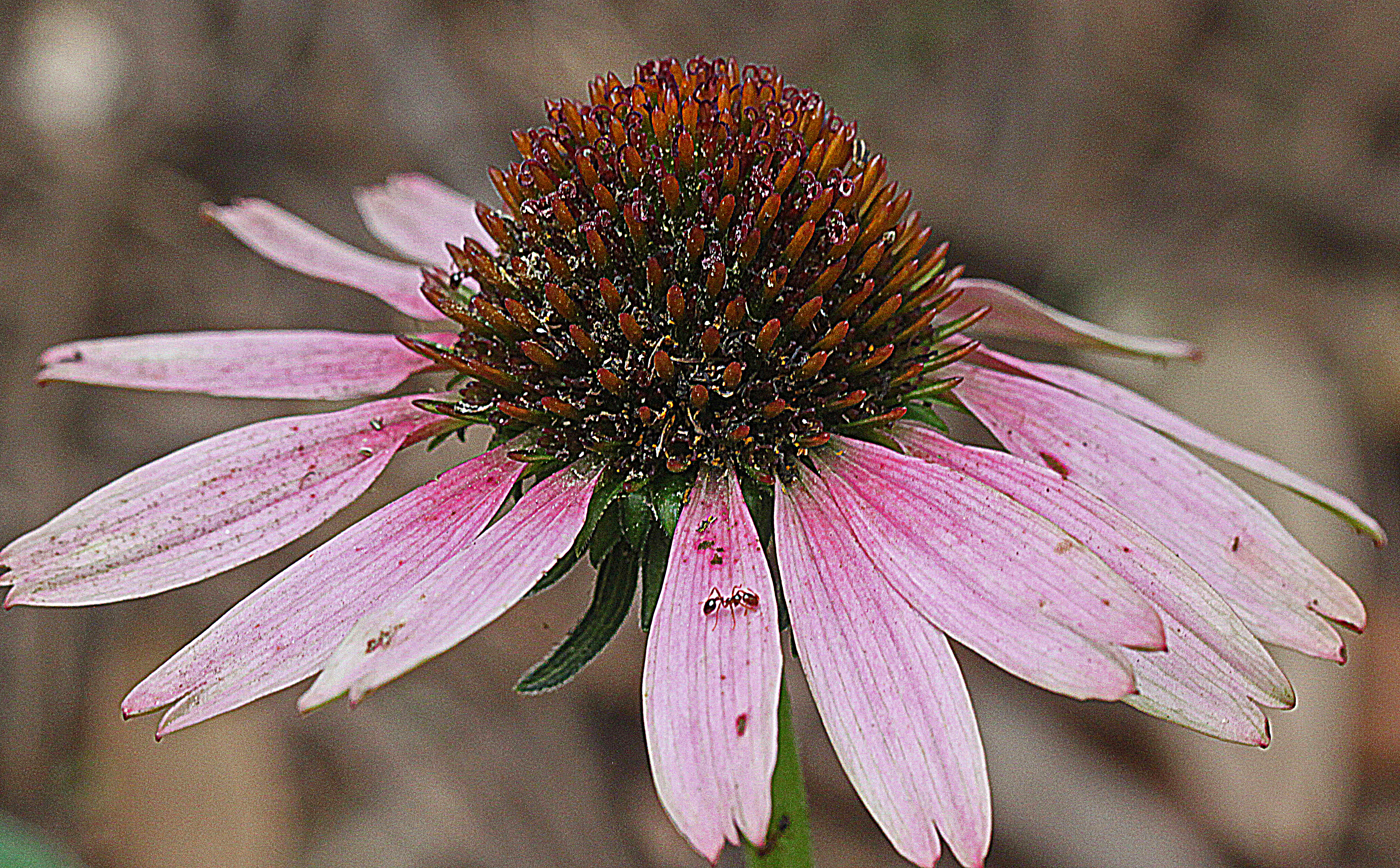
Echinacea purpurea – Purple Coneflowewr
This is a pretty shaggy specimen of a Coneflower, with a couple of ants crawling about the petals, but here it is October and nominally outside its blooming period (April-September) and it has just recently bloomed.
I’ve made a tea from the leaves of the passion flower vine, but I haven’t actually made Echinacea tea, although I’ve had tea with Echinacea in it. Yet.
In years previous, I’ve had some pretty healthy looking Purple Coneflowers, but this year they seem to have lagged a bit. It has been a year to remember for being off the norm. Or perhaps it’s a year in which a new normal is being established.

