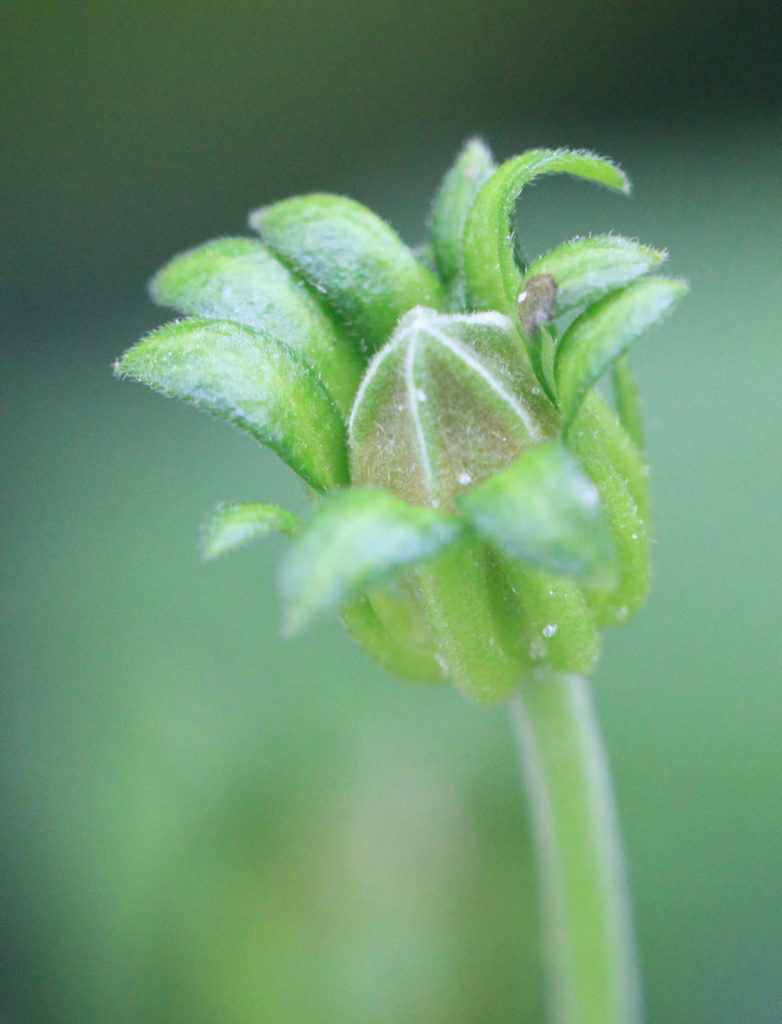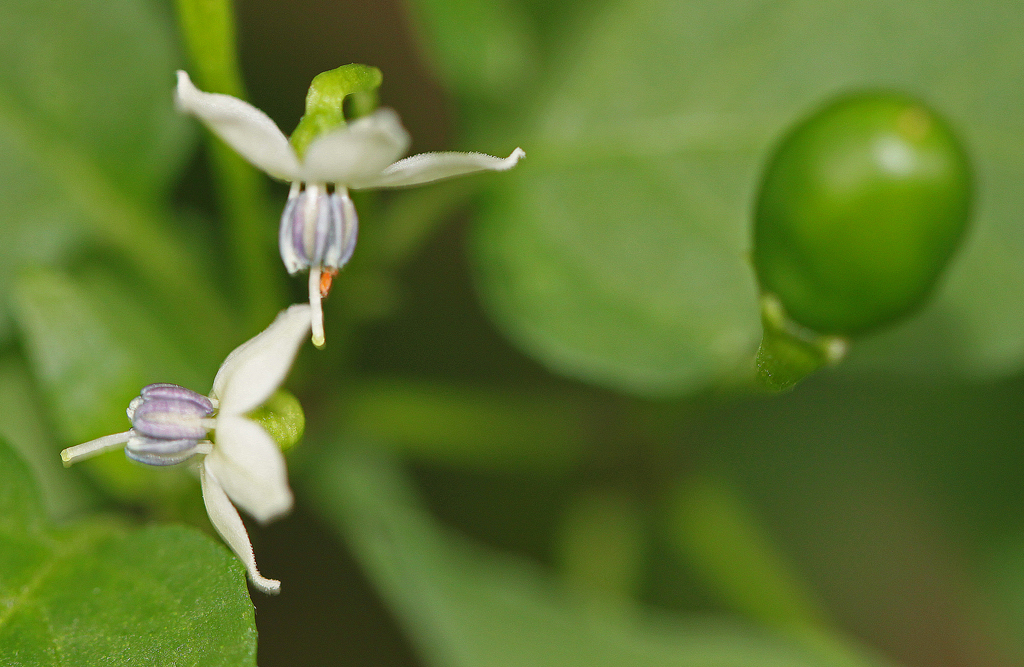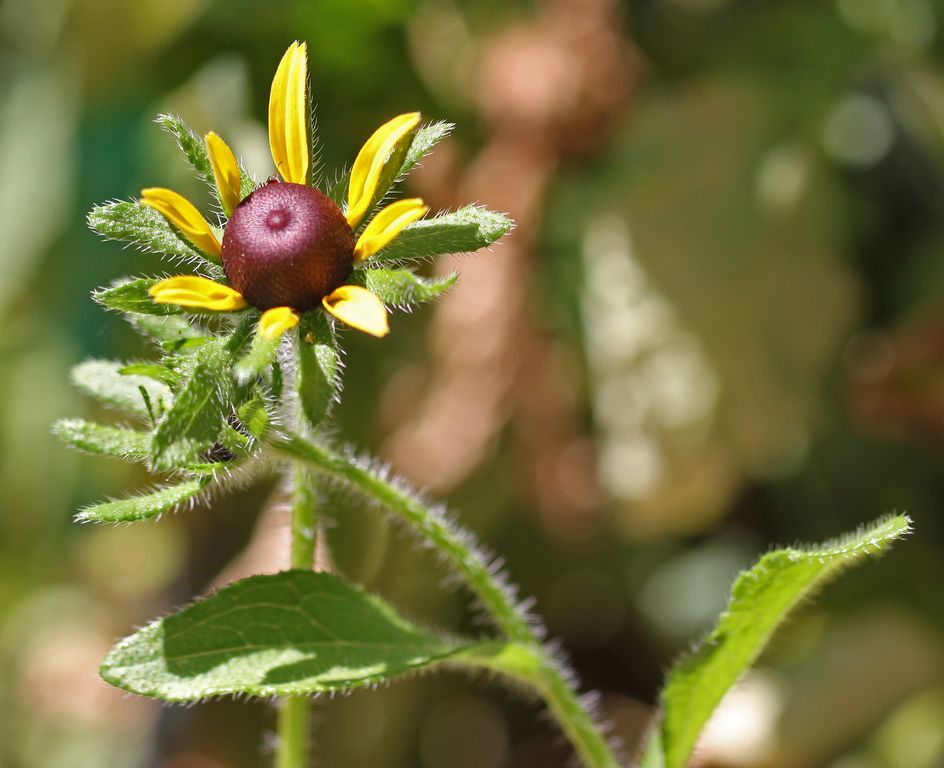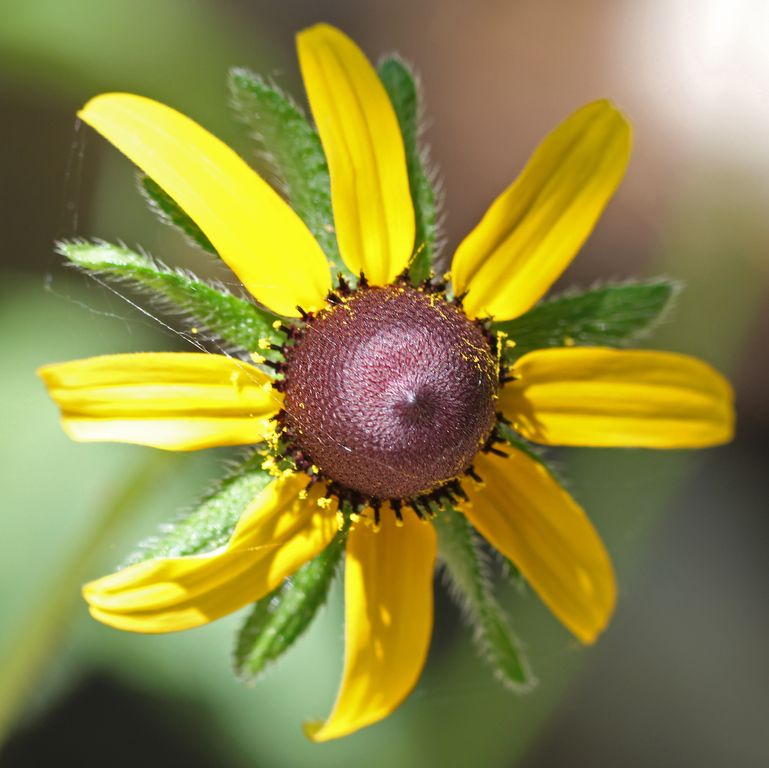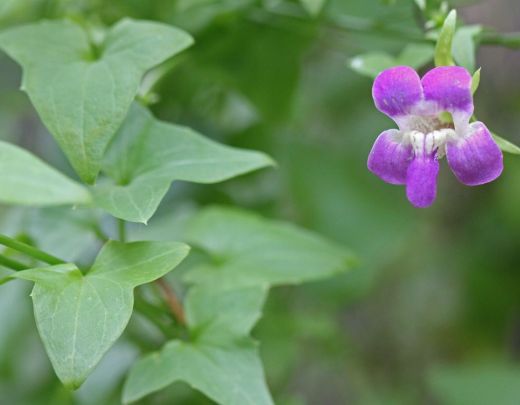
Two of these wildflowers have shown up in my garden this year, most likely sown by birds. Not surprising, since it is one of the most widespread native plants in North America, native across Canada and the U.S. westward to New Mexico. It can grow in many light conditions, from sun to shade, but apparently doesn’t like calcareous or alkaline soils. It propagates itself easily by reseeding and can become aggressive if not faced with competition. It also has been widely used for medicinal as well as aesthetic purposes. What’s not to like about this cheery ornamental? For more information and links to more information than you can imagine, check out the entry at the NPIN plants database.
Author Archives: RobertKamper
Maurandella antirrhiniflora-Snapdragon Vine

leaves and flower
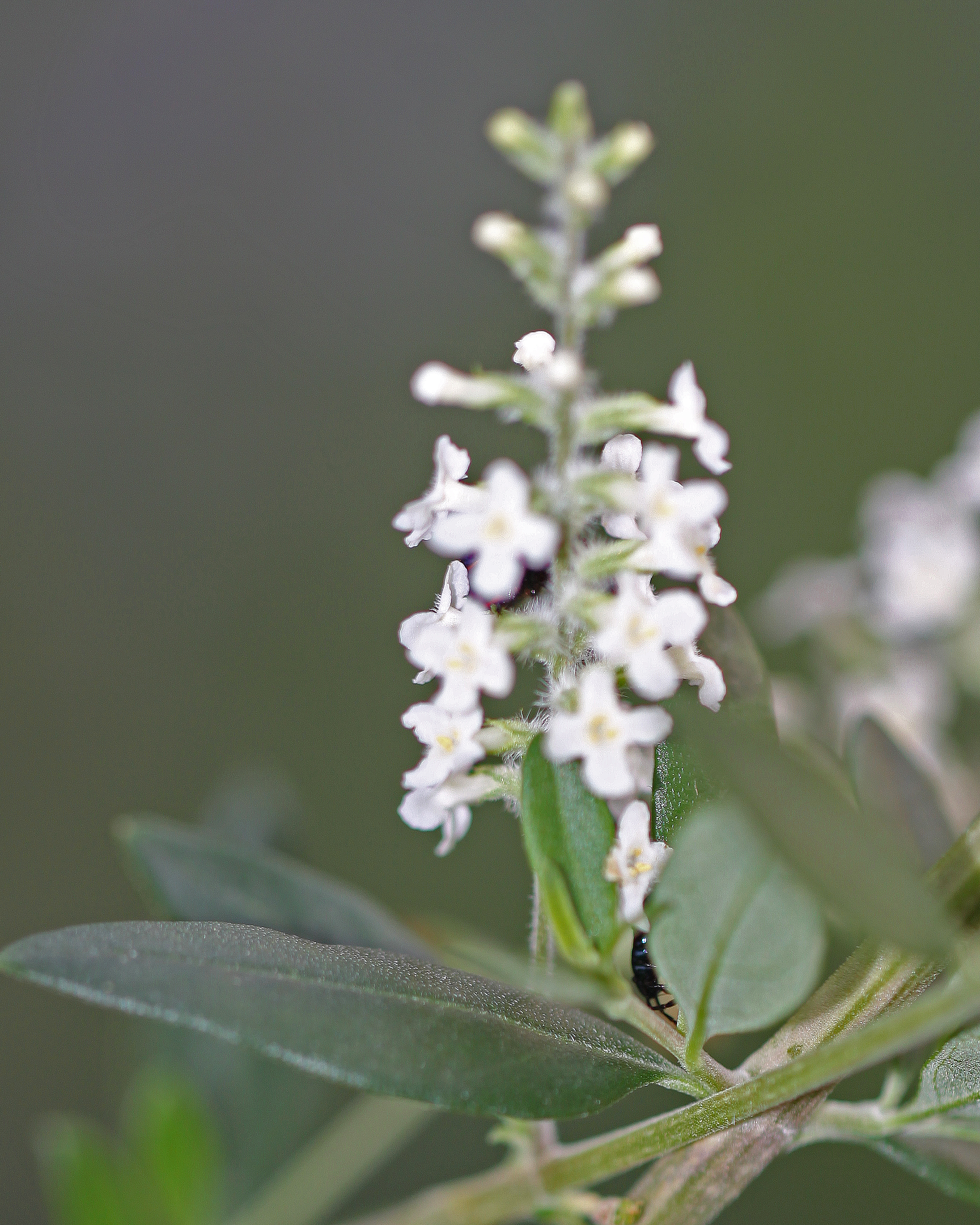
Aloysia gratissima – Beebrush
This Beebrush has been in the front yard under the Oak tree for several years now, and it probably should be transplanted to a spot where it will get full sun. Although it does have these vanilla scented spikes of flowers that attract bees and butterflies and other nectar feeding insects, I find it tends to be spindly in the partial shade it gets, and trimming shrubs is not my strong suit.
So if anyone in my vicinity (Round Rock TX) wants a high maintenance native plant that has a medium water use profile and likes moist soils, feel free to come over and dig it up with my blessings. Because this lovely little shrub will probably not make it through the summer in my yard, as it gets replaced by shade loving plants with low water requirements.
Penstemon tenuis – Brazos Penstemon
Peucetia viridans, the green lynx spider, hangs out on one of the purple, bell-shaped blossoms of the Brazos or Gulf Coast Penstemon. The flowers grow on spikes reaching a mere foot to foot and a half in height. They thrive in moist soil and sun and partial shade, in both clay and sandy loam soils. Native to Texas, Louisiana, Arkansas and Mississippi, it can handle poor drainage. A good choice for a perennial garden, it can easily reseed itself and spread through the garden. It is attractive to hummingbirds and nectar feeding insects, which apparently also attracts predators like the spider shown above. Also known as Sharp sepal Beardtongue, the blooms begin in March and continue through June.
Lupinus texensis – Texas Bluebonnet
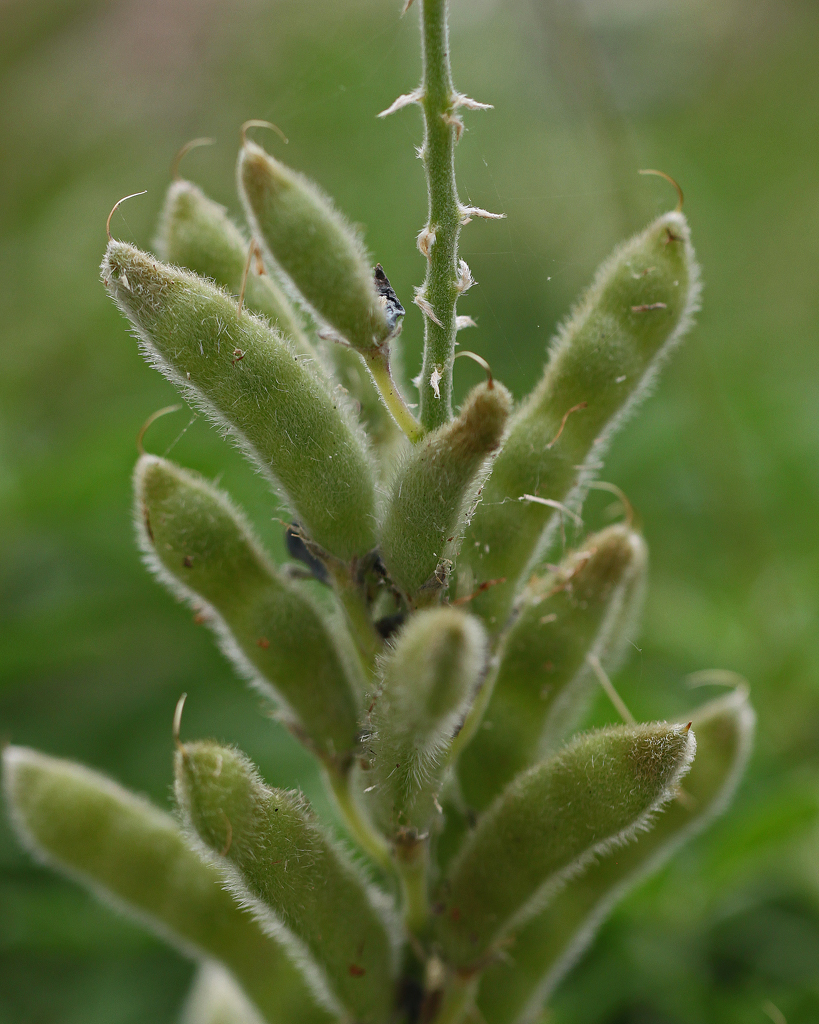
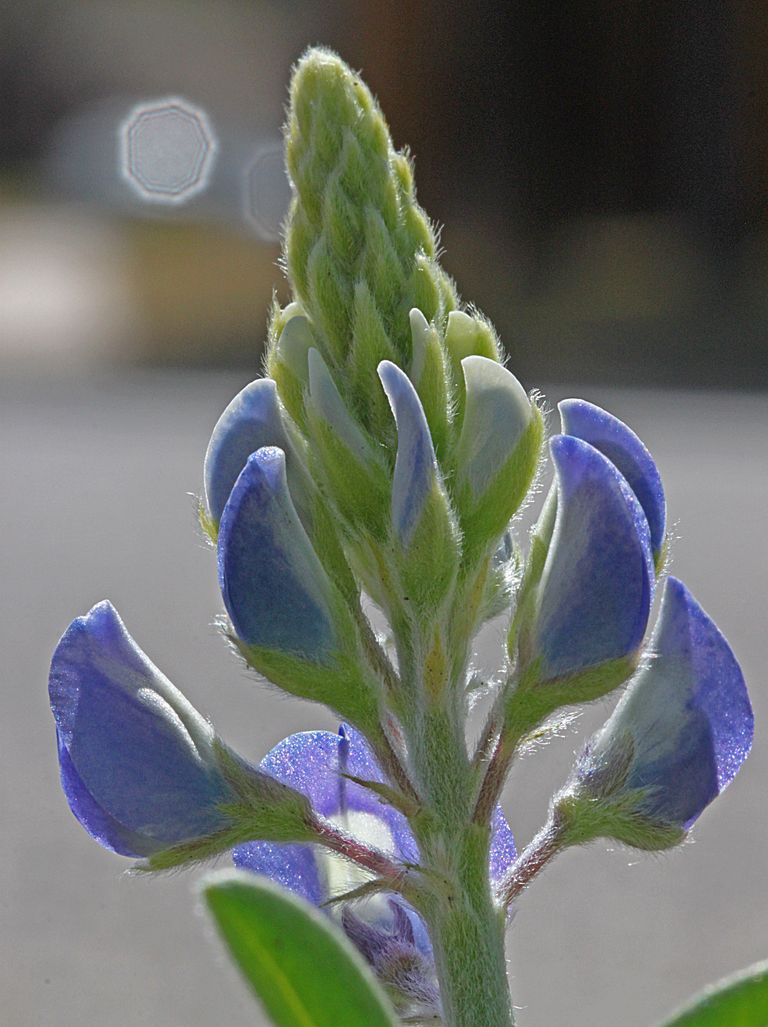
The earliest blooms on my Bluebonnets have gone to seed, leaving behind these pods with five visible bulges indicating the fruit inside. Compare with this view taken in March of this year:
One can clearly see that the flowers have turned to fruit. Later it will become dessicated, turning brown. If you aren’t aware of the life cycle of the bluebonnet, it will then appear to be a weed, in violation of Home Owners Association rules almost everywhere. Then it will open, expelling the seeds forcefully and sowing the Bluebonnets of the future.
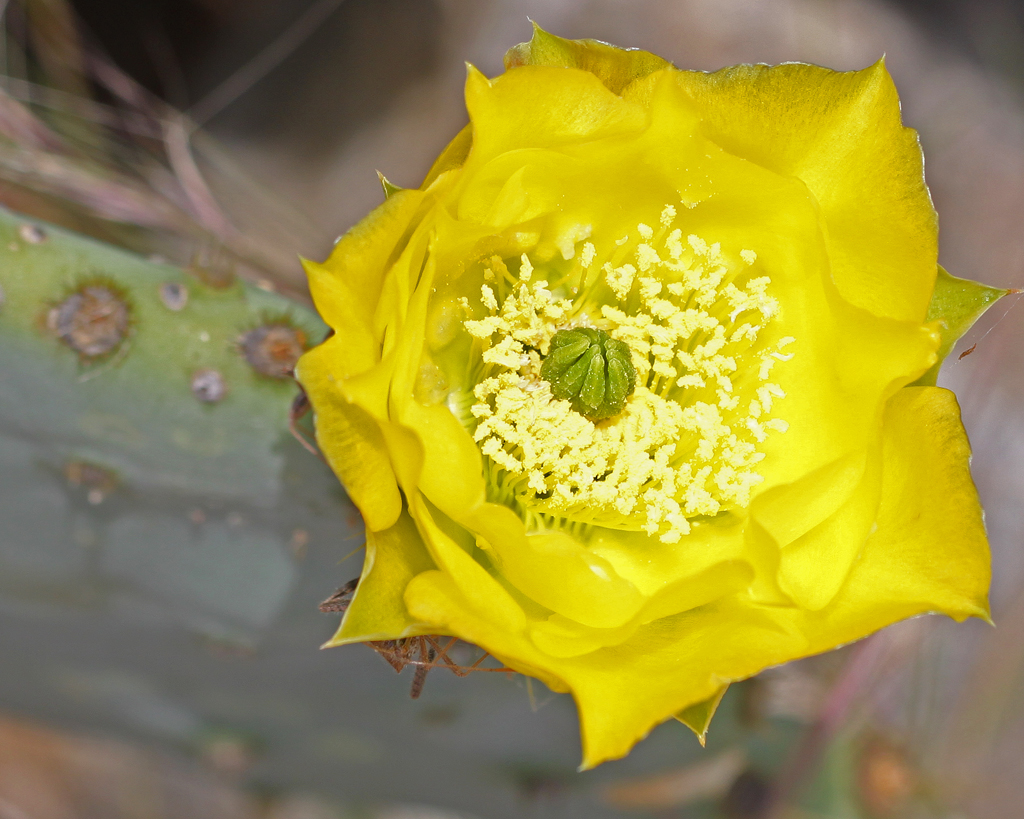
Opuntia species – Prickley Pear
Caught this bloom today at the Wildflower Center south of Austin. The Prickley Pear Cacti behind my house don’t seem to be in any hurry to bloom, or I’d have taken a picture of one of them instead. Prickley Pear is almost ubiquitous in these parts – they’re what’s left after folks let cattle and goats overgraze their land in order to get the agricultural use tax rate. The “tunas” (fruit) of this cactus is edible, as are the pads, once the spines are removed. They call them nopalitas and you can search Google to find recipes, products and such.
Pavonia lasiopetala – Rock Rose
Also known as Rose Pavonia, Rose Mallow, and simply Pavonia, this small shrub is a member of the Mallow family. It blooms from April through November, and got started blooming a little earlier this year in March. Its pink flowers remind you of Hibiscus, but unlike its cousin the Swamp Rose Mallow (found in swamps and ditches), this is found in rocky areas (thus the monicker “Rock Rose”) and slopes in woodlands and at the edge of thickets.
Also known by the scientific name of Pavonia wrightii, Rock Rose is a perennial shrub, with oblong alternating leaves, as seen here. It is drought tolerant and cold tolerant, and can handle full sun to partial shade conditions. It attracts butterflies, moths, and hummingbirds and is a good choice for a perennial garden, providing blooms throughout the summer.
Say It Ain’t So, Joe!
From Mr Smarty Plants:
TUESDAY – MARCH 19, 2013
From:Buda, TX
Region: Southwest
Topic:Problem Plants, Turf
Title: How to control Yellow Woodsorrel in Habiturf?
Answered by: Joe MarcusQUESTION:
Last year we planted Habiturf in our front lawn and prepared the ground as directed with organic compost. This year we have an infestation of low growing yellow oxalis which we believe came in with the compost as we have not had this before. What do you recommend as a control? as weeding will not get all of it and the areas are large. We are considering using an herbicide knowing it will knock out our grass but then we will reseed.
ANSWER:
Yellow Wood Sorrel, Oxalis stricta, and Slender Yellow Wood Sorrel, Oxalis dillenii, both North American natives, are often unwanted visitors in lawns, especially newly-establish or unhealthy lawns. As your lawn matures and develops a denser stand of grass, broadleaf weeds like Wood Sorrel will be less of an issue. Promoting healthy grass growth will eventually pay off in reduced weed infestation.
There are broadleaf herbicides labeled for use on oxalis. These chemicals are specific to dicot weeds and will not kill grasses and other monocots if used properly. We take neither a pro nor con stance on garden chemicals, but only urge those choosing to use them to do so in a manner that is safest for them and the environment and to strictly adhere to label directions.
Other than hand weeding, we know of no effective organic control for Oxalis species.
In the words of Lennon & McCartney, how about “Let it be”?
This is a golden opportunity to change from turf to wildflowers.
Intruder Alert
Imagine my disappointment when I stepped outside and glanced down at the the foot of a Leucophylum frutescans Cenizo bush and saw this too familiar sight. Tomorrow I will dig it up and throw it in the trash and bid it good riddance. Unfortunately, I can’t go into my neighbors’ yard and remove the plants which may have been the source of the seed dispersed by birds which resulted in this invasive species specimen.
If you see any of these, or have any in your yard, I hope you’ll do the same.
Glandularia bipinnatifida – Prairie Verbena
Also known as Dakota Mock Vervain, these low-lying forbs start blooming in March and continue through December. They are attractive to butterflies as well as people, and are drought tolerant. Appropriate in the wildflower meadow as well as butterfly or ornamental garden.