This past Saturday (May 29, 2022), I went out of the house for a change, on a field trip with the Williamson County Chapter of the Native Plant Society of Texas (NPSOT-Wilco), at the Southwest Williamson County Regional Park (SWCRP). The field trip consisted of walking along the Jim Rodgers Nature Trail, 1.75 miles long, I’m told.
I managed to arrive late, but soon caught up with the group. (Usually I arrive a week early, having managed to forget the actual date and time).
Then I managed to continually fall behind and catch up, working up a sweat. Because this was an evening field trip on a fairly even path (it does need mulching to give it a little more comfort underfoot), the pace of the hike was a little closer to a real hike than the usual NPSOT or Texas Master Naturalists’ walk in the woods – where it often takes an hour to go half a mile down the trail – if that much. And yet, I was able to get some interesting shots of some of the native plants and wildflowers.
And from the abstract and significance statement of the original (non-open access) article:
Physical exercise improves motor performance in individuals with Parkinson’s disease and elevates mood in those with depression. Although underlying factors have not been identified, clues arise from previous studies showing a link between cognitive benefits of exercise and increases in brain-derived neurotrophic factor (BDNF). (emphasis added).
and:
Exercise has been shown to improve movement and cognition in humans and rodents. Here, we report that voluntary exercise over 30 days leads to an increase in evoked dopamine (DA) release throughout the striatum, and an increase in BDNF in the dorsal (motor) striatum. The increase in DA release appears to require BDNF, indicated by the absence of DA release enhancement with running in BDNF+/- mice. Activation of BDNF receptors using a pharmacological agonist was also shown to boost DA release. Together these data support a necessary and sufficient role for BDNF in exercise-enhanced DA release, and provide mechanistic insight into the reported benefits of exercise in individuals with dopamine-linked neuropsychiatric disorders, including Parkinson’s disease and depression. (emphasis added).
The citation:
Voluntary exercise boosts striatal dopamine release: evidence for the necessary and sufficient role of BDNF, Guendalina Bastioli, Jennifer C. Arnold, Maria Mancini, Adam C. Mar, Begoña Gamallo-Lana, Khalil Saadipour, Moses V. Chao, Margaret E. Rice,Journal of Neuroscience 16 May 2022, JN-RM-2273-21; DOI: 10.1523/JNEUROSCI.2273-21.2022
So that covers why exercise is good for all. But what about what is good for the one?
… there is growing recognition that PD is not a single entity but instead reflects multiple diseases, in which different combinations of environmental, genetic and potential comorbid factors interact to direct individual disease trajectories… The clear consequence of there being distinct diseases that collectively form PD, is that there is no single biomarker or treatment for PD development or progression. We propose that diagnosis should shift away from the clinical definitions, towards biologically defined diseases that collectively form PD, to enable informative patient stratification. N-of-one type, clinical designs offer an unbiased, and agnostic approach to re-defining PD in terms of a group of many individual diseases. . (emphasis added).
The citation links to PubMed where you can download the full article, should you be so inclined. The next citation also links to an open access free article.
In this article, Riggare reports on self tracking done in 2012 (as a Person with Parkinson’s), and the offer the possibility that self-tracking of symptoms and medications can help to inform the physician’s decisions over the course of treatment. In other words, one should be a self-advocate as a patient and work with your physician to achieve the best combination of treatments to address Parkinson’s and its comorbidities. (At least that’s my takeaway from the article. Others might differ).
Another look at PD aims to categorize it into various sub-types:
This article is a “desk review”of other studies, using specific criteria to either include/exclude each study in the results. Their conclusion:
Conclusion: Subtyping studies undertaken to date have significant methodologic shortcomings and most have questionable clinical applicability and unknown biological relevance. The clinical and biological signature of PD may be unique to the individual, rendering PD resistant to meaningful cluster solutions. New approaches that acknowledge the individual-level heterogeneity and that are more aligned with personalized medicine are needed. (emphasis added).
Among the articles cited in the bibliography is this one (another open access article):
In this, the authors describe their methodology and results from the Oxford cohort (one of several cohorts of PwPs and controls that have been used for research. (I would take the time and effort to locate the original publication describing the different cohorts involved in the effort to find biomarkers, but I am currently experiencing a wave of Parkinson’s related apathy. Check my past posts, or do a search on PubMed – I do remember that Oxford and Boston were two of the cohorts of PwPs. But I digress).
Results: Apolipoprotein A1 and C-reactive protein levels differed across our PD subtypes, with severe motor disease phenotype, poor psychological well-being, and poor sleep subtype having reduced apolipoprotein A1 and higher C-reactive protein levels. Reduced apolipoprotein A1, higher C-reactive protein, and reduced vitamin D were associated with worse baseline activities of daily living (MDS-UPDRS II).
In other words: Close, but no cigar. But I, for one, certainly could have benefited from this knowledge had it been available 60 years ago. (don’t get me started – I’ve played that tape many times before).
It has been a while since I have been able to venture far from my own yard, but here’s what I got to report, mostly from my front, side, and back yards:
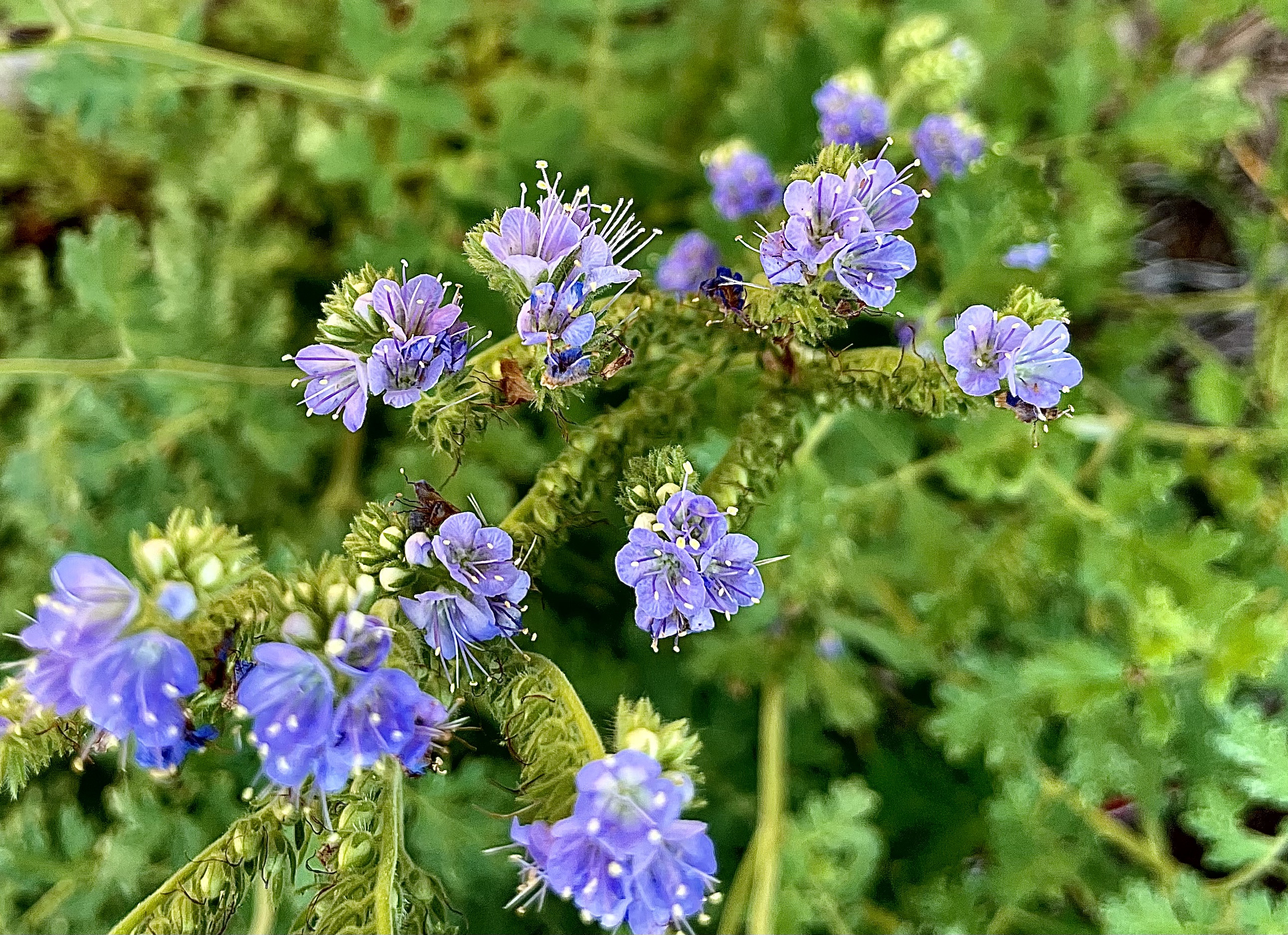
Phacelia congesta – Blue Curls (These, like the Bluebonnets, are mostly gone to seed by now).
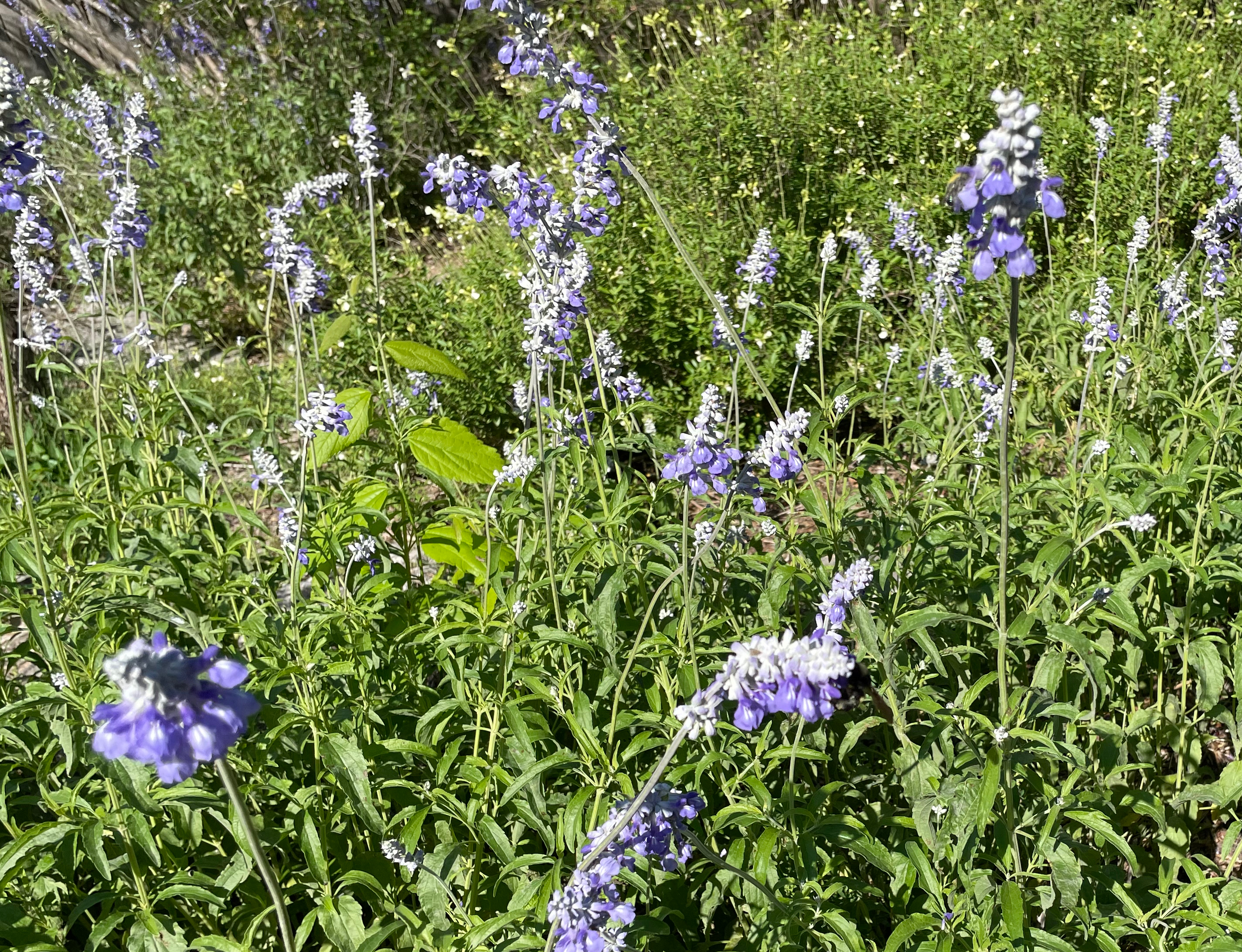
Salvia farinacea – Mealy Blue Sage *These will provide nectar to native Bumble Bees and other pollinators through the Spring, Summer, and into Autumn).
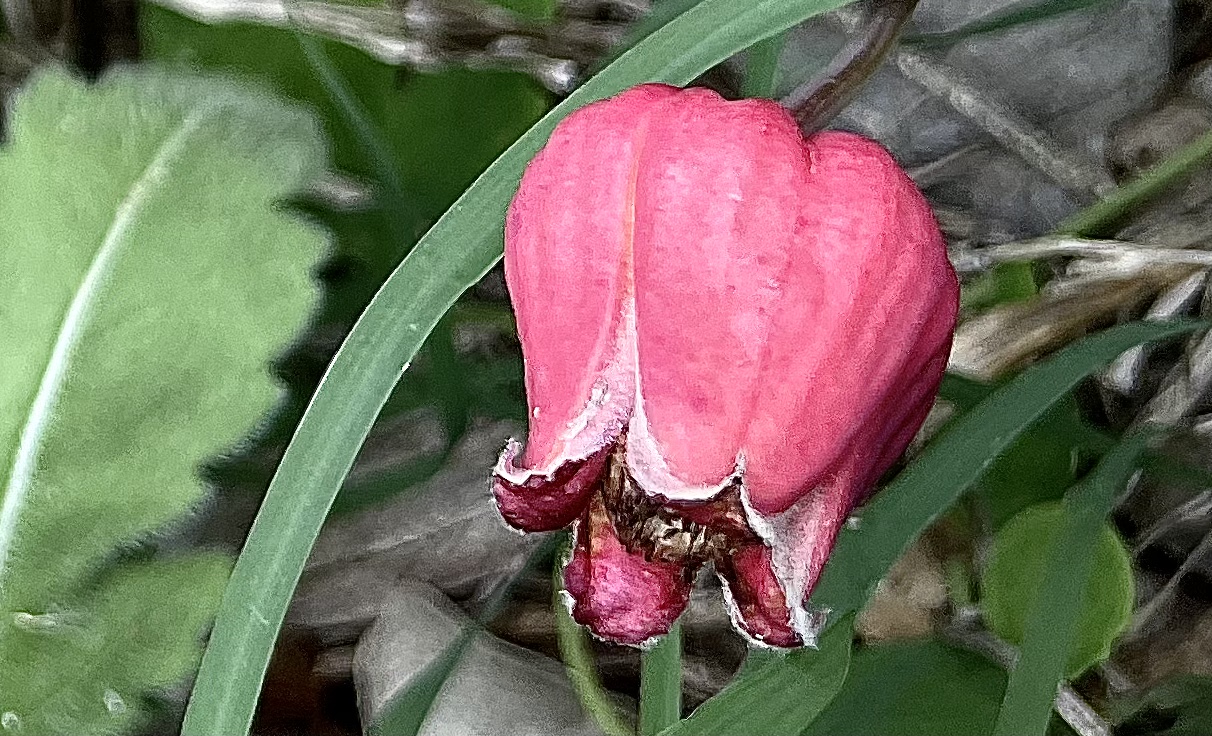
Clematis texensis – Scarlet leather flower (This plant is endemic to the Edwards Plateau region of Texas. This one is cultivated in its native ecoregion).
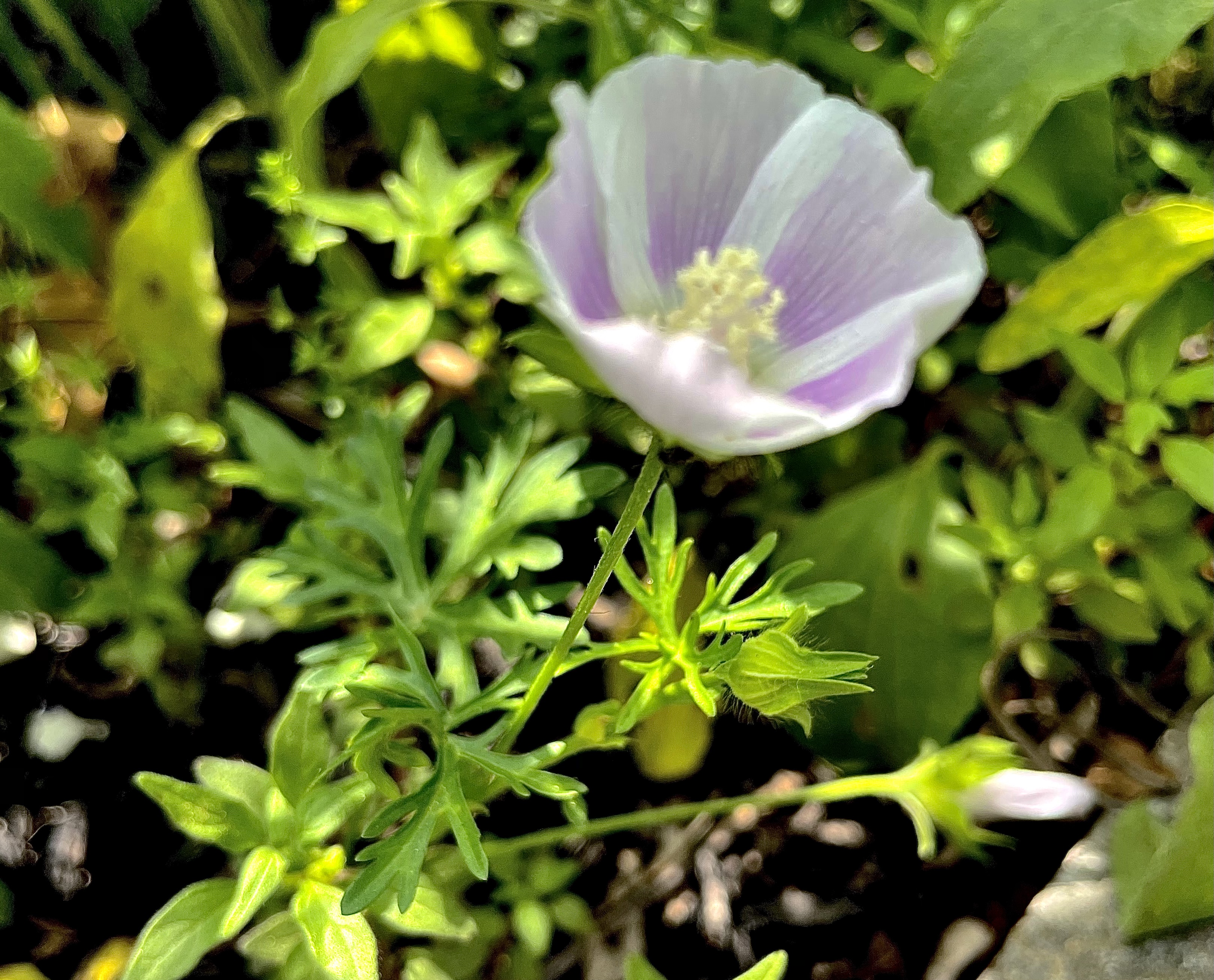
Callirhoe involucrata var. lineariloba – White winecup or “Williamson County Winecup” (Endemic to just a few counties in Texas, the Williamson County chapter of NPSOT has adopted it and given it their own common name).
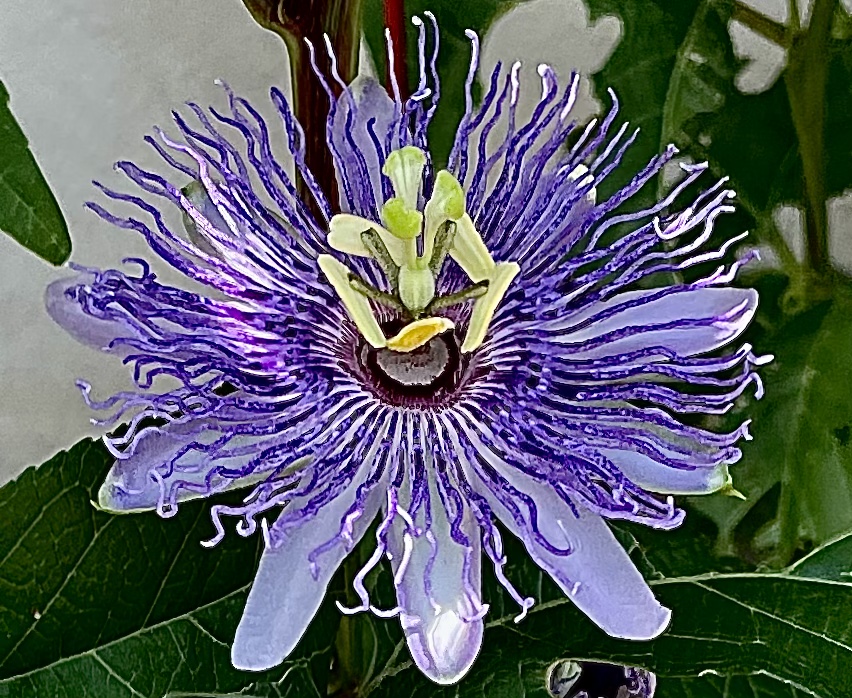
Passiflora incarnata – Purple passion flower (Like all Passiflora vines, this is home to and critical to the life cycle of Gulf and Variegated Fritillary butterflies) – (And it grows like a weed, so one can start with one and soon be giving them away as gifts with a little water and root stimulator).
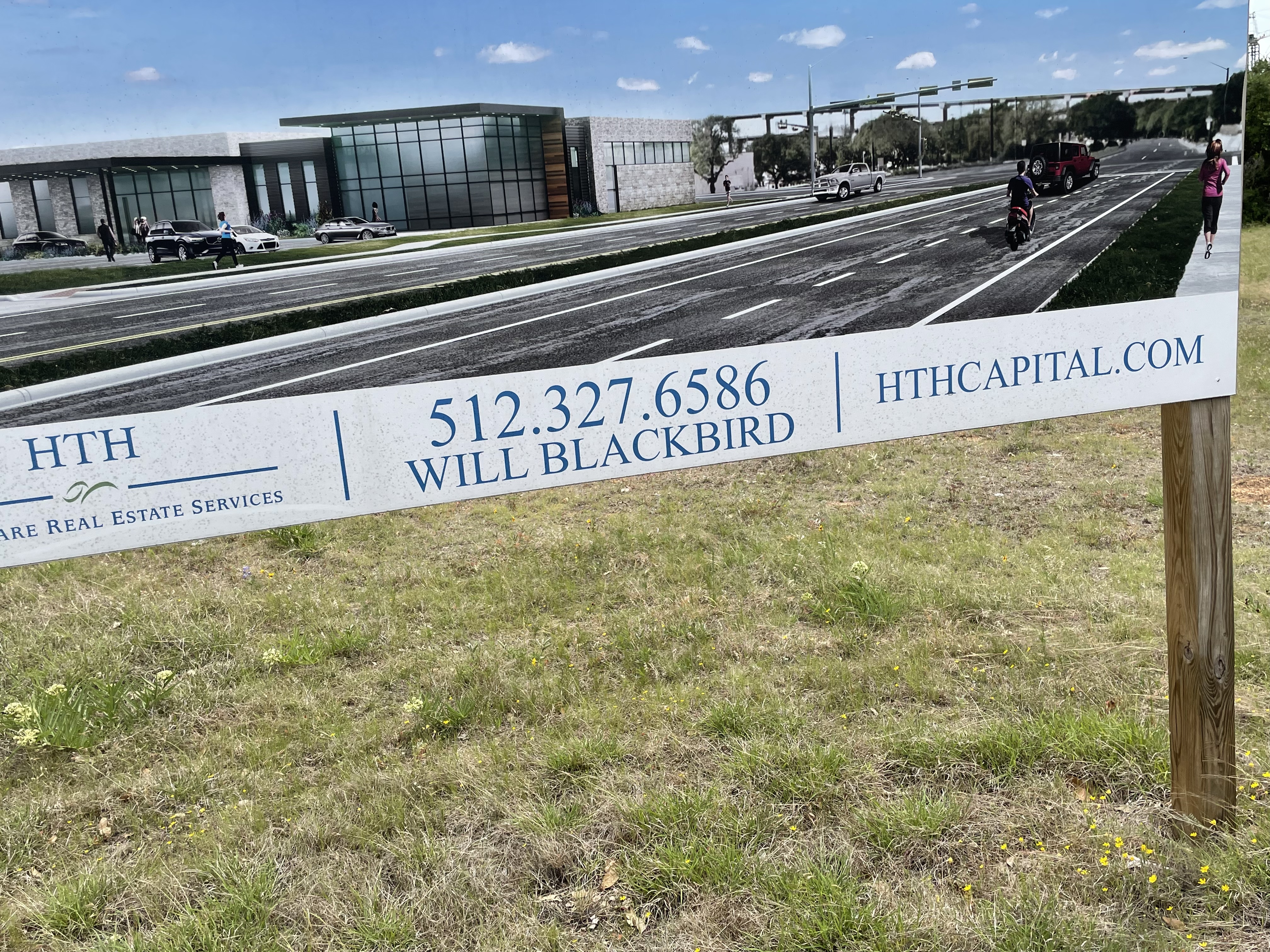
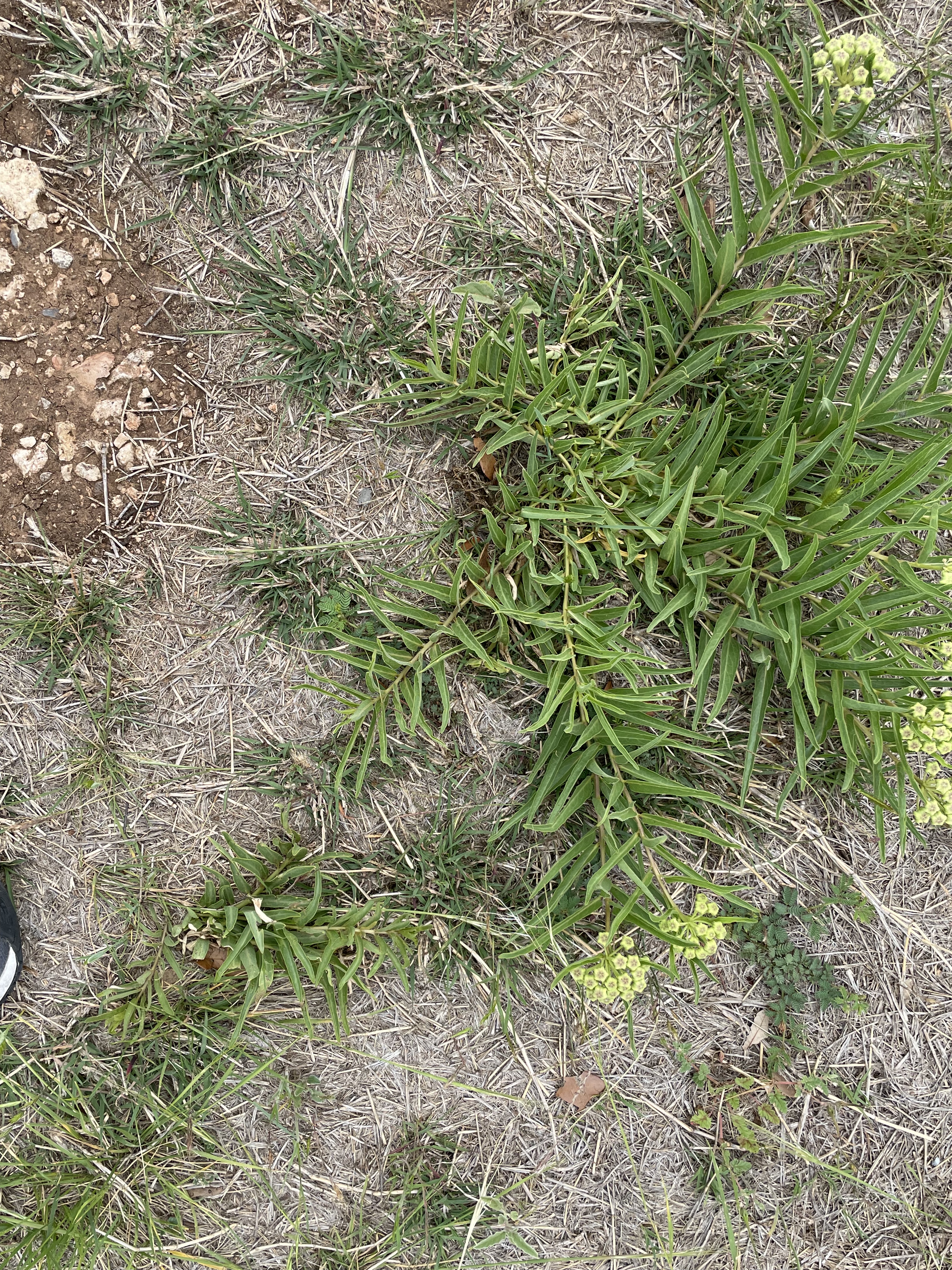
“Vacant” lot – Antelope Horns galore – The future home of a children’s hospital. I have contacted the Williamson County and Austin chapters of the Native Plant Society of Texas to ask that they make contact and request a plant rescue. These milkweeds have deep tap roots, so one hopes the developer and the hospital will see the benefits to the butterflies and to the good public relations from such an effort. Typically, the plants go to the city or county for use in future projects, with volunteers allowed to take about 10%. And there are a lot more native plants than just Antelope Horns out there. (Call the number on the billboard and let them know that you think a plant rescue before bulldozing the lot bare would be a good thing).
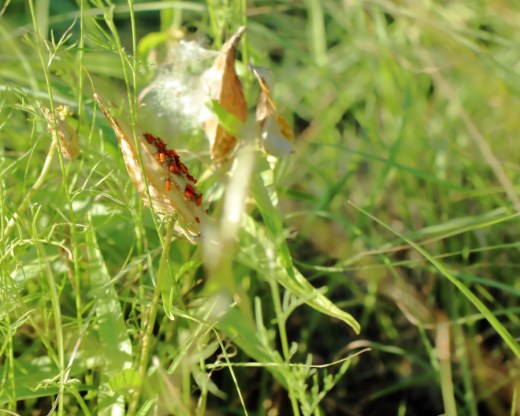
Asclepias asperula – Antelope Horns – one of the several milkweeds that Monarch butterflies need to survive.
Chilopsis linearis – Desert Willow – saw a hummingbird hovering around this one…
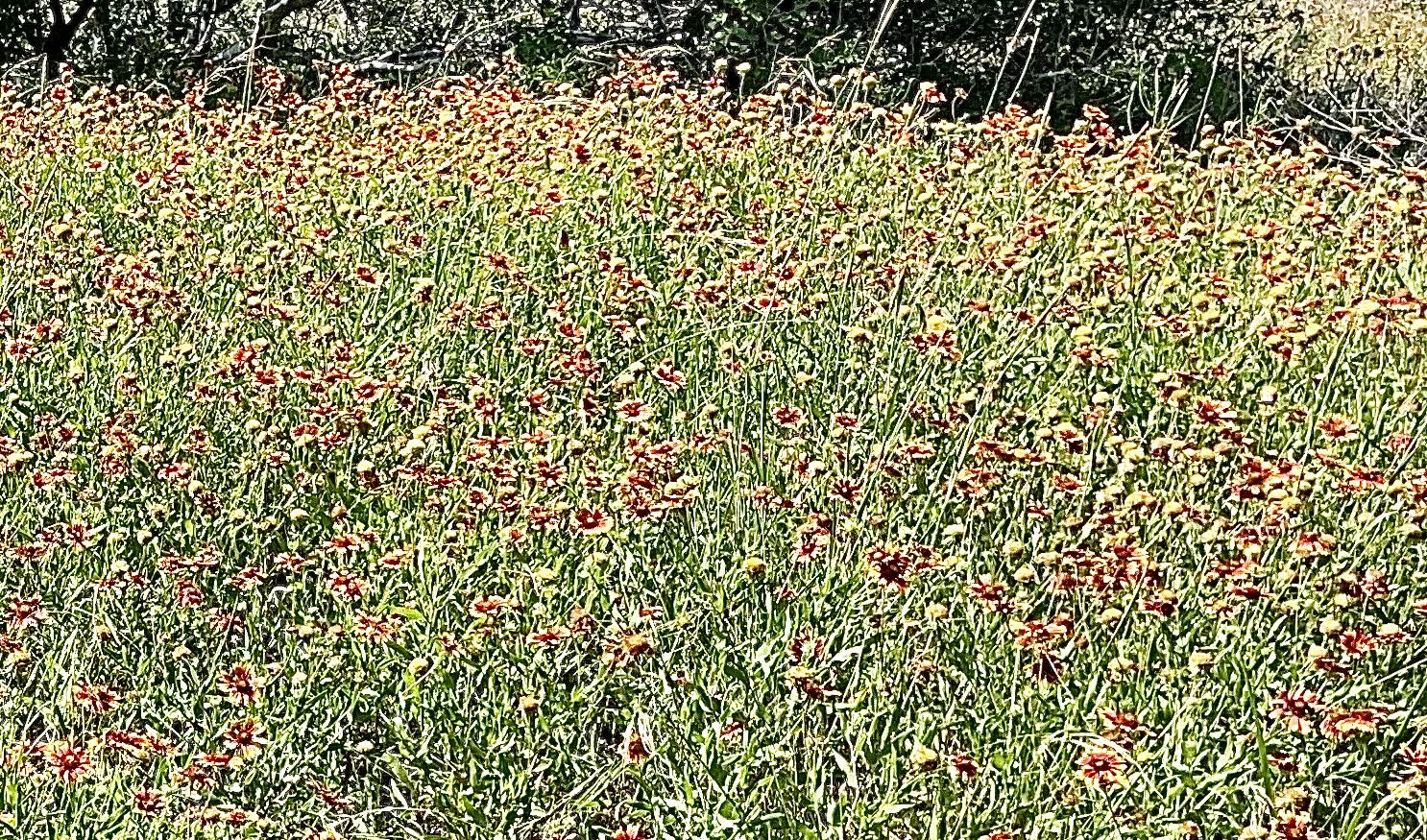
Gaillardia pulchella – Indian Blankets – This the berm behind my house, after three years of removing invasive exotic grasses and Malta Star Thistle. Of course, most of the Gaillardia have gone to seed by now, and the Silver Bluestem, Mexican Hats/Prairie Coneflower will be blooming next, along with others.
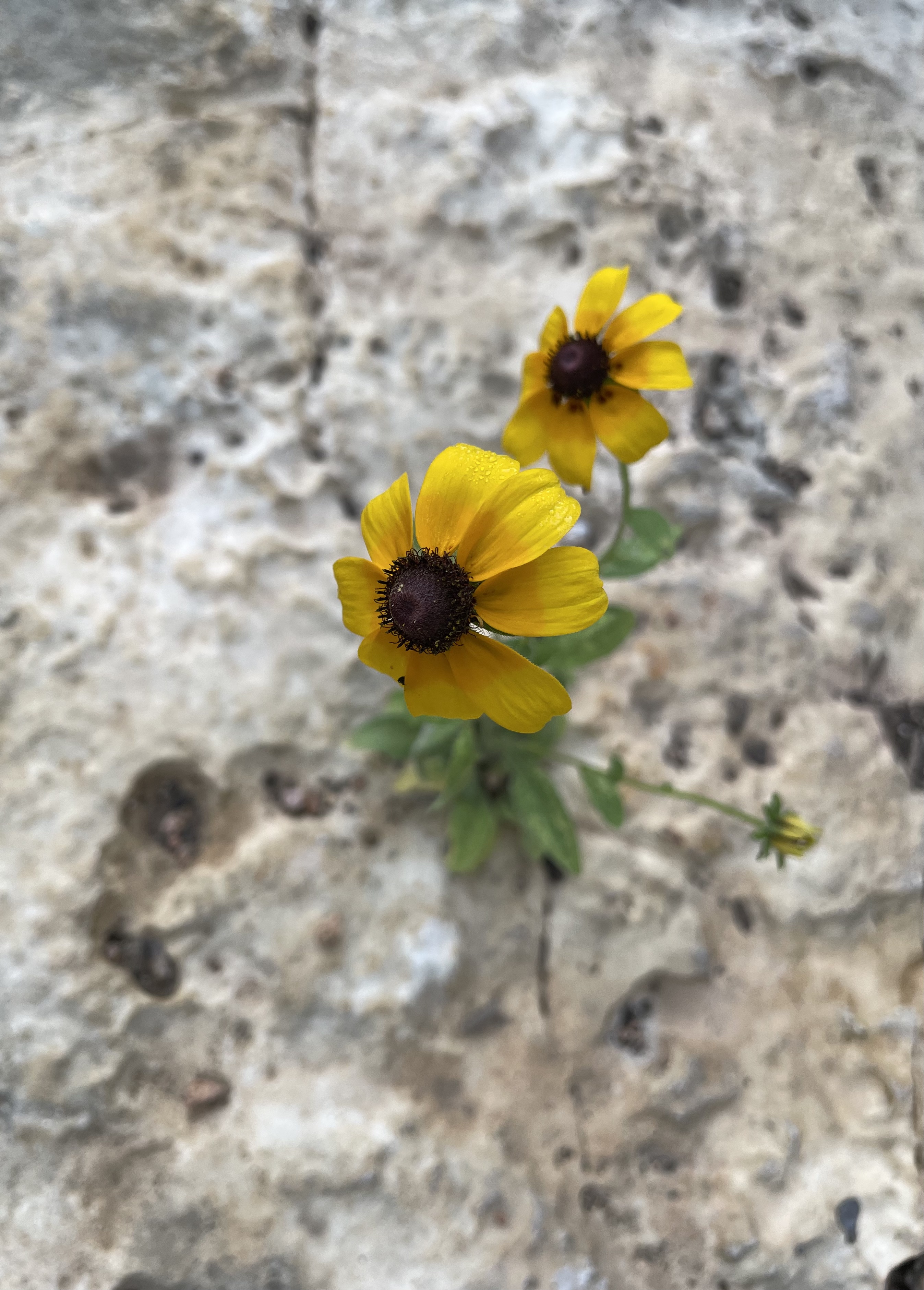
Rudbeckia hirta – Black (or Brown) Eyed Susan growing out of a crack in a limestone landscaping rock. Native plants are tough.
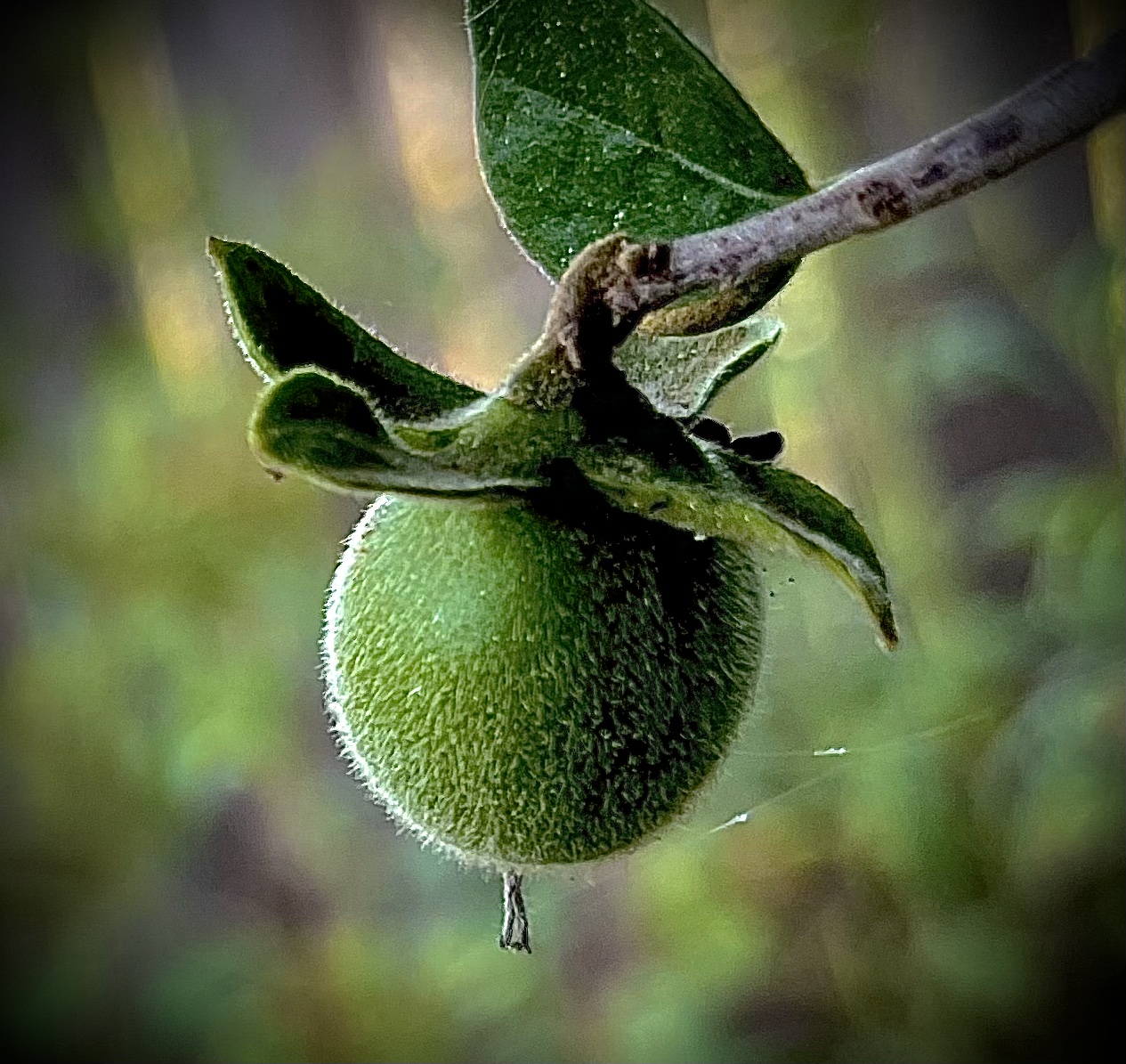
Diospyros texana – Texas Persimmon. The fruit will eventually turn black and raccoons, among other wildlife, will take all the fruit if you’re too slow to gather enough for a tasty Texas Persimmon loaf.
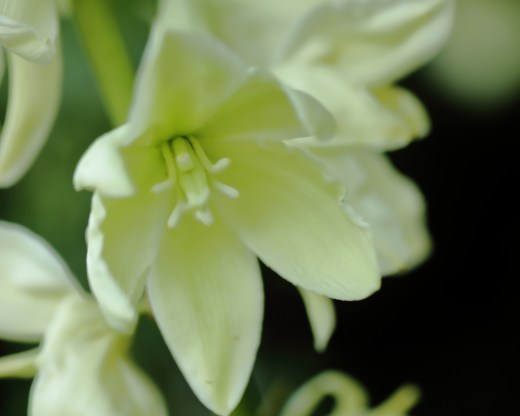
Manfreda virginica – Texas False Aloe – Not actually native this far North, but it survived the Winter freezes of 2022, and with global warming,, its range may move further North anyway. Interesting stamens, and a flower that starts pale and turns red as it ages. I like it.
I don’t have access to the content of this book, but I was struck by the abstract to this chapter:
ABSTRACT
The right to an education is an important human right and is regulated in considerable detail in Articles 13 and 14 of the International Covenant on Economic, Social and Cultural Rights as well as in Articles 28 and 29 of the UN Convention on the Rights of the Child. With the sole exception of the United States,all United Nations member States have accepted the right to education as a legally binding human right that needs to be implemented in their domestic systems. (emphasis added)
What’s wrong with education in the United States? The U.S.A. hasn’t accepted it as a legally binding human right. No wonder that (well, I won’t go there today).
Chapter: Music Education Child Development and Human Rights By Steven J. Holochwost, Elizabeth Stuk
The book citation is: Fifer, J., Impey, A., Kirchschlaeger, P.G., Nowak, M., & Ulrich, G. (Eds.). (2022). The Routledge Companion to Music and Human Rights (1st ed.). Routledge https://doi.org/10.4324/9781003043478 eBook ISBN 9781003043478
Book Description The Routledge Companion to Music and Human Rights is a collection of case studies spanning a wide range of concerns about music and human rights in response to intensifying challenges to the well-being of individuals, peoples, and the planet. It brings forward the expertise of academic researchers, lawyers, human rights practitioners, and performing musicians who offer critical reflection on how their work might identify, inform, or advance mutual interests in their respective fields. The book is comprised of 28 chapters, interspersed with 23 ‘voices’ – portraits that focus on individuals’ intimate experiences with music in the defence or advancement of human rights – and explores the following four themes: 1) Fundamentals on music and human rights; 2) Music in pursuit of human rights; 3) Music as a means of violating human rights; 4) Human rights and music: intrinsic resonances.
The book is scheduled for publishing on May 31, 2022. $250 for print, under $50.00 USD for ebook format.
I really gotta look into becoming a student or getting associated with an organization or library that would allow me to access research articles, journals, ans books. It’s the one thing I miss most about IBM: access to technical journals through the library. That, and the IBM Club band, aka the Blue Diamonds Jazz Orchestra (BDJO).
While not exactly fitting in with music, but maybe under basic human rights (free speech, anyone?), here is an open access article reporting on the results of the Parkinson’s Voice initiative:
Conclusion first:
Sustained vowels may provide an objective, robust and streamlined approach towards informing PwP subtype assignment. The current study’s findings corroborate part of the PD research literature indicating the presence of four PD subtypes having been thoroughly validated on a large PwP cohort and externally validated on two additional PwP cohorts. There are important practical implications of defining PD subtypes using data that is easy to self-collect remotely such as speech signals and in particular sustained vowel /a/ phonations: they enable large-scale investigations and may bring us a step closer towards more personalized medicine approaches and targeted clinical management. The key limitation of the study is that we do not have additional clinical labels (e.g. UPDRS) or other self-reported outcome measures to map the resulting PD subtypes onto something that would be more tangible and comparable to related PD subtype studies. Future work could explore the extent subtypes form useful markers of symptom severity progression and conversely how PD progression might affect subtype membership for individual PwP. Similarly, further work could integrate additional modalities to speech to incorporate longitudinal passively collected modalities and self-reports which could be capturing PD-related symptoms, e.g. via using smartphones and wearables along the lines we have explored for mental disorders [64], [67]–[70]. Collecting additional modalities at scale using increasingly affordable technologies may provide new insights towards understanding PD subtypes which may translate into understanding individual PwP similarities, related PwP symptom trajectories, and ultimately lead to better symptom management strategies.
and from the abstract:
Purpose People diagnosed with Parkinson’s (PwP) exhibit a diverse manifestation of heterogeneous symptoms which likely reflect different subtypes. However, there is no widely accepted consensus on the criteria for subtype membership assignment. We explored clustering PwP using a data-driven approach mining speech signals. … Results We selected 21 dysphonia measures and found four main clusters which provide tentative insights into different dominating speech-associated characteristics (cophenetic coefficient=0.72, silhouette score=0.67). The cluster findings were consistent across the three PVI cohorts, strongly supporting the generalization of the presented methodology towards PwP subtype assignment, and were independently visually verified in 2D projections with t-SNE.
The citation (and the link to access) this open access article are:
Tsanas, T & Arora, S 2022, ‘Data-driven Subtyping of Parkinson’s using Acoustic Analysis of Sustained Vowels and Cluster Analysis: Findings in the Parkinson’s Voice Initiative Study’, SN Computer Science, vol. 3, 232. https://doi.org/10.1007/s42979-022-01123-y
And there you have it. A bunch of research or reviews over the last year and a half involving dance and Parkinson’s Disease. I did a search and haven’t had enough time to read any of these yet, but That’s part of the reason for this blog: to serve as a repository of links to articles. All of these are open access articles so the full text should be available.
Or not. Instead, I’ll do my best not to violate the NDA we signed about the trial, and look instead at oh, say, humor and Parkinson’s Disease (PD).
As one of my graduate professors mentioned to our class, humor is best when it is “in the moment,” spontaneous, and not planned, often helping to release the tension of what could be an awkward moment.
I’ll refer to the interview conducted by Power for Parkinson’s earlier this month with the PhD. candidate who was conducting the trial noted above. In it, he lays out the concepts and the parameters of the studies, and the three folks in the interview play some of the exercises.
I actually participated in the clinical trial noted in the previous post and felt that it helped me recognize some things about myself as a Person With Parkinson’s and my interactions with the rest of the world. Still have the same issue of people of thinking I’m serious when I’m jesting, and vice versa, though. And knowing just how far to go with it and when to shut my mouth (or press delete instead of send). It’s a work in progress… or an abandoned house/wisecrack house/fixer-upper. Take your pick.
and, just for today, we’ll end in a prayer:
Forgive, O Lord, my little jokes on Thee
And I’ll forgive Thy great big one on me.
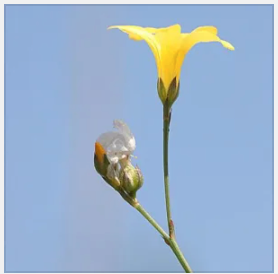
Here in Central Texas, the Golden Groundsel (Packera obvata) have already gone to seed, and the state flower, the Texas Bluebonnet (Lupinus texensis) is still in bloom, but many have started to go to seed.
My Milkweeds are coming up and thriving, but no blooms yet. Four Nerve Daisies (Tetraneuris scaposa)continue to push out blossoms. False Foxglove (Penstemon cobea) and Brazos Penstemon (Penstemon tenuis )are blooming..
The Mealy Blue Sage (Salvia farinacea) are bouncing up and are in bloom in the backyard. The inconspicuous Purple Milkweed (Matalea biflora ) has bloomed, and the Purple Passion Flower (Passiflora incarnata) vines nearby, have bloomed.
Lyre-Leaf Sage (Salvia lyrata )and Missouri Violets are in bloom lining the front yard stone walkway.
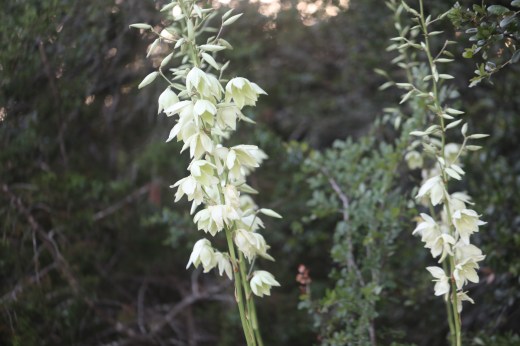
And the Scarlet LeatherFlower (Clematis texensis ), which is endemic to the Edwards Plateau, has also put out several flowers. The Coral Yucca (Hesperaloe parviflora) flowers are starting to open. And a few white wine cups (Callirhoe involucrata var. lineariloba) that I had rescued from a construction culvert on Old Chisholm Trail in Round Rock are in bloom, with their white petals and faint purple lines. They are endemic to just a few counties in Texas, and the Williamson County chapter of the Native Plant Society of Texas has adopted the name “Williamson County Winecup” for this species.
Finally, let’s hear it for the red, white and blue blooms.
Rose Pavonia (Pavonia lasiopetala) (more hot pink than red) Autumn Sage (Salvia greggii)(both red and white, and Blue-eyed Grass (Sisyrinchium pruinosum) are all in evidence.
I don’t need any more evidence to arrive at my verdict.
Conclusions
This study highlighted the challenges associated with the feasibility of using an RCT design in this setting, demonstrated the acceptability of implementing a dance program inspired by the Dance for PD® model in Belfast, Northern Ireland for people living with Parkinson’s, and made suggestions for future research. The results support existing evidence demonstrating that dance may improve functional mobility and symptoms of depression in people living with mild to moderate Parkinson’s, though these findings should be carefully interpreted in the context of the study design and limitations. The small sample size limits the generalizability of the statistical results, though it was not among the aims of this study to test the efficacy of the intervention. The findings also support the idea that meeting and dancing with other people living with Parkinson’s is motivating and fosters a sense of belonging, and that dancing has the potential to support several aspects of physical, emotional, mental, and social health. (emphasis added).
Working back in the article, the authors are very honest about the limitations, including not being able to establish a large enough group of participants so that they might be able to compare the dance intervention against another form of exercise.
Only ten Parkinson’s Disease diagnosed participants were recruited, which makes generalization difficult, but modest improvements were seen. (I saw no mention of statistically significant results in the 12 week, 20 session study). Some participants noted that the dance intervention made them more aware of certain deficits, such as posture, and that the classes motivated them to make more mindful efforts to correct these outside of the classes.
Some participants also described using tools learned in class in everyday life. For example, one participant reported using breathing exercises when anxious or fatigued, and another reported using the warm-up exercises outside of class to “stop the stiffness” and “feel better as a result of that. (emphasis added).
So: Small number of participants. Some improved scores, but no statistically significant differences. Positive statements from exit interviews. Nothing to contradict other evidence that dance interventions have a positive effect on the lives of people with Parkinson’s Disease.
Don’t stop moving to the music / keep on dancing, folks
The article is open access and may be downloaded for free at:
Carapellotti, A.M., Rodger, M. & Doumas, M. Evaluating the effects of dance on motor outcomes, non-motor outcomes, and quality of life in people living with Parkinson’s: a feasibility study. Pilot Feasibility Stud8, 36 (2022). https://doi.org/10.1186/s40814-022-00982-9
Robert Cochrane is recruiting participants for a new Parkinson’s Disease study. See below. Note the three categories of PD people needed:
” We are recruiting male and female persons diagnosed with idiopathic (unknown cause) Parkinson’s disease between and fit ONE of the following criteria:
– They have been diagnosed within the last year,
– are early onset (diagnosed before the age of 50)
– are active or former members of the U.S. military. “”
Here’s the full recruitment flyer:
Participants needed for Narrative Study in Parkinson’s Disease Principal Investigator, Dr. Gabriele Wulf, and Robert Cochrane, PhD student at UNLV, are looking for persons with Parkinson’s disease to participate in an online research study of heroic narrative upon Parkinson’s disease. Study participants will be asked to share their perceptions and experiences about Parkinson’s from the time they were diagnosed to today, and how they feel about their future quality of life expectations. They will be taught heroic storytelling structure and practical tools of how to explore and incorporate it into their own lives. Heroic storytelling is based on the works of Joseph Campbell’s monomyth. Campbell’s work is broken into a 12-step journey for this class that participants will follow and use to write their own heroic journey with Parkinson’s disease. Participation in this study will require completion of 12 sessions, meeting once a week on Saturday mornings from 9a-10:30a (Pacific Time). Participants Will also be required to write a one-page personal assessment each week outside of class. Finally,online surveys at the beginning, middle and end of the 12-session period will be required. All sessions will take place online via Zoom. All sessions will be recorded. Participants must have a WiFi enabled device in a safe location (e.g. participants’ home) for these sessions. Sessions will include writing, theatrical improvisation and lectures from guest subject matter experts in fields such as dance, art and mythology. We are recruiting male and female persons diagnosed with idiopathic (unknown cause) Parkinson’s disease between and fit ONE of the following criteria:
– They have been diagnosed within the last year,
– are early onset (diagnosed before the age of 50)
– are active or former members of the U.S. military. Participants must be between 1-3 on the Hoehn and Yahr scale. This assessment should be given by participants’ neurologist or movement disorder specialist prior to acceptance into the program. We cannot accept persons who have an inability to communicate verbally, are uncomfortable writing, or are unable using the Zoom platform. Please email Robert Cochrane at cochra58@unlv.nevada.edu with questions or to express your interest in participating.This program was made possible, in part, by a grant from the Parkinson’s Foundation. Thank you!
In January 2022, made my first trip out of state of TX to sometime sunny North Central Florida. since the pandemic. Checked the CDC Covid alert, and found that all of the counties we would be going to were rated at the highest level as a hot spot. So it was like going from the frying pan into the fire. Fortunately we had our HazMat gear on hand, and managed to go to and fro without (apparently) contracting any viral infections, according to the Covid-19 15 minute results tests.
After landing in Florida, saw some species familiar in central Texas. Also saw a few that were not familiar.
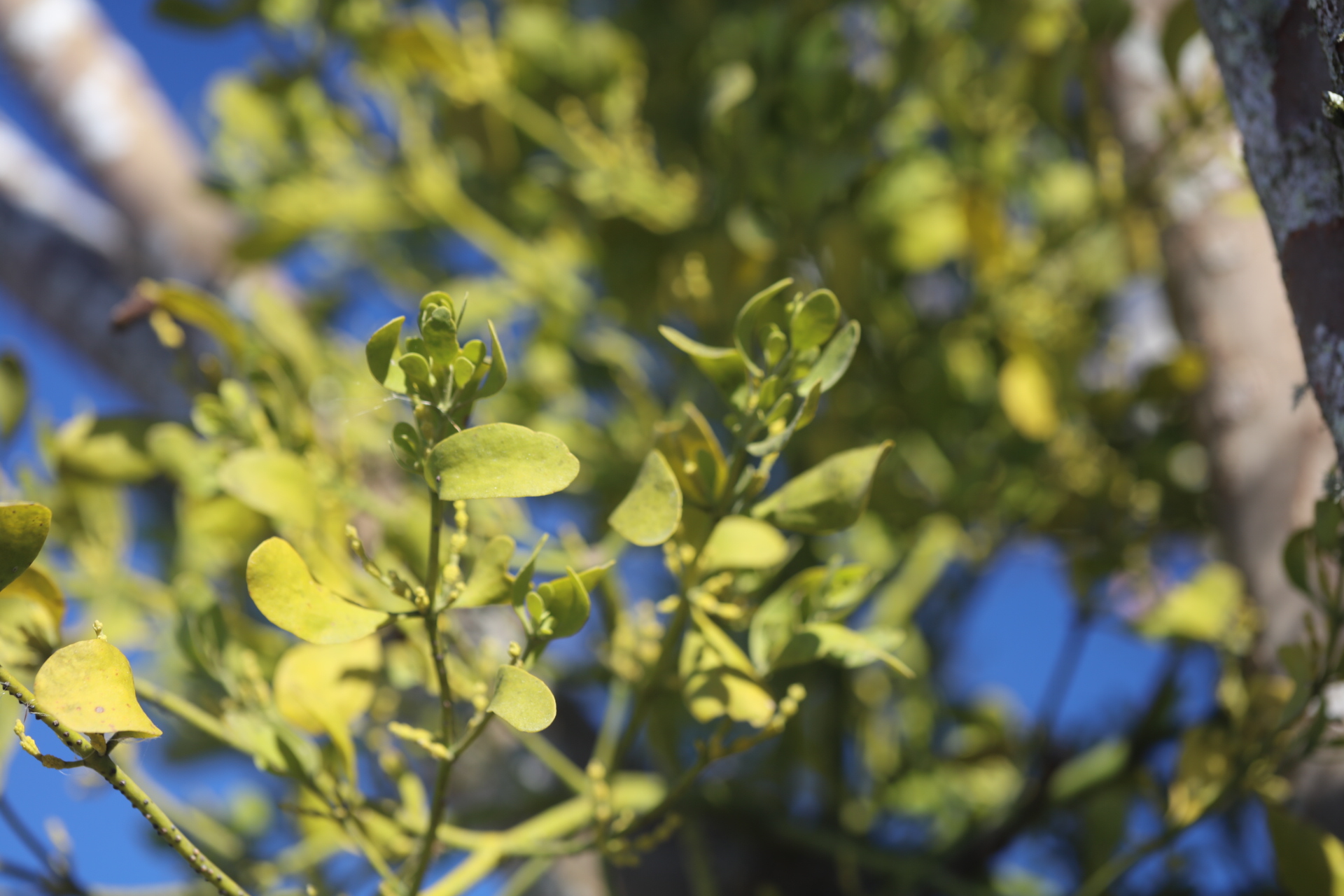
Mistletoe, a parasite in Texas, also thrives in Florida.
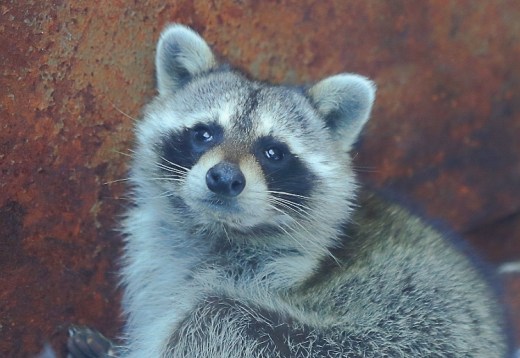
This little critter was pointed out to me by a gentleman in a parking lot. Apparently It had been looking for tasty morsels in the large garbage bins, and was unable to get out on its own. Hopefully, someone gave him or her a ramp to get out of the bin before the next garbage pickup.
I believe that this was a Yaupon Holly, or a cultivated variation thereof, as it was in the same parking lot as the raccoon. Could have been Ilex decidua, and just not dropped its leaves yet, due to a shorter Fall and Winter in Florida (if there is one). As a cultivated/planted plant, I didn’t bother to check it in iNaturalist.org.
Spanish Moss
I suppose there is Spanish Moss in abundance in South and Gulf Coast Texas, but what we see here is mostly Ball Moss. So this was a distinctive and omnipresent reminder that we weren’t in the Greater Austin Metro Area anymore. (Of course, there were lots of Southern Oaks present, from which the Spanish Moss was hanging. We have them here, though other oak species are more common in Central TX.
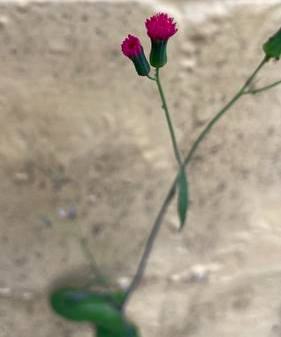
A new one to me was this interesting little reddish plant. common name Tassel Plant. After encountering this one in the motel parking lot, I began to notice them all over Gainesville. An exotic or introduced plant.
Tassel Plant
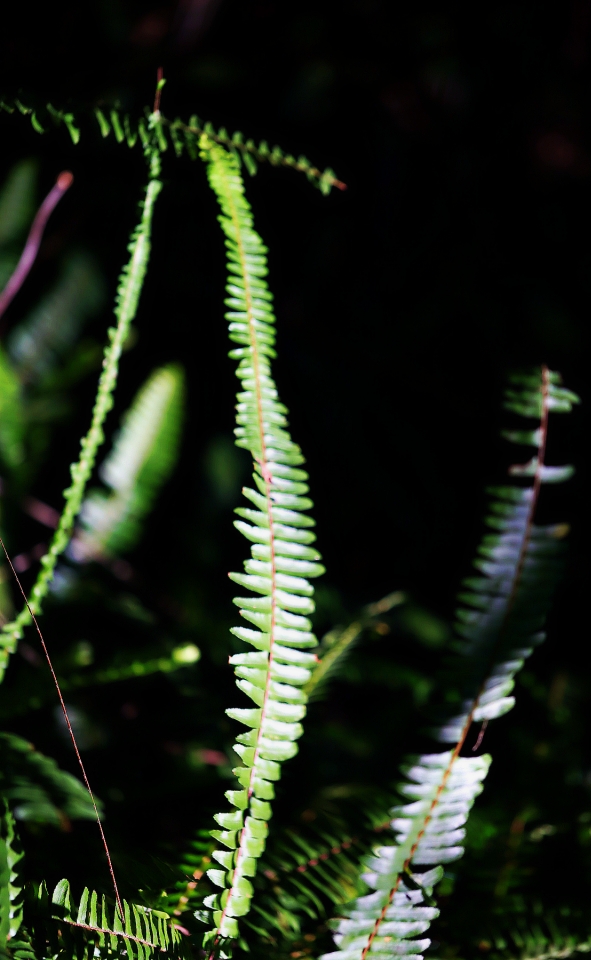
Finally, a fern which I had not yet known the name of A fern with the aptly descriptive common name of “Fishbone Fern.” This was shot in the jungle-like surroundings of Bivens Arm Nature Park on the South side of Gainesville, just north of Paynes Prairie. This photo (below) was chosen because it demonstrates the leaf pattern that gives the fern its name.
Though it was nice to go “home”again, it was also nice to get back “home” again.







 bob's brain: living well with a movement disorder and other comorbidities