That famous essay


James Parkinson wrote an essay on “The Shaking Palsy” just over 200 years ago. Although science doesn’t stand still, and folks like Louis Pasteur, Alexander Fleming, and Jonas Salk came along to make important contributions in medical science, the field of Movement Disorders has, until recently, relied almost exclusively on the traits described by Parkinson in his essay to diagnose the disease. French neurologist Jean-Martin Charcot made some advances in making distinctions between some of the symptoms and championed naming the disease after Dr.Parkinson.

Curious about the essay itself? it’s available online as a full access article in The Journal of Neuropsychiatry (downloadable as a PDF file.

An essay on the Shaking Palsy 

An Essay on the Shaking Palsy, by James Parkinson, was originally published as a monograph by Sherwood, Neely, and Jones (London, 1817). Punctuation and spelling follow the original text. Introduction Copyright © 2002 American Psychiatric Publishing, Inc.


A mid-Summer’s nightmare

I have seen the best plants of my eco-region driven into ghettos of greenbelts, invaded by non-native plants, poisoned with herbicides…

I see public areas, along roadways and in park areas, mowed so low that the grass is turning brown and burnt by the sun, despite sprinklers and watering, and occasional rains brought on from sub-tropical weather disturbances in the Gulf of Mexico.

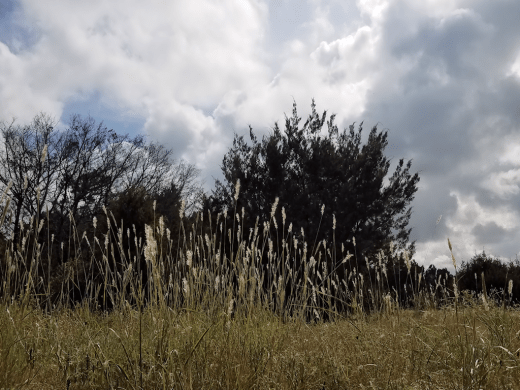
I see the berm behind my house, where a stand of wildflowers in bloom had been cut down in late May while the ground was still wet, and where the native Silver Bluestem grass, which had once dominated the berm, had returned, mowed down in late July, parched and sere under the August sun. Because the contracts signed say they have to mow a certain number of times within certain calendar limits.

I have written emails to my HOA and the Municipal Utility District, and received no response. If a tree falls in the forest, or a native plant goes extinct or disappears from a region because of destruction of habitat, does it make a sound if there are no humans to hear it cry out?

And yet, life goes on.

I have seen the Clematis drummondii, with their achenes in showy white plumes, and must make a note to get out of the house for a photo safari soon, while this year’s show is still on. I have seen the Passiflora  vines and the Gulf Fritillary butterflies in their back and forth movements between fertilization, egg-laying, larvae consuming the plant, and adult butterflies dancing about. I have seen the native plants in my yard, both those intentionally planted, and those volunteers who have been recognized and protected, thrive or at least survive.

And I have seen the birds drinking from the water fountain, having been provided with plants that provide food (and insects that thrive and provide food as well), shelter, and a place to build their homes. I have seen the hummingbirds zooming about, grabbing sips of nectar from the salvias, the Texas Red Mallows, and the Flame Acanthus (though this year, I’m afraid I haven’t quick enough to focus and click on the camera quickly enough to capture one in mid-flight.

And as the globe warms, I wonder what changes I’ll be seeing in the plants that thrive in this area, and whether enough humans will start to think outside the box of “that’s the way we’ve always done it,” or “that’s the I’ve always heard it should be,” to make a dent in the greenhouse we are living in.

But enough of that. Time for some photos – some OK, some not so great, but the subject matter supersedes this one’s talents:

Moses Maimonides and me: Reflections on Parkinson’s, Perfection and Cultural Norms (COVID-19 era, 2020)

This is a July 2020 update to an earlier blog entry from 2018, updated in 2019, reflecting on Moses Maimonides’ “Guide for the Perplexed”, specifically reflections on the concept of the four types of perfection towards which mankind aspires, and the hierarchy in which Maimonides has placed them.

Four types of perfection.

What are the four types of perfection that people seek to attain, according to Maimonides? In order from lowest to highest, they are:

1. The attainment of material goods – the acquisition of property and things, including titles and power.

2. The attainment of physical strength or perfection.

3. The attainment of social ethics and principles.

4. The attainment of intellectual perfection, the search for truth and knowledge.

Perfection in a Material World.

The attainment of material goods is the lowest form of perfection, according to this famous philosopher and physician. He argues that he who acquires materials does not acquire anything that can be said to be his. For when he examines it:

He will find that all these things are external, and their qualities are entirely independent of the possessor.

Or, as Yip Harburg once noted, “No matter how high or mighty the throne, what sits on it is the same as your own.”

I would add that perhaps the concept of “Fame” or “Celebrity” may be included among the items which are included in this form of perfection, which Maimonides included as the “titles” of a king. This would also include the power which one can wield over others through the possession of gold, wealth, and other properties.

Is our culture oriented towards material things as a measure of perfection?

Do I even have to ask this rhetorical question? Forbes magazine devotes a cover story each year to the richest people around, and one has only to turn on their 4K UHD TV to see example after example of this measure of “perfection.”

Physical Perfection.

Next up from the bottom is the attainment of physical perfection, which seems to be a little closer to something that can truly be said to be one’s own. But Moses disagrees.

Man does not possess it as man, but as a living being: he has this property besides in common with the lowest animal; and even if a person possesses the greatest possible strength, he could not be as strong as a mule, much less can he be as strong as a lion or an elephant; he, therefore, can at the utmost have strength that might enable him to carry a heavy burden, or break a thick substance, or do similar things, in which there is no great profit for the body. The soul derives no profit whatever from this kind of perfection.

Although we can aspire to our personal bests, it is somewhat pointless for us to pursue perfection of a physical nature. Humans are by no measure the strongest, the fastest, or the biggest of all the animals, much less the most beautiful. Perhaps related to both material goods and power over others as well as to physical perfection, is our culture’s apparent obsession and glorification of violence and the “warrior” mentality. Popular media filled with pseudo-violence, whether staged in television or movies, or the all too real mass shootings that occur in the United States on an almost daily basis.

Socio-ethical Perfection.

The third type of perfection that humans aspire to is that related to ethics:

“It includes moral perfection, the highest degree of excellency in man’s character. Most of the precepts aim at producing this perfection; but even this kind is only a preparation for another perfection, and is not sought for its own sake. For all moral principles concern the relation of man to his neighbor; the perfection of man’s moral principles is, as it were, given to man for the benefit of mankind. Imagine a person being alone, and having no connection whatever with any other person, all his good moral principles are at rest, they are not required, and give man no perfection whatever. These principles are only necessary and useful when man comes in contact with others.”

Here I have to disagree with Maimonides – as John Donne noted, no man (or woman) exists alone. Indeed, for humans to exist, one has to come in contact with at least one other, and for the species to persist, and some sort of social ethics seems to be the overall arc of history, with a sense of perfection of social ethics aspired towards over the millennia.

So I would say that humans as a species require at least some attempt to aspire towards an ideal of moral perfection, and that it is essential towards valuing ourselves and others, and needs to be extended towards the other species and resources on this planet as well, if Homo sapiens is to become something more than an evolutionary dead end.

Perfection of intellectual faculties.

Finally, the fourth kind of perfection, according to Maimonides,

”… is the true perfection of man: the possession of the highest, intellectual faculties; the possession of such notions which lead to true metaphysical opinions as regards God. With this perfection man has obtained his final object; it gives him true human perfection; it remains to him alone; it gives him immortality, and on its account he is called man. Examine the first three kinds of perfection, you will find that, if you possess them, they are not your property, but the property of others; according to the ordinary view, however, they belong to you and to others. But the last kind of perfection is exclusively yours; no one else owns any part of it…”

It would seem to me that the fruits of the perfection of the intellectual faculties do not truly belong only to oneself –  consider Euclid, Isaac Newton, Bertrand Russell, Albert Einstein, and Stephen Hawking, to name a few in the fields of mathematics and physics. Certainly their attainment of perfection of the intellectual faculties in their fields of study were not limited to themselves, and has been expanded on and perfected even further, through the scientific method and the sharing of their knowledge with others. Once one has achieved the highest levels, though, others can learn from it, and incorporate that knowledge into their own knowledge. As far as metaphysics and God are concerned, Jesus is recorded as saying that the greatest commandment is to love God, the second is to love your neighbor as yourself, and that if you follow the second, you are fulfilling the first.

Other religions and philosophies have variations upon this same idea. Once stated, the commandment, or scientific principle is there for others to share and further develop. Science and religion (true spiritual perfection, and not the sectarian, divisive faux sort that passes for religion) are social endeavors, with the intent of sharing one’s discoveries with the rest of humanity.

How Many Kinds of Perfection?

Is Moses Maimonides correct in postulating four kinds of perfection attainable by humans? If we start from the fourth kind of perfection, we find that “true perfection” consists of the highest intellectual faculties. In our culture, at least, intellectual perfection has been measured in terms of math, logic and language (for instance by scores achieved on SAT, NMSQT, and GRE exams, and various academic and professional degrees and certifications).

But the psychologist Howard Gardner has put forth no less than nine types of human intelligence, of which math and language are but two of the suggested categories. Among the others are bodily – kinesthetic intelligence, which one might consider as similar to, if not equivalent, to Maimonides’ second type, physical perfection. None of the other forms of perfection fit as tightly to Gardner’s categories of intelligence, which are:

1. Naturalist (nature smart)

2. Musical (sound smart)

3. Logical-mathematical (number/reasoning smart) (close to Maimonides’ perfection of intellectual faculties, without the metaphysical knowledge of God)

4. Existential (life smart) (perhaps similar to social-ethical perfection, perhaps not)

5. Interpersonal (people smart) (perhaps similar to social-ethical perfection, perhaps not)

6. Bodily-kinesthetic (body smart) (similar to Maimonides’ physical perfection)

7. Linguistic (word smart)

8. Intrapersonal (self smart)

9. Spatial (picture smart)

Certainly neither Naturalist or Musical have any direct relationship to any of Maimonides’ categories, and Existential might be tangentially related to Social and Ethical perfection, although Interpersonal would seem closest. In short, Maimonides’ ideas about intellectual perfection and Howard Gardner’s ideas about multiple intelligence seem irreconcilable. Even if we look at other theories of intelligence, whether 2,3,6,or 7 factored, there is no neat fit, especially since Maimonides talked about intellectual perfection leading to an understanding of God, which doesn’t figure into the equations of contemporary intellectual achievers such as the late Stephen Hawking.

Culture, Society, and lowest common denominators

Let us leave the question of the highest form of perfection unresolved.

Let’s start at the bottom. The acquisition of property, material goods, wealth, and titles, according to Maimonides, is the lowest of the forms of perfection to which humans can aspire. And yet it would seem obvious to even the most casual of observers that our society in general values this form of perfection very highly.

Next we have physical perfection. Some of us, born with certain variants in DNA, will never attain or even approach physical perfection. And yet we hold Special Olympics and publicize individual efforts to overcome their physical impairments, some caused by wars conducted to maintain the acquisition of power and materials by others. Ninja Warriors, Wounded Warriors, or Parkinson’s Warriors, the emphasis is on the challenge to be the best one can be in terms of physical achievement. One might note that this warrior mentality to fight against a disease has recently been addressed by physicians in the United Kingdom as counterproductive in the long run – resulting in failure to seek other ways of treatment and living life as well as one can until one reaches the eventual shuffling off of this mortal coil, to paraphrase one playwright. And a research study in Europe has found that a progressively challenging dance program is superior to mere repetitive physical exercise in helping to slow the progression of symptoms (more research needed, of course). And in general, hugs promote happiness and health more than running races does.

Social or ethical perfection is less highly prized in our (Western, Anglo culture). When it is given attention, it seems that it is usually tied to the donation of money or funding of foundations to perform social works, instead of the day to day performance of acts of social kindness or ethics. It has been said that Thanksgiving through Christmas is that time of the year when everyone takes care of the poor, the other eleven months of the year, it falls upon the social work agencies. (And the law, in its fairness, to paraphrase some philosopher or wit, forbids both the rich with many rooms in their mansions, as well as the homeless, with their lack of accumulation of wealth, from camping in parts of downtown Austin, Texas, where their visibility might detract from the highly lucrative tourist and hotel trade).

Finally, we come to Maimonides’ fourth kind of perfection, in which he combined intellectual faculties with metaphysics and the knowledge of God. Although there are prizes and recognition for attainment in the various sciences and arts, they do not receive the same priority or acclamation given to the Super Bowl, the NCAA basketball playoffs, or even the baseball World Series. This author was told, back in 1967, by the registrar’s office at a member of the American Association of Universities (AAU) (now ranked in the top ten research universities in the USA), that scholarships were not given for academics, only athletics. Things have changed since then to a certain extent, perhaps because the technological advances of the last 50 years have created a need for knowledge skills in the business world. However, it would be difficult to argue successfully (and honestly) that our society values intellectual achievement above all others.

A report in the Chronicle of Higher Education published in 2014 showed that athletic coaches typically earned more than University Presidents. A more recent article on executive compensation showed that some executives in education are now being paid in the millions, but are still compensated at a lower level than athletic coaches. Professors, of course, typically earn even less, and college athletes are legally forbidden from accepting pay for their services (although alumni donors seem to be highly creative in finding loopholes).

Toward a “new” paradigm.

Without totally accepting Maimonides’s insights, one still can use his four types of perfection as a “Guide for the Perplexed.”

First, we need to find a way to make a living (as distinguished from seeing how much wealth one can amass).

Second, we need to keep ourselves in as good health as we can so that we can live relatively free from disease and illness. (of course, one might say, there will be exceptions due to genetic variation, but within the limits which individuals have, the general maxim holds true).

Third, we need to live among our fellow humans (and, I would argue, our non-human plant and animal fellow inhabitants) in a way that is socially and ethically responsible).

Fourth, we need to develop our mental and intellectual faculties and to seek truth, whether it is related to the physical world, the biological world, or the field of metaphysics, if that is our calling or our specific type(s) of intelligence. Part of our task in life is to find that calling, or meaning for our lives, as described by Victor Frankl.

One might suggest that balance is needed,

  1. Without the need to amass as much material goods as one can,
  2. To collaborate with others instead of seeking to have power over others,
  3. To seek to maintain one’s self physically, and to avoid abusing one’s body,
  4. To maintain ethical and compassionate relations with others, and
  5. To seek to maintain learning throughout life to the best of one’s abilities.

I, for one, am no longer impressed by public figures, whether elected or entertainers, for the amount of wealth, power or celebrity they attain, but by authenticity and honesty, and what they do with their wealth or power.

As a person with Parkinson’s Disease (PD), I have a great deal of respect for Michael J. Fox, who has turned his condition into a bully pulpit to advocate for and to fund scientific research to find a cure (or cures) for this progressive, degenerative, neurological disease for which there appears to be no cure (yet!).

Closer to home, the co-founders of Power For Parkinson’s used the common denominator of PD, which afflicted their fathers, to dedicate their efforts to providing free exercise and dance and now a singing group to help people with PD to get together and get the mentally challenging physical and vocal exercises that help to slow the progression of symptoms, not to mention the sense of community this provides. And the Parkinson’s and other communities have adapted to the restrictions of life with PD and the added threat of this virus to our highly vulnerable population with virtual meetings, instruction, and so on.

Life goes on, and Parkinson’s Disease is not yet curable, but we ain’t givin’ up hope – nope!
Lifestyle effects on PD

In a nutshell: Exercise helps to keep your mitochondria working, and that helps to slow down the loss of your dopaminergic neurons. Here we have an application of the old rat race to a rat model of PD – in which treadmill exercise helped to keep mitochondria functioning properly, while sedentary rats lost dopaminergic cells.

Physical exercise protects against mitochondria alterations in the 6-hidroxydopamine rat model of Parkinson’s disease

These “results suggest a neuroprotective and progressive effect of intermittent treadmill exercise, which could be related to its benefits on mitochondrial biogenesis signaling and respiratory chain modulation of the dopaminergic system in PD.”

But other studies and reviews have shown other factors that affect the progression of PD, so don’t put all of your metaphorical eggs in one basket – a review that covers some of those various factors:

Narrative Review of Lifestyle Factors Associated with Parkinson’s Disease Risk and Progression

###

Oops! They did it again.

As in, “They mowed the berm between the greenbelt and the houses when it didn’t need mowing.” (See slideshow at the end of the post).

I had just gotten back inside the house, after taking some photos of plants in my yard, and had gone out into the berm, to document the healthy growth of Silver Bluestem that had risen up after the most recent massacre at the end of May. While not as thick as one might wish, it was good to know that my removal of the Perennial Rye and Malta Star Thistle had allowed the native grass to come back.

Looking on the bright side, it appeared that the mower’s blades had been set at a higher level than before. Whether they pressure washed the blades before mowing, I don’t know. Since I have not received the courtesy of a reply to my emails in February and June,  I don’t know. And the Johnson Grass, which I’ve been pulling out or removing the inflorescences from so they don’t go to seed, were mowed down, leaving the Poison Ivy more or less intact, so that it will be easier to go out and apply an herbicide to eradicate. And at least they mowed while the ground was dry.

So while I am still not happy with the apparent frequency of scheduled mowing, it seems that my attempts to enlighten and educate those responsible has made a small dent. Persistence will tell the tale.

What’s blooming in Central Texas?

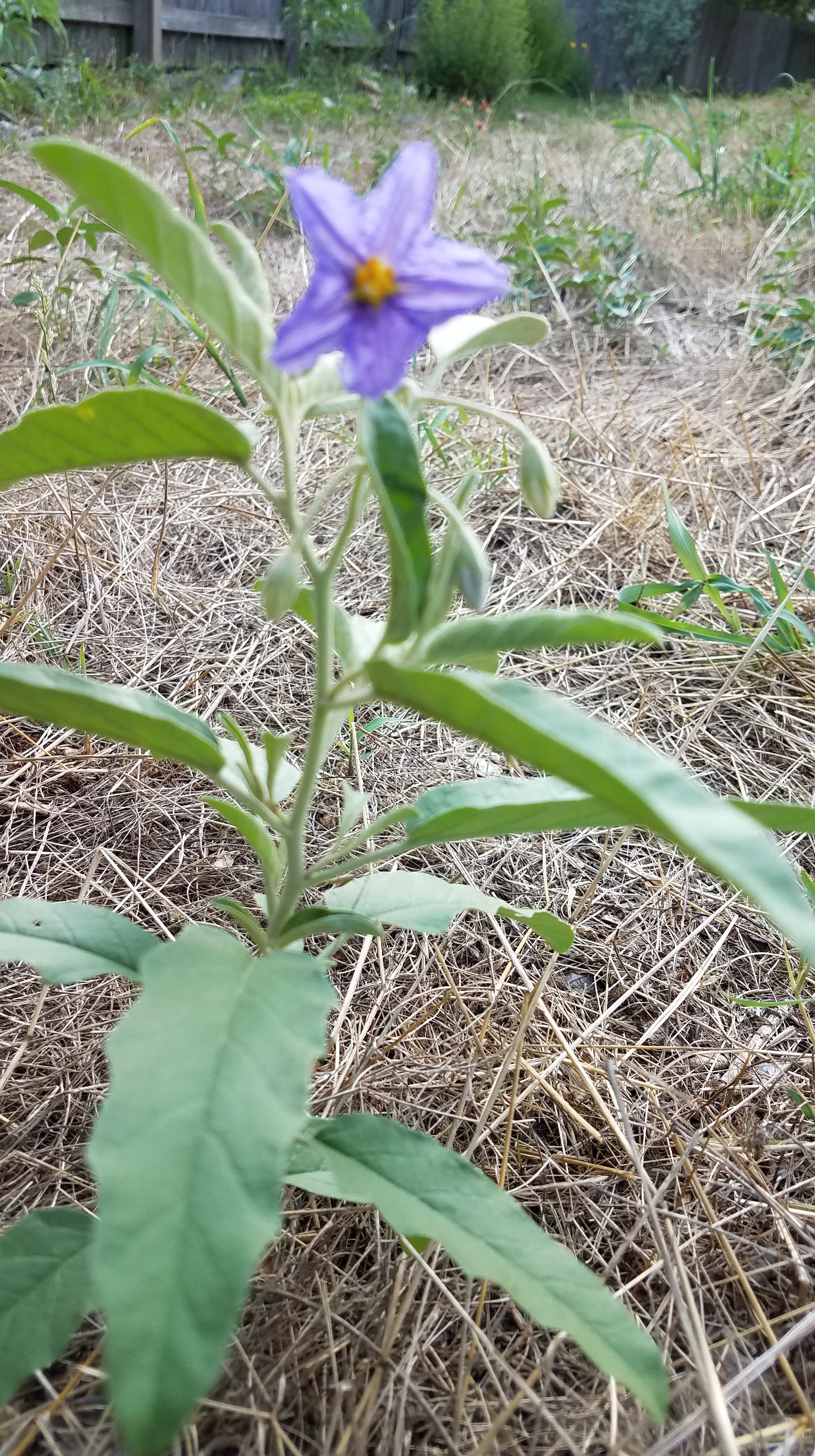
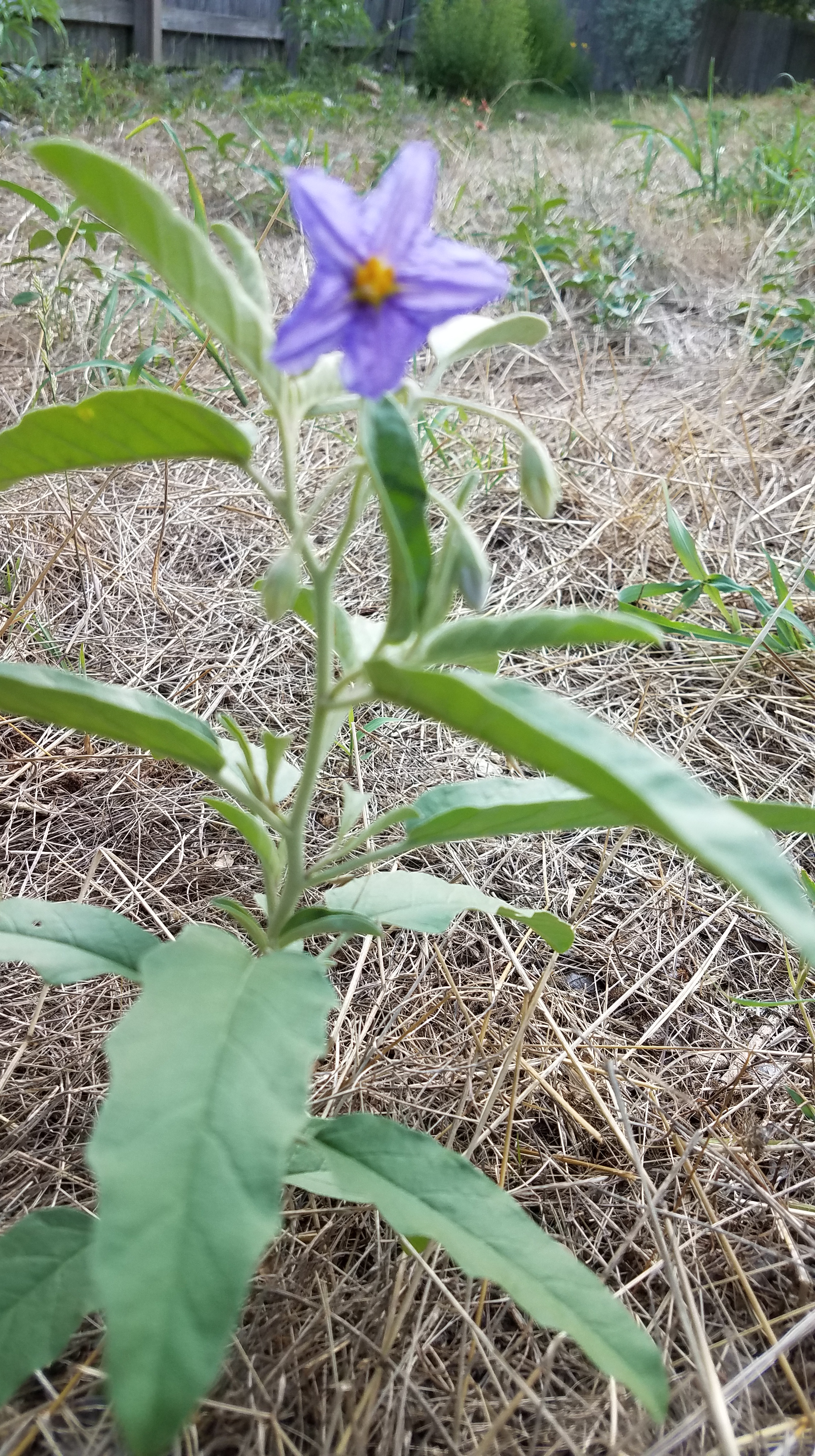
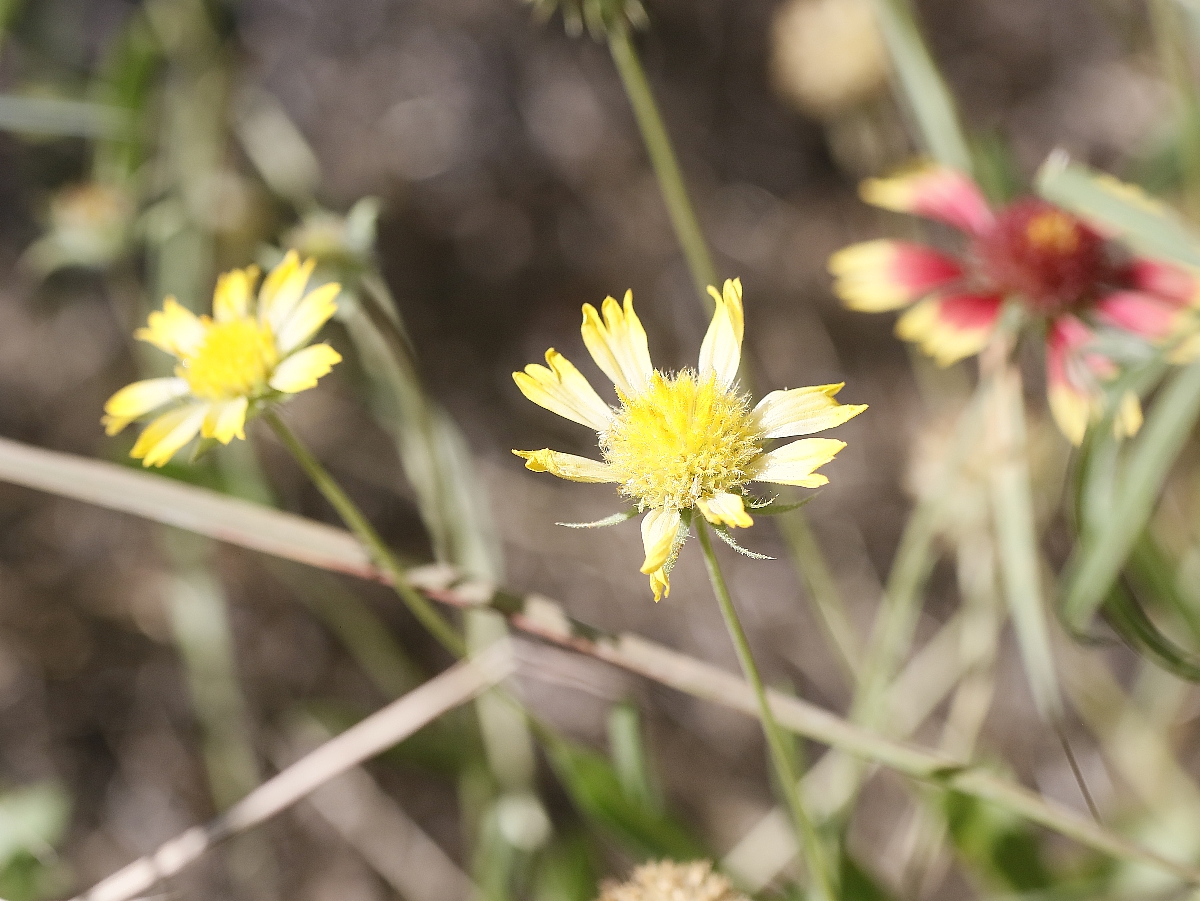
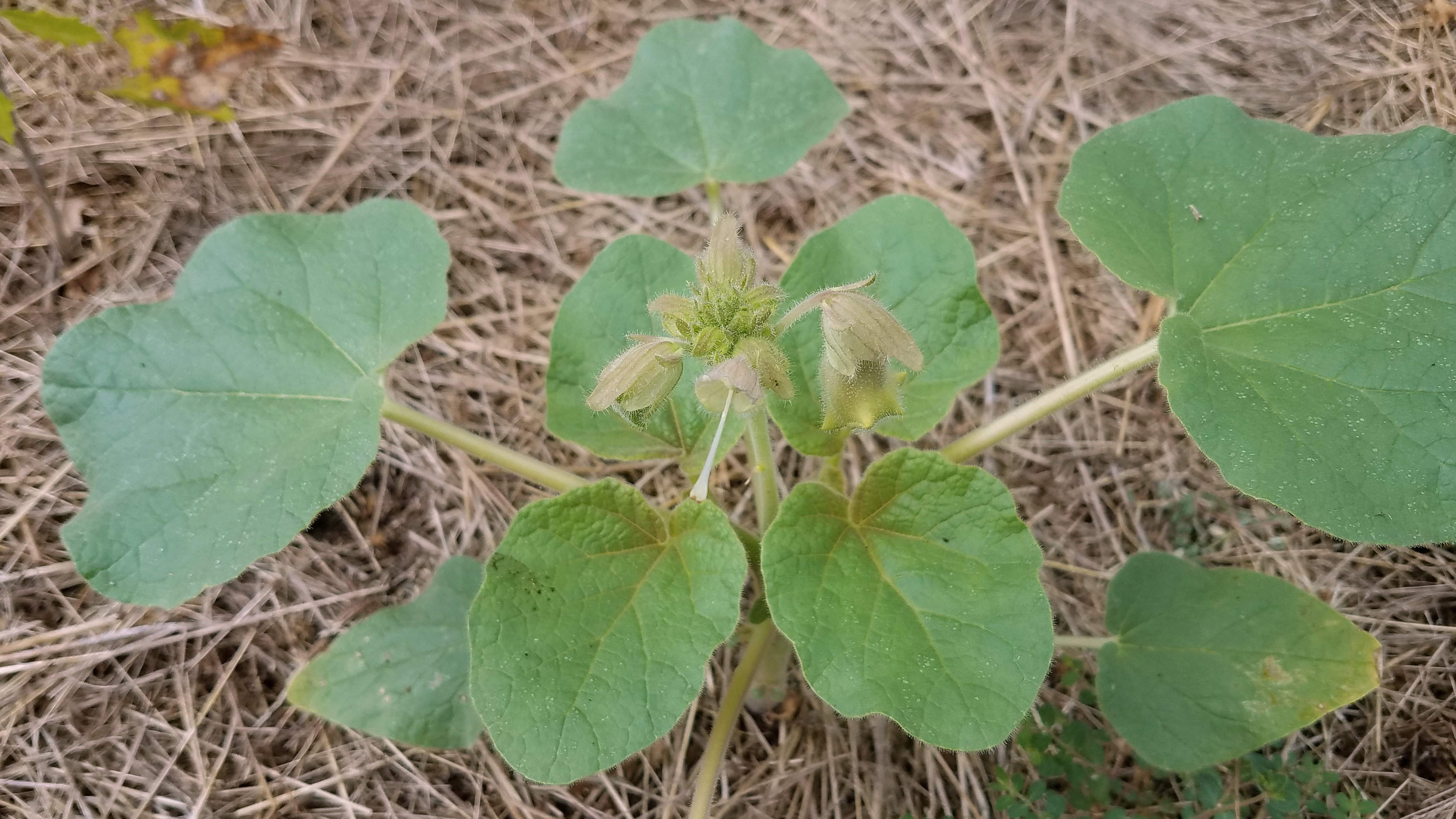
What, indeed? I’m happy to say I’ve seen a hummingbird buzzing around the Turk’s caps (Malvaviscus arboreus var. drummondii), the Tetraneuris scaposa as well as the T. scaposa var. linearifolia are in bloom, although the ones in the “nuisance strip are less lively than the ones in the one gallon pots ready to augment them. The Blackfoot Daisies (Melampodium leucanthum) are blooming, and the Cenizo or Texas Sage (Leucophyllum frutescens) bloomed for a little while, but have faded as the temperatures get into the 100s and the air has dried up. Datura (Datura wrightii) have been putting out their Angel Trumpets at night. Devil’s Claw (Proboscidea louisianica) are coming up behind the fence, along with plenty of Silverleaf nightshade (Solanum  elaeangifolium). Here are some of those mentioned, and maybe some not.

PD Treatment with Cannabis?

One form of treatment that has a lot of anecdotal evidence but has resisted scientific inquiry due to archaic legal issues is the use of Cannabis. Although there haven’t been a lot of studies related to Parkinson’s Disease, quite a few have been conducted related to other medical conditions, including addiction and other drug abuse/misuse issues and psychiatric conditions. This post provides a look at a few studies that are open access and which might have a relationship to mental issues related to Parkinson’s Disease (such as anxiety, depression, apathy…not that anyone cares…)

Cannabis, a complex plant…   

Atakan Z. (2012). Cannabis, a complex plant: different compounds and different effects on individuals. Therapeutic advances in psychopharmacology2(6), 241–254. https://doi.org/10.1177/2045125312457586

an overview of the biochemical basis of cannabis research by examining the different effects of the two main compounds of the plant and the endocannabinoid system, and then go on to review available information on the possible factors explaining variation of its effects upon different individuals.

A review of the chemical compounds of greatest interest to researchers.

The Genetic Structure of Marijuana and Hemp

journals.plos.org (2015)

We find a moderate correlation between the genetic structure of marijuana strains and their reported C. sativa and C. indica ancestry and show that marijuana strain names often do not reflect a meaningful genetic identity. We also provide evidence that hemp is genetically more similar to C. indica type marijuana than to C. sativa strains.

Hemp has more CBD and less THC, marijuana (as C. sativa is commonly referred to, as more THC,  in general.

The effectiveness of Cannabis Flower for the relief of depression

YALE JOURNAL OF BIOLOGY AND MEDICINE 93 (2020), pp.251-264.

The findings suggest that, at least in the short term, the vast majority
of patients that use cannabis experience antidepressant effects, although the magnitude of the effect and extent of side effect experiences vary with chemotypic properties of the plant.

Contrary to some of the other reports, this one suggests that most people get an antidepressant effect, although each person’s experience might be different.

The Impact of Cannabidiol on Psychiatric and Medical Conditions

J Clin Med Res. 2020;12(7):393-403

a systematic review of literature reviewing the available clinical data on
CBD, for use in various medical and psychiatric conditions with focus
on a review of the pharmacology and toxicity. 

As up to date a review one can get at this point in time.

Changes in patient health questionnaire (PHQ-9) scores in adults with medical authorization for cannabis

Round et al. BMC Public Health (2020) 20:987  https://doi.org/10.1186/s12889-020-09089-3

Although the majority showed no clinically important changes in PHQ-9 scores, a number of patients showed improvement or deteriorations in PHQ-9 scores. Future studies should focus on the parallel use of screening questionnaires to control for PHQ-9 sensitivity and to explore potential factors that may have attributed to the improvement in scores pre- and post- 3-6 month time period.

Similar to the last study cited, that supported the hypothesis that Cannabis use didn’t seem to have an effect of whether one was anxious or depressed.

Attenuated reward activations associated with cannabis use in anxious/depressed individuals

Spechler, P.A., Stewart, J.L., Kuplicki, R. et al. Attenuated reward activations associated with cannabis use in anxious/depressed individuals. Transl Psychiatry 10, 189 (2020). https://doi.org/10.1038/s41398-020-0807-9

data support the hypothesis that cannabis use in individuals with mood/anxiety disorders is associated with attenuated brain processing of reward magnitude, which may contribute to persistent affective symptoms.

In other words, I think that what they are saying is that if you are anxious or depressed, Cannabis won’t necessarily change that.

Health-related quality of life in young people: the importance of education

Gil-Lacruz et al. Health and Quality of Life Outcomes (2020) 18:187
https://doi.org/10.1186/s12955-020-01446-5

The dimensions of HRQOL are influenced by educational level. The influence is greatest among girls and the youngest members of the poorest area of the district. Public authorities should contemplate the development of an equitable education system from the beginning of the life cycle as a public health strategy.

Not specifically related to PD either, this has a broader impact. Better education leads to better health (and probably better schools, better businesses, and better public services and elected officials, one might wager).

That’s all for now. Time to relax. Take five. Smoke ’em if you got ’em, as the saying goes…


In search of a biomarker for Parkinson’s Disease

This report was pretty darn technical and way above my head, but from what I understood:

      • Lewy bodies are formed by the aggregation of alpha-synuclein proteins long before loss of dopaminergic neurons becomes apparent
      • Alpha-synuclein proteins appear to affect the immune system to produce an inflammatory response in the body (and brain)
      • The inflammatory factor interleukin-1-Beta was found at significantly higher levels in Parkinson’s patients’ blood samples

This particular study can be found on PubMedCentral. Unfortunately, I seem to have lost the link (or WordPress lost it for me). I Blame The Parkinson’s©

Howsomever, as Pogo the Possum (or Albert the Alligator) might have said, here is an article on biomarkers, published even more recently:

Blood biomarkers in Parkinson’s cluster analysis and prognosis   

 “Baseline clinical subtyping identified a pro‐inflammatory biomarker profile significantly associated with a severe motor/nonmotor disease phenotype, lending biological validity to subtyping approaches. No blood biomarker predicted motor or nonmotor prognosis.  (Mov Disord. 2020 Feb; 35(2): 279–287. Published online 2019 Nov 6. doi: 10.1002/mds.27888)

In other words, inflammation seems to be associated with PD, but the blood biomarkers they used didn’t correlate to progression of the disease.

In the meanwhile, we’re still searching…

###

Natives returning, along with a few undesirables

A month after the Wildflower Massacre at the hands of untrained/poorly trained mowers (who are not to blame, for the are just pawns in the game), the native plants are making a strong comeback, as well as a couple of unwelcome plants, both exotic and native. Among the invasive or undesirable plants are Johnson Grass (Sorghum halepense), Bermuda Grass (Cynodon dactylon), and Poison Ivy (Toxicodendron radicans). Interestingly enough, most of the “new” natives are coming up in the area in which I had already pulled some 10 bags of grasses and weeds of the exotic and invasive persuasion. But enough talk, here’s a slideshow to illustrate what I’m talking about.


The low blade mowing (under 7 inches) according to a personal source expert on eradicating non-native species from parks and preserves, is a great way to spread the Poison Ivy (a native, but one which one prefers left in preserves, untouched by mower blades). I suspect that cutting below 7 inches also encourages the spread of Bermuda Grass. The Johnson Grass is an opportunistic plant that likes disturbed soils such as construction sites or “scalped” roadways and in my case, berms. But it can be easily defeated by pulling it out after every rain, and letting native grasses take over.

Mowed down to the ground, the natives return

  • Texas Bluebonnet floret
  • Devil's Claw / Ram's Horn
  • Horsemint / Bee Balm
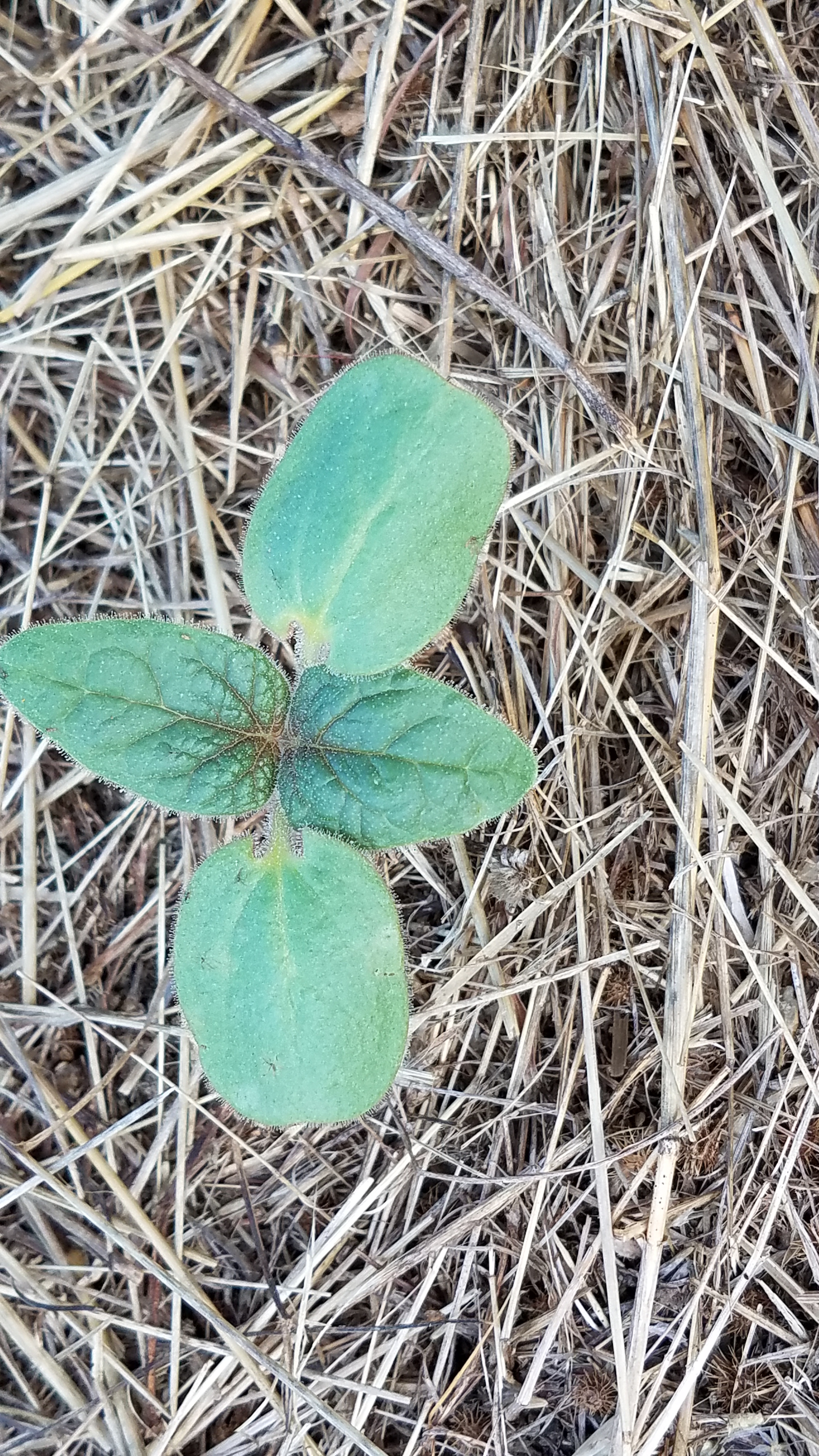
  • Silverleaf nightshade
  • Devil's Claw
  • Devil's Claw
  • Cow-Itch or Sorrel vine
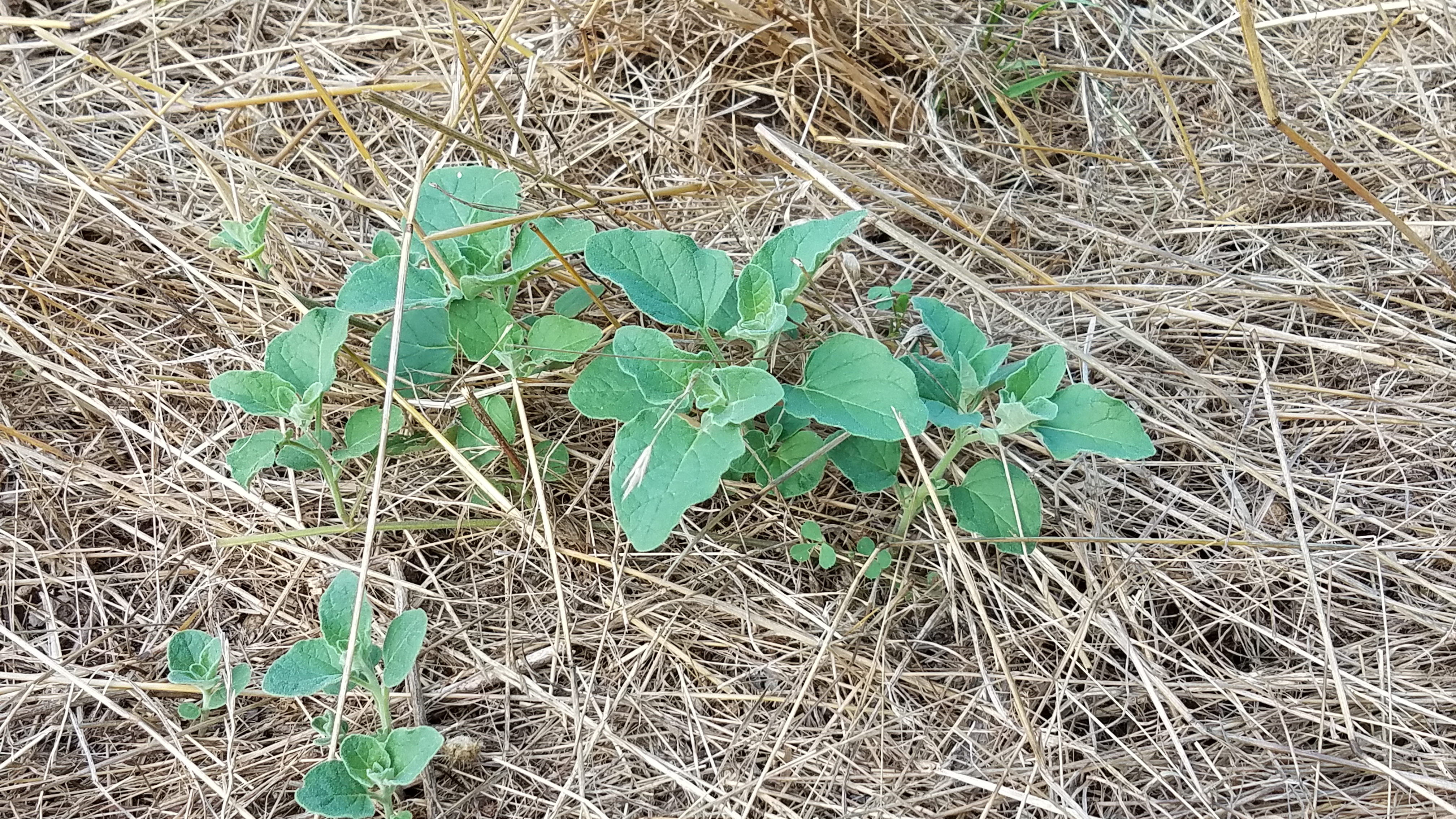
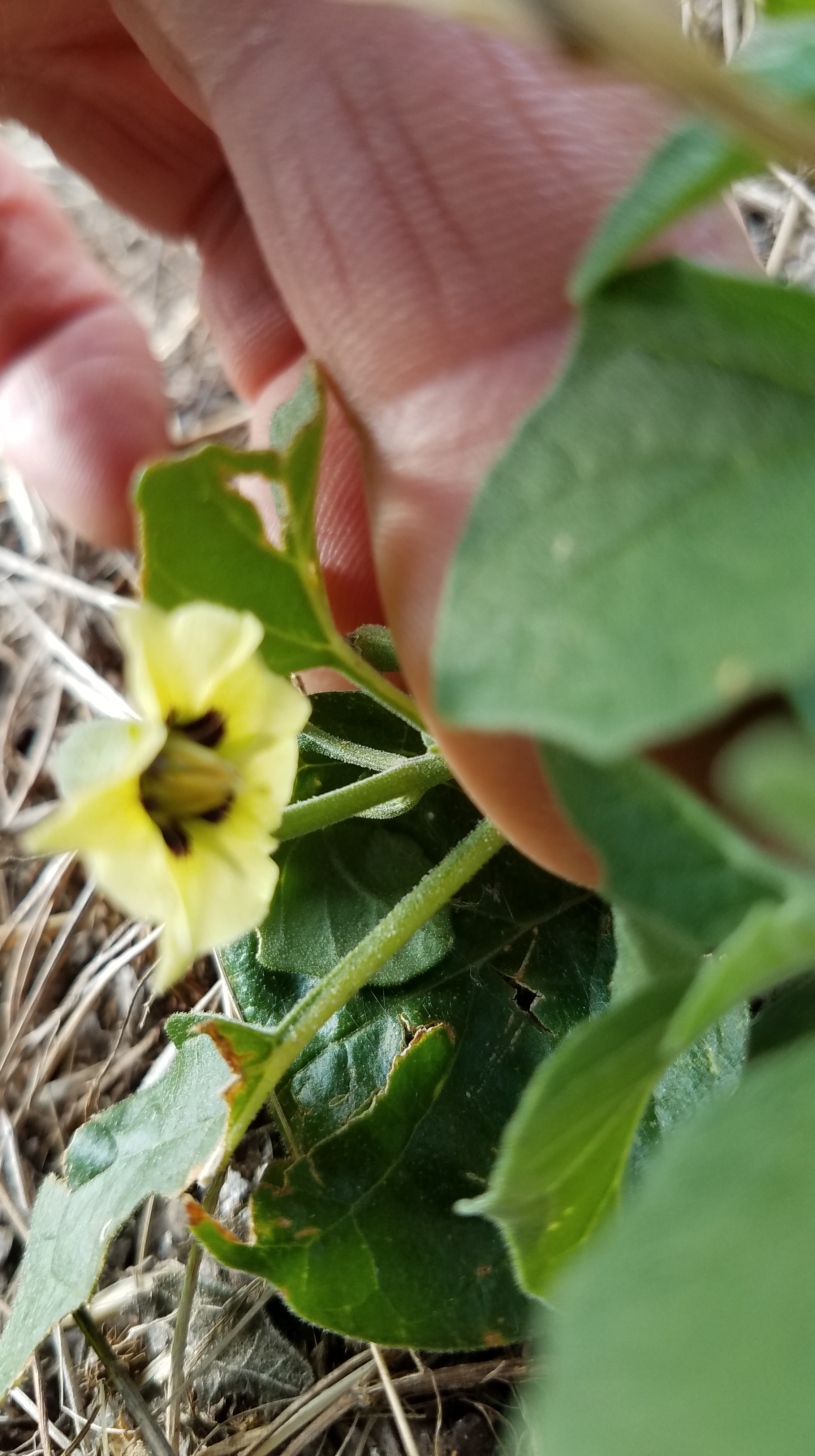
  • Yellow Ground Cherry - one of the Solonaceae
  • Silverleaf Nightshade
  • Gaillardia pulchella
  • May 27, 2020 - prostrate upright coneflowers (Ratibida columnifera)
  • Ram's Horn or Devil's Claw

On May 26, the mowers came by and mowed down the stand of wildflowers still in bloom on the berm between my backyard and the greenbelt. But since then, in addition to the Johnson Grass (which is fairly easy to control as an invasive plant), there have been several native Texas plants coming up from the embattled field.

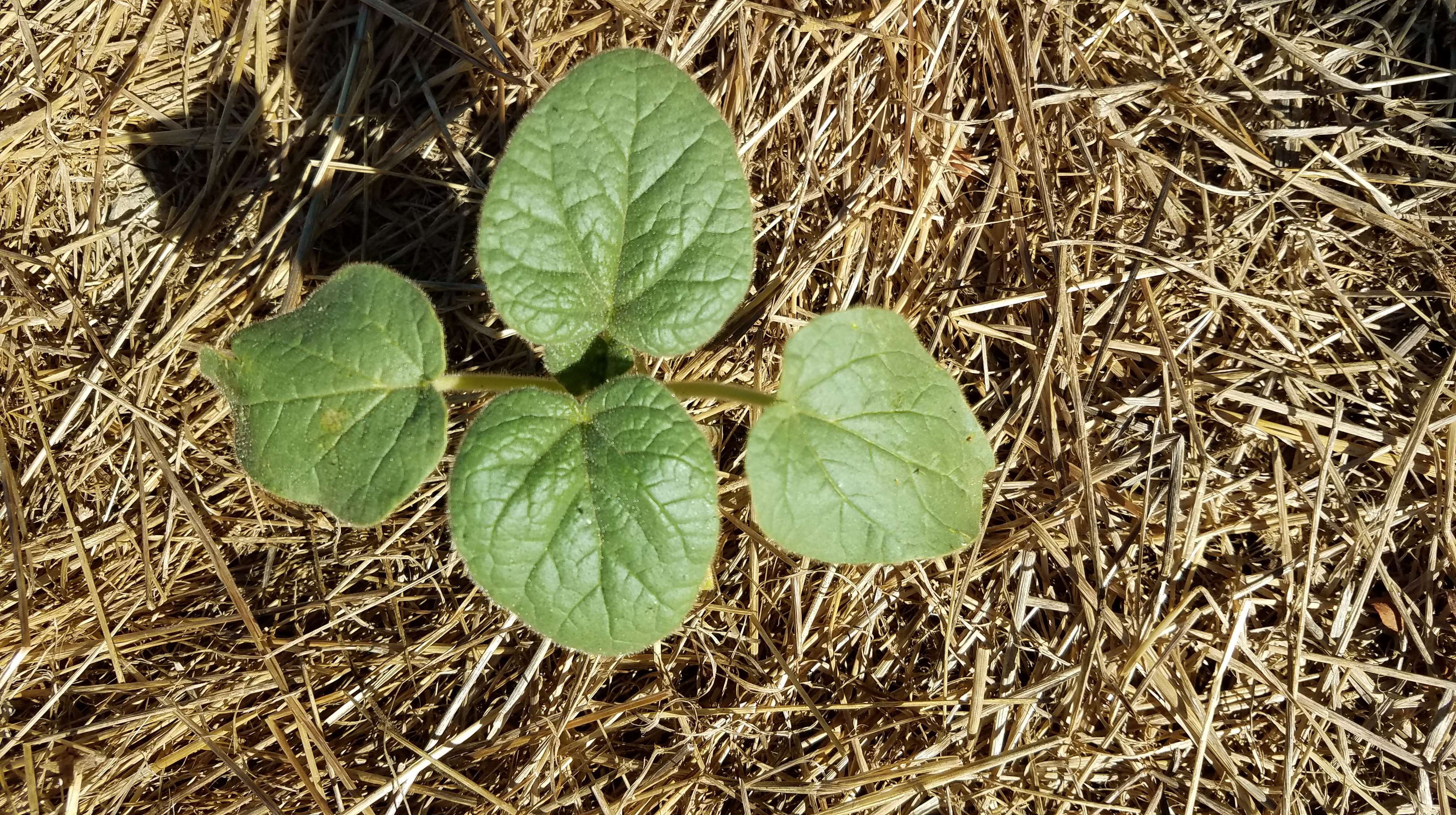
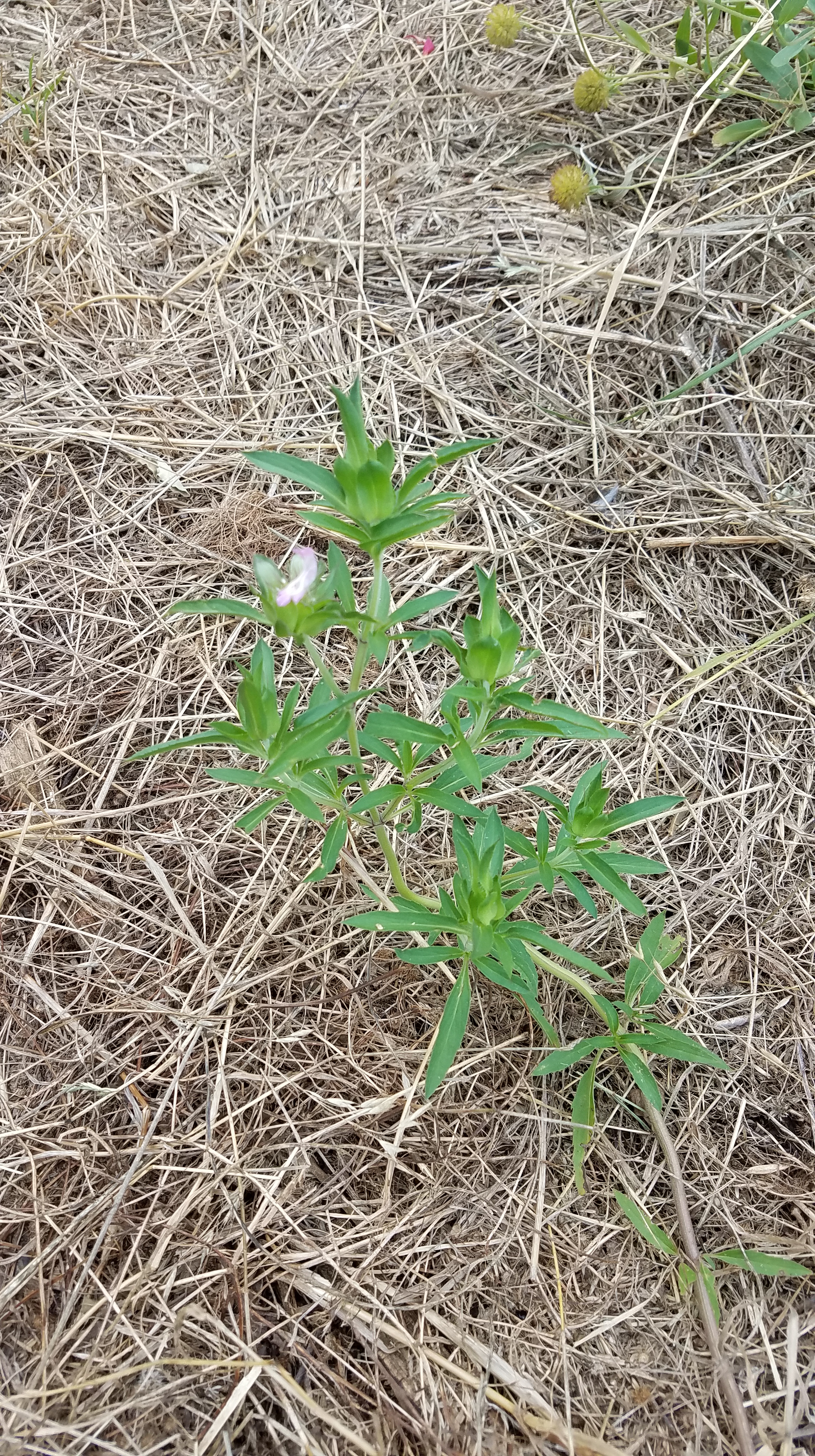
A Texas Bluebonnet floret starts the slide show, and we have Gaiillardia, including some of the “albino” variety that seems to favor this location. Straggler Daisy, a low lying ground cover, and a member of the primrose family.above it. It’s not clear to me yet whether it is small due to lack of nutrients, or if it a different member of the Onotheraceae. I will have to look in my books…

And we have have a few that I haven’t identified but others have seen the photos and suggested Ram’s Hron for one of them. The Prairie Vervain have come, as have several Solonaceae: Silverleaf nightshade, Western Horse Nettle, and even Ground Cherry.

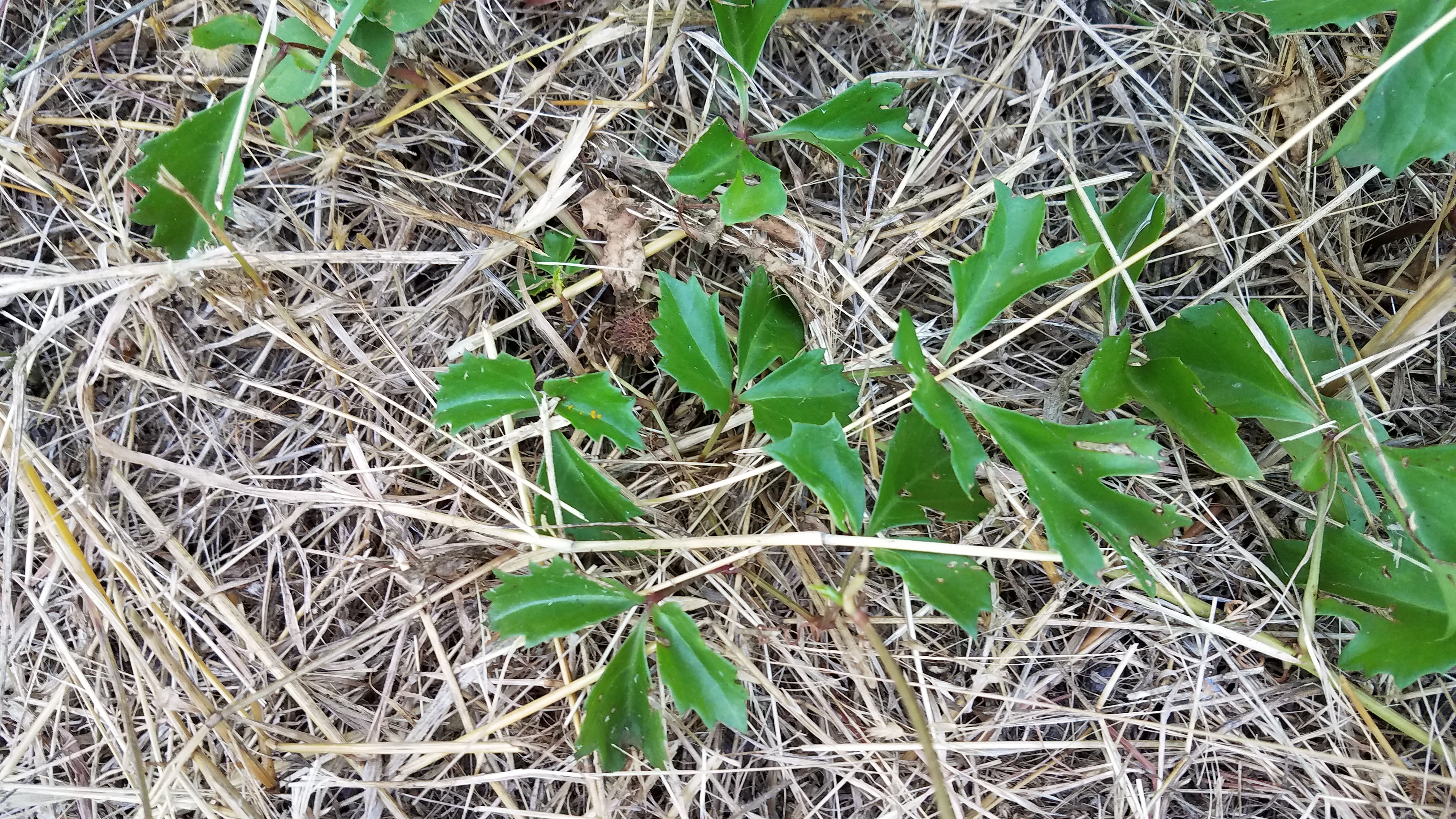
And I should probably note the Poison Ivy, which has entangled itself among some of the other plants. I have been told by an expert in the eradication of invasive plants that mowing is one of the best ways to spread Poison Ivy around.

And shall we do now?