What a difference a day makes… not for the better, this time.

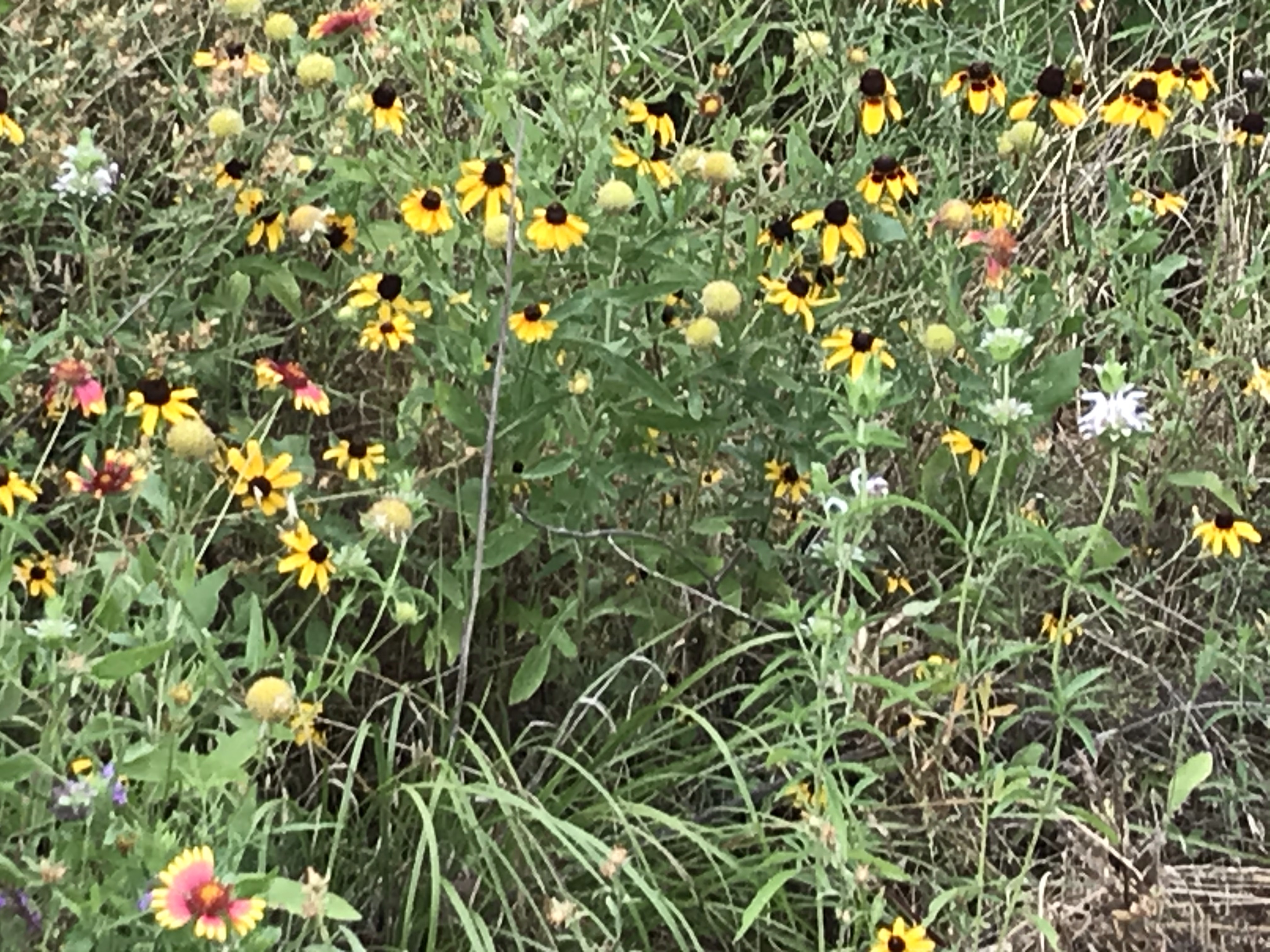
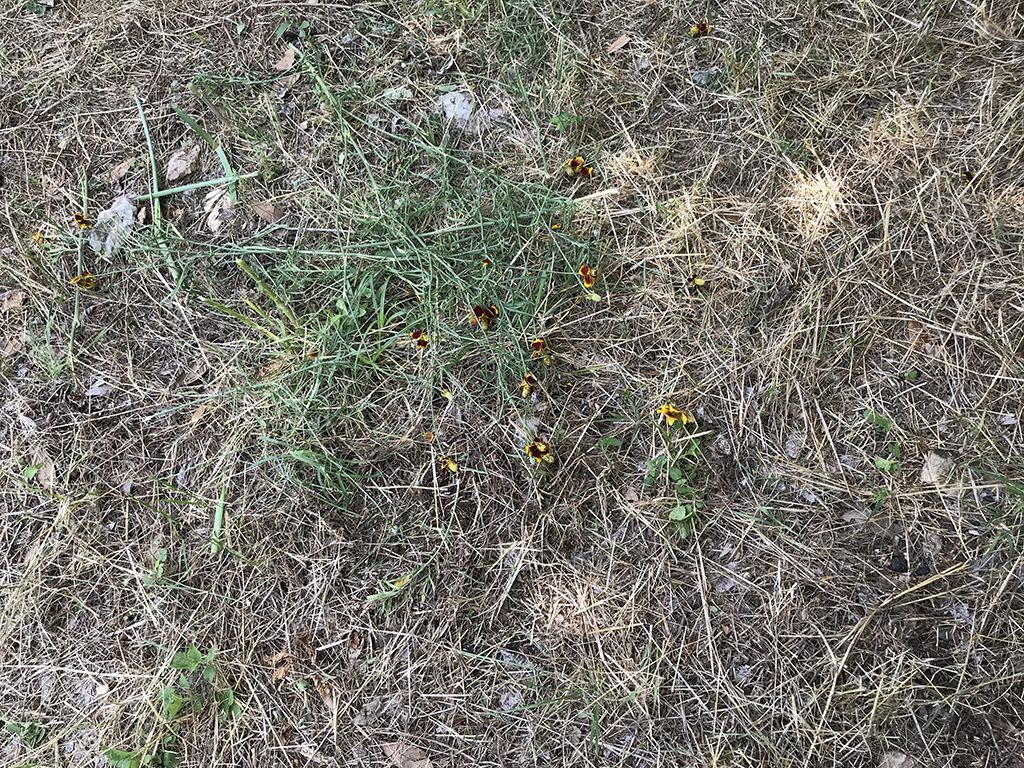
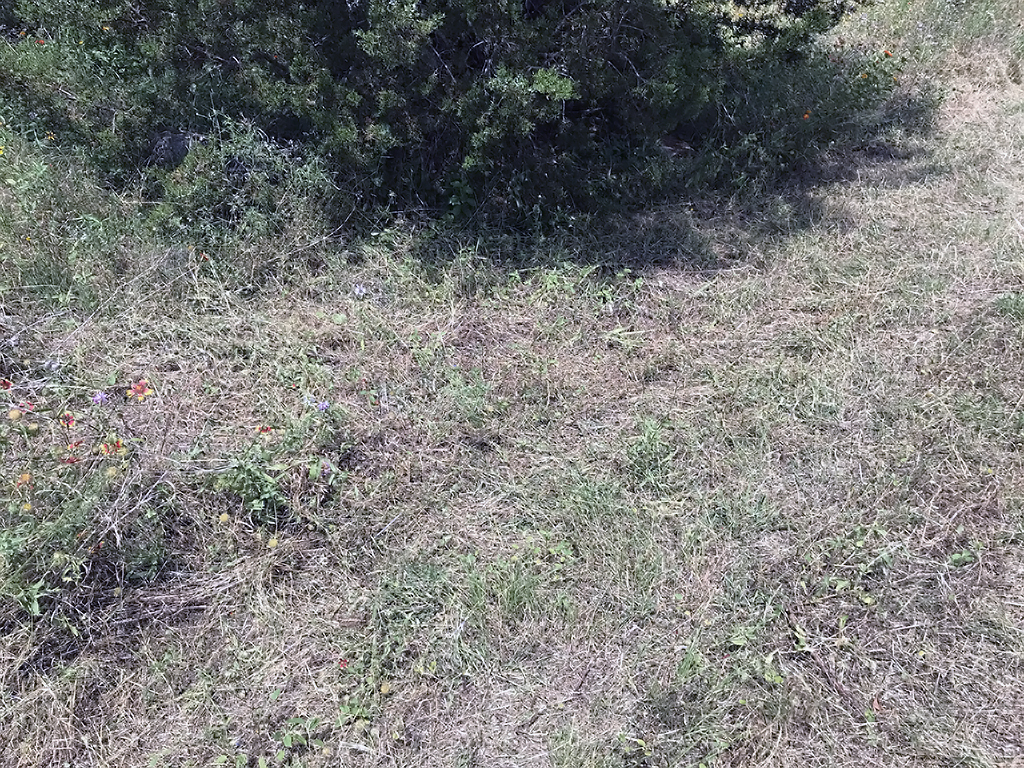
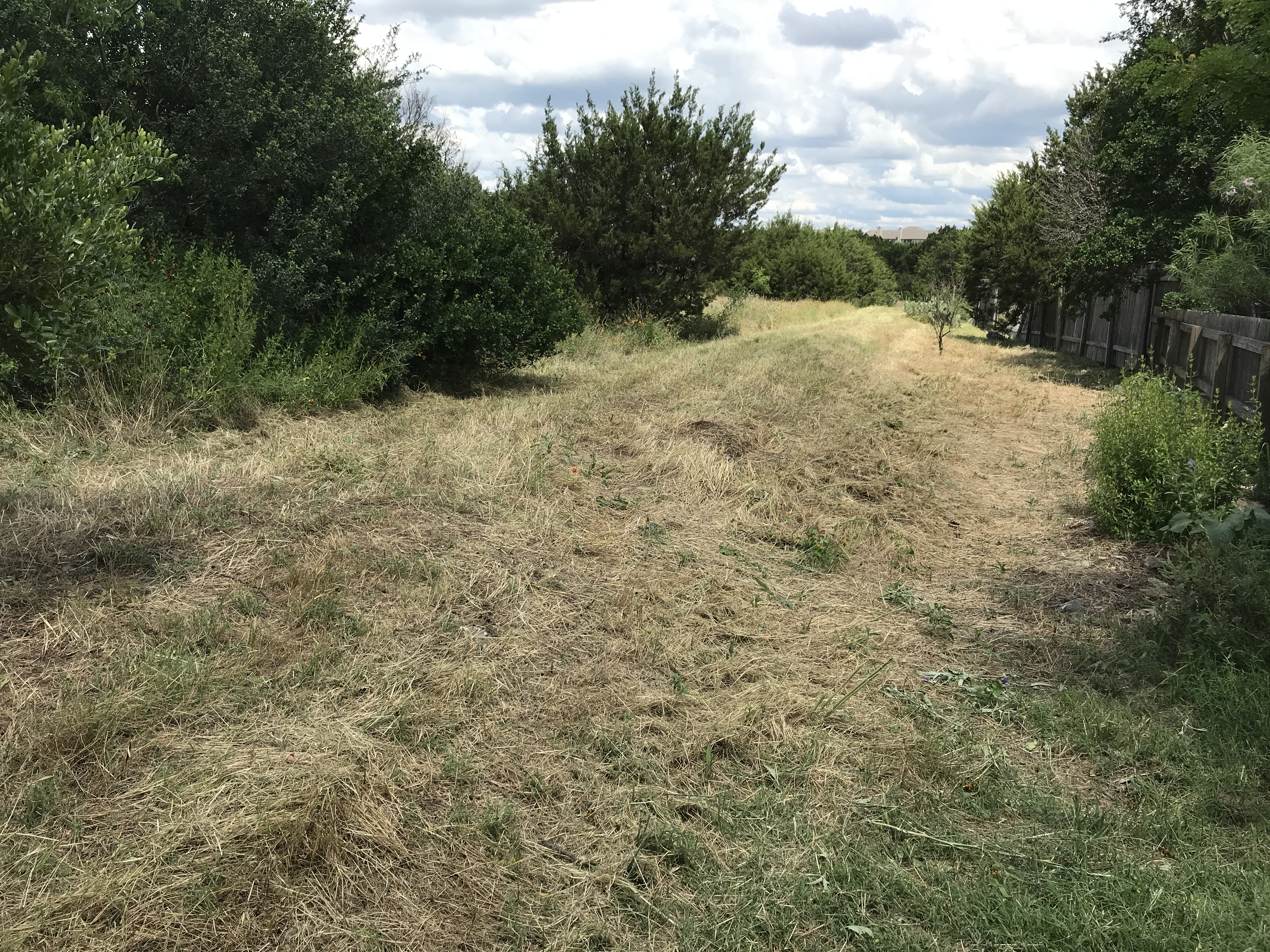
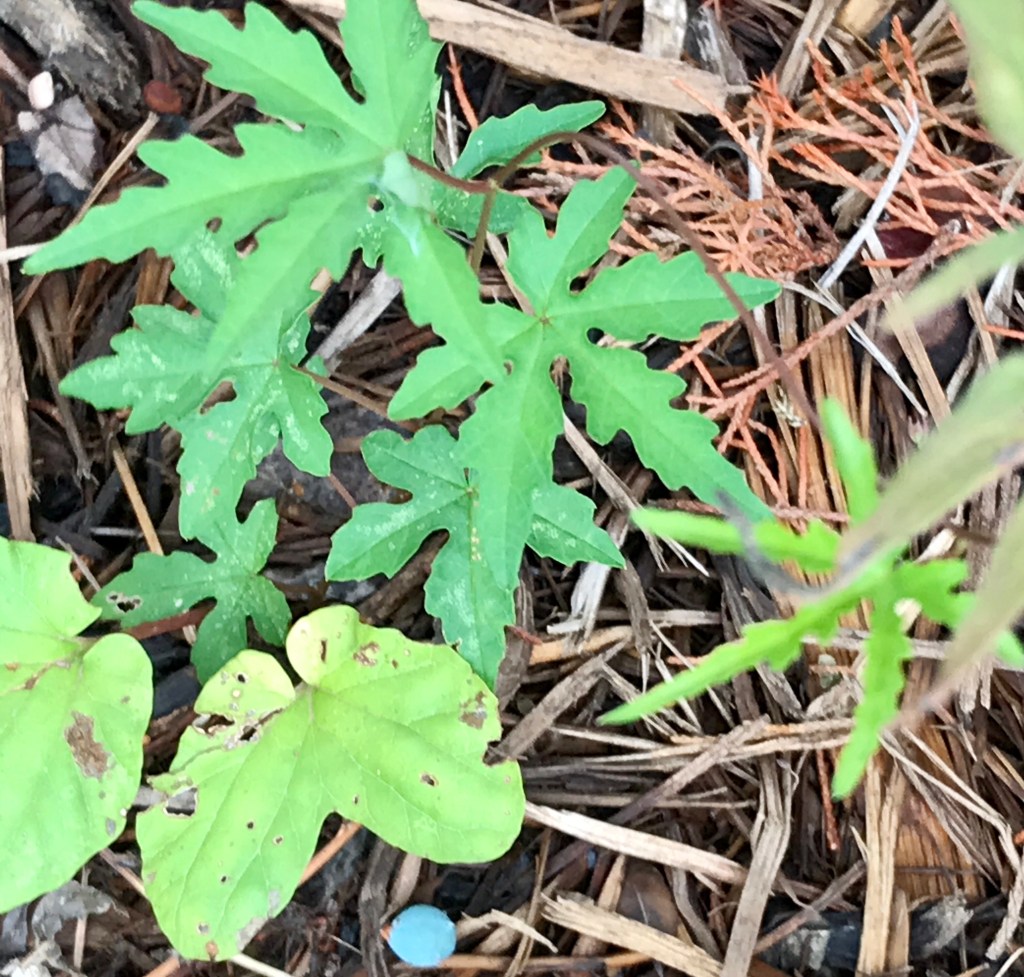
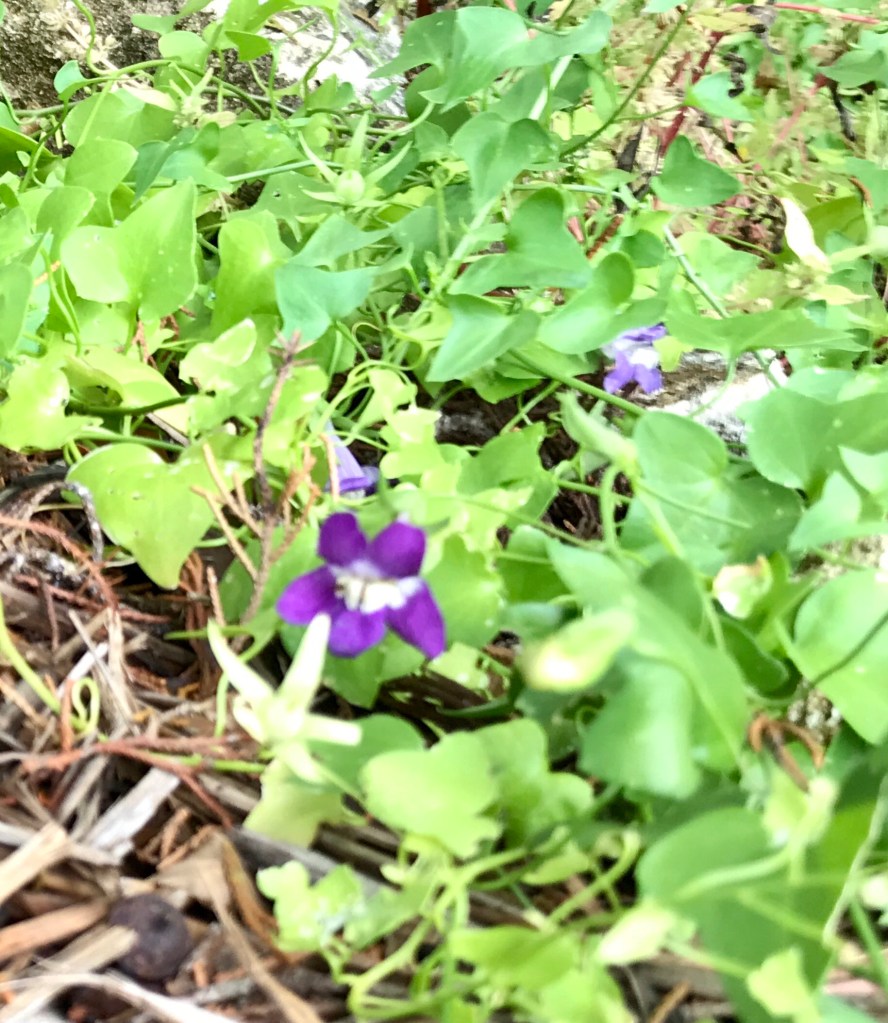
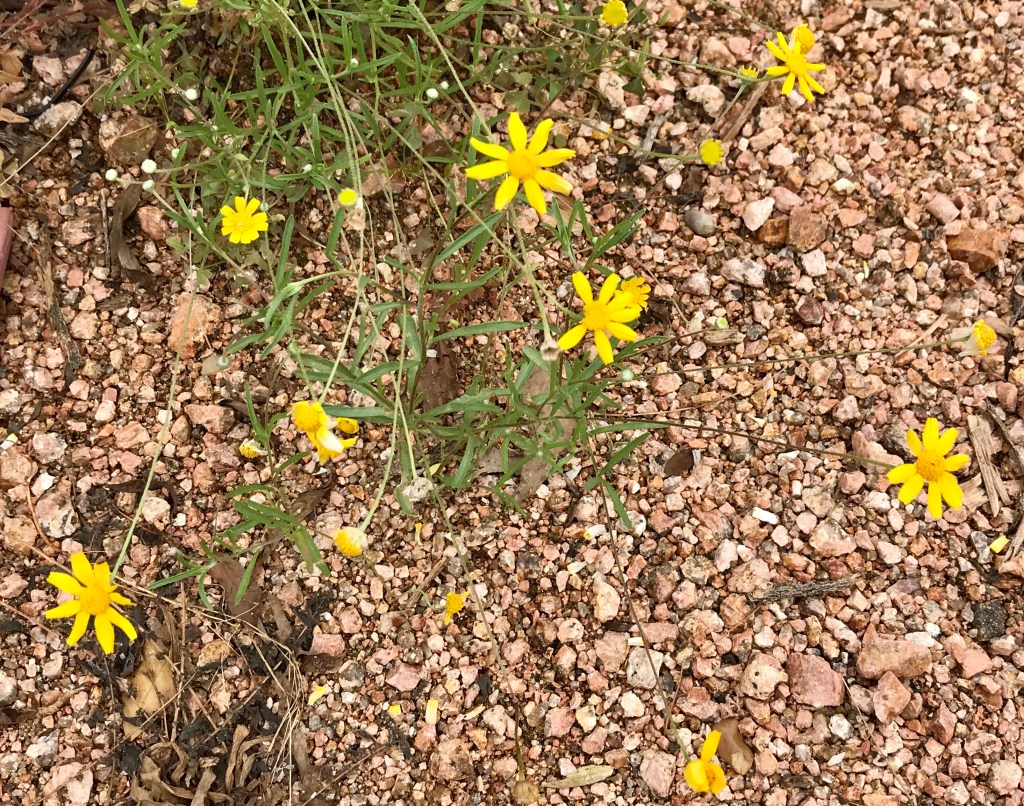
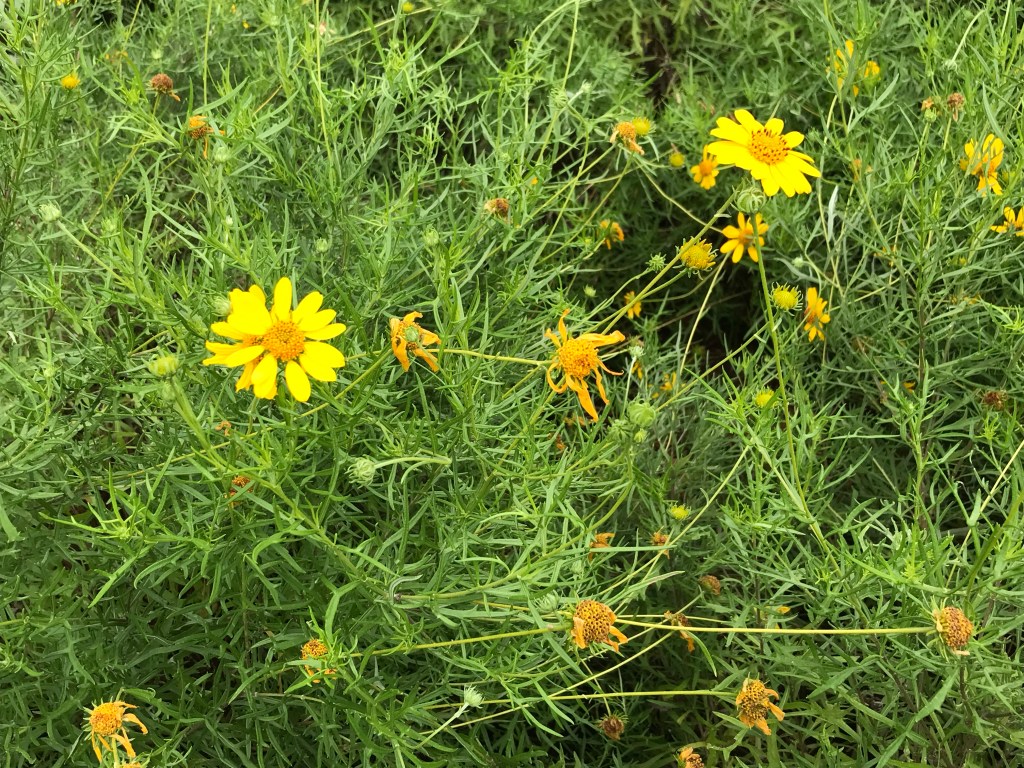
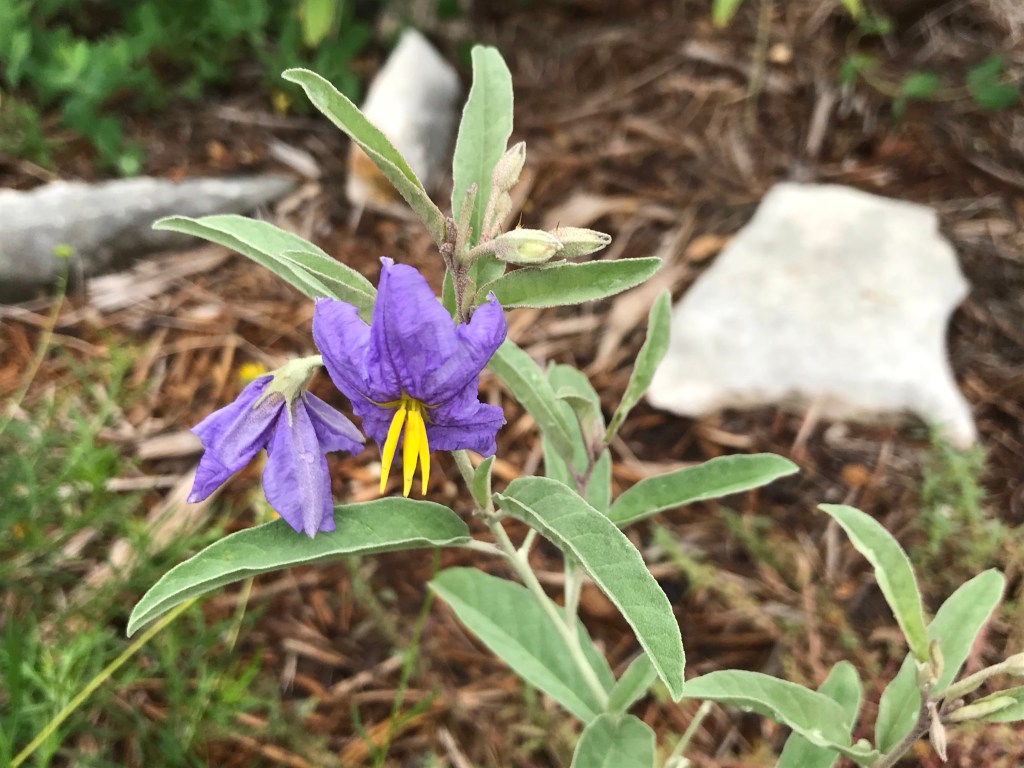
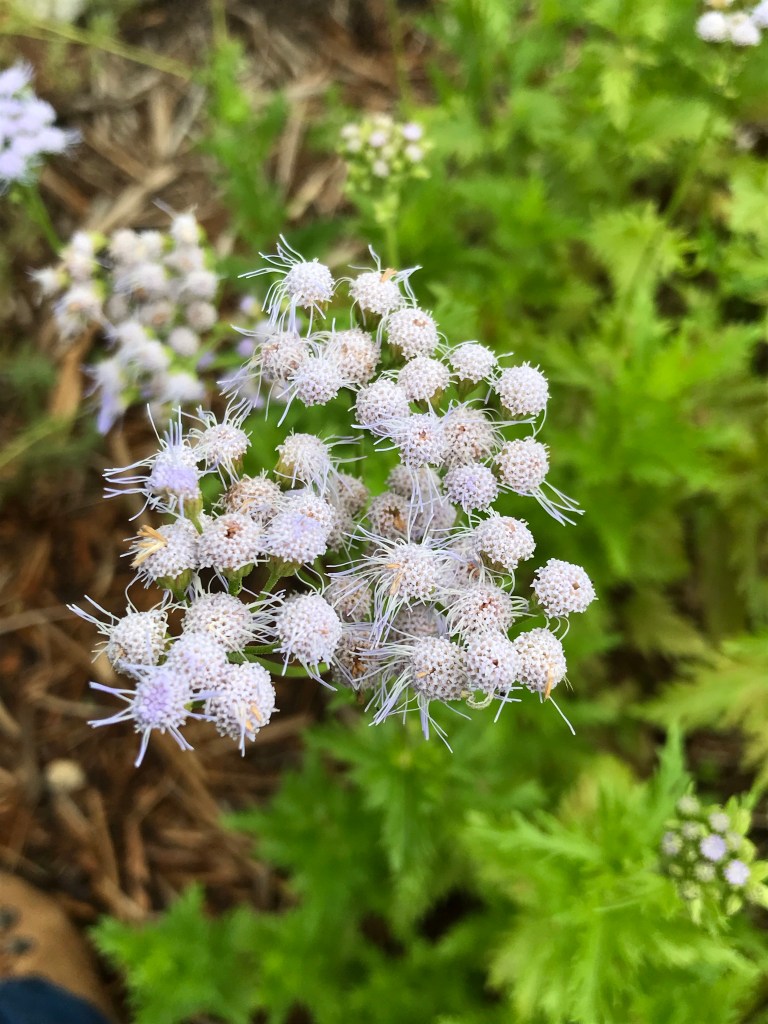
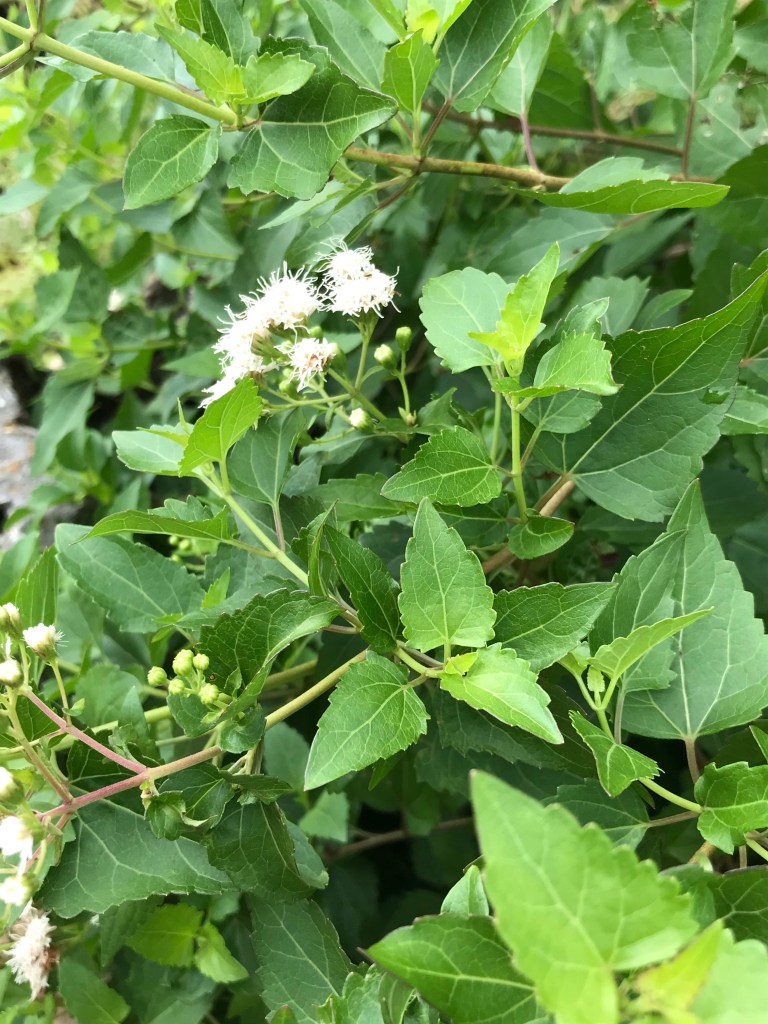
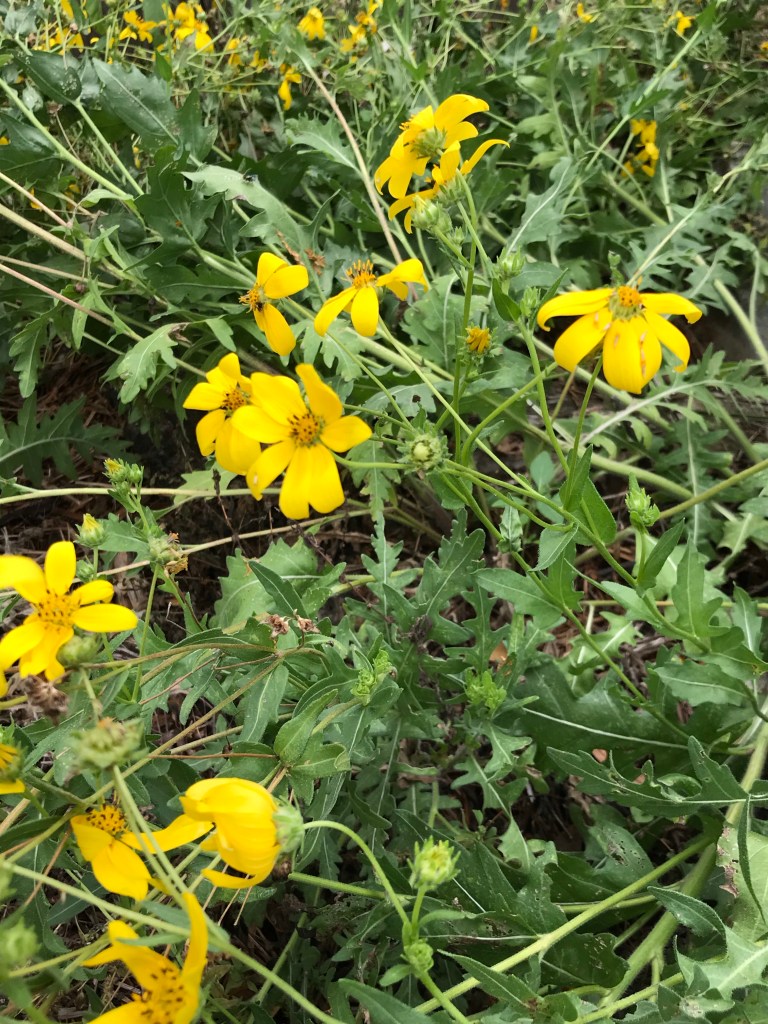
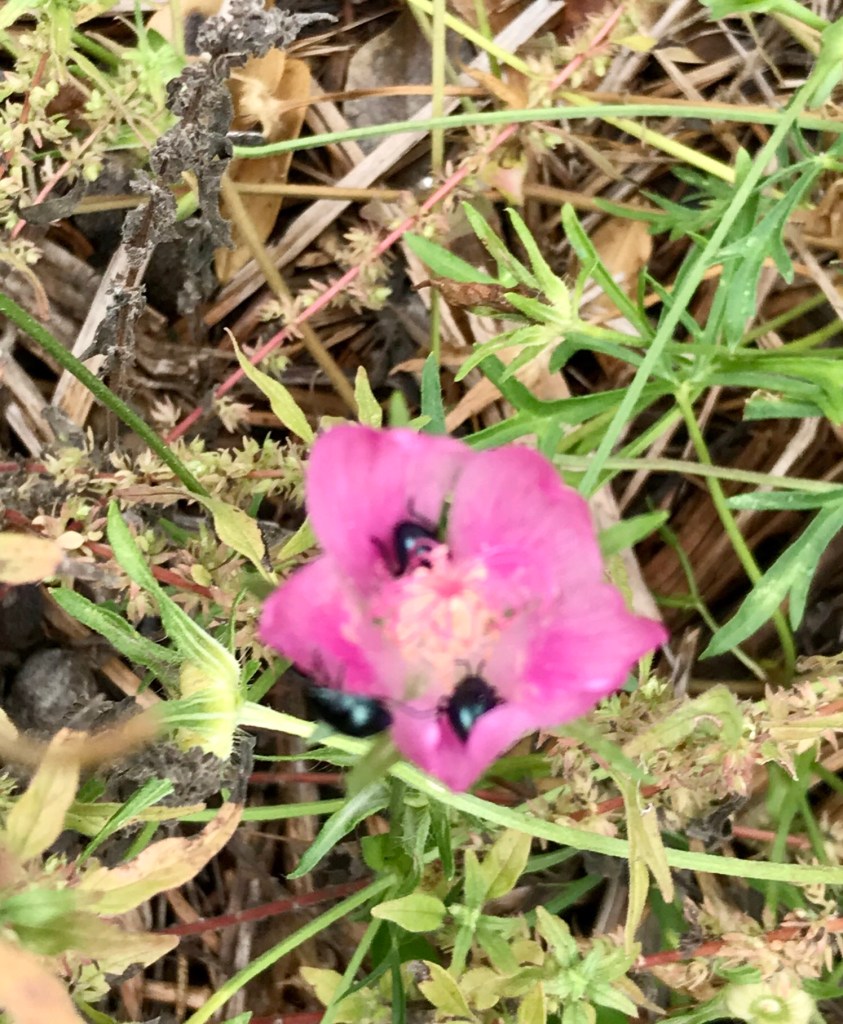
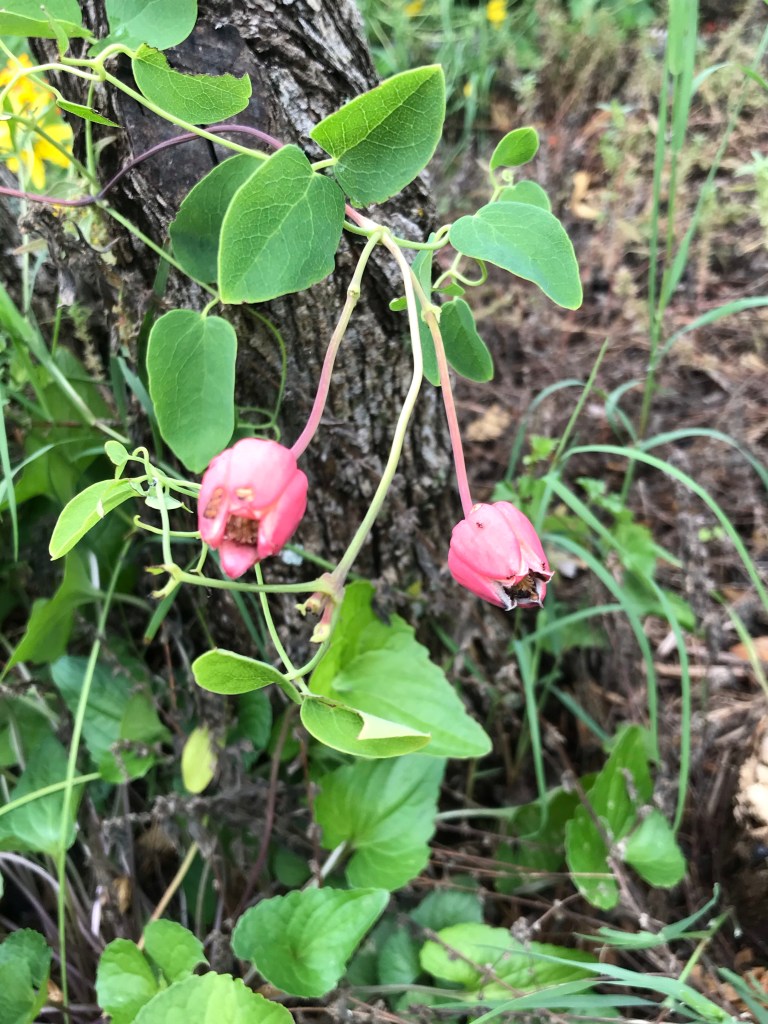
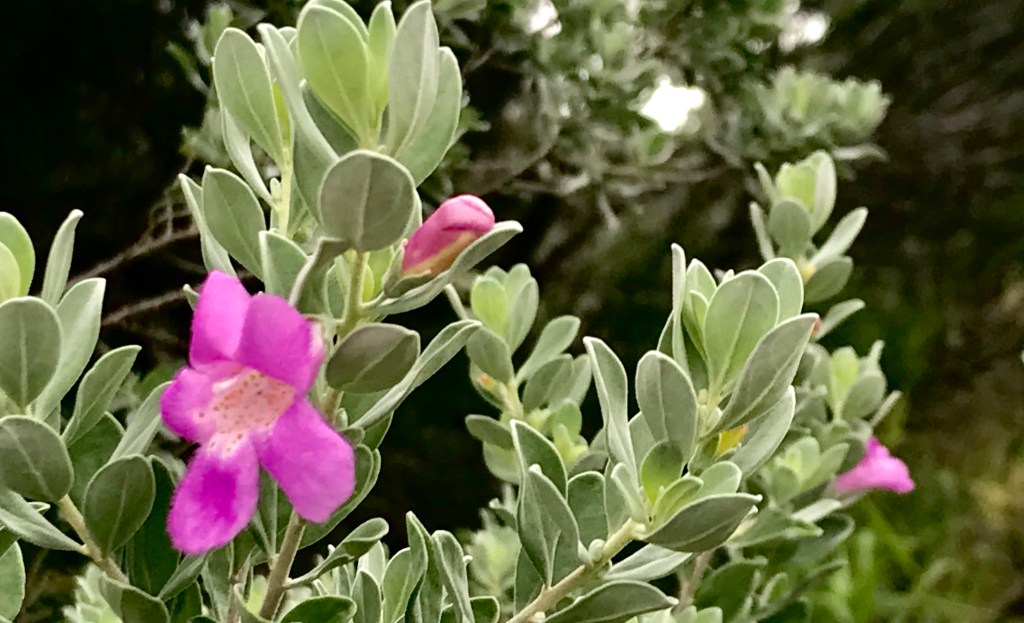
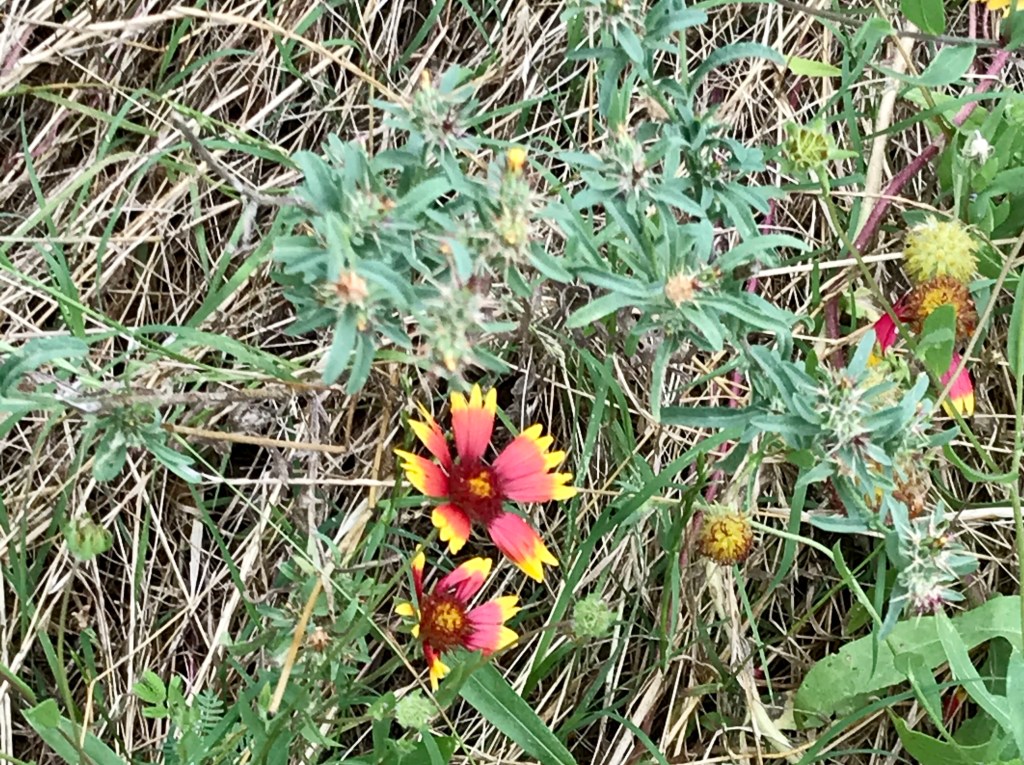
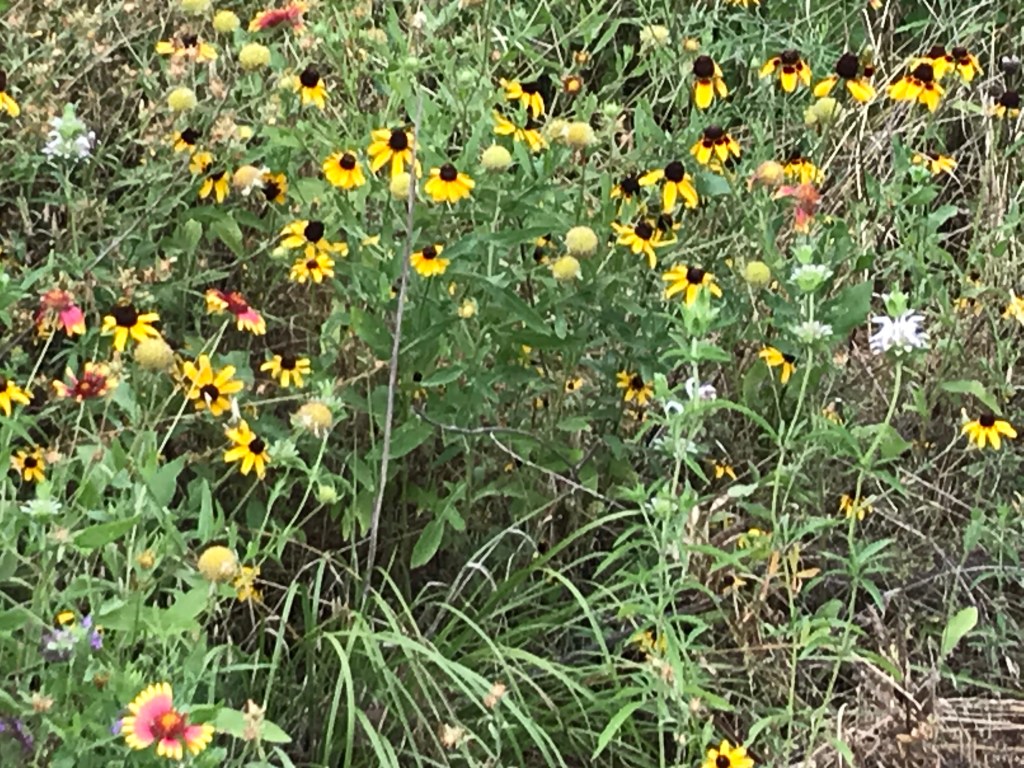
On Tuesday, May 26, 2020, I was participating in an online Parkinson’s exercise class when I heard the sound of engines and saw a mower going across the berm next to a green belt. The first three pictures below show the wildflowers that I had managed to give some room by pulling about 10 bags of invasive grasses and noxious weed from around them since February. The last three pictures show the result of the mowers’ work, having cut the berm bare, including the stands of blooming wildflowers. Warning: disturbing and graphic photographs are included.

I quickly called Ecosystems Landscaping of Austin, the name of the company on the mower’s tee-shirt, who had simply waved at me and turned his mower in the opposite direction when I tried to flag him down. (Granted, I did not have a face mask on. Perhaps he was following COVID-19 prevention precautions).

I spoke on the phone with a Mr. Robert G., who basically let me vent while his company’s employees cut down all the wildflowers still standing on the berm, many of which were not yet in full bloom or had even gone to seed.

He told me that their contracts required them to mow within a certain date. I asked why there weren’t clause(s) that prohibited mowing under unsuitable conditions, such as following rains (we had received at least two inches of rain in the last three days, and the ground was still wet, as was the grass). He claimed that their mower blades were pressure washed before bringing the mowers to the site, and that the blades were set at least three inches high. (I advised him that the Texas DOT guidelines for roadside vegetation management recommend setting the blades at 7 inches for rural areas, and to avoid mowing next to natural preserve areas, which the greenbelt is). I suggested that the Lolium perenne (annual rye grass) and Centaurea melitensis (Malta star thistle), both highly invasive plants, could not have come in during the last two years in as great of numbers as they had without having been carried in on mower blades.

Although the following references are to the Texas Department of Transportation’s (TXDOT) online manual for roadside vegetation management, (click on the “Home” icon to view a PDF version) I remember learning that the first documented case of child abuse in the US was reported to the Animal Welfare Agency and was prosecuted under the laws regarding cruelty to animals. I think any claim that HOAs and other entities are not subject to the same guidelines are spurious by analogy. At best, such an argument is specious.

In short, I observed the following presumed violations of The Texas Department of Transportation guidelines to Roadway and Roadside Maintenance, to name a few:

  • Assumed violation of guideline on Invasive Species (Ch.1, Section 3) “which calls for pressure washing of mowing equipment before the equipment enters or leaves designated areas.” as outlined in Special Provision 730-003 (dated 2004) on Roadside mowing which requires notification of the engineer prior to the pressure washing of mowing equipment in order to ensure that plant materials are contained. (An assumption based on the resulting infestation of invasive exotic vegetation. I am willing to retract this assumption if anyone can provide proof of actual pressure washing before moving the mowers into the area. Video with a date stamp would be sufficient and easy to create with a smartphone). (Emphasis added).
  • Presumed violation of Section 4: Special Situations, which states “frequent mowing of of native grasses would allow noxious weeds to invade. … “should be cut no lower than seven inches to ensure survivability.” {emphasis added).
  • Presumed violation of Section 2: Preserving and Enhancing Habitat: “Diversity – both in plant variety and growth structure – is the key to preserving and enhancing wildlife habitat. … focus on encouraging a diverse native plant population that will provide abundant food and cover for a variety of wildlife.”
  • Obvious violation of Chapter 1 Section 3 – levels of management: ” Large stands of wildflowers including fall blooming nectar plants for pollinators should be avoided when mowing unless safety concerns arise.” (emphasis added).

I could go on.

But I am an elderly person with Parkinson’s Disease. I can’t go out waving my machete at the mowers to get them not to mow over stands of blooming wildflowers. I had thought about putting out signs saying “Wildflower Restoration In Progress – Do Not Mow” the day before, but I had other promises to keep. Maybe this Fall. At least I pulled the 10 bags of invasive plants in the last three months. There will be that many fewer invasive plant seeds, and perhaps the native grasses and wildflowers will have a better chance next year.

###
What was blooming (or not) 25 May 2020

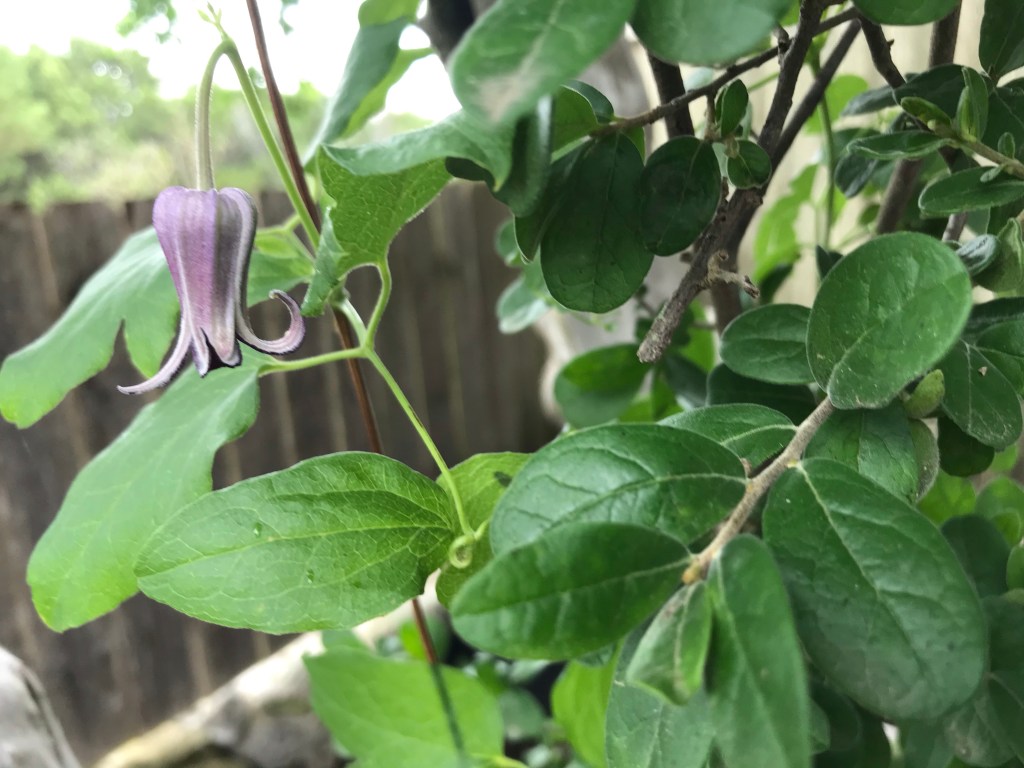
Clematis pitcheri (Purple leather flower) (cultivated)

(Posted about a year ago – edited to add the names of the plants), Went out in the yard and beyond today and captured a few items of interest. Didn’t go into the front yard because it was getting close to dinnertime.

Lantana urticoides (Texas Lantana)
Salvia farinacea (Mealy blue sage)(cultivated)
Symphyotrichum oblongifolium (Fall aster or Aromatic aster) (cultivated)
Merremia dissecta. (Alamo vine)(cultivated)(escaped from cultivation)
(Maurandella antirrhiniflora) (Roving sailor or Snapdragon vine) (native, not cultivated)
Tetraneuris linearifolia var. linearifolia (Slenderleaf bitterweed) (native, not cultivated)
(Viguiera stenoloba) Skeleton-leaf Goldeneye (cultivated)
Solanum elaeagnifolium (Silverleaf nightshade) (native, not cultivated)
Conoclinium greggii (Gregg’s mistflower) (cultivated)
Ageratina havanensis (White mistflower, White boneset) (cultivated)
Viguiera stenoloba . (Skeleton-leaf goldeneye) (cultivated)
Callirhoe involucrata (Winecup, Purple Poppy Mallow)(cultivated)
Clematis texensis (Scarlet Clematis, Scarlet Leatherflower, Texas Clematis)(cultivated)
Opuntia sp. (Prickly pear)(cultivated, “spineless varietal)
Luchophxllum frutescems (Cenizo, Purple sage, Trvas sage)(cultivated))
Gaillardia pulchella (Firewheel, Indian Blanket) (natiive, not cultivated)
Oenothera speciosa (Pink Evening Primrose, Pink Ladies) (native, not cultivated)
A variety of native plants (mostly)
Glandularia bipinnatifida (Dakota Mock Vervain, Prairie verbena) (native, not cultivated)
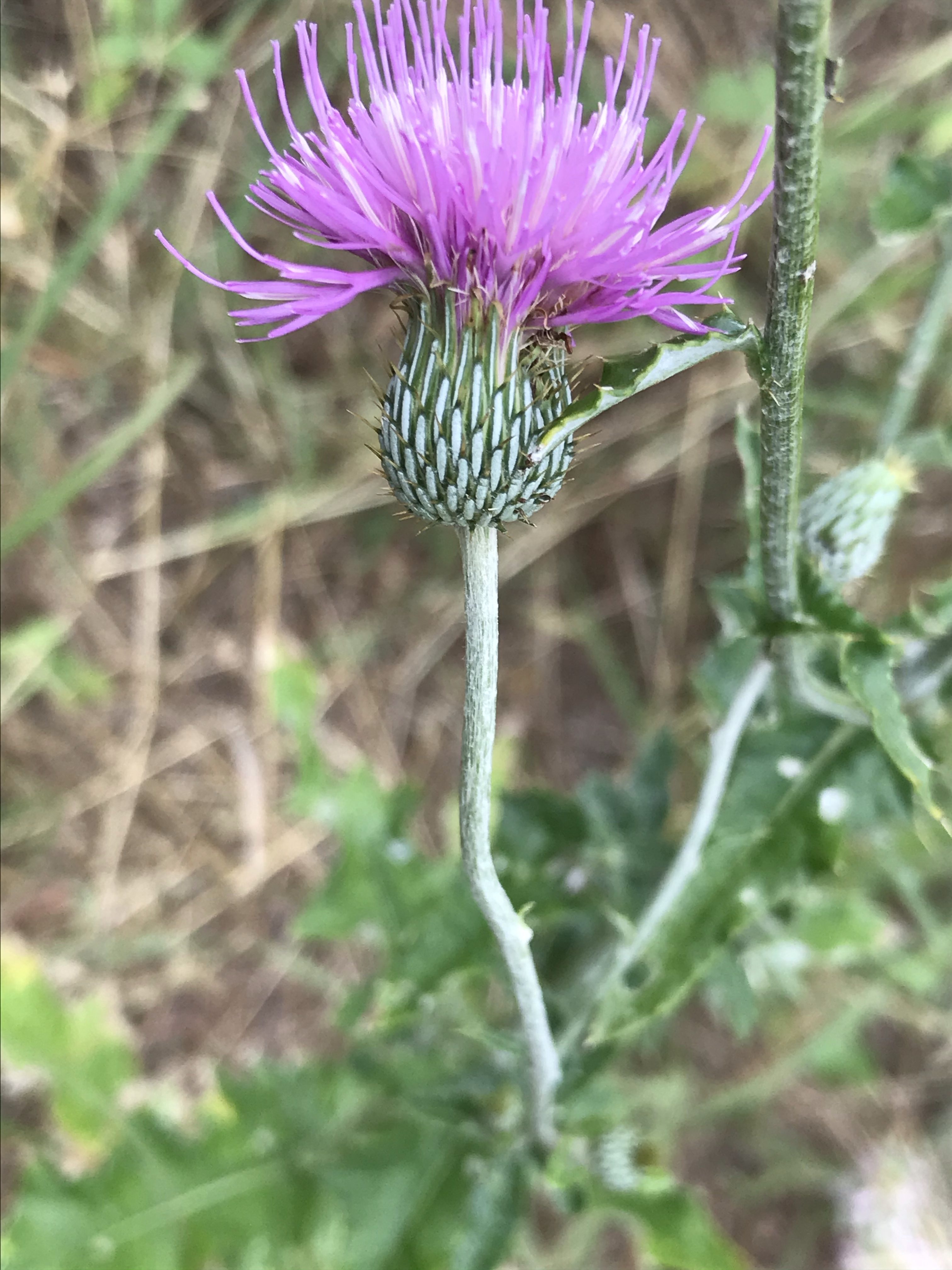
Cirsium texanum (Texas Thistle) (native, not cultivated)
Gaillardia pulchella (Indian Blanket) including recessive gene lacking red pigment, “Sunwheel” (native, not cultivated)
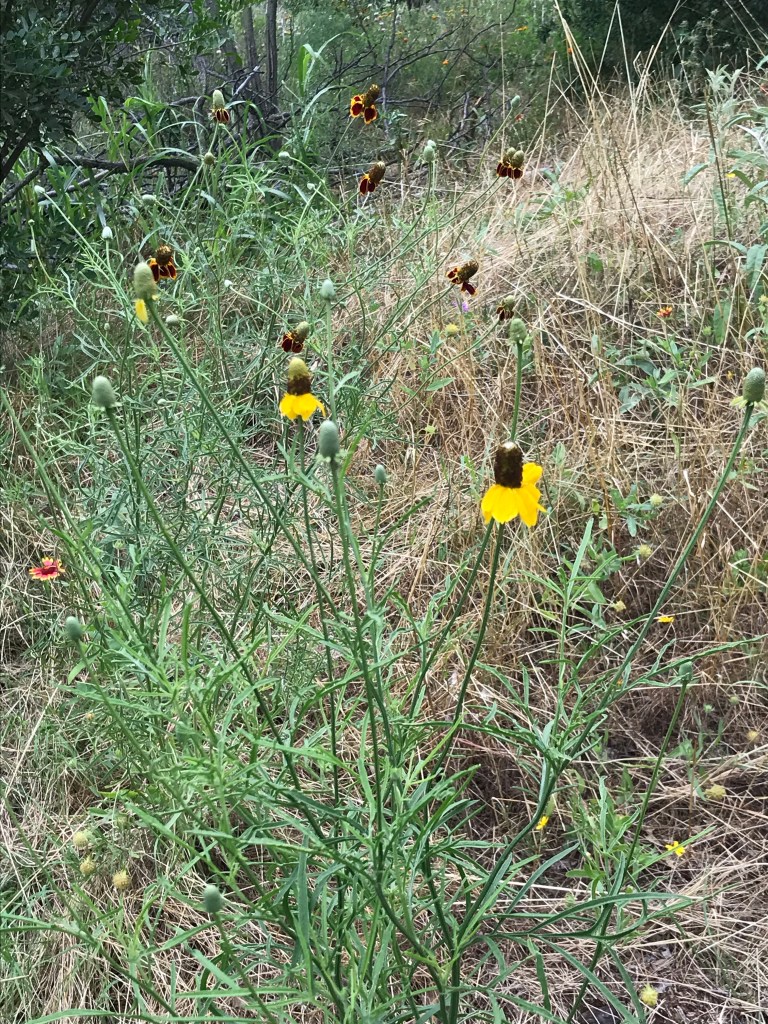
Ratibida columnifera (Prairie Coneflower, Mexican Hat)(native, not cultivated)

The force that through the green fuse drives the flower . . .

Lygodesmia texana - Texas skeleton-plant

Lygodesmia texana – Texas skeleton-plant

Just as the name of this blog might remind you of Thomas Hardy’s novel The Return of the Native, perhaps the title to this post will remind you of the poem by Dylan. Dylan Thomas, of course. Or the photo might remind you of the title of the poem. One could also think of an oak tree as a slow explosion, with its mushroom cap shaped crown. But enough said. Click on the photo for a larger picture and meditate on the photo and the title together.

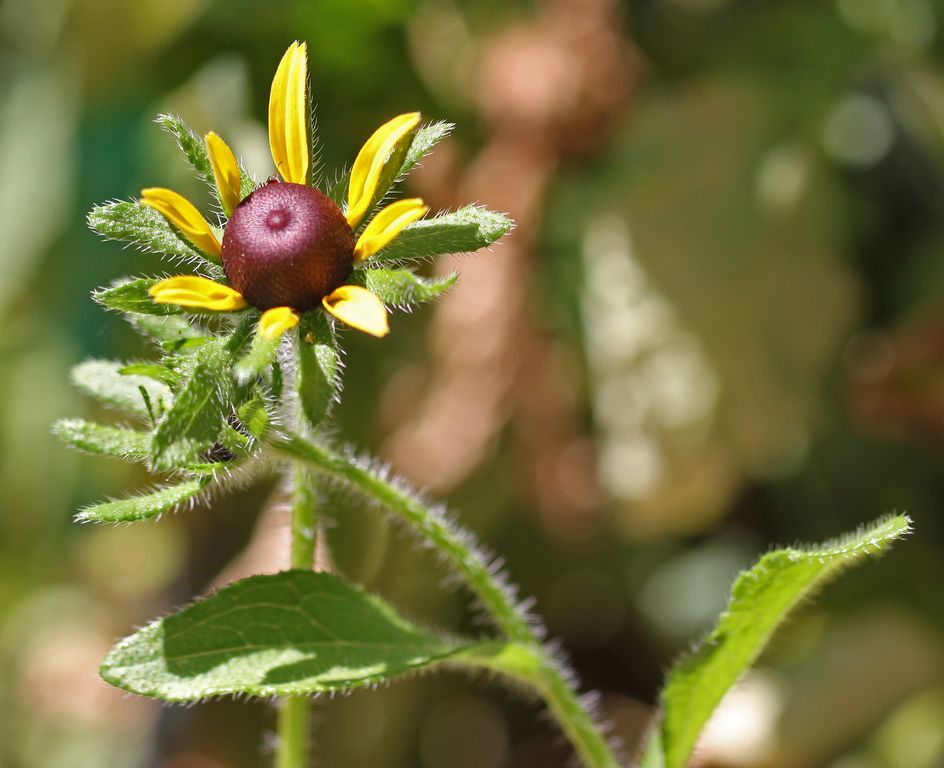
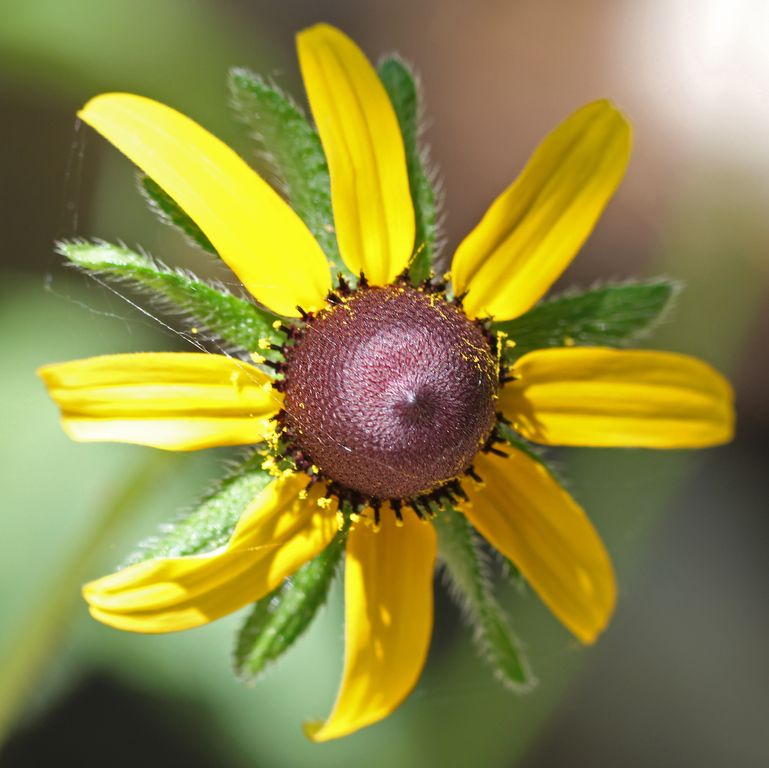
Rudbeckia hirta – Blackeyed Susan

Rudbeckia hirta - Blackeyed Susan

Rudbeckia hirta – Blackeyed Susan

Two of these wildflowers have shown up in my garden this year, most likely sown by birds. Not surprising, since it is one of the most widespread native plants in North America, native across Canada and the U.S. westward to New Mexico. It can grow in many light conditions, from sun to shade, but apparently doesn’t like calcareous or alkaline soils. It propagates itself easily by reseeding and can become aggressive if not faced with competition. It also has been widely used for medicinal as well as aesthetic purposes. What’s not to like about this cheery ornamental? For more information and links to more information than you can imagine, check out the entry at the NPIN plants database.

Rudbeckia hirta - Blackeyed Susan

Rudbeckia hirta – Blackeyed Susan

Lupinus texensis – Texas Bluebonnet

Lupinus texensis - Texas Bluebonnet

Lupinus texensis – Texas Bluebonnet

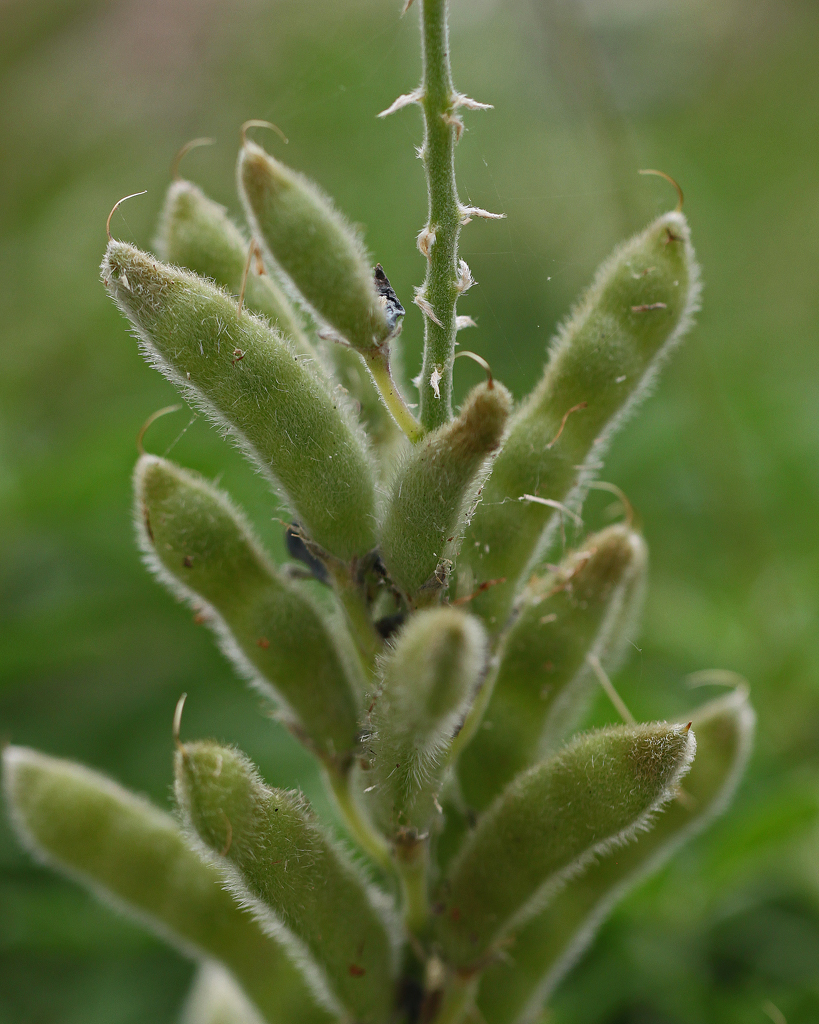
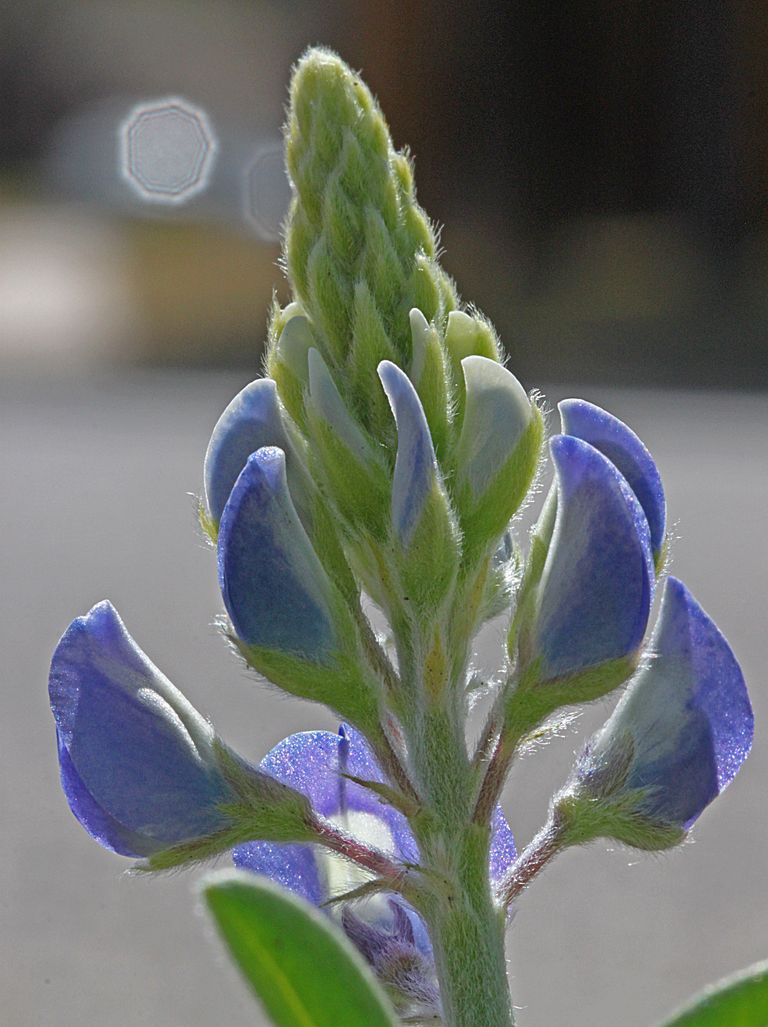
The earliest blooms on my Bluebonnets have gone to seed, leaving behind these pods with five visible bulges indicating the fruit inside. Compare with this view taken in March of this year:

Lupinus texensis - Texas Bluebonnet

Lupinus texensis – Texas Bluebonnet

One can clearly see that the flowers have turned to fruit.  Later it will become dessicated, turning brown. If you aren’t aware of the life cycle of the bluebonnet, it will then appear to be a weed, in violation of Home Owners Association rules almost everywhere. Then it will open, expelling the seeds forcefully and sowing the Bluebonnets of the future.


Say It Ain’t So, Joe!

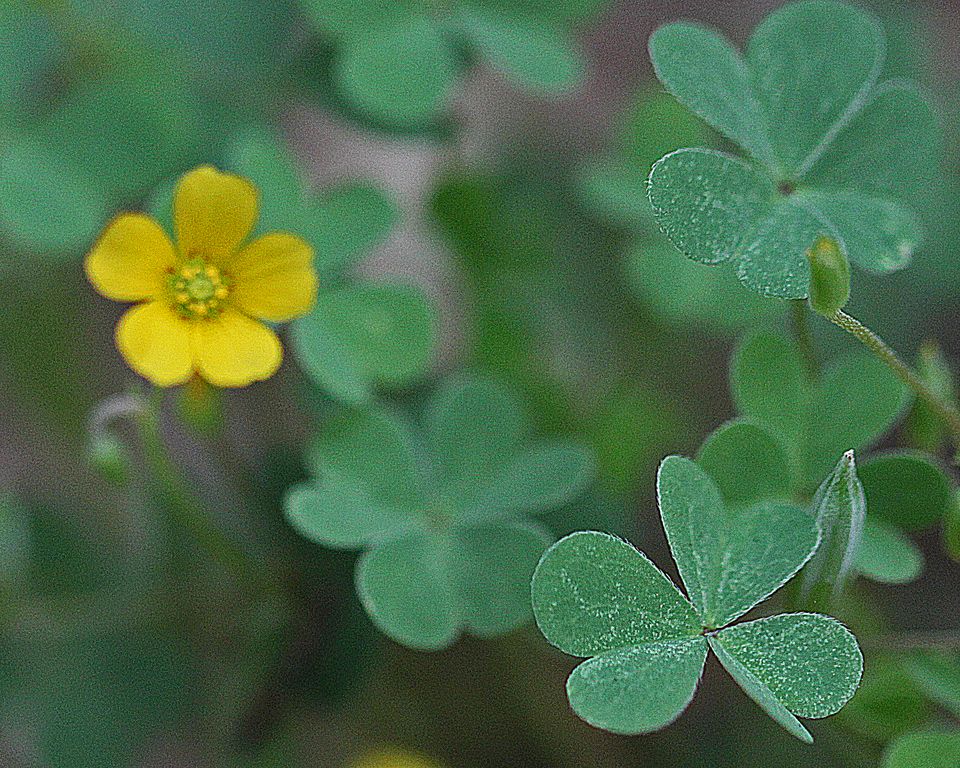
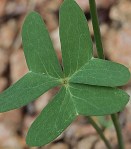
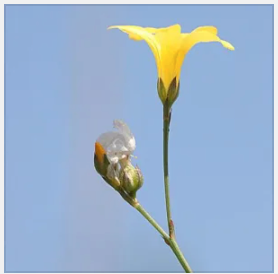
Oxalis dillenii - Slender Yellow Woodsorrel

Oxalis dillenii – Slender Yellow Woodsorrel


From Mr Smarty Plants:

TUESDAY – MARCH 19, 2013

From:Buda, TX
Region: Southwest
Topic:Problem PlantsTurf
Title: How to control Yellow Woodsorrel in Habiturf?
Answered by: Joe Marcus

QUESTION:

Last year we planted Habiturf in our front lawn and prepared the ground as directed with organic compost. This year we have an infestation of low growing yellow oxalis which we believe came in with the compost as we have not had this before. What do you recommend as a control? as weeding will not get all of it and the areas are large. We are considering using an herbicide knowing it will knock out our grass but then we will reseed.

ANSWER:

Yellow Wood Sorrel, Oxalis stricta, and Slender Yellow Wood Sorrel, Oxalis dillenii, both North American natives, are often unwanted visitors in lawns, especially newly-establish or unhealthy lawns.  As your lawn matures and develops a denser stand of grass, broadleaf weeds like Wood Sorrel will be less of an issue.  Promoting healthy grass growth will eventually pay off in reduced weed infestation.

There are broadleaf herbicides labeled for use on oxalis.  These chemicals are specific to dicot weeds and will not kill grasses and other monocots if used properly.  We take neither a pro nor con stance on garden chemicals, but only urge those choosing to use them to do so in a manner that is safest for them and the environment and to strictly adhere to label directions.

Other than hand weeding, we know of no effective organic control for Oxalis species.

In the words of Lennon & McCartney, how about “Let it be”?
This is a golden opportunity to change from turf to wildflowers.

Oxalis dillenii - Slender Yellow Woodsorrel

Oxalis dillenii – Slender Yellow Woodsorrel

Lupinus texensis – Texas Bluebonnet

Lupinus texensis - Texas Bluebonnet

Lupinus texensis – Texas Bluebonnet

While most instances of the state flower in my yard are still scrawny and small rosettes thanks to the continuing drought in Central Texas, this example has started to put out blossoms in the area between the curb and the sidewalk. Conversations with other native plant advocates have indicated that some bluebonnets have been putting out new blossoms for a couple of weeks now.

The normal bloom period of this annual is from March through May, so it appears to be right on schedule this year. It is especially attractive to native bees and is frequented by butterflies as well. It serves as a larval host for the Hairstreak and Elfin butterflies.

Eryngium leavenworthii – Eryngo

Eryngium leavenworthii  - Eryngo

Eryngium leavenworthii – Eryngo

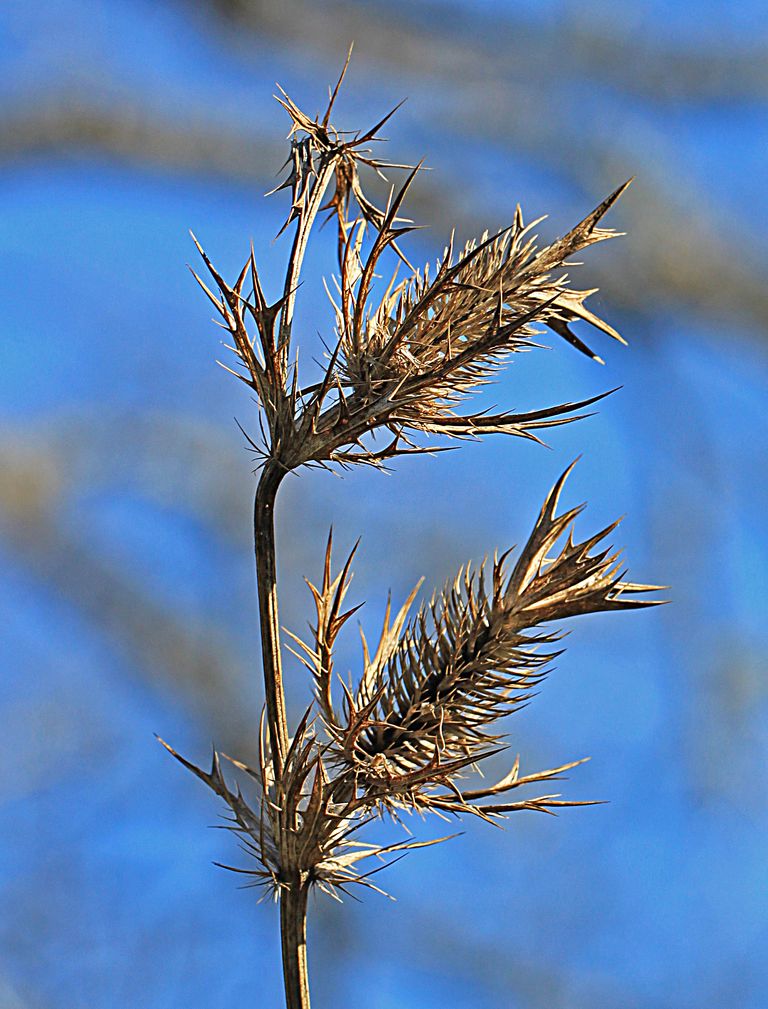
This is one time of the year that you might find the skeletons of the annual herbaceous plant Leavenworth’s Eryngo with their unique pineapple-shaped flowerheads. With their spiked leaves and bristly appearance, you might think them to be among the thistles, but actually they are related to carrots. Although lacking in the rich purple hues of its growing season, the bare remains have their own sort of beauty.

Nothoscordum bivalve – Crow Poison

LILI Nothoscordum bivalve - Crow-Poison

LILI Nothoscordum bivalve – Crow-Poison

The authorities have not yet reached a consensus whether this plant is toxic, either to humans or to crows, so they advise that you just don’t put this in your mouth. Or feed it to crows, I suppose.

Crow Poison can bloom early in the Spring, but as this shows, they can also bloom throughout the summer and well into fall. It is similar in size and shape to Allium Drummondii, Wild Garlic. Sight and Smell are the two senses that help to differentiate the two – Wild Garlic has a purple tint to its white flowers, and it smells like onion.


Here you can see the umbel of Crow Poison, with a couple of buds in the process still of opening. Elsewhere you can see an excellent photo by Joseph Marcus with the Lady Bird Johnson Wildflower Center in Austin, Tx (http://www.wildflower.org/gallery/result.php?id_image=13203 ). September 22, 2014 –  Note: the linked photo used to be here. It has been removed in order to avoid infringing on Mr. Marcus’ copyright as well as to abide by the NPIN terms of use.

Oxalis drummondi – Drummond’s Woodsorrel

Here we are again with two phtos of Oxalis drummondi, Drummond’s Woodsorrel. This time there is a deliberate intent to get a shot of the woodsorrel’s distinctive leaves, as well as a shot of the blossom with its pinkish to purple color accented by striations of green leading down into the cup of the trumpet shaped flower. There is quite the little colony of these dainty little beauties along the side of the gravel path, almost to the point of aggressiveness…but not quite.