Back in my own backyard…

Early June 2022 and the heat is in the “triple digits”as the meteorologists like to say in TV-land. or 39 ° Celsius, as we were told we would have converted to 50 or more years ago. Either system, hot to humans is hot.

But to native plants that evolved in Central Texas for more years than Crepe Myrtle has been here, even these signs of Global Warming haven’t phased them. (Granted, I do some supplemental watering, especially of small trees for the first few years, but other plants like Passiflora incarnata grow like “weeds”).

I’ll  let the plants speak for themselves:

Those are just the photos I took on June 8, 2022, mostly in my yard. The Rain Lilies were just past the back fence (the ones in my yard had bloomed and gone to seed after the previous week’s mild spattering of rain drops).

###

Oh no! They (almost) did it again!?!

May 7, 2021: I was just about to go out into the greenbelt for some photo taking when I heard the sound of a mower on the berm. I quickly came back running and shouting for him to stop.

Pointing out all of the native Texas wildflowers still in bloom, I explained that one should NEVER mow down a stand of wildflowers in bloom (as was done last year while I talked on the phone with their home office). I mentioned that I was trying to eliminate the invasive weeds so that the native wildflowers would have a chance to return, including the Bluebonnets, some of which had not set seed yet. (And to which he replied something along the lines of yeah, I thought I saw some back there, indicating the area that he had just mowed, and which now showed no evidence of Bluebonnets).

For an idea of what happened in 2020, refer to these two posts: May 25, 2020 May 28, 2020

Last year I managed to pull most of the Perennial ryegrass (Lolium perenne) that had covered the berm. This time around, Maltese star-thistle (Centaurea melitensis) was the infestation of the year, and as of May 11, 2021, I have removed about 10 bags of this from the berm behind my house. Of course, it has already infested the greenbelt.

To their credit, the mowers backed off, apparently called someone for instructions on what to do, and then proceeded not to mow any more of the berm behind my fence, although he did have to drive through the area, choosing a path that would minimize the damage to the wildflowers. And crushed a good deal of the thistles to the ground, along with some wildflowers.

Thankfully, in spite of the C. melitensis, the wildflower population was much more numerous than last year. The recessive gene all-yellow Gaillardia pulchella (Indian blankets) for which I have coined the common name “Sunwheels” in contrast to the all-red pigmented “Firewheels” have also bloomed again, this time almost entirely on the berm. In previous years I have seen them in a few nearby locations, but for the last three years I have observed them directly behind my house, on the berm or in the greenbelt. (Of course, when you only have to step out the back yard to see them, you are not motivated to search very far for them).

But enough blah blah blah. Here are some pictures worth a thousand words, especially when compared with the posts from 2020.

2021-05-05-7870

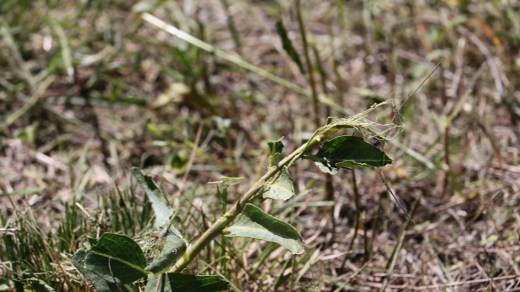
Asclepias asperula (Antelope Horns) after the mowing.

2021-05-05-7885

Gaillardia pulchella (“Sunwheel”) surrounded by Centaurea melitensis (Maltese star thistle)

2021-05-05-7803

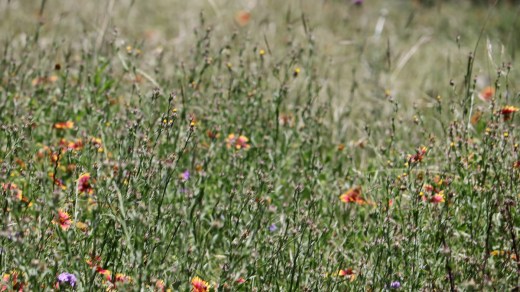
Berm behind my house – native plants plus invasive weeds

2021-05-14-8172-greenbelt2-1024pxl

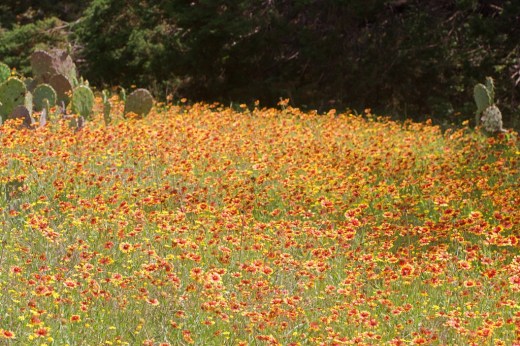
The green belt – Gaillardia pulchella in bloom

2021-05-14-8146

The mower mows, leaving nothing behind. Looking South from behind my house, greenbelt to the left, berm behind my fence in the foreground.

May all your weeds be wildflowers.

#BCMUD

###

The native Texas April yard/garden…

IF you live in Central Texas, of course. While many plants (including some native plants) are still trying to recover from what I have heard called Winter Storm Uri, which lasted for about ten days back in mid-February, 2021, most of the plants native to this region of Texas are coming back strong, or putting out blooms already.

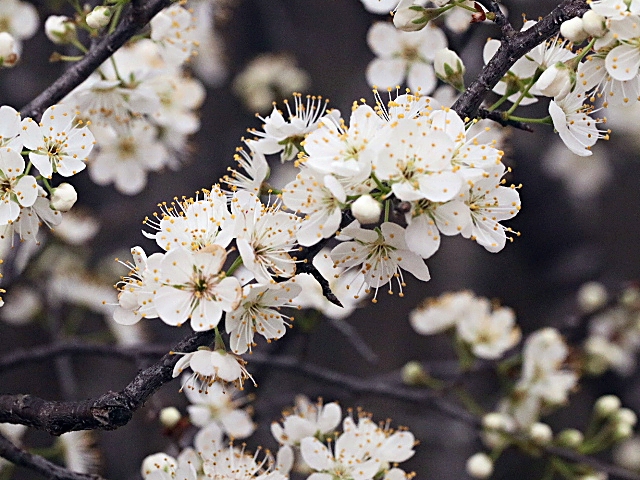
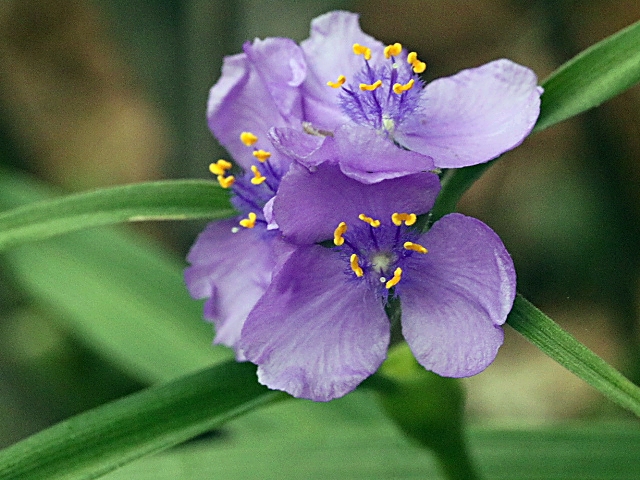
Mexican Plum (Prunus mexicana) has already flowered and started putting out leaves. Giant Spiderwort (Tradescantia gigantea) has for the most part finished with its most robust blooms, but there are still a few left. (Both of these photos were taken March 16, 2021).

.Prunus mexicana - Mexican PlumTradescantia gigantea

A little over two weeks later, things are really starting to perk up in the yard.

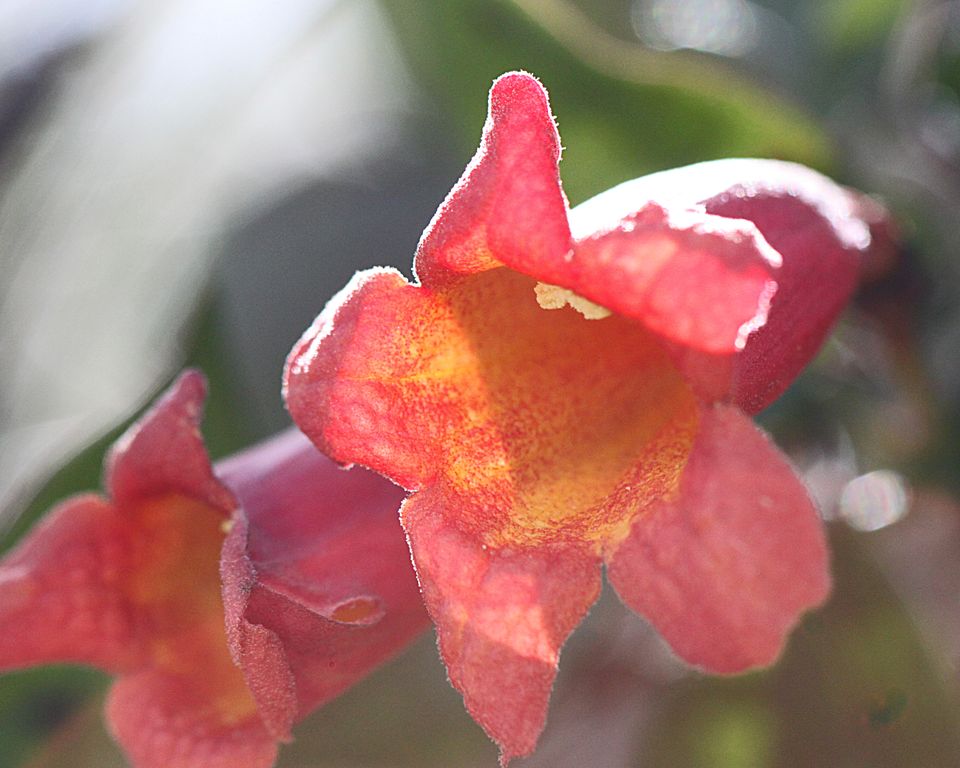
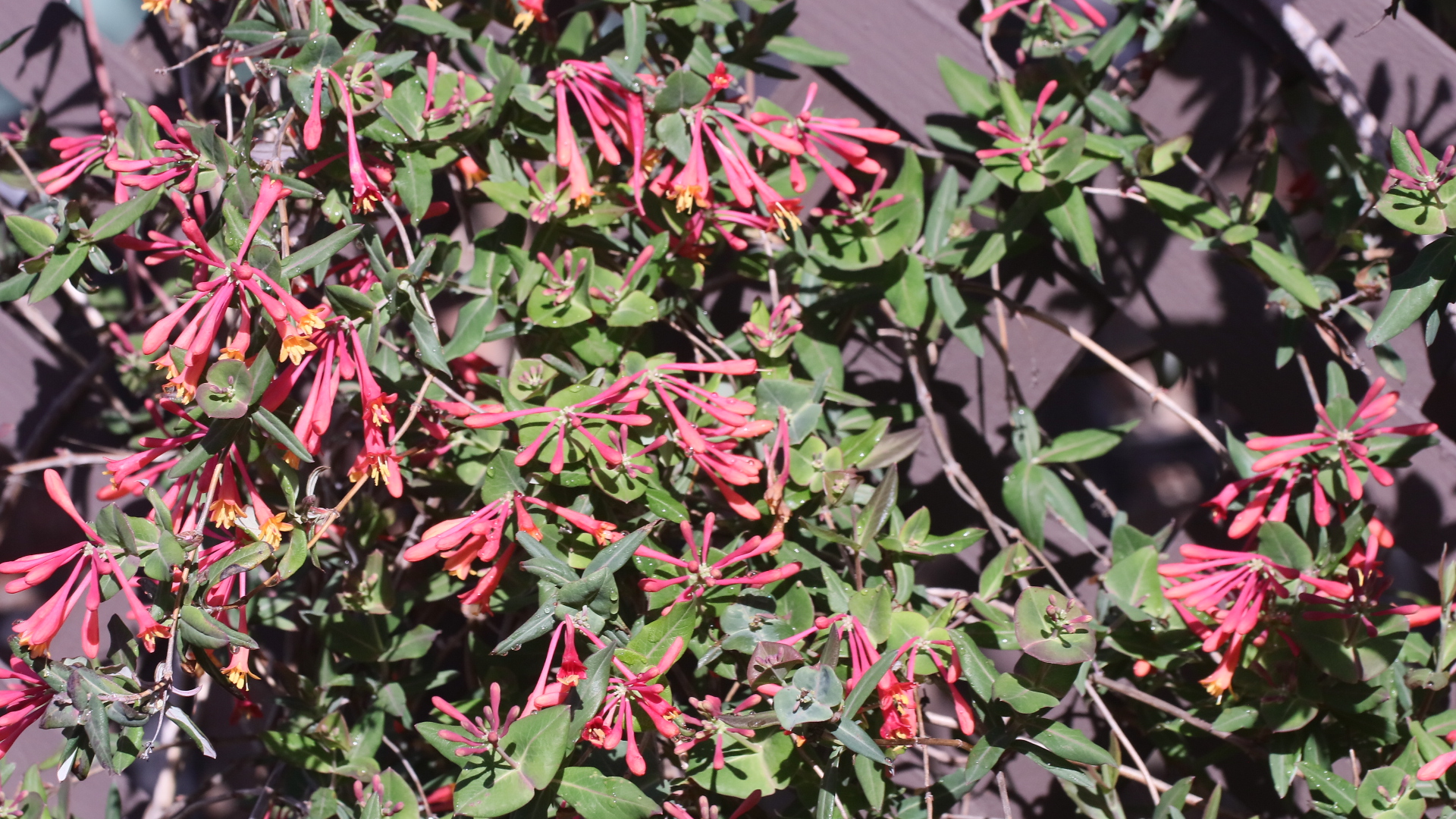
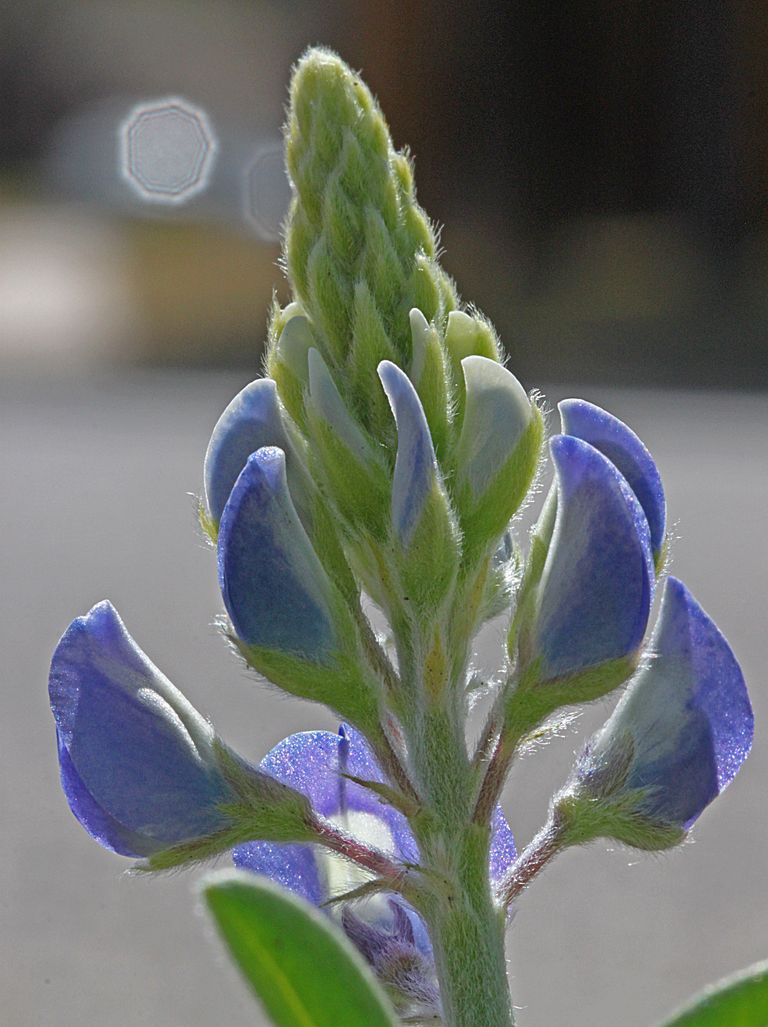
Bignonia capreolata - Crossvine Coral Honeysuckle (Lonicera sempervirens) Lupinus texensis - Texas Bluebonnet Crossvine (Bignonia capreolata), for instance, and Coral Honeysuckle (Lonicera sempervirens) which are both favored by Hummingbirds are blooming in profusion, as are the Texas Bluebonnets (Lupinus texensis).

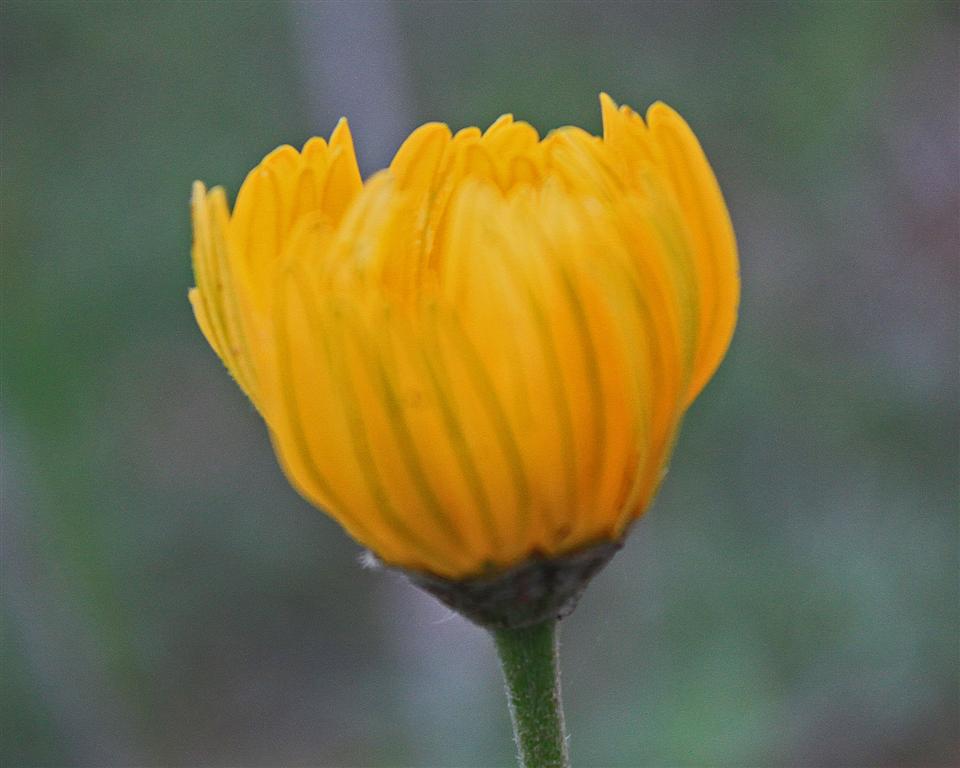
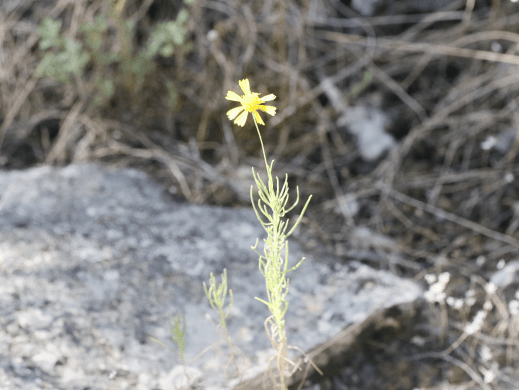
And then there are the Tetraneuris scaposa.which will bloom all year round if you let them, or keep on trimming off the deadheads, so that they can. These are perennials, but short lived, so after a few years you might have to replace them – or they might have spread and created new copies on their own.

Tetraneuris scaposa - Four Nerve Daisy

Oenothera speciosa - "Pink Ladies"

Oenothera speciosa – “Pink Ladies”

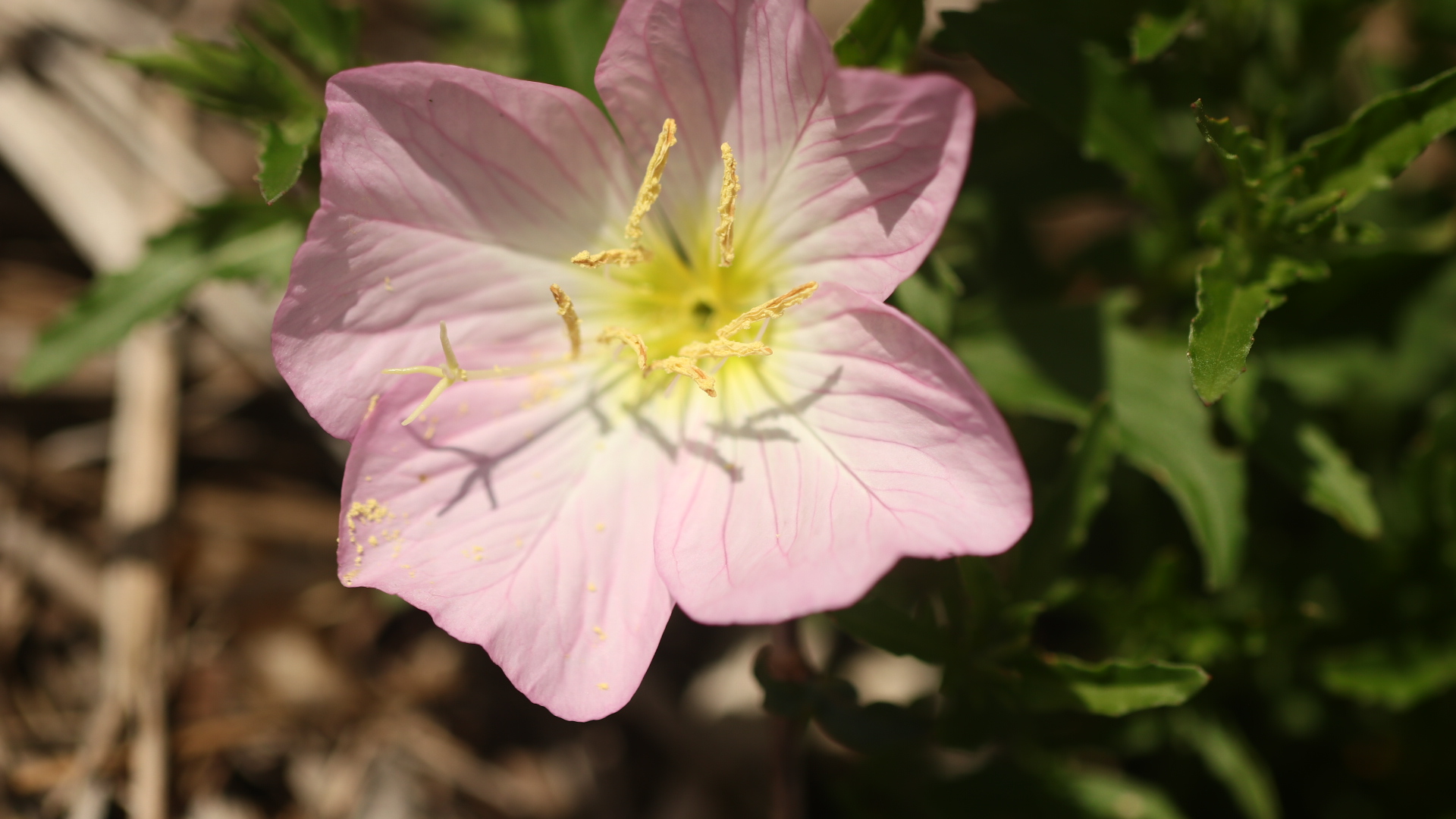
And, just to get this out there, Oenothera speciosa, known as Pink Primroses or Pink Ladies, are blooming currently. I have seen some popping up in neighbors’ yards that are otherwise mowed too short and devoid of any other native Texas plants. But thankfully, they haven’t mowed down the Pink Ladies. 

I will mention, but not add photos of Blue eyed grass, Cobea and Gulf Penstemons,  Mealy Blue Sage, Wright’s Skullcap, and a few others. The month of April is nearly over, The US Senate has unanimously voted to name April 2021 as National Native Plant Month, and there are invasive plants in my backyard and. beyond that need to be cut down before they go to seed. Oh, and the Rain Lilies have started popping up, finally after several days of light rain.

Hasta luego.

Loss of roadside vegetation

My previous post mentioned a September set of observations – unfortunately, the observations were not posted to this blog but on Facebook. Sad to say, the situation has gotten worse – Although the native (mostly) plants  were left alone while in bloom in September, the blooms had disappeared a few. months later, and this first week of March 2021, I observed that the plants, for the most part, appeared to have been removed.  Thanks to the ongoing pandemic and my age, I try not to go out too often. but will have to go out and see if any Winecups are in evidence (there was at least one rosette in the video). Maybe take a few home to ensure the preservation of the species. The folks running City Hall don’t seem to care about preserving native plants… as far as I can tell. Oh well. Watch it and weep.

The irony of the last few slides are that they show the invasive Crepe Myrtle and Heavenly Bamboo or Nandina, used as landscaping in the property just south of. the one now being bulldozed for a parking lot and who knows what kind of business. I suspect that a similar lack of consideration for native plants, birds, and other wildlife will guide the development of this property.

#RoundRock #OldChisholmTrail #NativePlants #HabitatDestruction

Gone to seed, fruits, or berries, mostly…

Took a walk out in the woods, in the middle of the summer, to see if the Phemeranthus calycinus aka Rock Pink, might be in bloom, since we had had several days of rain prior. No such luck. There had been at least 20 specimens in the immediate area about four years ago, and earlier this year I found one in bloom, but even the Bitterweed (Helenium amarum) seemed to be scorched, for the most part, although I did take a photo of one that wasn’t, and some grasses. (For an article describing the flower I was looking for, and some photos, see Stalking the ephemeral Rock-Pink).

The area I’ve dubbed “Lace Cactus Lane” because of its concentration of Echinocereus species, was in fairly decent condition. And a pass through the area I call “Vine Street” revealed some Pearl Milkweed Vine (Matelea reticulata) pods dried and open, as well as some Carolina Snailseed (Cocculus carolinus), starting to put out its berries. Of course, there was the usual Poison Ivy (Toxicodendron radicans), Virginia Creeper (Parthenocissus quinquefolia ) and Sevenleaf Creeper (Parthenocissus heptophylla). And I took a few shots of the Bearded Swallow-Wort vine (Cynanchum barbigerum) just to illustrate the way it braids itself along whatever is supporting it.

A bit closer to home, Butterflyweed (Asclepias tuberosa) were in bloom,  as were Texas Lantana (Lantana urticoides) , Apache Plume (Fallugia paradoxa), Gregg’s Mistflower (Conoclinium greggii), Mealy Blue Sage (Salvia farinacea), Skeleton-leaf Golden-eye (Viguiera stenoloba),  Four-nerve daisies (Tetraneuris sp.), Flame acanthus  (Anisacanthus quadrifidus), Autumn Sage (Salvia greggii), and Manzanilla (better known by the name Turk’s Cap, and rarely called Texas Red Mallow)(Malvaviscus arboreus var. drummondii). Even the Wild petunia (Ruellia nudiflora) has been putting out blooms lately, and the Yellow Passion Flower (Passiflora lutea) seems to have just recently finished its latest cycle.

Which leads to a mention of the life cycle of the Gulf Fritillary (Agraulis vanillae) butterflies, which have tried their best but haven’t succeeded in stripping the Passiflora vines completely this year. Given that it is safe to speculate that the suburban subdivision where I reside has little habitat for these beautiful pollinators, one can only hope that my little nursery is keeping the local population going.

In the heat of the summer

I seem to suffer from Gilligan’s Syndrome – what starts out as a five minute walk outside to water the plants in their containers that I am hoping will hold on until cooler weather comes (September? October?) turns into an hour or more photo safari. Sometimes I go beyond the confines of my yard, sometimes not.

Ruellia nudiflora, for instance, has suddenly been blooming like crazy. A Passiflora incarnata volunteer popped up in the mulched bed across from the Passiflora lutea and Passiflora suberosa, and started putting out blooms. The Malvaviscus arboreus var. drummondii continue to bloom, as do the Salvia greggii, Lantana urticoides, Scutellarria wrightii, Salvia farinacea, and Conoclinium greggii. In the “nursery,” several Asclepias milkweeds have bloomed or budded, along with Tetraneuris scaposa. In the gravel pathway, I had to (reluctantly) trim the Boerhavia coccinea back to allow human passage. The Fallugia paradoxa has put out a few blooms and plumes, and the Pavonia lasiopetala has been a pleasant surprise with its hibiscus-like pink blossoms.

We have Liatris punctata still in bloom, Melampodium leucanthum, Asclepias texana, and a native grass that I have been calling “Indian Grass,” (turns out that is the common name for Sorghum nutans. The Aloysia gratissima has attracted pollinators, as has the Anisacanthus quadrifidus, and behind the fence, the Proboscidea louisianica or “Devil’s Claw,” has held out with a bloom or two. The Glandularia bipinnatifida has come up in various spots, too low for the mowers’ blades most of the time. As can be seen in some of the photos, these native plants of Texas, most of which are not receiving any supplemental watering, provide food for Bumblebees, butterflies, and even hummingbirds, lizards, and wasps. I even went out and over the course of several days, harvested enough Diospyros texana fruit to make a Texas Persimmon Loaf. The slide show that follows includes photos taken the week of August 10 – 16, 2020

This slideshow requires JavaScript.

A mid-Summer’s nightmare

I have seen the best plants of my eco-region driven into ghettos of greenbelts, invaded by non-native plants, poisoned with herbicides…

I see public areas, along roadways and in park areas, mowed so low that the grass is turning brown and burnt by the sun, despite sprinklers and watering, and occasional rains brought on from sub-tropical weather disturbances in the Gulf of Mexico.

I see the berm behind my house, where a stand of wildflowers in bloom had been cut down in late May while the ground was still wet, and where the native Silver Bluestem grass, which had once dominated the berm, had returned, mowed down in late July, parched and sere under the August sun. Because the contracts signed say they have to mow a certain number of times within certain calendar limits.

I have written emails to my HOA and the Municipal Utility District, and received no response. If a tree falls in the forest, or a native plant goes extinct or disappears from a region because of destruction of habitat, does it make a sound if there are no humans to hear it cry out?

And yet, life goes on.

I have seen the Clematis drummondii, with their achenes in showy white plumes, and must make a note to get out of the house for a photo safari soon, while this year’s show is still on. I have seen the Passiflora  vines and the Gulf Fritillary butterflies in their back and forth movements between fertilization, egg-laying, larvae consuming the plant, and adult butterflies dancing about. I have seen the native plants in my yard, both those intentionally planted, and those volunteers who have been recognized and protected, thrive or at least survive.

And I have seen the birds drinking from the water fountain, having been provided with plants that provide food (and insects that thrive and provide food as well), shelter, and a place to build their homes. I have seen the hummingbirds zooming about, grabbing sips of nectar from the salvias, the Texas Red Mallows, and the Flame Acanthus (though this year, I’m afraid I haven’t quick enough to focus and click on the camera quickly enough to capture one in mid-flight.

And as the globe warms, I wonder what changes I’ll be seeing in the plants that thrive in this area, and whether enough humans will start to think outside the box of “that’s the way we’ve always done it,” or “that’s the I’ve always heard it should be,” to make a dent in the greenhouse we are living in.

But enough of that. Time for some photos – some OK, some not so great, but the subject matter supersedes this one’s talents:
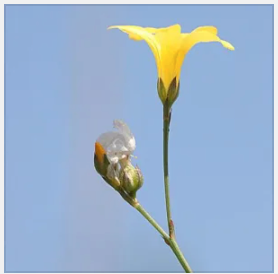
Oops! They did it again.

As in, “They mowed the berm between the greenbelt and the houses when it didn’t need mowing.” (See slideshow at the end of the post).

I had just gotten back inside the house, after taking some photos of plants in my yard, and had gone out into the berm, to document the healthy growth of Silver Bluestem that had risen up after the most recent massacre at the end of May. While not as thick as one might wish, it was good to know that my removal of the Perennial Rye and Malta Star Thistle had allowed the native grass to come back.

Looking on the bright side, it appeared that the mower’s blades had been set at a higher level than before. Whether they pressure washed the blades before mowing, I don’t know. Since I have not received the courtesy of a reply to my emails in February and June,  I don’t know. And the Johnson Grass, which I’ve been pulling out or removing the inflorescences from so they don’t go to seed, were mowed down, leaving the Poison Ivy more or less intact, so that it will be easier to go out and apply an herbicide to eradicate. And at least they mowed while the ground was dry.

So while I am still not happy with the apparent frequency of scheduled mowing, it seems that my attempts to enlighten and educate those responsible has made a small dent. Persistence will tell the tale.

What’s blooming in Central Texas?

What, indeed? I’m happy to say I’ve seen a hummingbird buzzing around the Turk’s caps (Malvaviscus arboreus var. drummondii), the Tetraneuris scaposa as well as the T. scaposa var. linearifolia are in bloom, although the ones in the “nuisance strip are less lively than the ones in the one gallon pots ready to augment them. The Blackfoot Daisies (Melampodium leucanthum) are blooming, and the Cenizo or Texas Sage (Leucophyllum frutescens) bloomed for a little while, but have faded as the temperatures get into the 100s and the air has dried up. Datura (Datura wrightii) have been putting out their Angel Trumpets at night. Devil’s Claw (Proboscidea louisianica) are coming up behind the fence, along with plenty of Silverleaf nightshade (Solanum  elaeangifolium). Here are some of those mentioned, and maybe some not.

Natives returning, along with a few undesirables

A month after the Wildflower Massacre at the hands of untrained/poorly trained mowers (who are not to blame, for the are just pawns in the game), the native plants are making a strong comeback, as well as a couple of unwelcome plants, both exotic and native. Among the invasive or undesirable plants are Johnson Grass (Sorghum halepense), Bermuda Grass (Cynodon dactylon), and Poison Ivy (Toxicodendron radicans). Interestingly enough, most of the “new” natives are coming up in the area in which I had already pulled some 10 bags of grasses and weeds of the exotic and invasive persuasion. But enough talk, here’s a slideshow to illustrate what I’m talking about.


The low blade mowing (under 7 inches) according to a personal source expert on eradicating non-native species from parks and preserves, is a great way to spread the Poison Ivy (a native, but one which one prefers left in preserves, untouched by mower blades). I suspect that cutting below 7 inches also encourages the spread of Bermuda Grass. The Johnson Grass is an opportunistic plant that likes disturbed soils such as construction sites or “scalped” roadways and in my case, berms. But it can be easily defeated by pulling it out after every rain, and letting native grasses take over.