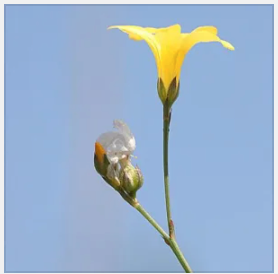
Loss of roadside vegetation

My previous post mentioned a September set of observations – unfortunately, the observations were not posted to this blog but on Facebook. Sad to say, the situation has gotten worse – Although the native (mostly) plants  were left alone while in bloom in September, the blooms had disappeared a few. months later, and this first week of March 2021, I observed that the plants, for the most part, appeared to have been removed.  Thanks to the ongoing pandemic and my age, I try not to go out too often. but will have to go out and see if any Winecups are in evidence (there was at least one rosette in the video). Maybe take a few home to ensure the preservation of the species. The folks running City Hall don’t seem to care about preserving native plants… as far as I can tell. Oh well. Watch it and weep.

The irony of the last few slides are that they show the invasive Crepe Myrtle and Heavenly Bamboo or Nandina, used as landscaping in the property just south of. the one now being bulldozed for a parking lot and who knows what kind of business. I suspect that a similar lack of consideration for native plants, birds, and other wildlife will guide the development of this property.

#RoundRock #OldChisholmTrail #NativePlants #HabitatDestruction
What was blooming (or not) 25 May 2020

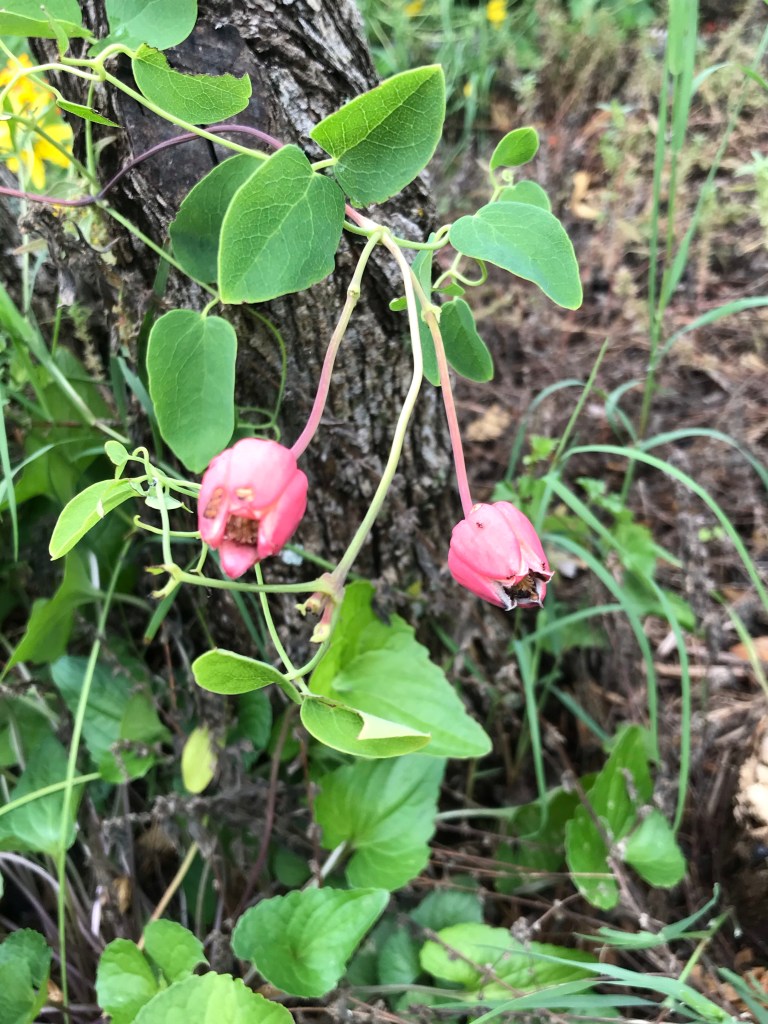
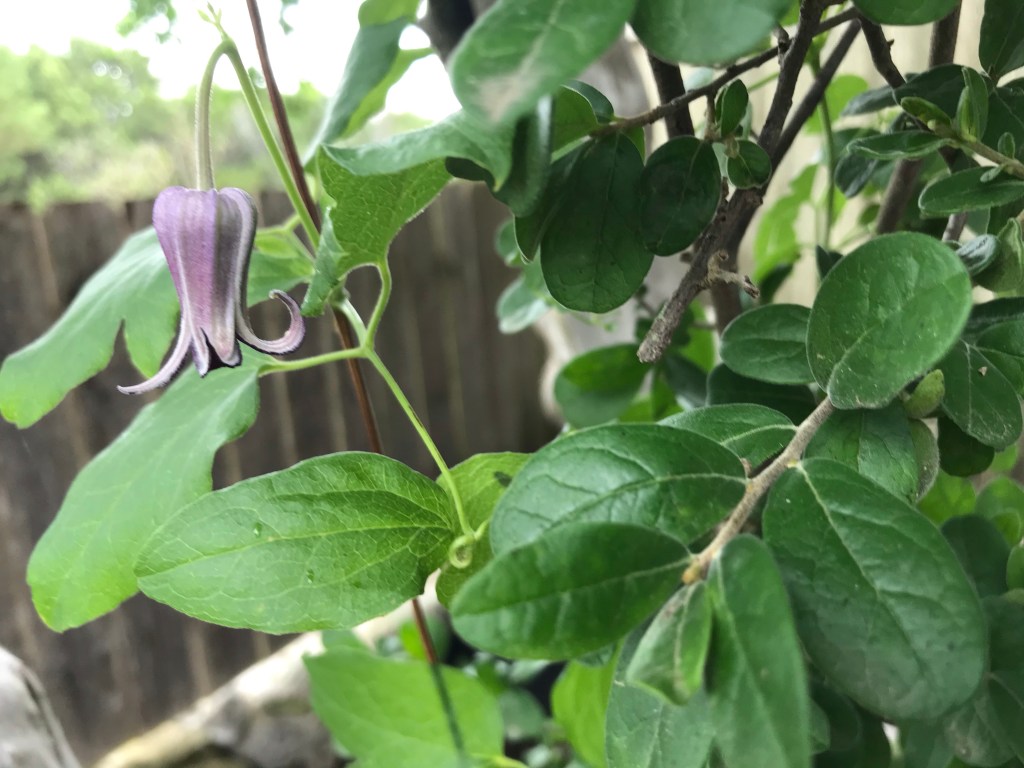
Clematis pitcheri (Purple leather flower) (cultivated)

(Posted about a year ago – edited to add the names of the plants), Went out in the yard and beyond today and captured a few items of interest. Didn’t go into the front yard because it was getting close to dinnertime.

Lantana urticoides (Texas Lantana)
Salvia farinacea (Mealy blue sage)(cultivated)
Symphyotrichum oblongifolium (Fall aster or Aromatic aster) (cultivated)
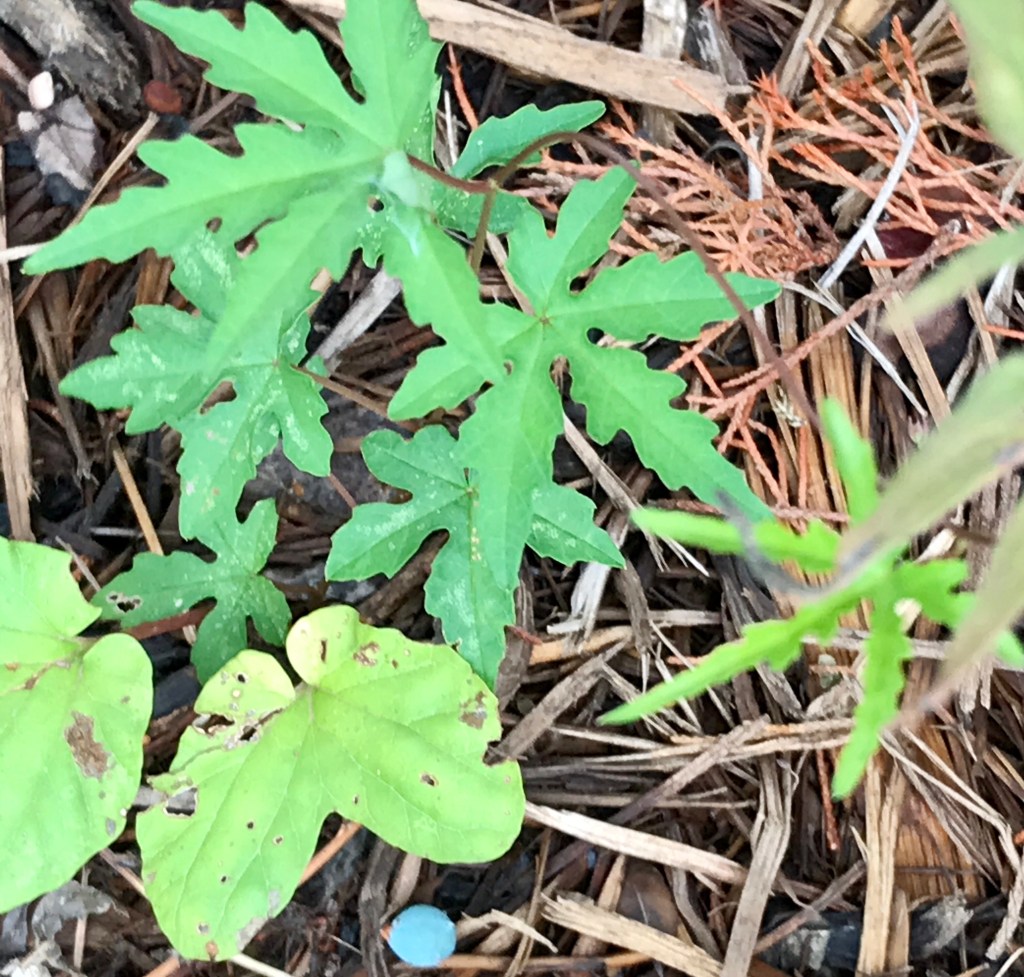
Merremia dissecta. (Alamo vine)(cultivated)(escaped from cultivation)
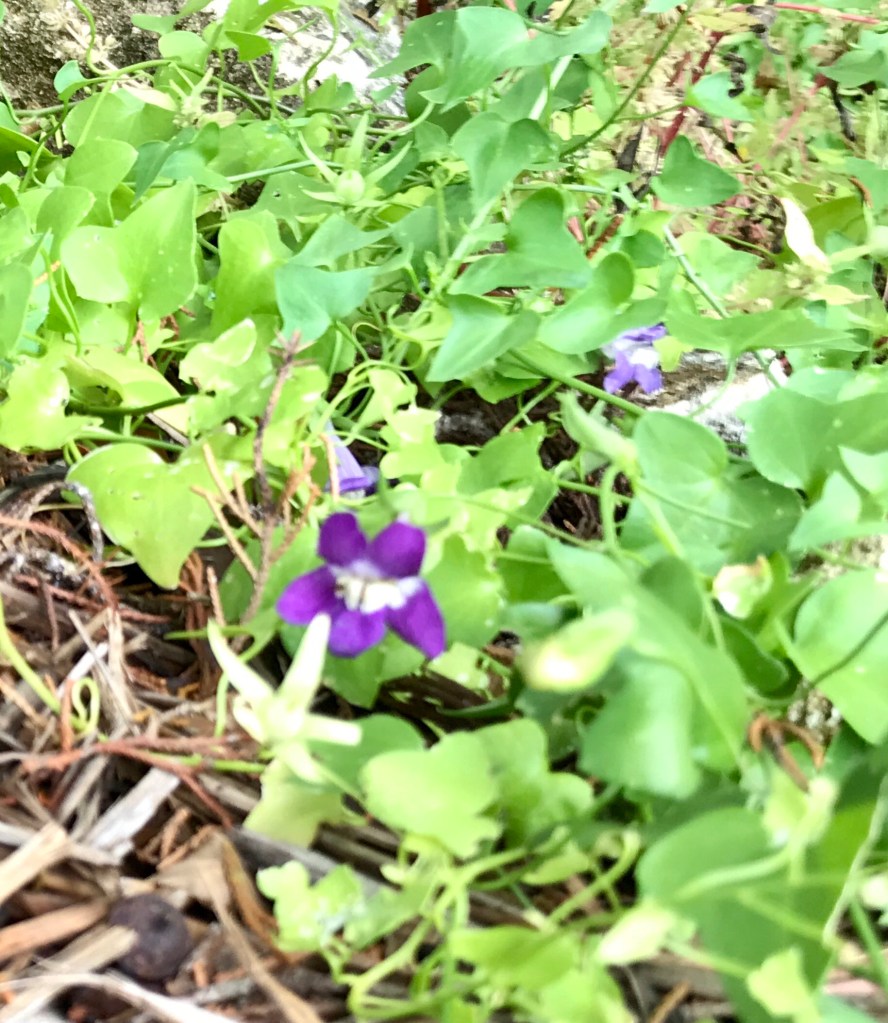
(Maurandella antirrhiniflora) (Roving sailor or Snapdragon vine) (native, not cultivated)
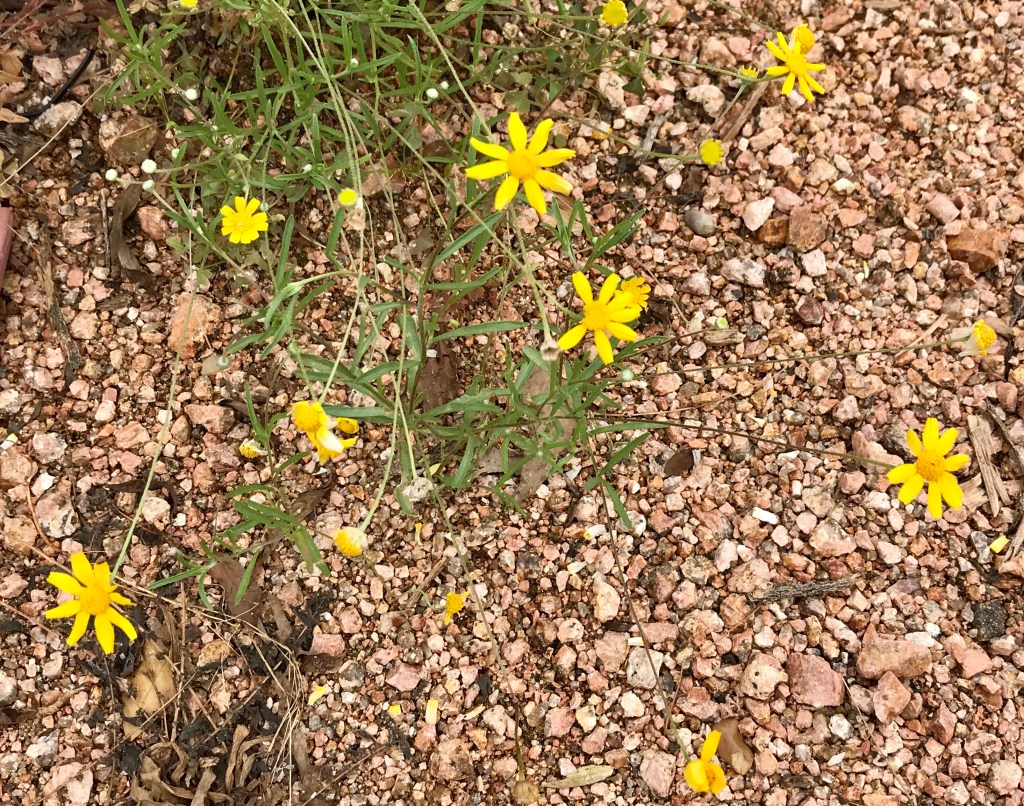
Tetraneuris linearifolia var. linearifolia (Slenderleaf bitterweed) (native, not cultivated)
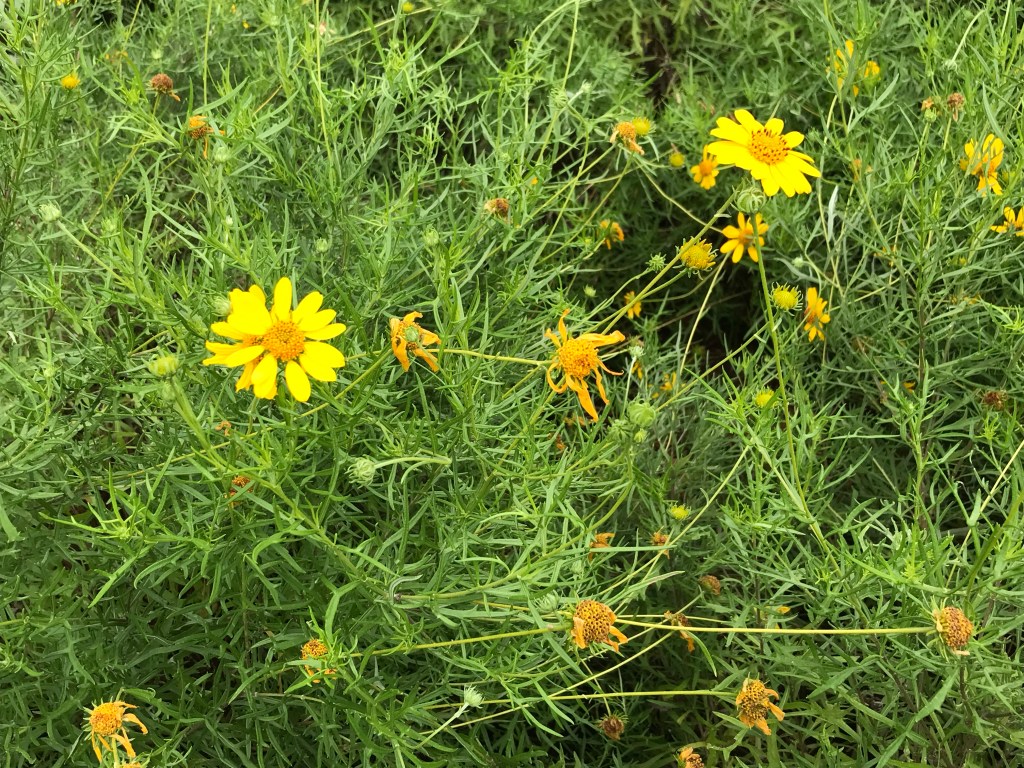
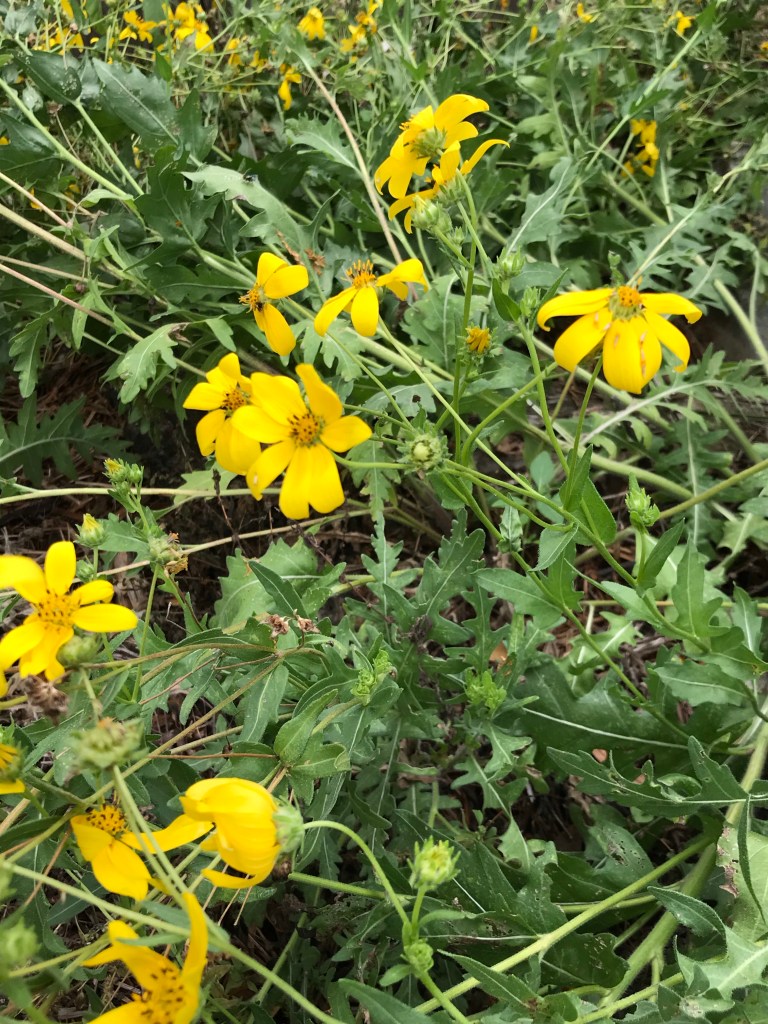
(Viguiera stenoloba) Skeleton-leaf Goldeneye (cultivated)
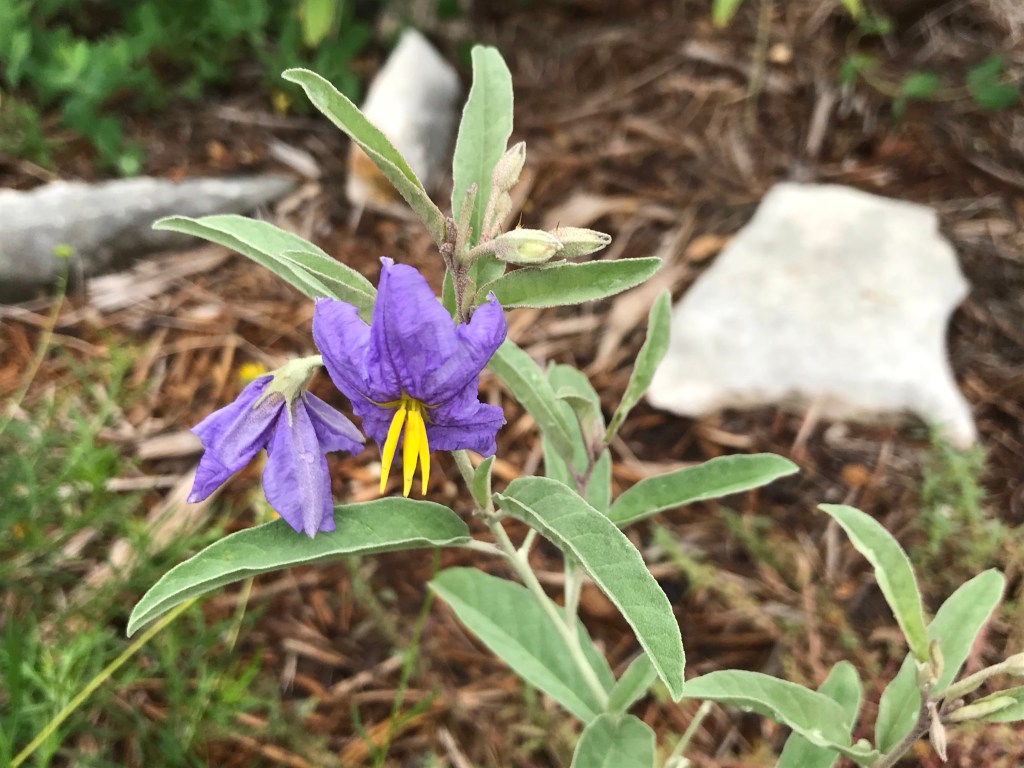
Solanum elaeagnifolium (Silverleaf nightshade) (native, not cultivated)
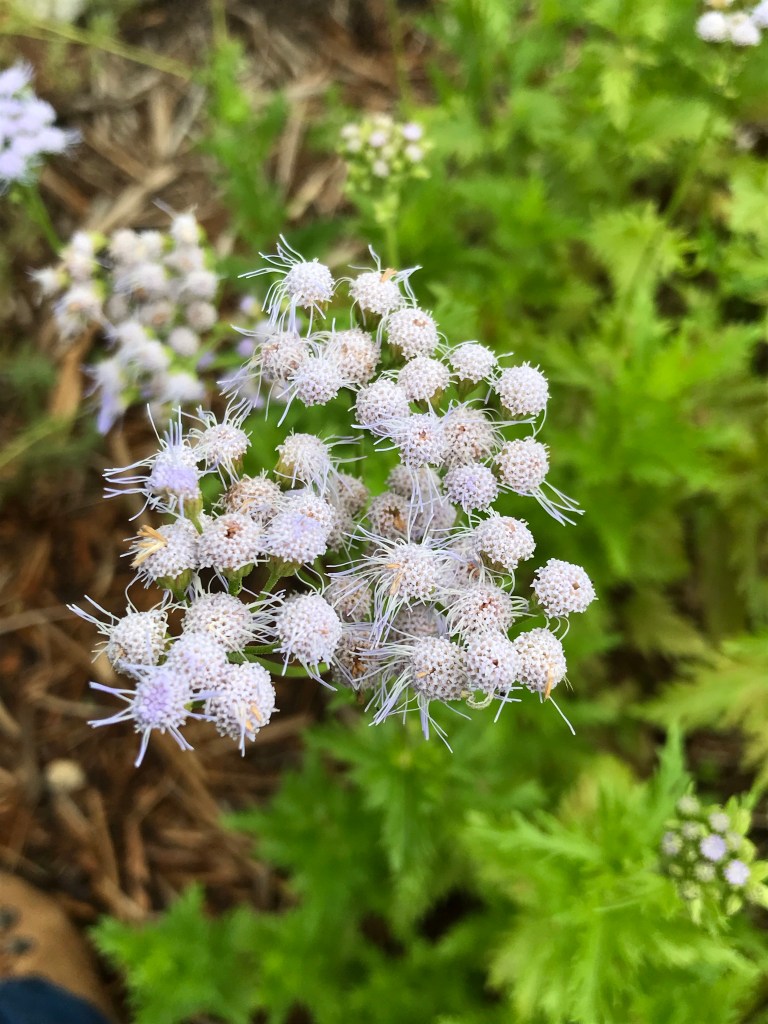
Conoclinium greggii (Gregg’s mistflower) (cultivated)
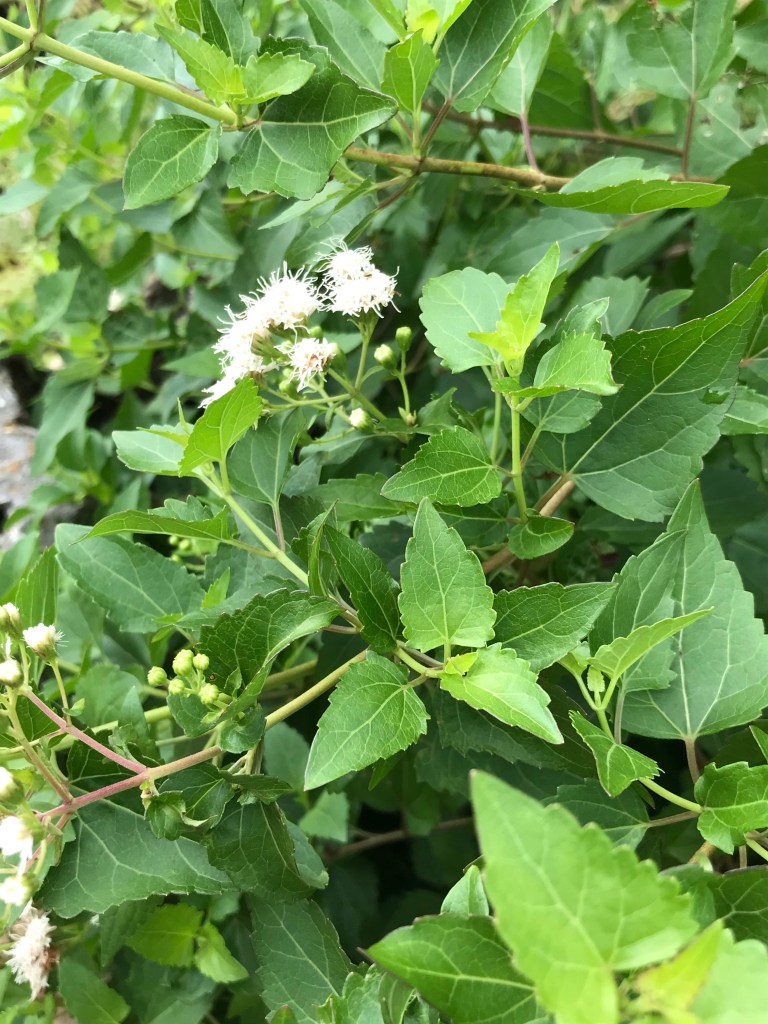
Ageratina havanensis (White mistflower, White boneset) (cultivated)
Viguiera stenoloba . (Skeleton-leaf goldeneye) (cultivated)
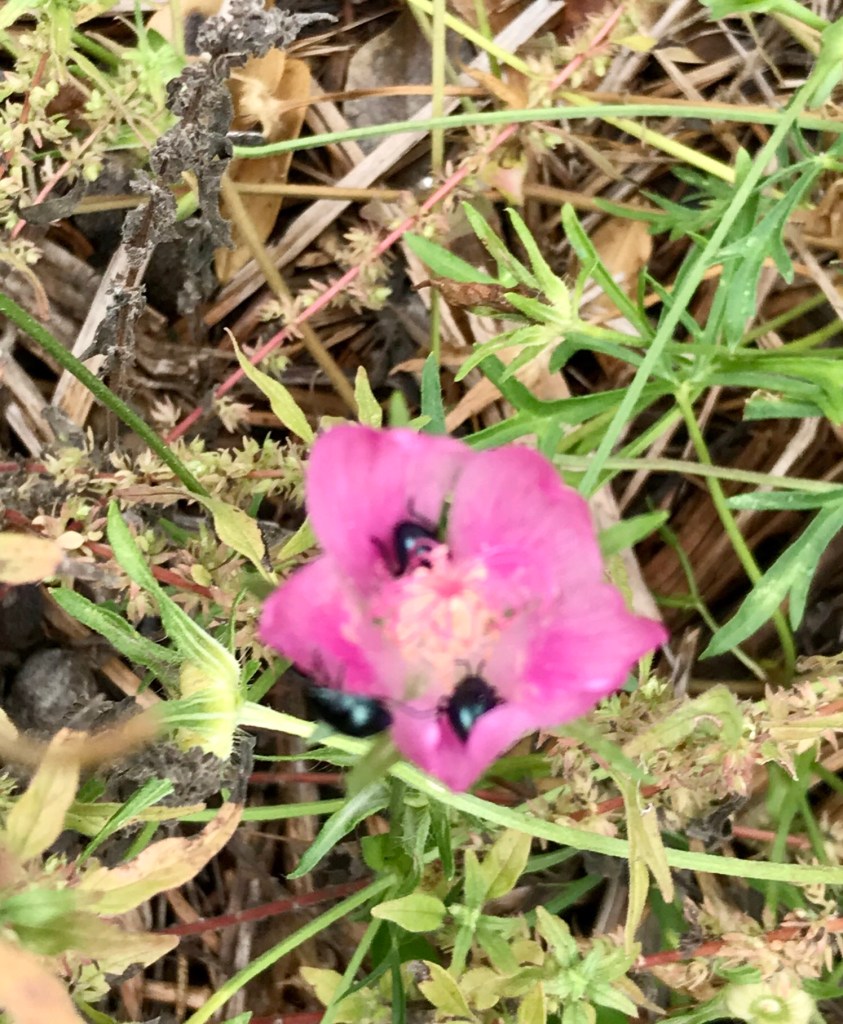
Callirhoe involucrata (Winecup, Purple Poppy Mallow)(cultivated)
Clematis texensis (Scarlet Clematis, Scarlet Leatherflower, Texas Clematis)(cultivated)
Opuntia sp. (Prickly pear)(cultivated, “spineless varietal)
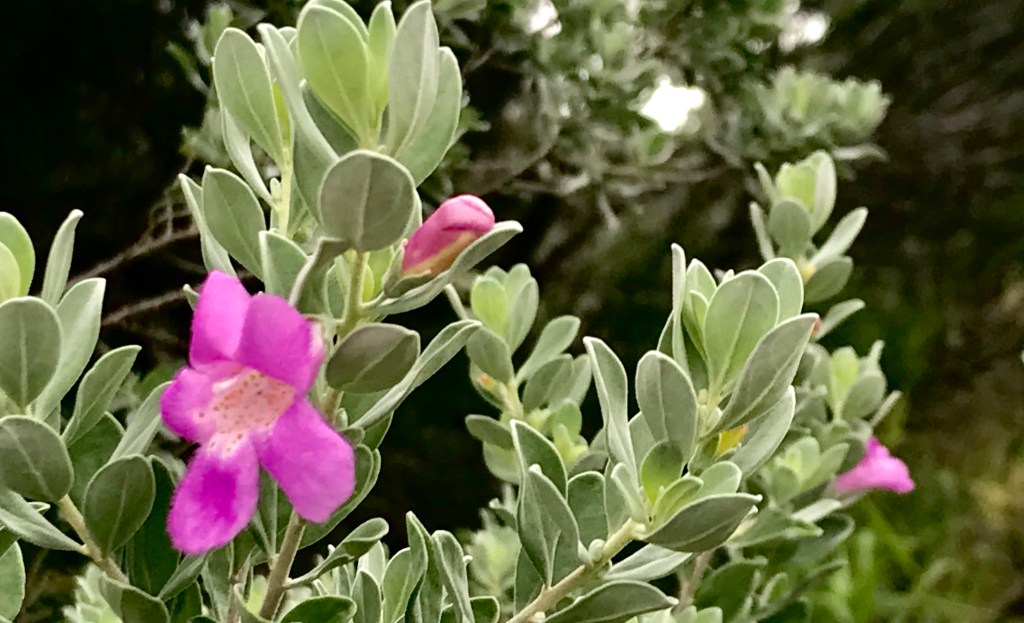
Luchophxllum frutescems (Cenizo, Purple sage, Trvas sage)(cultivated))
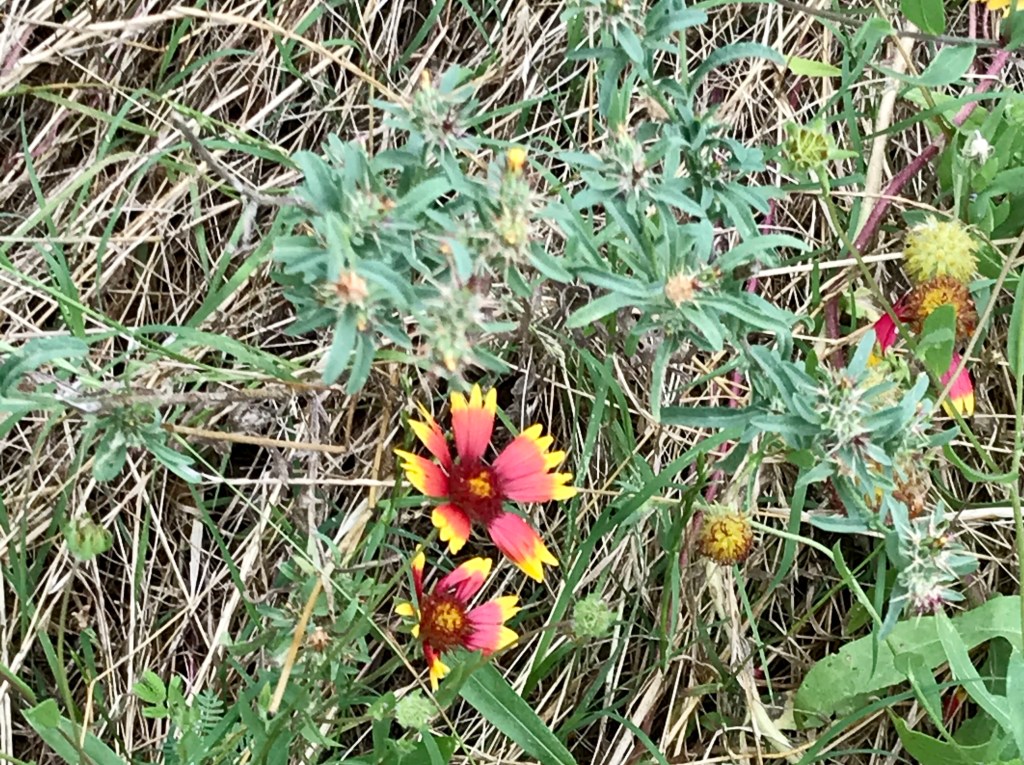
Gaillardia pulchella (Firewheel, Indian Blanket) (natiive, not cultivated)
Oenothera speciosa (Pink Evening Primrose, Pink Ladies) (native, not cultivated)
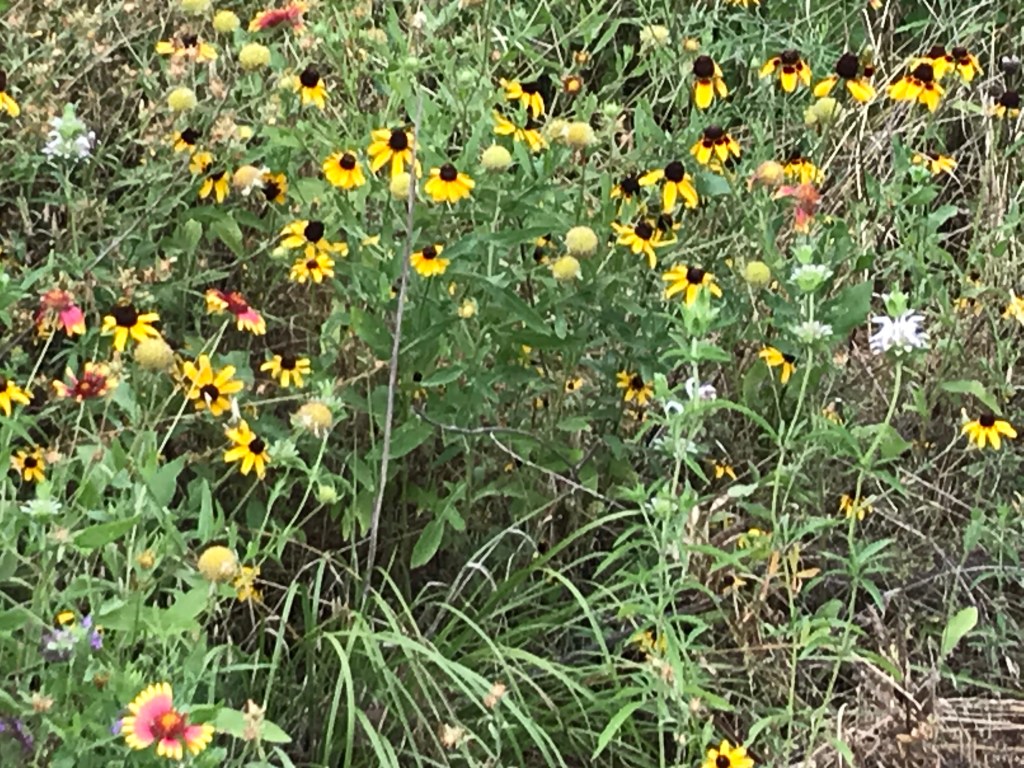
A variety of native plants (mostly)
Glandularia bipinnatifida (Dakota Mock Vervain, Prairie verbena) (native, not cultivated)
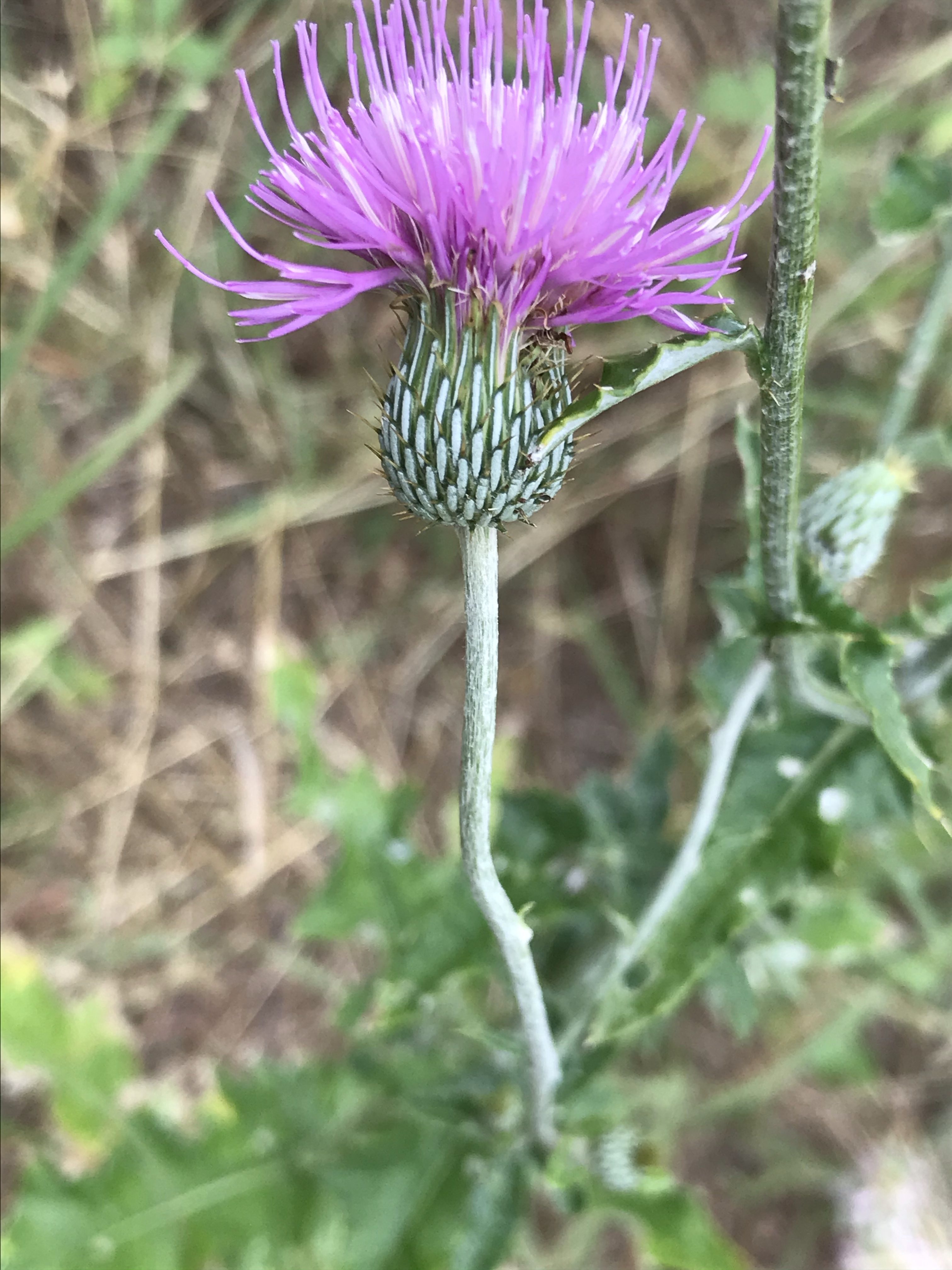
Cirsium texanum (Texas Thistle) (native, not cultivated)
Gaillardia pulchella (Indian Blanket) including recessive gene lacking red pigment, “Sunwheel” (native, not cultivated)
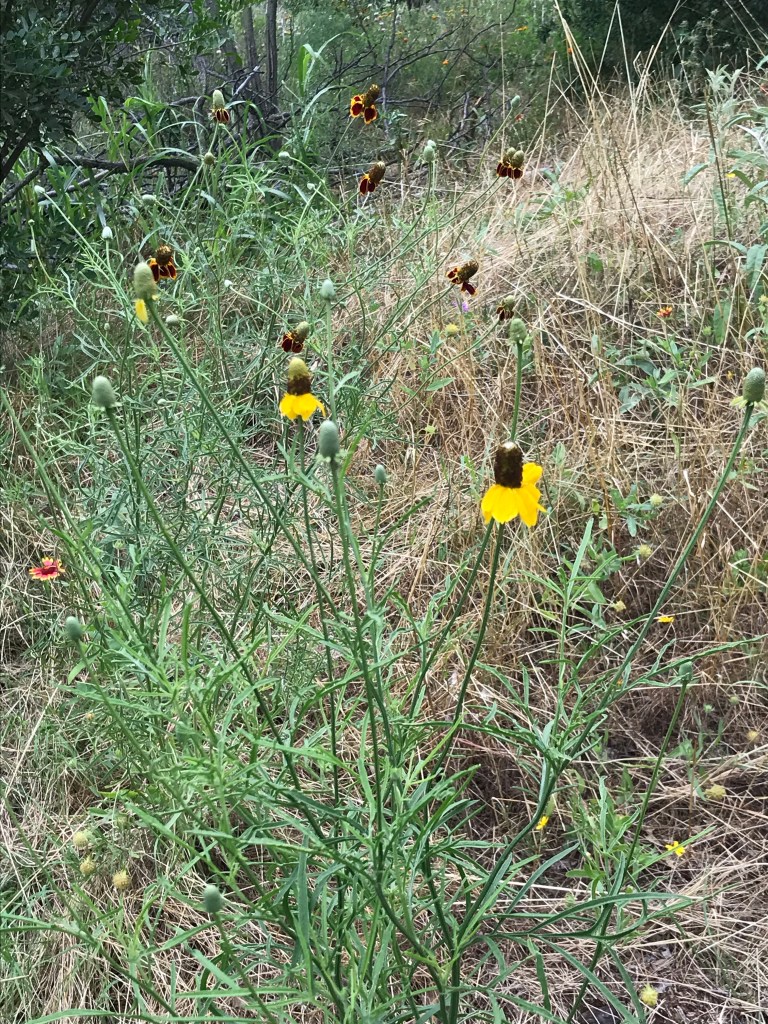
Ratibida columnifera (Prairie Coneflower, Mexican Hat)(native, not cultivated)

Callirhoe involucrata – Winecup

Callirhoe involucrata - Winecup

Callirhoe involucrata - Winecup

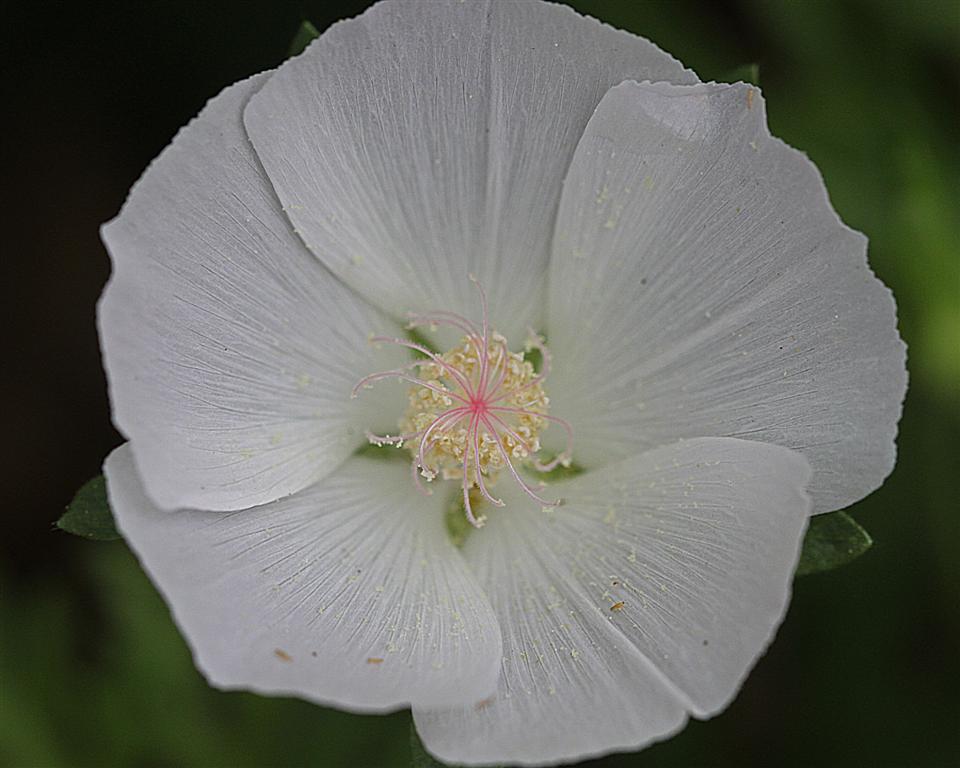
The usual color of Callirhoe involucrata is a deep burgundy, from which it gets the common name Winecup. The variation lineariloba has pale purple stripes with white edges, and is only found in four or five counties in Texas. This white variation was originally lineariloba but seems to have lost all its color. As far as I know it is found only in my front yard. . .March 30 – did a little research on the Lady Bird Johnson Wildflower Center website and found that white is indeed a normal variation, if not a common one, for this flower.