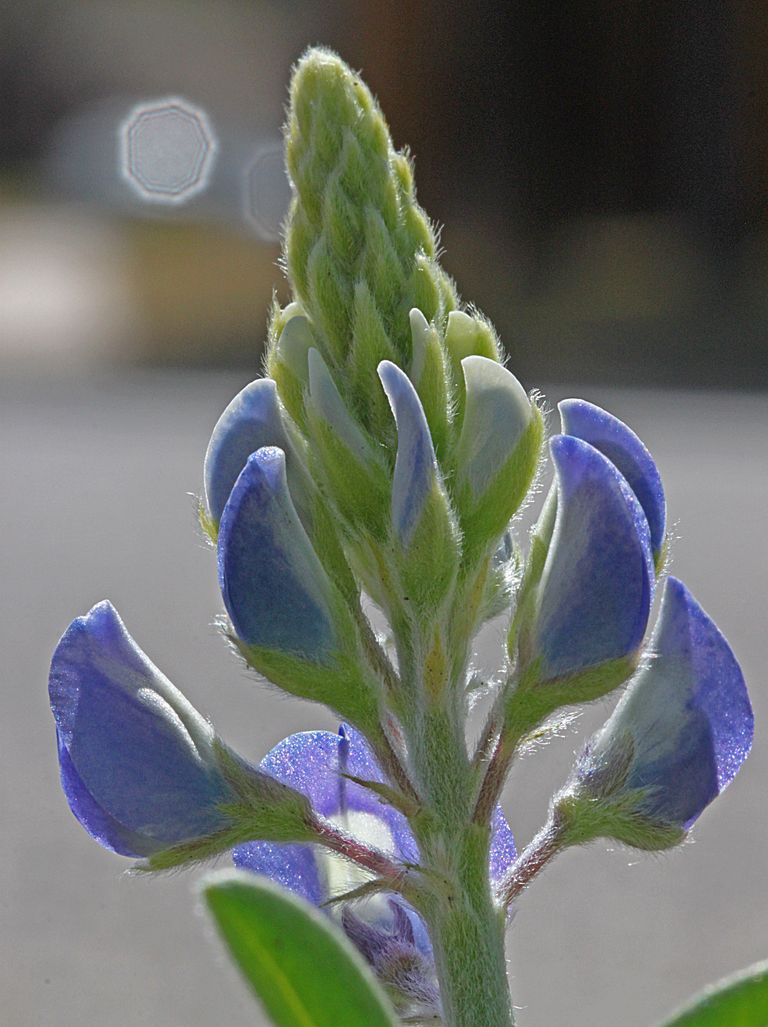
Lupinus texensis – Texas Bluebonnet

Lupinus texensis - Texas Bluebonnet

Lupinus texensis – Texas Bluebonnet

While most instances of the state flower in my yard are still scrawny and small rosettes thanks to the continuing drought in Central Texas, this example has started to put out blossoms in the area between the curb and the sidewalk. Conversations with other native plant advocates have indicated that some bluebonnets have been putting out new blossoms for a couple of weeks now.

The normal bloom period of this annual is from March through May, so it appears to be right on schedule this year. It is especially attractive to native bees and is frequented by butterflies as well. It serves as a larval host for the Hairstreak and Elfin butterflies.

Krameria lanceolata – Rattany

IMG_4639 Krameria lanceolata - rattany

Krameria lanceolata – rattany


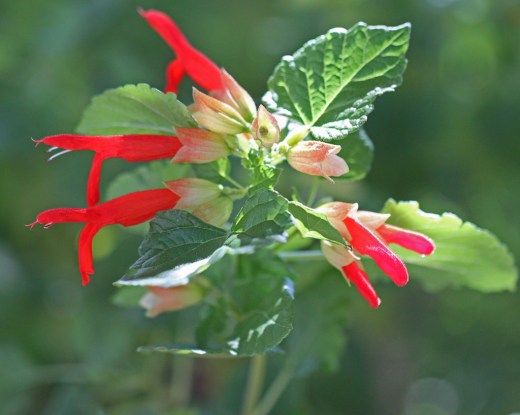
Krameria is a low lying plant with fairly small but striking flowers, as can be seen here, with a little bit of the foliage in evidence behind it. The leaves are thin and almost spike-like, hence the lanceolata portion of its name and both the stem and the leaves are a bit hirsute including the seed, seen in the lower left of this photo. The bright reddish things that bring it to your attention are actually sepals, while the actual petals are the small things in the center with the green and red mixed coloration.

Pavonia lasiopetala – Rose Pavonia

Pavonia lasiopetala - rose pavonia

Pavonia lasiopetala – rose pavonia

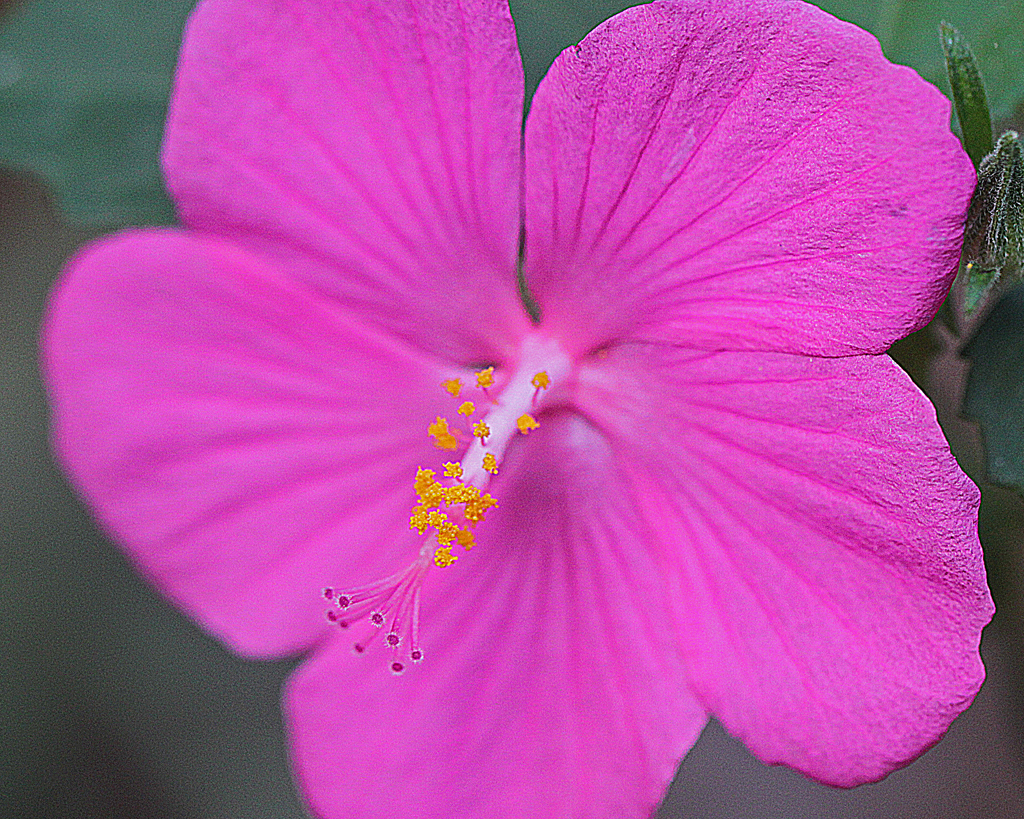
Also known as Rock Rose and Rose Mallow, this Texas Native is an excellent alternative to hybrid roses and the like. It doesn’t require a lot  of care and feeding, is resistant to bugs and moderately unpalatable to deer. I’ve noticed deer coming off the greenbelt lately to nibble on the acorns inside the subdivision where I live – but none in my yard of native plants bordered by salvias in the front.  It is native to the Edwards Plateau, and prefers dry limestone soil locations, so this will grow best in the area of Williamson County that is west of Interstate 35.

It blooms from April through November, which is another of my criteria for choosing plants for my yard – they should be perennials and bloom for a long period of time – not just seasonal but cross-seasons.

And having come from Florida originally, I do enjoy that it so resembles a Hibiscus, as does the Turks Cap, another of my long blooming summertime favorites.

Clematis drummondii – Old Man’s Beard

Clematis drummondi  - Old Man's Beard

Clematis drummondii – Old Man’s Beard

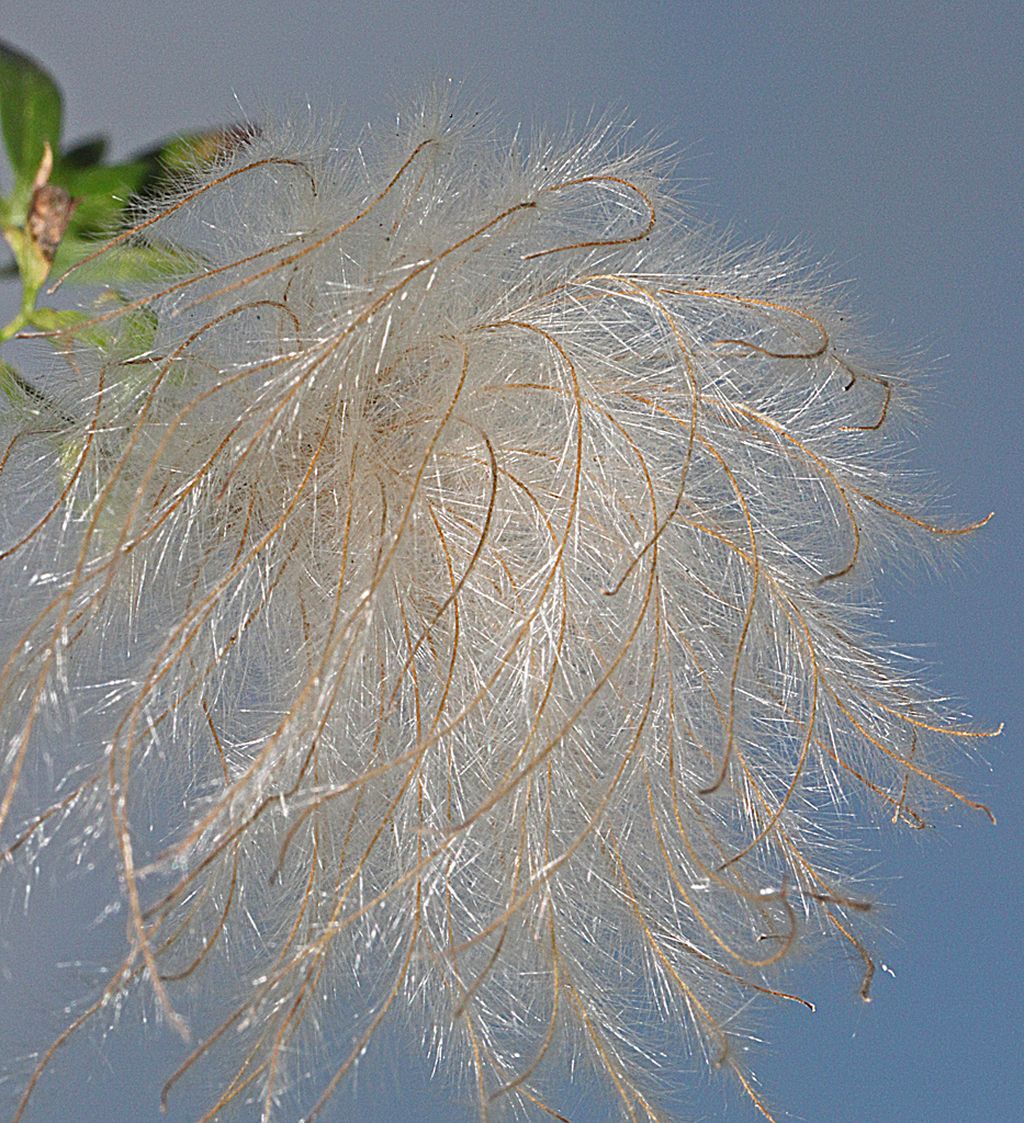
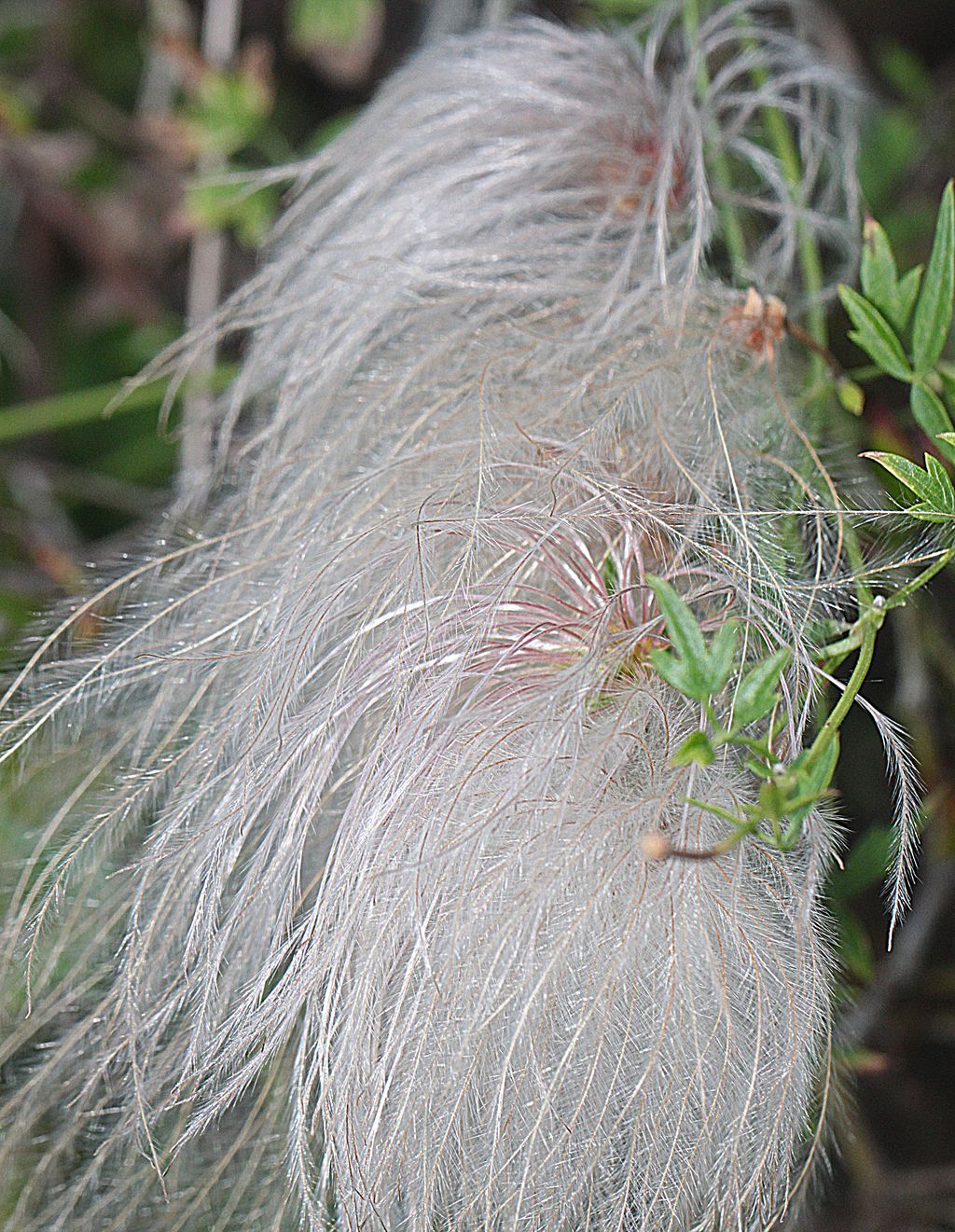
Here is a flower that appears in the fall as a bunch of wispy cotton balls hanging over bushes and trailing all over the place. It’s fairly obvious how it gets the common name Old Man’s Beard, with its flowing white tresses of feathery seedheads. I have a slightly darker version of this photo against the sky. which remind me of something like spiders from Mars. Fortunately, lighten up the shadows and lo and behold, we have downy feathers.

Clematis drummondi - Old Man's Beard

Clematis drummondii – Old Man’s Beard

Here’s a different angle, looking like a side view of ZZ Top.  Not so feathery from this POV, a little grizzly perhaps. note: I just looked this up on the WFC’s NPIN and found out that drummondii is spelled with two i’s. Also that it’s called Texas Virgin’s Bower

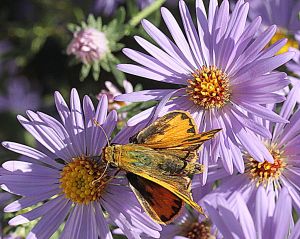
Aster oblongifolium hosting fiery nectar feeder

Hylephila phyleus (male) - Fiery Skipper on Fall Aster

Hylephila phyleus (male) – Fiery Skipper on Fall Aster

Here’s a busy little Fiery Skipper blending in with the similarly colored central flower blossoms of the fall aster. I’ve been busy resurrecting a different website and other such things and haven’t updated this site for some time.

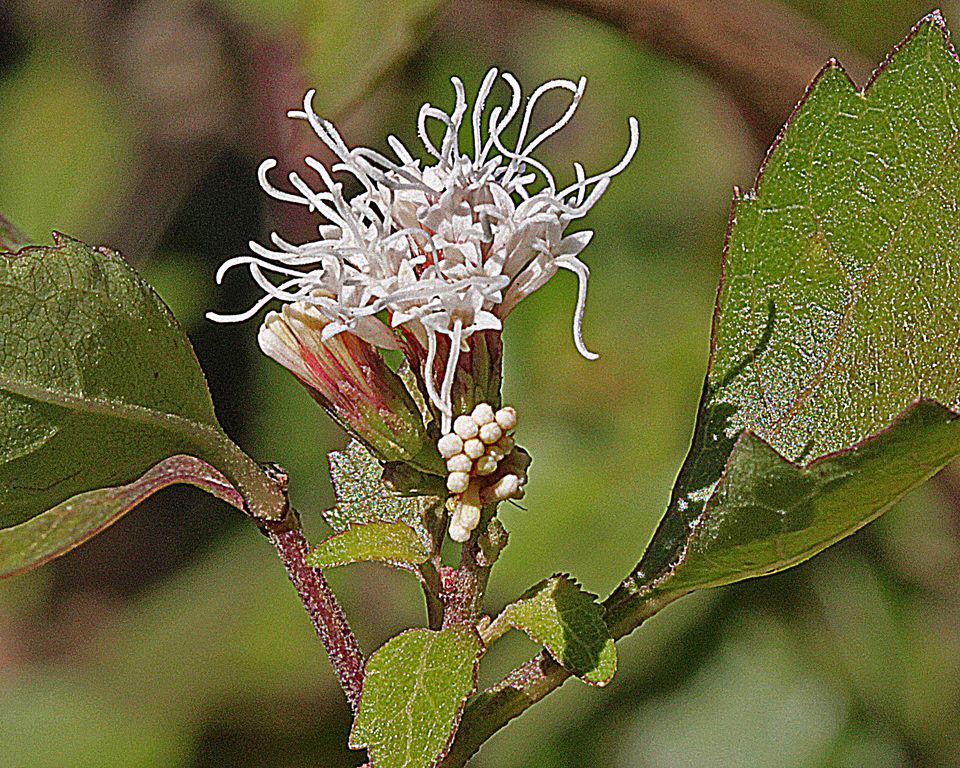
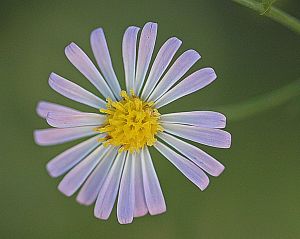
Here’s another aster that has volunteered to appear in  my yard and seems to be either a Prairie Fleabane out of season (not unheard of in this year of strangely out of season bloomers.)  It looks to me to be a hierba del marranoAster subulatus possibly  or aster subulaus. The key identifier is the blush of purple … I seem to have noticed elsewhere that “baby’s breath” is another common name…
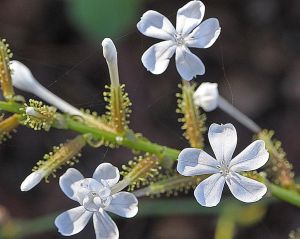
white flower 10-29-2012

white flower 10-29-2012

Aster subulatus possibly

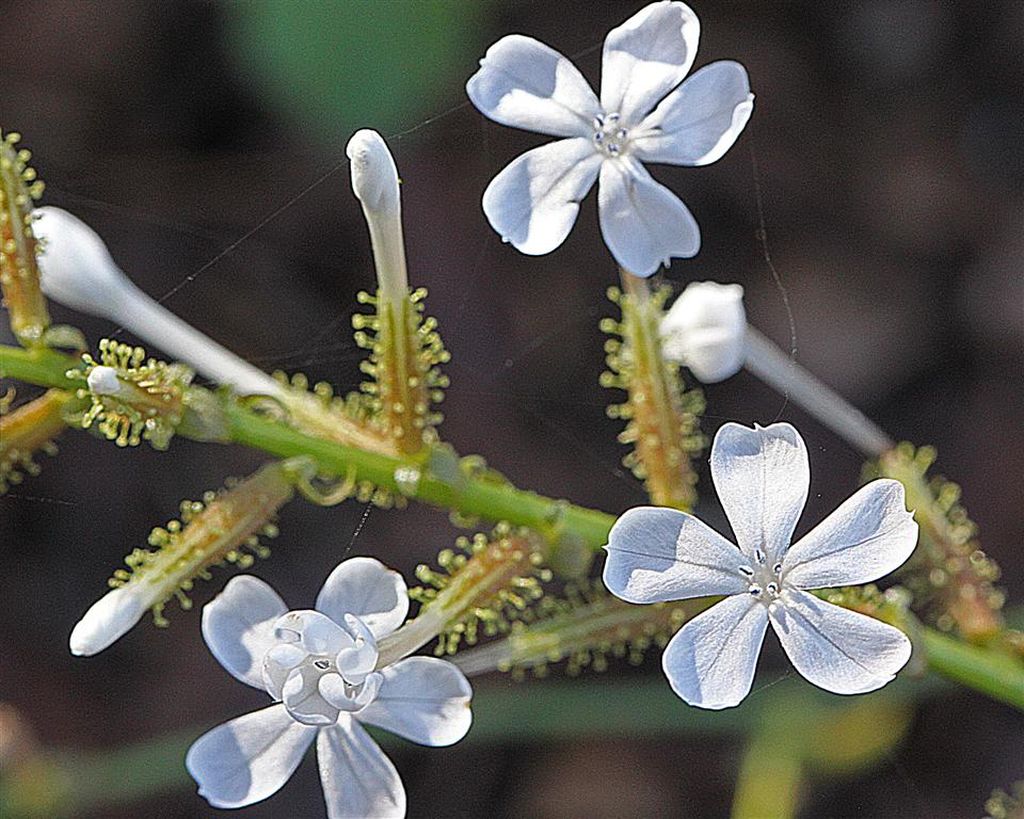
And from October 29, and a trip to South Austin to the roadway around the Lady Bird Johnson Wildflower Center, comes this picture of an  unidentified white flower that  i haven’t been  able to identify using the WFC’s online database. I’ve asked some folks but no one else seems to know either. I will be checking The Weeds OF The West and Toxic Plants Of Texas to see if there’s a match there…and the search for knowledge goes on.

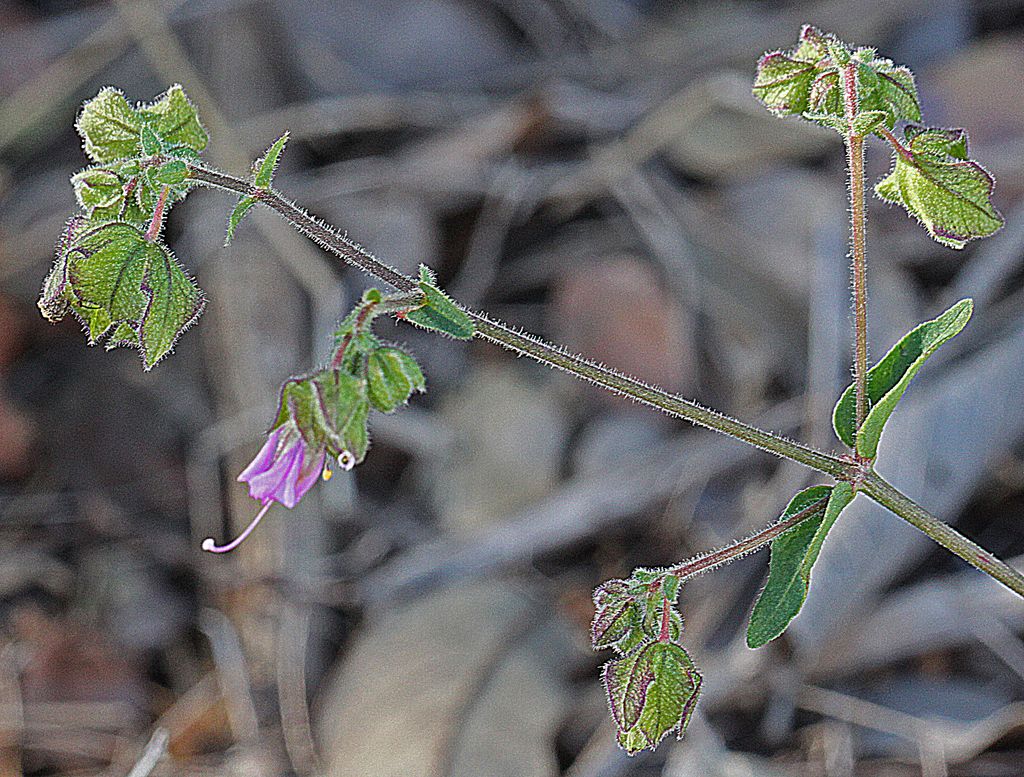
And finally, since we are displaying our ignorance and searching for knowledge, here’s another unidentified flower from the roadside next to the closed on Mondays LBJ WFC – it does appear to be some sort of mallow to me, but so far no luck in figuring out each one. Oh well… tomorrow’s another day, or, based on the time zone in which this is being written, tomorrow is here, but the world is waiting for the sun to rise and I am waiting to sleep, perhaps to dream…

unknown flower at WFC
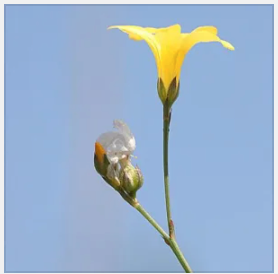
unknown flower at WFC

Nothoscordum bivalve – Crow Poison

LILI Nothoscordum bivalve - Crow-Poison

LILI Nothoscordum bivalve – Crow-Poison

The authorities have not yet reached a consensus whether this plant is toxic, either to humans or to crows, so they advise that you just don’t put this in your mouth. Or feed it to crows, I suppose.

Crow Poison can bloom early in the Spring, but as this shows, they can also bloom throughout the summer and well into fall. It is similar in size and shape to Allium Drummondii, Wild Garlic. Sight and Smell are the two senses that help to differentiate the two – Wild Garlic has a purple tint to its white flowers, and it smells like onion.


Here you can see the umbel of Crow Poison, with a couple of buds in the process still of opening. Elsewhere you can see an excellent photo by Joseph Marcus with the Lady Bird Johnson Wildflower Center in Austin, Tx (http://www.wildflower.org/gallery/result.php?id_image=13203 ). September 22, 2014 –  Note: the linked photo used to be here. It has been removed in order to avoid infringing on Mr. Marcus’ copyright as well as to abide by the NPIN terms of use.

Desmanthus illinoensis – Illinois Bundleflower

Desmanthus illinoensis - Illinonis Bundleflower

Desmanthus illinoensis – Illinonis Bundleflower


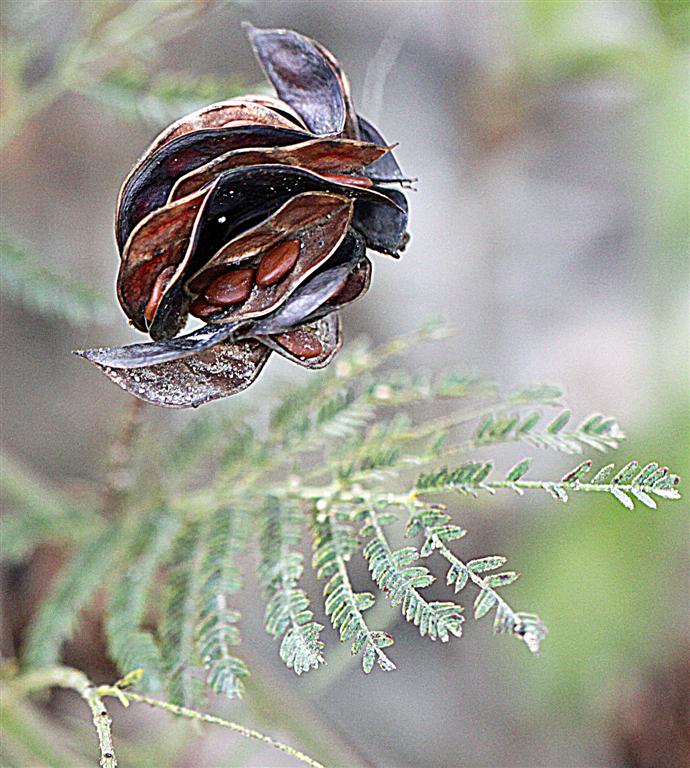
Another shot from Lake Granger/Taylor Park back in mid-July, this time from the shoreline, of the seedpod of the Illinois Bundleflower.

Since the Desmanthus illinoensis usually blooms in May and June, we saw none of the little creamy white flowers, and the seed pods had already turned from green to black.  The leaves have been described as almost fernlike – decide for yourself. Together, they  are a distinctive combination that should be easy to recognize in the field.

Convolvulus equitans – Texas Bindweed

Convolvulus equitans - Texas Bindweed

Convolvulus equitans – Texas Bindweed

Back to flowering plants, this time a small vine that grows close to the ground and has fairly small flowers which are less than a inch and a half  across, if that much. A member of the Morning Glory family, it resembles other members of the family.  Its leaves are distinctive as seen in this photo just above the blossom. It likes partial shade and is in general easy to overlook.