Clematis and Milkweeds, welcome to the family…

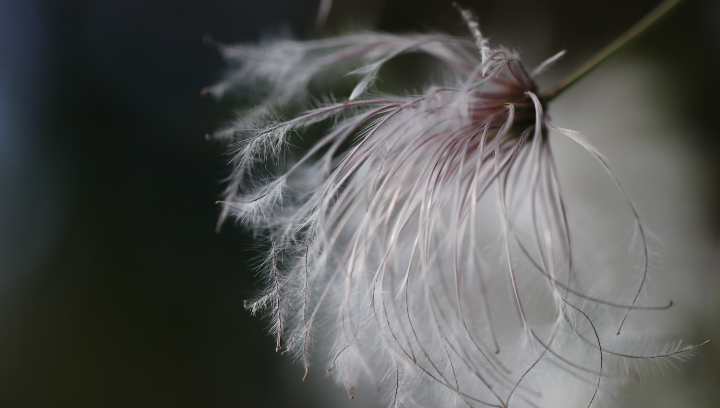
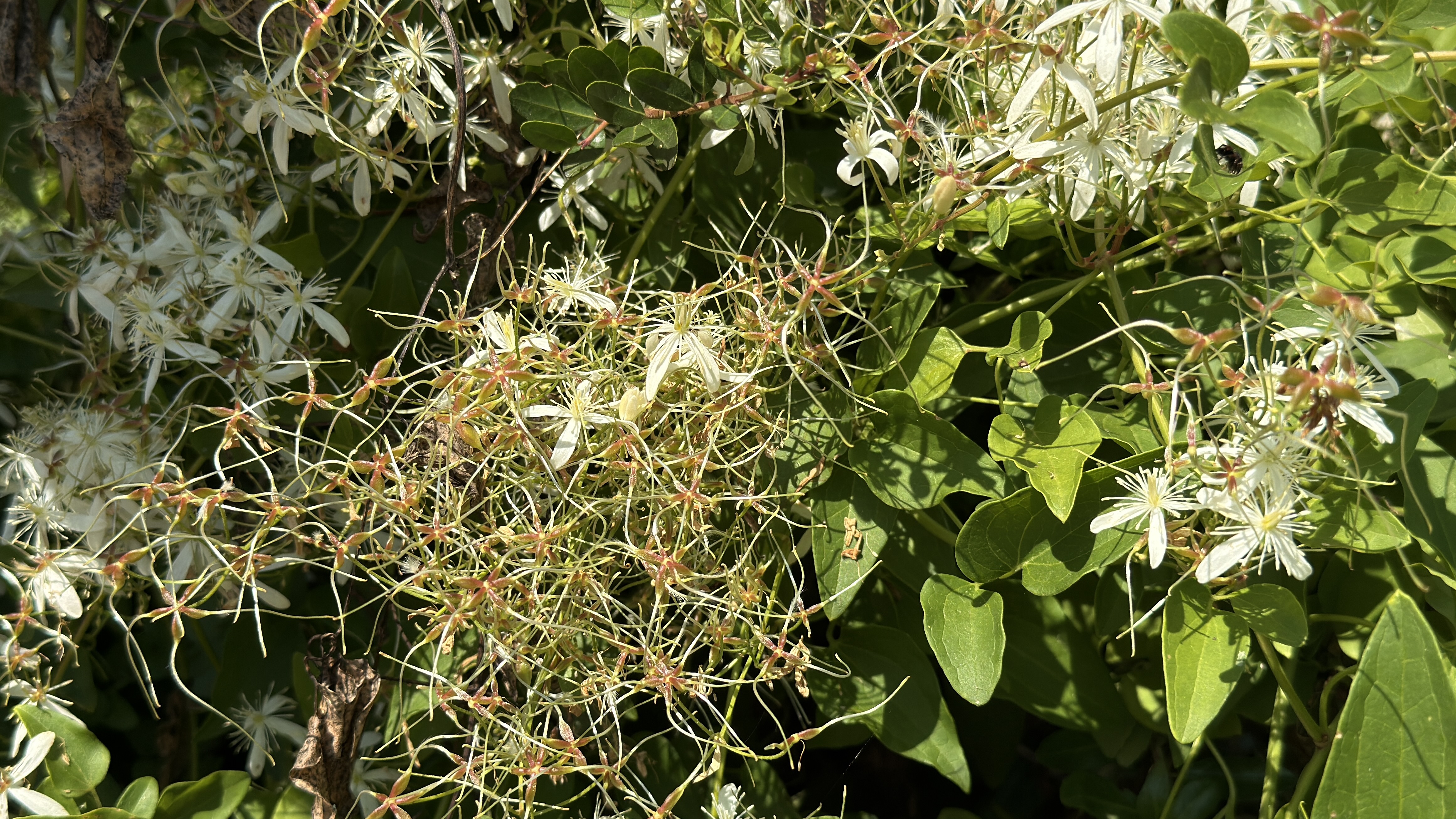
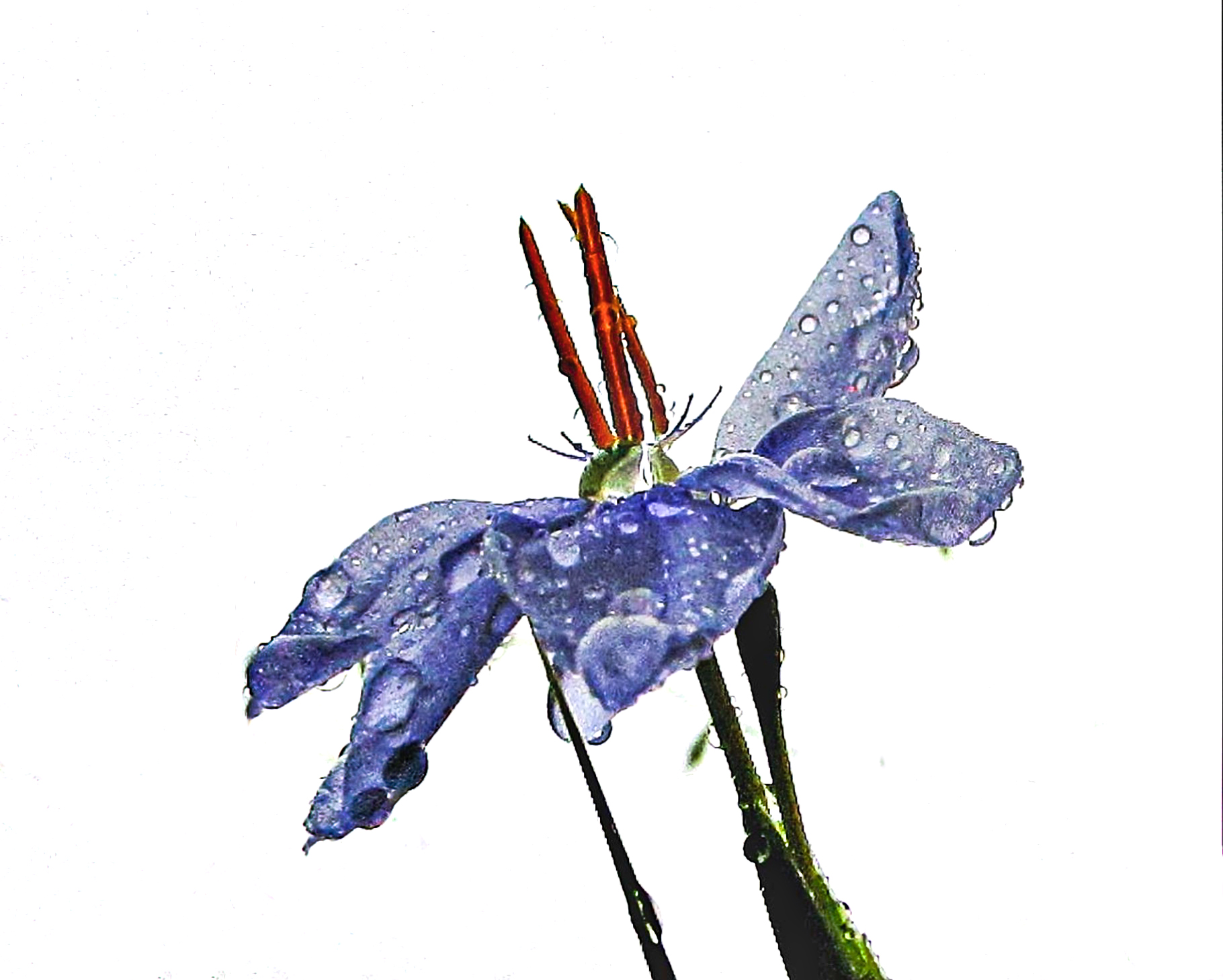
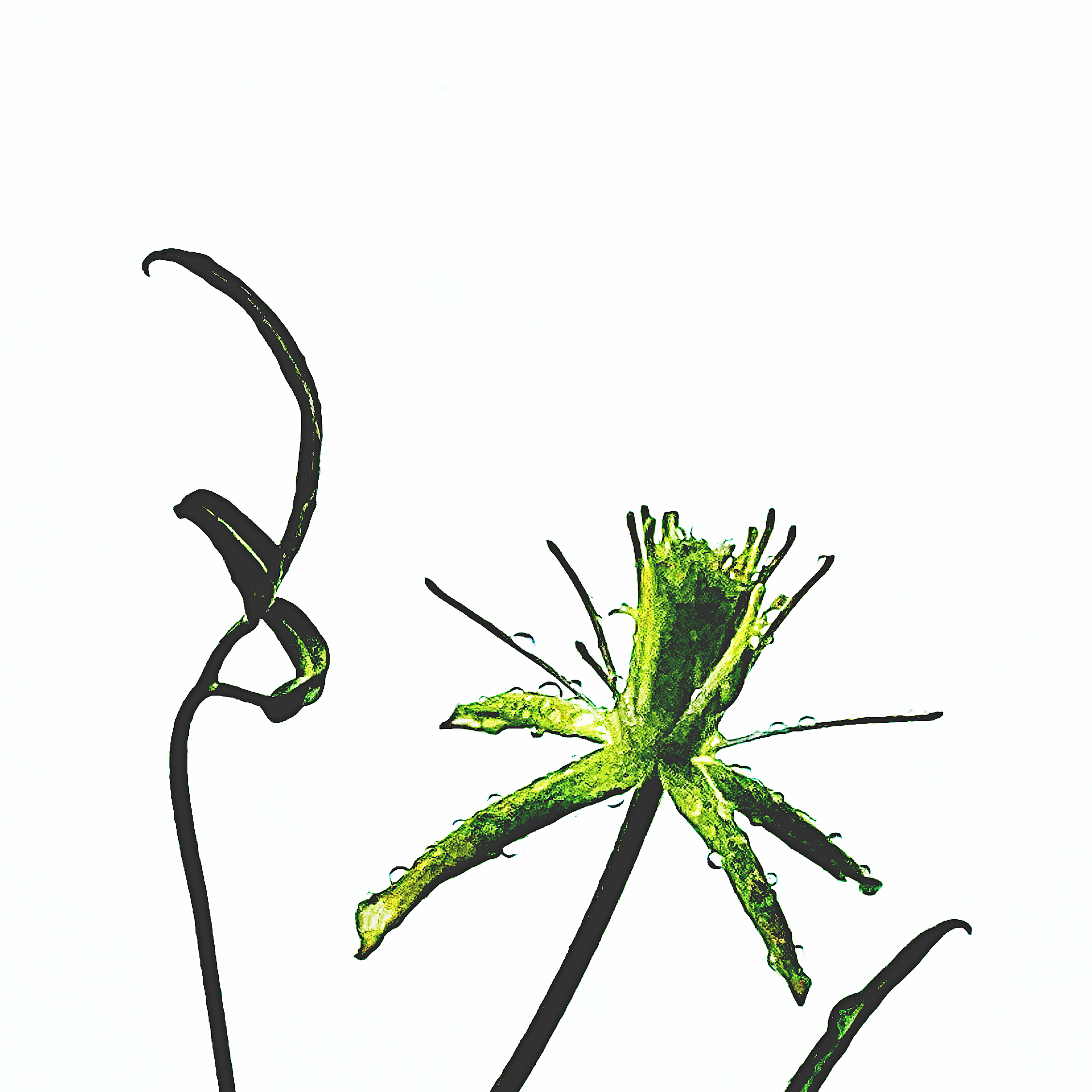
One of my favorite “flowers” is the female Clematis drummondii which is most noticeable in the late summer as the achenes turn into cascades of clouds that give it one of its common names, Old Man’s Beard. The actual flower is shown in the first photo following, the achenes in the other two:

Another favorite plant is Matelea reticulata, commonly known as Pearl Milkweed Vine, due to the “pearl” in the middle of its flower. It, too, is native to Central Texas, where I no longer reside, having “pulled up roots” to move a bit further to the North.

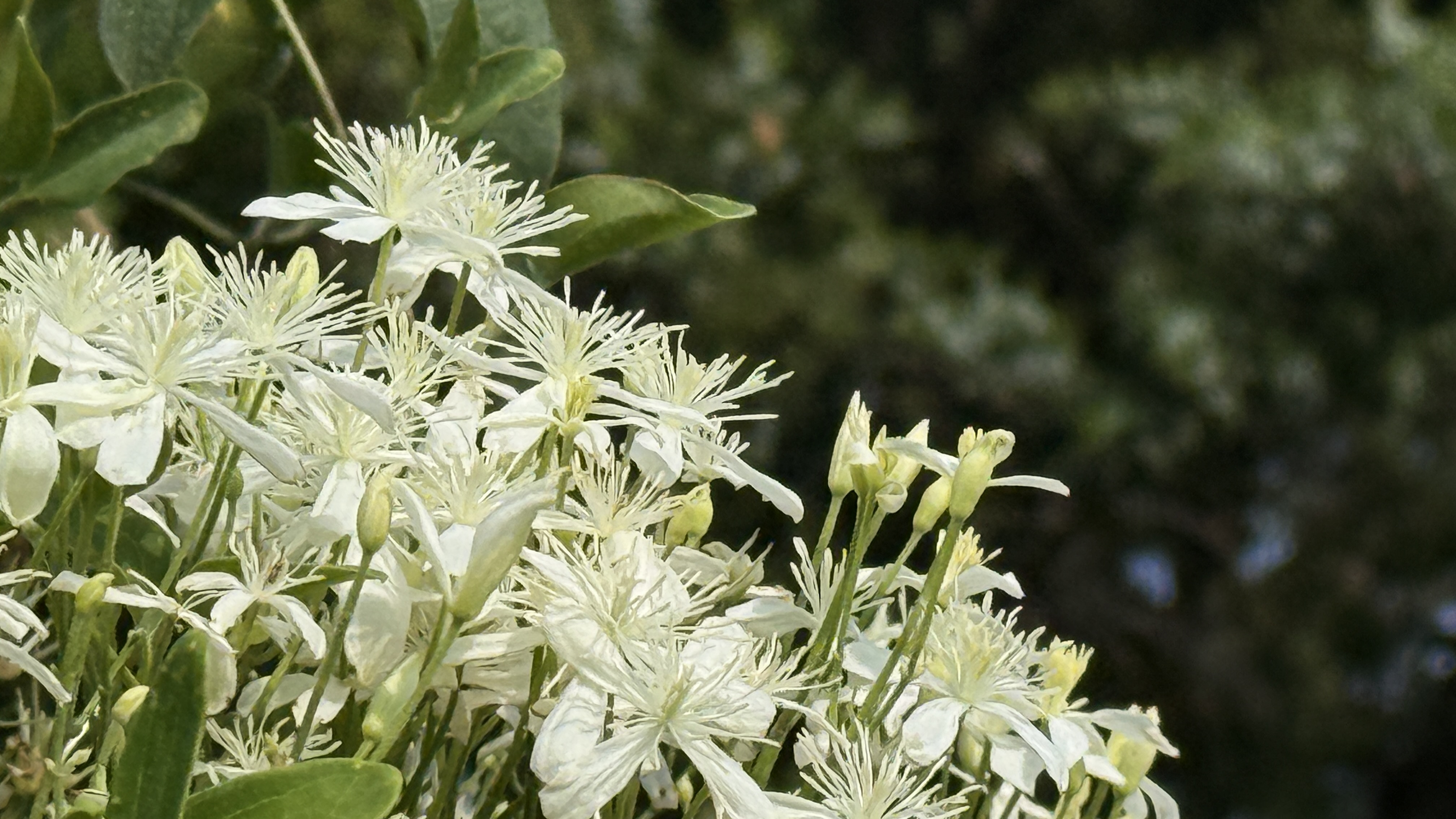
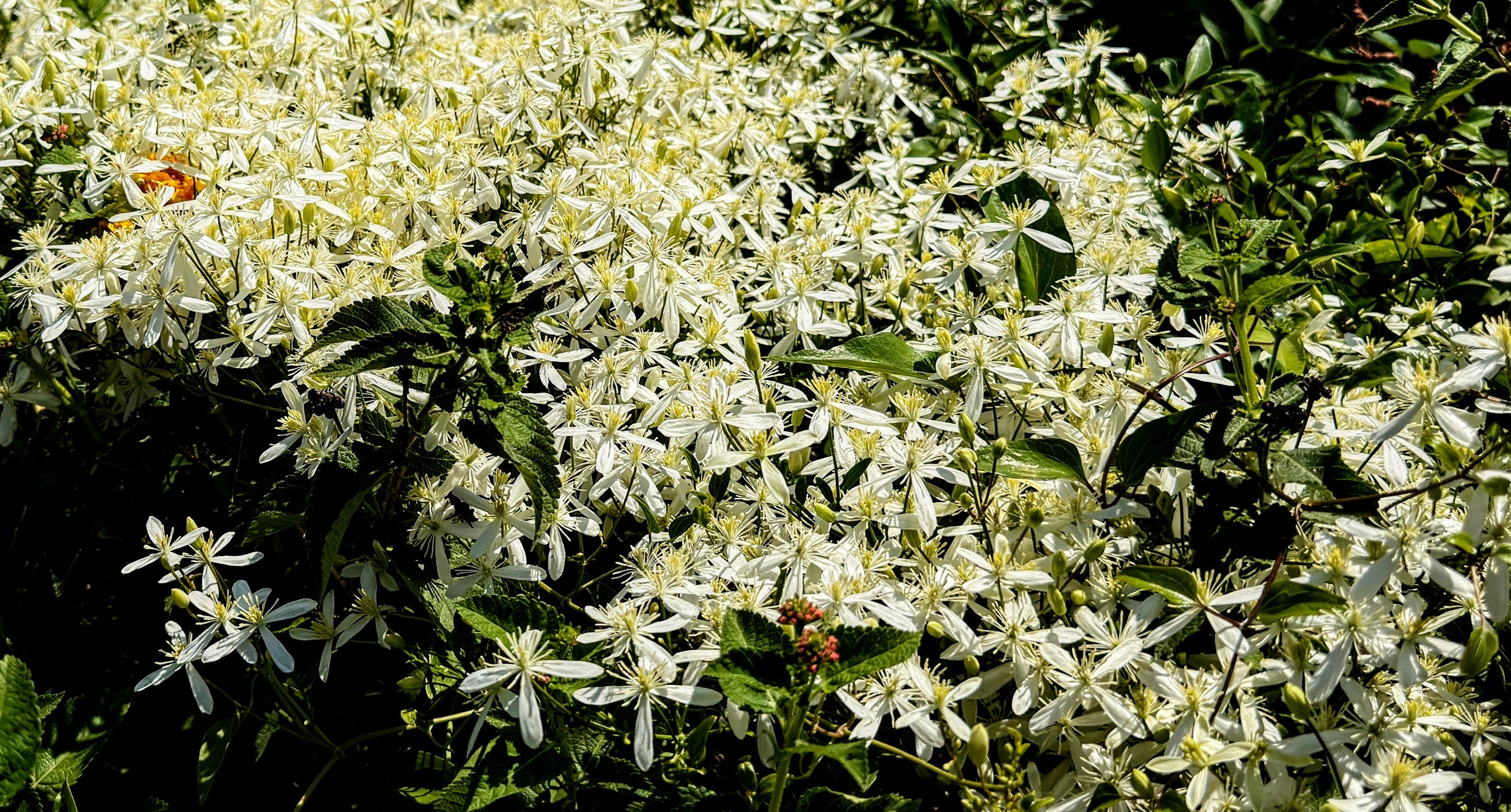
I was pleasantly surprised to find, recently, a different Clematis, native to Central Oklahoma. Clematis terniflora, or Autumn Clematis, as it’s commonly known, is smaller than its Texas cousin, but still provides striking clouds of white flowers and achenes along the roadsides and in ditches. In this case, the flowers provide the show, and the achenes are less showy than those of C. drummondii, as seen in the third photo following:
Cynanchum laeve, common name Honey Milkweed Vine, has been observed in several locations around here, notably near the airport and a few miles away. As suggested by the common name, the flowers give off a strong, sweet smell attractive to humans and pollinators alike.

While they’re not the same species one has become accustomed to, the “new” species are familiar enough to provide a sense of a welcoming environment.

###
Where have all the (native) flowers gone?

Prosser, R.S., Brain, R.A. Where have all the flowers gone? A systematic evaluation of factors driving native terrestrial plant decline in North America. Environ Sci Pollut Res (2024). https://doi.org/10.1007/s11356-024-34349-9 

Prosser and Brain have done the research and  have come up with the following conclusions:

  • Habitat alteration and non-native species are the most important drivers of the decline in native terrestrial plant diversity in North America.
  • No listed species in the U.S. or Canada faced a singular threat. In the recovery plans for all listed species, several threats were identified as contributing to their risk of extirpation or extinction.
  • Pesticides, specifically herbicides, represent a micro-scale contributor to the decline of plant biodiversity in North America relative to other drivers.

(Note: the above three points are taken verbatim from text in the article, although they are not presented as bullets in the subject article. Emphasis using bold and italics has been added).

In their conclusion, they argue that pesticides and herbicides make an easy target for litigation, even though they contribute minimally to the extirpation or extinction of native plants .

On the other hand, Paraquat is an herbicide that not only has been banned in over 50 other nation-states, and has been linked as a probable cause of Parkinson’s Disease in the book Ending Parkinson’s Disease: A Prescription For Action  and in this February 2024 article on the EarthJustice website: This Weed Killer Is Linked to Parkinson’s. Why Isn’t It Banned Yet?

I would suggest that the authors of the article on causes contributing to reduction of native plant species are failing, in their words, to see the forest by focusing on the trees. I am a native plant advocate who also has Parkinson’s Disease. I don’t know whether I have been exposed to Paraquat in the past. Just because pesticides and herbicides are not a major factor in the reduction of native species doesn’t mean I should just ignore the bigger picture of the effect of herbicides like Paraquat on the species Homo sapiens, many of whom, including myself, have displaced other native occupants of this territory, like the Apaches, the Tonkawas, and other tribal groups who are members of the same Genus and species.

This post has covered most of my main interests: scientific research, Parkinson’s Disease, and native plants. All that’s missing is some music:

The Parkinson’s Anthem (We Ain’t Givin’ Up Hope)

#nativeplants  #research #parkinsonsdisease #advocacy

Resistance is futile…

Most folks will recall that line from various Star Trek encounters  with the Borg, as well as the following line “You will be assimilated.” Or was it the preceding line? Doesn’t matter, because the purpose of this post is to “announce” that my other WordPress blog, “Return To The Natives / Native Plants Are The Answer,” has been assimilated into “Bob’s Brain: Living Well With PD and Other Comorbidities.”

With the assimilation comes a couple of new categories in the menu: Native Plants, and Wildflowers. Here’s an example of what one might find under either of those categories.

2016-03-06-Rock-Pink-640pxlw

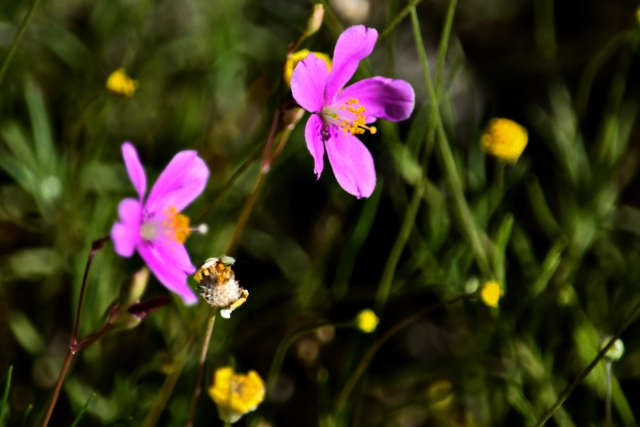
Rock Pink (Phemeranthus calycinus). The blooms are ephemeral, lasting only one day, although a single plant may have more than one bloom. They grow in limestone soils, in locations where waters flow after rains (in this part of the world). This was captured digitally following recent rains in early May, 2016. Their bloom period is from April through September, which is the latest month in the year that I’ve been able to photograph them.

Now I’ve assimilated the two, there’s only one blog to intermittently post articles about things that interest me. Reduces my guilt in half. Next step is to post the news on RTTN / NPATA with a link to Bob’s Brain, and then deleting the old blog. I’m a cyborg, having had DBS, so it should work out as well as the coders have allowed for such a smooth transition.

We’ll see what happens.

Live long and prosper.

###

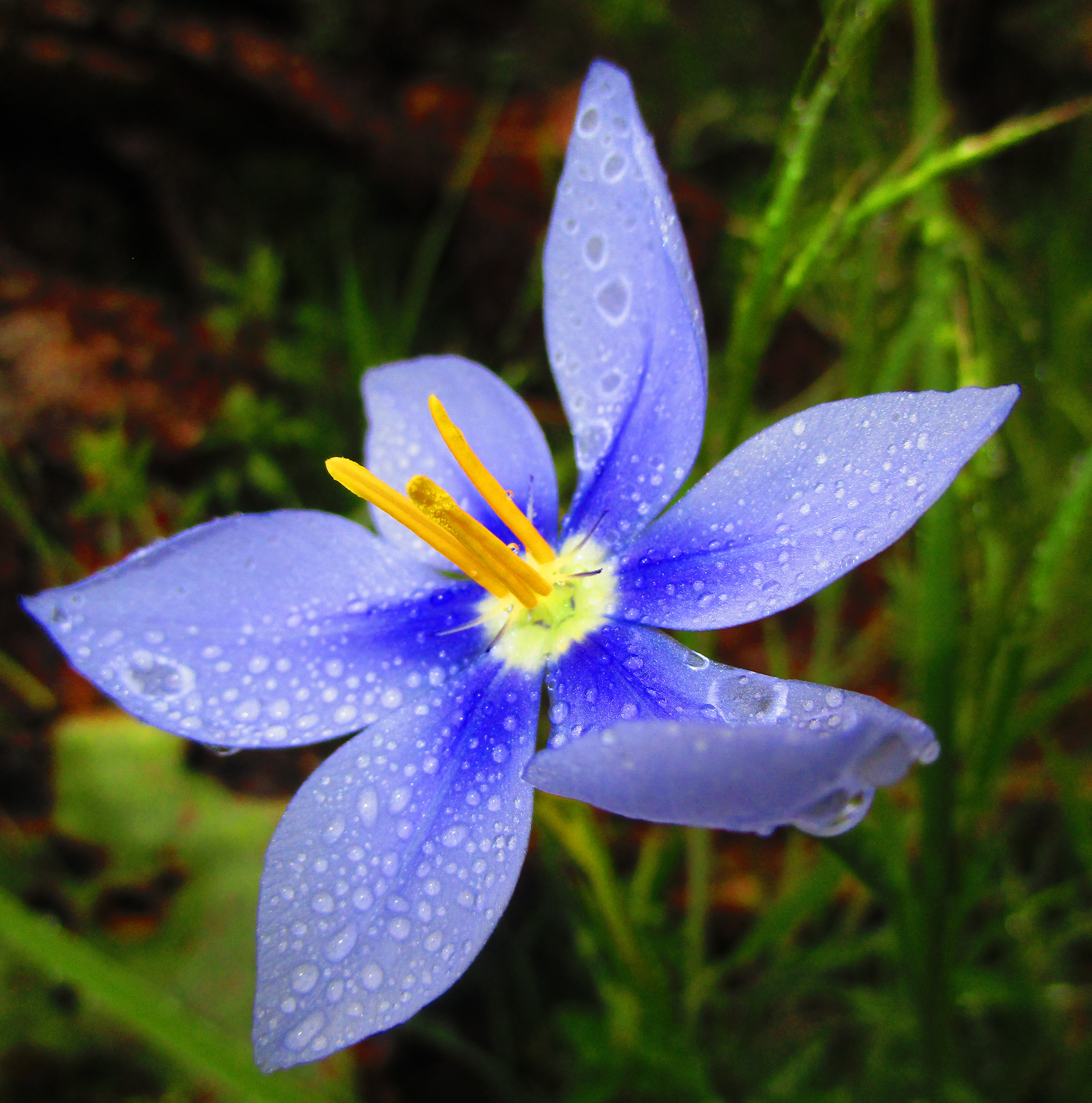
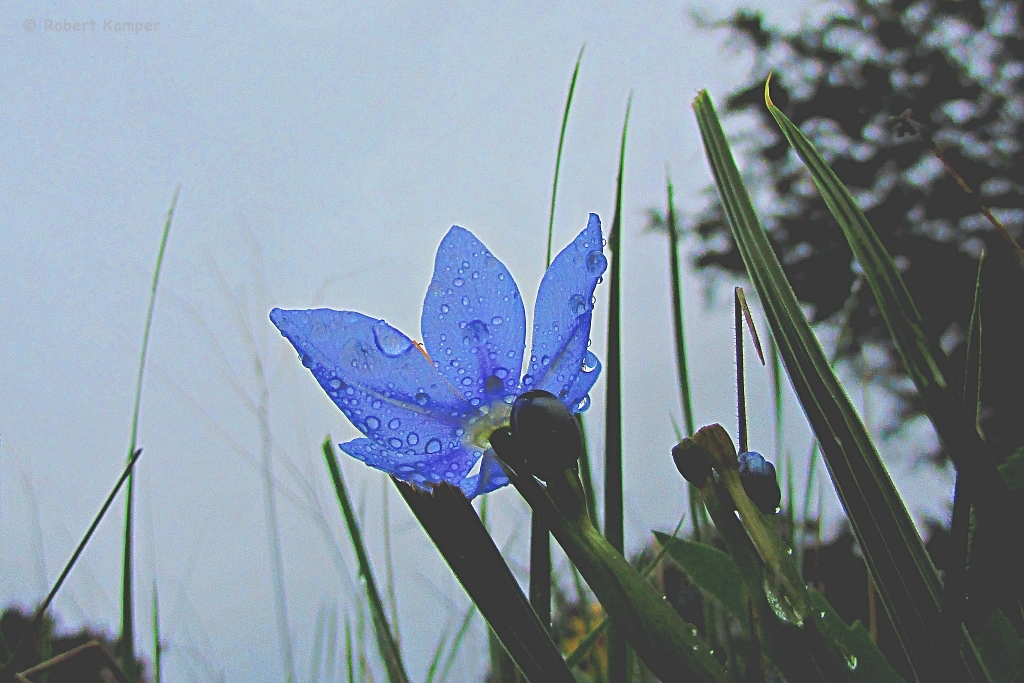
Prairie Celestials – it was an average year

One of my favorite wildflowers is the Nemastylis geminiflora, a member of of the Iridaceae, or Iris family, in spite of some of its common names including Pleat-leaf Lily, Prairie Celestial, Celestial, and Celestial Lily. Below are photos from this year and a few years ago. I was on a Power for Parkinson’s Zoom call this past Friday (4/5/24) in which we were asked to share what gives us joy in our lives. I shared this photo:

Neamstylis geminiflora

The first photo was taken in 2021, The other, in 2024.

Both taken with a Canon Elph 190IS Powershot small camera, if I recall correctly (this year’s photo might have been taken with an iPhone 12 Pro). The difference in the photos can be accounted for by four possible influences:

  1. The photographer fell and fractured a femur following 2023’s bloom period, and is more cautious about lying down on the ground to emulate Steven Scwhartzman’s signature technique of using the sky as a background, due to the possibility of not being able to get back up again.
  2. The abundance and proliferation of exotic, invasive species on the berm, such as Japanese Brome, Malta Star Thistle, which reduce the native Nemastylis’ access to sunlight, and
  3. The failure of mowers who maintain the firebreak between the greenbelt and the to practice good hygiene by pressure washing and cleaning of mower blades between sites (one can only assume) and
  4. The setting of mower blades at less than 7 inches above the ground, which results in scalping of top of the berm, inviting aggressive invasive species onto the berm and into the greenbelt.


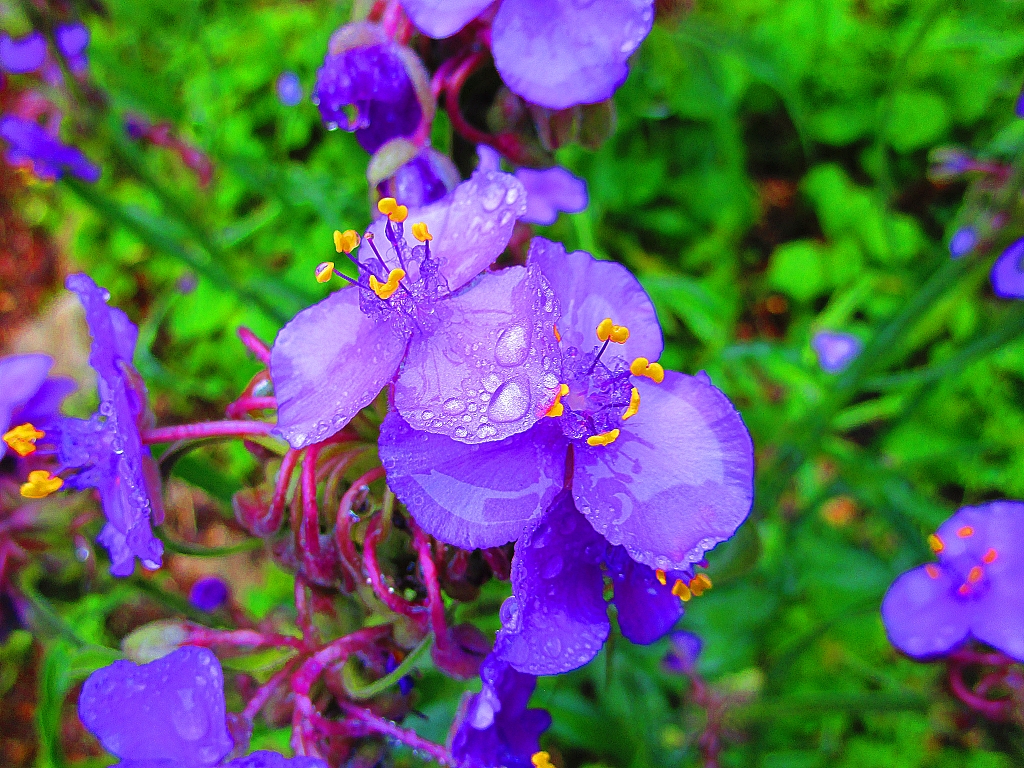
Tradescantia gigantea (Giant Spiderwort) an early bloomer in late Winter to early Spring, with blooms ranging from pinkish to purple. Provides color during an otherwise bleak season for landscaping.
Finally, Malta Star Thistle (Centaurea melitensis) a very nasty and invasive plant that produces thousands of seeds per plant. Just too many of them on the greenbelt

###

An early Spring, this year

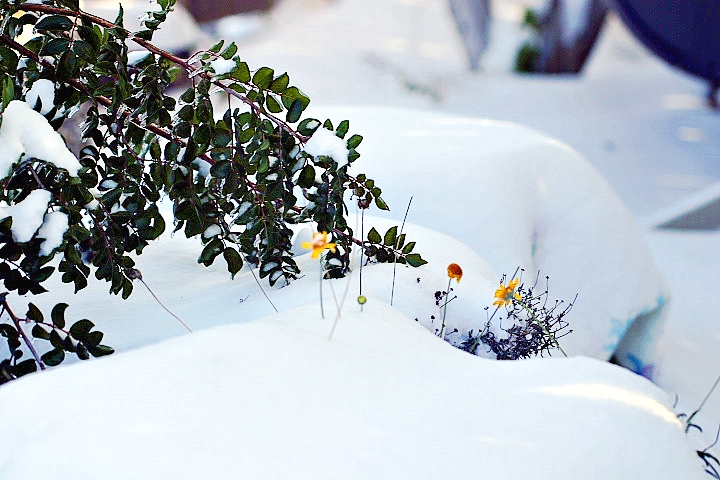
This February has seen no scenes like the one above (Feb. 15, 2021) where we saw over 6 inches of snow and sub freezing temperatures for about two weeks. Thousands of people lost power, and I don’t want to look up how many died from the pre-20th Century conditions to which they were not conditioned or prepared to deal with.

However, thanks to Global Warming, this Winter has been warm, for the most part. So we’ve seen some early blooms, one of which always persists, is the Ten-Petal Anemone. This bloom is white, but the species can vary from white through pinkish to violet. (An artist might differ with my choice of descriptive colors).

And here’s an unopened Anemone berlandieri from the violet end of the spectrum.

What are these doing in the Bob’s Brain: Living well with PD and other co-morbidities blog?

  • Bob’s brain mistakenly failed to switch to the Back to the natives: Native plants are the answer before beginning the draft, or
  • Bob’s brain has other interests in his life other than an incurable, progressive,  degenerative neurological disease,
  • or both of the above… whatever answer you choose, you won’t go wrong.

Oh well, might as well end with a song:

https://youtu.be/sxoTWy0bTXo?si=NmKkd0bLzysH8ZSO

###

It might as well be Spring… or Fall

The long dry Summer was followed by a few showers (about a week, and 6″ of the liquid stuff), and some more warm weather. Some plants, like the Clematis drummondii in the first few frames, decided it was a good time to put out new fowers, even though they had already gone through the yearly cycle of blooms, with the female plants putting out their achenes that have given the plant the common name of Old Man’s Beard.

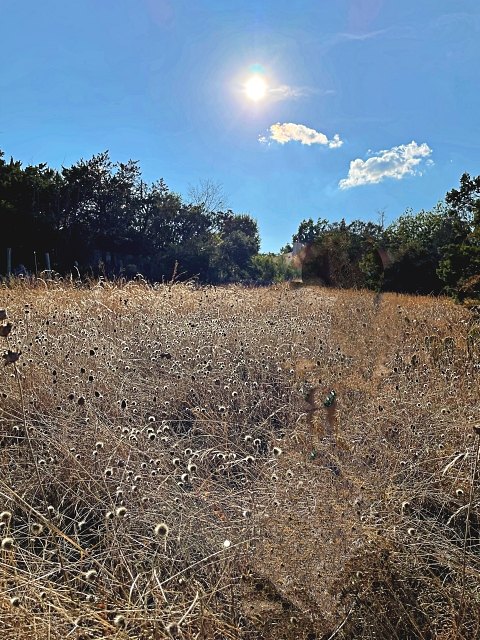
The vignetted shot towards the sun shows a Cedar Elm (Ulmus crassifolia) with some of its leaves already starting to turn to their Fall golden yellow color. In the tangled web of branches and vines are a few other species, difficult to identify in the photo.

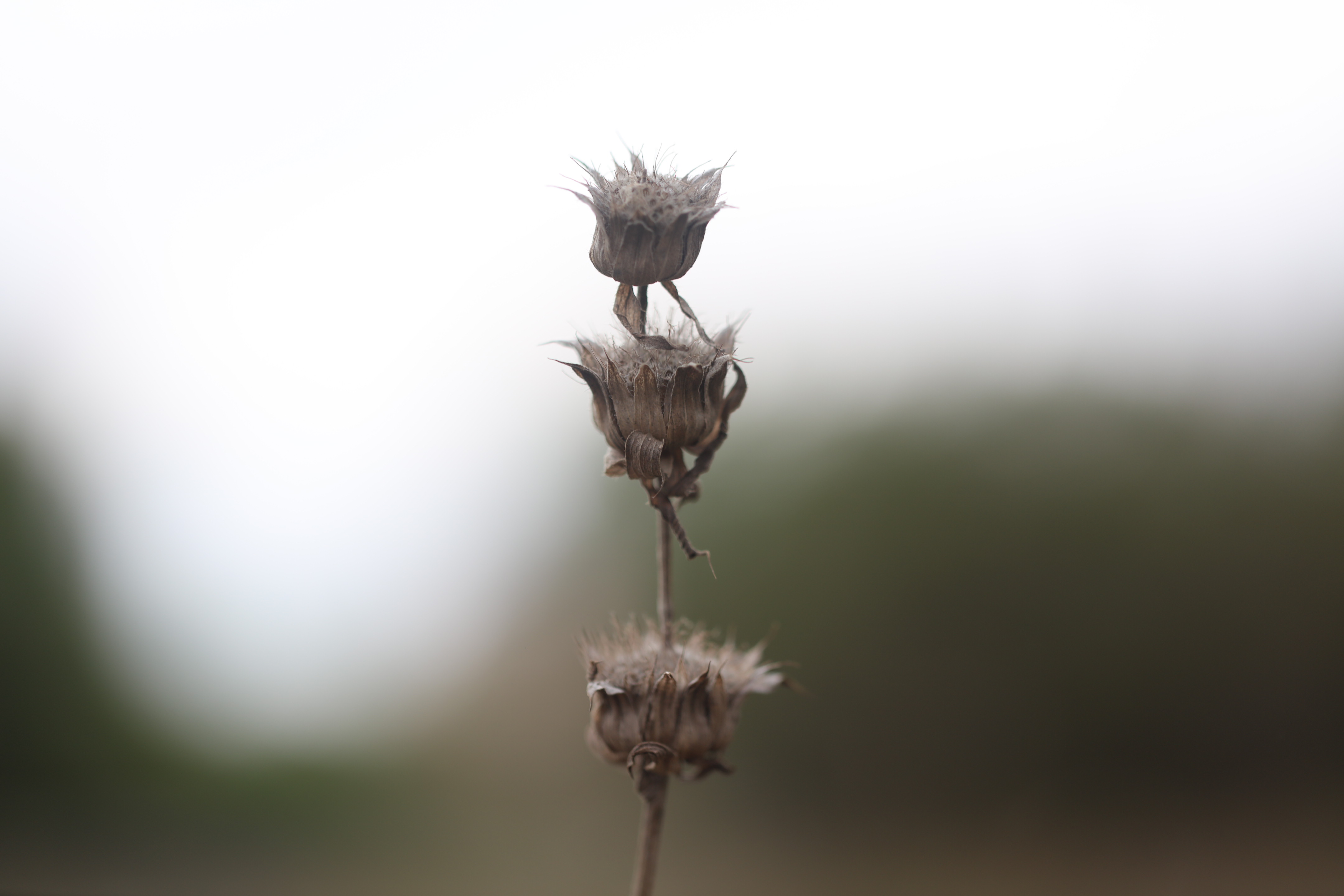
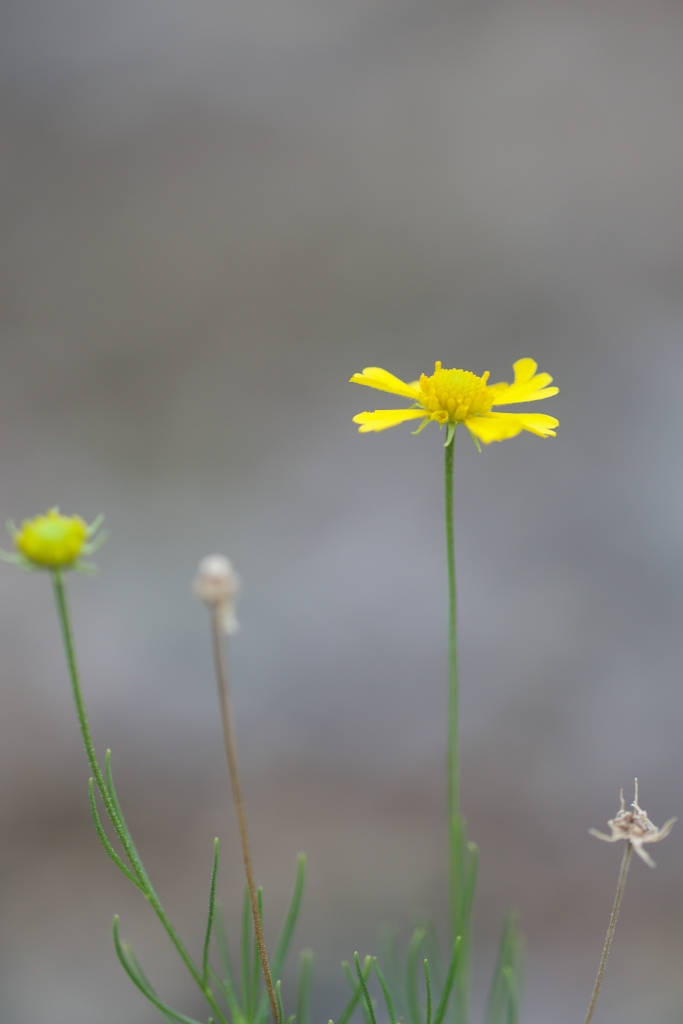
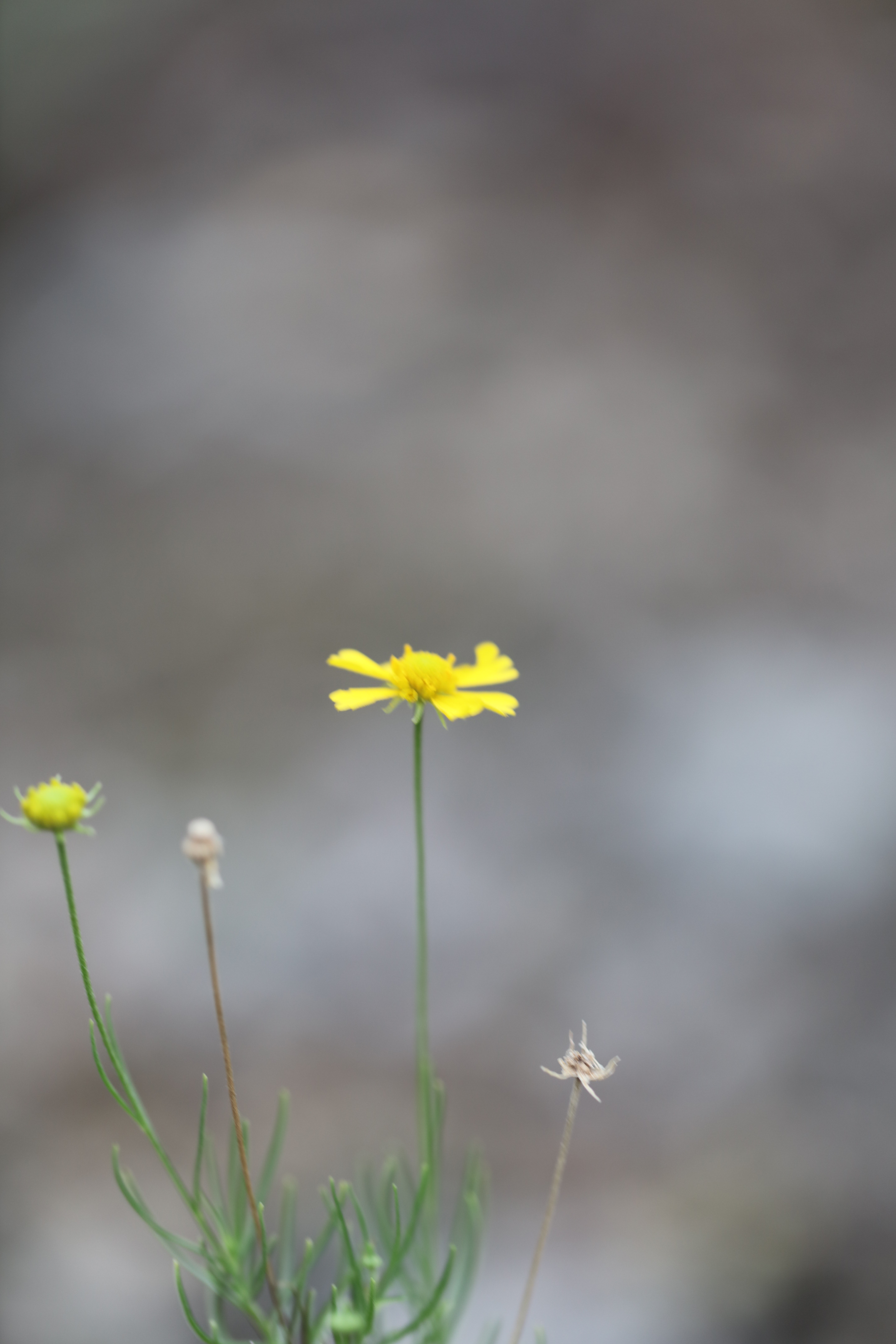
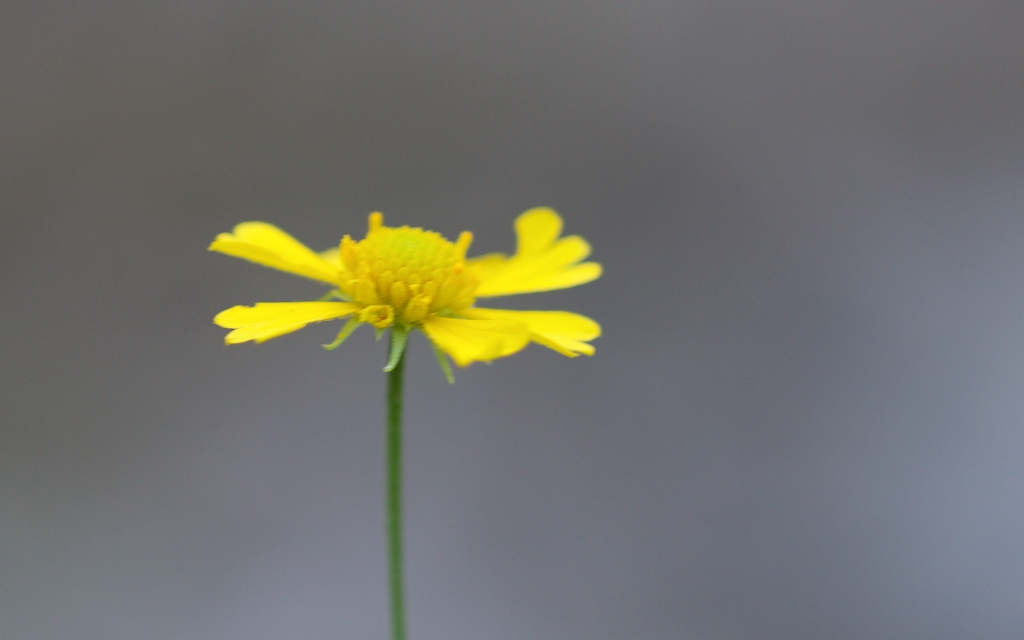
The bottom left shot shows the desiccated remains of a Monarda sp. (hard to tell them apart from just the skeletal remains). Meanwhile, in the lower right is Tetraneuris scaposa or Four-nerve daisy, a perennial that can bloom throughout all four seasons, given the right conditions.

And so it goes…

###


Recent blooms, both contained and wild

All the photos above were taken in September and October 2023, either in our yard or in the berm and greenbelt behind it. As one can tell, there was some rain during that time, enough to push up a few rain lilies, but not so much that most plants thrived.

###

From my Nextdoor neighborhood group:

https://nextdoor.com/embed/sxW7MxB4bd-p

Okay, laziness is the mother of invention, so I’m trying to hit two birds with one stone, so to speak. The above is a link to my Nextdoor post this morning showing a few species of plants and animals related to Central Texas.

You might notice that the group there is also named Return To The Natives/Native Plants Are The Answer. If you think that’s a coincidence, you’d be wrong.

In praise of Tetraneuris scaposa

Last post was nearly 6 months ago, after having gotten elected to my subdivision’s Home Owners Association (HOA). Fortunately for me, the new President has an excellent leadership style and a sense of humor – he’s commented a few times on my lack of love for Crape Myrtle (aka Crepe Myrtle) (Lagerstroemia spp.), and I have made a gavel from the remains of a few branches which had the misfortune of hanging over my property. (I have four longer pieces which I hope will become walking sticks or canes).

But I digress. This year Central Texas faced a drought throughout the Spring and Summer. Then, throughout November, we’ve had plenty of rain to raise our hopes for an abundant crop of wildflowers in the Spring. With the warmest December day we’ve ever had (82º F) this week, however, we should be cautious in making predictions.

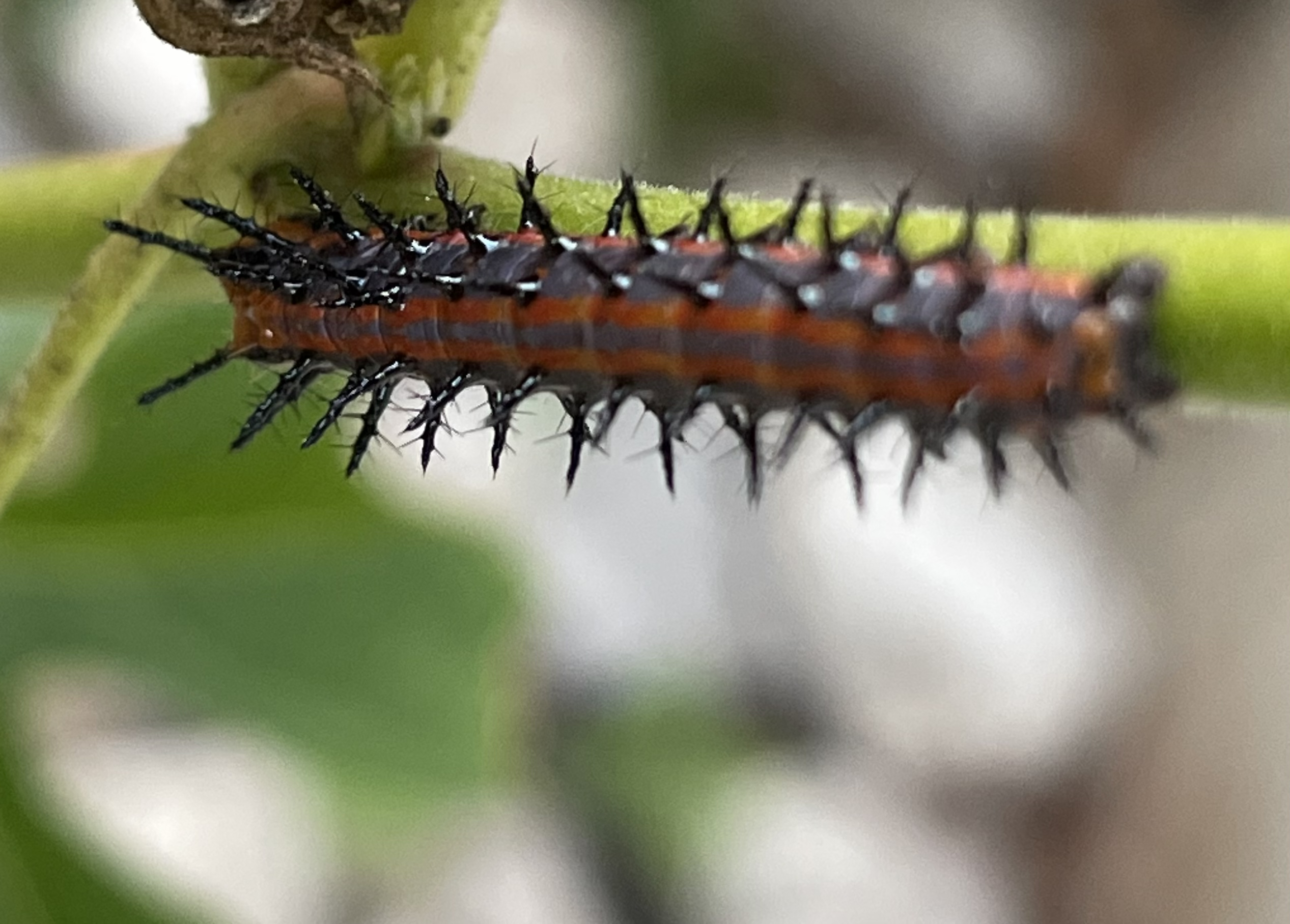
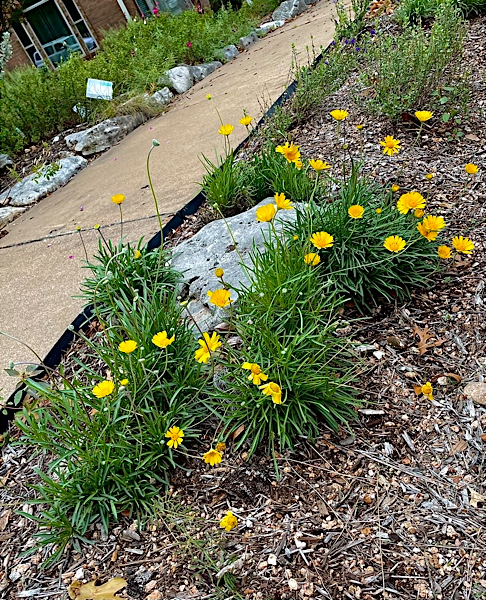
So, recently, I’ve stepped outside and found Gulf Fritillary caterpillars still on green Passiflora leaves (photo 1), and further below, bunches of yellow Tetraneuris scaposa flowers taking advantage of the extended growing season.

Gulf Fritillary caterpillar( Dione vanillae) Photo taken December 2, 2022

Photo taken December 2, 2022 of caterpillar.

Four Nerve Daisies (Tetraneuris scaposa)  (photo 2) planted in the “nuisance strip” between the sidewalk and the curb; blooms are still going strong into December.

However, Tetraneuris scaposa can and will bloom throughout the year, here in Central Texas.Four Nerve Daisies Conditions have to be right, of course. They bear up to the heat of 100º F summers, but do need some water. And, as always, rain water seems to be the best for promoting growth in these and in BlackFoot Daisies (Melampodium leucanthum) of which I recently added a small plant and which has responded well to the recent rains.

###

Back in my own backyard…

Early June 2022 and the heat is in the “triple digits”as the meteorologists like to say in TV-land. or 39 ° Celsius, as we were told we would have converted to 50 or more years ago. Either system, hot to humans is hot.

But to native plants that evolved in Central Texas for more years than Crepe Myrtle has been here, even these signs of Global Warming haven’t phased them. (Granted, I do some supplemental watering, especially of small trees for the first few years, but other plants like Passiflora incarnata grow like “weeds”).

I’ll  let the plants speak for themselves:

Those are just the photos I took on June 8, 2022, mostly in my yard. The Rain Lilies were just past the back fence (the ones in my yard had bloomed and gone to seed after the previous week’s mild spattering of rain drops).

###