What was blooming (or not) 25 May 2020

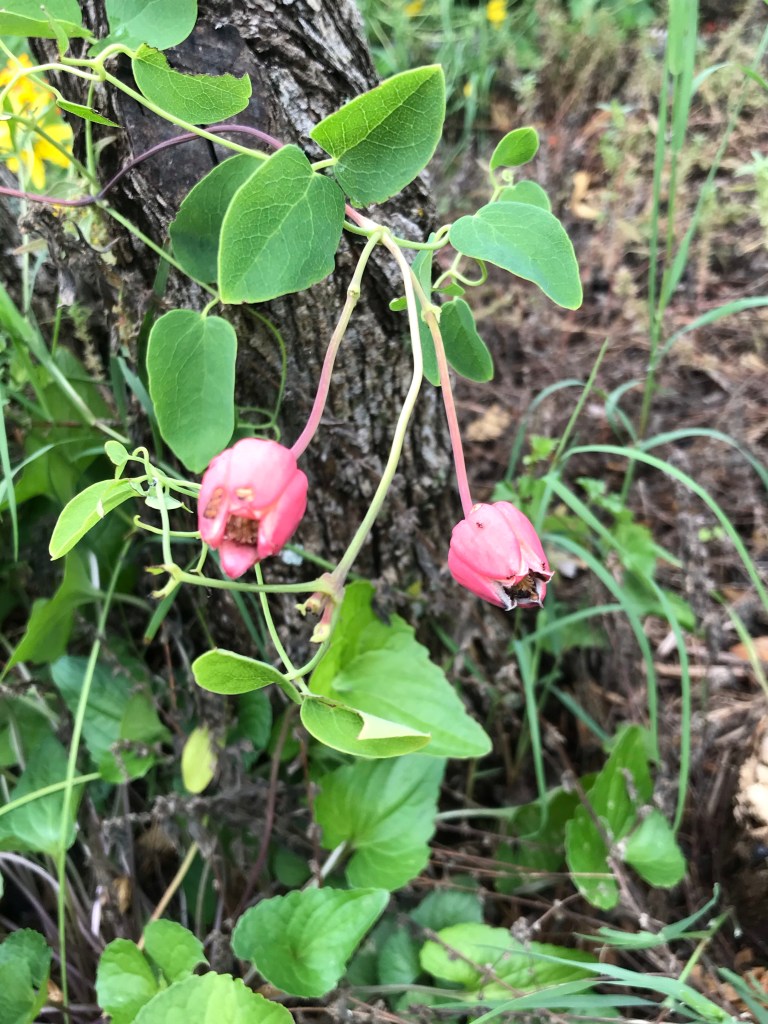
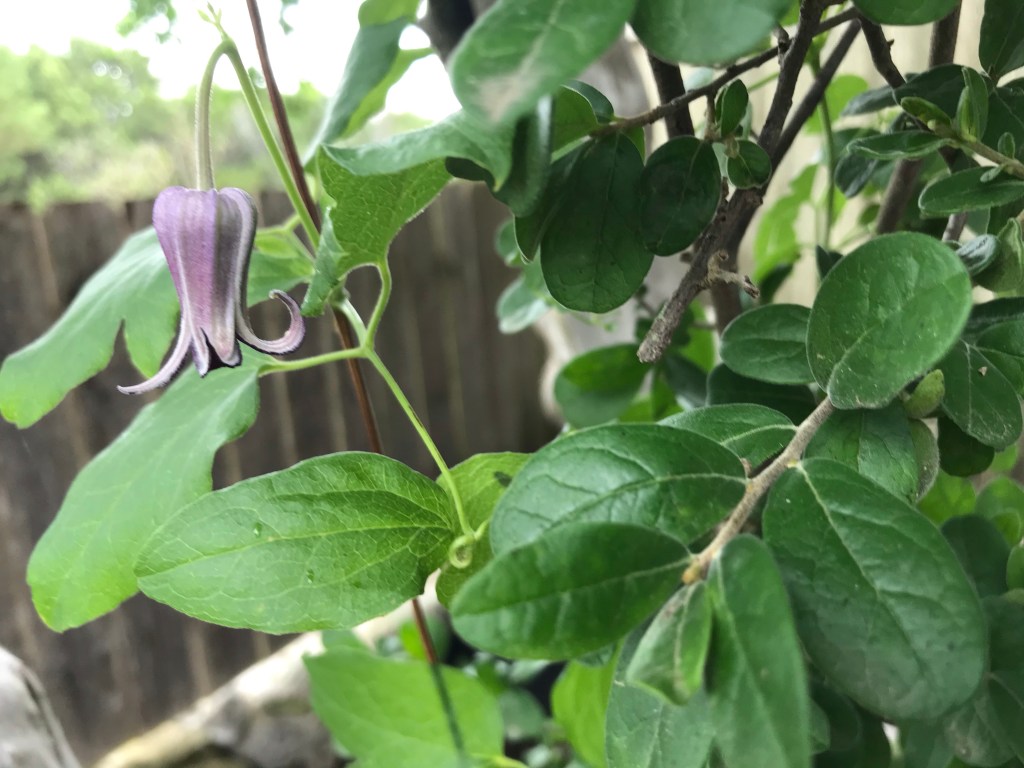
Clematis pitcheri (Purple leather flower) (cultivated)

(Posted about a year ago – edited to add the names of the plants), Went out in the yard and beyond today and captured a few items of interest. Didn’t go into the front yard because it was getting close to dinnertime.

Lantana urticoides (Texas Lantana)
Salvia farinacea (Mealy blue sage)(cultivated)
Symphyotrichum oblongifolium (Fall aster or Aromatic aster) (cultivated)
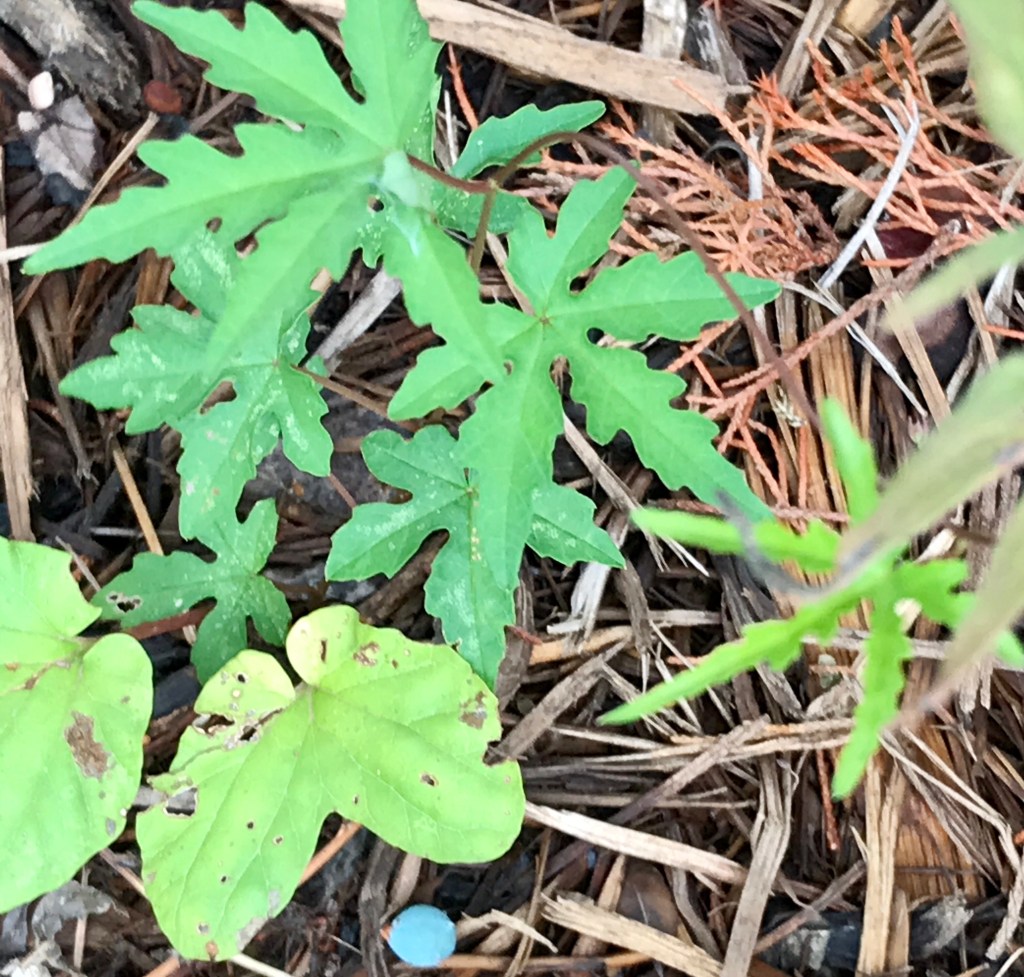
Merremia dissecta. (Alamo vine)(cultivated)(escaped from cultivation)
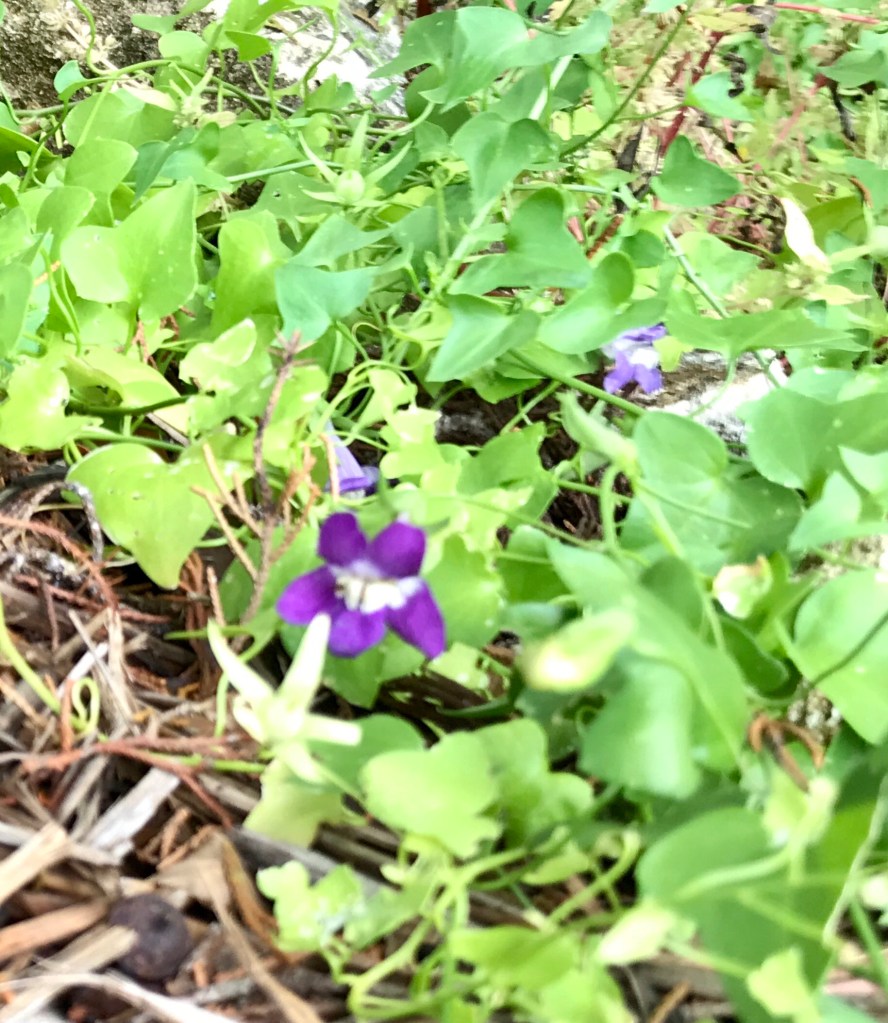
(Maurandella antirrhiniflora) (Roving sailor or Snapdragon vine) (native, not cultivated)
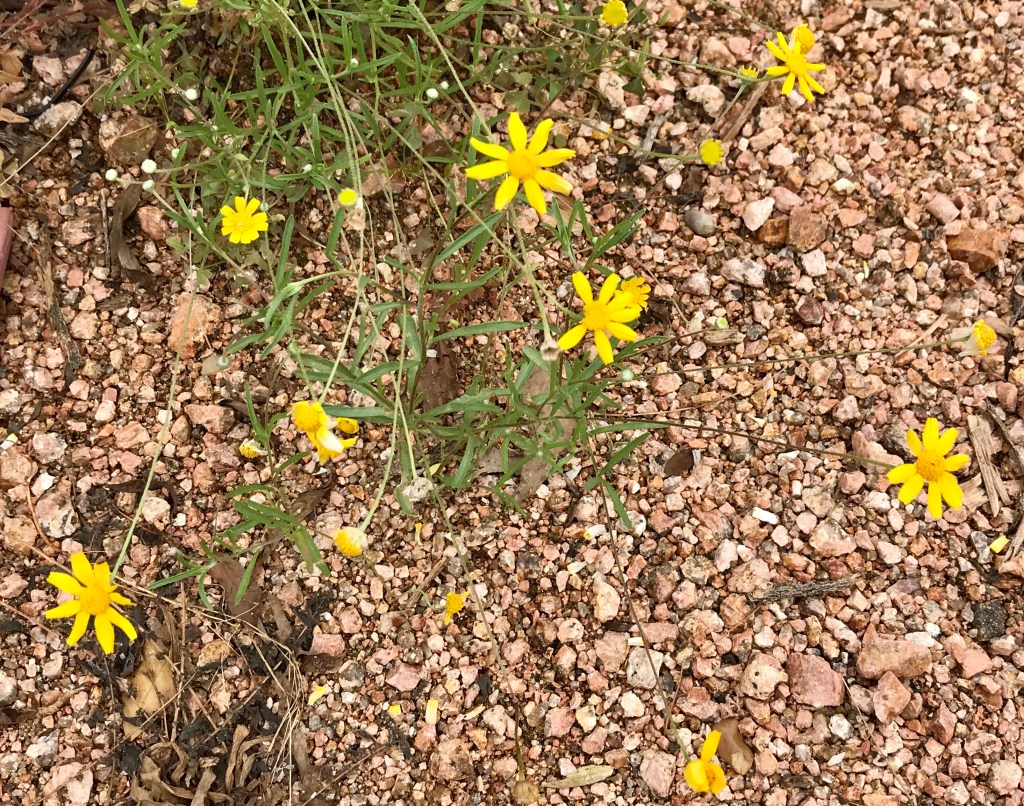
Tetraneuris linearifolia var. linearifolia (Slenderleaf bitterweed) (native, not cultivated)
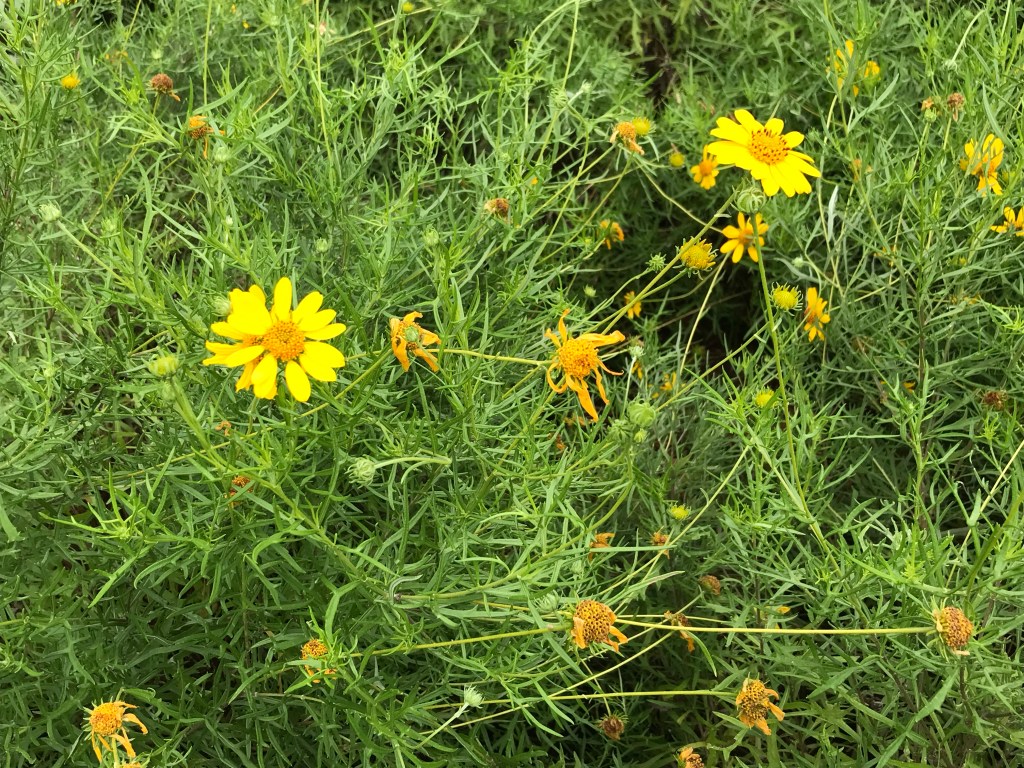
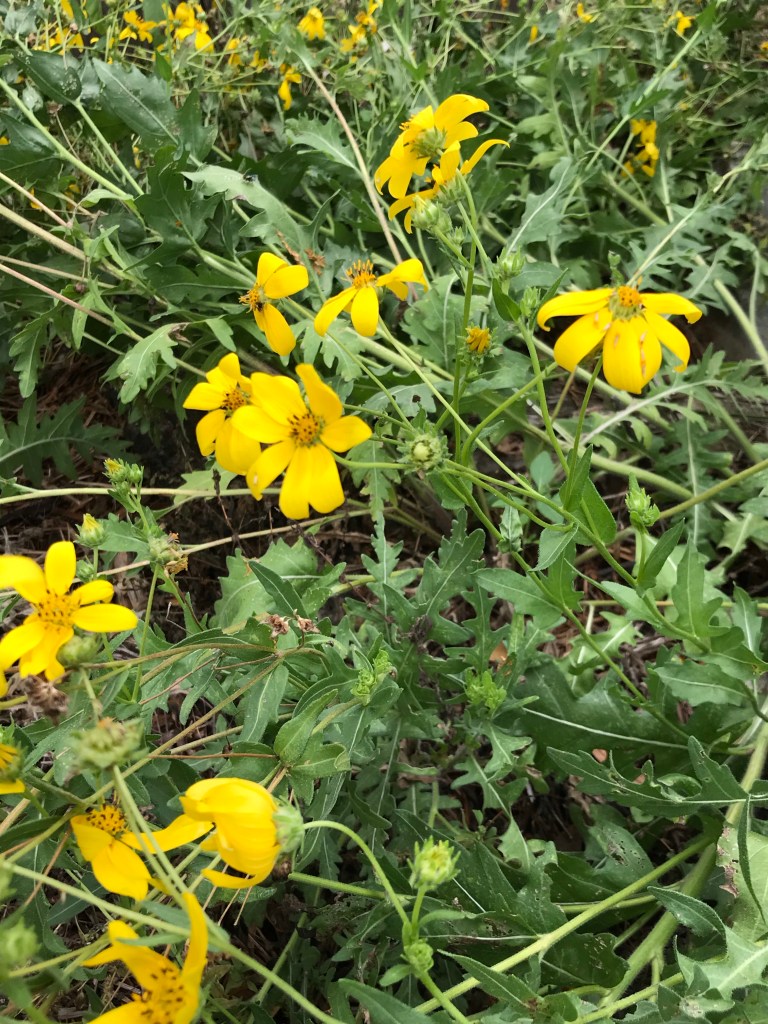
(Viguiera stenoloba) Skeleton-leaf Goldeneye (cultivated)
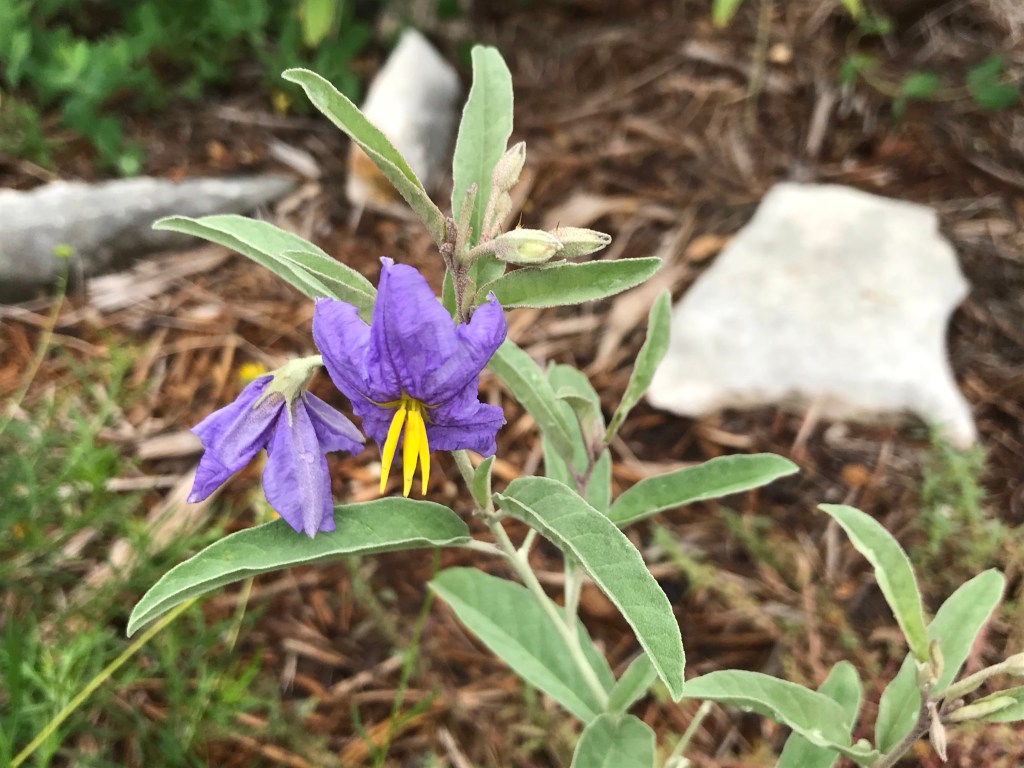
Solanum elaeagnifolium (Silverleaf nightshade) (native, not cultivated)
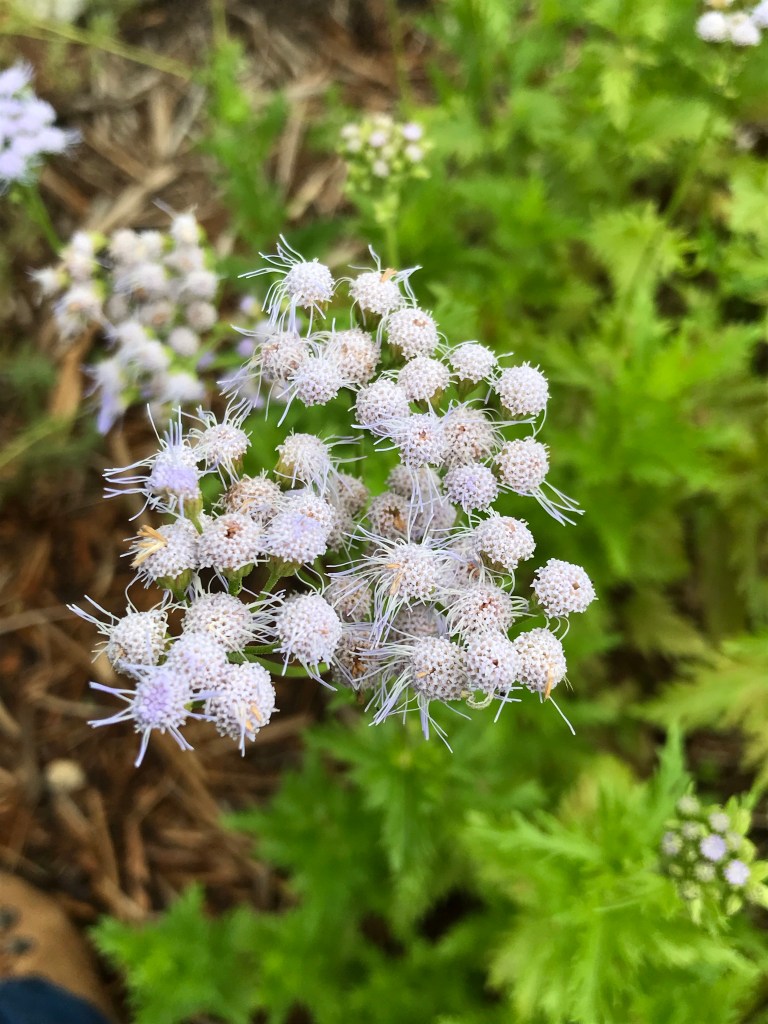
Conoclinium greggii (Gregg’s mistflower) (cultivated)
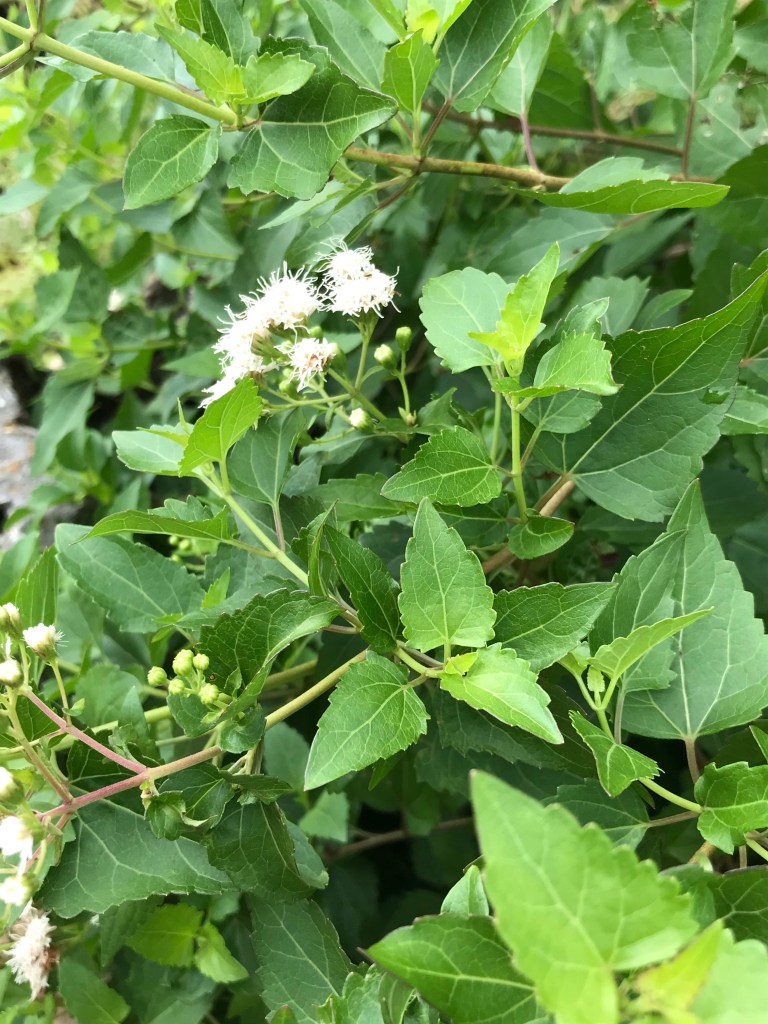
Ageratina havanensis (White mistflower, White boneset) (cultivated)
Viguiera stenoloba . (Skeleton-leaf goldeneye) (cultivated)
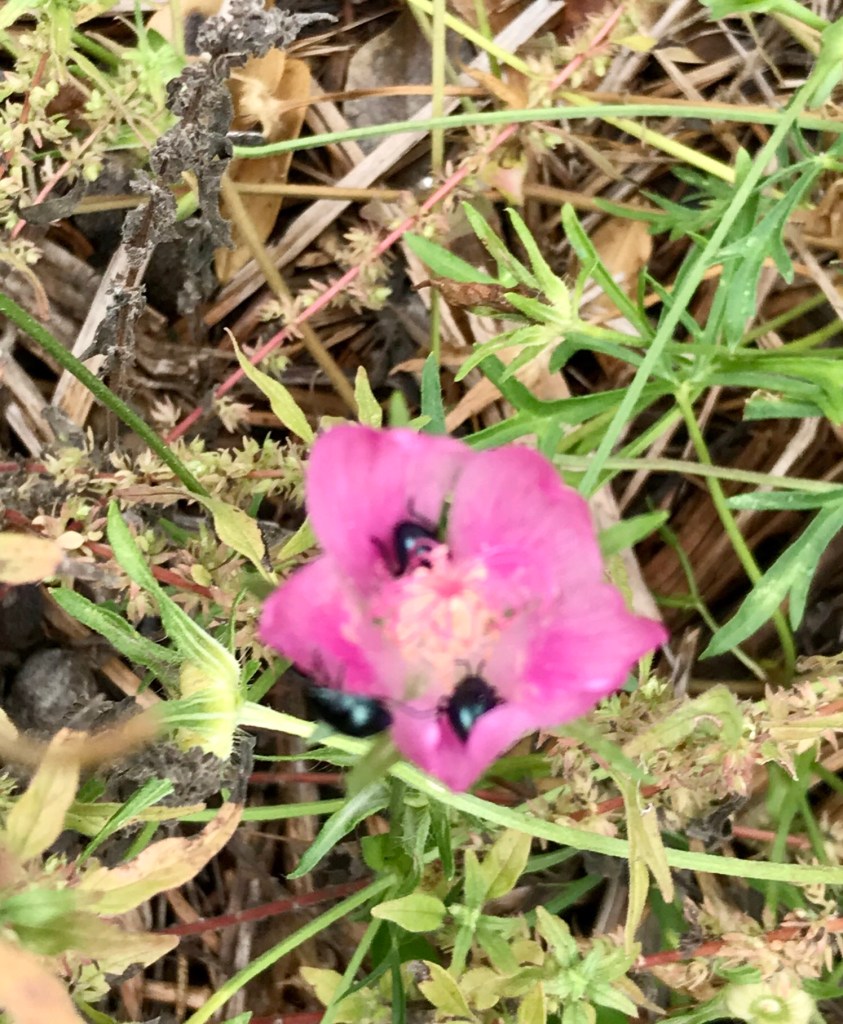
Callirhoe involucrata (Winecup, Purple Poppy Mallow)(cultivated)
Clematis texensis (Scarlet Clematis, Scarlet Leatherflower, Texas Clematis)(cultivated)
Opuntia sp. (Prickly pear)(cultivated, “spineless varietal)
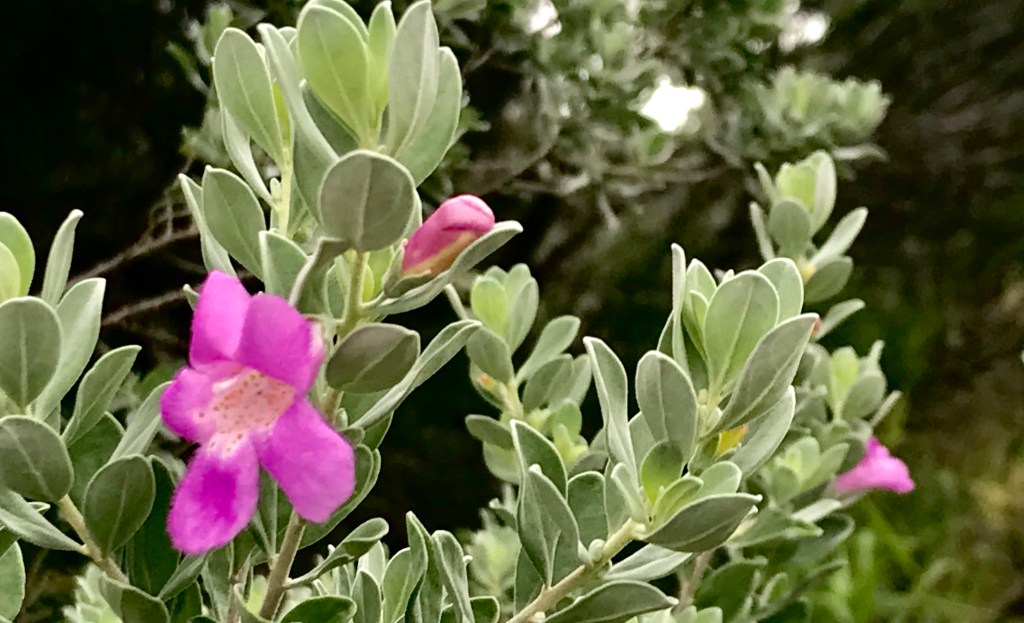
Luchophxllum frutescems (Cenizo, Purple sage, Trvas sage)(cultivated))
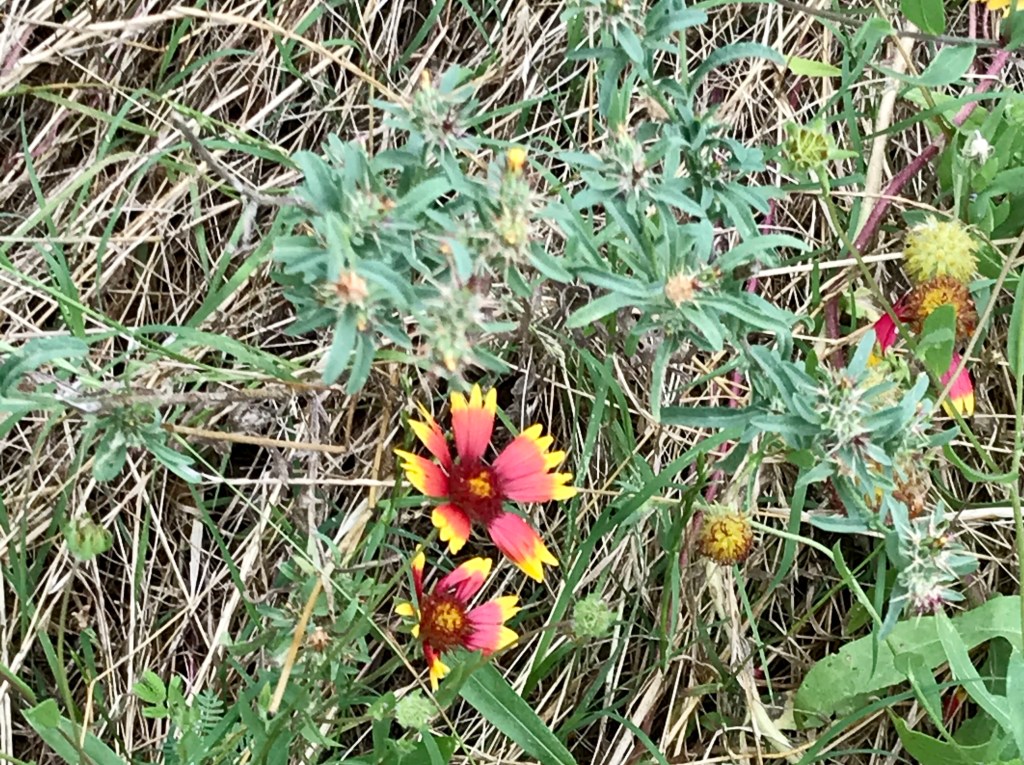
Gaillardia pulchella (Firewheel, Indian Blanket) (natiive, not cultivated)
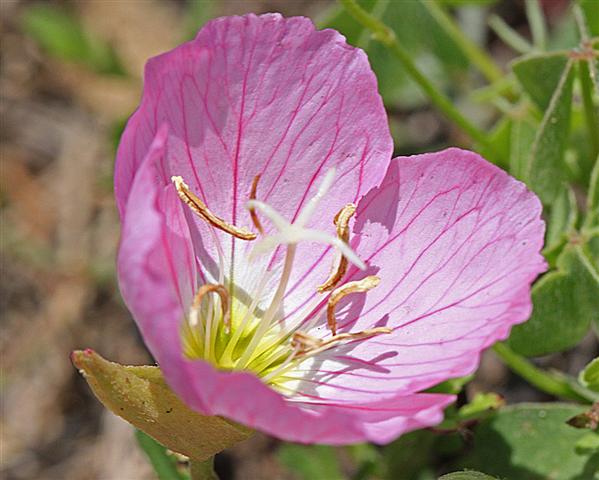
Oenothera speciosa (Pink Evening Primrose, Pink Ladies) (native, not cultivated)
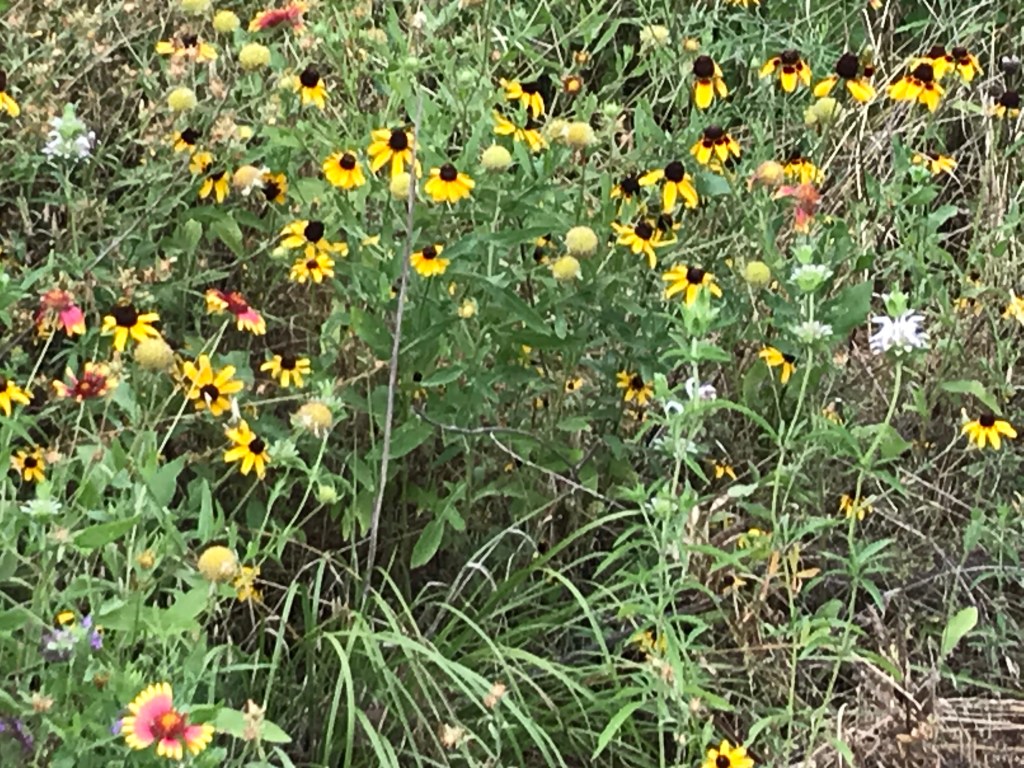
A variety of native plants (mostly)
Glandularia bipinnatifida (Dakota Mock Vervain, Prairie verbena) (native, not cultivated)
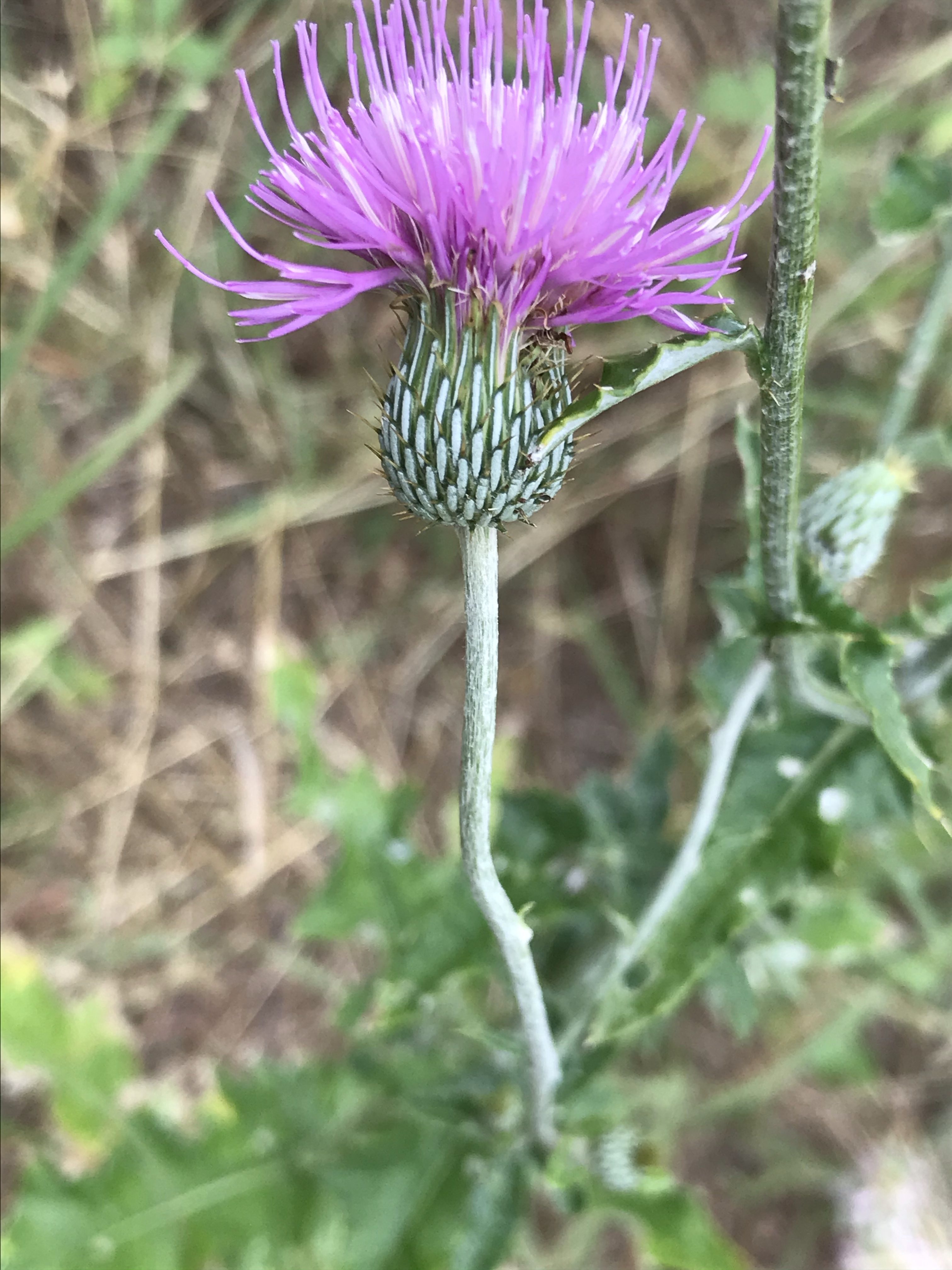
Cirsium texanum (Texas Thistle) (native, not cultivated)
Gaillardia pulchella (Indian Blanket) including recessive gene lacking red pigment, “Sunwheel” (native, not cultivated)
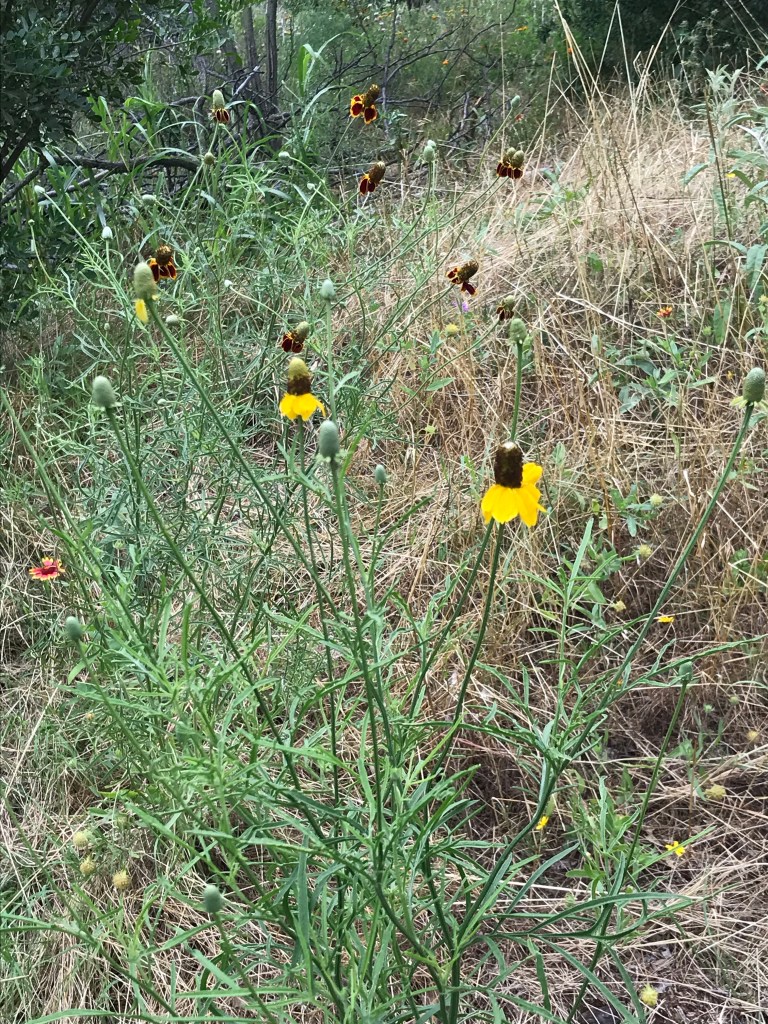
Ratibida columnifera (Prairie Coneflower, Mexican Hat)(native, not cultivated)

Pink Evening Primrose – Oenothera speciosa

Pink Evening Primrose - Oenothera speciosa

Pink Evening Primrose – Oenothera speciosa


This shot was taken at Champion Park in southern Williamson County, along the Brushy Creek Regional Trail. In the morning we had attended a plant taxonomy class in which we learned that the distinguishing feature for the family that Oenothera speciosa is the “X marks the spot” of the pistils, shown fairly clearly here. Excellent learning, when the theoretical is followed immediately by practical application.

Oenothera speciosa – Pink Evening Primrose

Oenothera speciosa - Pink Evening Primrose

Oenothera speciosa - Pink Evening Primrose

According to the WFC’s NPIN, this flower tends to open in the morning in the southern parts of its range, which stretches throughout the central plains of the US.  So we must officially be in the southern part of the range, here in central Texas. A spreading perennial that tolerates partial shade and drought, it’s another possibility for adding to my wildscape this year. More information can be found at http://www.wildflower.org/plants/result.php?id_plant=OESP2 .