The Healing Power of Nature on Human Health

Much has been written on the positive impact that exposure to nature has on general well-being, physical, and mental health. And yet, it seems that developers have not gotten the message. Why, I do not know. Maybe they are not aware of the research on the health benefits of nature. If not, here is some material to share.

A website post and two reviews, from most recent to next (within past five years):

Benefits of Nature Experience from Canada, posted in April 2024, lists the following benefits:

  • Attention: Our attention is a limited resource and it can become ‘fatigued’ throughout the day. Nature has been shown to restore attention and our ability to concentrate (Mason et al., 2022). Nature has also been found to reduce symptoms of Attention-Deficit/Hyperactivity Disorder (ADHD) (Faber Taylor & Kuo, 2009).
  • Mood: Nature improves mood and makes people feel happier (Neill et al., 2019). There is evidence that nature exposure can improve symptoms of depression (Berman et al, 2012).
  • Self-regulation: Nature helps us feel calmer and less irritable. This means that we are better able to control our impulses (Beute & de Kort, 2014; Weeland et al., 2019).
  • Stress: Nature reduces symptoms of anxiety, physical stress, and heart rate. It also helps us feel more relaxed (Shuda et al., 2020).
  • Social: Nature tends to increase generosity, cooperation, and our sense of social connection (Arbuthnott, 2023; Weinstein et al., 2009).

Impact of Nature on Human Health. An open access article, published in 2022:

this review has documented the increasing body of evidence in support of [nature-based-interventions] NBIs as effective tools to improve mental, physical, and cognitive health outcomes, and highlighted key factors that improve engagement with the natural world. [bracketed explanation of acronym inserted from elsewhere in the article]. Emphasis added.

And, finally, from 2021, another open access review, Association between Nature Exposure and Health, concluded that:

 We assessed the strength of evidence from experimental and observational studies and found evidence for associations between exposure to nature and improved cognitive function, brain activity, blood pressure, mental health, physical activity, and sleep. Evidence from experimental studies suggested protective effects of exposure to natural environments on mental health outcomes and cognitive function. Cross-sectional observational studies provide evidence of positive associations between exposure to nature, higher levels of physical activity and lower levels of cardiovascular disease. Longitudinal observational studies are starting to assess the long-term effects of exposure to nature on depression, anxiety, cognitive function, and chronic disease. Limitations and gaps in studies of nature exposure and health include inconsistent measures of exposure to nature, knowledge of the impacts of the type and quality of green space, and the health effects of the duration and frequency of exposure among different populations (e.g., adults, children, historically marginalized).

Reminds me of John Sebastian’s tune,  Daydream.  And also that I should take a walk outside about now…
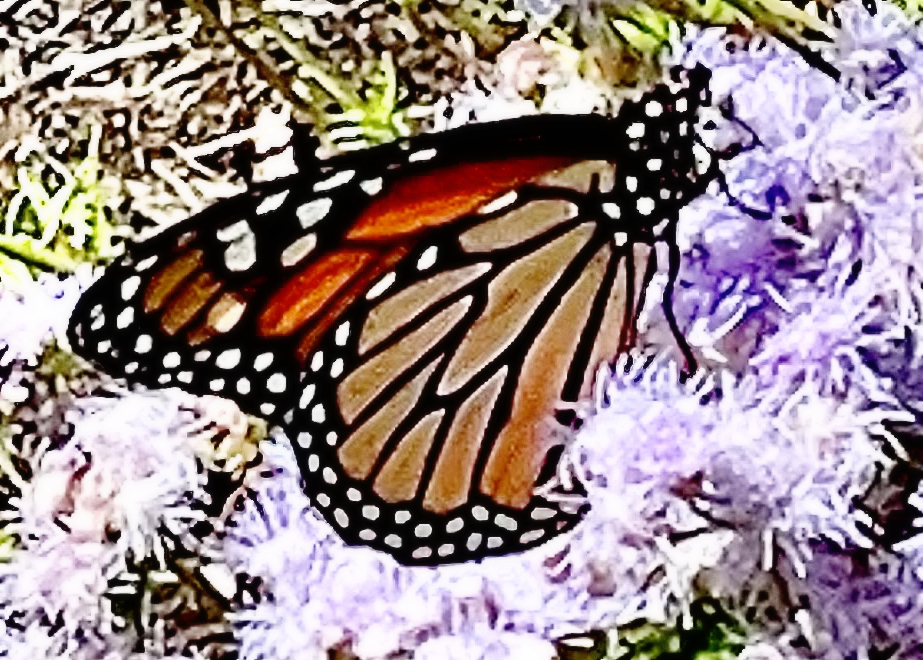
2024-10-20-Monarch-IMG_9401

###

Where have all the (native) flowers gone?

Prosser, R.S., Brain, R.A. Where have all the flowers gone? A systematic evaluation of factors driving native terrestrial plant decline in North America. Environ Sci Pollut Res (2024). https://doi.org/10.1007/s11356-024-34349-9 

Prosser and Brain have done the research and  have come up with the following conclusions:

  • Habitat alteration and non-native species are the most important drivers of the decline in native terrestrial plant diversity in North America.
  • No listed species in the U.S. or Canada faced a singular threat. In the recovery plans for all listed species, several threats were identified as contributing to their risk of extirpation or extinction.
  • Pesticides, specifically herbicides, represent a micro-scale contributor to the decline of plant biodiversity in North America relative to other drivers.

(Note: the above three points are taken verbatim from text in the article, although they are not presented as bullets in the subject article. Emphasis using bold and italics has been added).

In their conclusion, they argue that pesticides and herbicides make an easy target for litigation, even though they contribute minimally to the extirpation or extinction of native plants .

On the other hand, Paraquat is an herbicide that not only has been banned in over 50 other nation-states, and has been linked as a probable cause of Parkinson’s Disease in the book Ending Parkinson’s Disease: A Prescription For Action  and in this February 2024 article on the EarthJustice website: This Weed Killer Is Linked to Parkinson’s. Why Isn’t It Banned Yet?

I would suggest that the authors of the article on causes contributing to reduction of native plant species are failing, in their words, to see the forest by focusing on the trees. I am a native plant advocate who also has Parkinson’s Disease. I don’t know whether I have been exposed to Paraquat in the past. Just because pesticides and herbicides are not a major factor in the reduction of native species doesn’t mean I should just ignore the bigger picture of the effect of herbicides like Paraquat on the species Homo sapiens, many of whom, including myself, have displaced other native occupants of this territory, like the Apaches, the Tonkawas, and other tribal groups who are members of the same Genus and species.

This post has covered most of my main interests: scientific research, Parkinson’s Disease, and native plants. All that’s missing is some music:

The Parkinson’s Anthem (We Ain’t Givin’ Up Hope)

#nativeplants  #research #parkinsonsdisease #advocacy

Prairie Celestials – it was an average year

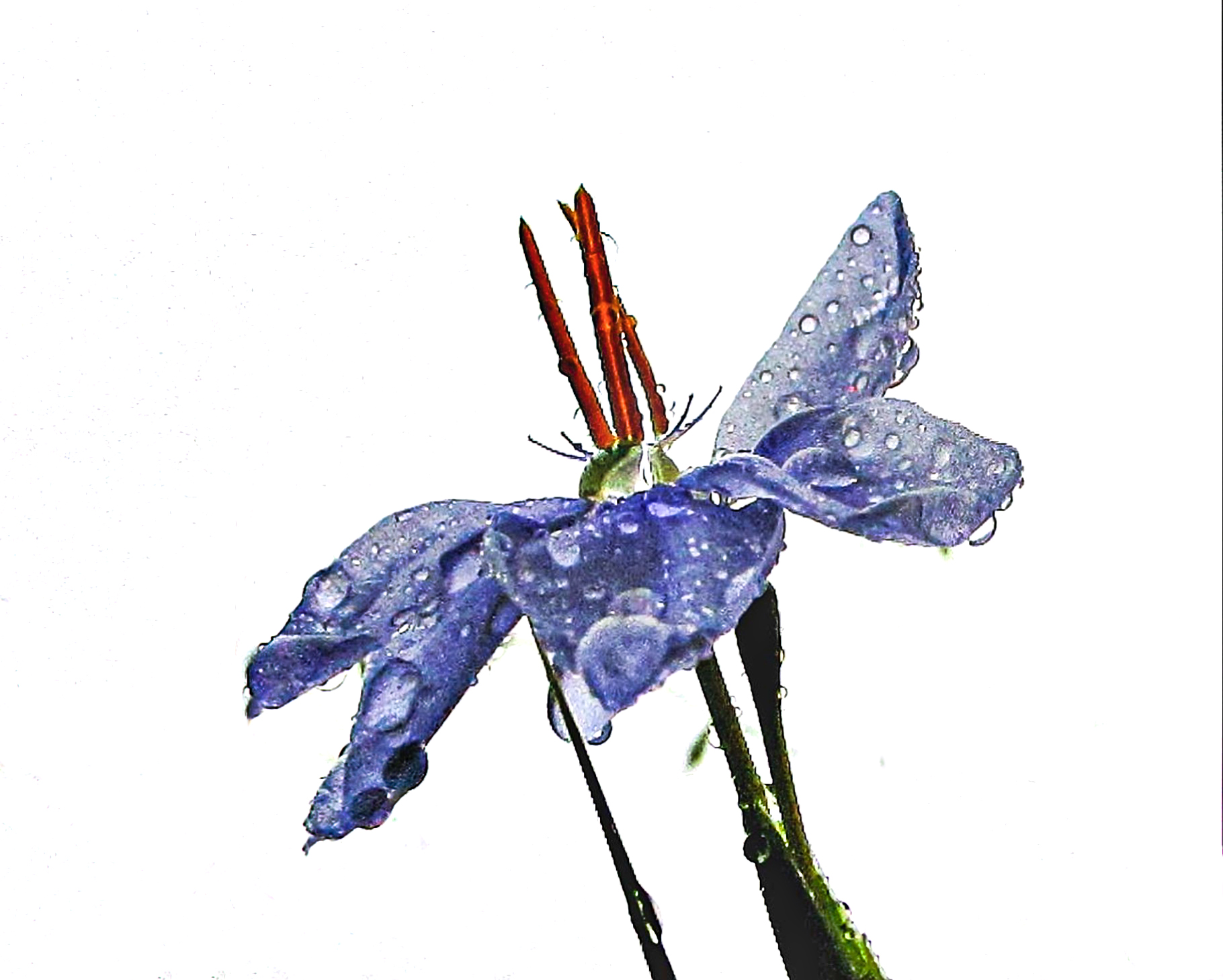
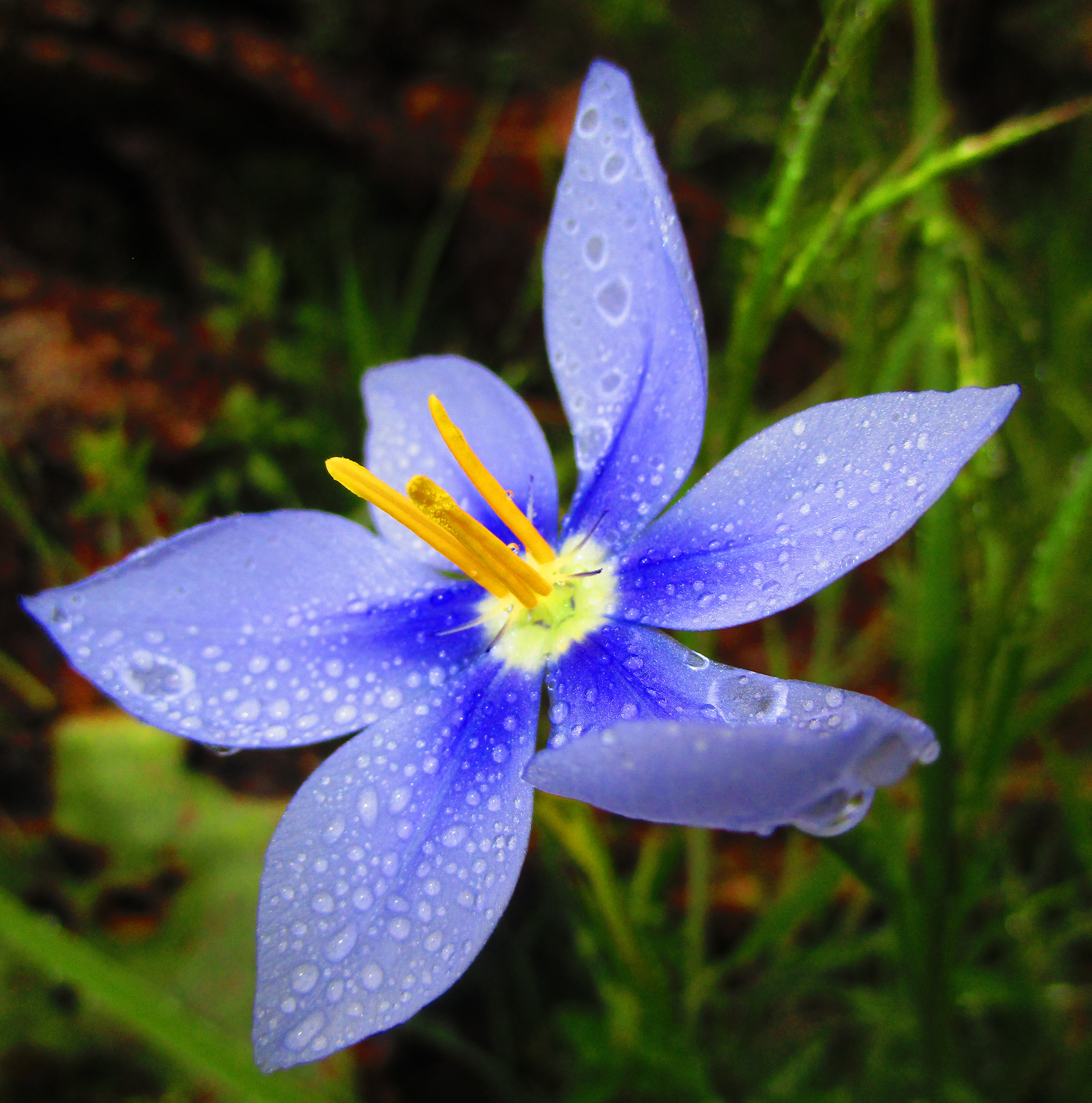
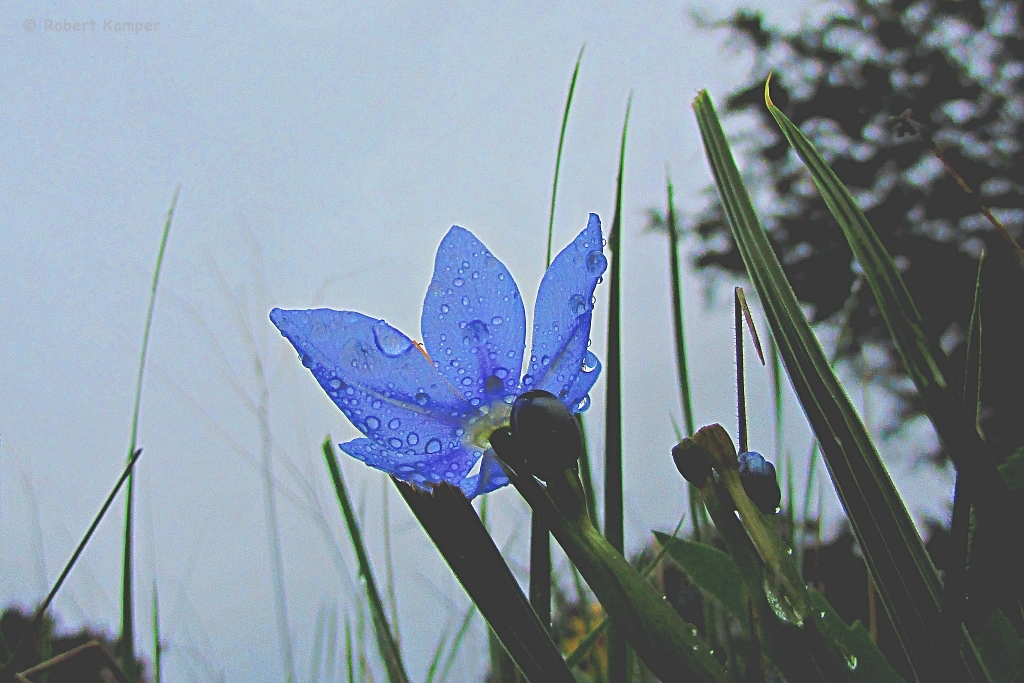
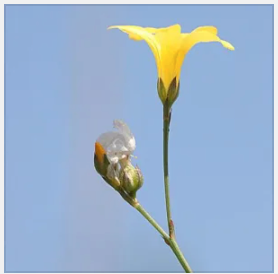
One of my favorite wildflowers is the Nemastylis geminiflora, a member of of the Iridaceae, or Iris family, in spite of some of its common names including Pleat-leaf Lily, Prairie Celestial, Celestial, and Celestial Lily. Below are photos from this year and a few years ago. I was on a Power for Parkinson’s Zoom call this past Friday (4/5/24) in which we were asked to share what gives us joy in our lives. I shared this photo:

Neamstylis geminiflora

The first photo was taken in 2021, The other, in 2024.

Both taken with a Canon Elph 190IS Powershot small camera, if I recall correctly (this year’s photo might have been taken with an iPhone 12 Pro). The difference in the photos can be accounted for by four possible influences:

  1. The photographer fell and fractured a femur following 2023’s bloom period, and is more cautious about lying down on the ground to emulate Steven Scwhartzman’s signature technique of using the sky as a background, due to the possibility of not being able to get back up again.
  2. The abundance and proliferation of exotic, invasive species on the berm, such as Japanese Brome, Malta Star Thistle, which reduce the native Nemastylis’ access to sunlight, and
  3. The failure of mowers who maintain the firebreak between the greenbelt and the to practice good hygiene by pressure washing and cleaning of mower blades between sites (one can only assume) and
  4. The setting of mower blades at less than 7 inches above the ground, which results in scalping of top of the berm, inviting aggressive invasive species onto the berm and into the greenbelt.


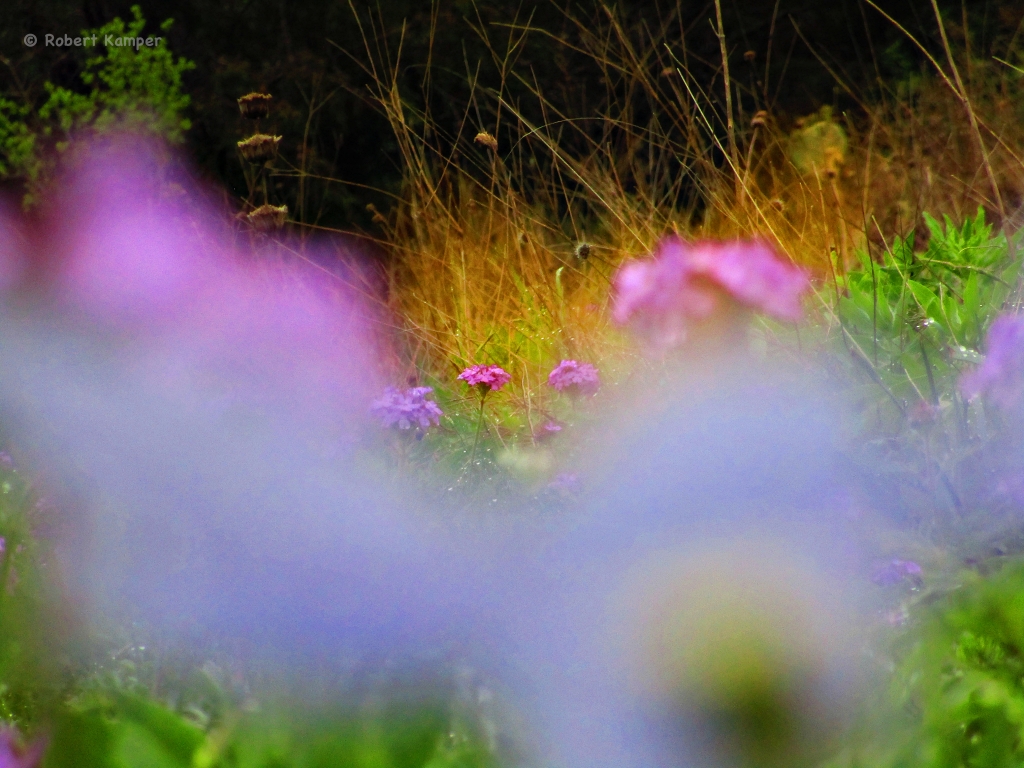
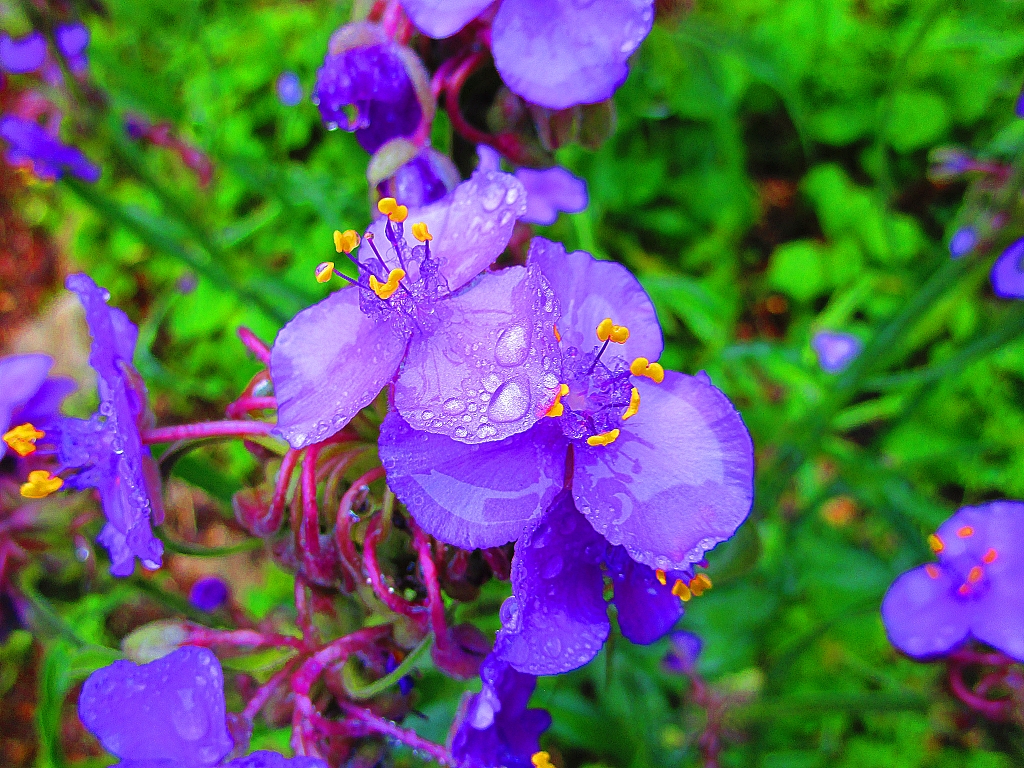
Tradescantia gigantea (Giant Spiderwort) an early bloomer in late Winter to early Spring, with blooms ranging from pinkish to purple. Provides color during an otherwise bleak season for landscaping.
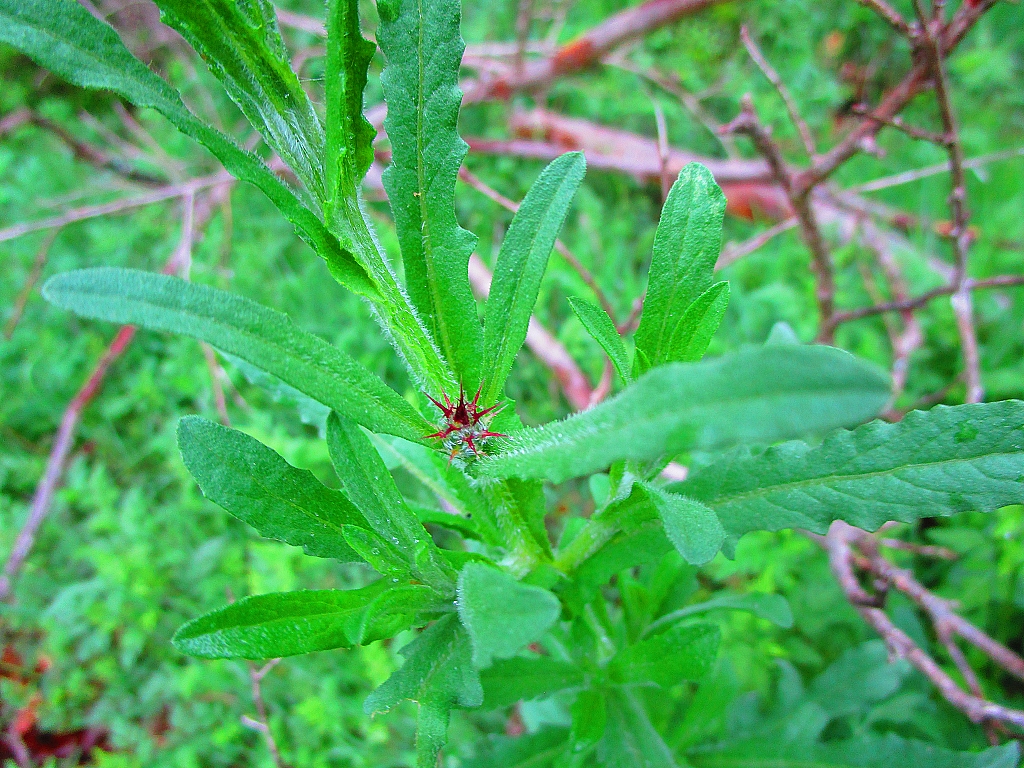
Finally, Malta Star Thistle (Centaurea melitensis) a very nasty and invasive plant that produces thousands of seeds per plant. Just too many of them on the greenbelt

###