Pink Evening Primrose – Oenothera speciosa

Pink Evening Primrose - Oenothera speciosa

Pink Evening Primrose – Oenothera speciosa


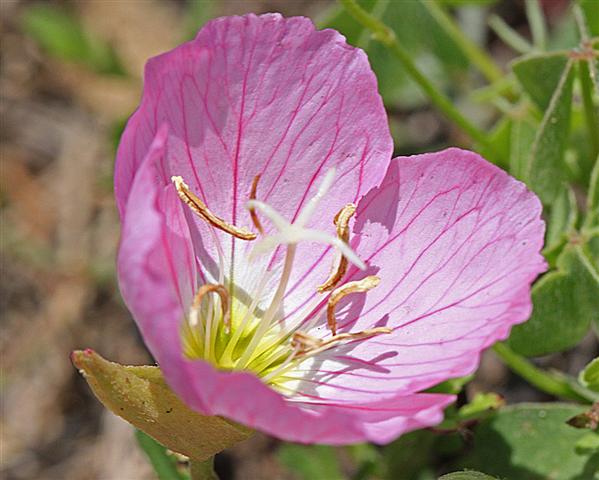
This shot was taken at Champion Park in southern Williamson County, along the Brushy Creek Regional Trail. In the morning we had attended a plant taxonomy class in which we learned that the distinguishing feature for the family that Oenothera speciosa is the “X marks the spot” of the pistils, shown fairly clearly here. Excellent learning, when the theoretical is followed immediately by practical application.
Malvaviscus arboreus var drummondi – Turk’s Cap

Malvaviscus arboreus var Drummondi - Turk's Cap

Malvaviscus arboreus var Drummondi – Turk’s Cap


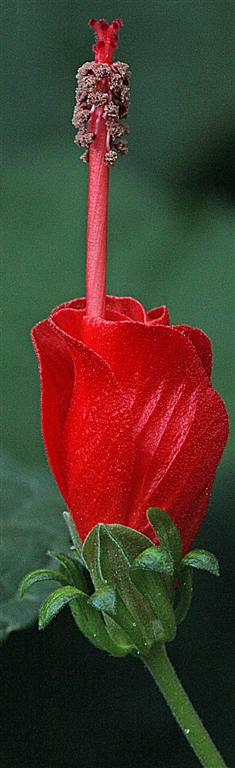
This attractive flower blooms from May through November, although it was almost evergreen this past winter… we’ll never know because I pruned it back around February. Normally a deciduous perennial, it thrives in partial shade locations; the Tradescentia gigantea, Giant Spiderwort, which blooms earlier and then goes to seed makes for an excellent companion. Hummningbirds like it, bees and butterflies like it, but I haven’t seen any fleas, educated or not, on it. Both the flower and the fruit attract wildlife. I haven’t tried it, but it is supposed to taste like apple, hence one of its common names, Manzanilla.

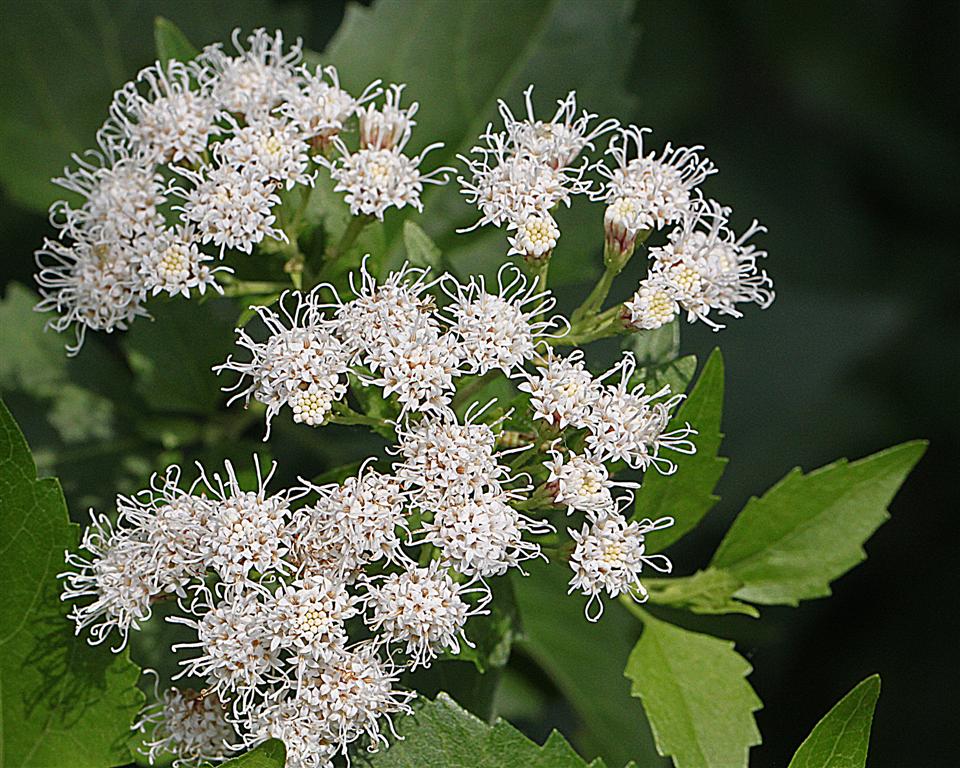
An Ageratina by any other name…

Image

Ageratina havanensis,  also known as  Eupatorium havanense, usually blooms in October and November, but this year it is blooming in May. Most plants don’t have two scientific names, but the one common thing about this small perennial is that it has several common names: Shrubby Boneset, White Mistflower, Thoroughwort, and Havana Snakeroot to name most of them. In other locations I’ve observed it in October or November, it has been covered with a variety of butterflies, but not so in my yard at this time of year. One wonders why…

Some Kind Of Coreopsis

Coreopsis

Coreopsis

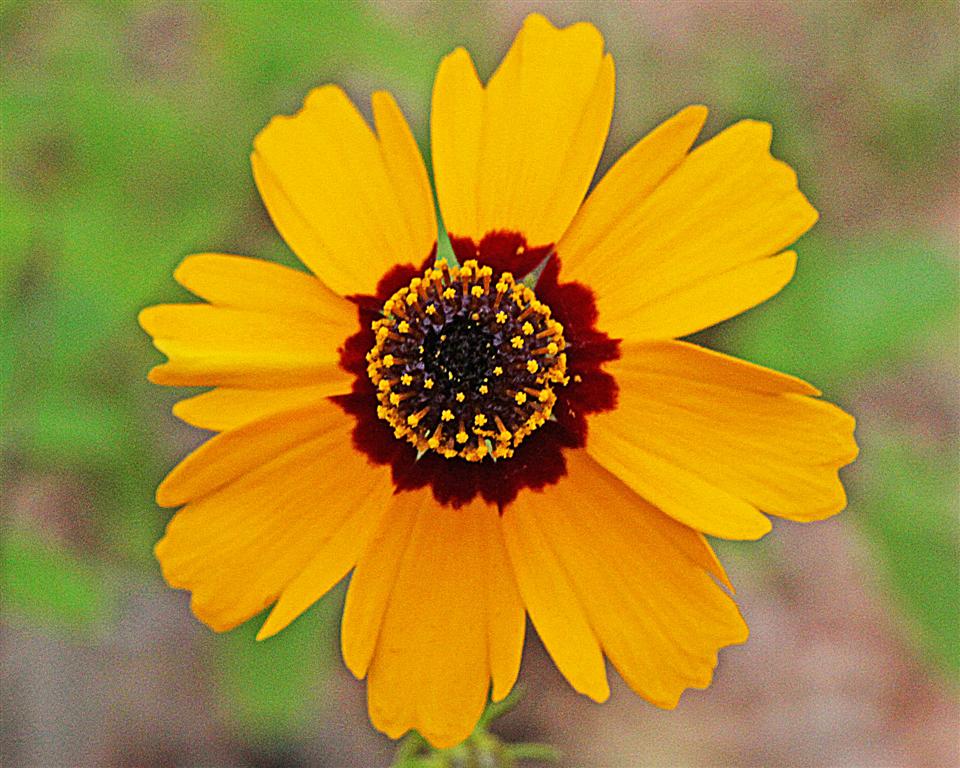
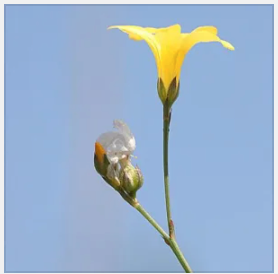
This could be either Coreopsis basalis  or Coreopsis tinctoria. They’re both called Coreopsis and Goldenwave as a common name, and from looking at the photos and the description at the Wildflower Center’s database, there doesn’t seem to be much to tell them apart visually, if anything. This specimen is from my front yard, next to the Indian Blanket and Autumn Sage around the birdbath. Since it apparently likes moist soil, it is not surprising that this is the first year I’ve seen it in the front yard. A couple of years ago I spread some wildflower mixture seeds out in the back yard, and some Plains Coreopsis did come up, so perhaps this is a relic of that, reseeded by birds. At any rate, it is surely a Coreopsis. Maybe next year we’ll get some more.

Argemone polyanthemos – White Prickly Poppy

Argemone polyanthemos - White Prickly Poppy

Argemone polyanthemos – White Prickly Poppy

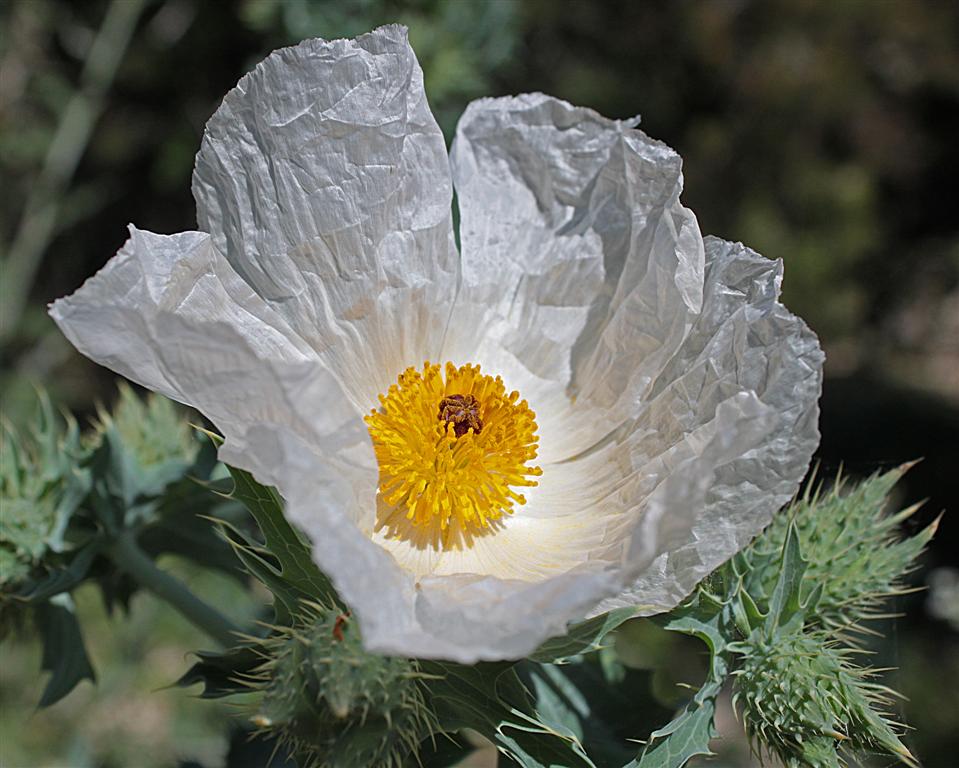
This lovely flower sports sharp prickles, hence the name. More showy than the Bull Nettle, it blossoms a little earlier, too. This particular specimen was taken near Champion Park on the Brushy Creek Regional Trail, where the Native Plant Society of Texas Williamson County chapter will be hosting a field trip on May 19th.

Wedelia texana – Zexmenia

Wedelia texana - Zexmenia

Wedelia texana – Zexmenia

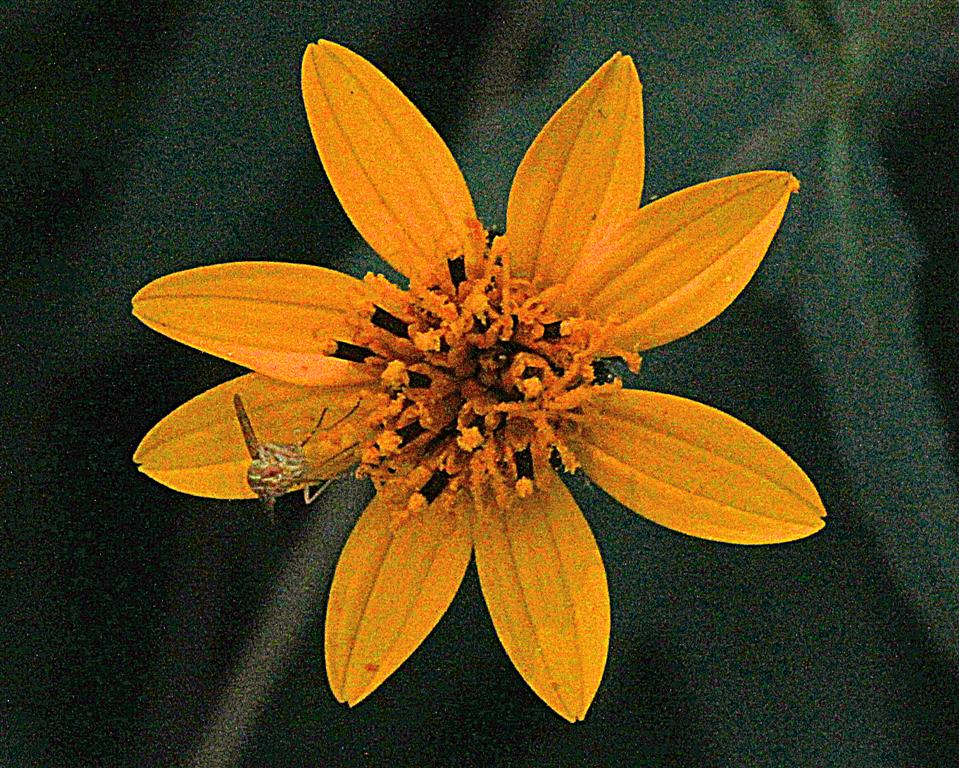
Here we have a Zexmenia with an insect friend of some sort. This has actually been in bloom for a while, although it normally doesn’t bloom until May. Another sign of warming in the neighborhood. Fortunately today has been overcast and cool, with plenty of much needed rain. This small shrubby forb forms a small mound in the partial shade that it prefers. It also likes well drained soil. It hasn’t gotten any supplemental watering and seems to like that just fine. A member of the Aster family, it has the familiar star shape of the radial flower.

Gulf Fritillary on Gregg Mistflower

Gulf Fritillary on Gregg Mistflower

Gulf Fritillary on Gregg Mistflower


Taken under low light conditions (I gotta figure out how to use the flash, I guess) here’s another one of the butterflies that have been hanging around the Gregg Mistflowers. (The other species is the Monarch.) The Agraulis vanillae Gulf Fritillary spends much of its life on the Passiflora spp. vine, especially as a caterpillar. As a result, the passionflower vines have been having a bit of trouble getting established this year.

Stachys coccinea – Texas Betony

Stachys coccinea - Texas Betony

Stachys coccinea - Texas Betony

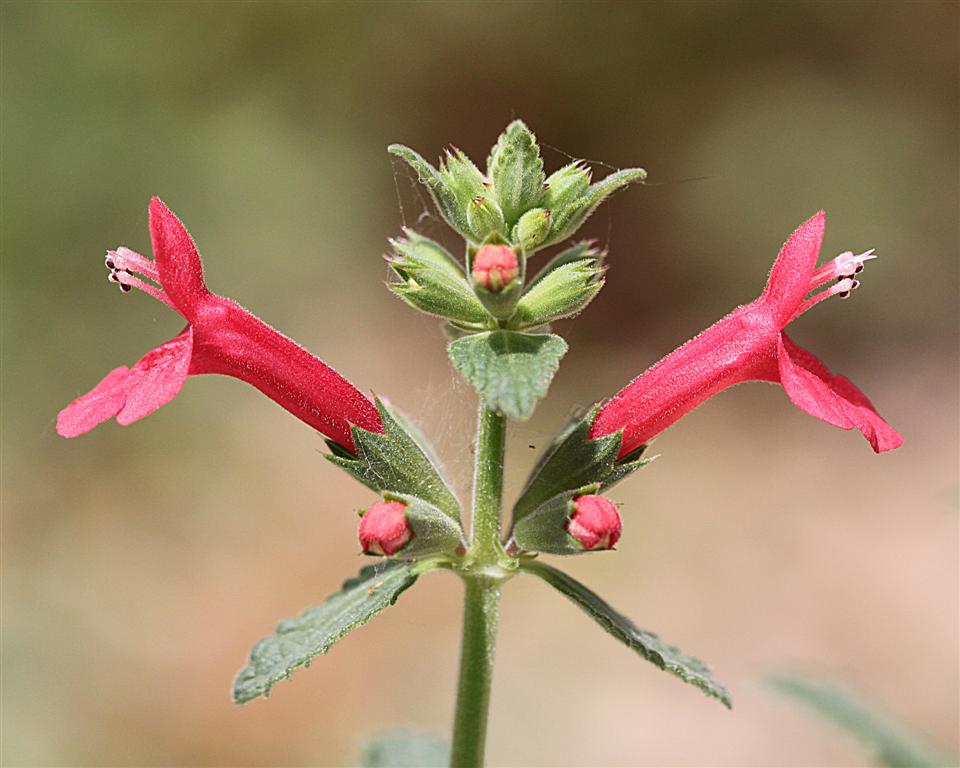
Also known as Scarlet Hedge-Nettle, I got this at the Wildflower Center plant sale a couple of weeks ago and just planted it in my yard last week. According to their information, this is probably a little too far east to be in its normal range. It has a long blooming period, from March through October, and is a perennial, so if it can make it through the summer it should be back next year. This Betony also attracts hummingbirds, although they seem to be few and rarely seen around here.  On the plus side, they won’t be attracting any deer.