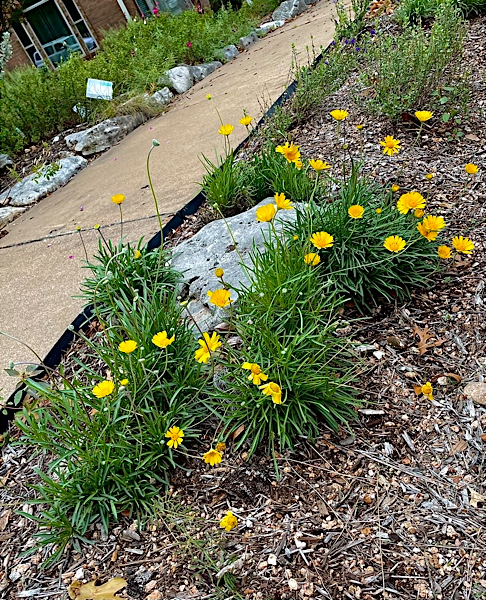
Clematis and Milkweeds, welcome to the family…

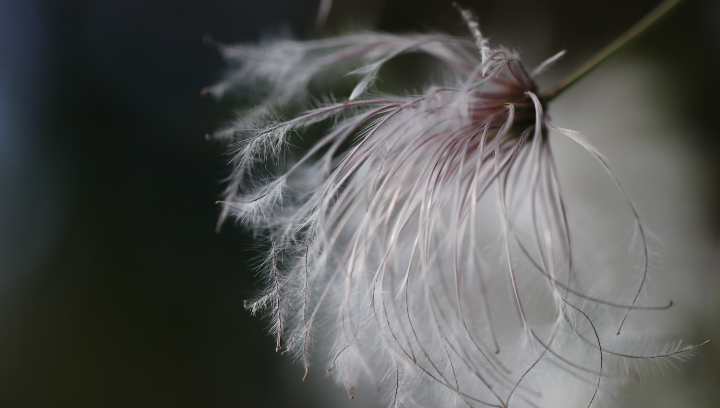
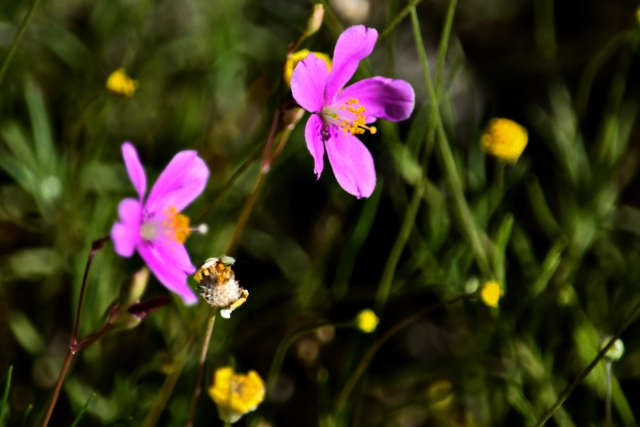
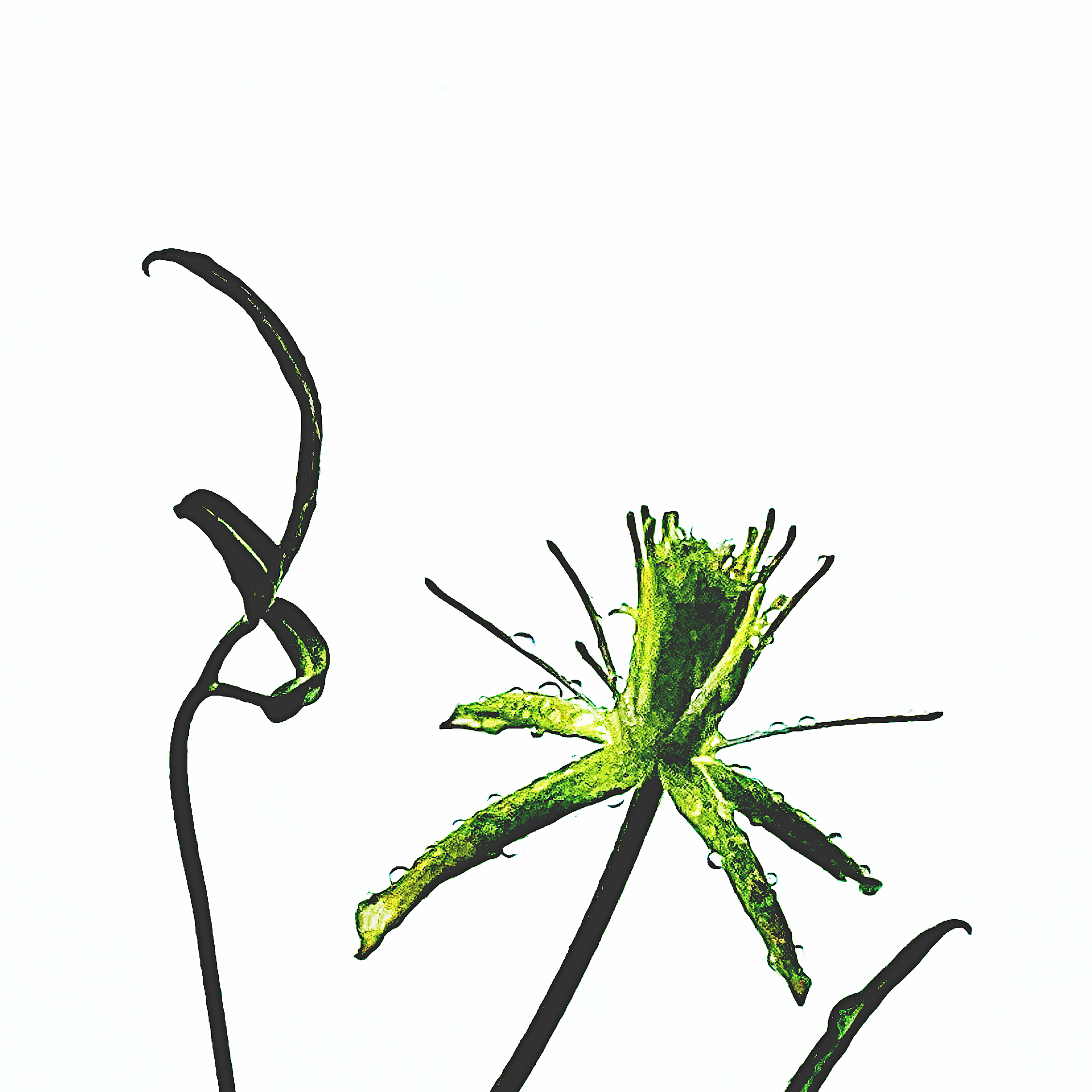
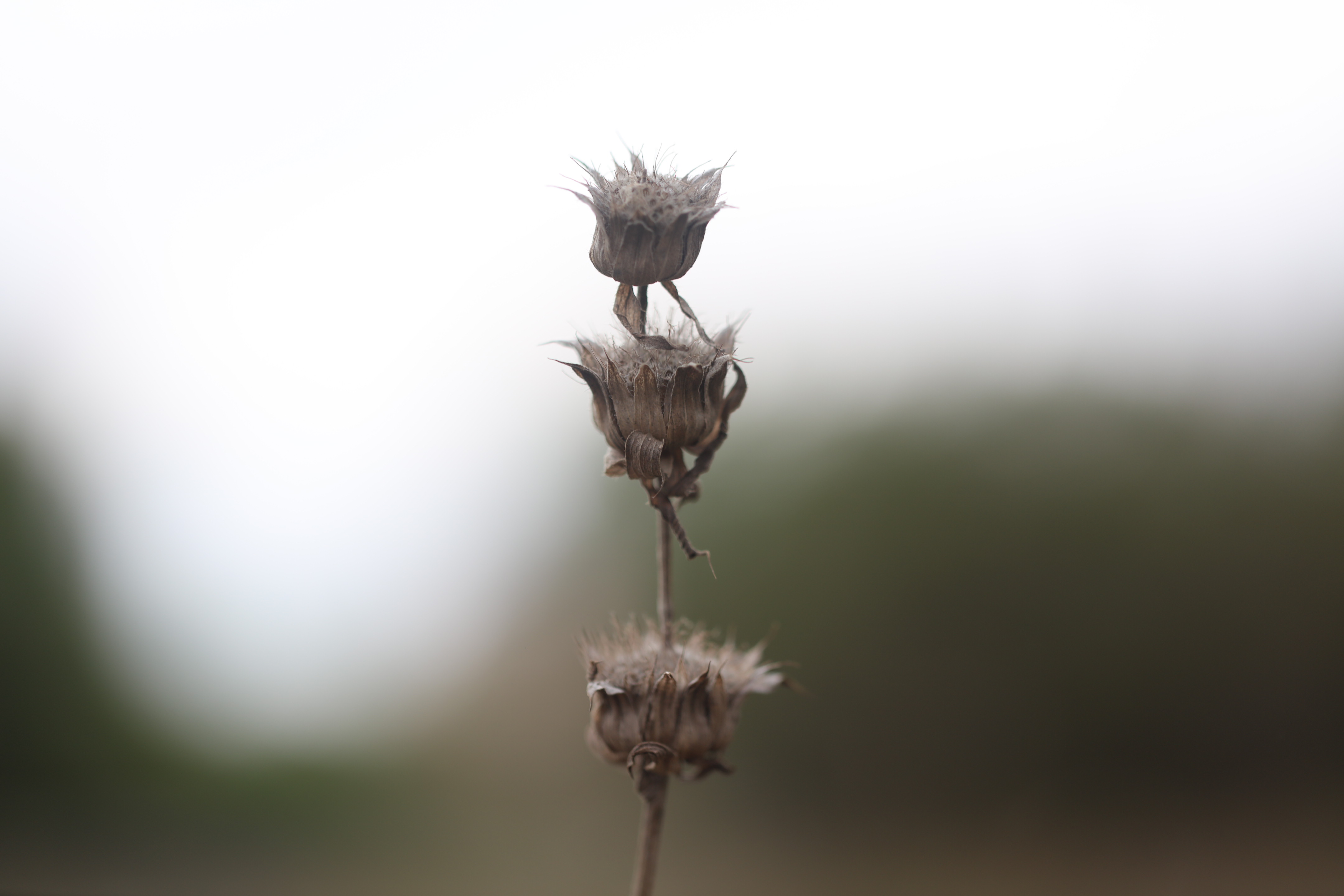
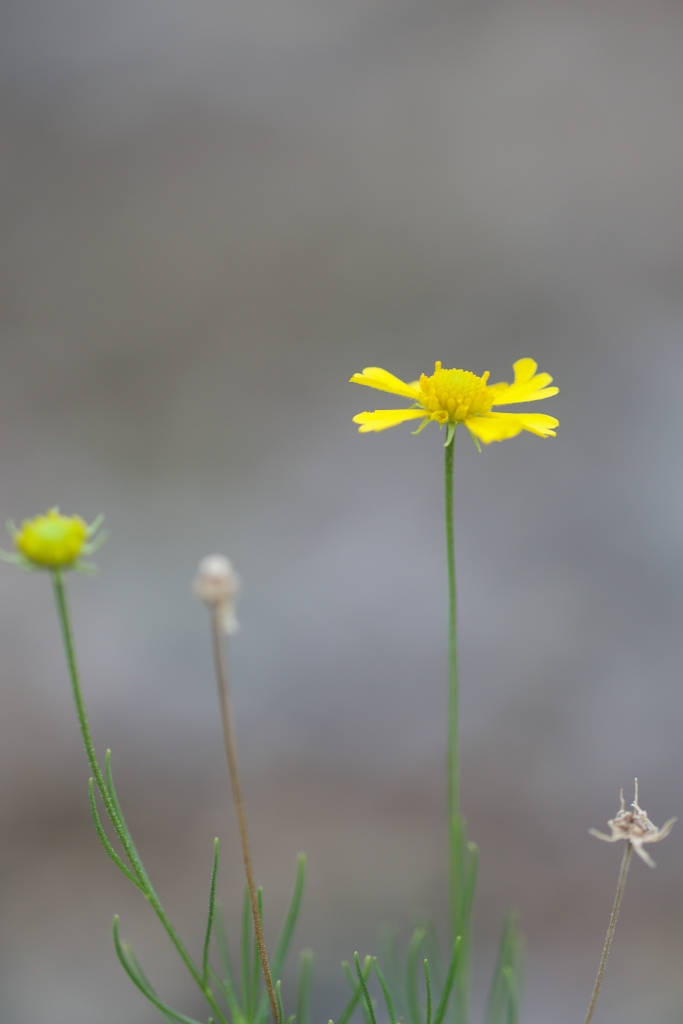
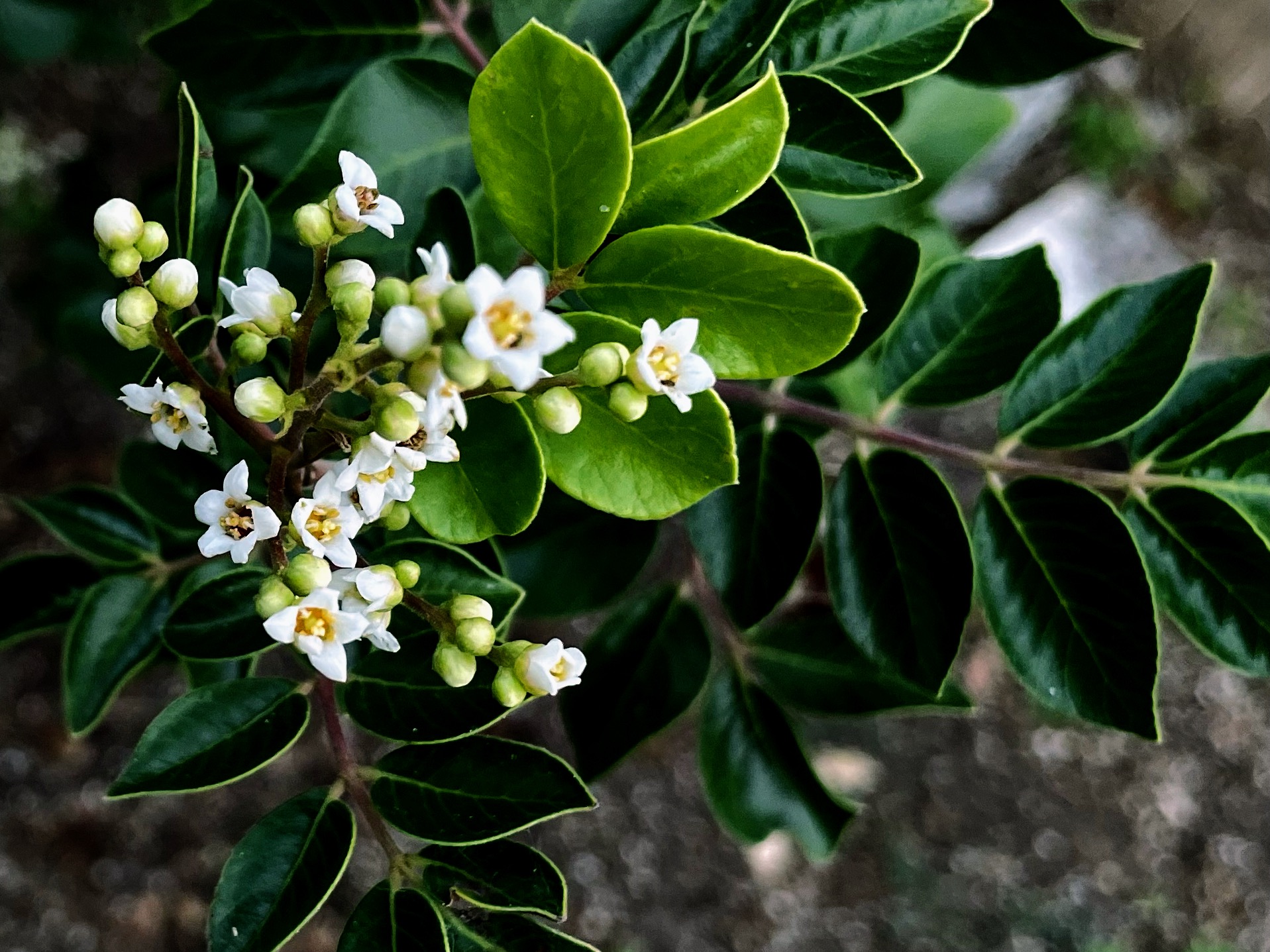
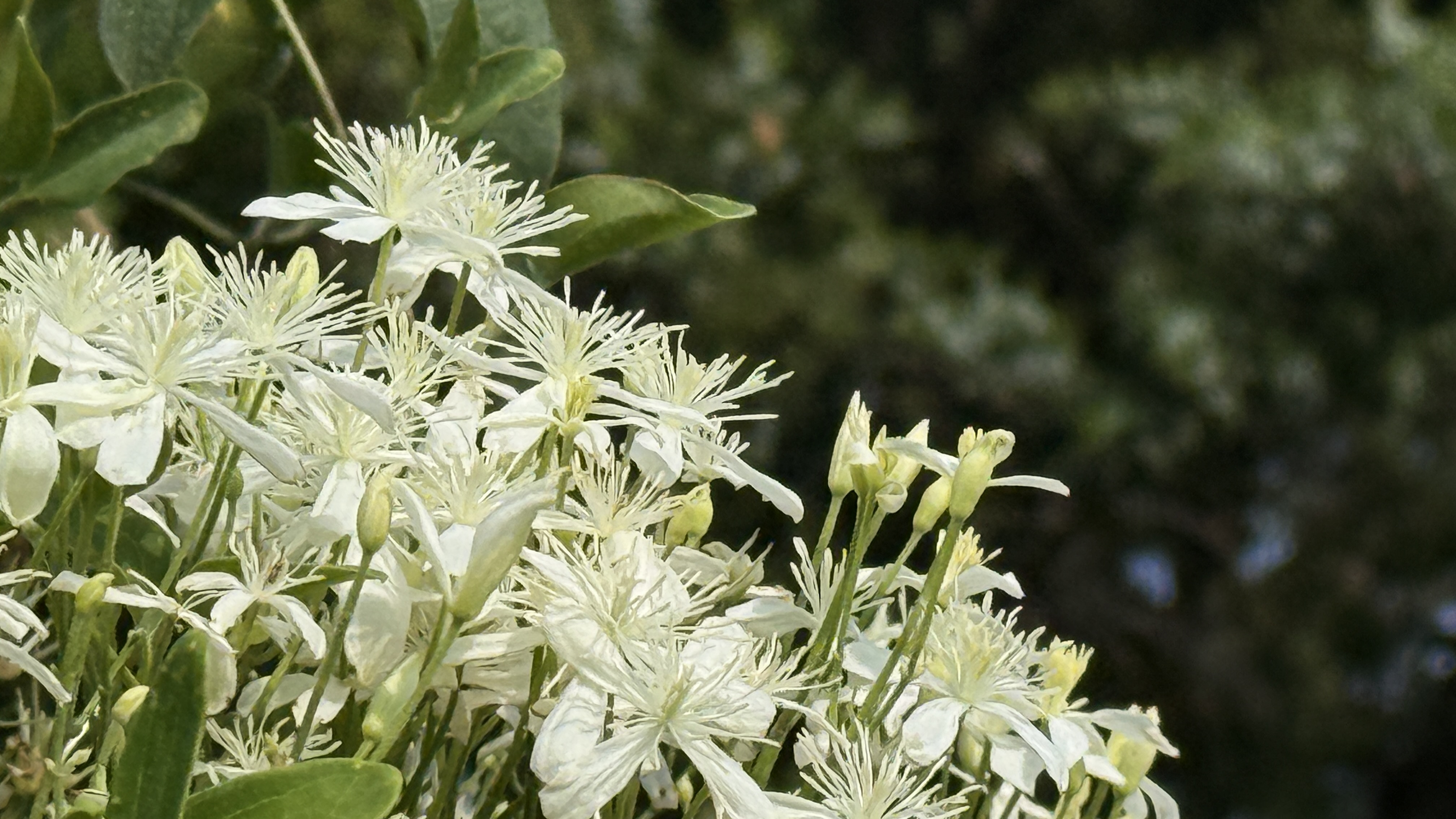
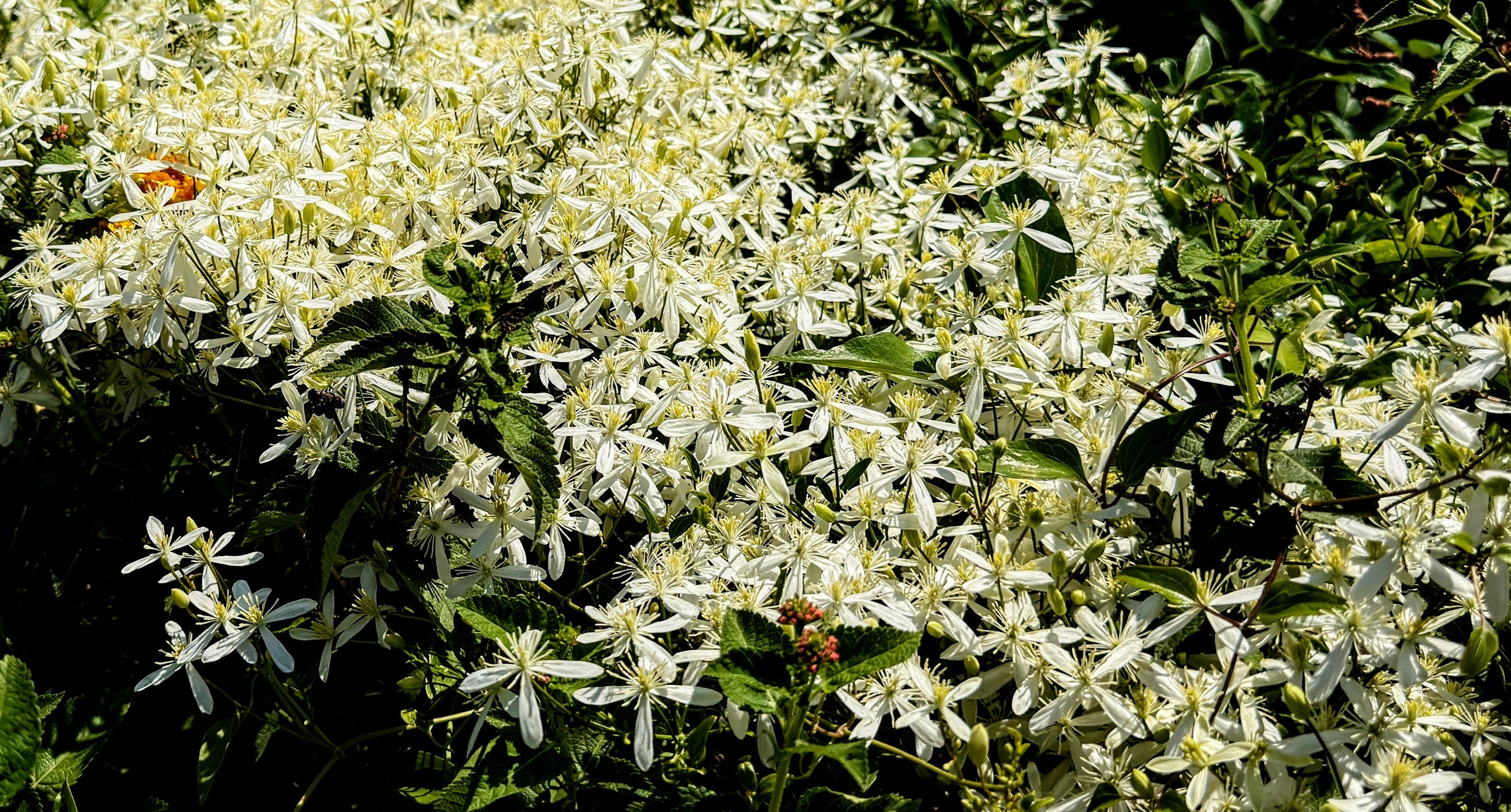
One of my favorite “flowers” is the female Clematis drummondii which is most noticeable in the late summer as the achenes turn into cascades of clouds that give it one of its common names, Old Man’s Beard. The actual flower is shown in the first photo following, the achenes in the other two:

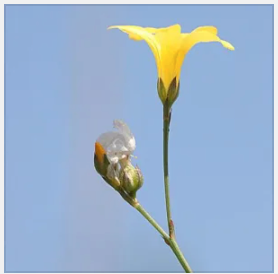
Another favorite plant is Matelea reticulata, commonly known as Pearl Milkweed Vine, due to the “pearl” in the middle of its flower. It, too, is native to Central Texas, where I no longer reside, having “pulled up roots” to move a bit further to the North.

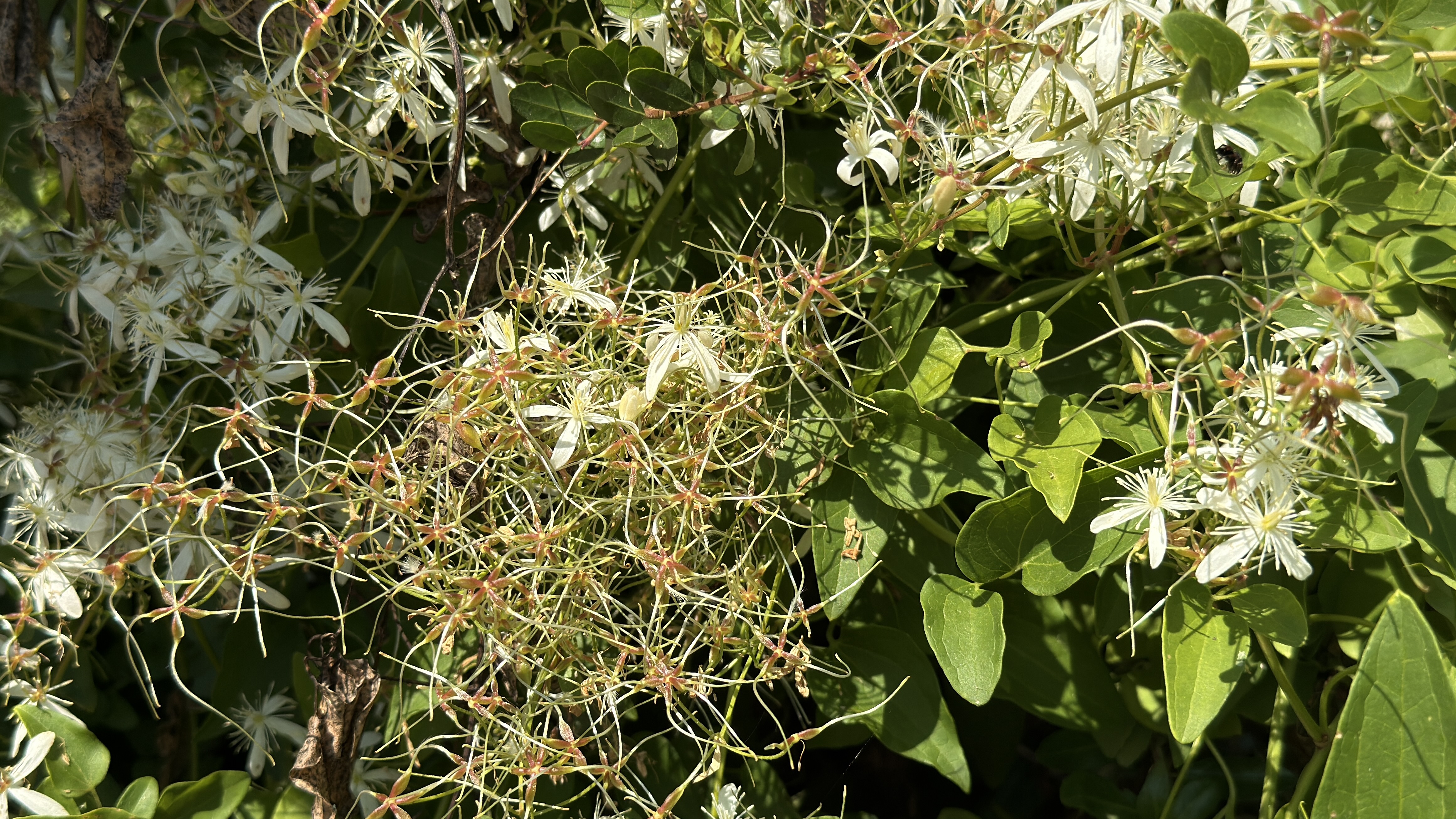
I was pleasantly surprised to find, recently, a different Clematis, native to Central Oklahoma. Clematis terniflora, or Autumn Clematis, as it’s commonly known, is smaller than its Texas cousin, but still provides striking clouds of white flowers and achenes along the roadsides and in ditches. In this case, the flowers provide the show, and the achenes are less showy than those of C. drummondii, as seen in the third photo following:
Cynanchum laeve, common name Honey Milkweed Vine, has been observed in several locations around here, notably near the airport and a few miles away. As suggested by the common name, the flowers give off a strong, sweet smell attractive to humans and pollinators alike.

While they’re not the same species one has become accustomed to, the “new” species are familiar enough to provide a sense of a welcoming environment.

###

Spring Photos of Three Oklahoma Tree Species

 A few photos from Bethel Acres in Central Oklahoma during. the Spring of 2025.

The first focuses on the long needles and early cones before they’ve matured. According to an Audubon Society Field Guide published in 1980, this species is native only to the Southeastern tip of Oklahoma. The Wildflower Center’s Native Plants database page, updated in 2022, repeats this information. The location where this photo was taken, of a tree distributed without human intervention, shows the effects of global warming in the extension of its range northward. (Assuming the species is identified correctly.)

LobLolly Pine
LobLolly Pine (Pinus taeda)


Next is what appears to be a Post Oak, with a three lobed leaf shape. The leaves are about 5 to 8 inches long, but shape and size are highly variable.

Post Oak (Quercus stellata)

Blackjack Oak (Quercus marilandica)

Finally, here’s a Blackjack Oak, which has much larger catkins than the Post Oak. The two different species are known to hybridize easily. Perhaps we will post some photos in the future. Observed what appeared to be a Post and a Blackjack oak, growing next to each other, and each showing leaves resembling the “template” form for both pf the species. The typical Blackjack Oak leaf has a “duck foot” shape, almost triangular, without any deep indents. The Post Oak, on the other hand, has a “head” lobe with two deep indents above and below what look like “arms,” tapering a little into the form of a (vaguely) human body.

But that’s a task for another day.

The Healing Power of Nature on Human Health

Much has been written on the positive impact that exposure to nature has on general well-being, physical, and mental health. And yet, it seems that developers have not gotten the message. Why, I do not know. Maybe they are not aware of the research on the health benefits of nature. If not, here is some material to share.

A website post and two reviews, from most recent to next (within past five years):

Benefits of Nature Experience from Canada, posted in April 2024, lists the following benefits:

  • Attention: Our attention is a limited resource and it can become ‘fatigued’ throughout the day. Nature has been shown to restore attention and our ability to concentrate (Mason et al., 2022). Nature has also been found to reduce symptoms of Attention-Deficit/Hyperactivity Disorder (ADHD) (Faber Taylor & Kuo, 2009).
  • Mood: Nature improves mood and makes people feel happier (Neill et al., 2019). There is evidence that nature exposure can improve symptoms of depression (Berman et al, 2012).
  • Self-regulation: Nature helps us feel calmer and less irritable. This means that we are better able to control our impulses (Beute & de Kort, 2014; Weeland et al., 2019).
  • Stress: Nature reduces symptoms of anxiety, physical stress, and heart rate. It also helps us feel more relaxed (Shuda et al., 2020).
  • Social: Nature tends to increase generosity, cooperation, and our sense of social connection (Arbuthnott, 2023; Weinstein et al., 2009).

Impact of Nature on Human Health. An open access article, published in 2022:

this review has documented the increasing body of evidence in support of [nature-based-interventions] NBIs as effective tools to improve mental, physical, and cognitive health outcomes, and highlighted key factors that improve engagement with the natural world. [bracketed explanation of acronym inserted from elsewhere in the article]. Emphasis added.

And, finally, from 2021, another open access review, Association between Nature Exposure and Health, concluded that:

 We assessed the strength of evidence from experimental and observational studies and found evidence for associations between exposure to nature and improved cognitive function, brain activity, blood pressure, mental health, physical activity, and sleep. Evidence from experimental studies suggested protective effects of exposure to natural environments on mental health outcomes and cognitive function. Cross-sectional observational studies provide evidence of positive associations between exposure to nature, higher levels of physical activity and lower levels of cardiovascular disease. Longitudinal observational studies are starting to assess the long-term effects of exposure to nature on depression, anxiety, cognitive function, and chronic disease. Limitations and gaps in studies of nature exposure and health include inconsistent measures of exposure to nature, knowledge of the impacts of the type and quality of green space, and the health effects of the duration and frequency of exposure among different populations (e.g., adults, children, historically marginalized).

Reminds me of John Sebastian’s tune,  Daydream.  And also that I should take a walk outside about now…

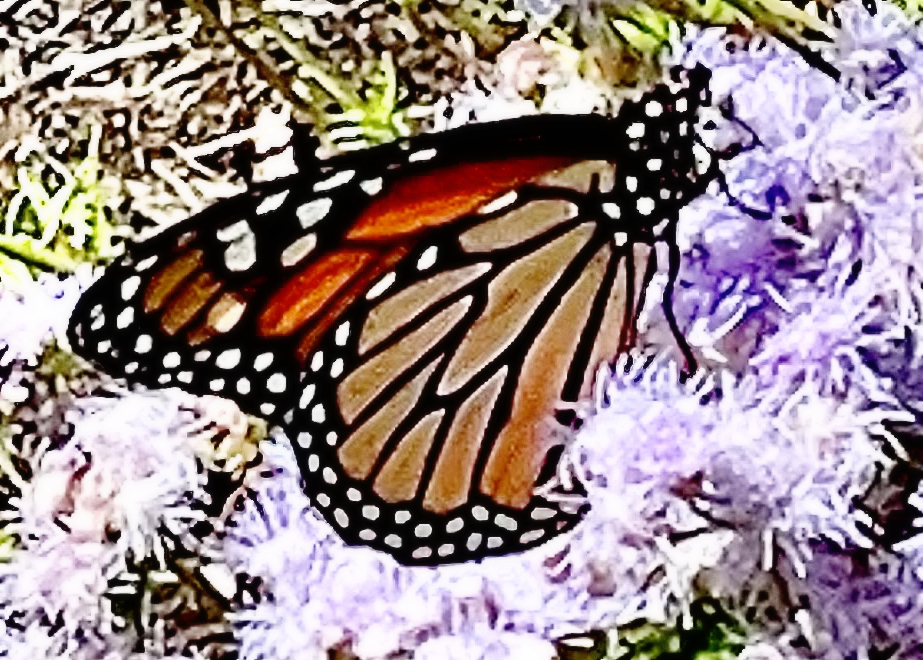
2024-10-20-Monarch-IMG_9401

###

Where have all the (native) flowers gone?

Prosser, R.S., Brain, R.A. Where have all the flowers gone? A systematic evaluation of factors driving native terrestrial plant decline in North America. Environ Sci Pollut Res (2024). https://doi.org/10.1007/s11356-024-34349-9 

Prosser and Brain have done the research and  have come up with the following conclusions:

  • Habitat alteration and non-native species are the most important drivers of the decline in native terrestrial plant diversity in North America.
  • No listed species in the U.S. or Canada faced a singular threat. In the recovery plans for all listed species, several threats were identified as contributing to their risk of extirpation or extinction.
  • Pesticides, specifically herbicides, represent a micro-scale contributor to the decline of plant biodiversity in North America relative to other drivers.

(Note: the above three points are taken verbatim from text in the article, although they are not presented as bullets in the subject article. Emphasis using bold and italics has been added).

In their conclusion, they argue that pesticides and herbicides make an easy target for litigation, even though they contribute minimally to the extirpation or extinction of native plants .

On the other hand, Paraquat is an herbicide that not only has been banned in over 50 other nation-states, and has been linked as a probable cause of Parkinson’s Disease in the book Ending Parkinson’s Disease: A Prescription For Action  and in this February 2024 article on the EarthJustice website: This Weed Killer Is Linked to Parkinson’s. Why Isn’t It Banned Yet?

I would suggest that the authors of the article on causes contributing to reduction of native plant species are failing, in their words, to see the forest by focusing on the trees. I am a native plant advocate who also has Parkinson’s Disease. I don’t know whether I have been exposed to Paraquat in the past. Just because pesticides and herbicides are not a major factor in the reduction of native species doesn’t mean I should just ignore the bigger picture of the effect of herbicides like Paraquat on the species Homo sapiens, many of whom, including myself, have displaced other native occupants of this territory, like the Apaches, the Tonkawas, and other tribal groups who are members of the same Genus and species.

This post has covered most of my main interests: scientific research, Parkinson’s Disease, and native plants. All that’s missing is some music:

The Parkinson’s Anthem (We Ain’t Givin’ Up Hope)

#nativeplants  #research #parkinsonsdisease #advocacy

Resistance is futile…

Most folks will recall that line from various Star Trek encounters  with the Borg, as well as the following line “You will be assimilated.” Or was it the preceding line? Doesn’t matter, because the purpose of this post is to “announce” that my other WordPress blog, “Return To The Natives / Native Plants Are The Answer,” has been assimilated into “Bob’s Brain: Living Well With PD and Other Comorbidities.”

With the assimilation comes a couple of new categories in the menu: Native Plants, and Wildflowers. Here’s an example of what one might find under either of those categories.

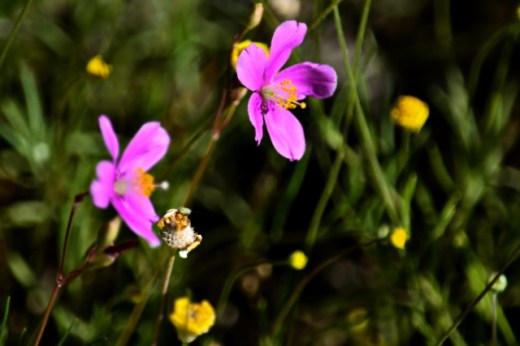
2016-03-06-Rock-Pink-640pxlw

Rock Pink (Phemeranthus calycinus). The blooms are ephemeral, lasting only one day, although a single plant may have more than one bloom. They grow in limestone soils, in locations where waters flow after rains (in this part of the world). This was captured digitally following recent rains in early May, 2016. Their bloom period is from April through September, which is the latest month in the year that I’ve been able to photograph them.

Now I’ve assimilated the two, there’s only one blog to intermittently post articles about things that interest me. Reduces my guilt in half. Next step is to post the news on RTTN / NPATA with a link to Bob’s Brain, and then deleting the old blog. I’m a cyborg, having had DBS, so it should work out as well as the coders have allowed for such a smooth transition.

We’ll see what happens.

Live long and prosper.

###

It might as well be Spring… or Fall

The long dry Summer was followed by a few showers (about a week, and 6″ of the liquid stuff), and some more warm weather. Some plants, like the Clematis drummondii in the first few frames, decided it was a good time to put out new fowers, even though they had already gone through the yearly cycle of blooms, with the female plants putting out their achenes that have given the plant the common name of Old Man’s Beard.

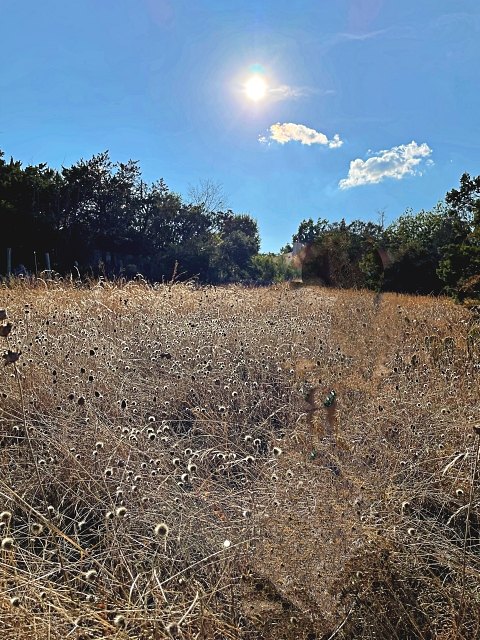
The vignetted shot towards the sun shows a Cedar Elm (Ulmus crassifolia) with some of its leaves already starting to turn to their Fall golden yellow color. In the tangled web of branches and vines are a few other species, difficult to identify in the photo.

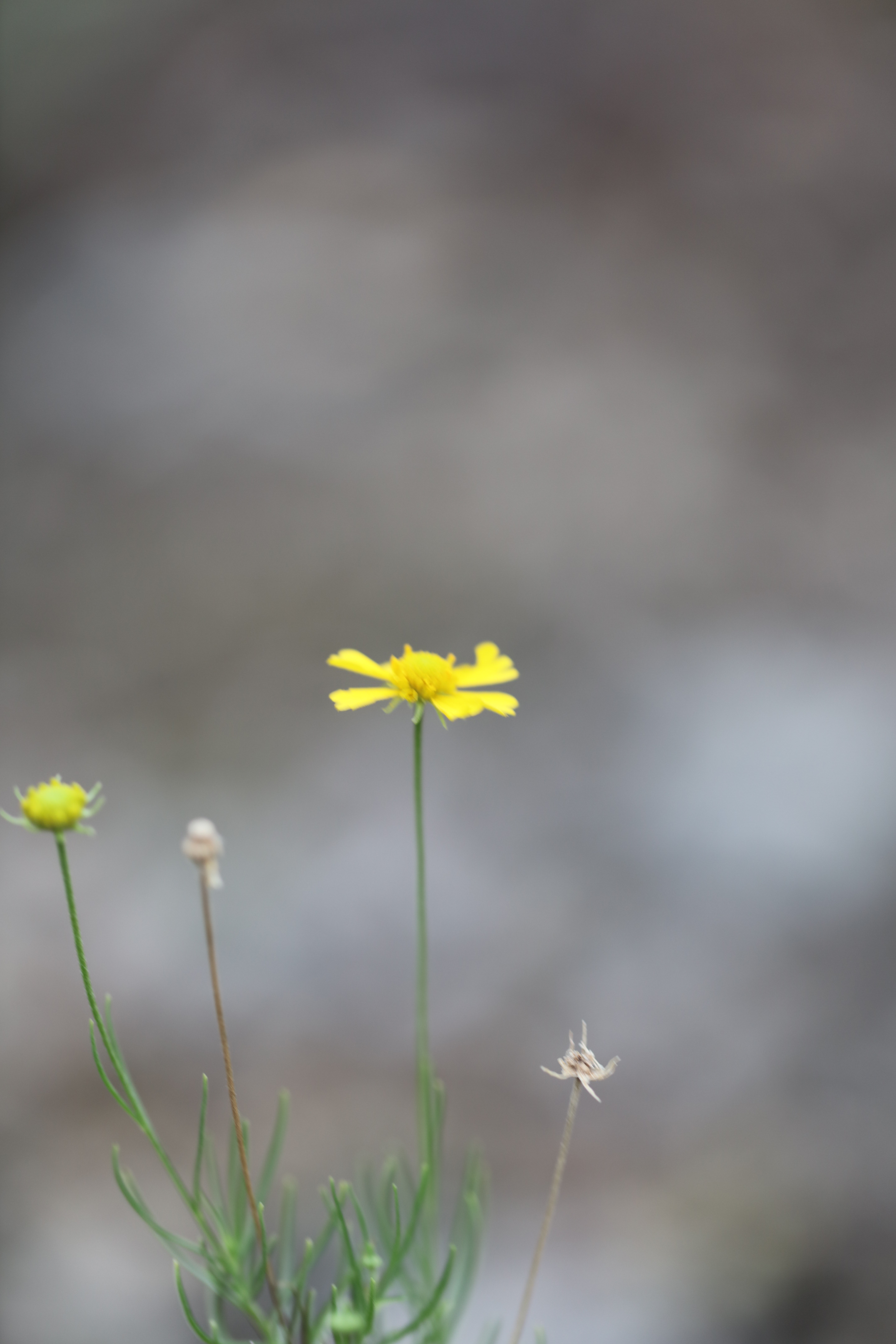
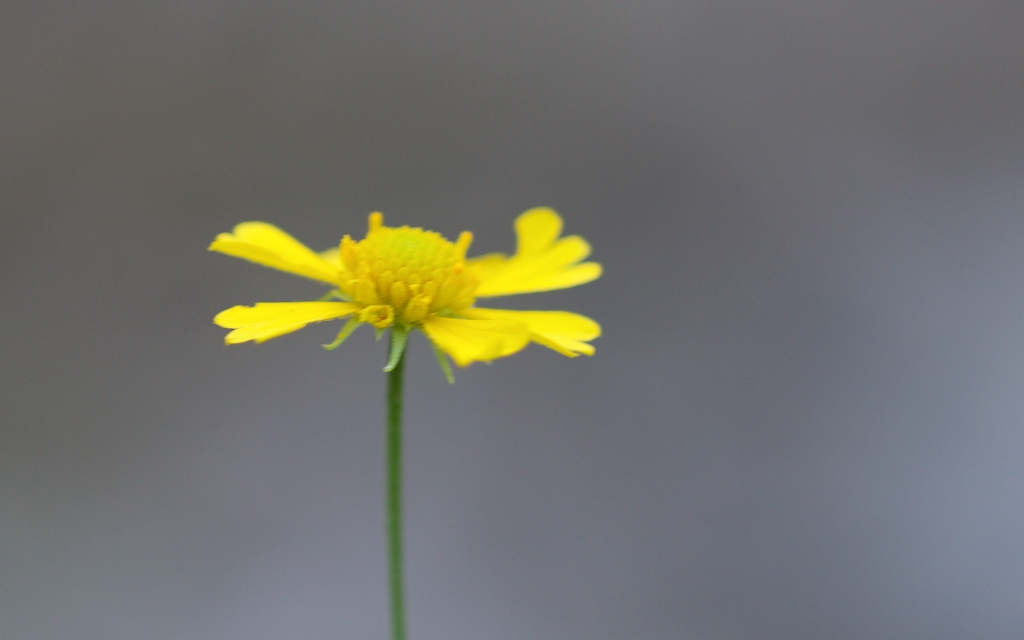
The bottom left shot shows the desiccated remains of a Monarda sp. (hard to tell them apart from just the skeletal remains). Meanwhile, in the lower right is Tetraneuris scaposa or Four-nerve daisy, a perennial that can bloom throughout all four seasons, given the right conditions.

And so it goes…

###


Recent blooms, both contained and wild

All the photos above were taken in September and October 2023, either in our yard or in the berm and greenbelt behind it. As one can tell, there was some rain during that time, enough to push up a few rain lilies, but not so much that most plants thrived.

###

Blooming in late May and Early June…

Here are a few of the flowers and other stuff I managed to capture on digital media recently.

Actually, there are a lot more items in bloom, but these were closest on hand. The front yard also has Four-nerve daisies, Wright’s skullcap, Autumn Sage, Simpson’s rosinweed, Turkscaps, Engelmann daisies, Rock Rose, and White avens in bloom, besides those pictured below.

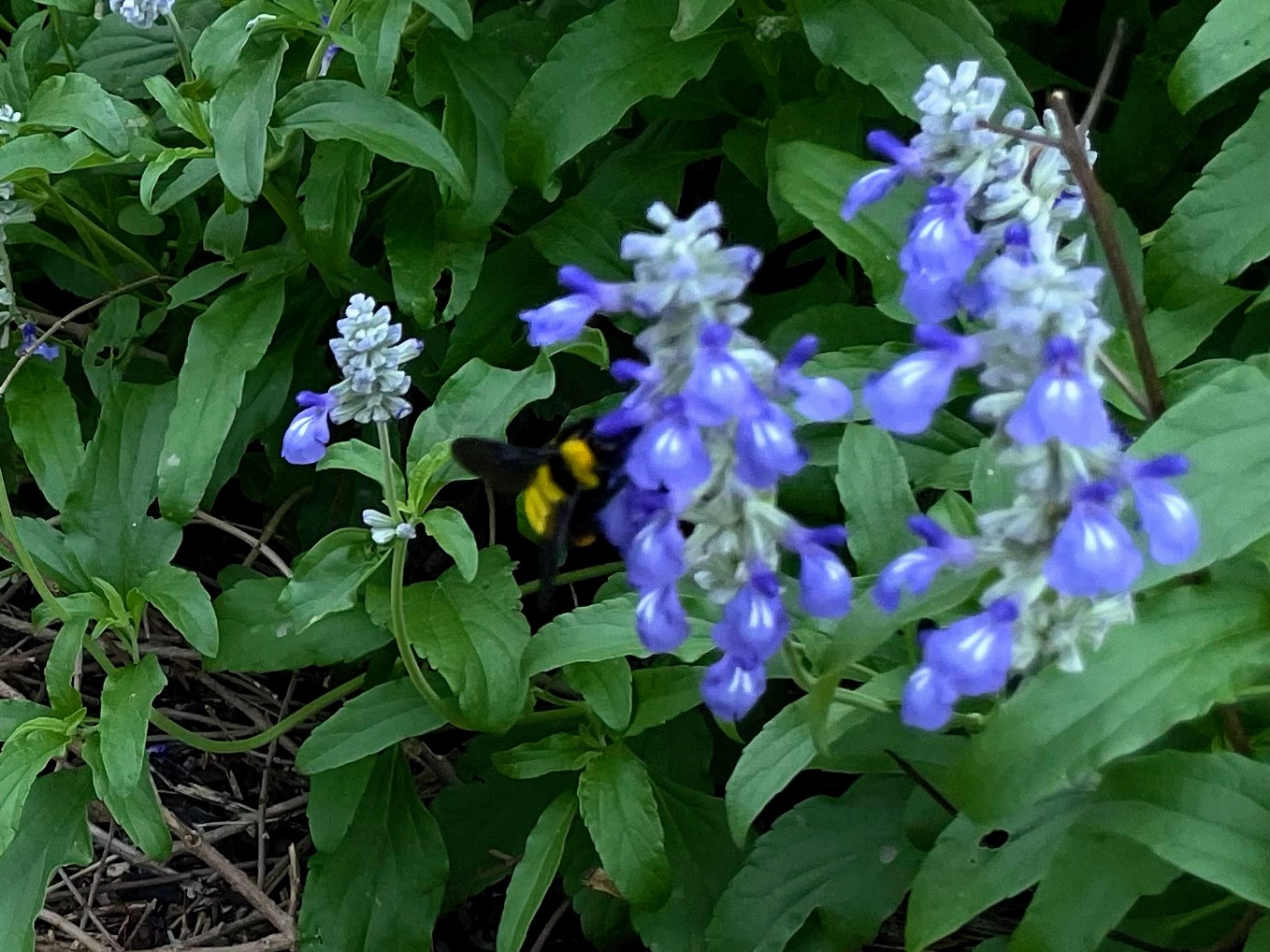
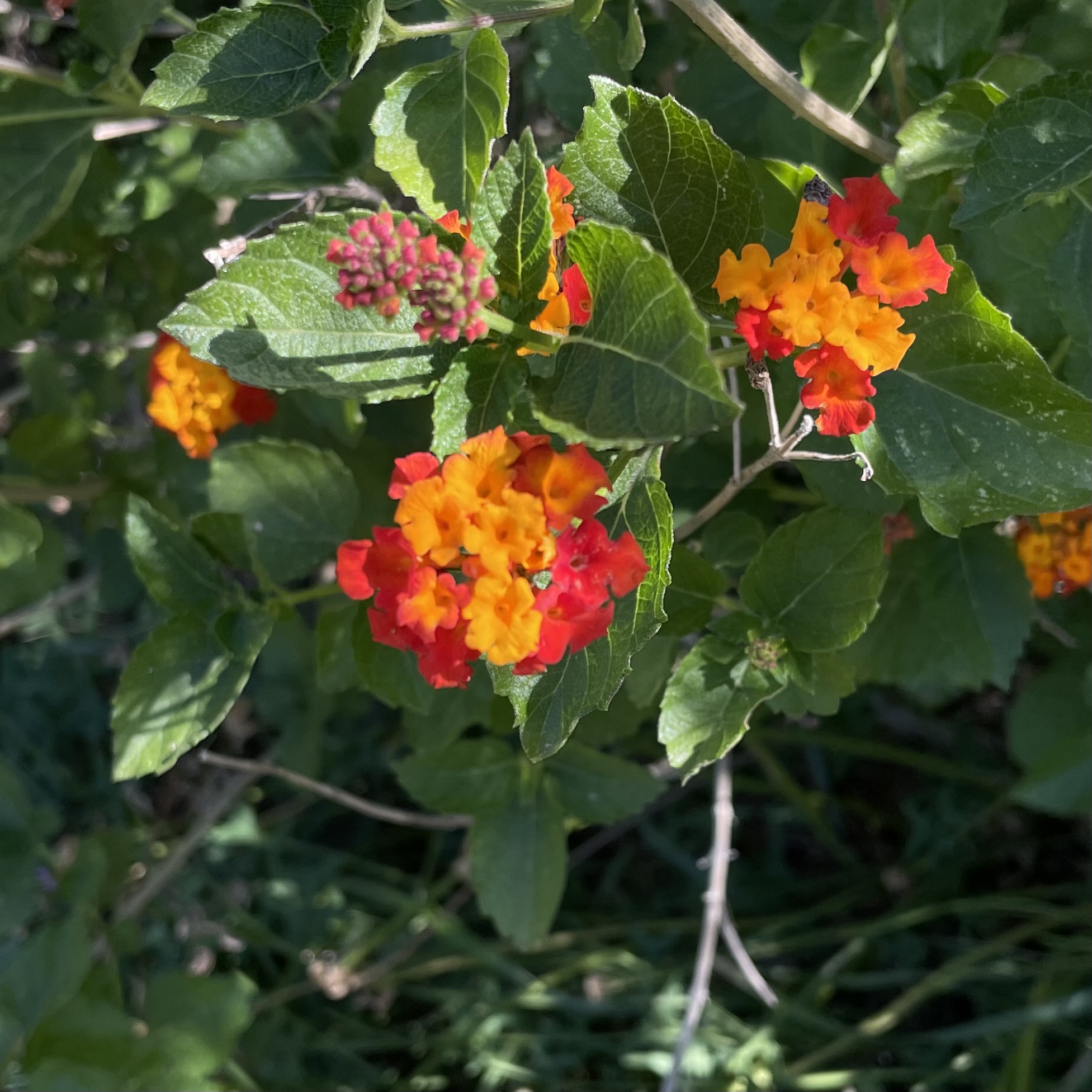
The South side of the house has Passiflora vines, copious amounts of Gulf Fritillary and other butterflies in varied stages of development, a Texas lantana, a Datura , lots of Blue Curls, a couple of White mistflowers (not blooming until the Fall), Clematis texensis and drummondii, some Asclepias plants for the Monarchs, and that pretty much covers what’s on bloom in June.

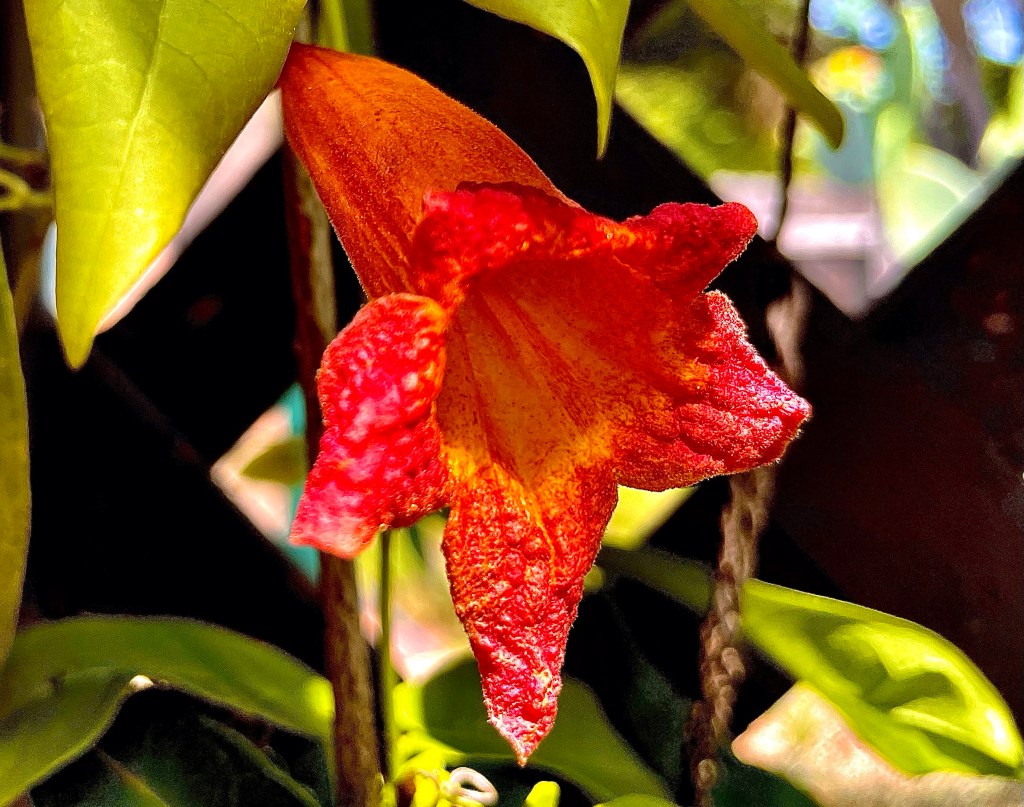
Bignonia capreolata (Crossvine), slightly past its glory

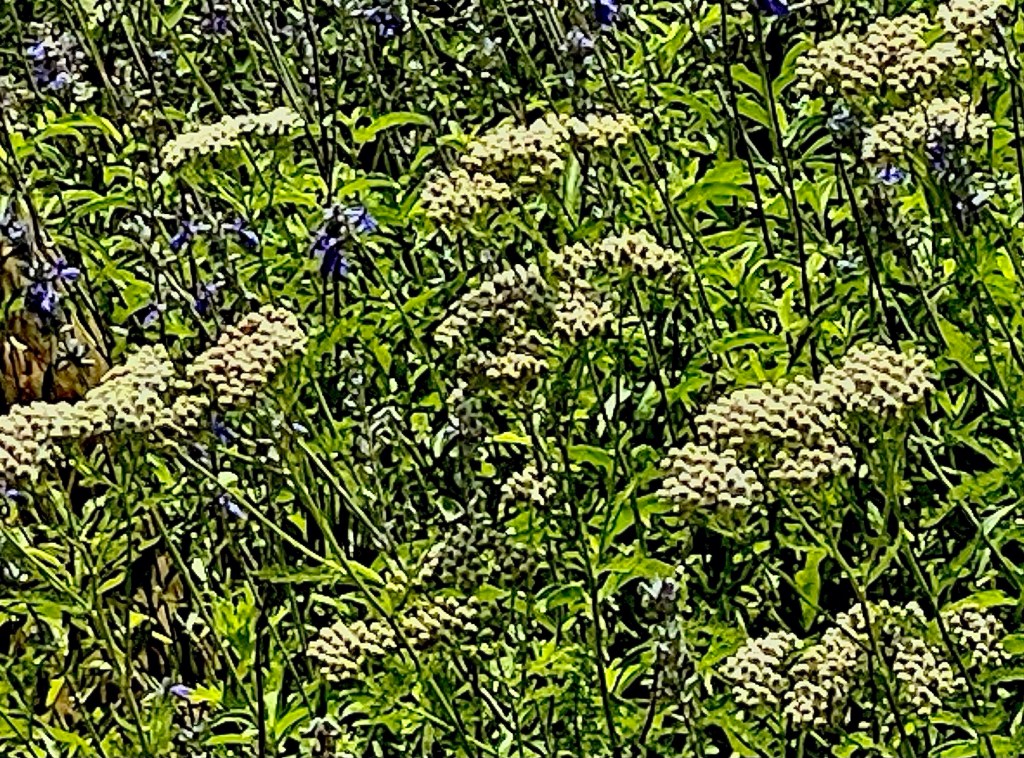
(Achillea millifolium) Milfoil

(Salvia farinacea) Mealy blue sage
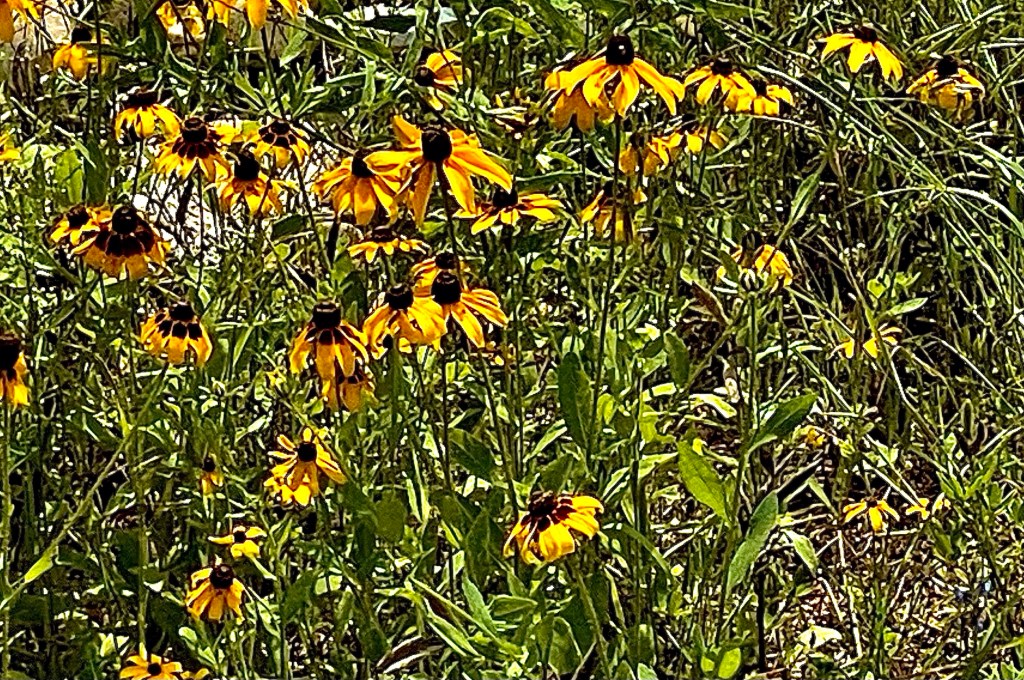
Rudbeckia hirta – Brown eyed Susans

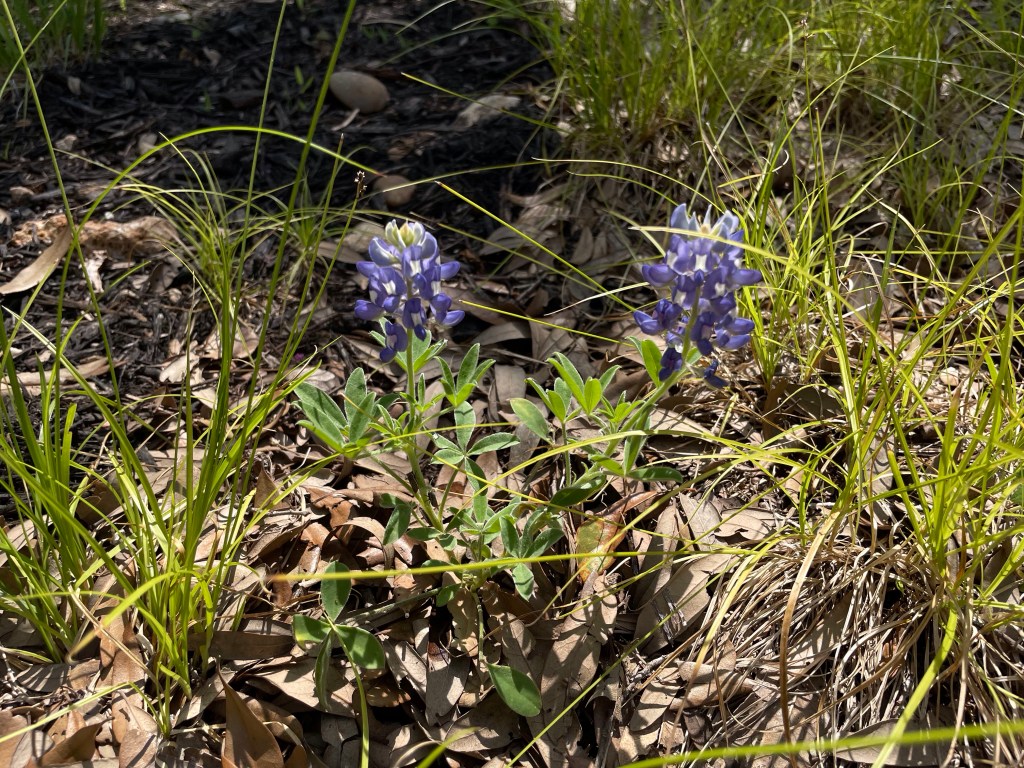
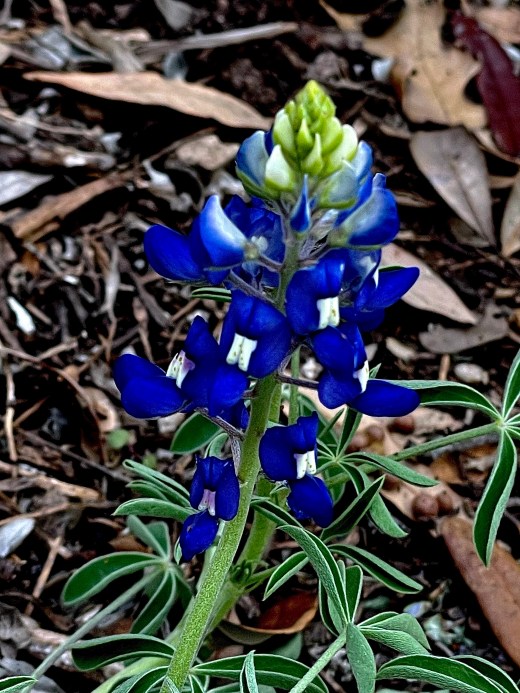
A surprise on June 1st – two baby Bluebonnets (Lupinus Texensis) blooming in the front yard!

From my Nextdoor neighborhood group:

https://nextdoor.com/embed/sxW7MxB4bd-p

Okay, laziness is the mother of invention, so I’m trying to hit two birds with one stone, so to speak. The above is a link to my Nextdoor post this morning showing a few species of plants and animals related to Central Texas.

You might notice that the group there is also named Return To The Natives/Native Plants Are The Answer. If you think that’s a coincidence, you’d be wrong.

In praise of Tetraneuris scaposa

Last post was nearly 6 months ago, after having gotten elected to my subdivision’s Home Owners Association (HOA). Fortunately for me, the new President has an excellent leadership style and a sense of humor – he’s commented a few times on my lack of love for Crape Myrtle (aka Crepe Myrtle) (Lagerstroemia spp.), and I have made a gavel from the remains of a few branches which had the misfortune of hanging over my property. (I have four longer pieces which I hope will become walking sticks or canes).

But I digress. This year Central Texas faced a drought throughout the Spring and Summer. Then, throughout November, we’ve had plenty of rain to raise our hopes for an abundant crop of wildflowers in the Spring. With the warmest December day we’ve ever had (82º F) this week, however, we should be cautious in making predictions.

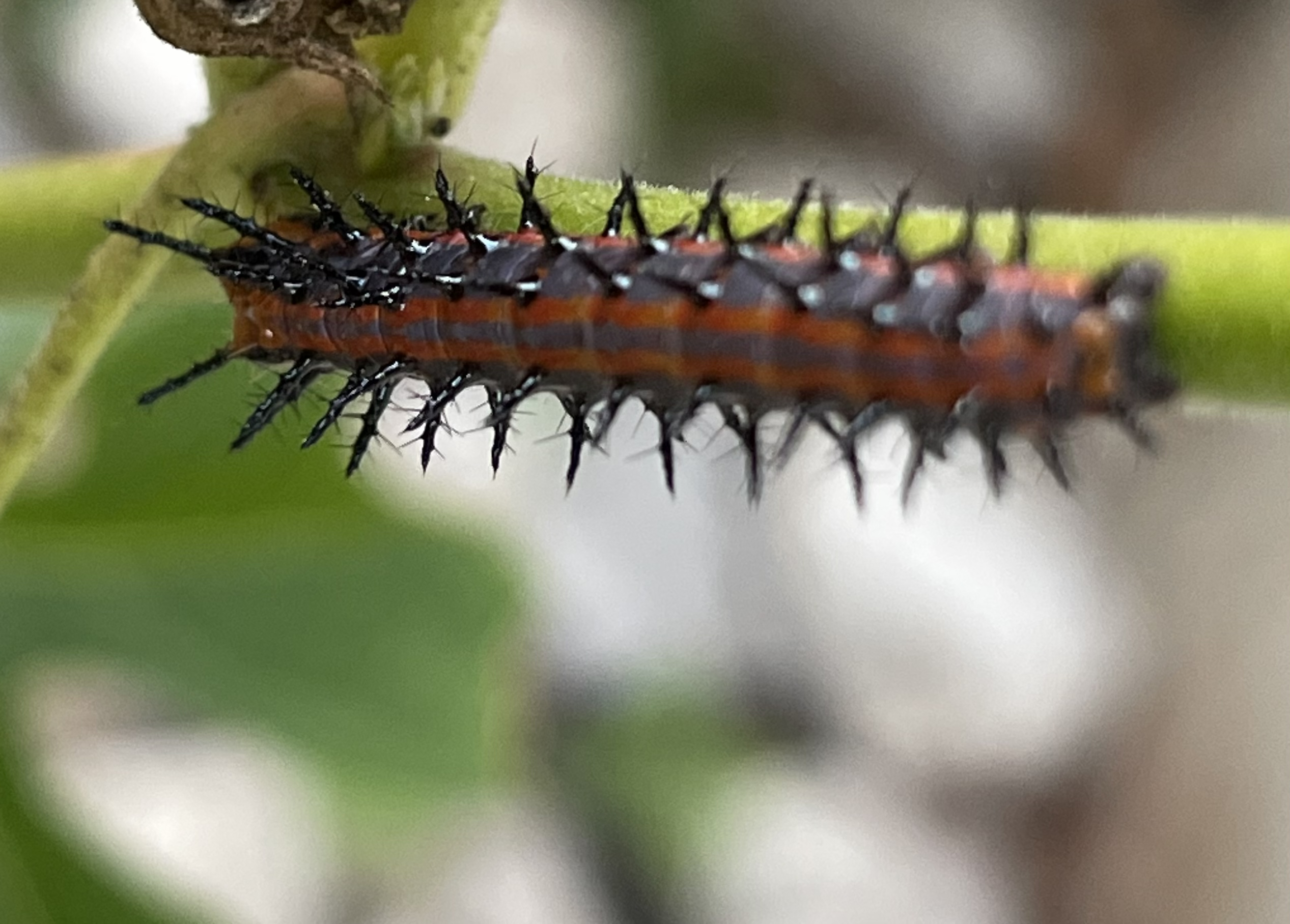
So, recently, I’ve stepped outside and found Gulf Fritillary caterpillars still on green Passiflora leaves (photo 1), and further below, bunches of yellow Tetraneuris scaposa flowers taking advantage of the extended growing season.

Gulf Fritillary caterpillar( Dione vanillae) Photo taken December 2, 2022

Photo taken December 2, 2022 of caterpillar.

Four Nerve Daisies (Tetraneuris scaposa)  (photo 2) planted in the “nuisance strip” between the sidewalk and the curb; blooms are still going strong into December.

However, Tetraneuris scaposa can and will bloom throughout the year, here in Central Texas.Four Nerve Daisies Conditions have to be right, of course. They bear up to the heat of 100º F summers, but do need some water. And, as always, rain water seems to be the best for promoting growth in these and in BlackFoot Daisies (Melampodium leucanthum) of which I recently added a small plant and which has responded well to the recent rains.

###