It might as well be Spring… or Fall

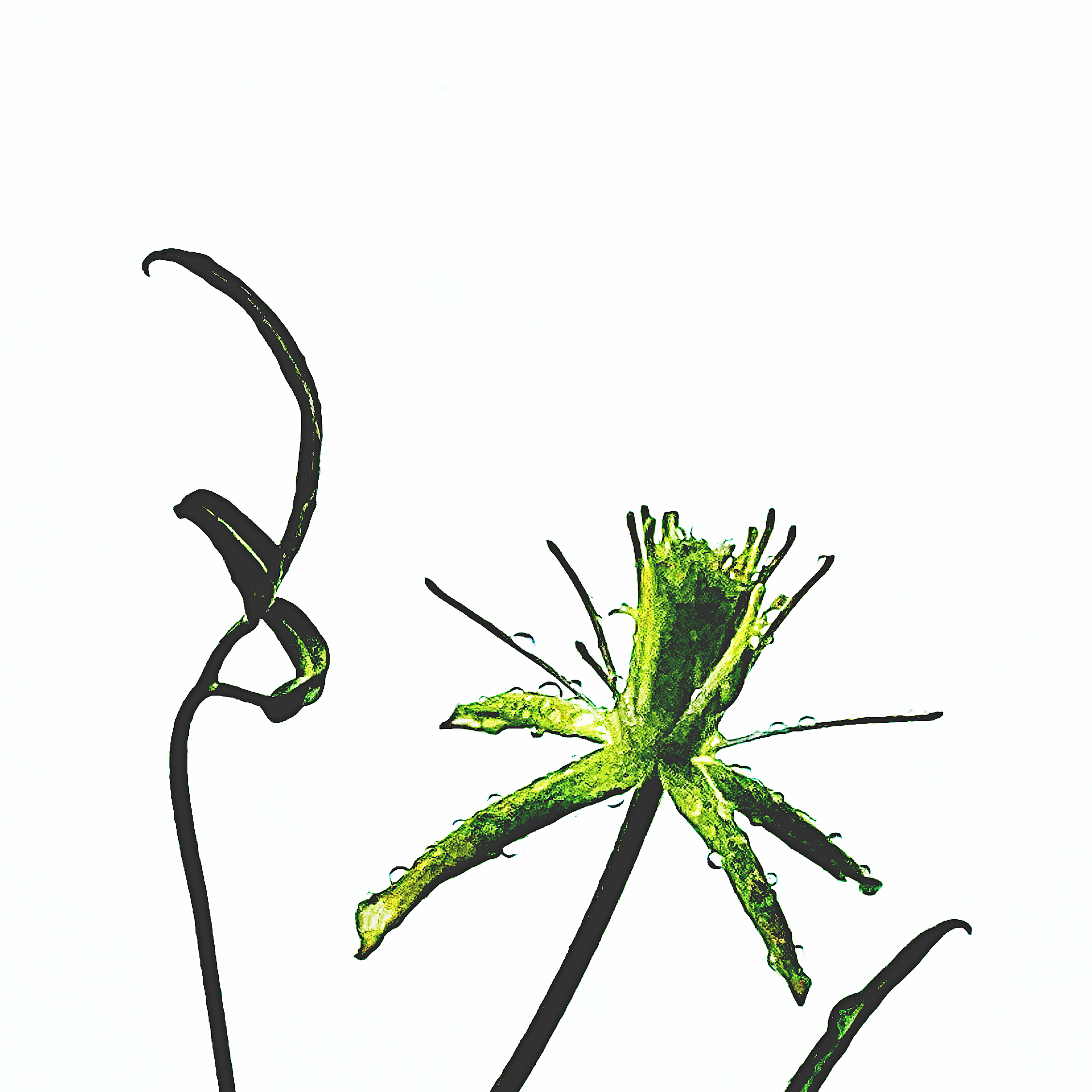
The long dry Summer was followed by a few showers (about a week, and 6″ of the liquid stuff), and some more warm weather. Some plants, like the Clematis drummondii in the first few frames, decided it was a good time to put out new fowers, even though they had already gone through the yearly cycle of blooms, with the female plants putting out their achenes that have given the plant the common name of Old Man’s Beard.

The vignetted shot towards the sun shows a Cedar Elm (Ulmus crassifolia) with some of its leaves already starting to turn to their Fall golden yellow color. In the tangled web of branches and vines are a few other species, difficult to identify in the photo.

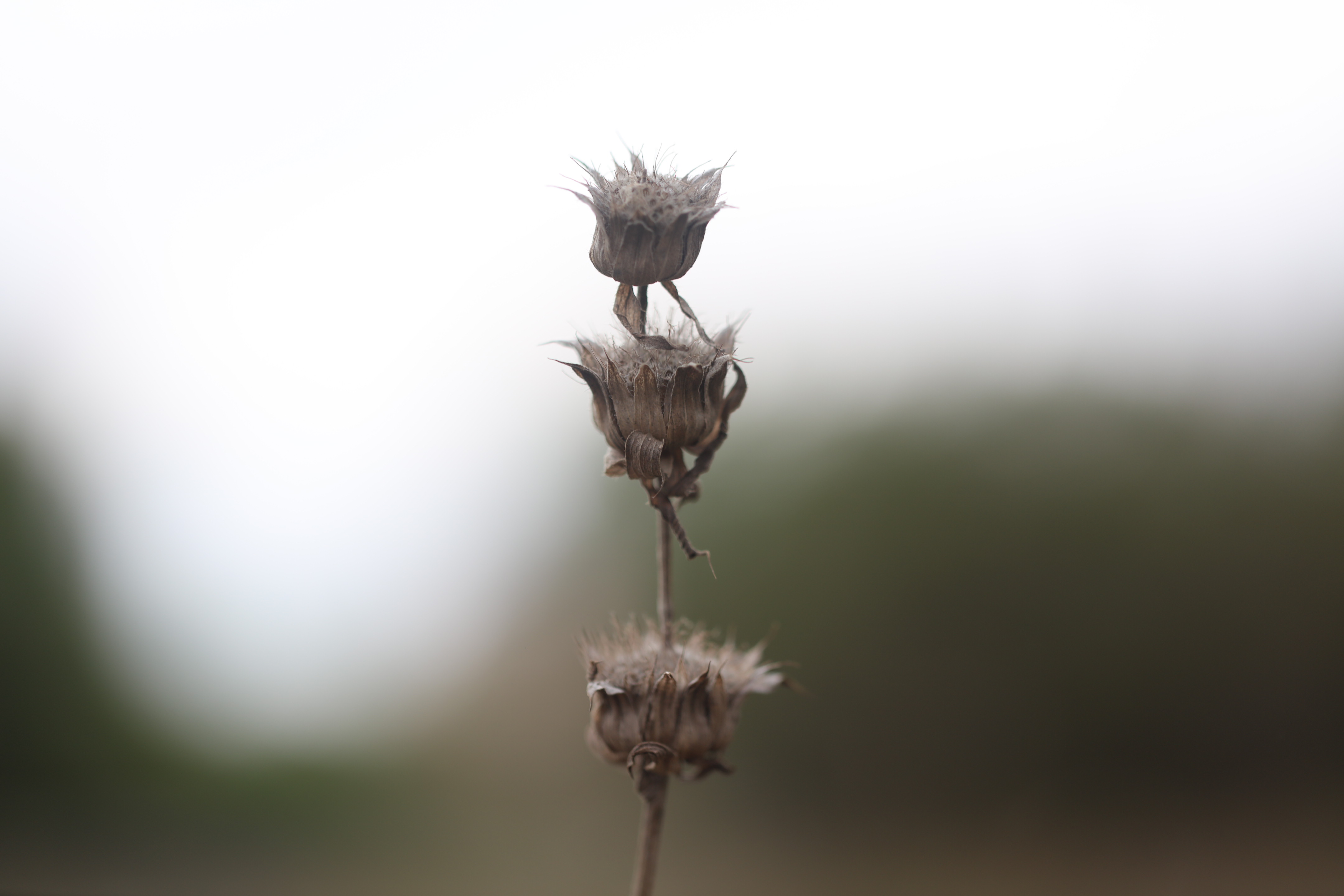
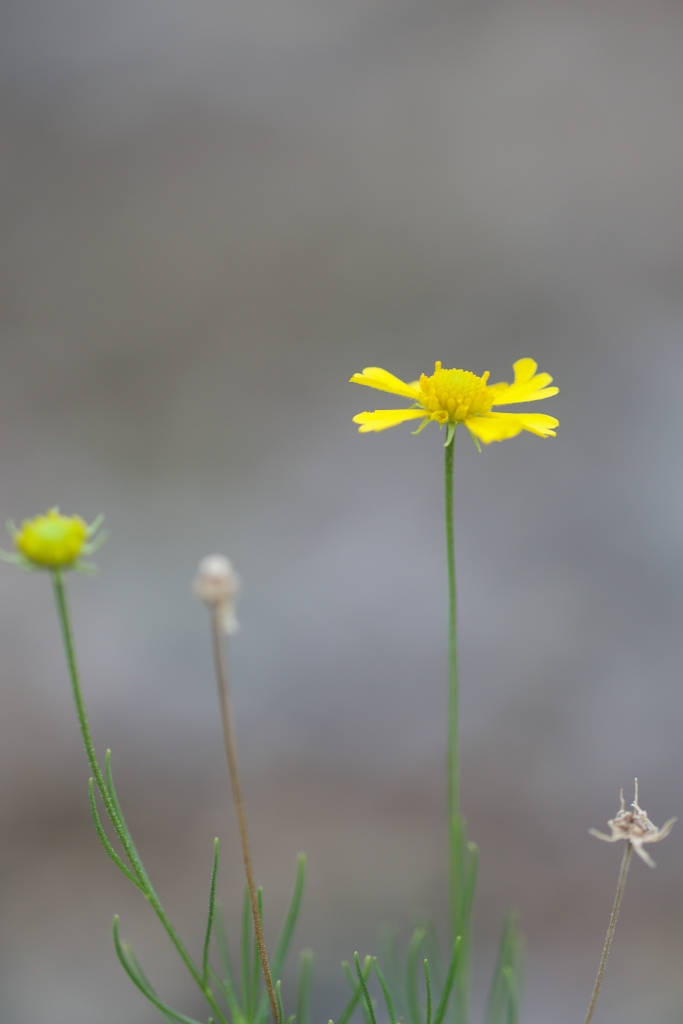
The bottom left shot shows the desiccated remains of a Monarda sp. (hard to tell them apart from just the skeletal remains). Meanwhile, in the lower right is Tetraneuris scaposa or Four-nerve daisy, a perennial that can bloom throughout all four seasons, given the right conditions.

And so it goes…

###
 

What was blooming (or not) 25 May 2020

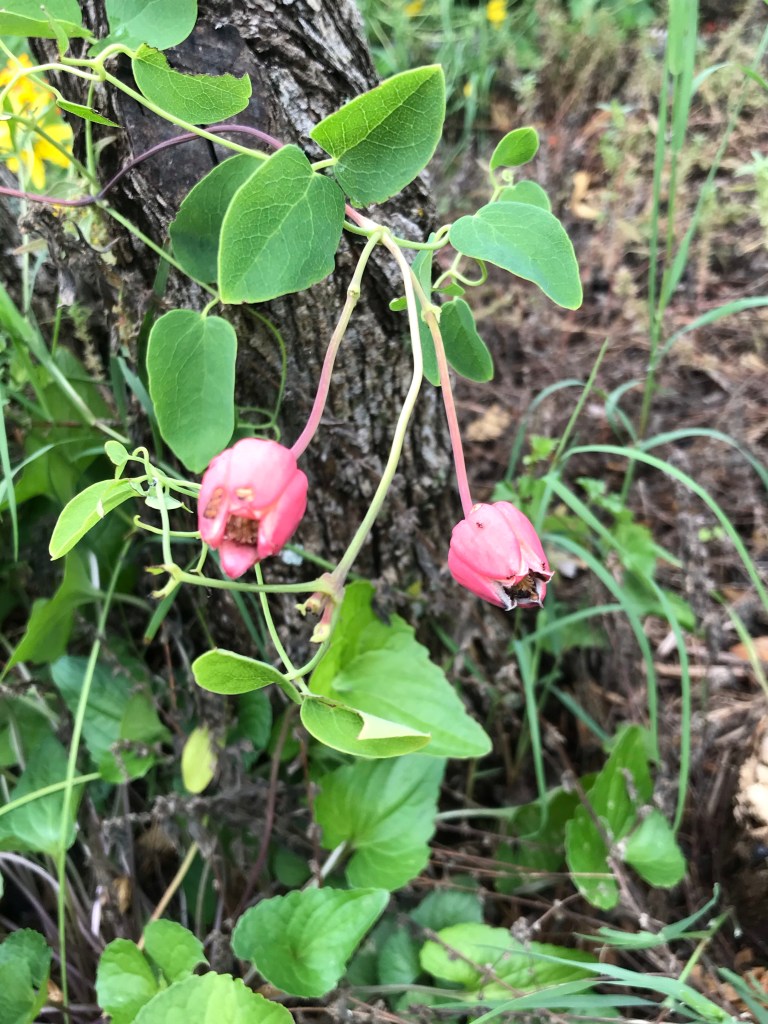
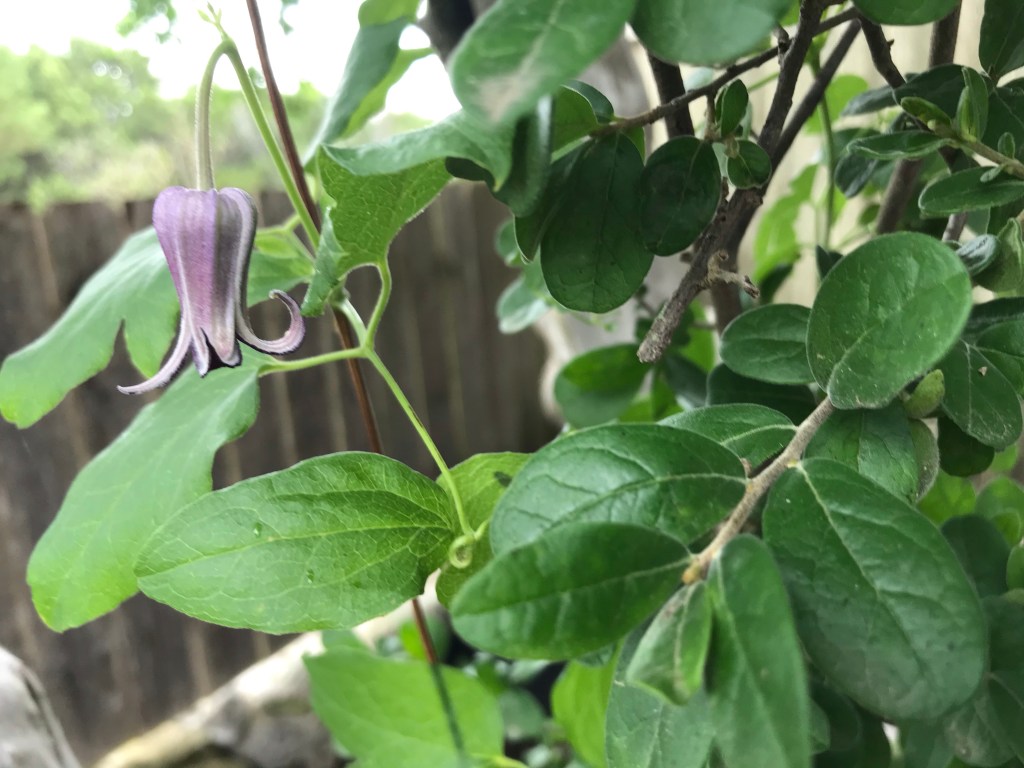
Clematis pitcheri (Purple leather flower) (cultivated)

(Posted about a year ago – edited to add the names of the plants), Went out in the yard and beyond today and captured a few items of interest. Didn’t go into the front yard because it was getting close to dinnertime.

Lantana urticoides (Texas Lantana)
Salvia farinacea (Mealy blue sage)(cultivated)
Symphyotrichum oblongifolium (Fall aster or Aromatic aster) (cultivated)
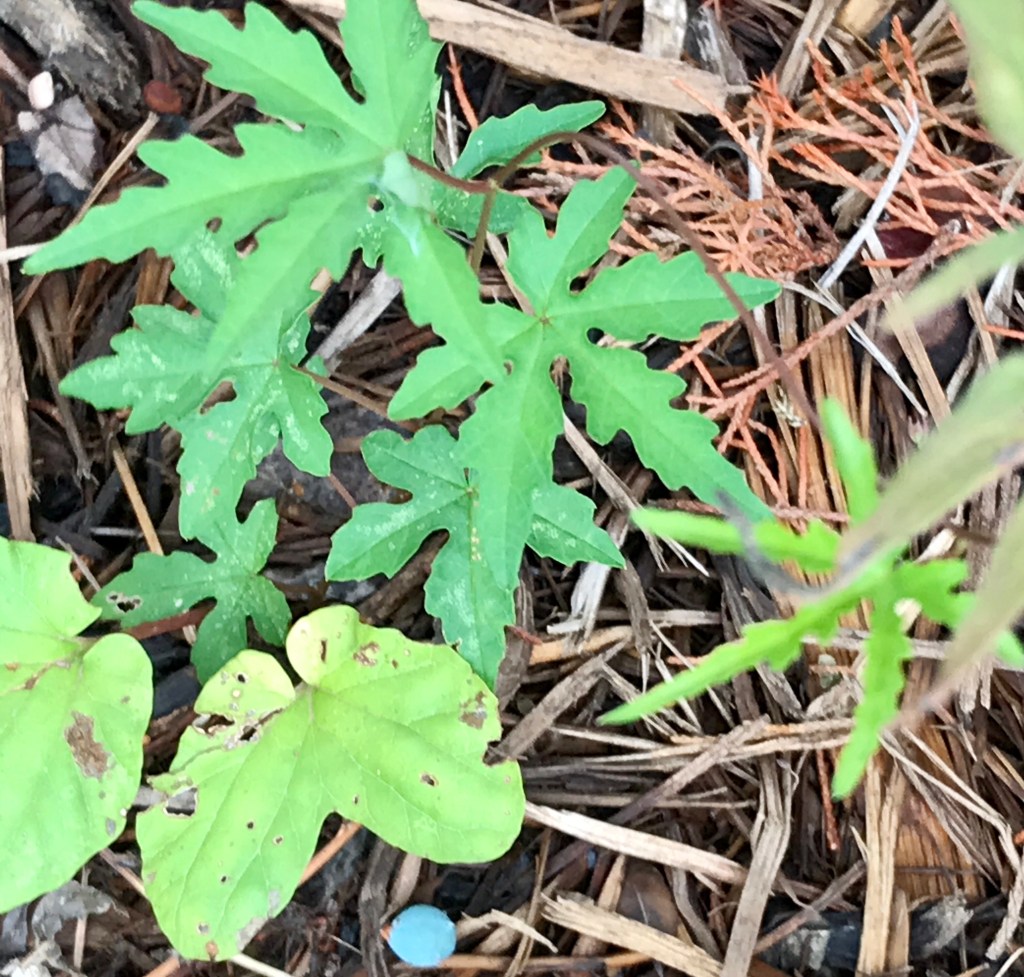
Merremia dissecta. (Alamo vine)(cultivated)(escaped from cultivation)
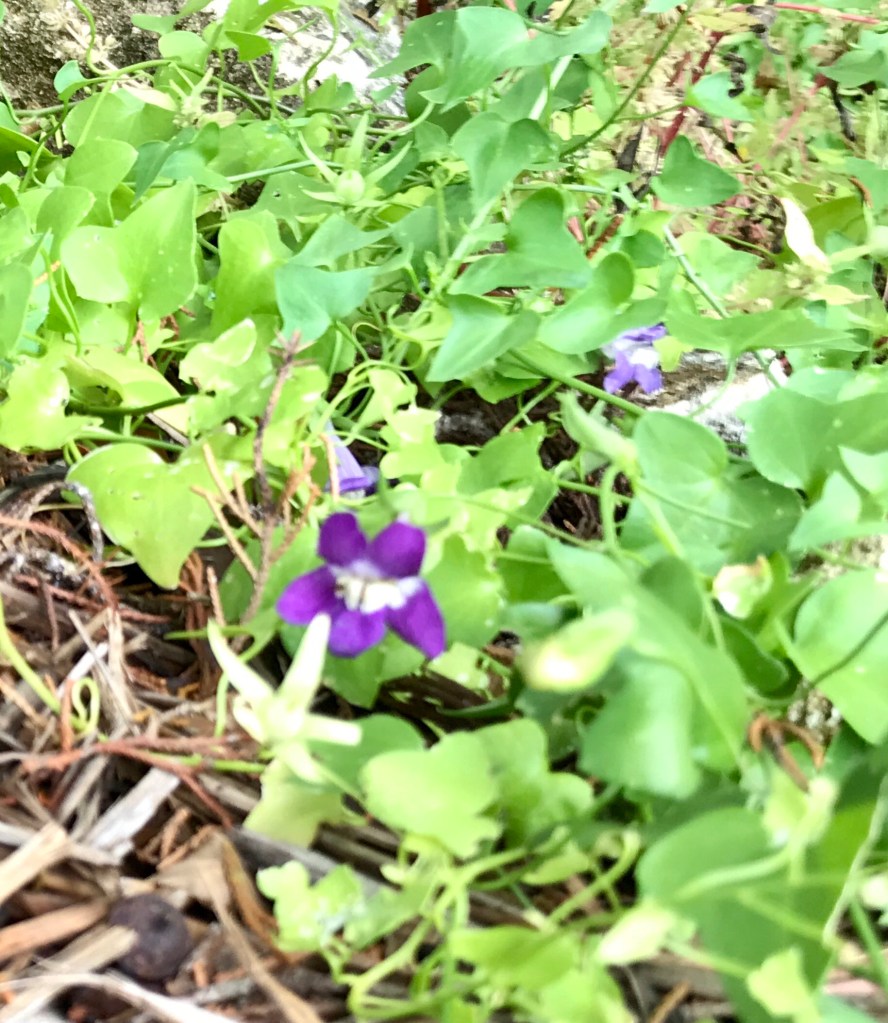
(Maurandella antirrhiniflora) (Roving sailor or Snapdragon vine) (native, not cultivated)
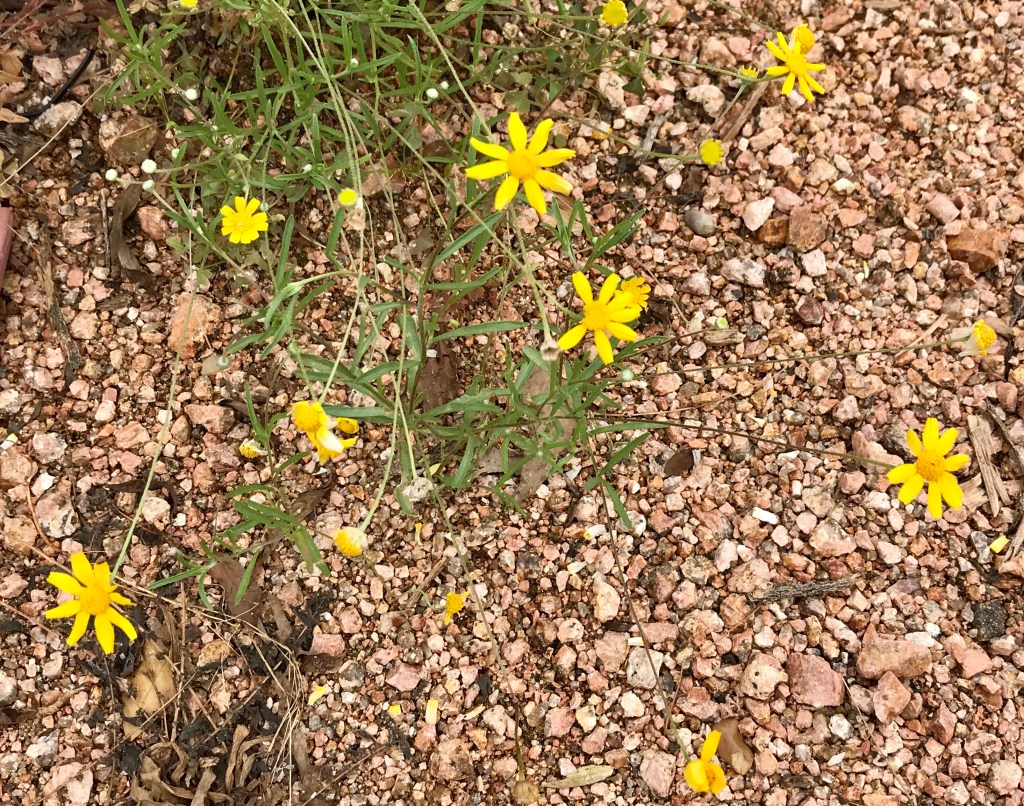
Tetraneuris linearifolia var. linearifolia (Slenderleaf bitterweed) (native, not cultivated)
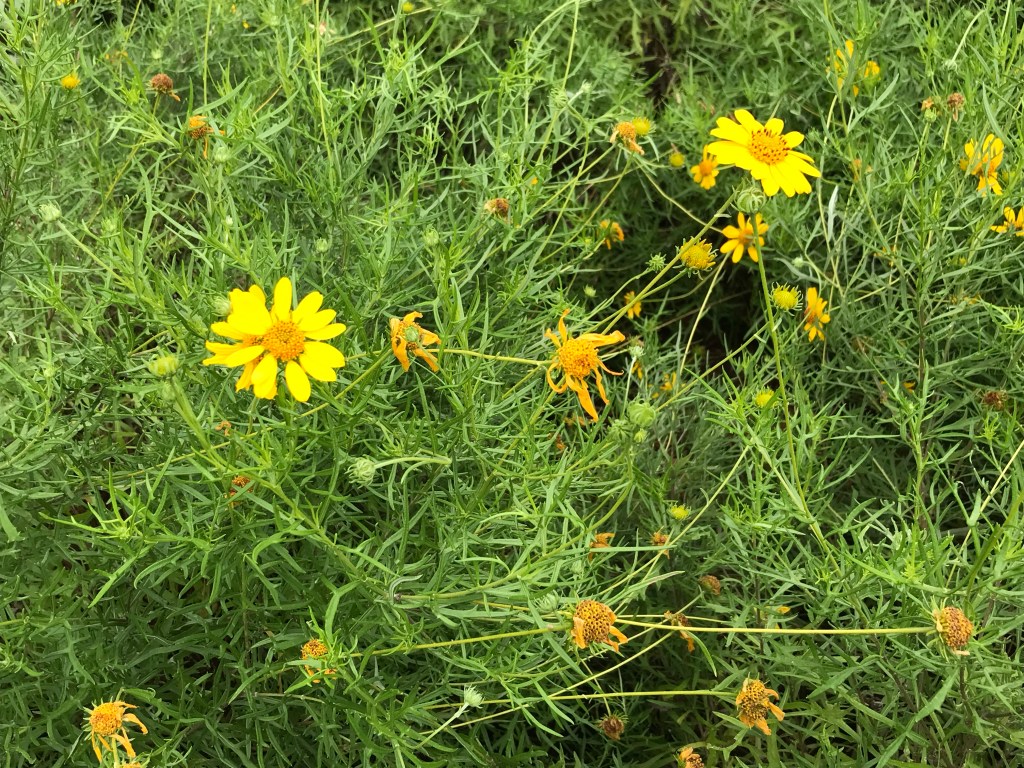
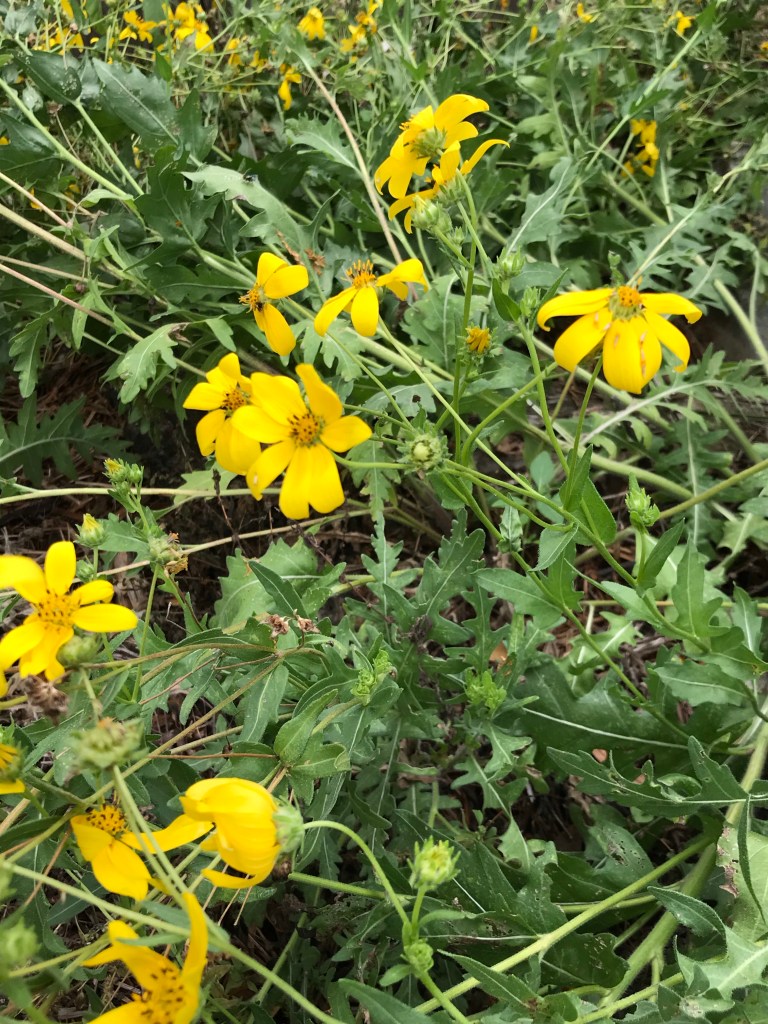
(Viguiera stenoloba) Skeleton-leaf Goldeneye (cultivated)
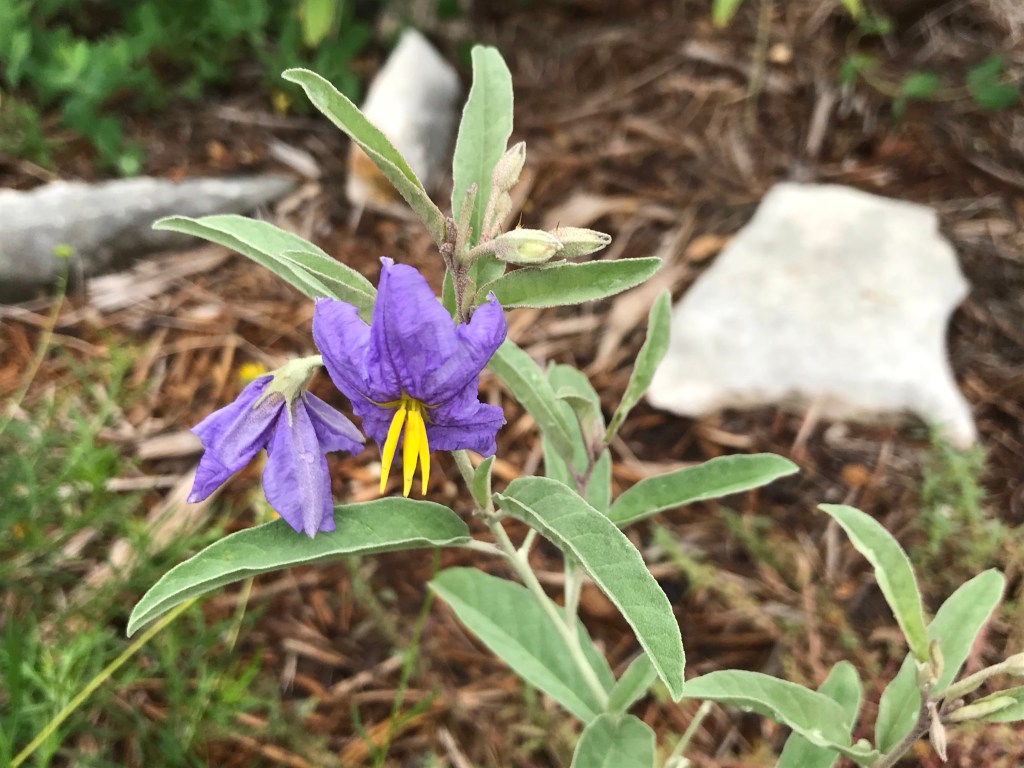
Solanum elaeagnifolium (Silverleaf nightshade) (native, not cultivated)
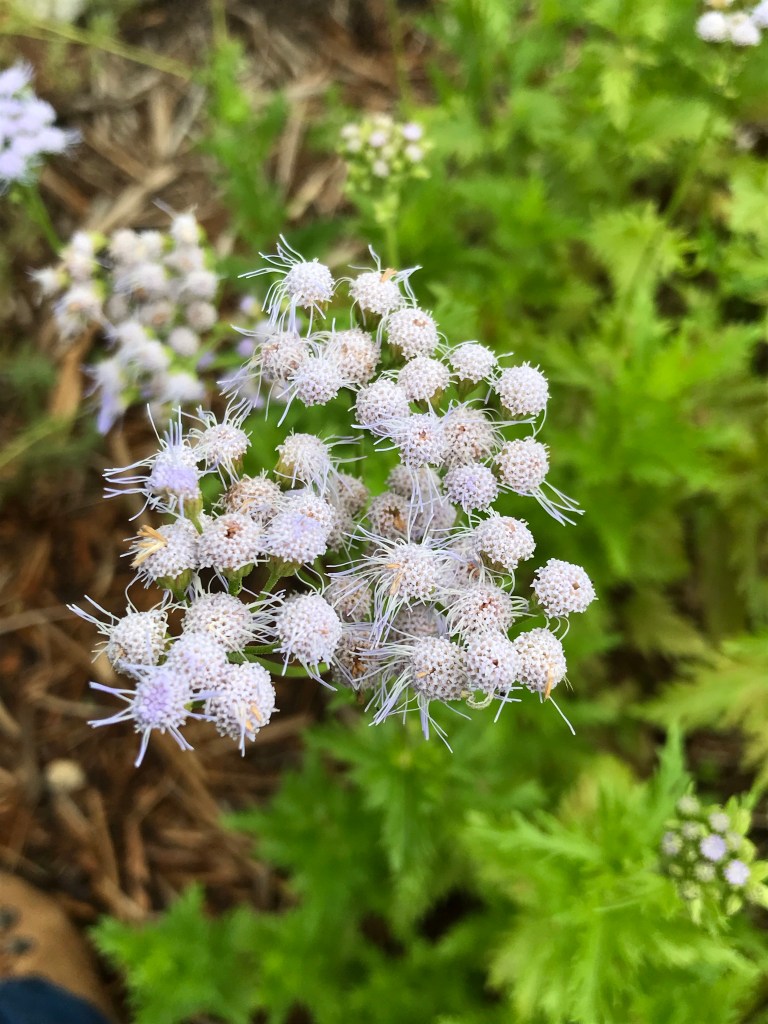
Conoclinium greggii (Gregg’s mistflower) (cultivated)
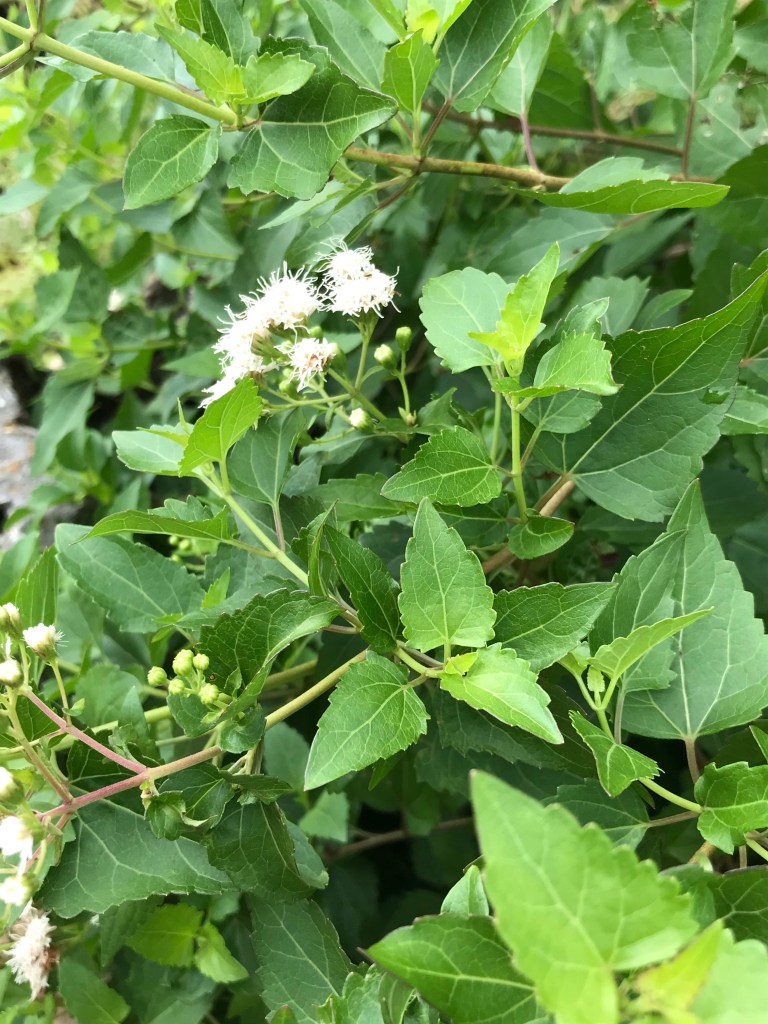
Ageratina havanensis (White mistflower, White boneset) (cultivated)
Viguiera stenoloba . (Skeleton-leaf goldeneye) (cultivated)
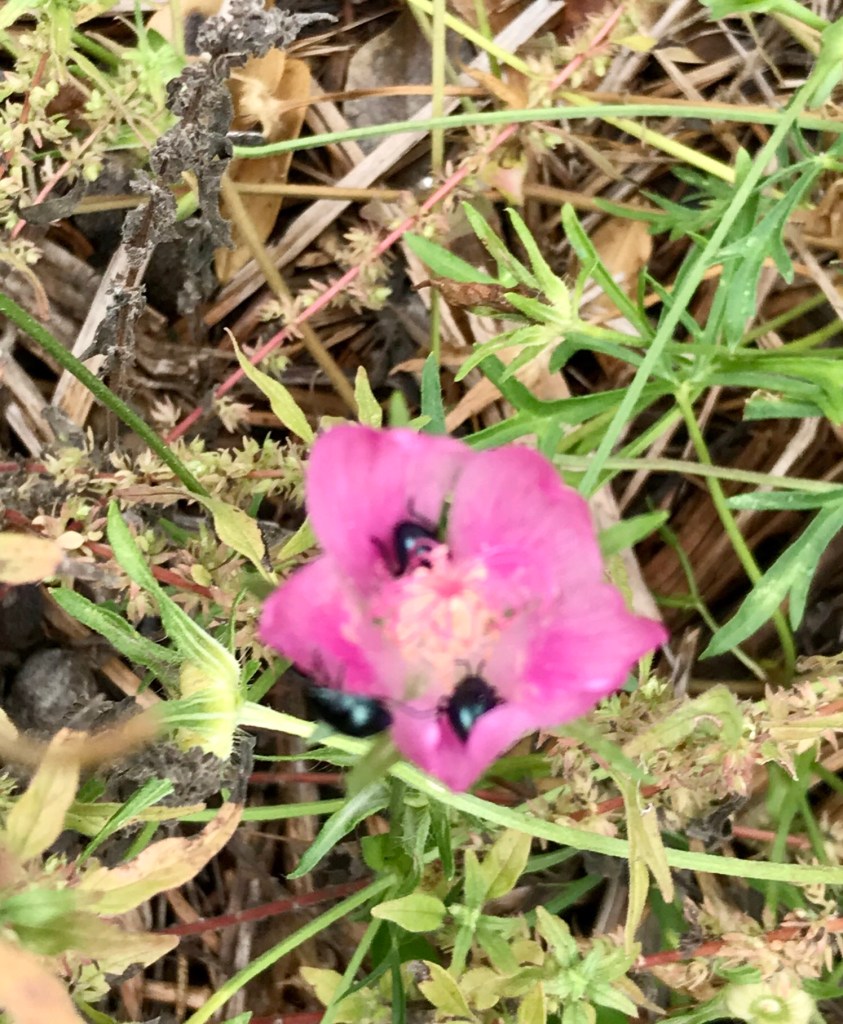
Callirhoe involucrata (Winecup, Purple Poppy Mallow)(cultivated)
Clematis texensis (Scarlet Clematis, Scarlet Leatherflower, Texas Clematis)(cultivated)
Opuntia sp. (Prickly pear)(cultivated, “spineless varietal)
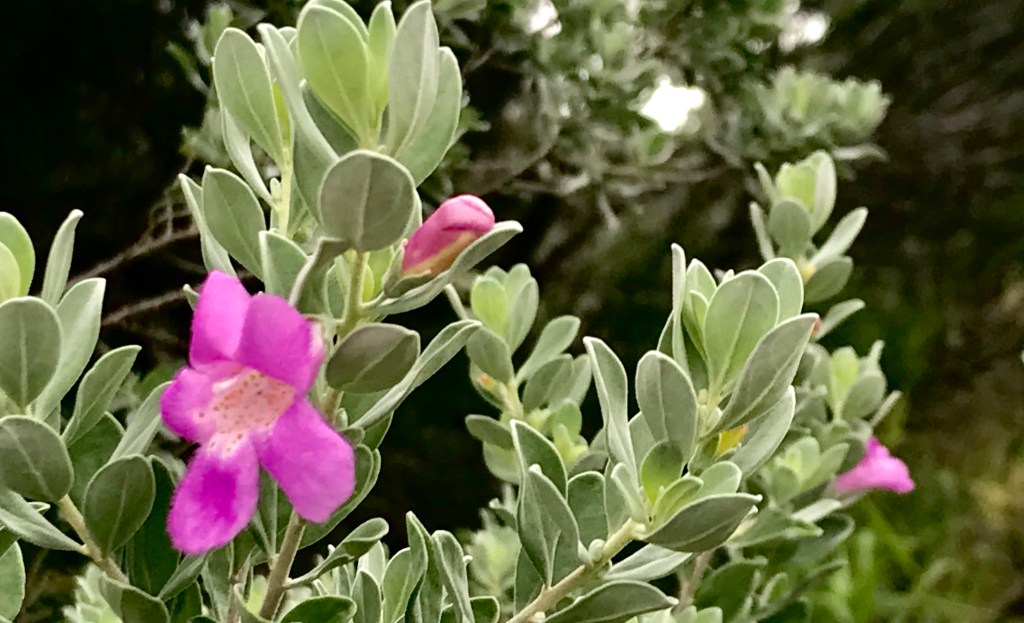
Luchophxllum frutescems (Cenizo, Purple sage, Trvas sage)(cultivated))
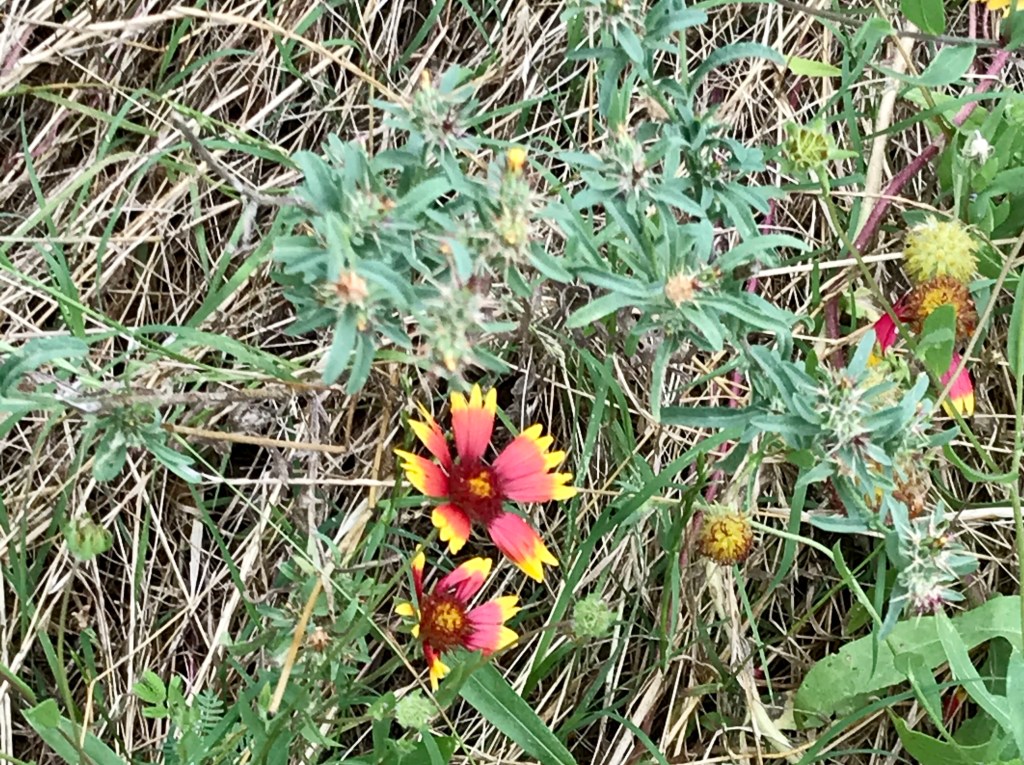
Gaillardia pulchella (Firewheel, Indian Blanket) (natiive, not cultivated)
Oenothera speciosa (Pink Evening Primrose, Pink Ladies) (native, not cultivated)
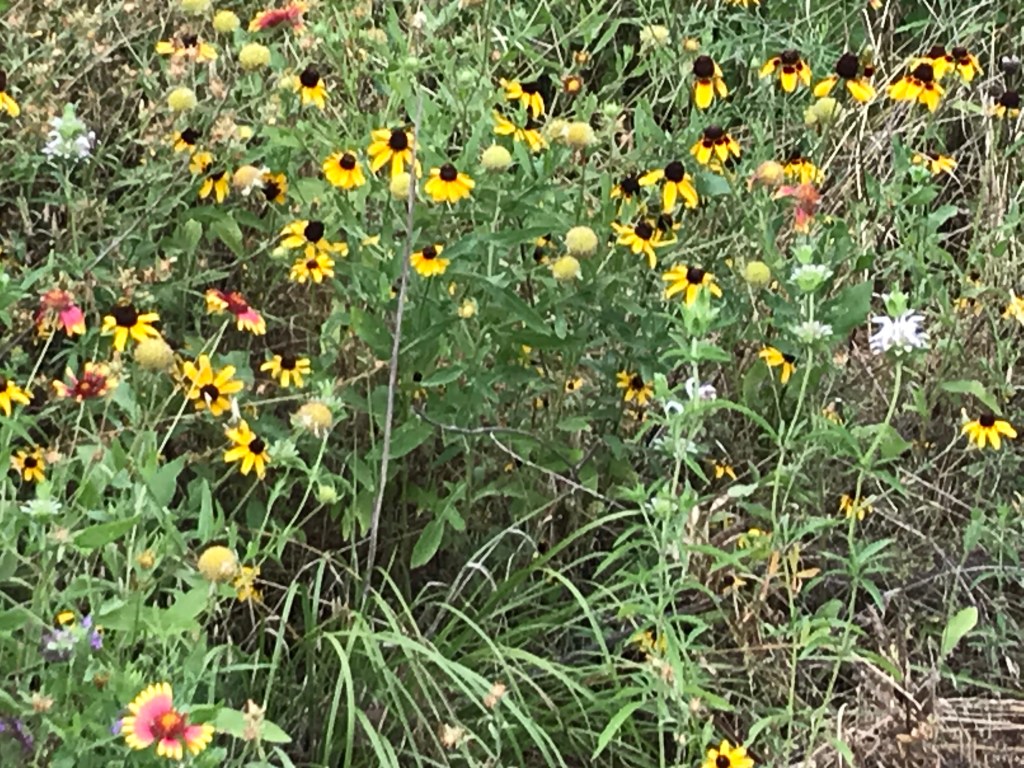
A variety of native plants (mostly)
Glandularia bipinnatifida (Dakota Mock Vervain, Prairie verbena) (native, not cultivated)
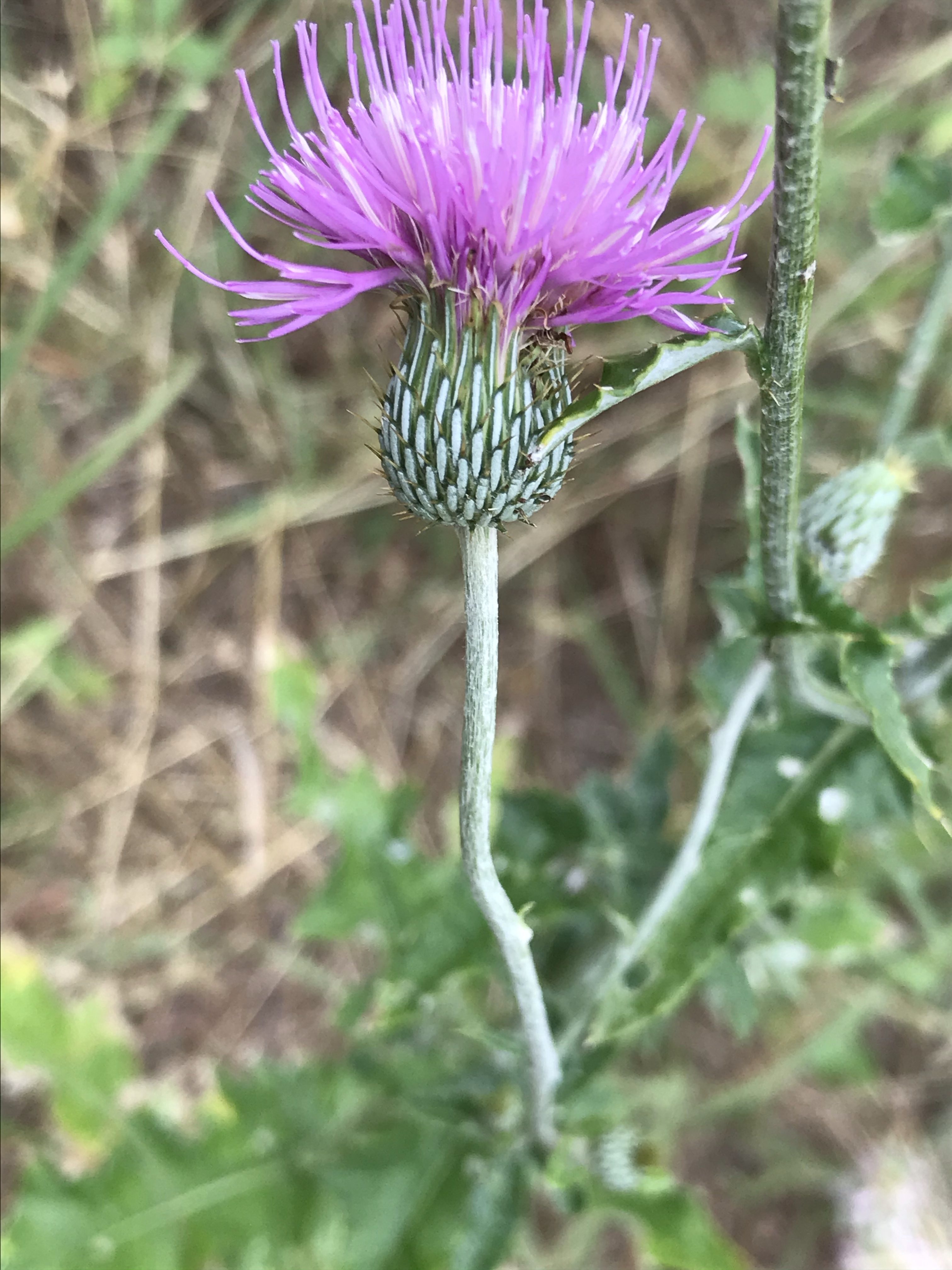
Cirsium texanum (Texas Thistle) (native, not cultivated)
Gaillardia pulchella (Indian Blanket) including recessive gene lacking red pigment, “Sunwheel” (native, not cultivated)
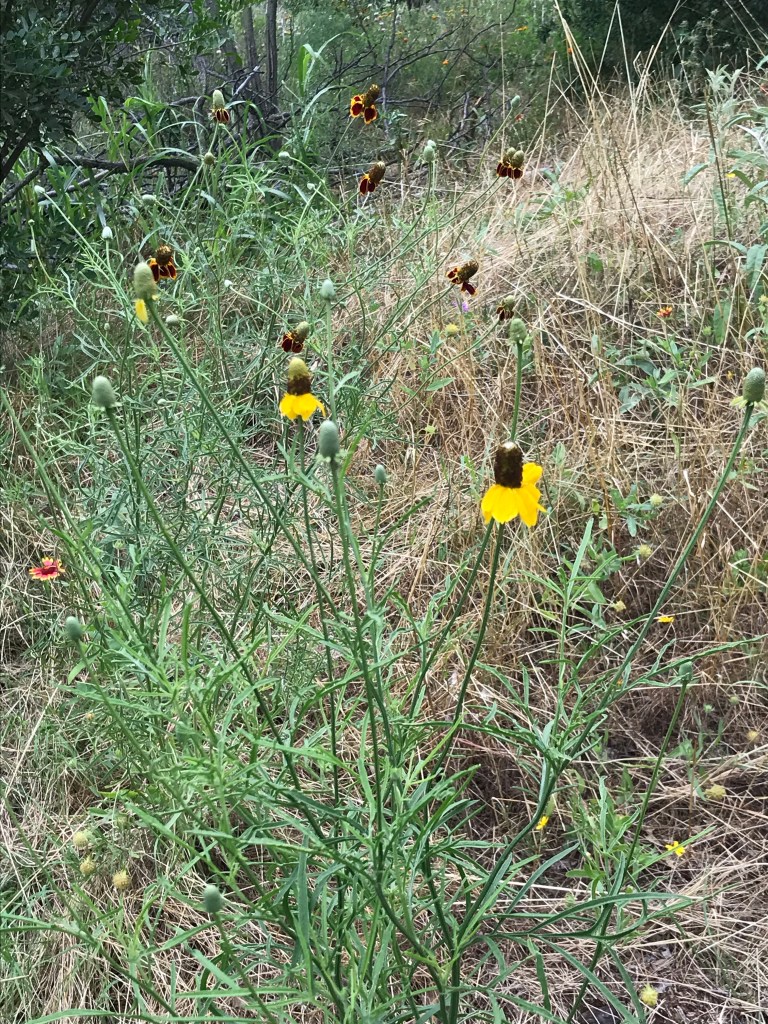
Ratibida columnifera (Prairie Coneflower, Mexican Hat)(native, not cultivated)

Monarda citriodora – Purple Horsemint

Horsemint - Monarda citriodora

Horsemint – Monarda citriodora

The individual flowers also remind one of the Charles Munch painting The Scream, according to some folks I know. Look as hard as I can, I still don’t see it. It attracts bees and butterflies and is a common sight throughout the hill country. This specimen was photographed back in May during the NPSOT field trip.