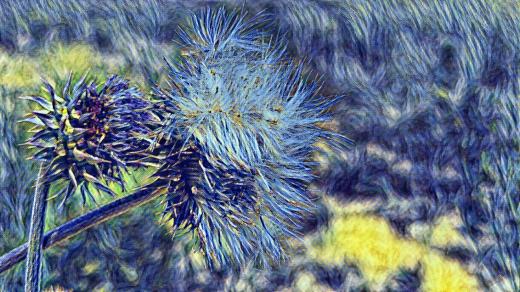
Creating Art with Musk Thistle: Van Gogh Inspired Filters

Or rather, the same photo done in more ways than one…

Musk Thistle (Carduus nutans) is an invasive plant native to Europe, Central  Asia, and North Africa. In the photo above we see on the left a flower getting ready to bloom, and behind it a bloom already ggone to seed. The yellow in the background are either Coreopsis or Brown Eyed Susans, or both, out of the depth of field.


The second version was created using a “psychedelic” set of filters.

The third attempts to recreate Vincent Van Gogh’s general style – again, using software filters.
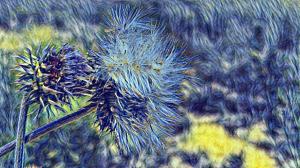
The third variation (and fourth version of the same photo), also uses a Van Gogh approach, this time using a filter that attempts to imitate his Starry Night painting.
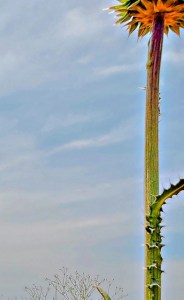
And finally, a “normal” shot accentuating the height of the stem as seen from below. If these photos have pricked your interest about Carduus nutans, you can click on the preceding link to check out the Wikipedia page for more information.

###

Mowed down to the ground, the natives return

  • Texas Bluebonnet floret
  • Devil's Claw / Ram's Horn
  • Horsemint / Bee Balm
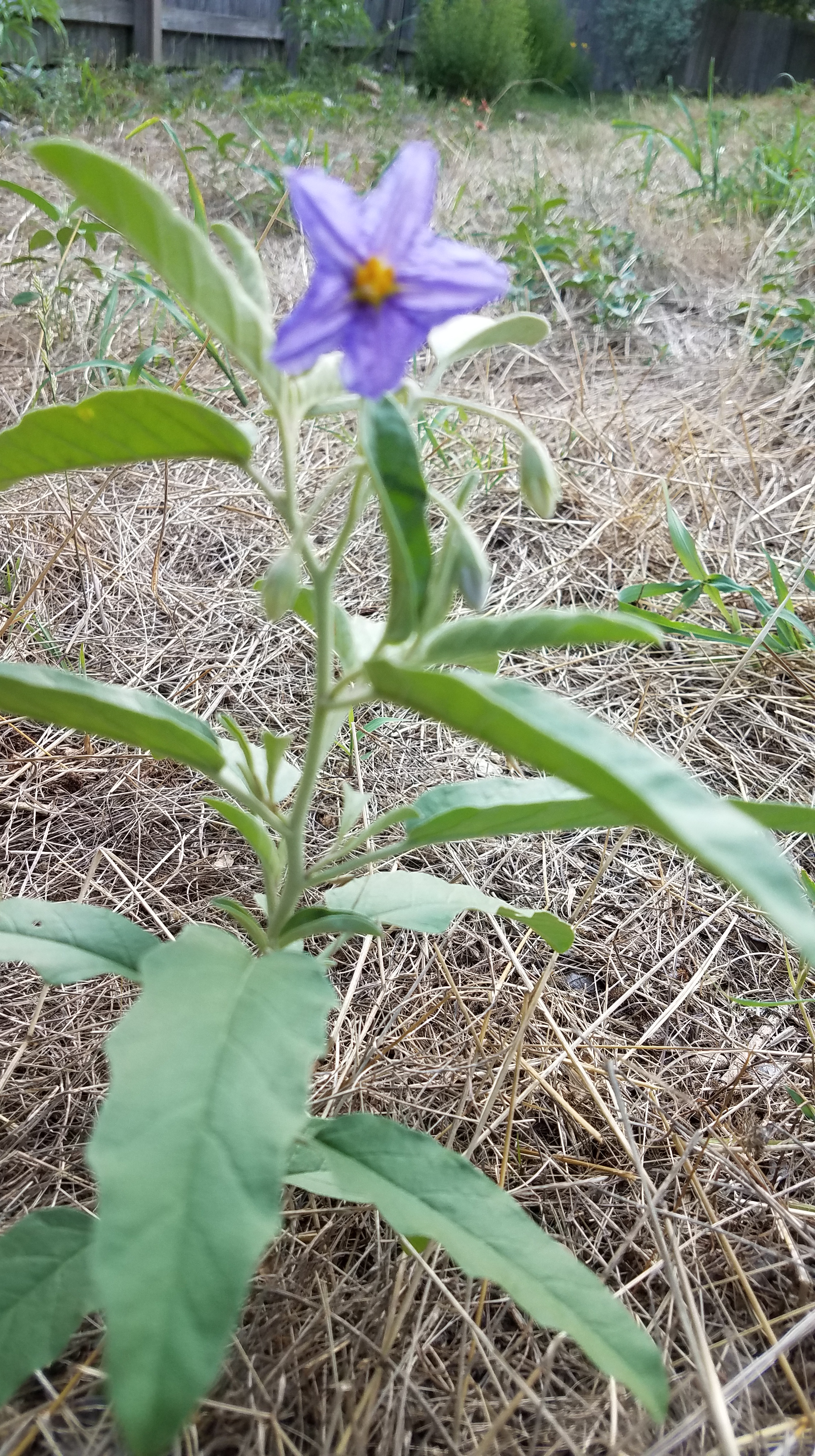
  • Silverleaf nightshade
  • Devil's Claw
  • Devil's Claw
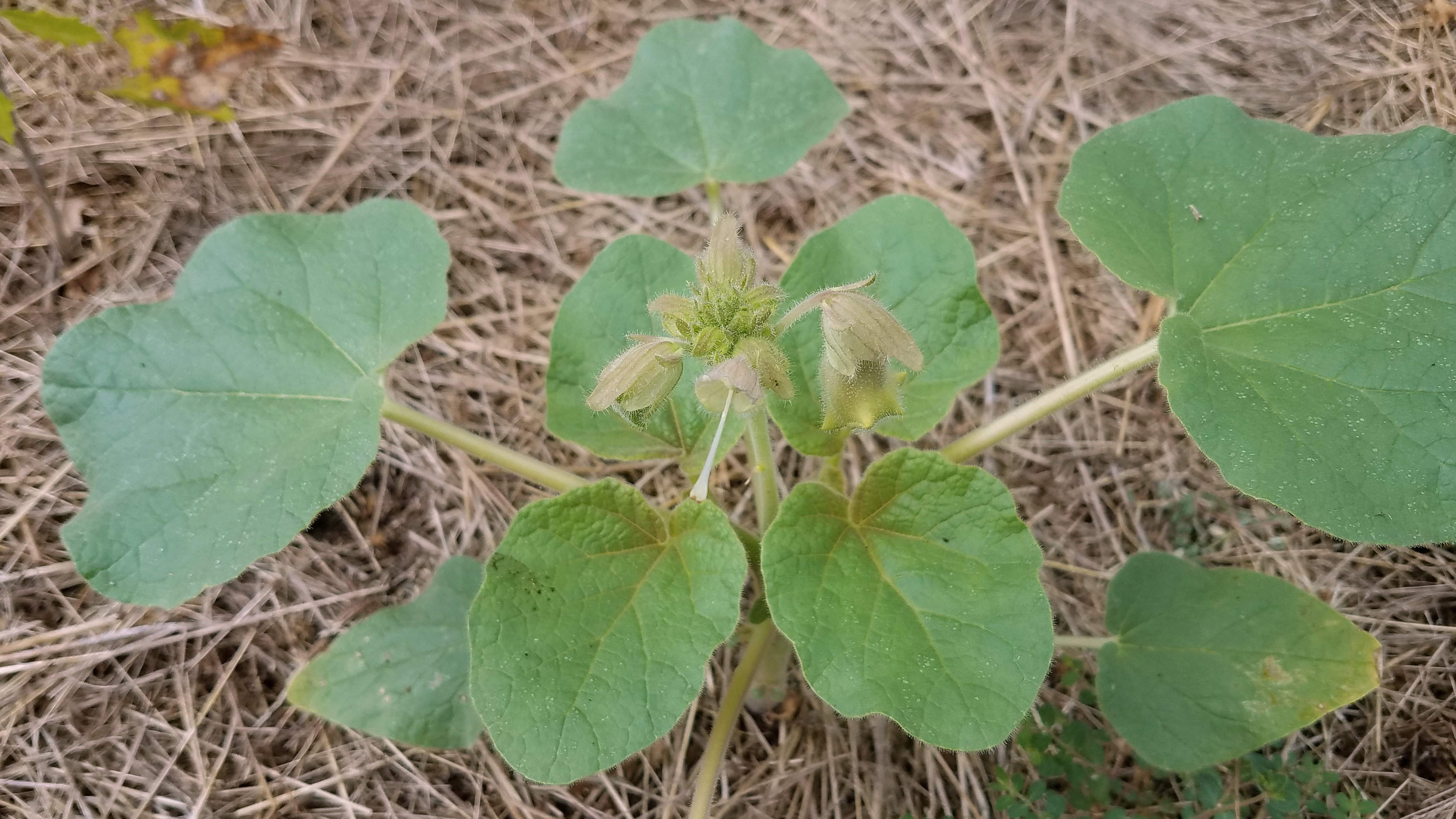
  • Cow-Itch or Sorrel vine
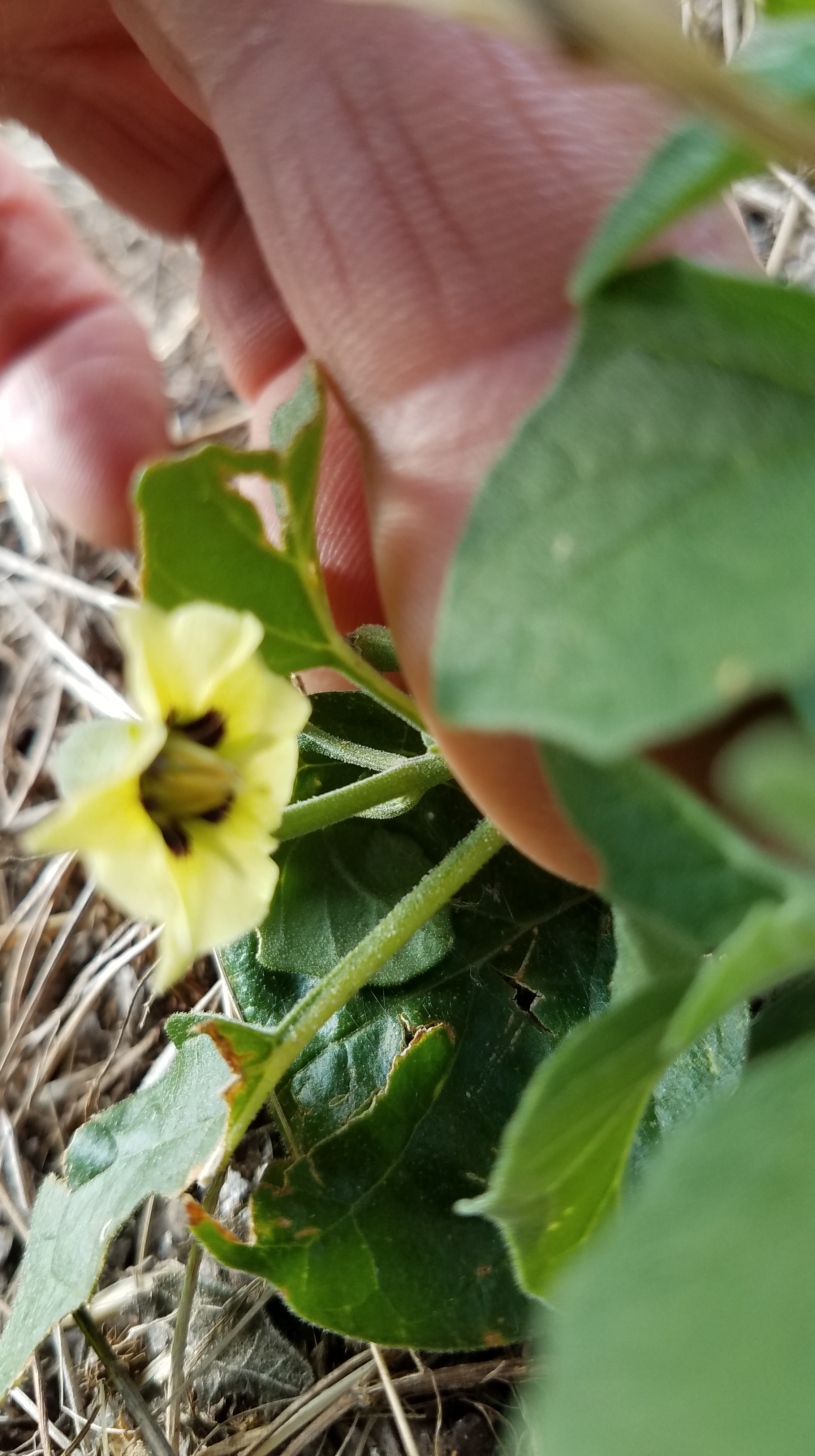
  • Yellow Ground Cherry - one of the Solonaceae
  • Silverleaf Nightshade
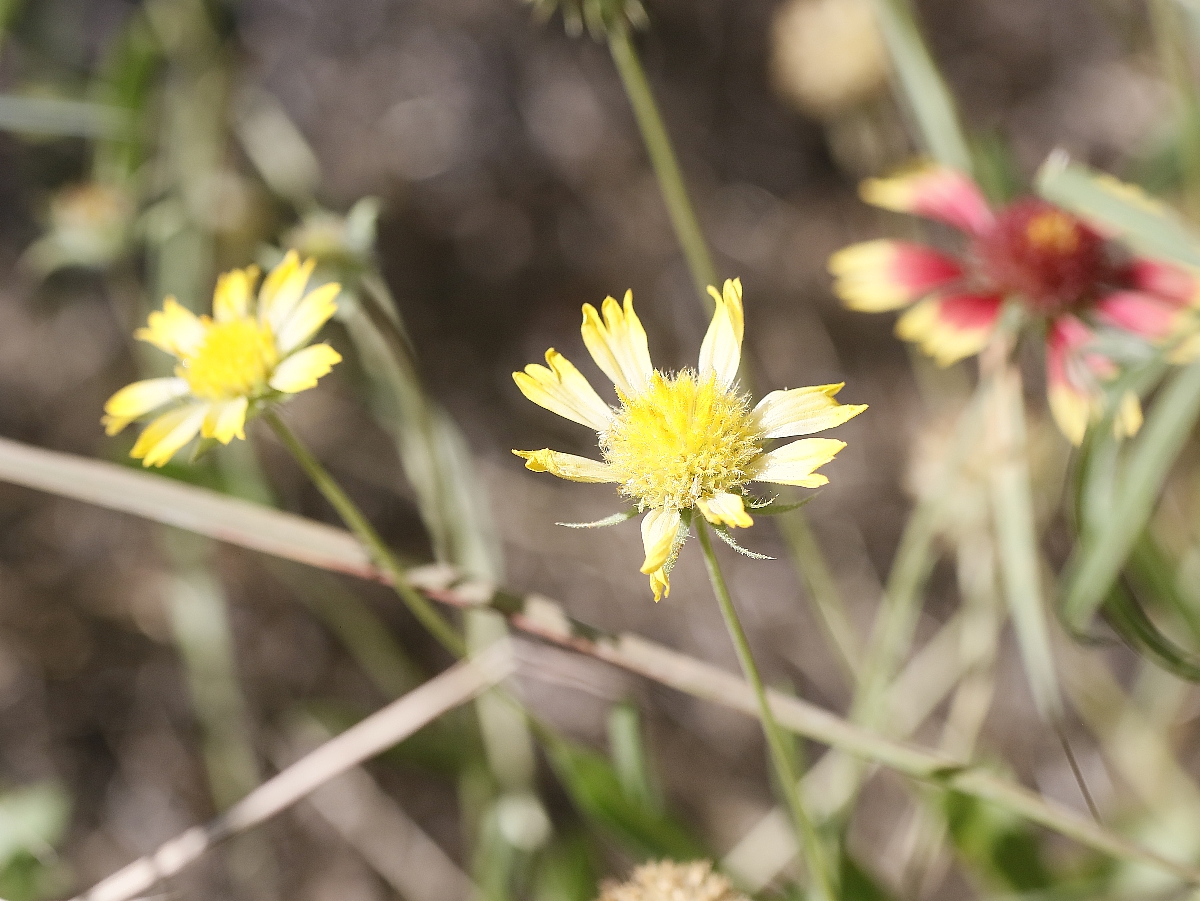
  • Gaillardia pulchella
  • May 27, 2020 - prostrate upright coneflowers (Ratibida columnifera)
  • Ram's Horn or Devil's Claw

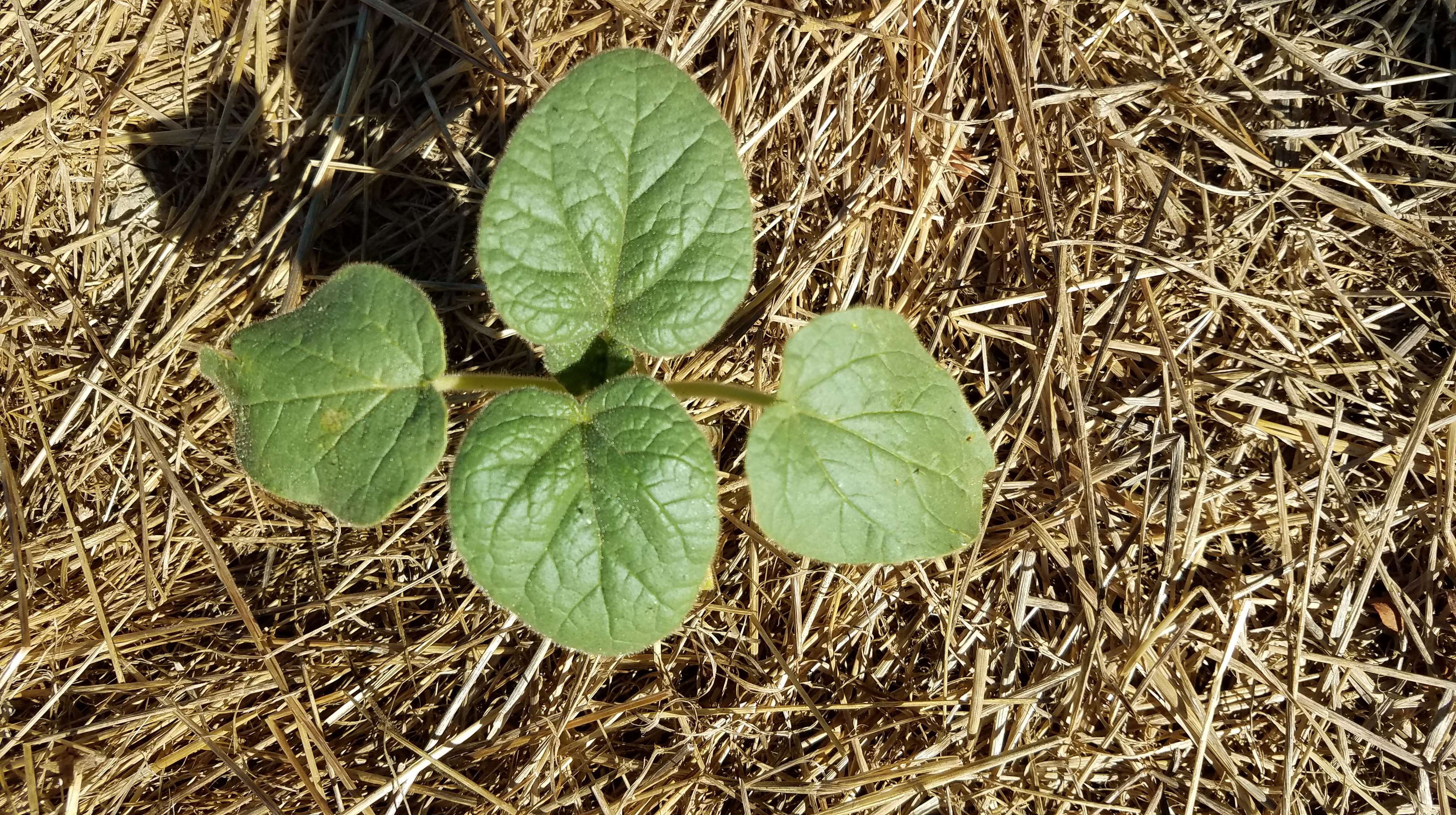
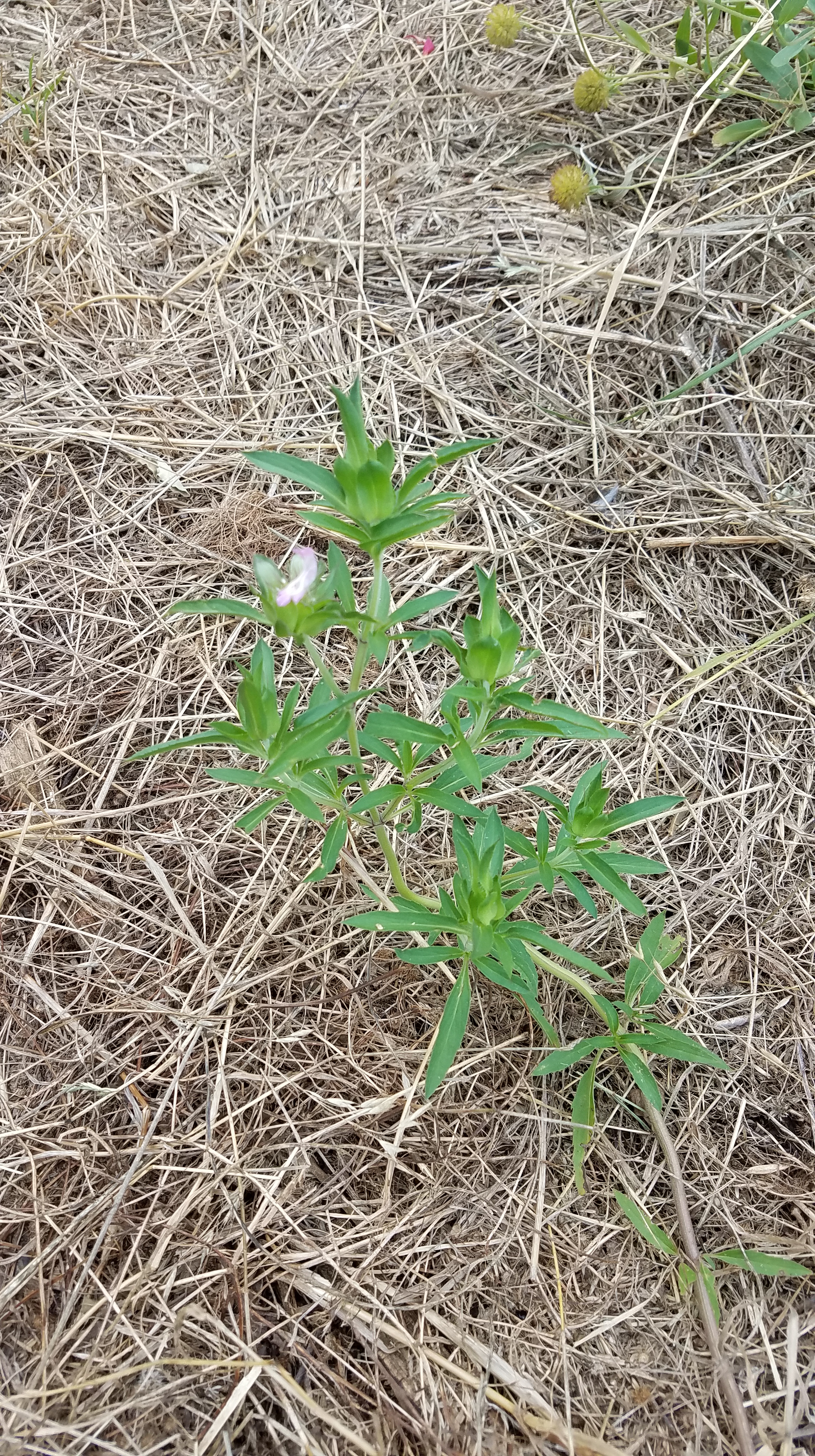
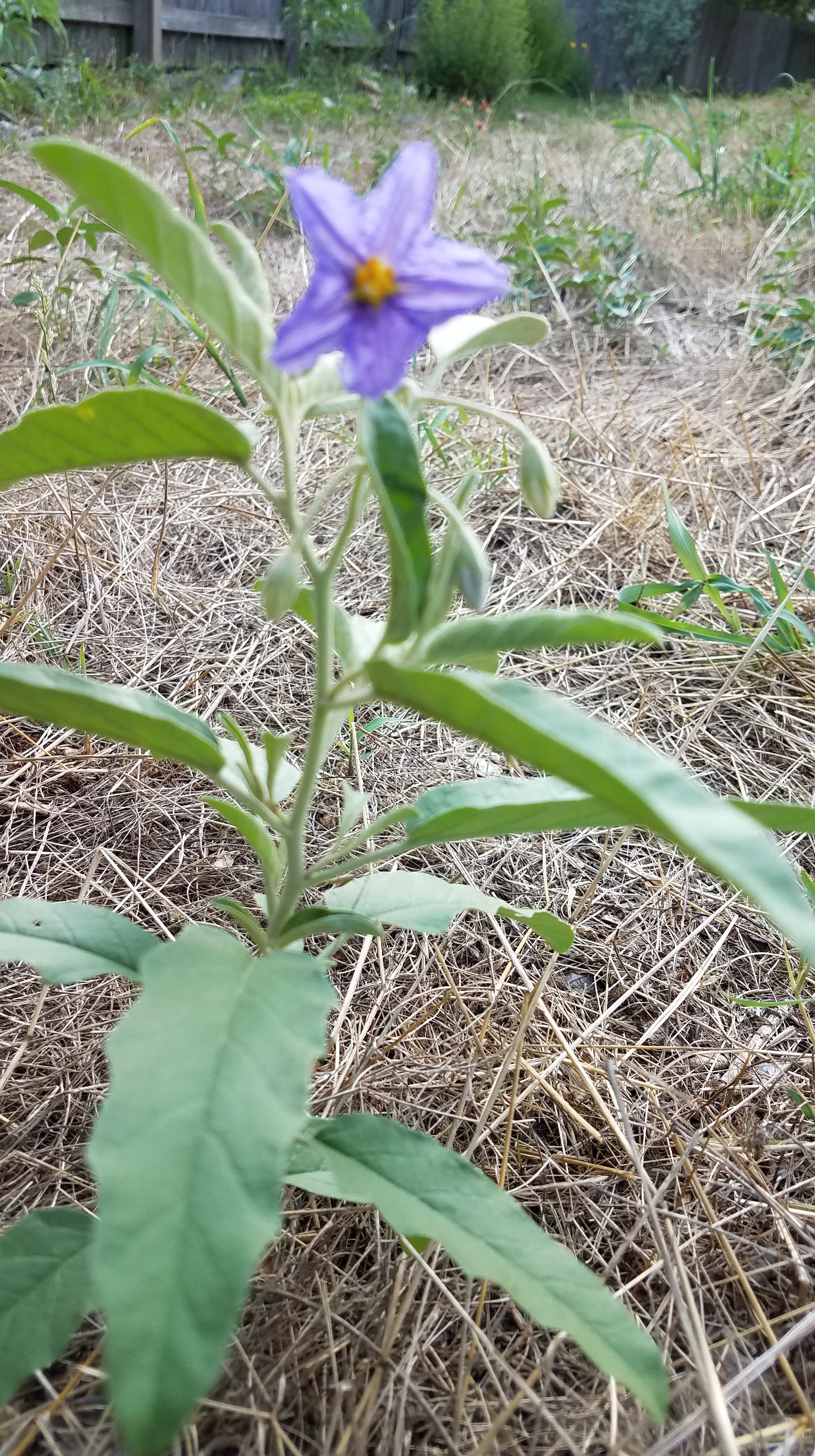
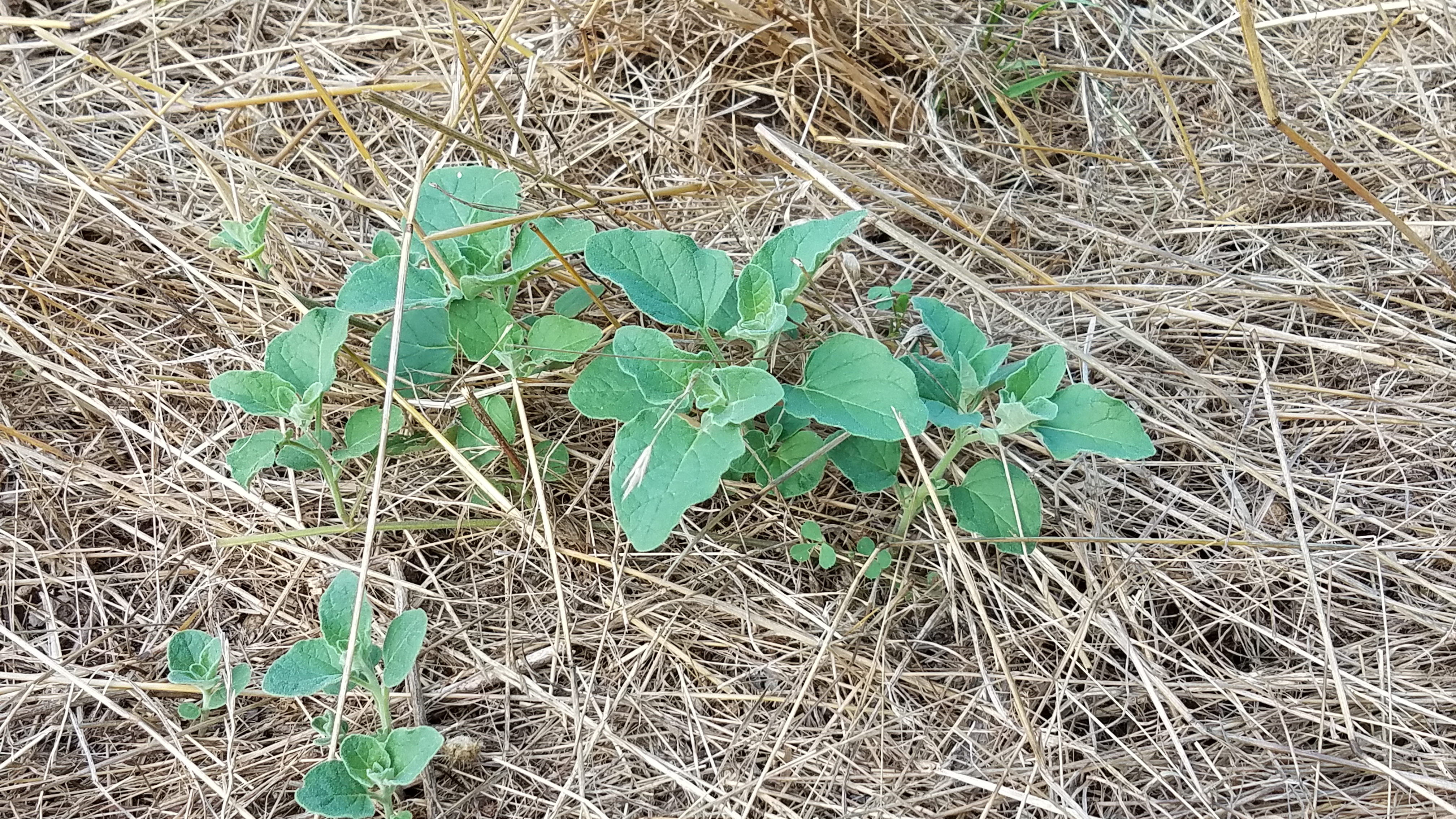
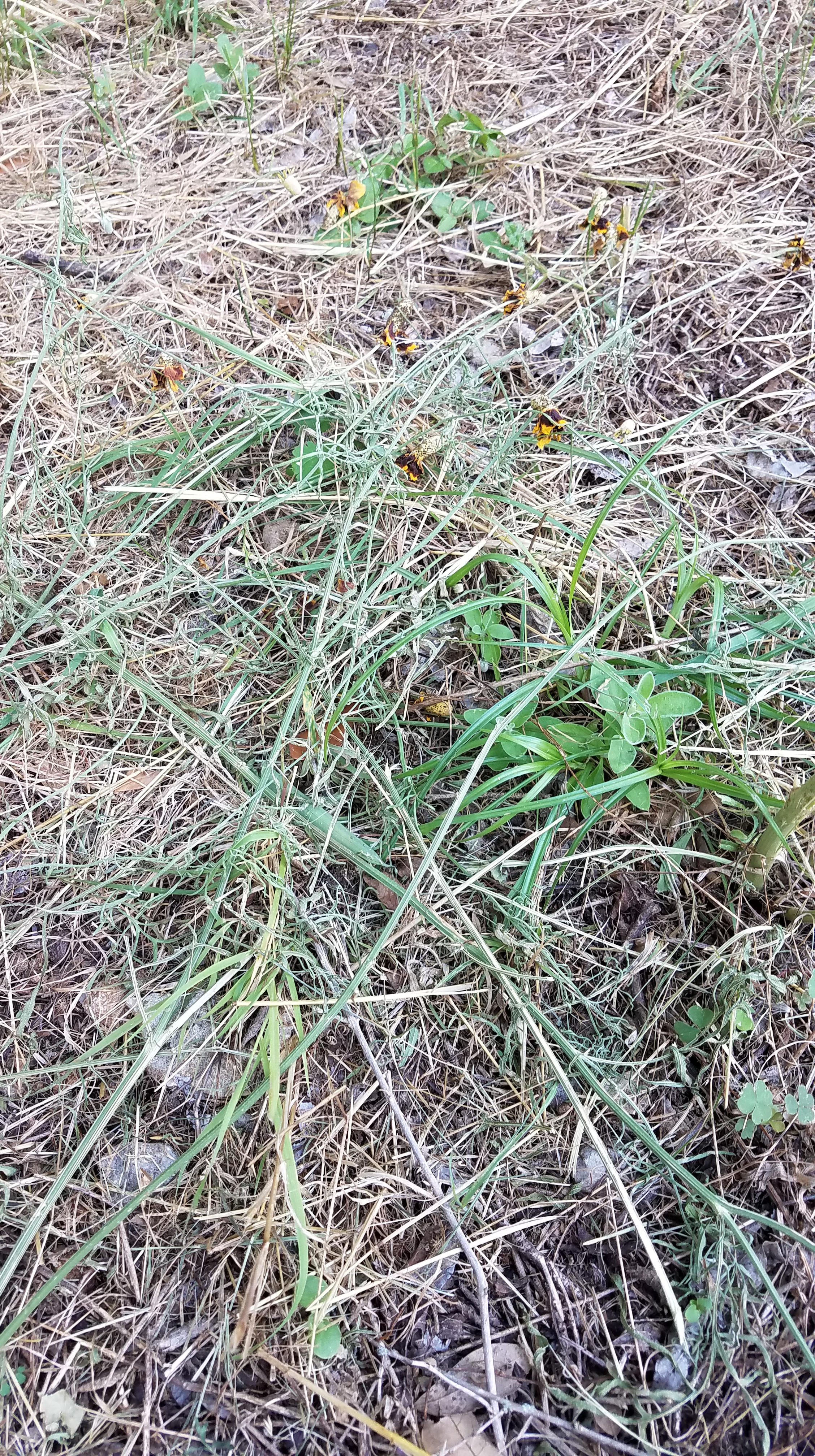
On May 26, the mowers came by and mowed down the stand of wildflowers still in bloom on the berm between my backyard and the greenbelt. But since then, in addition to the Johnson Grass (which is fairly easy to control as an invasive plant), there have been several native Texas plants coming up from the embattled field.

A Texas Bluebonnet floret starts the slide show, and we have Gaiillardia, including some of the “albino” variety that seems to favor this location. Straggler Daisy, a low lying ground cover, and a member of the primrose family.above it. It’s not clear to me yet whether it is small due to lack of nutrients, or if it a different member of the Onotheraceae. I will have to look in my books…

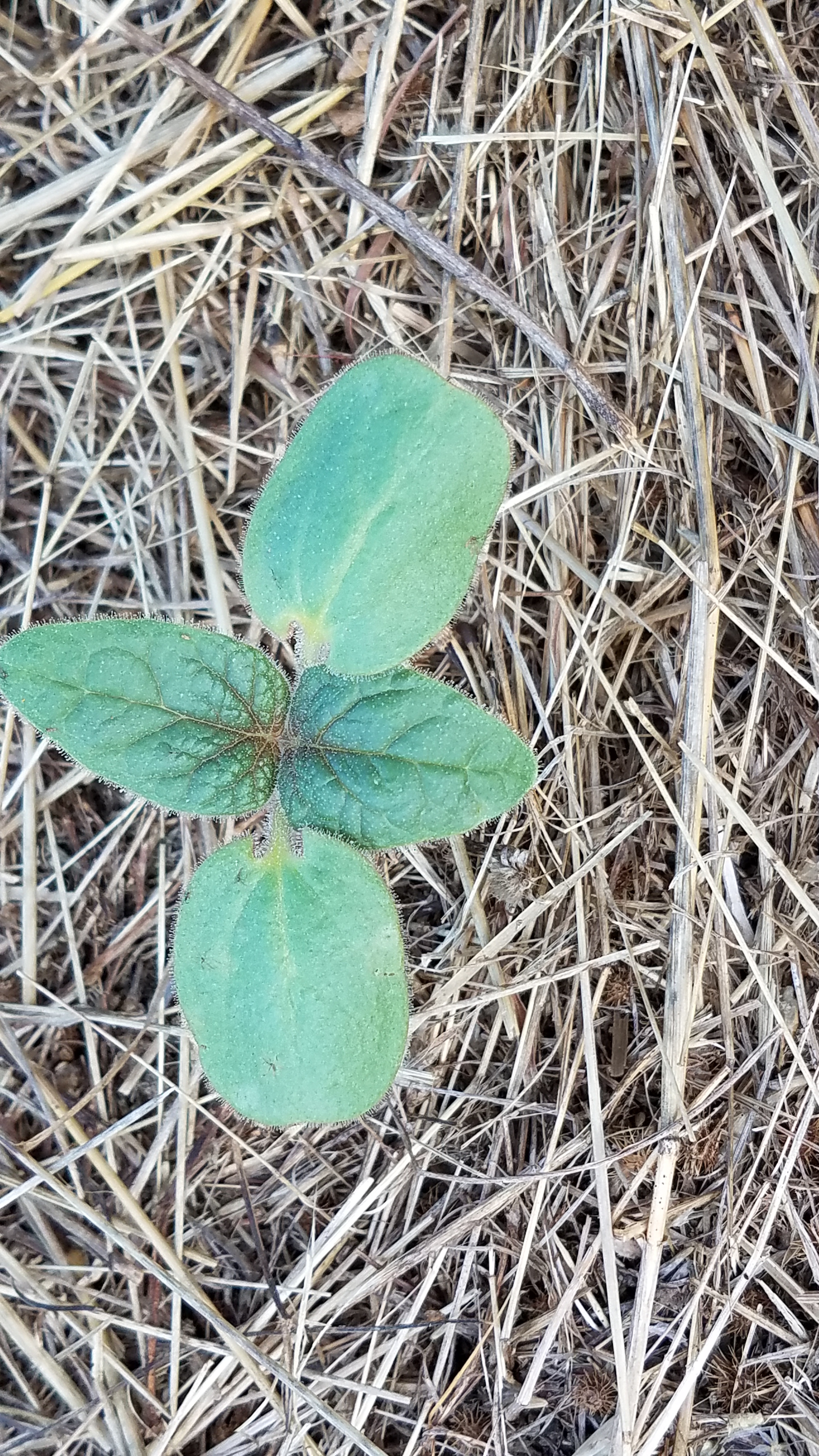
And we have have a few that I haven’t identified but others have seen the photos and suggested Ram’s Hron for one of them. The Prairie Vervain have come, as have several Solonaceae: Silverleaf nightshade, Western Horse Nettle, and even Ground Cherry.

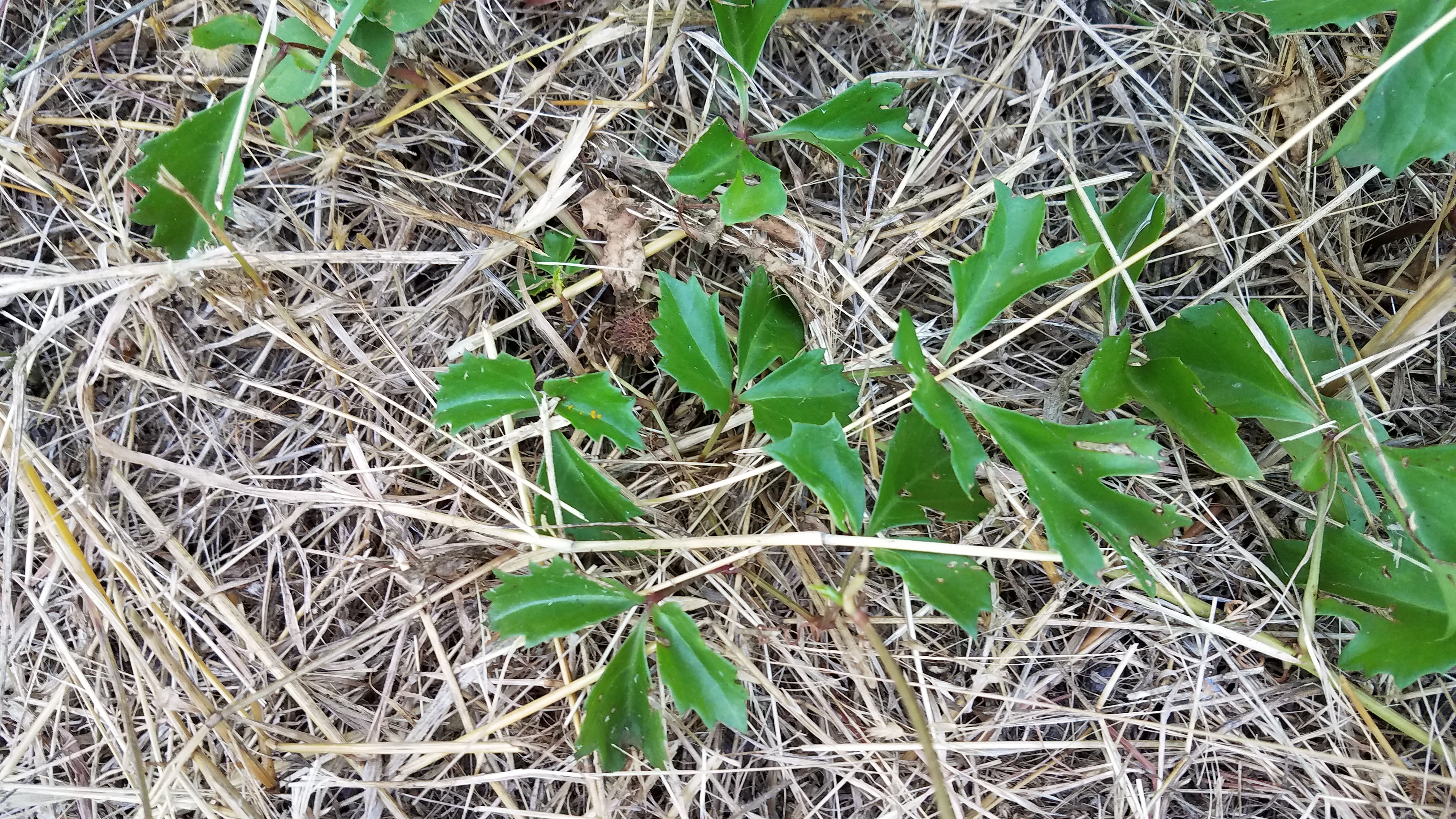
And I should probably note the Poison Ivy, which has entangled itself among some of the other plants. I have been told by an expert in the eradication of invasive plants that mowing is one of the best ways to spread Poison Ivy around.

And shall we do now?