A possible explanation to Monarchs’ dallying around Texas this year

This article came up in my newsfeed recently,.

It suggests  why some Monarch butterflies seem to be hanging around Texas this year – the popularity of Tropical milkweed (Asclepias curassavica). The article further goes on to explain that

” Tropical milkweed becomes a problem when planted in temperate areas where it does not die back in winter. A protozoan parasite of monarch butterflies, Ophryocystis elektroscirrha or OE for short, can travel with monarchs visiting the plants and become deposited on leaves. When caterpillars hatch and start eating the plant, they ingest the OE. High OE levels in adult monarchs have been linked to lower migration success in the eastern monarch population, as well as reductions in body mass, lifespan, mating success, and flight ability.”

Milkweeds native to the region die back after blooming, and with them, the OE. Thus each new flight of Monarchs gets to lay their eggs on new, uninfected milkweeds.

Interestingly, the article was written over three years ago…

Tropical Milkweed is a No-Grow – by the Xerxes Society

On the other hand, I have now seen and photographed Monarchs in my backyard from late March through November . I went to vote  on Tuesday, November ,2, and  observed more than a few Monarch butterflies, both in the greenbelt and in the demonstration garden. Sadly,  many of the flowers being used didn’t appear to be natives.  I also noticed that the milkweeds at the community center garden appear to be Tropical milkweed. (They have yellow flowers instead of orange flowers).

Some plants and wildlife in October:
What was blooming (or not) 25 May 2020

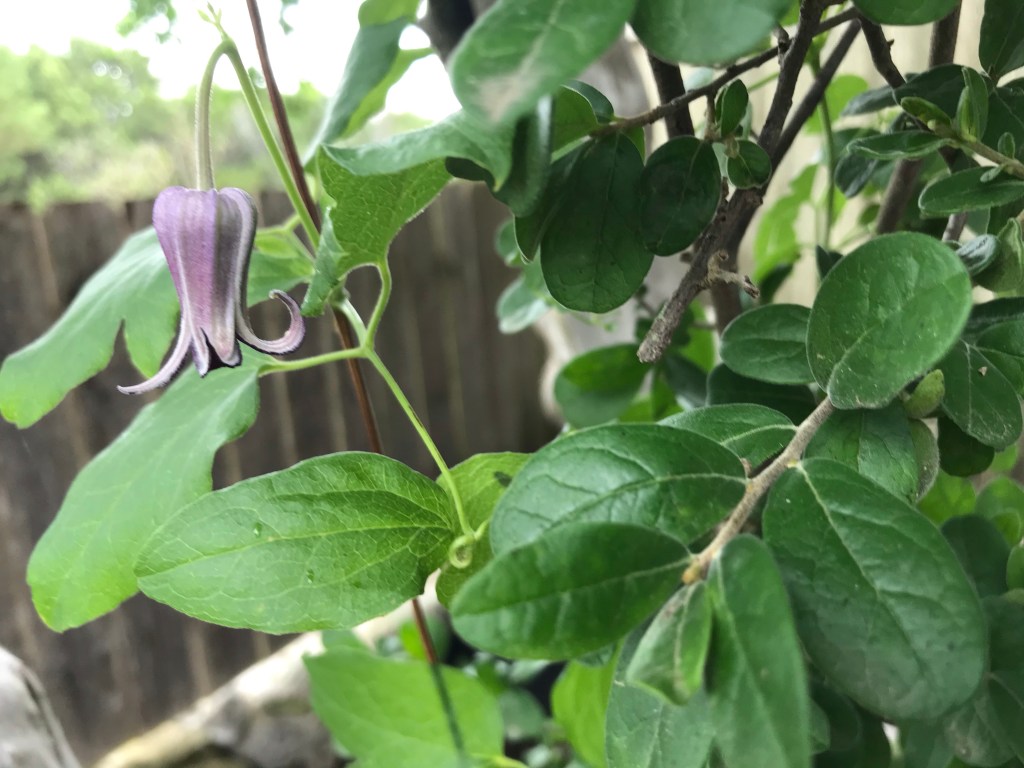
Clematis pitcheri (Purple leather flower) (cultivated)

(Posted about a year ago – edited to add the names of the plants), Went out in the yard and beyond today and captured a few items of interest. Didn’t go into the front yard because it was getting close to dinnertime.

Lantana urticoides (Texas Lantana)
Salvia farinacea (Mealy blue sage)(cultivated)
Symphyotrichum oblongifolium (Fall aster or Aromatic aster) (cultivated)
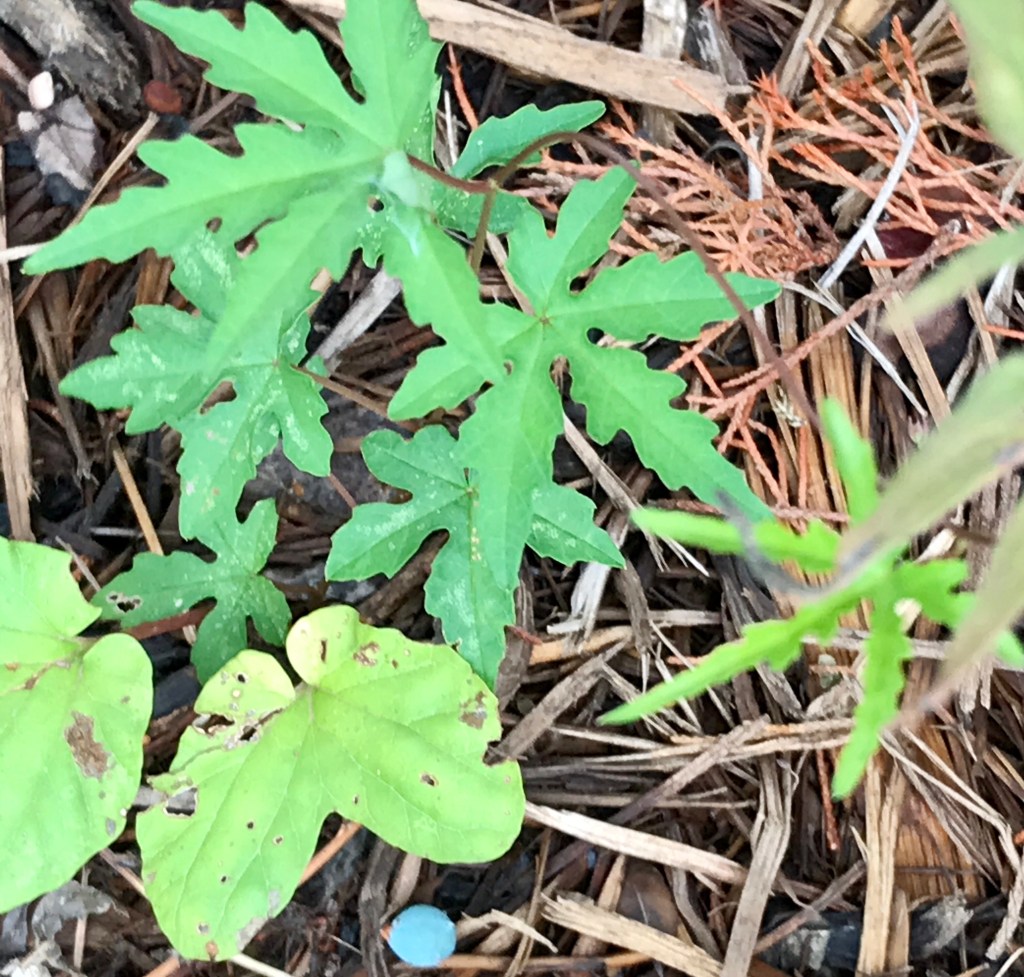
Merremia dissecta. (Alamo vine)(cultivated)(escaped from cultivation)
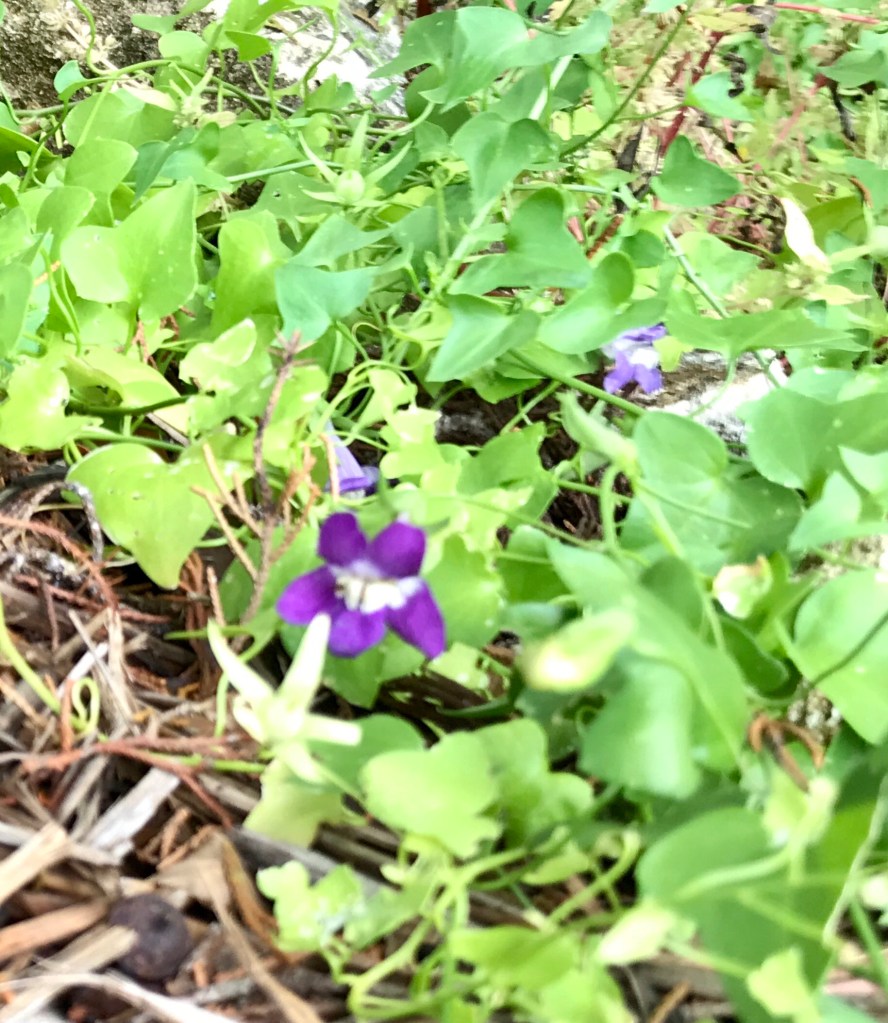
(Maurandella antirrhiniflora) (Roving sailor or Snapdragon vine) (native, not cultivated)
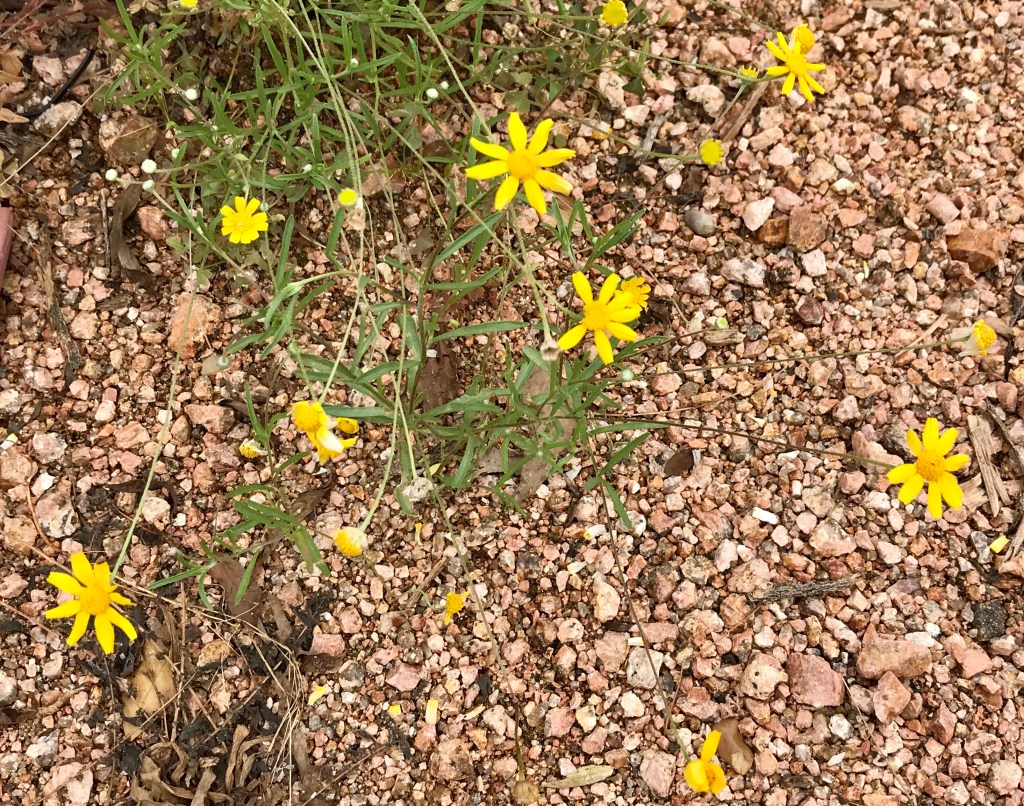
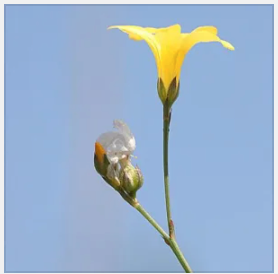
Tetraneuris linearifolia var. linearifolia (Slenderleaf bitterweed) (native, not cultivated)
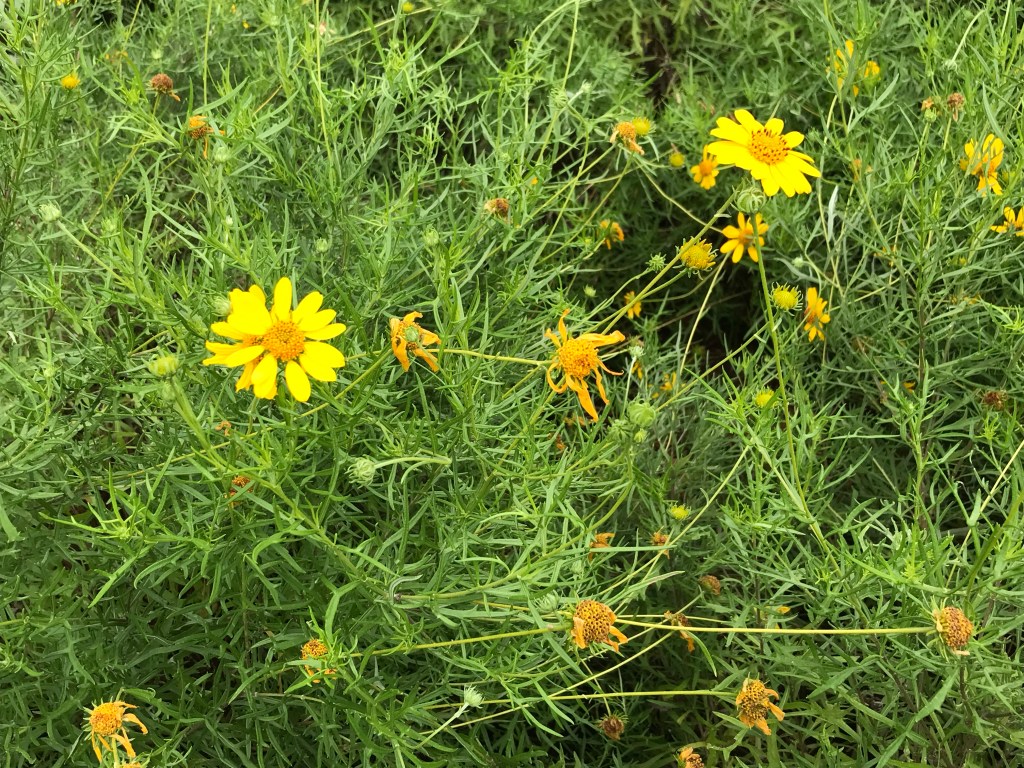
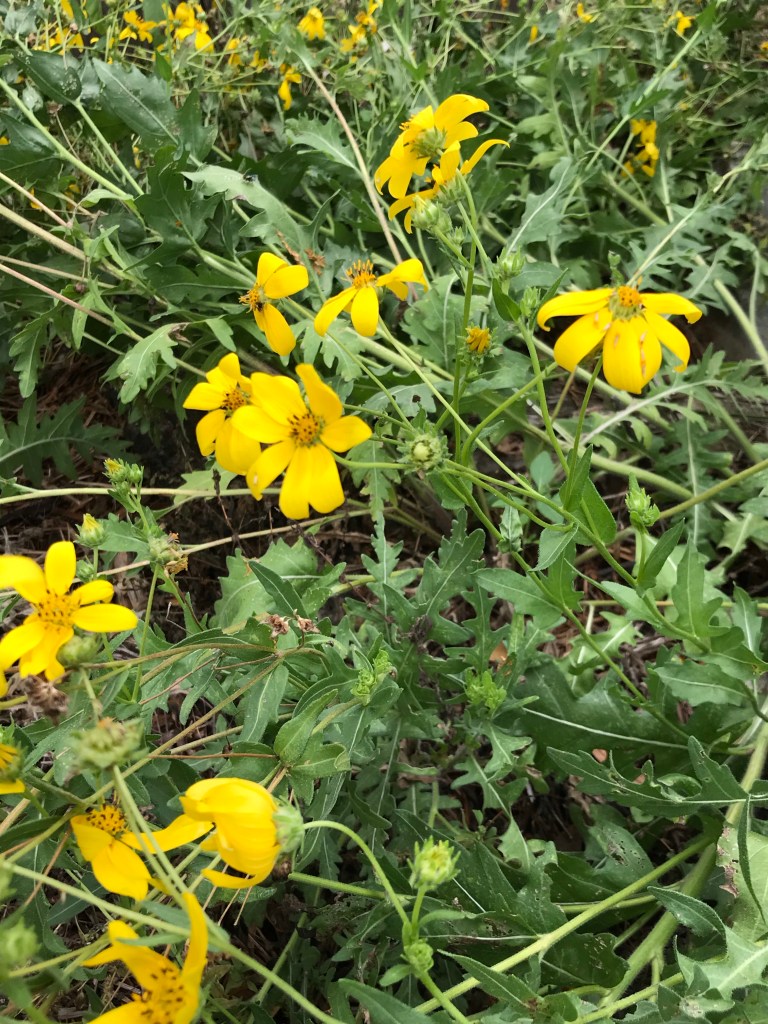
(Viguiera stenoloba) Skeleton-leaf Goldeneye (cultivated)
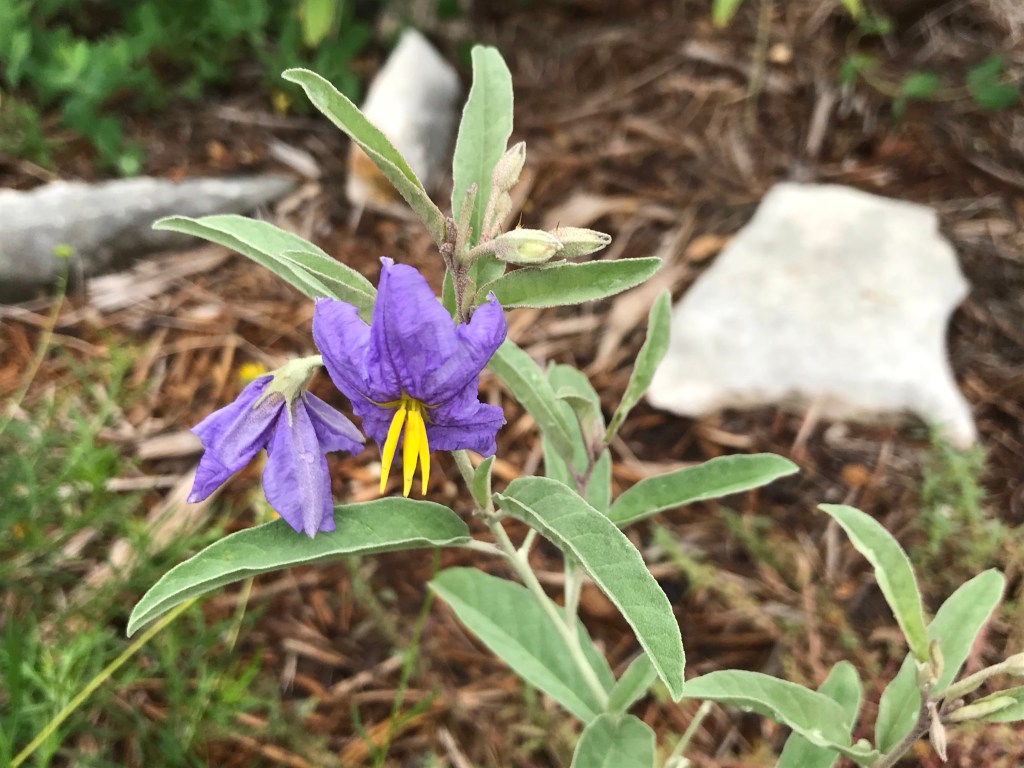
Solanum elaeagnifolium (Silverleaf nightshade) (native, not cultivated)
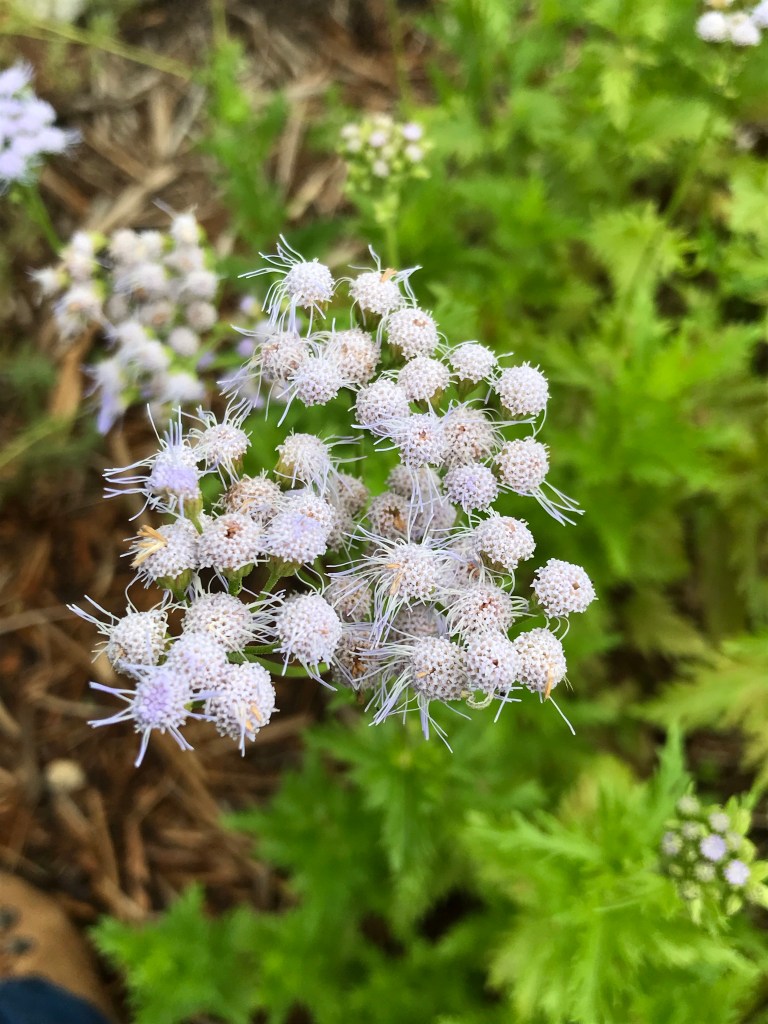
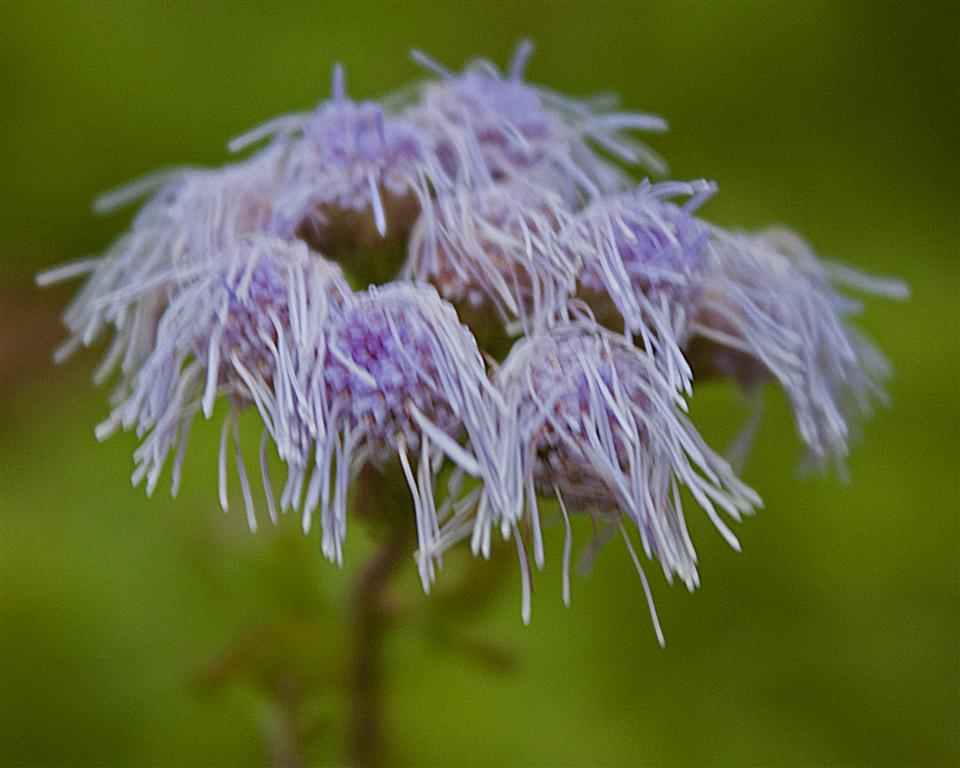
Conoclinium greggii (Gregg’s mistflower) (cultivated)
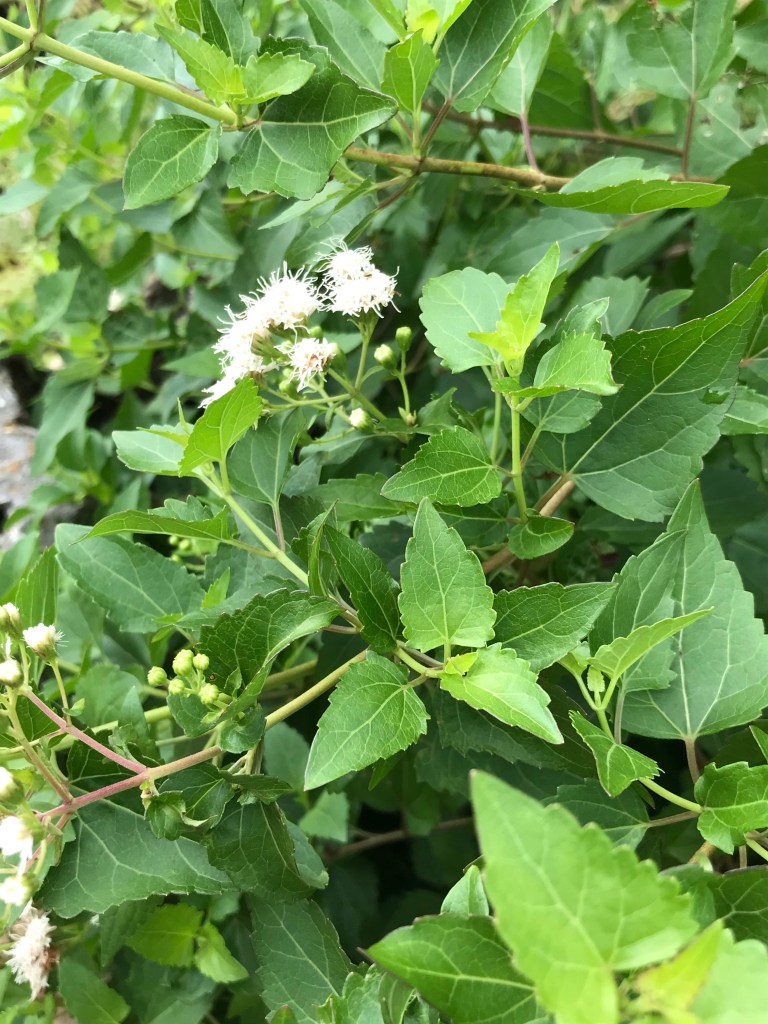
Ageratina havanensis (White mistflower, White boneset) (cultivated)
Viguiera stenoloba . (Skeleton-leaf goldeneye) (cultivated)
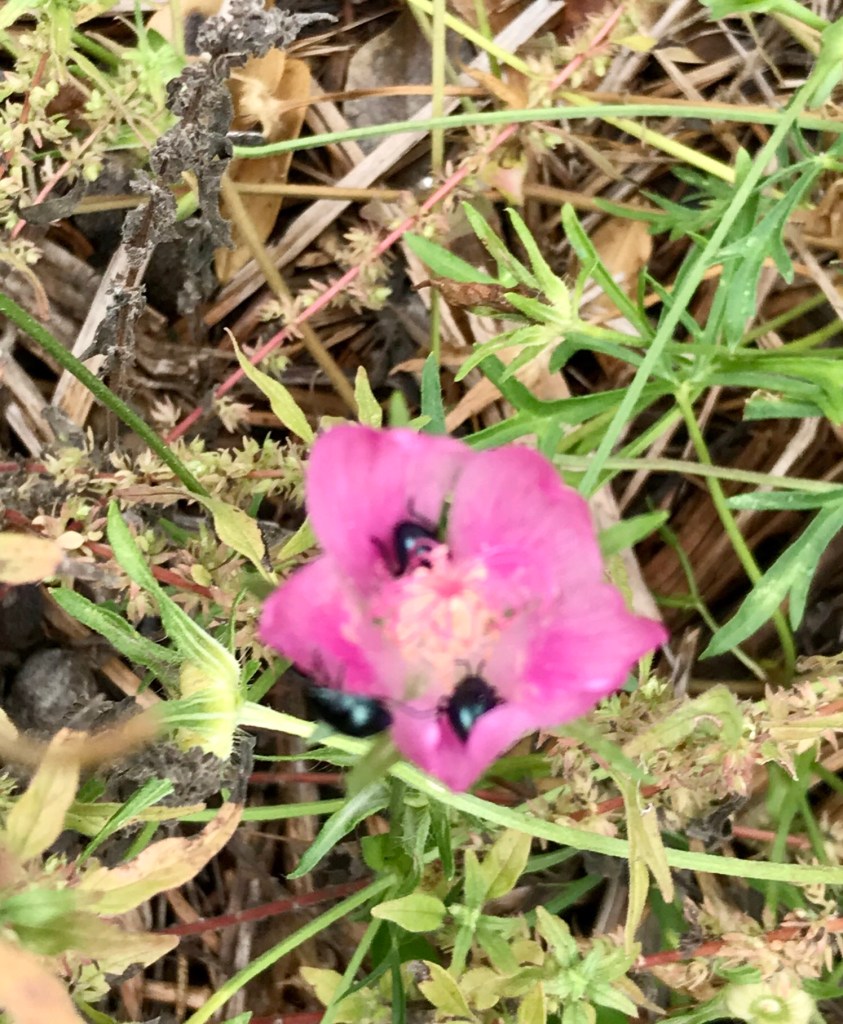
Callirhoe involucrata (Winecup, Purple Poppy Mallow)(cultivated)
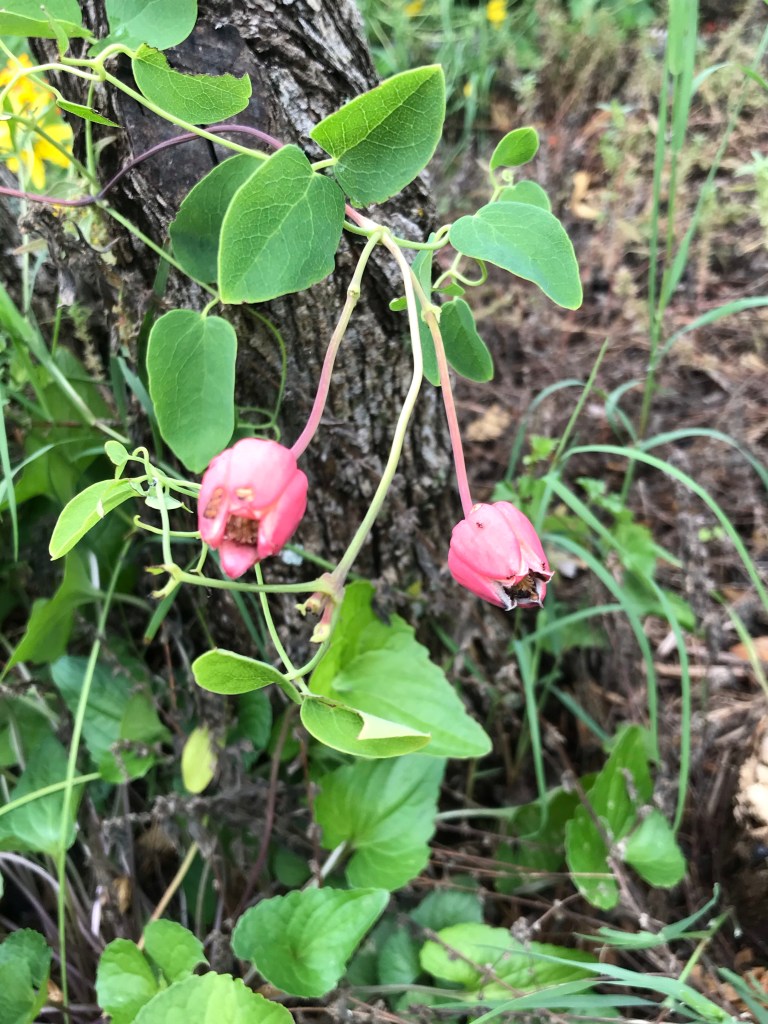
Clematis texensis (Scarlet Clematis, Scarlet Leatherflower, Texas Clematis)(cultivated)
Opuntia sp. (Prickly pear)(cultivated, “spineless varietal)
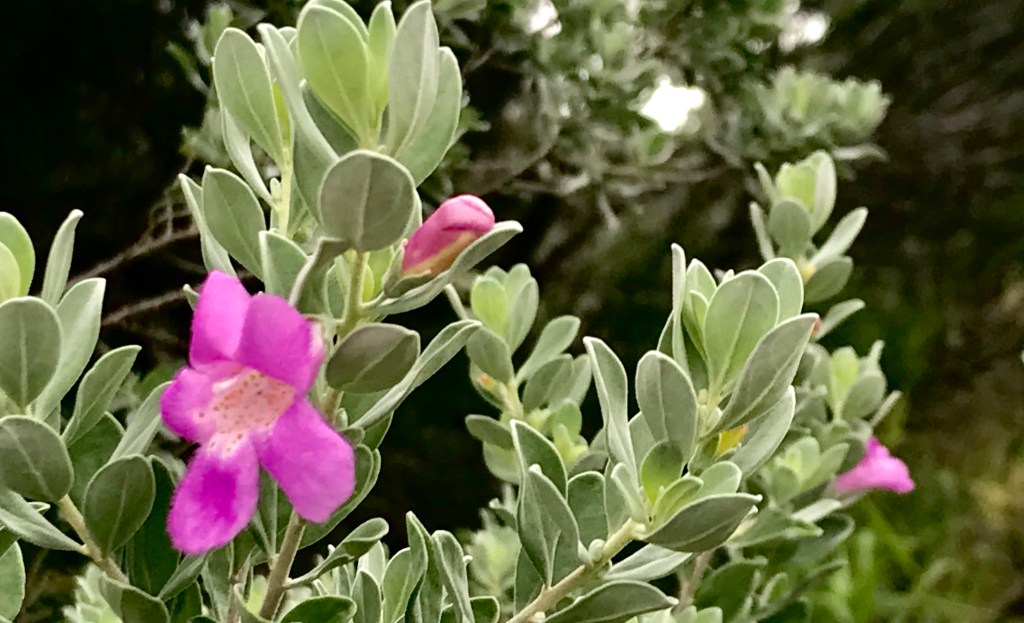
Luchophxllum frutescems (Cenizo, Purple sage, Trvas sage)(cultivated))
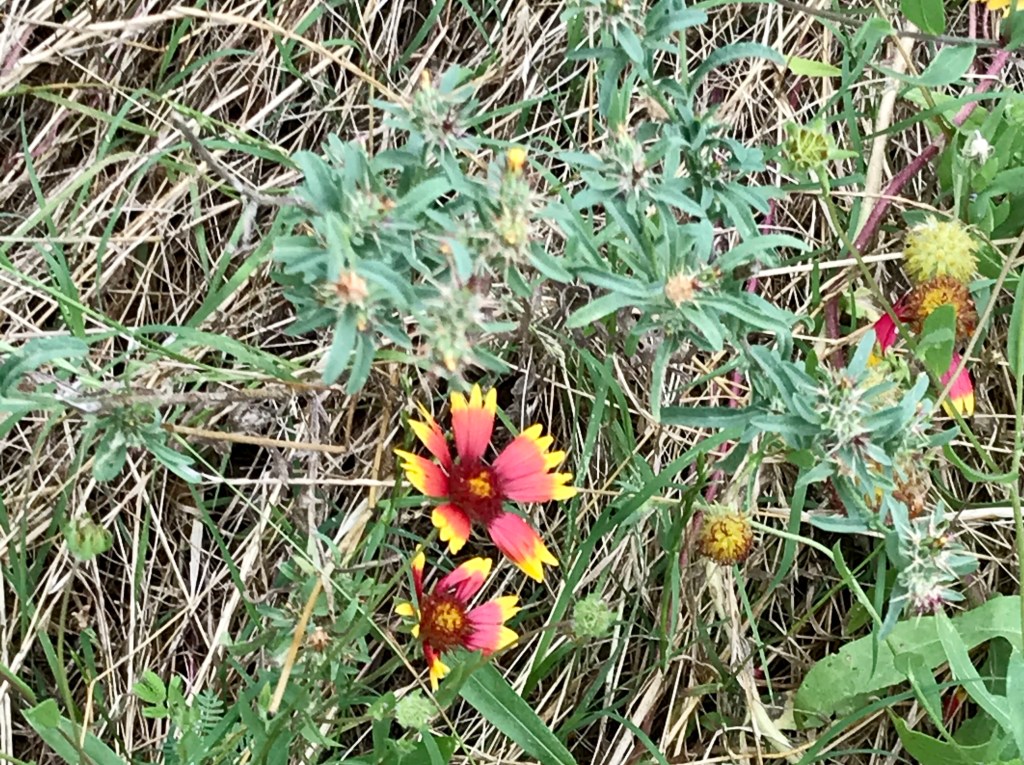
Gaillardia pulchella (Firewheel, Indian Blanket) (natiive, not cultivated)
Oenothera speciosa (Pink Evening Primrose, Pink Ladies) (native, not cultivated)
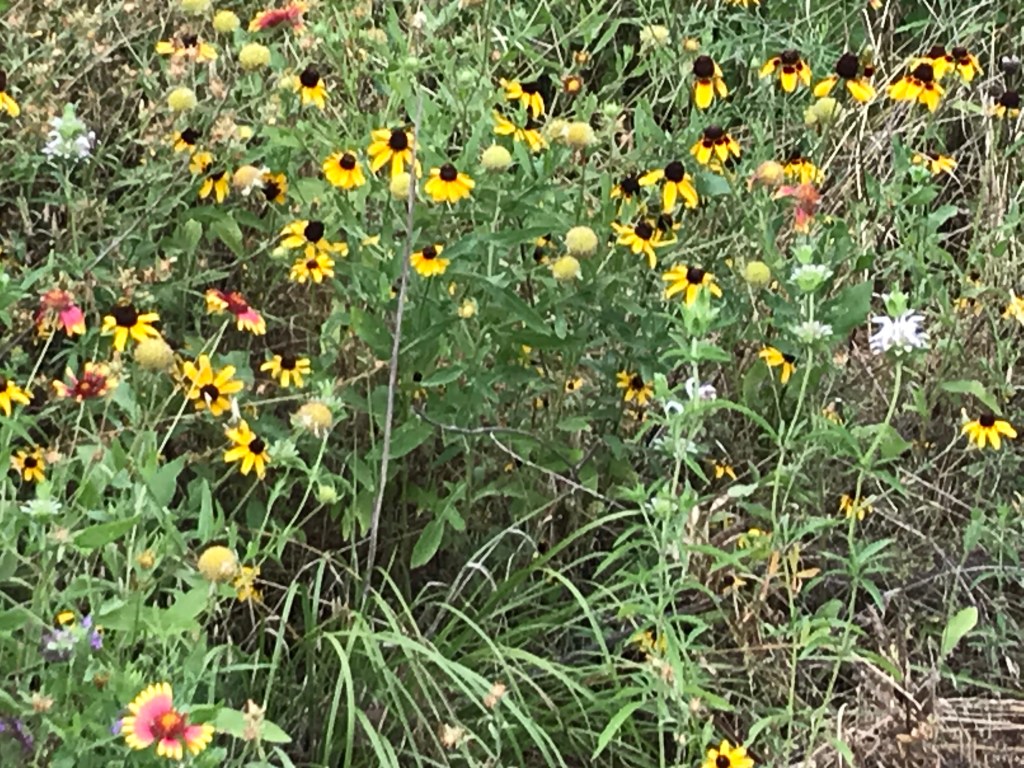
A variety of native plants (mostly)
Glandularia bipinnatifida (Dakota Mock Vervain, Prairie verbena) (native, not cultivated)
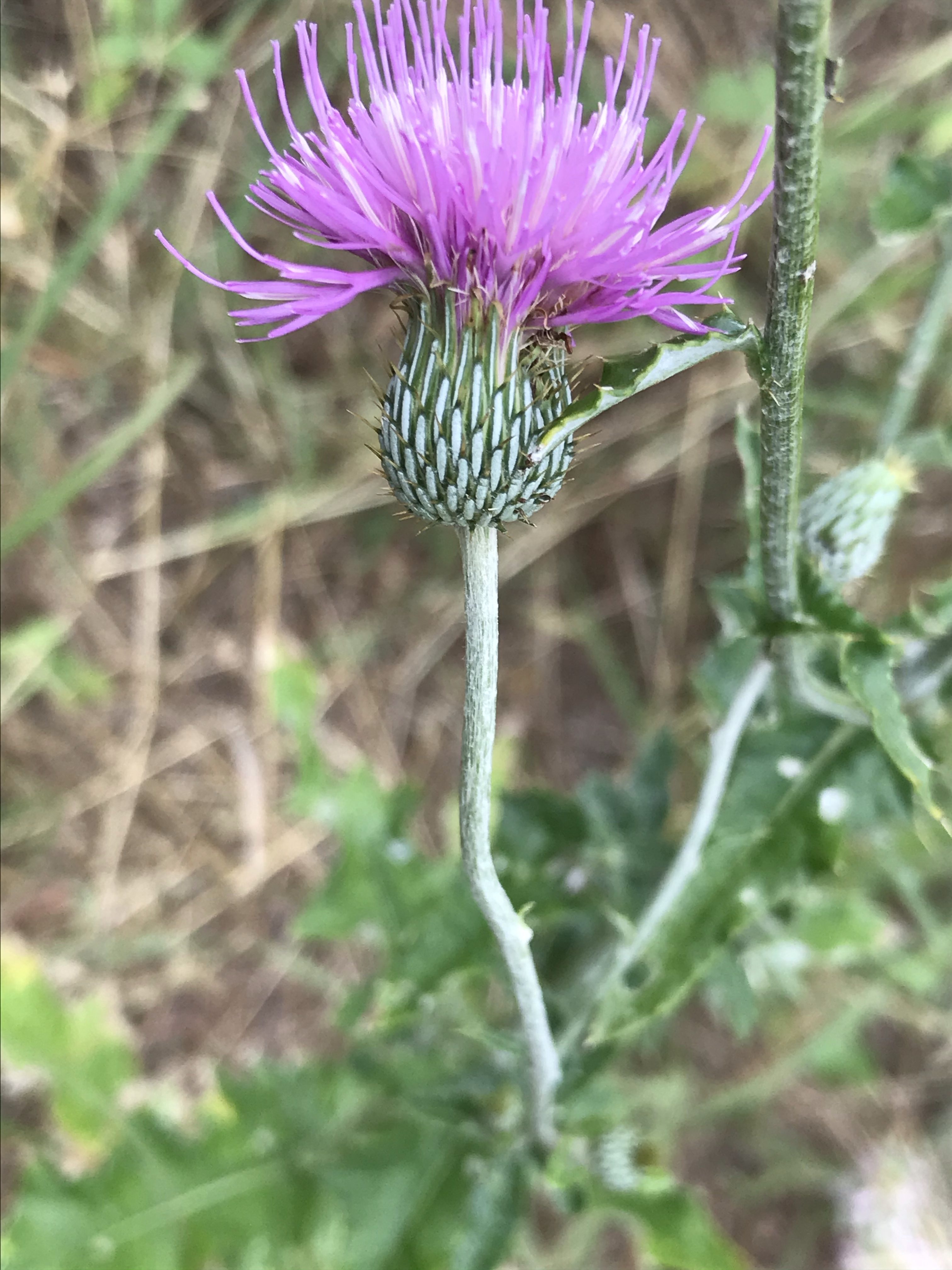
Cirsium texanum (Texas Thistle) (native, not cultivated)
Gaillardia pulchella (Indian Blanket) including recessive gene lacking red pigment, “Sunwheel” (native, not cultivated)
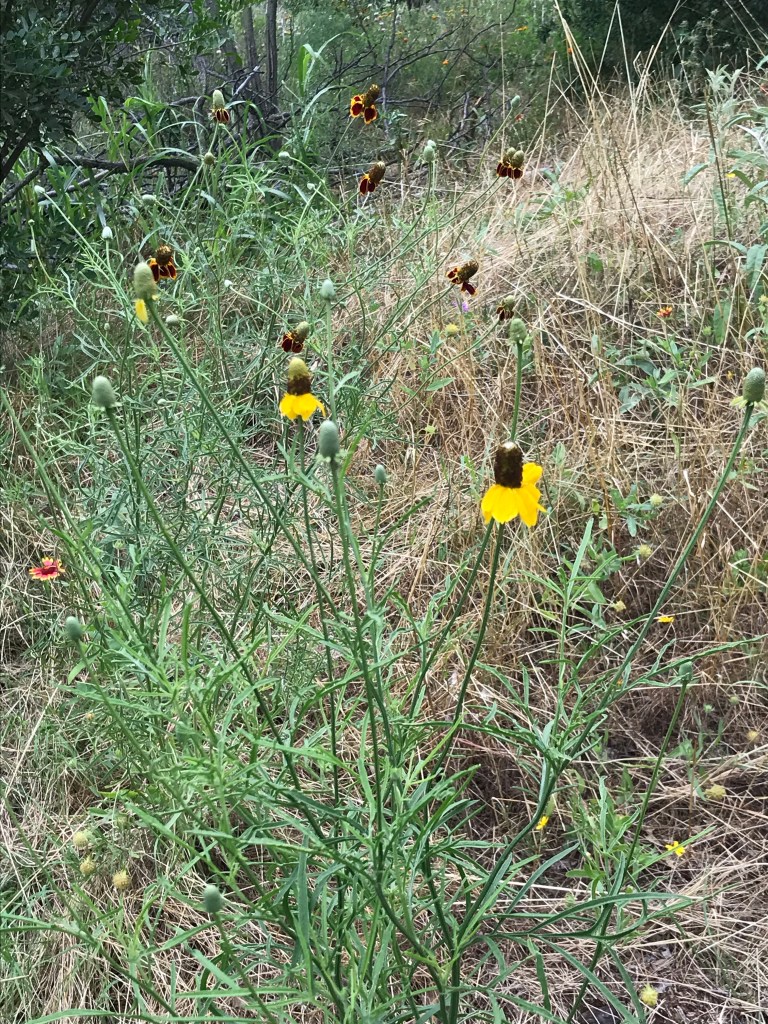
Ratibida columnifera (Prairie Coneflower, Mexican Hat)(native, not cultivated)

Gulf Fritillary on Gregg Mistflower

Gulf Fritillary on Gregg Mistflower

Gulf Fritillary on Gregg Mistflower


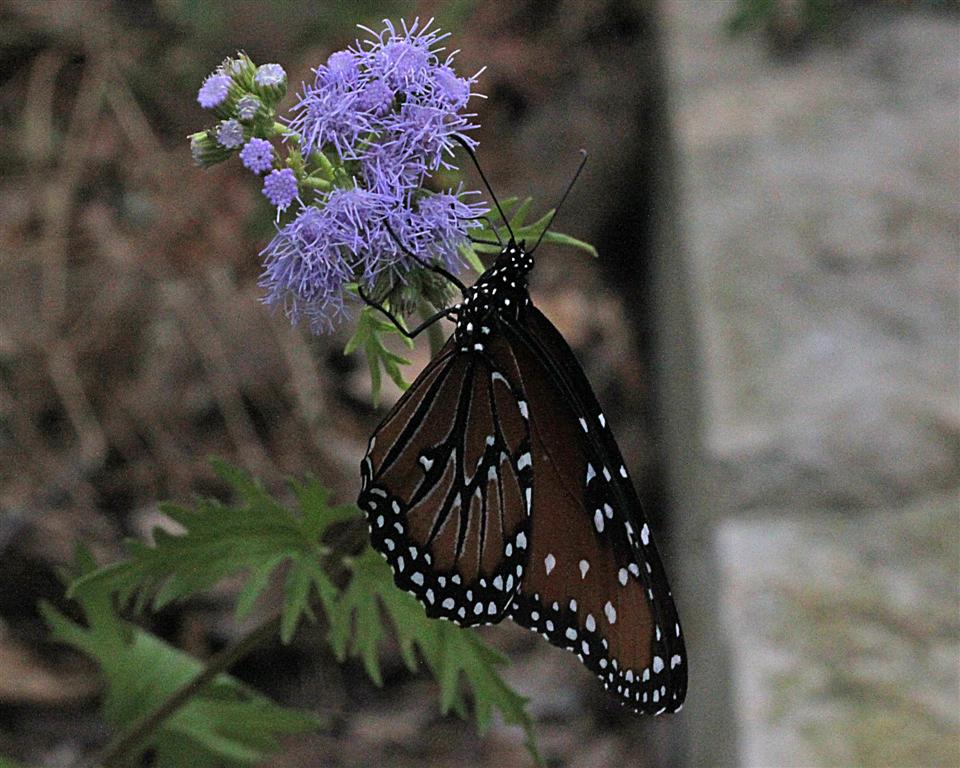
Taken under low light conditions (I gotta figure out how to use the flash, I guess) here’s another one of the butterflies that have been hanging around the Gregg Mistflowers. (The other species is the Monarch.) The Agraulis vanillae Gulf Fritillary spends much of its life on the Passiflora spp. vine, especially as a caterpillar. As a result, the passionflower vines have been having a bit of trouble getting established this year.