Where have all the (native) flowers gone?

Prosser, R.S., Brain, R.A. Where have all the flowers gone? A systematic evaluation of factors driving native terrestrial plant decline in North America. Environ Sci Pollut Res (2024). https://doi.org/10.1007/s11356-024-34349-9 

Prosser and Brain have done the research and  have come up with the following conclusions:

  • Habitat alteration and non-native species are the most important drivers of the decline in native terrestrial plant diversity in North America.
  • No listed species in the U.S. or Canada faced a singular threat. In the recovery plans for all listed species, several threats were identified as contributing to their risk of extirpation or extinction.
  • Pesticides, specifically herbicides, represent a micro-scale contributor to the decline of plant biodiversity in North America relative to other drivers.

(Note: the above three points are taken verbatim from text in the article, although they are not presented as bullets in the subject article. Emphasis using bold and italics has been added).

In their conclusion, they argue that pesticides and herbicides make an easy target for litigation, even though they contribute minimally to the extirpation or extinction of native plants .

On the other hand, Paraquat is an herbicide that not only has been banned in over 50 other nation-states, and has been linked as a probable cause of Parkinson’s Disease in the book Ending Parkinson’s Disease: A Prescription For Action  and in this February 2024 article on the EarthJustice website: This Weed Killer Is Linked to Parkinson’s. Why Isn’t It Banned Yet?

I would suggest that the authors of the article on causes contributing to reduction of native plant species are failing, in their words, to see the forest by focusing on the trees. I am a native plant advocate who also has Parkinson’s Disease. I don’t know whether I have been exposed to Paraquat in the past. Just because pesticides and herbicides are not a major factor in the reduction of native species doesn’t mean I should just ignore the bigger picture of the effect of herbicides like Paraquat on the species Homo sapiens, many of whom, including myself, have displaced other native occupants of this territory, like the Apaches, the Tonkawas, and other tribal groups who are members of the same Genus and species.

This post has covered most of my main interests: scientific research, Parkinson’s Disease, and native plants. All that’s missing is some music:

The Parkinson’s Anthem (We Ain’t Givin’ Up Hope)

#nativeplants  #research #parkinsonsdisease #advocacy
The native Texas April yard/garden…

IF you live in Central Texas, of course. While many plants (including some native plants) are still trying to recover from what I have heard called Winter Storm Uri, which lasted for about ten days back in mid-February, 2021, most of the plants native to this region of Texas are coming back strong, or putting out blooms already.

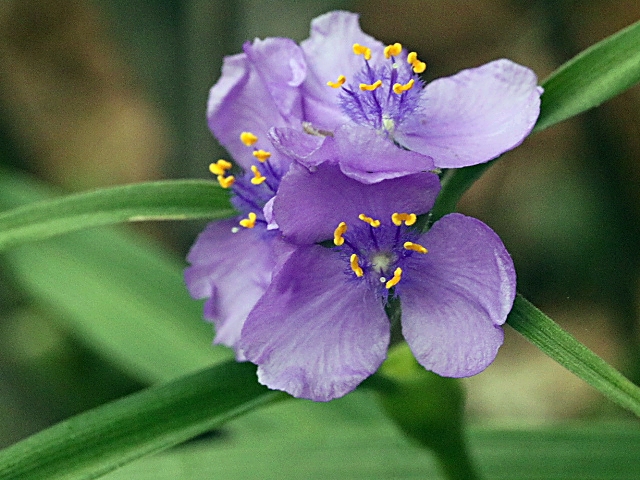
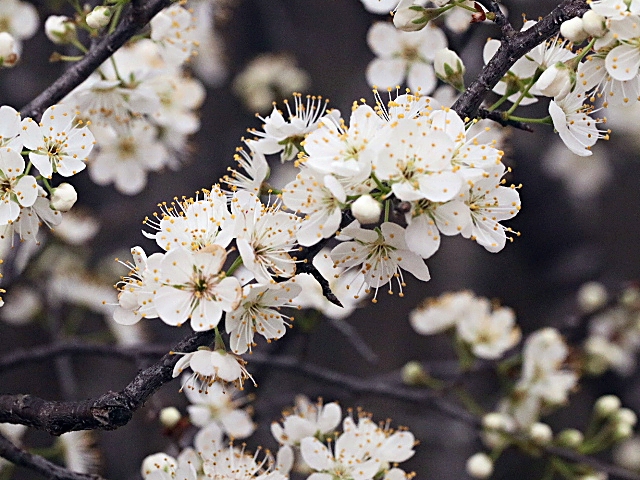
Mexican Plum (Prunus mexicana) has already flowered and started putting out leaves. Giant Spiderwort (Tradescantia gigantea) has for the most part finished with its most robust blooms, but there are still a few left. (Both of these photos were taken March 16, 2021).

.Prunus mexicana - Mexican PlumTradescantia gigantea

A little over two weeks later, things are really starting to perk up in the yard.

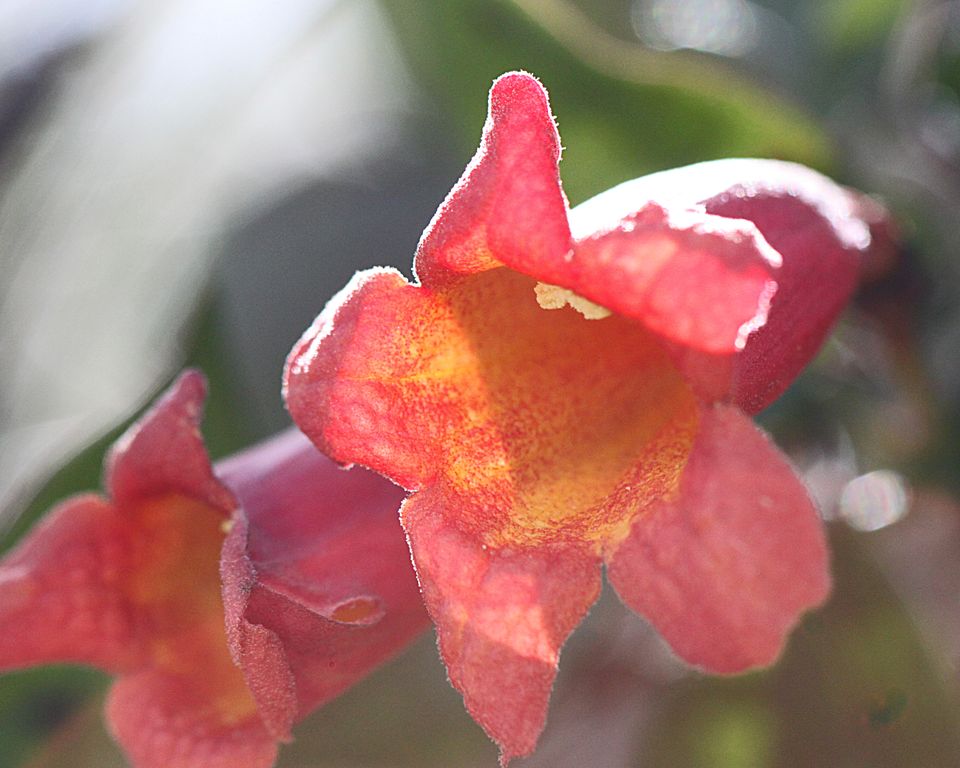
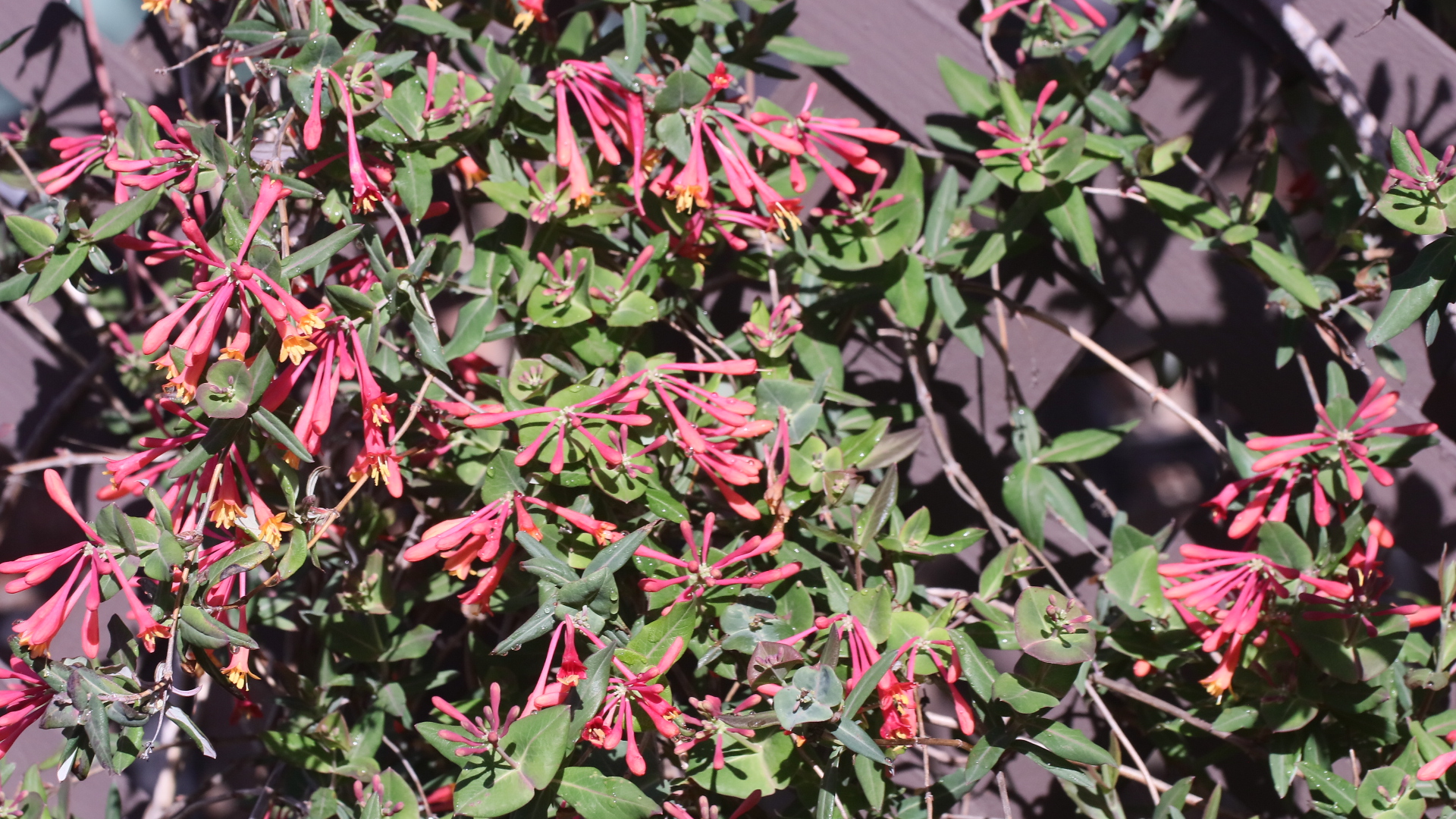
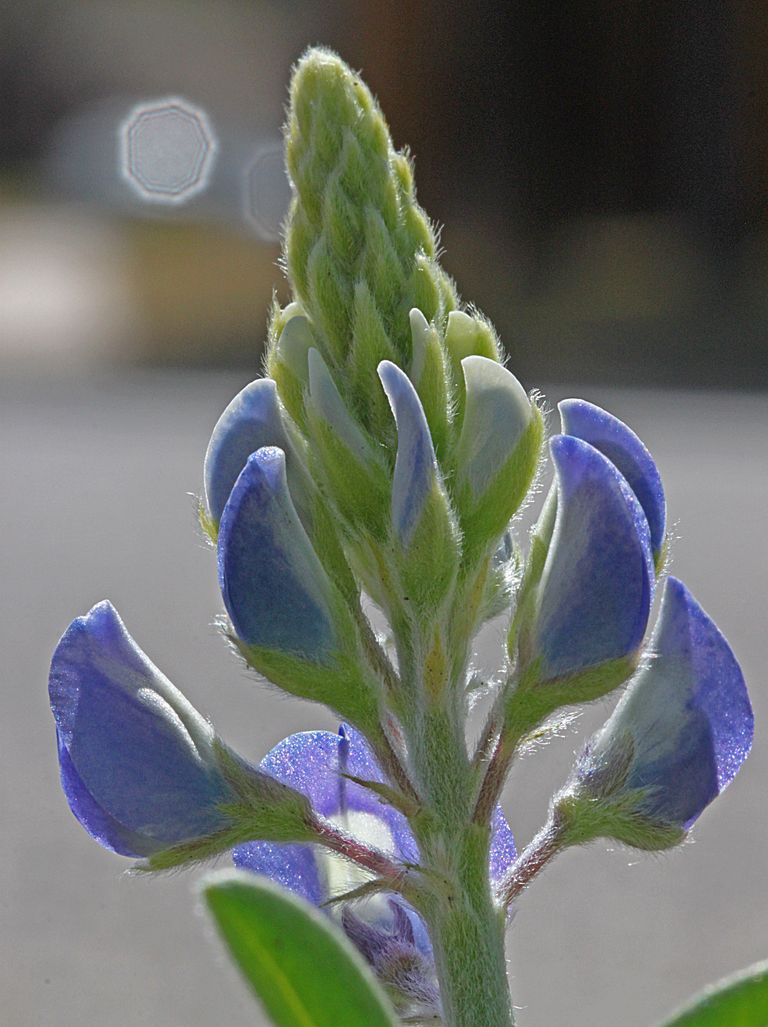
Bignonia capreolata - Crossvine Coral Honeysuckle (Lonicera sempervirens) Lupinus texensis - Texas Bluebonnet Crossvine (Bignonia capreolata), for instance, and Coral Honeysuckle (Lonicera sempervirens) which are both favored by Hummingbirds are blooming in profusion, as are the Texas Bluebonnets (Lupinus texensis).
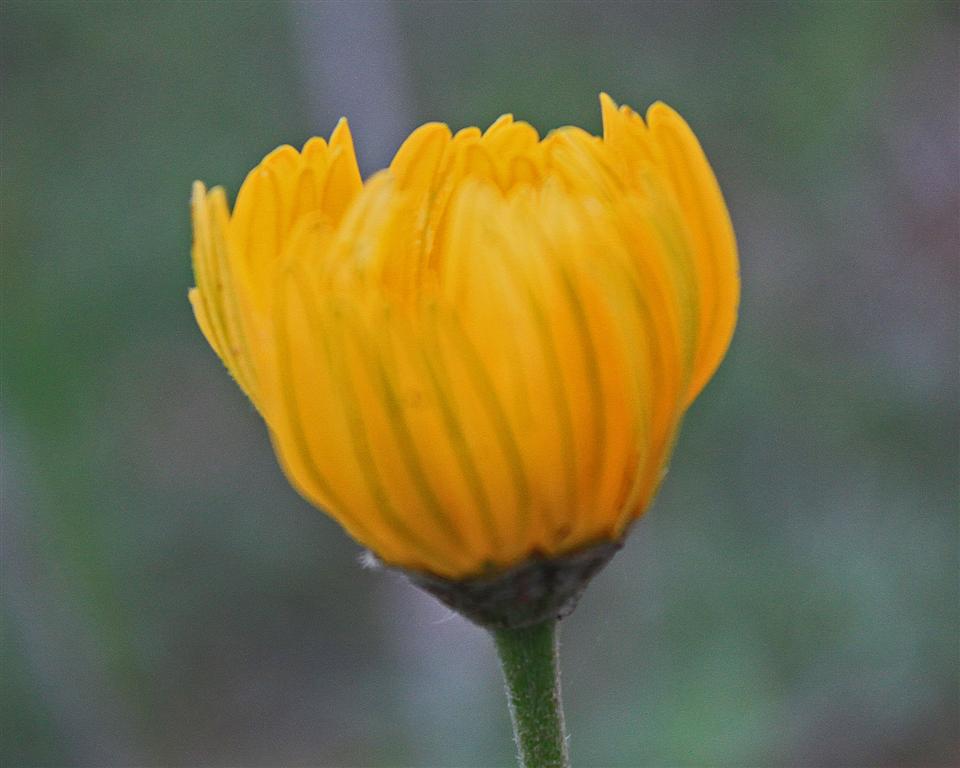
And then there are the Tetraneuris scaposa.which will bloom all year round if you let them, or keep on trimming off the deadheads, so that they can. These are perennials, but short lived, so after a few years you might have to replace them – or they might have spread and created new copies on their own.

Tetraneuris scaposa - Four Nerve Daisy

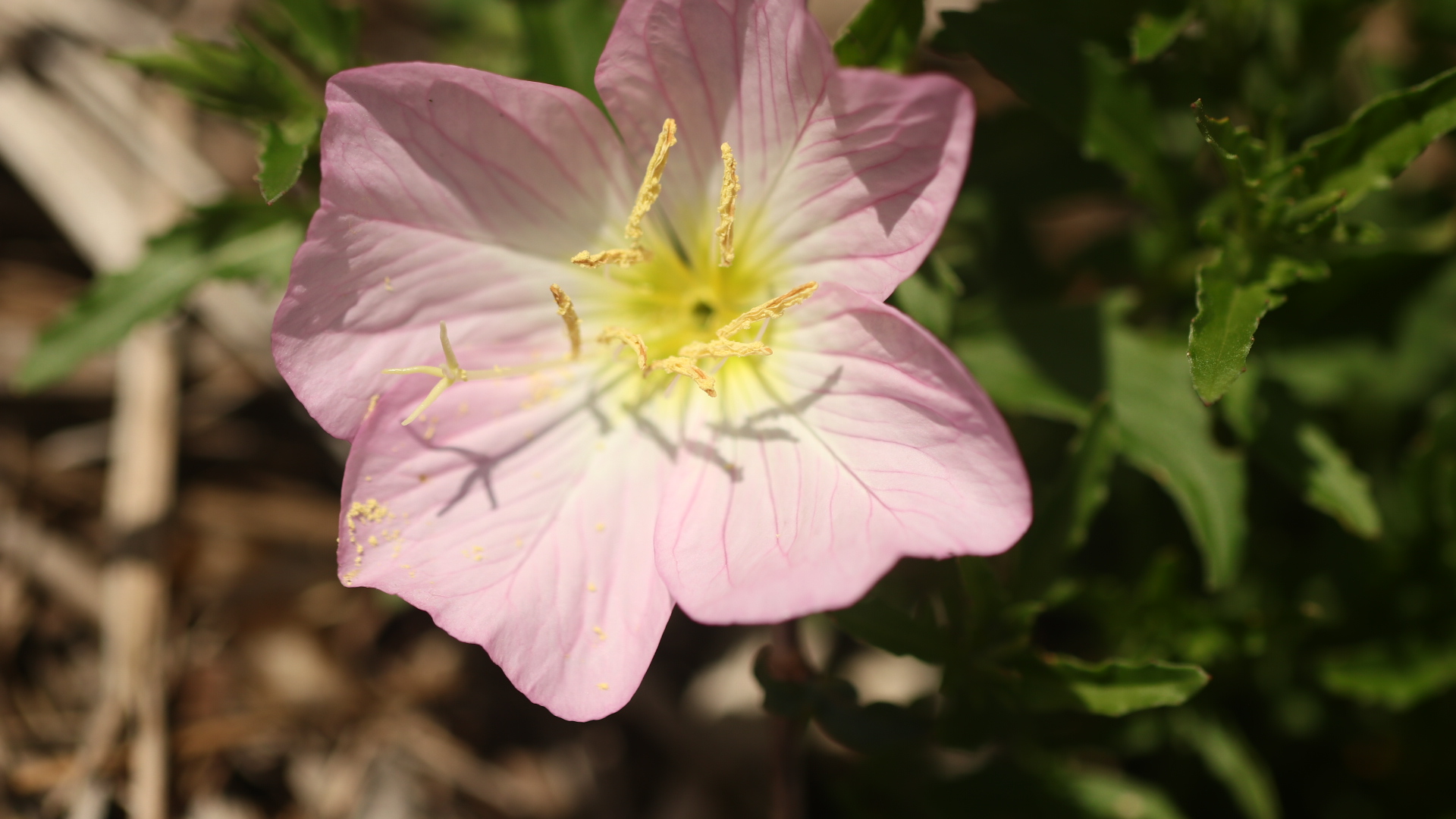
Oenothera speciosa - "Pink Ladies"

Oenothera speciosa – “Pink Ladies”

And, just to get this out there, Oenothera speciosa, known as Pink Primroses or Pink Ladies, are blooming currently. I have seen some popping up in neighbors’ yards that are otherwise mowed too short and devoid of any other native Texas plants. But thankfully, they haven’t mowed down the Pink Ladies. 

I will mention, but not add photos of Blue eyed grass, Cobea and Gulf Penstemons,  Mealy Blue Sage, Wright’s Skullcap, and a few others. The month of April is nearly over, The US Senate has unanimously voted to name April 2021 as National Native Plant Month, and there are invasive plants in my backyard and. beyond that need to be cut down before they go to seed. Oh, and the Rain Lilies have started popping up, finally after several days of light rain.

Hasta luego.

A treasure trove of learning

Found an interesting site out in Califrnia, an educatioanl institution naturally, with several thought provoking titles availble for reading – originally got to the site by a link to the paper on the positive effects of music therapy .

http://digitalcommons.csumb.edu/caps_thes_all/  is a cresaative commons digital archive for the  California State University, Monterey Bay.:

There is an account registration, but it is not needed to download all of the files. Some of the Capstone projects and theses that I found interesting were:

PDF  A Discussion Regarding Various Animals’ Abilities to Make Music and Move Rhythmically to Songs, Emilie R. Bufford

PDF And The Beat Goes on: The Story of the Drum Machine, Ismael Medina

PDF Engineers Throughout Jazz History, Alex Declet

PDF  Sound Synthesis: Methods and Techniques, Christopher E. Hilker

PDF  The Benefits of Music in Child Development, Dulce-Paola Ixtupe

PDF  The Positive Effect Music Therapy Has on People, Rita Oby Ebo

PDF  Accommodating Students Different Learning Styles with the Use of Technology, Jaime Prieto

PDF   Comparing the Cost of Preamplifiers to Their Sonic Fidelity and Frequency Output, Jackson O. Hunter

PDF  Self-Expression Through Dance in Early Elementary School, Emily Blythe

PDF  The Benefits of Outdoor Education and Experiential Learning in Elementary Schools, Elizabeth F. Valentino

PDF  The Benefits of Outdoor Education Curriculum for Elementary School Students with Nature Deficit Disorder, Madison L. Allen

PDF  Incorporating Music and Arts to Enhancing the Learning Experience of Elementary School Students, Ashley Fernandez

PDF  Making the Garden a Viable Part of Curriculum, Laura Forbes

PDF  Variety for Vocalists, Jonathan Morgadinho