Last post was nearly 6 months ago, after having gotten elected to my subdivision’s Home Owners Association (HOA). Fortunately for me, the new President has an excellent leadership style and a sense of humor – he’s commented a few times on my lack of love for Crape Myrtle (aka Crepe Myrtle) (Lagerstroemia spp.), and I have made a gavel from the remains of a few branches which had the misfortune of hanging over my property. (I have four longer pieces which I hope will become walking sticks or canes).
But I digress. This year Central Texas faced a drought throughout the Spring and Summer. Then, throughout November, we’ve had plenty of rain to raise our hopes for an abundant crop of wildflowers in the Spring. With the warmest December day we’ve ever had (82º F) this week, however, we should be cautious in making predictions.
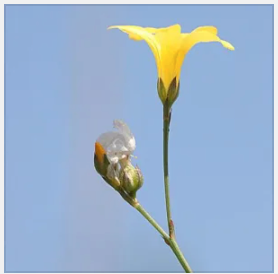
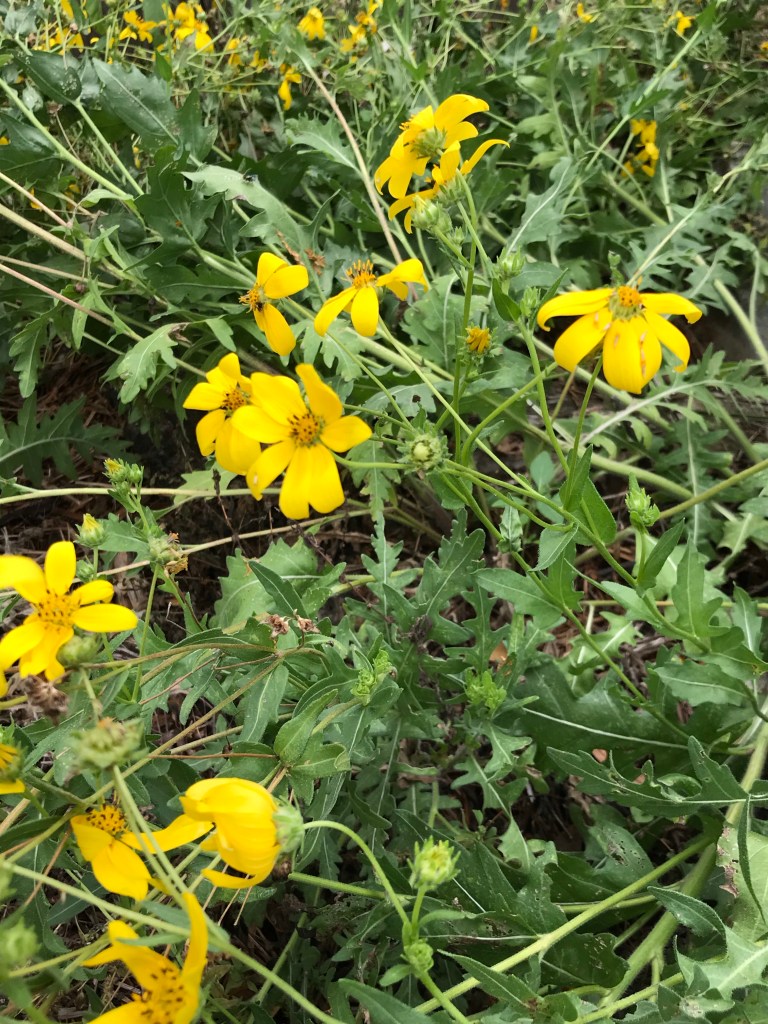
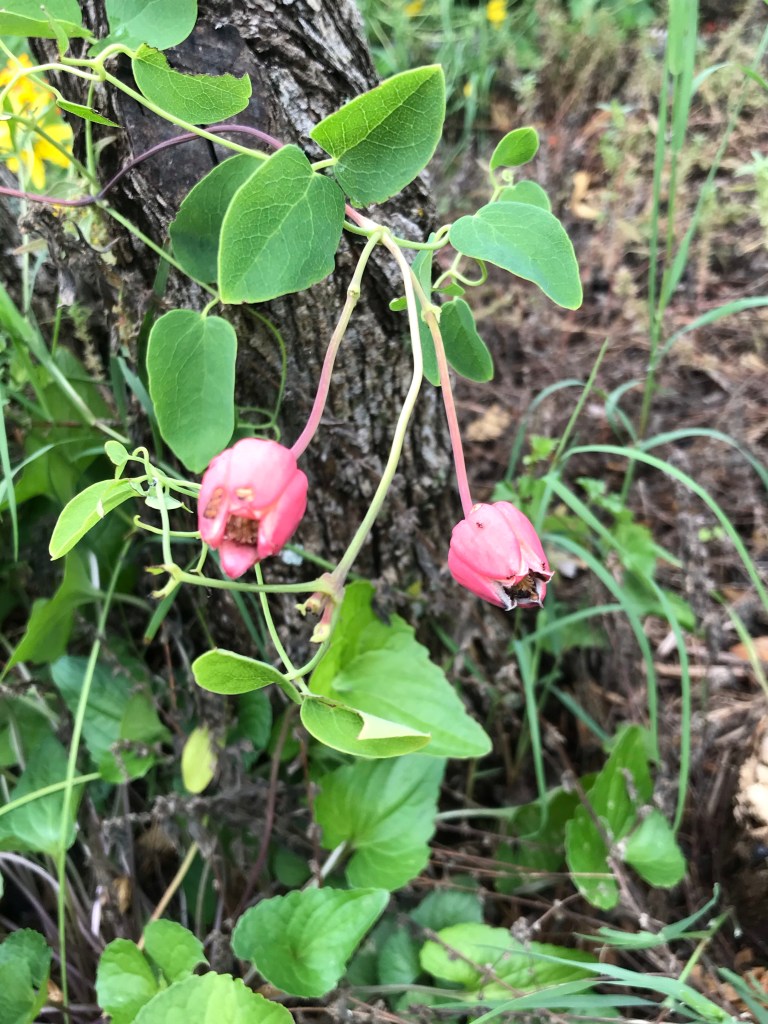
So, recently, I’ve stepped outside and found Gulf Fritillary caterpillars still on green Passiflora leaves (photo 1), and further below, bunches of yellow Tetraneuris scaposa flowers taking advantage of the extended growing season.

Photo taken December 2, 2022 of caterpillar.
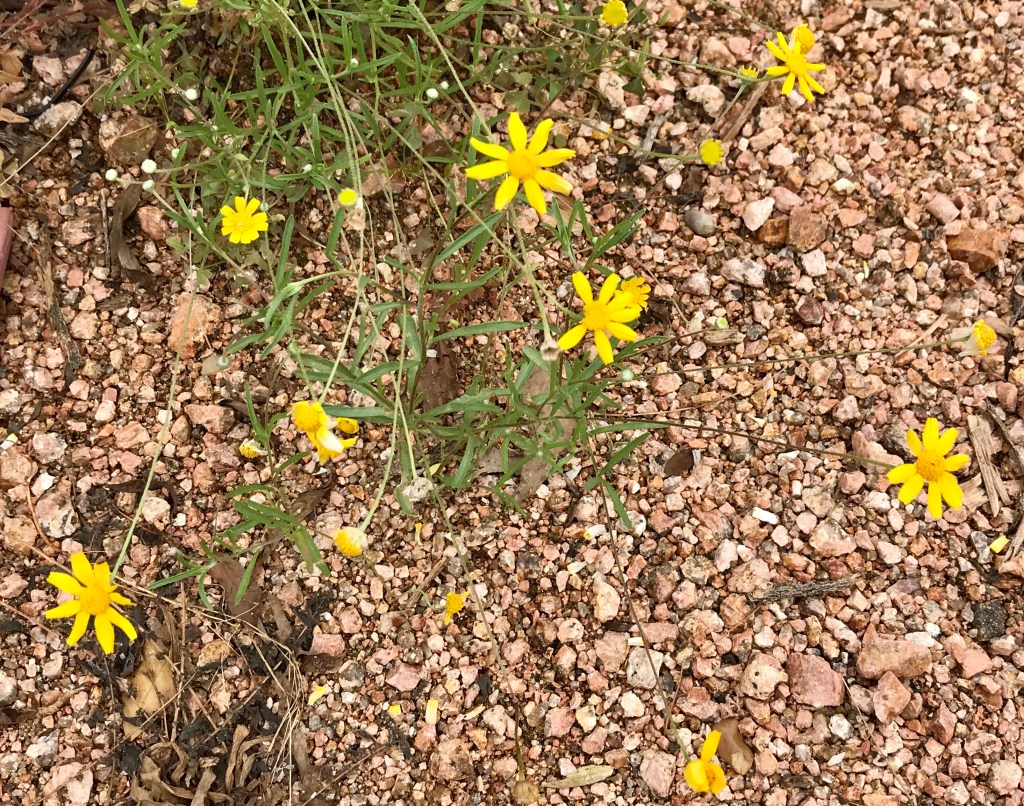
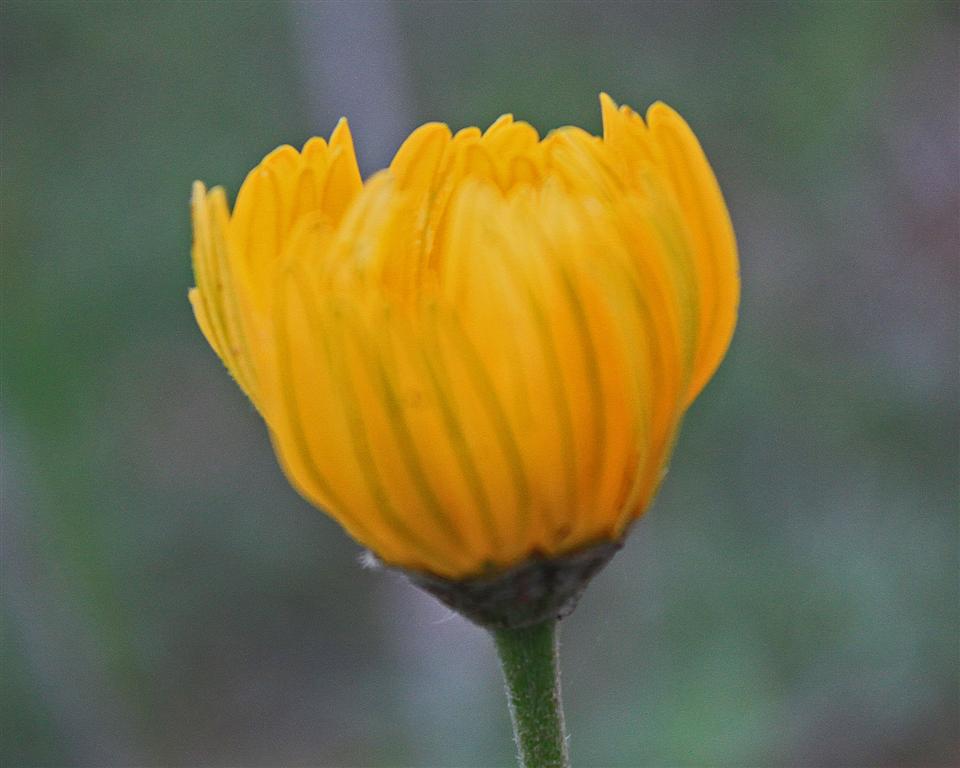
Four Nerve Daisies (Tetraneuris scaposa) (photo 2) planted in the “nuisance strip” between the sidewalk and the curb; blooms are still going strong into December.
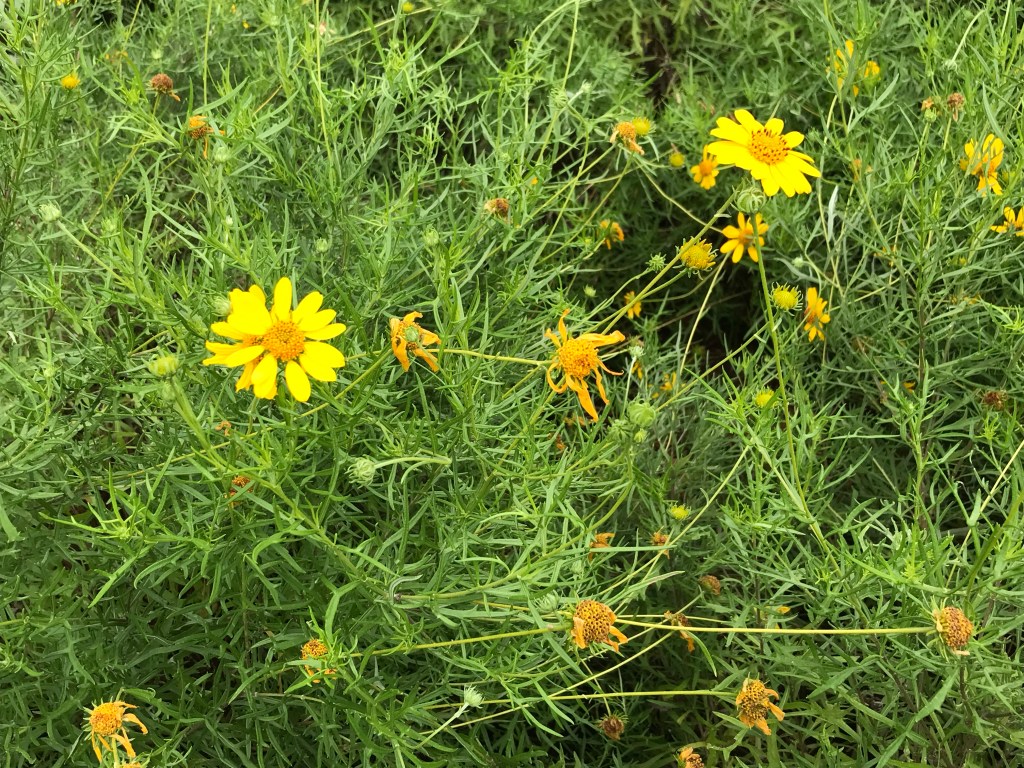
However, Tetraneuris scaposa can and will bloom throughout the year, here in Central Texas.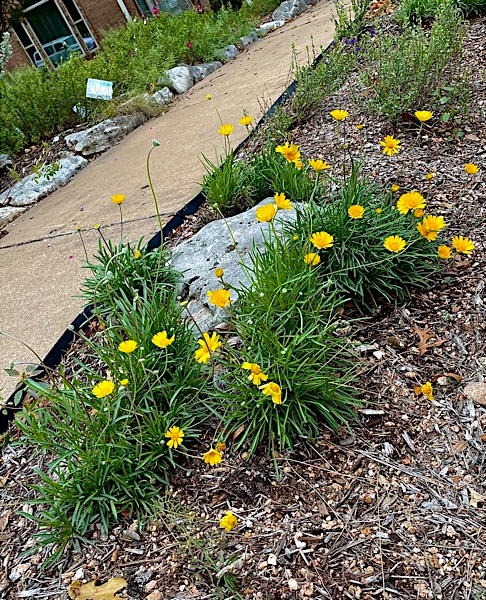 Conditions have to be right, of course. They bear up to the heat of 100º F summers, but do need some water. And, as always, rain water seems to be the best for promoting growth in these and in BlackFoot Daisies (Melampodium leucanthum) of which I recently added a small plant and which has responded well to the recent rains.
###






 bob's brain: living well with a movement disorder and other comorbidities