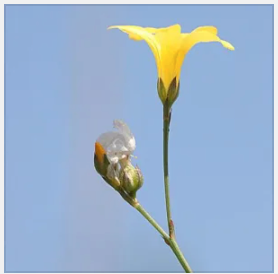
My previous post mentioned a September set of observations – unfortunately, the observations were not posted to this blog but on Facebook. Sad to say, the situation has gotten worse – Although the native (mostly) plants were left alone while in bloom in September, the blooms had disappeared a few. months later, and this first week of March 2021, I observed that the plants, for the most part, appeared to have been removed. Thanks to the ongoing pandemic and my age, I try not to go out too often. but will have to go out and see if any Winecups are in evidence (there was at least one rosette in the video). Maybe take a few home to ensure the preservation of the species. The folks running City Hall don’t seem to care about preserving native plants… as far as I can tell. Oh well. Watch it and weep.
The irony of the last few slides are that they show the invasive Crepe Myrtle and Heavenly Bamboo or Nandina, used as landscaping in the property just south of. the one now being bulldozed for a parking lot and who knows what kind of business. I suspect that a similar lack of consideration for native plants, birds, and other wildlife will guide the development of this property.
#RoundRock #OldChisholmTrail #NativePlants #HabitatDestruction
 bob's brain: living well with a movement disorder and other comorbidities