Lifestyle effects on PD

In a nutshell: Exercise helps to keep your mitochondria working, and that helps to slow down the loss of your dopaminergic neurons. Here we have an application of the old rat race to a rat model of PD – in which treadmill exercise helped to keep mitochondria functioning properly, while sedentary rats lost dopaminergic cells.

Physical exercise protects against mitochondria alterations in the 6-hidroxydopamine rat model of Parkinson’s disease

These “results suggest a neuroprotective and progressive effect of intermittent treadmill exercise, which could be related to its benefits on mitochondrial biogenesis signaling and respiratory chain modulation of the dopaminergic system in PD.”

But other studies and reviews have shown other factors that affect the progression of PD, so don’t put all of your metaphorical eggs in one basket – a review that covers some of those various factors:

Narrative Review of Lifestyle Factors Associated with Parkinson’s Disease Risk and Progression

###

Oops! They did it again.

As in, “They mowed the berm between the greenbelt and the houses when it didn’t need mowing.” (See slideshow at the end of the post).

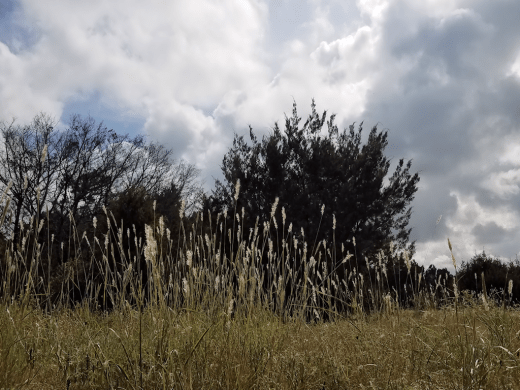
I had just gotten back inside the house, after taking some photos of plants in my yard, and had gone out into the berm, to document the healthy growth of Silver Bluestem that had risen up after the most recent massacre at the end of May. While not as thick as one might wish, it was good to know that my removal of the Perennial Rye and Malta Star Thistle had allowed the native grass to come back.

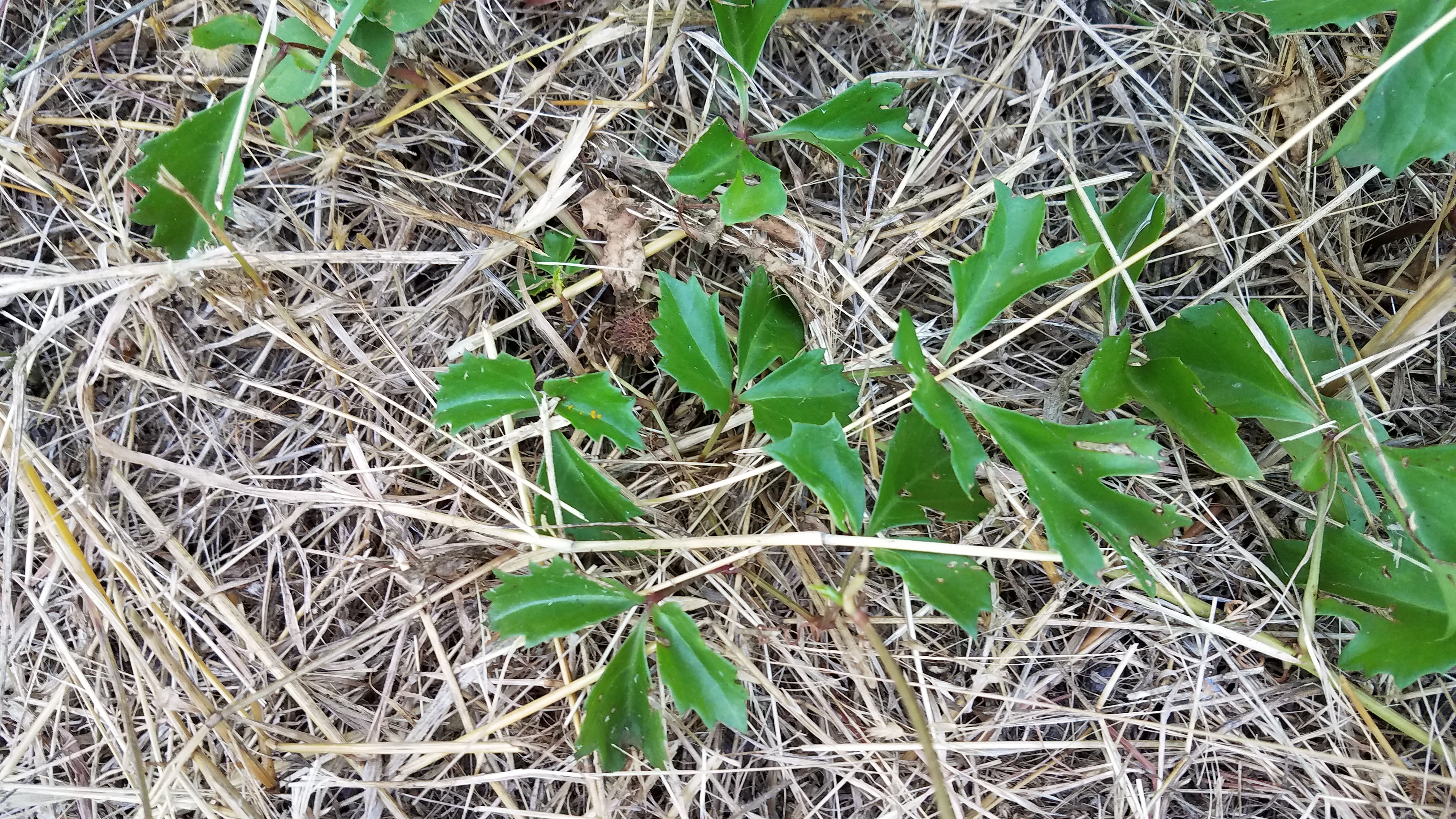
Looking on the bright side, it appeared that the mower’s blades had been set at a higher level than before. Whether they pressure washed the blades before mowing, I don’t know. Since I have not received the courtesy of a reply to my emails in February and June,  I don’t know. And the Johnson Grass, which I’ve been pulling out or removing the inflorescences from so they don’t go to seed, were mowed down, leaving the Poison Ivy more or less intact, so that it will be easier to go out and apply an herbicide to eradicate. And at least they mowed while the ground was dry.

So while I am still not happy with the apparent frequency of scheduled mowing, it seems that my attempts to enlighten and educate those responsible has made a small dent. Persistence will tell the tale.

What’s blooming in Central Texas?

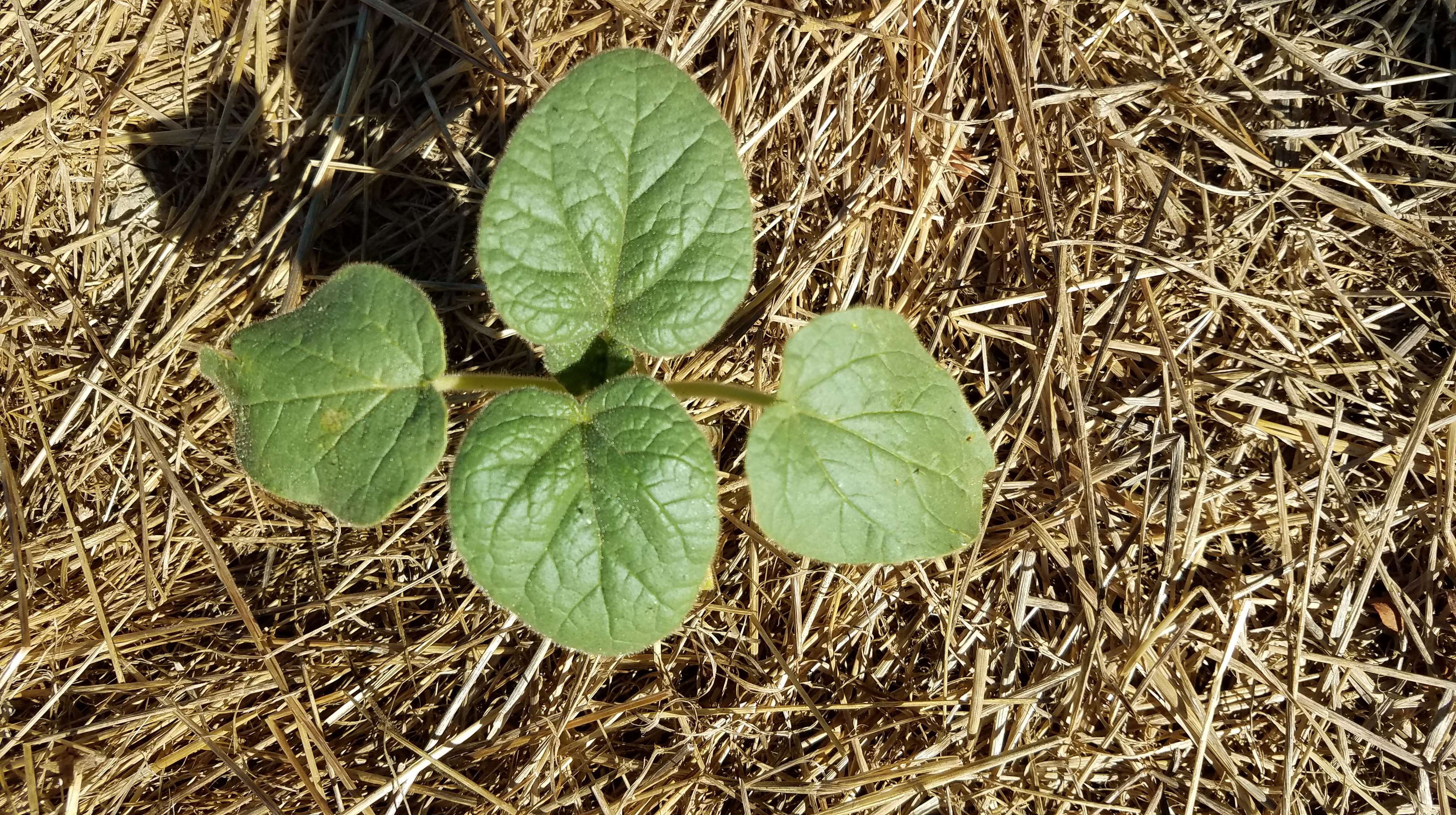
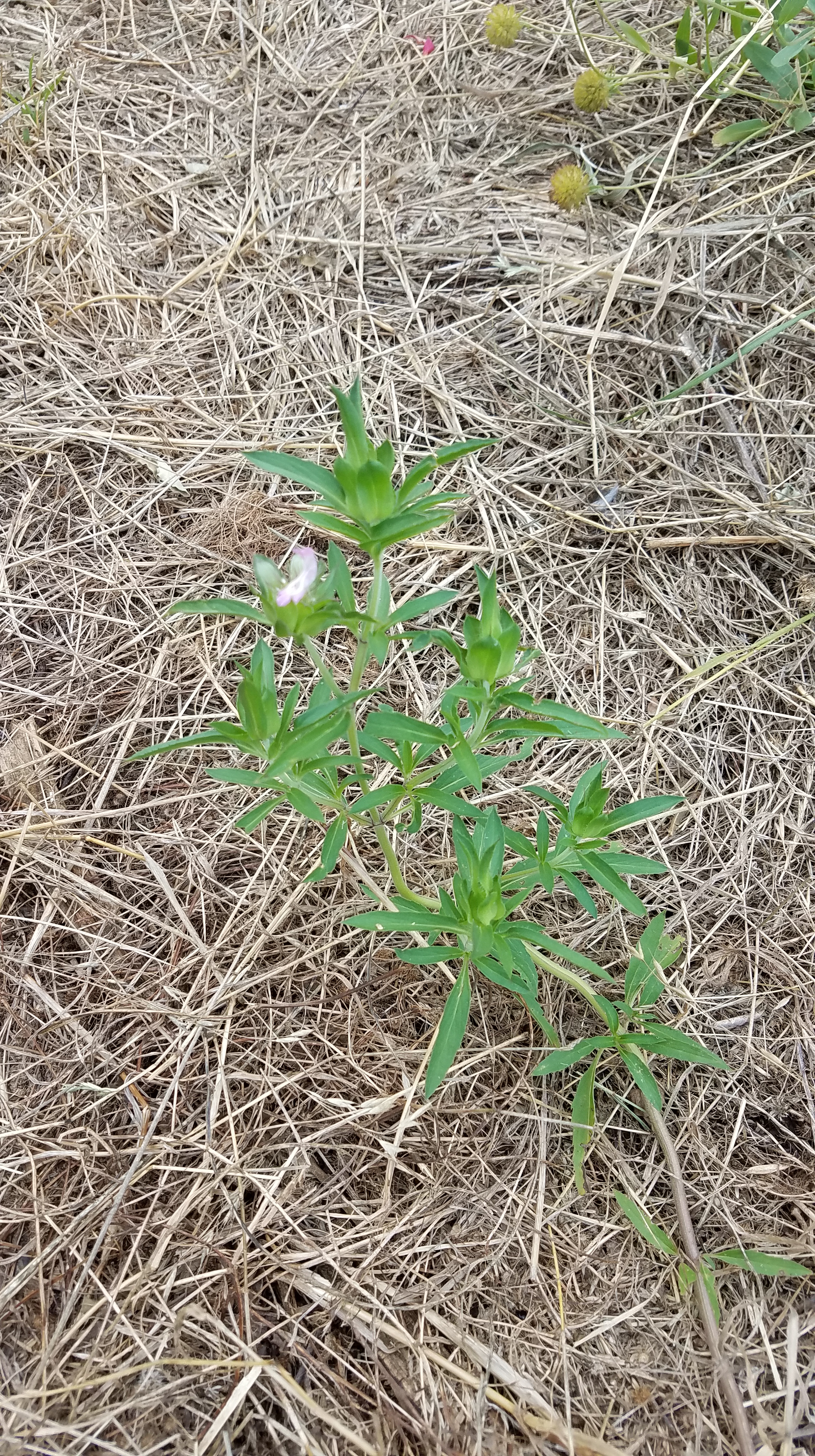
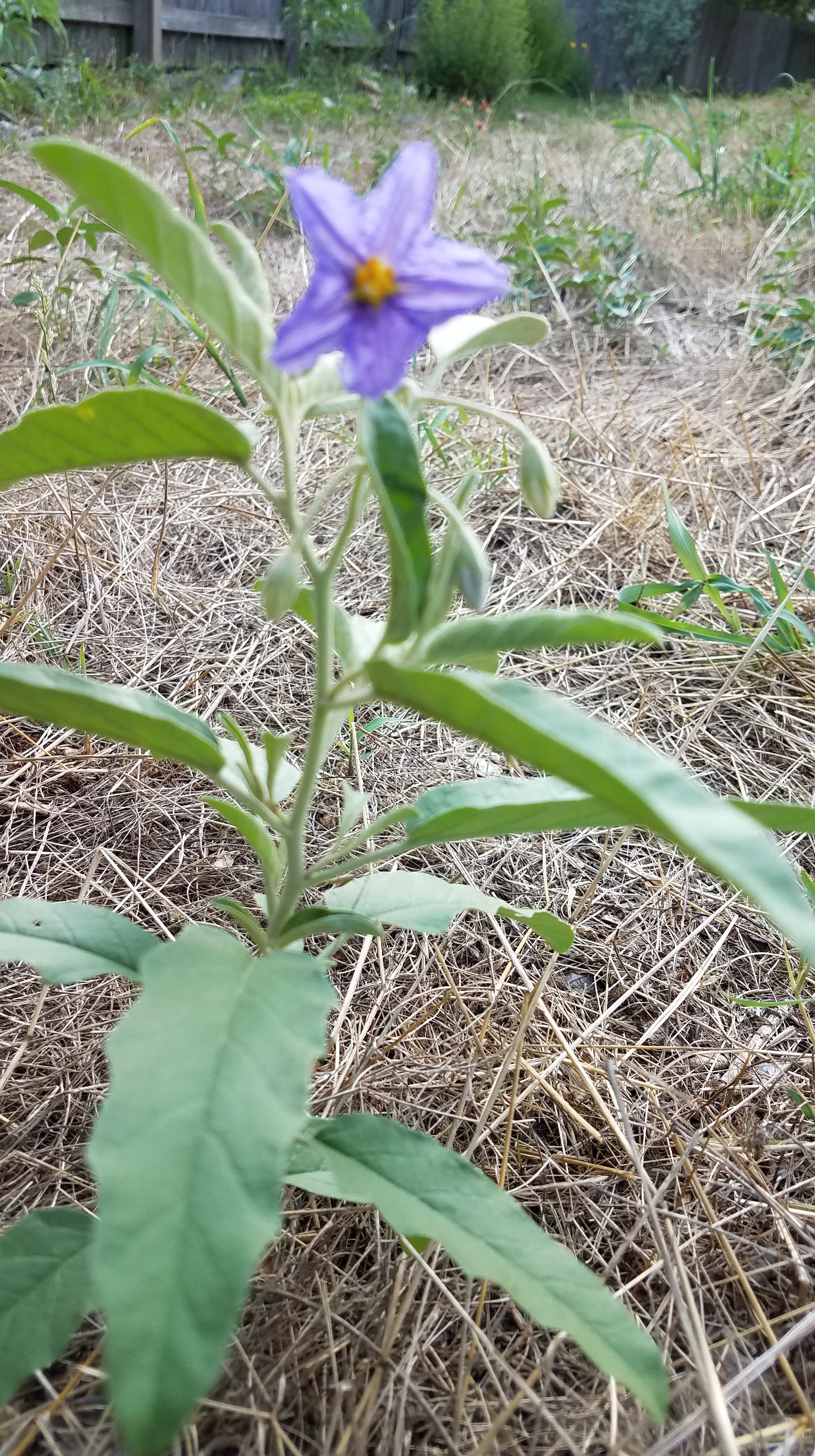
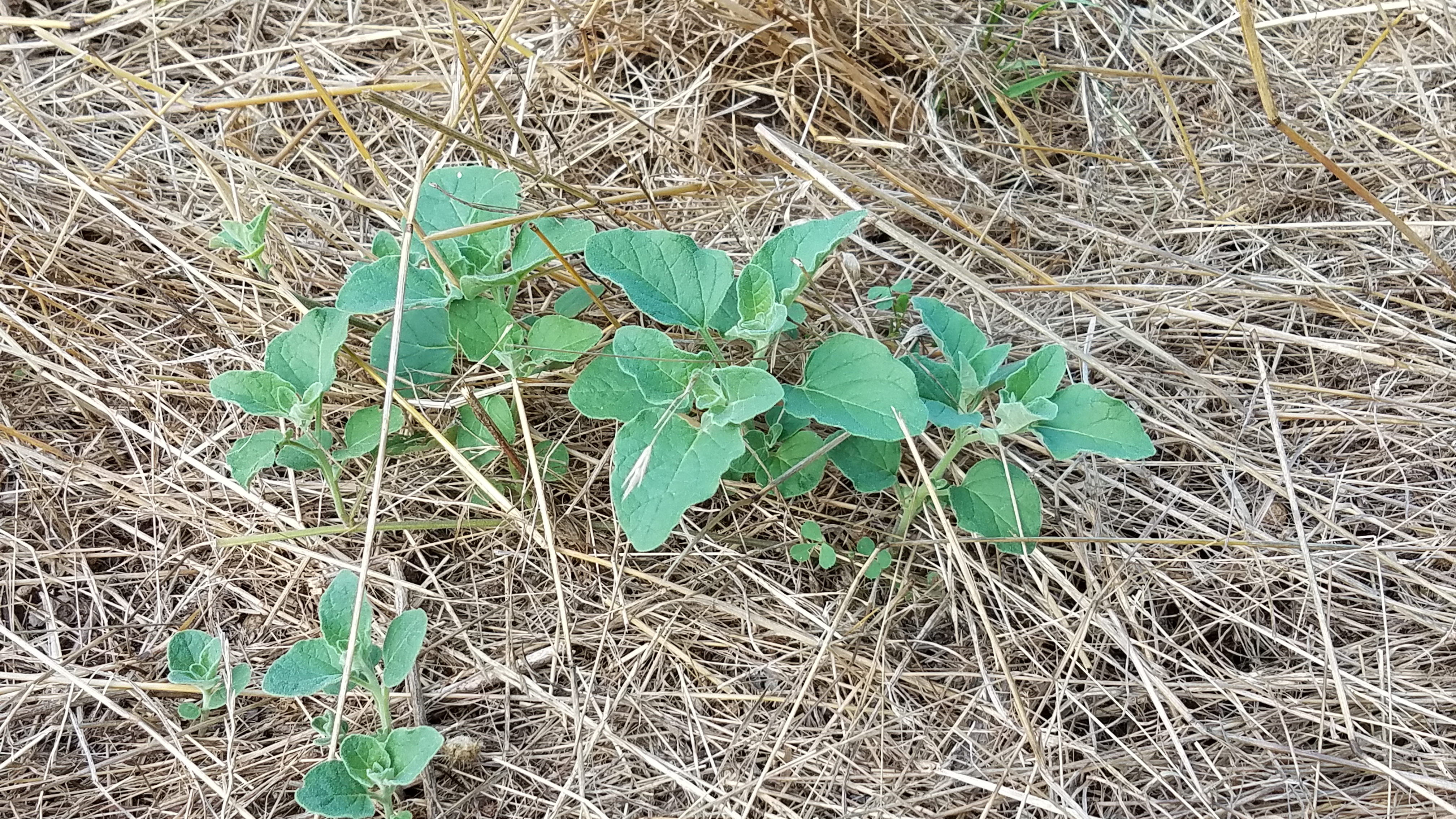
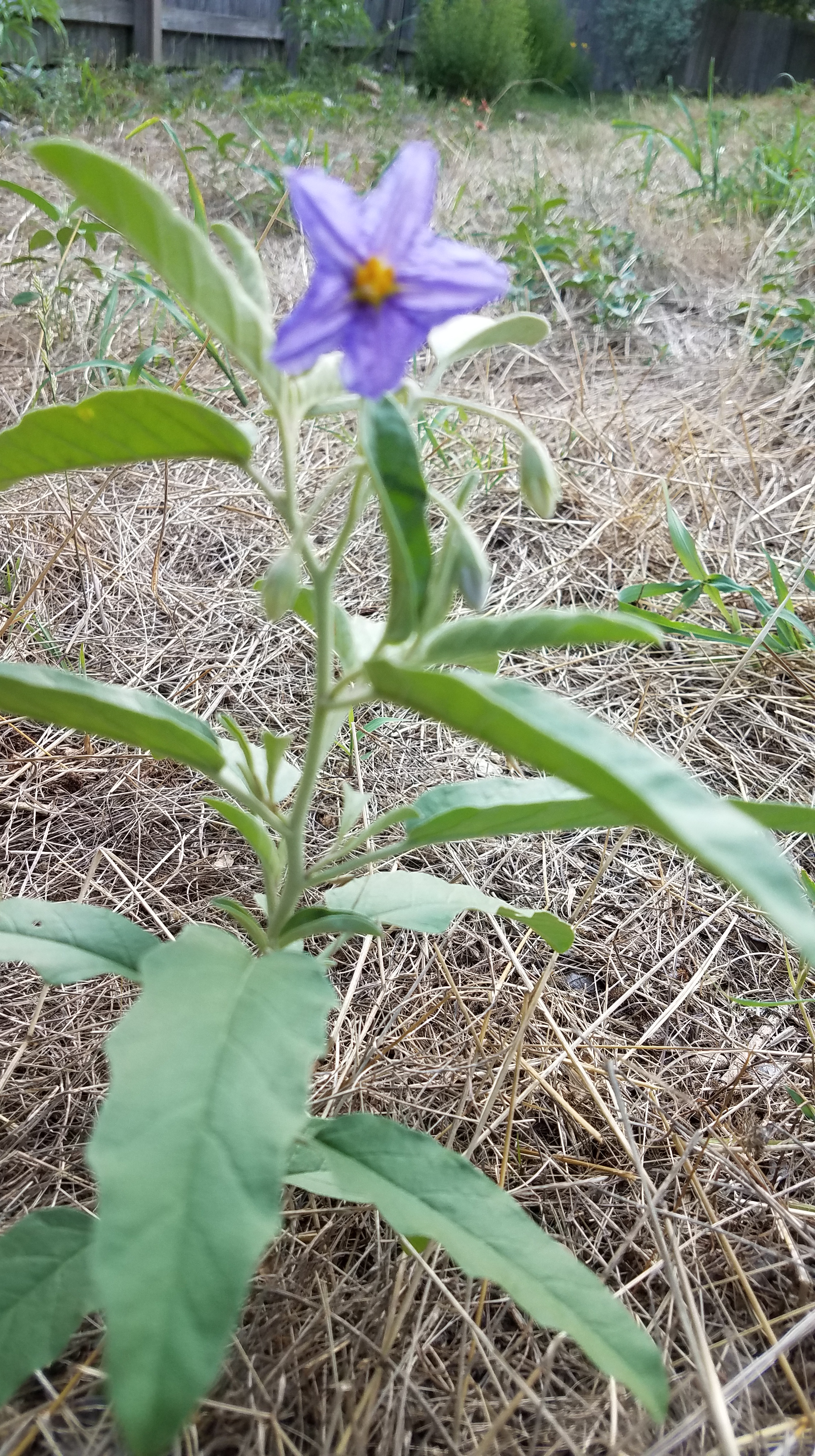
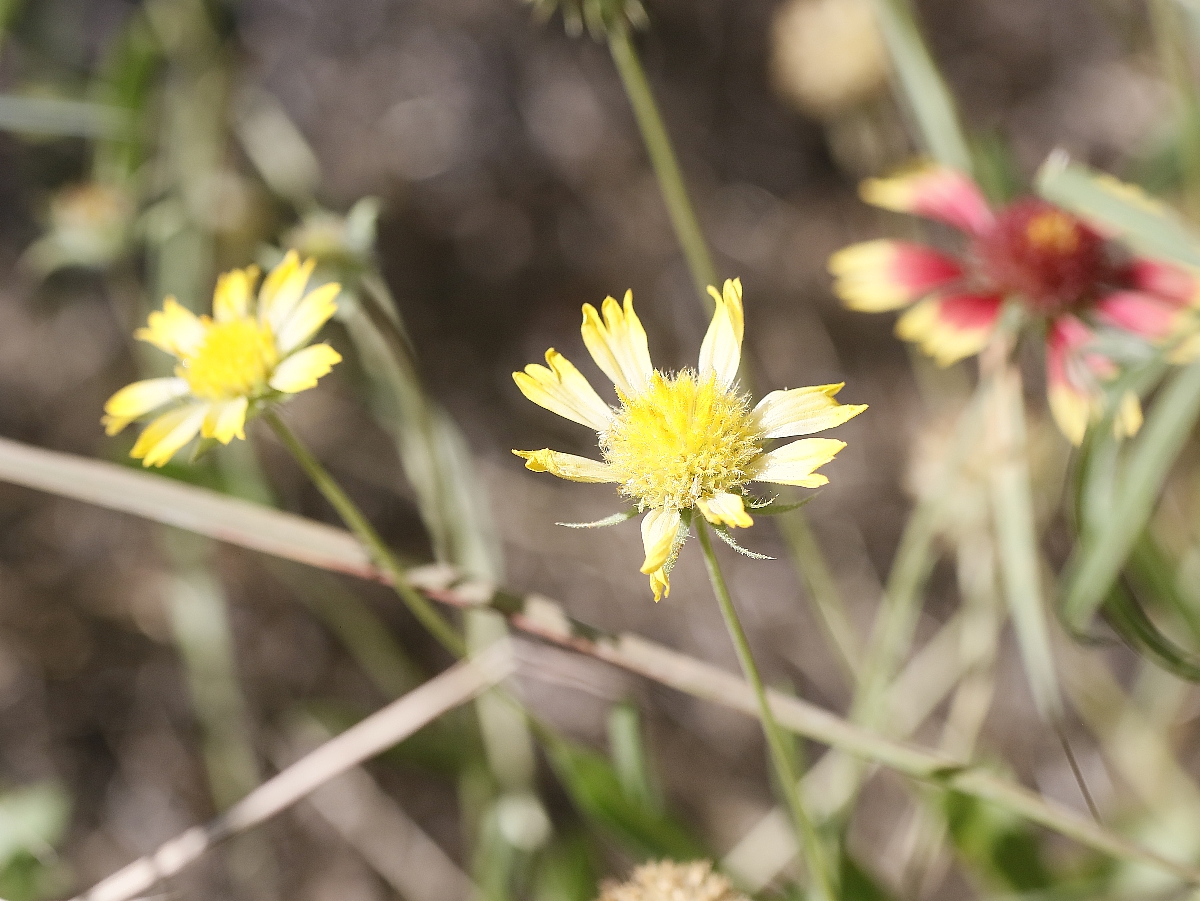
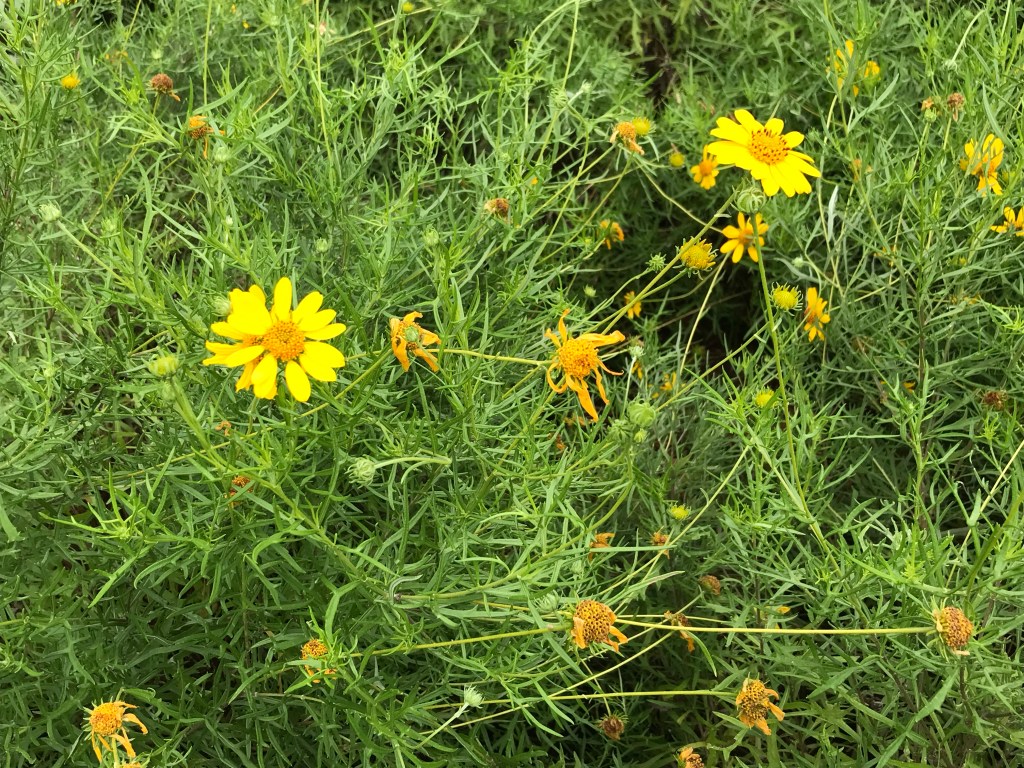
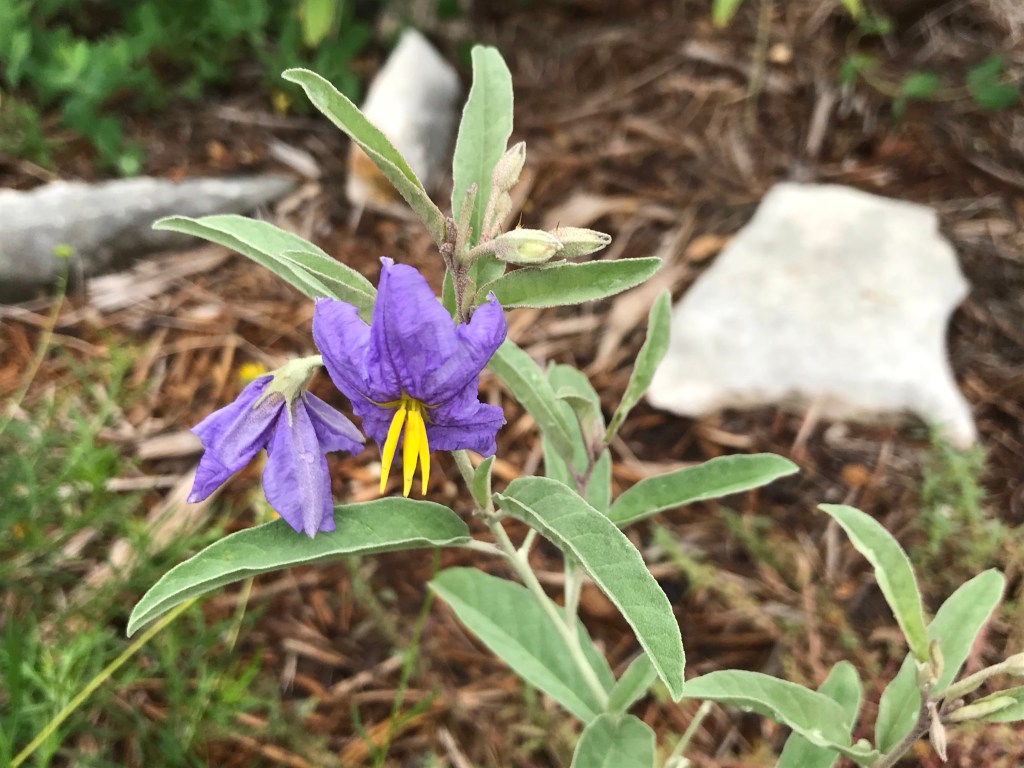
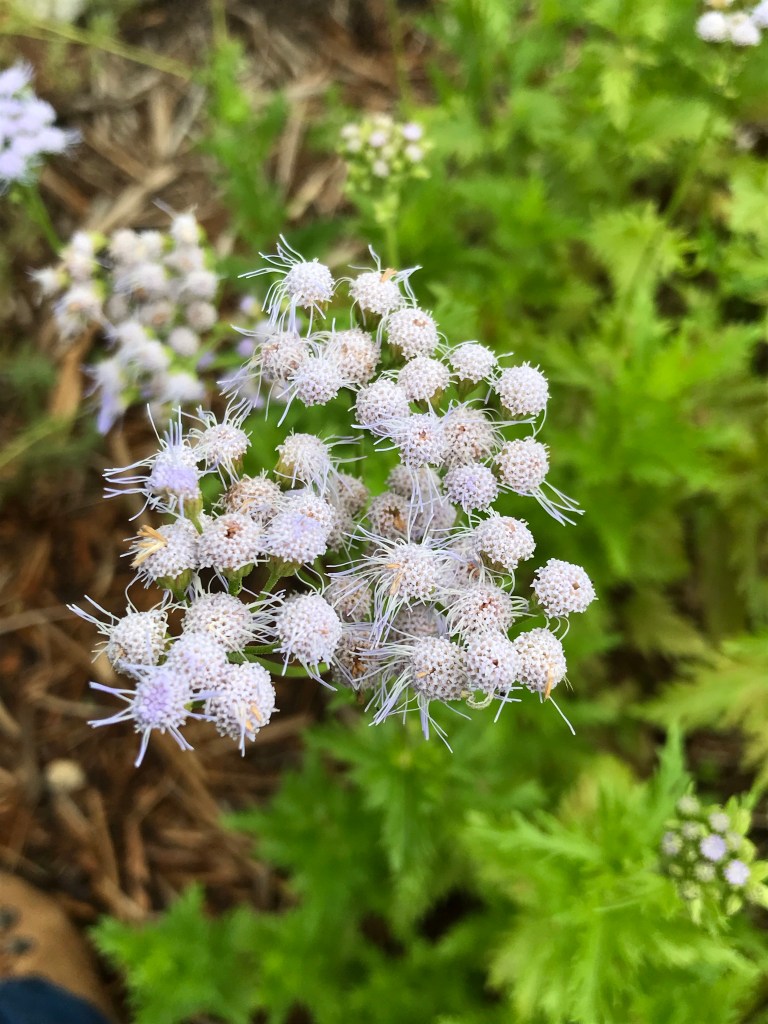
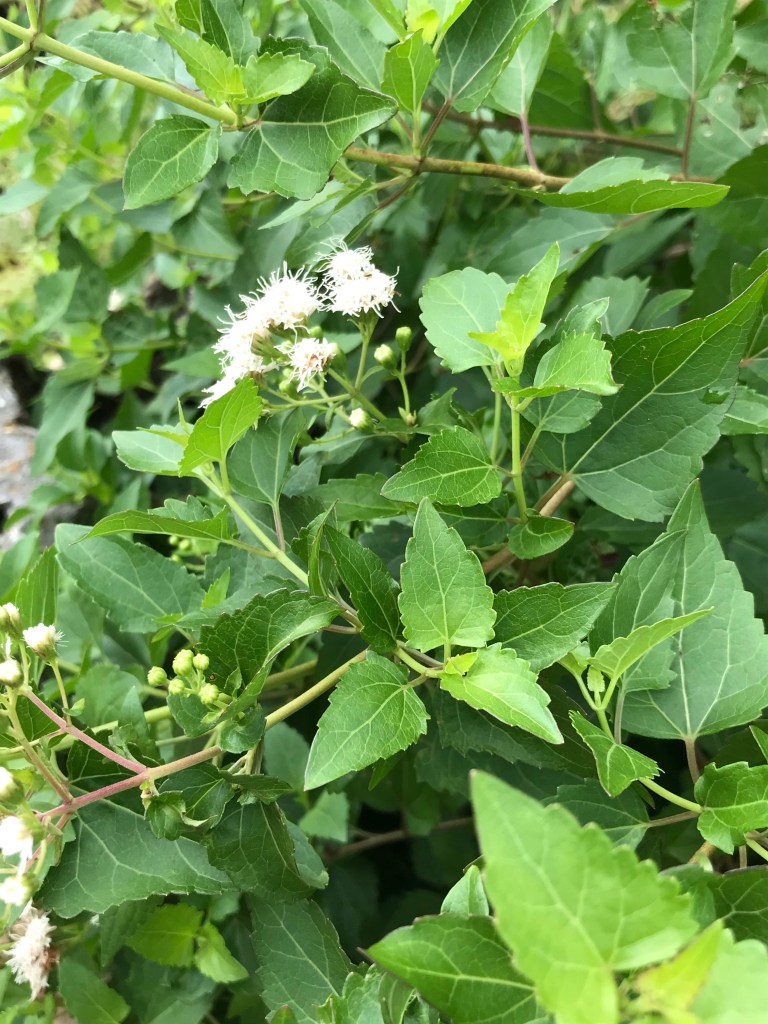
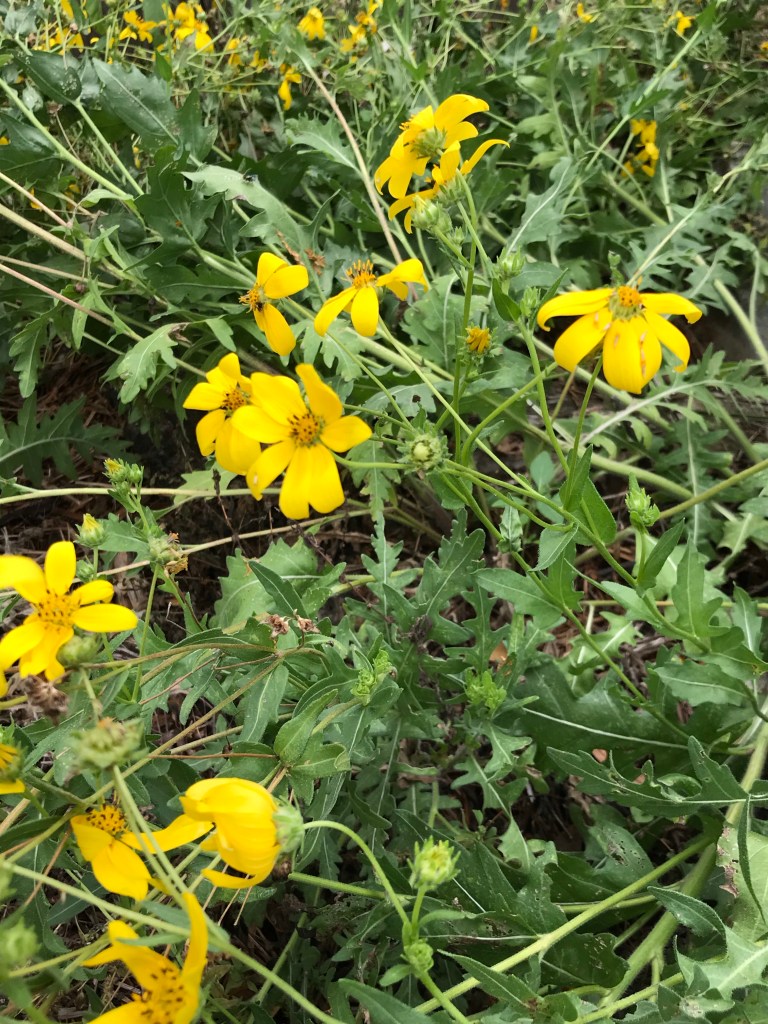
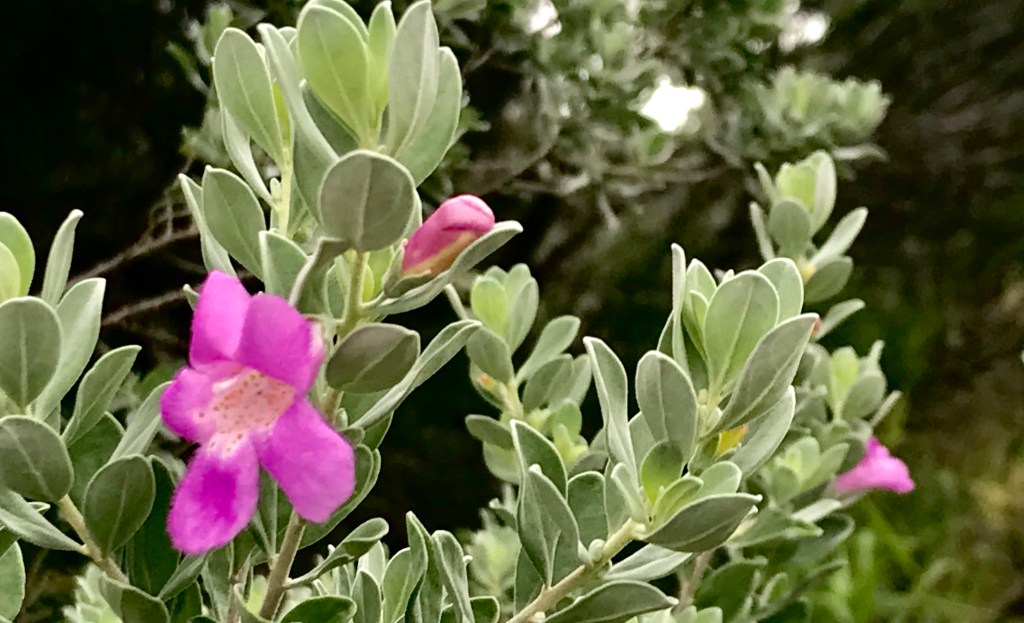
What, indeed? I’m happy to say I’ve seen a hummingbird buzzing around the Turk’s caps (Malvaviscus arboreus var. drummondii), the Tetraneuris scaposa as well as the T. scaposa var. linearifolia are in bloom, although the ones in the “nuisance strip are less lively than the ones in the one gallon pots ready to augment them. The Blackfoot Daisies (Melampodium leucanthum) are blooming, and the Cenizo or Texas Sage (Leucophyllum frutescens) bloomed for a little while, but have faded as the temperatures get into the 100s and the air has dried up. Datura (Datura wrightii) have been putting out their Angel Trumpets at night. Devil’s Claw (Proboscidea louisianica) are coming up behind the fence, along with plenty of Silverleaf nightshade (Solanum  elaeangifolium). Here are some of those mentioned, and maybe some not.

PD Treatment with Cannabis?

One form of treatment that has a lot of anecdotal evidence but has resisted scientific inquiry due to archaic legal issues is the use of Cannabis. Although there haven’t been a lot of studies related to Parkinson’s Disease, quite a few have been conducted related to other medical conditions, including addiction and other drug abuse/misuse issues and psychiatric conditions. This post provides a look at a few studies that are open access and which might have a relationship to mental issues related to Parkinson’s Disease (such as anxiety, depression, apathy…not that anyone cares…)

Cannabis, a complex plant…   

Atakan Z. (2012). Cannabis, a complex plant: different compounds and different effects on individuals. Therapeutic advances in psychopharmacology2(6), 241–254. https://doi.org/10.1177/2045125312457586

an overview of the biochemical basis of cannabis research by examining the different effects of the two main compounds of the plant and the endocannabinoid system, and then go on to review available information on the possible factors explaining variation of its effects upon different individuals.

A review of the chemical compounds of greatest interest to researchers.

The Genetic Structure of Marijuana and Hemp

journals.plos.org (2015)

We find a moderate correlation between the genetic structure of marijuana strains and their reported C. sativa and C. indica ancestry and show that marijuana strain names often do not reflect a meaningful genetic identity. We also provide evidence that hemp is genetically more similar to C. indica type marijuana than to C. sativa strains.

Hemp has more CBD and less THC, marijuana (as C. sativa is commonly referred to, as more THC,  in general.

The effectiveness of Cannabis Flower for the relief of depression

YALE JOURNAL OF BIOLOGY AND MEDICINE 93 (2020), pp.251-264.

The findings suggest that, at least in the short term, the vast majority
of patients that use cannabis experience antidepressant effects, although the magnitude of the effect and extent of side effect experiences vary with chemotypic properties of the plant.

Contrary to some of the other reports, this one suggests that most people get an antidepressant effect, although each person’s experience might be different.

The Impact of Cannabidiol on Psychiatric and Medical Conditions

J Clin Med Res. 2020;12(7):393-403

a systematic review of literature reviewing the available clinical data on
CBD, for use in various medical and psychiatric conditions with focus
on a review of the pharmacology and toxicity. 

As up to date a review one can get at this point in time.

Changes in patient health questionnaire (PHQ-9) scores in adults with medical authorization for cannabis

Round et al. BMC Public Health (2020) 20:987  https://doi.org/10.1186/s12889-020-09089-3

Although the majority showed no clinically important changes in PHQ-9 scores, a number of patients showed improvement or deteriorations in PHQ-9 scores. Future studies should focus on the parallel use of screening questionnaires to control for PHQ-9 sensitivity and to explore potential factors that may have attributed to the improvement in scores pre- and post- 3-6 month time period.

Similar to the last study cited, that supported the hypothesis that Cannabis use didn’t seem to have an effect of whether one was anxious or depressed.

Attenuated reward activations associated with cannabis use in anxious/depressed individuals

Spechler, P.A., Stewart, J.L., Kuplicki, R. et al. Attenuated reward activations associated with cannabis use in anxious/depressed individuals. Transl Psychiatry 10, 189 (2020). https://doi.org/10.1038/s41398-020-0807-9

data support the hypothesis that cannabis use in individuals with mood/anxiety disorders is associated with attenuated brain processing of reward magnitude, which may contribute to persistent affective symptoms.

In other words, I think that what they are saying is that if you are anxious or depressed, Cannabis won’t necessarily change that.

Health-related quality of life in young people: the importance of education

Gil-Lacruz et al. Health and Quality of Life Outcomes (2020) 18:187
https://doi.org/10.1186/s12955-020-01446-5

The dimensions of HRQOL are influenced by educational level. The influence is greatest among girls and the youngest members of the poorest area of the district. Public authorities should contemplate the development of an equitable education system from the beginning of the life cycle as a public health strategy.

Not specifically related to PD either, this has a broader impact. Better education leads to better health (and probably better schools, better businesses, and better public services and elected officials, one might wager).

That’s all for now. Time to relax. Take five. Smoke ’em if you got ’em, as the saying goes…
 

In search of a biomarker for Parkinson’s Disease

This report was pretty darn technical and way above my head, but from what I understood:

      • Lewy bodies are formed by the aggregation of alpha-synuclein proteins long before loss of dopaminergic neurons becomes apparent
      • Alpha-synuclein proteins appear to affect the immune system to produce an inflammatory response in the body (and brain)
      • The inflammatory factor interleukin-1-Beta was found at significantly higher levels in Parkinson’s patients’ blood samples

This particular study can be found on PubMedCentral. Unfortunately, I seem to have lost the link (or WordPress lost it for me). I Blame The Parkinson’s©

Howsomever, as Pogo the Possum (or Albert the Alligator) might have said, here is an article on biomarkers, published even more recently:

Blood biomarkers in Parkinson’s cluster analysis and prognosis   

 “Baseline clinical subtyping identified a pro‐inflammatory biomarker profile significantly associated with a severe motor/nonmotor disease phenotype, lending biological validity to subtyping approaches. No blood biomarker predicted motor or nonmotor prognosis.  (Mov Disord. 2020 Feb; 35(2): 279–287. Published online 2019 Nov 6. doi: 10.1002/mds.27888)

In other words, inflammation seems to be associated with PD, but the blood biomarkers they used didn’t correlate to progression of the disease.

In the meanwhile, we’re still searching…

###

Natives returning, along with a few undesirables

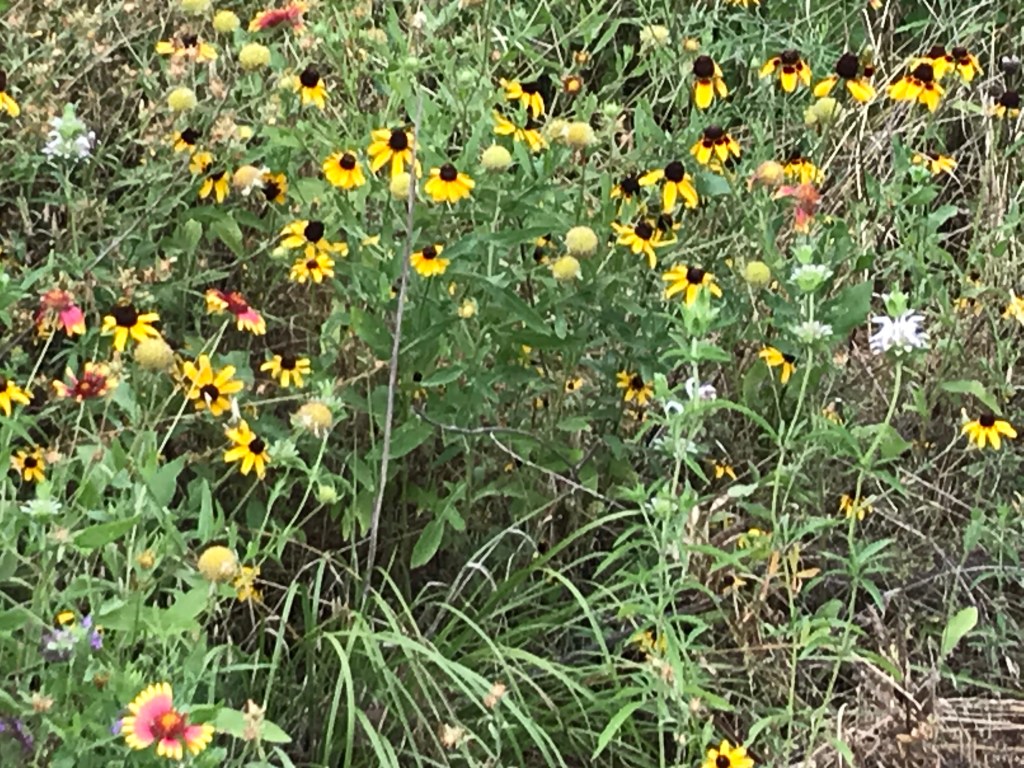
A month after the Wildflower Massacre at the hands of untrained/poorly trained mowers (who are not to blame, for the are just pawns in the game), the native plants are making a strong comeback, as well as a couple of unwelcome plants, both exotic and native. Among the invasive or undesirable plants are Johnson Grass (Sorghum halepense), Bermuda Grass (Cynodon dactylon), and Poison Ivy (Toxicodendron radicans). Interestingly enough, most of the “new” natives are coming up in the area in which I had already pulled some 10 bags of grasses and weeds of the exotic and invasive persuasion. But enough talk, here’s a slideshow to illustrate what I’m talking about.


The low blade mowing (under 7 inches) according to a personal source expert on eradicating non-native species from parks and preserves, is a great way to spread the Poison Ivy (a native, but one which one prefers left in preserves, untouched by mower blades). I suspect that cutting below 7 inches also encourages the spread of Bermuda Grass. The Johnson Grass is an opportunistic plant that likes disturbed soils such as construction sites or “scalped” roadways and in my case, berms. But it can be easily defeated by pulling it out after every rain, and letting native grasses take over.

Mowed down to the ground, the natives return

  • Texas Bluebonnet floret
  • Devil's Claw / Ram's Horn
  • Horsemint / Bee Balm
  • Silverleaf nightshade
  • Devil's Claw
  • Devil's Claw
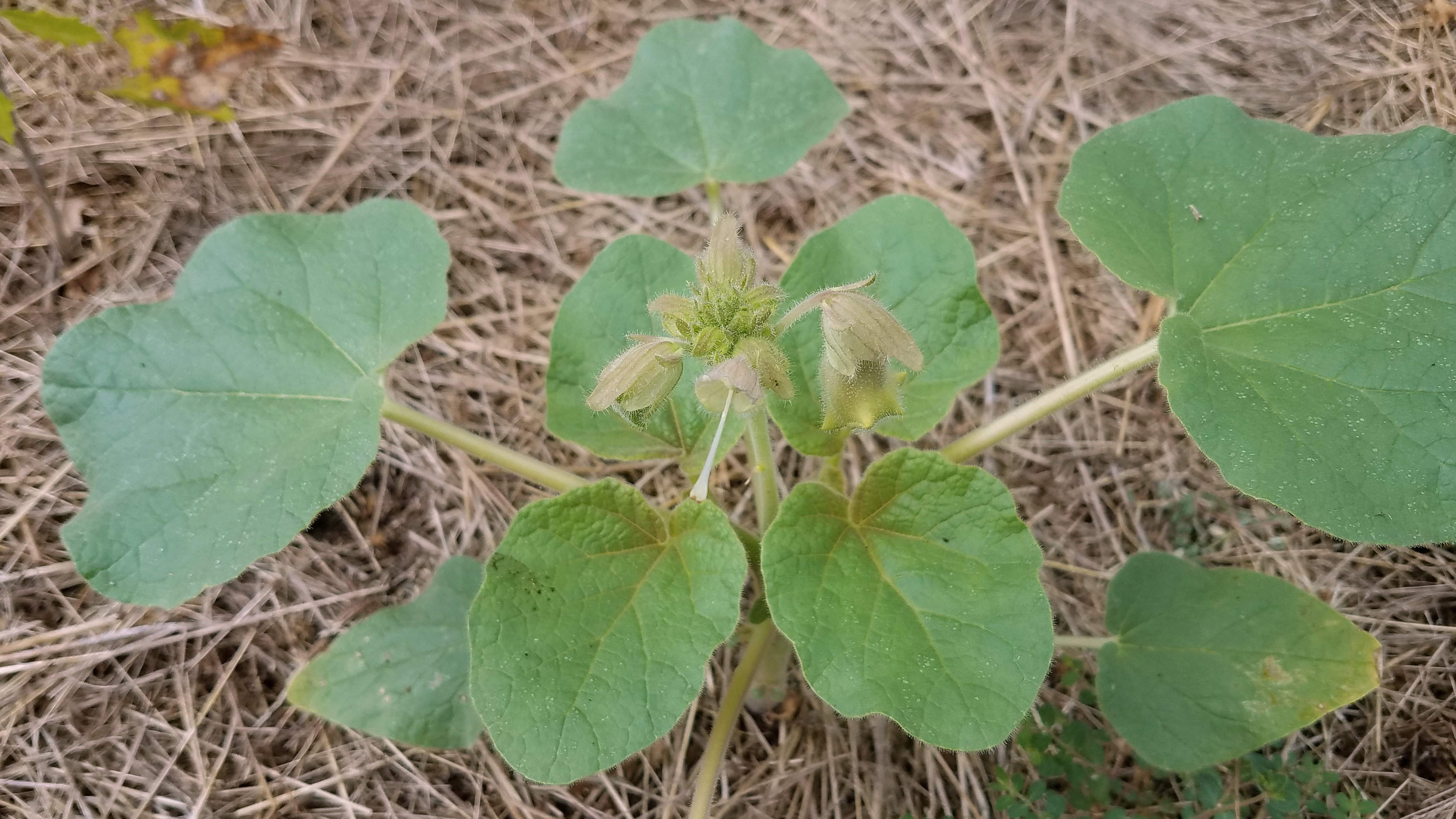
  • Cow-Itch or Sorrel vine
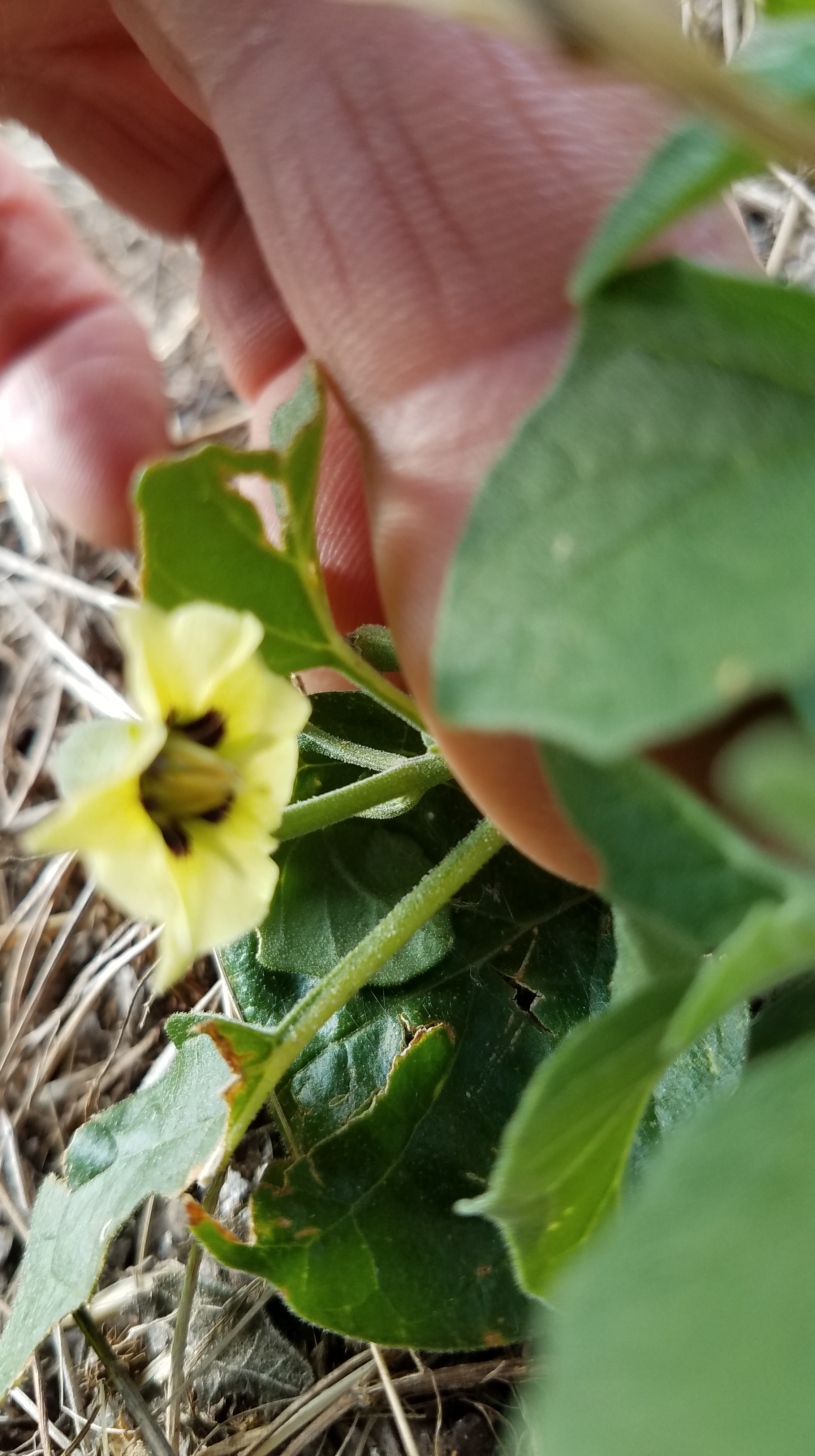
  • Yellow Ground Cherry - one of the Solonaceae
  • Silverleaf Nightshade
  • Gaillardia pulchella
  • May 27, 2020 - prostrate upright coneflowers (Ratibida columnifera)
  • Ram's Horn or Devil's Claw

On May 26, the mowers came by and mowed down the stand of wildflowers still in bloom on the berm between my backyard and the greenbelt. But since then, in addition to the Johnson Grass (which is fairly easy to control as an invasive plant), there have been several native Texas plants coming up from the embattled field.

A Texas Bluebonnet floret starts the slide show, and we have Gaiillardia, including some of the “albino” variety that seems to favor this location. Straggler Daisy, a low lying ground cover, and a member of the primrose family.above it. It’s not clear to me yet whether it is small due to lack of nutrients, or if it a different member of the Onotheraceae. I will have to look in my books…

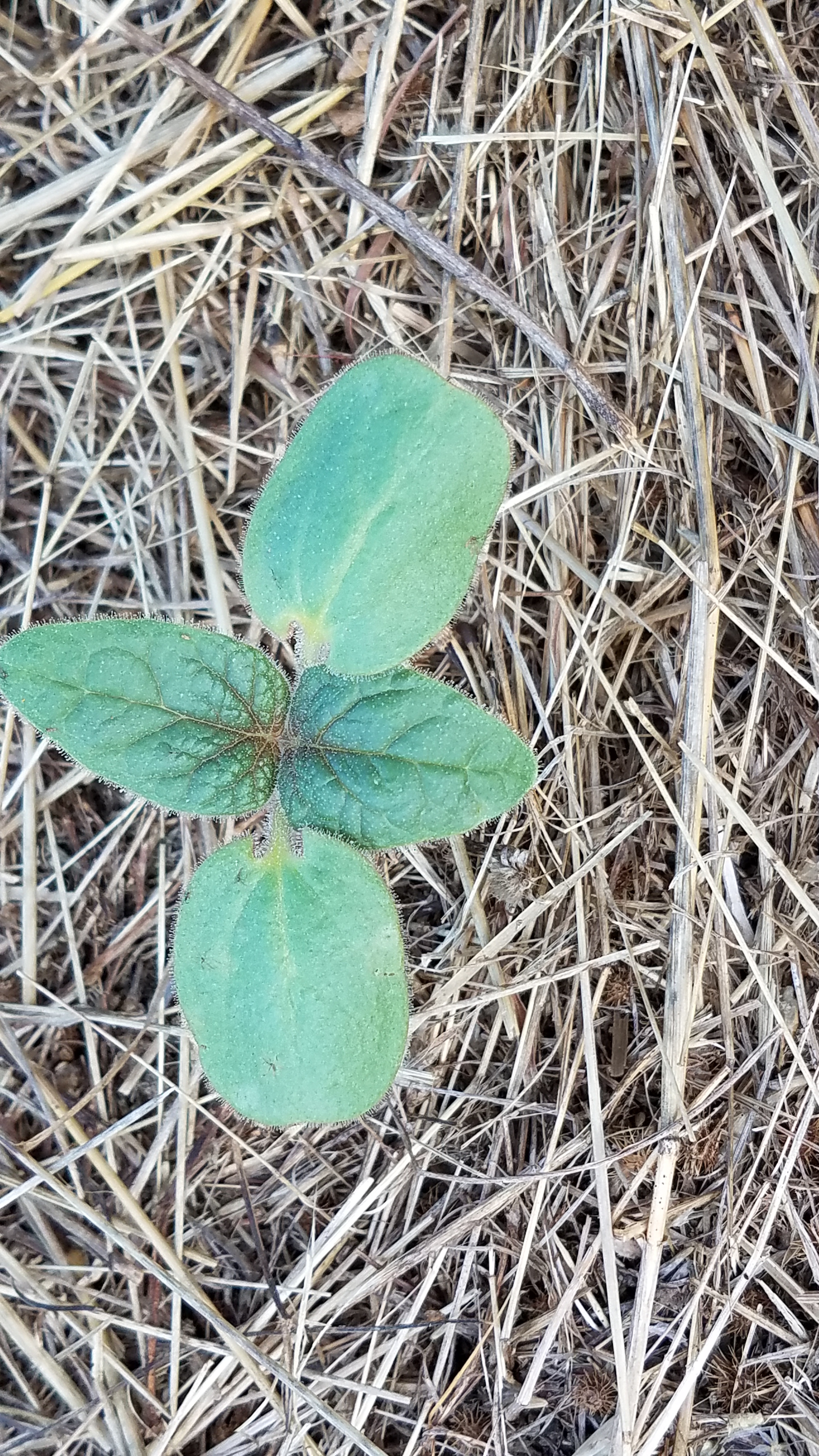
And we have have a few that I haven’t identified but others have seen the photos and suggested Ram’s Hron for one of them. The Prairie Vervain have come, as have several Solonaceae: Silverleaf nightshade, Western Horse Nettle, and even Ground Cherry.

And I should probably note the Poison Ivy, which has entangled itself among some of the other plants. I have been told by an expert in the eradication of invasive plants that mowing is one of the best ways to spread Poison Ivy around.

And shall we do now?

What a difference a day makes… not for the better, this time.
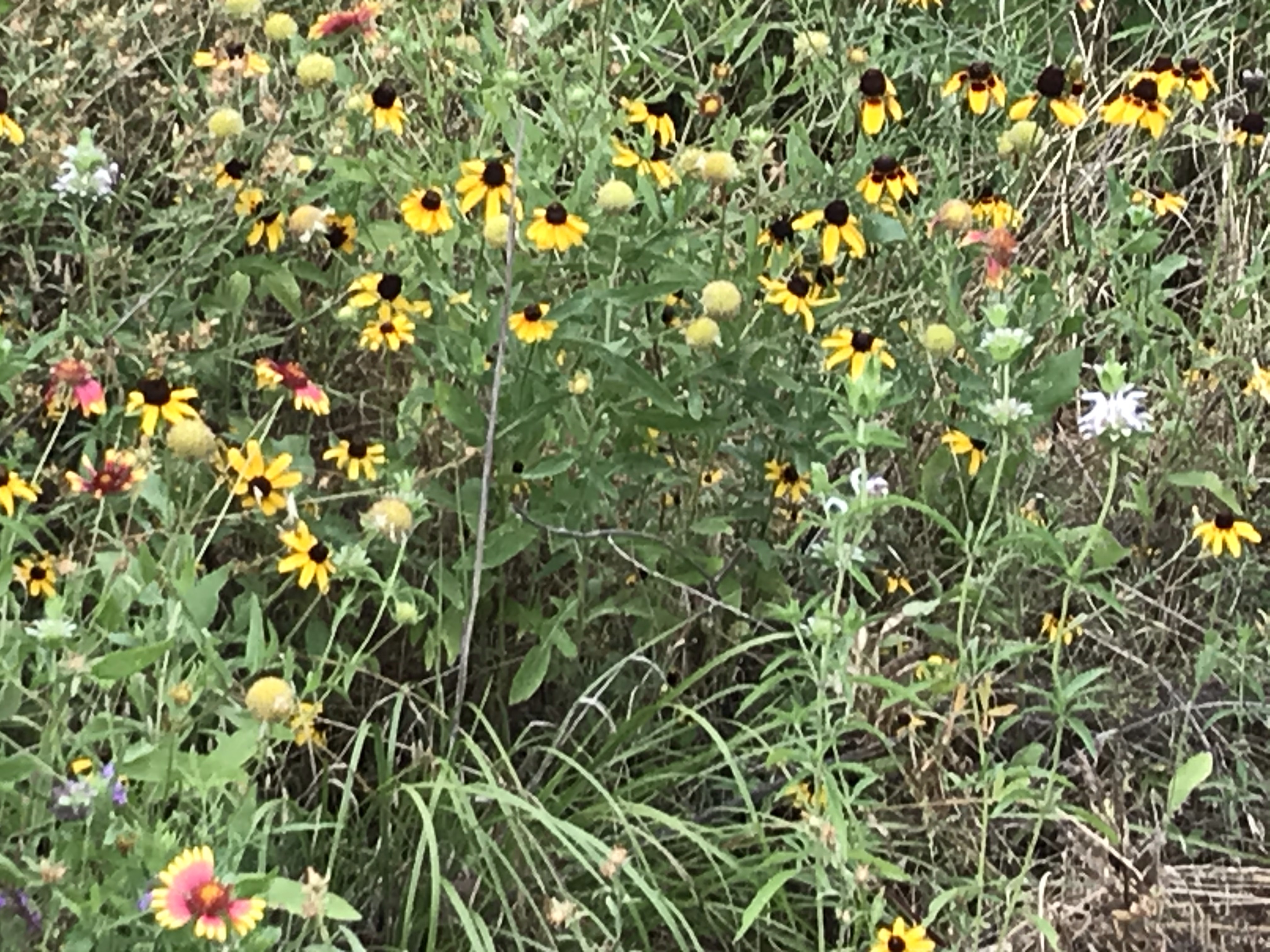
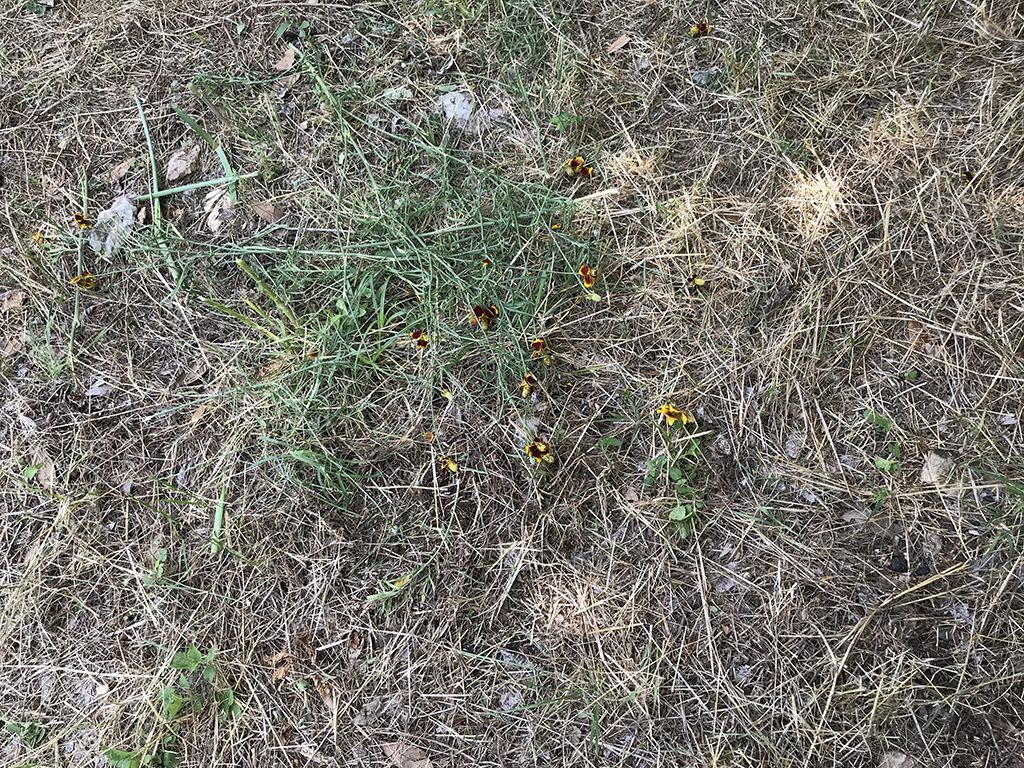
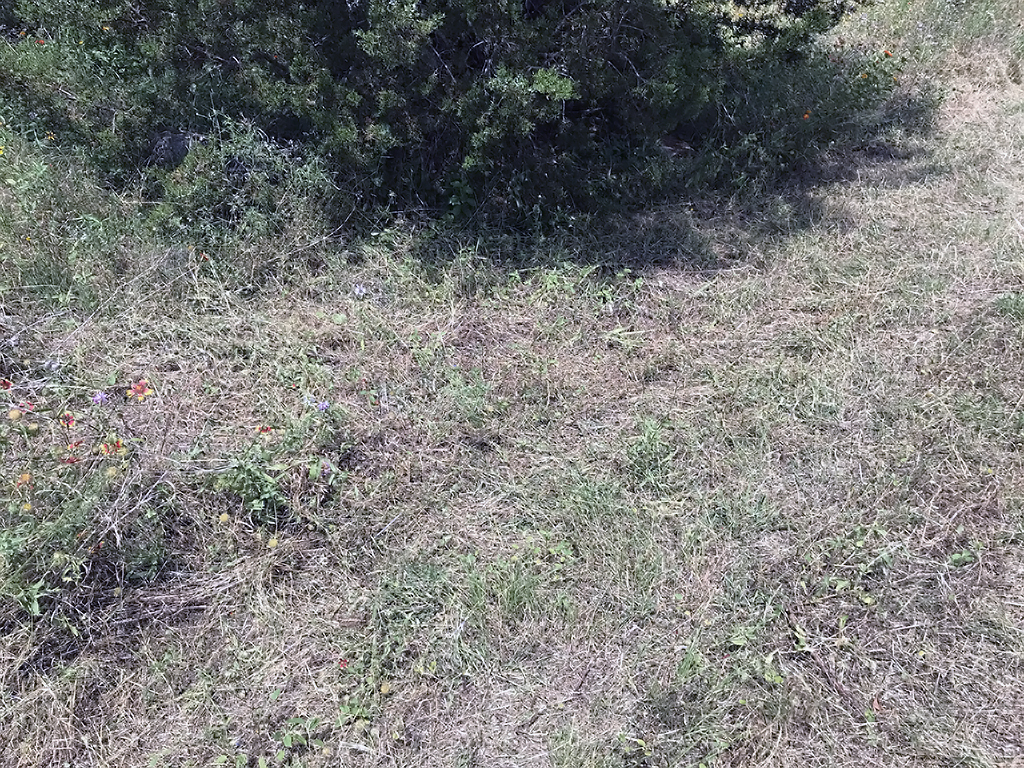
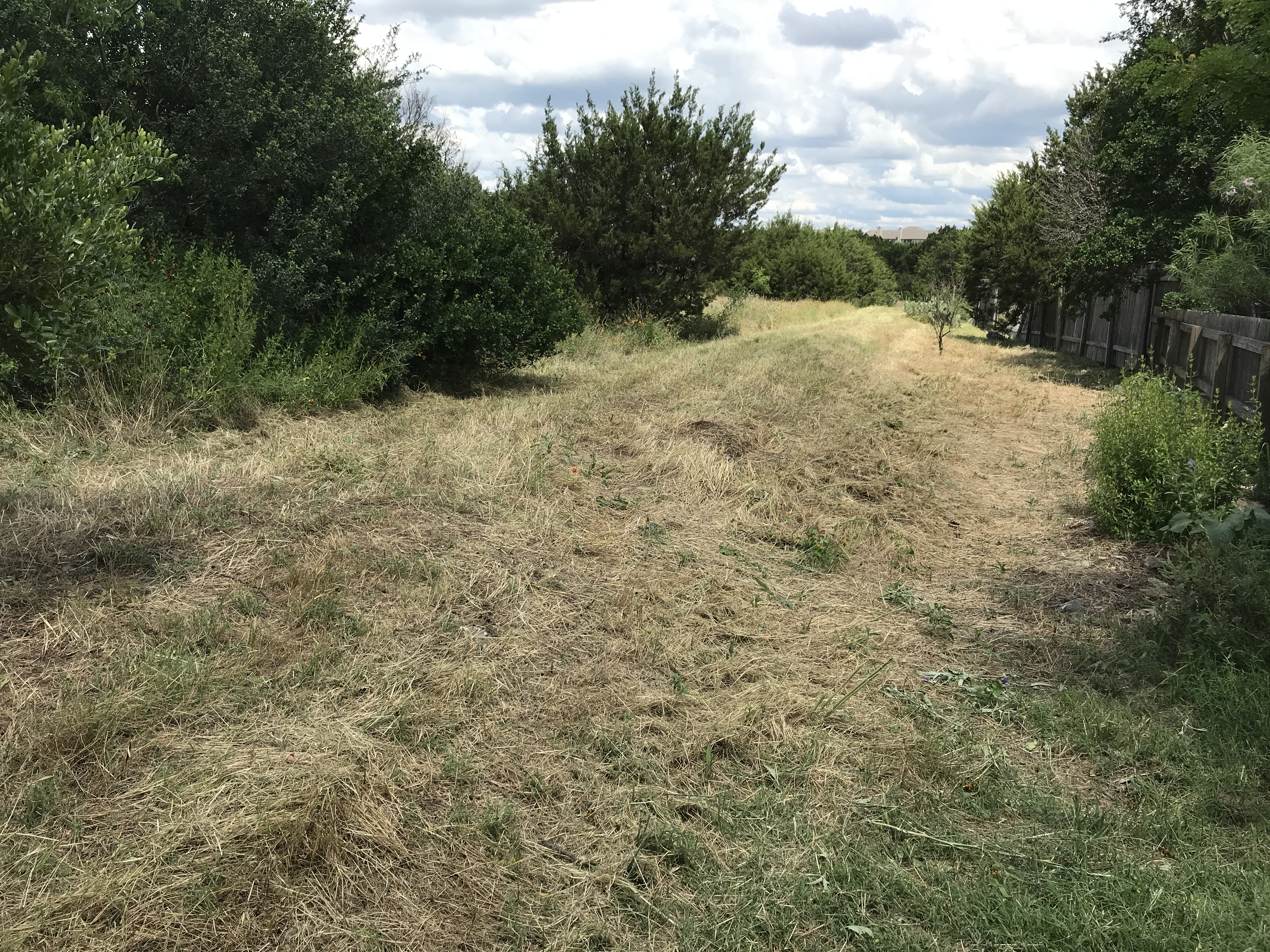
On Tuesday, May 26, 2020, I was participating in an online Parkinson’s exercise class when I heard the sound of engines and saw a mower going across the berm next to a green belt. The first three pictures below show the wildflowers that I had managed to give some room by pulling about 10 bags of invasive grasses and noxious weed from around them since February. The last three pictures show the result of the mowers’ work, having cut the berm bare, including the stands of blooming wildflowers. Warning: disturbing and graphic photographs are included.

I quickly called Ecosystems Landscaping of Austin, the name of the company on the mower’s tee-shirt, who had simply waved at me and turned his mower in the opposite direction when I tried to flag him down. (Granted, I did not have a face mask on. Perhaps he was following COVID-19 prevention precautions).

I spoke on the phone with a Mr. Robert G., who basically let me vent while his company’s employees cut down all the wildflowers still standing on the berm, many of which were not yet in full bloom or had even gone to seed.

He told me that their contracts required them to mow within a certain date. I asked why there weren’t clause(s) that prohibited mowing under unsuitable conditions, such as following rains (we had received at least two inches of rain in the last three days, and the ground was still wet, as was the grass). He claimed that their mower blades were pressure washed before bringing the mowers to the site, and that the blades were set at least three inches high. (I advised him that the Texas DOT guidelines for roadside vegetation management recommend setting the blades at 7 inches for rural areas, and to avoid mowing next to natural preserve areas, which the greenbelt is). I suggested that the Lolium perenne (annual rye grass) and Centaurea melitensis (Malta star thistle), both highly invasive plants, could not have come in during the last two years in as great of numbers as they had without having been carried in on mower blades.

Although the following references are to the Texas Department of Transportation’s (TXDOT) online manual for roadside vegetation management, (click on the “Home” icon to view a PDF version) I remember learning that the first documented case of child abuse in the US was reported to the Animal Welfare Agency and was prosecuted under the laws regarding cruelty to animals. I think any claim that HOAs and other entities are not subject to the same guidelines are spurious by analogy. At best, such an argument is specious.

In short, I observed the following presumed violations of The Texas Department of Transportation guidelines to Roadway and Roadside Maintenance, to name a few:

  • Assumed violation of guideline on Invasive Species (Ch.1, Section 3) “which calls for pressure washing of mowing equipment before the equipment enters or leaves designated areas.” as outlined in Special Provision 730-003 (dated 2004) on Roadside mowing which requires notification of the engineer prior to the pressure washing of mowing equipment in order to ensure that plant materials are contained. (An assumption based on the resulting infestation of invasive exotic vegetation. I am willing to retract this assumption if anyone can provide proof of actual pressure washing before moving the mowers into the area. Video with a date stamp would be sufficient and easy to create with a smartphone). (Emphasis added).
  • Presumed violation of Section 4: Special Situations, which states “frequent mowing of of native grasses would allow noxious weeds to invade. … “should be cut no lower than seven inches to ensure survivability.” {emphasis added).
  • Presumed violation of Section 2: Preserving and Enhancing Habitat: “Diversity – both in plant variety and growth structure – is the key to preserving and enhancing wildlife habitat. … focus on encouraging a diverse native plant population that will provide abundant food and cover for a variety of wildlife.”
  • Obvious violation of Chapter 1 Section 3 – levels of management: ” Large stands of wildflowers including fall blooming nectar plants for pollinators should be avoided when mowing unless safety concerns arise.” (emphasis added).

I could go on.

But I am an elderly person with Parkinson’s Disease. I can’t go out waving my machete at the mowers to get them not to mow over stands of blooming wildflowers. I had thought about putting out signs saying “Wildflower Restoration In Progress – Do Not Mow” the day before, but I had other promises to keep. Maybe this Fall. At least I pulled the 10 bags of invasive plants in the last three months. There will be that many fewer invasive plant seeds, and perhaps the native grasses and wildflowers will have a better chance next year.

###

What was blooming (or not) 25 May 2020

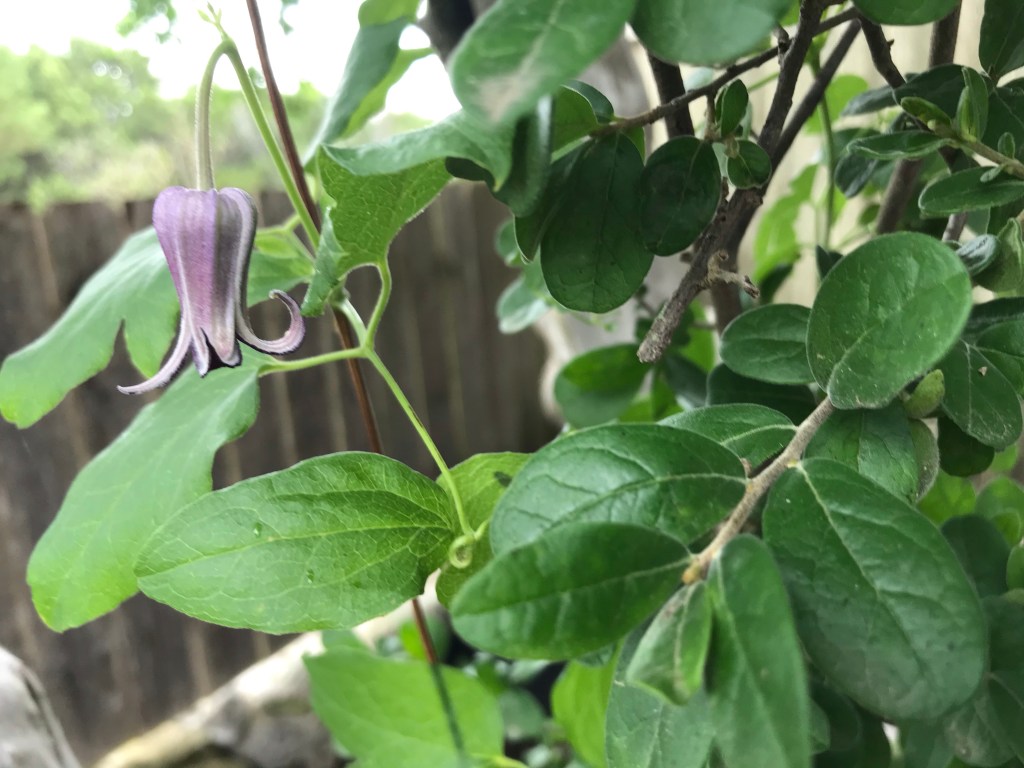
Clematis pitcheri (Purple leather flower) (cultivated)

(Posted about a year ago – edited to add the names of the plants), Went out in the yard and beyond today and captured a few items of interest. Didn’t go into the front yard because it was getting close to dinnertime.

Lantana urticoides (Texas Lantana)
Salvia farinacea (Mealy blue sage)(cultivated)
Symphyotrichum oblongifolium (Fall aster or Aromatic aster) (cultivated)
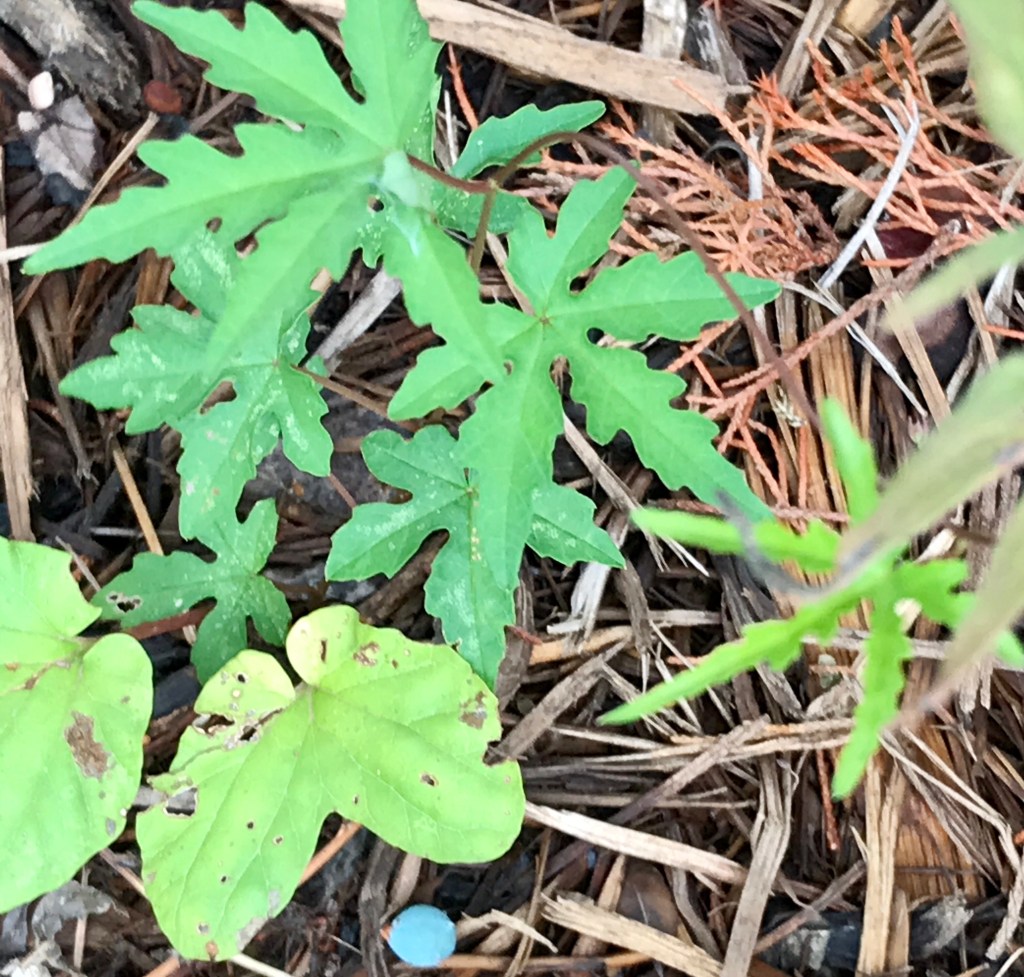
Merremia dissecta. (Alamo vine)(cultivated)(escaped from cultivation)
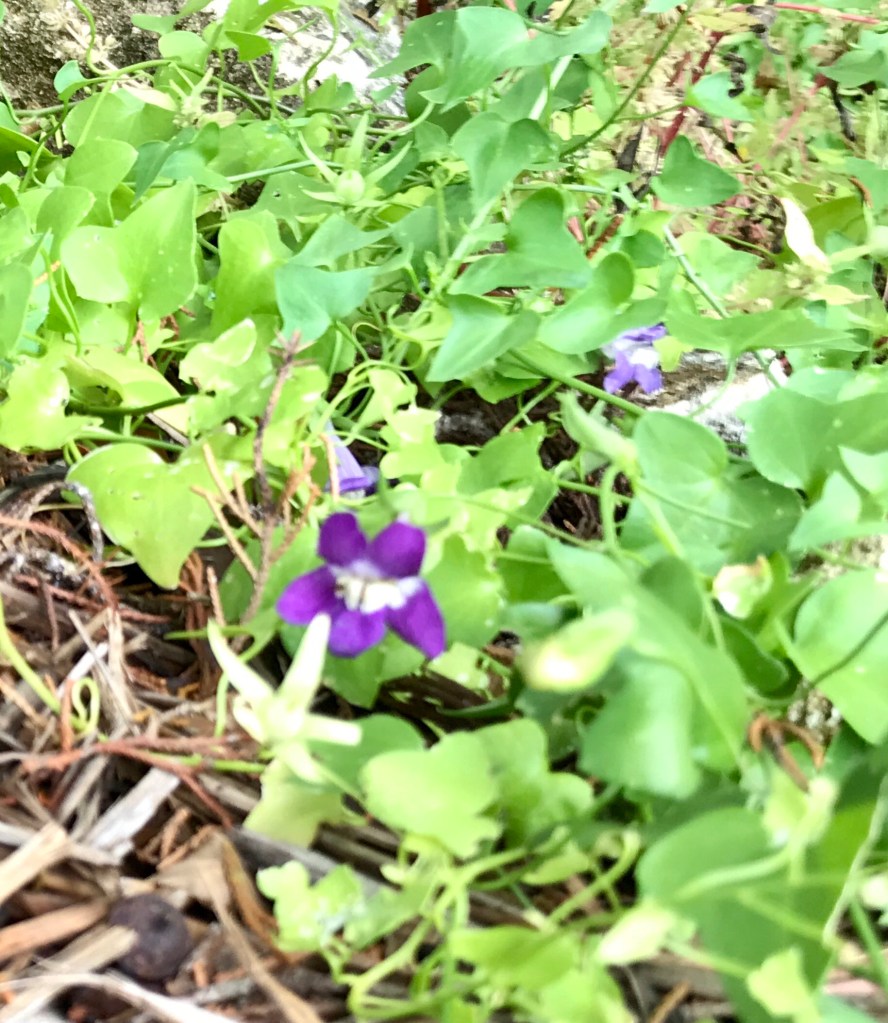
(Maurandella antirrhiniflora) (Roving sailor or Snapdragon vine) (native, not cultivated)
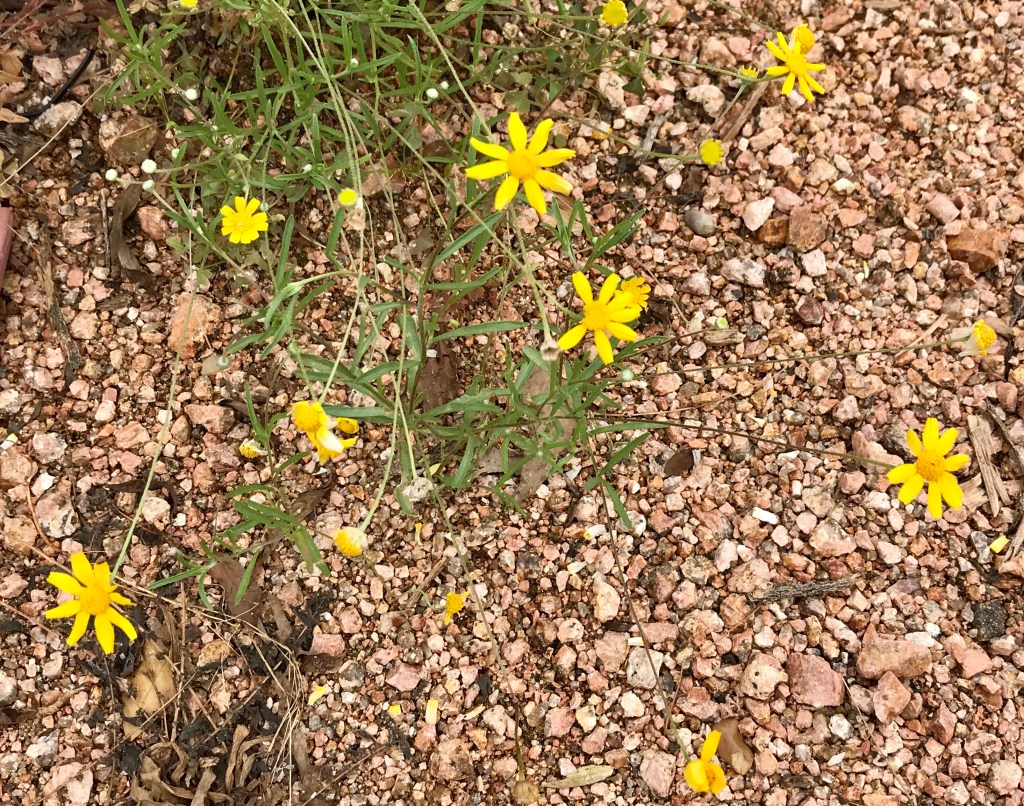
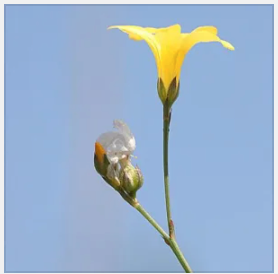
Tetraneuris linearifolia var. linearifolia (Slenderleaf bitterweed) (native, not cultivated)
(Viguiera stenoloba) Skeleton-leaf Goldeneye (cultivated)
Solanum elaeagnifolium (Silverleaf nightshade) (native, not cultivated)
Conoclinium greggii (Gregg’s mistflower) (cultivated)
Ageratina havanensis (White mistflower, White boneset) (cultivated)
Viguiera stenoloba . (Skeleton-leaf goldeneye) (cultivated)
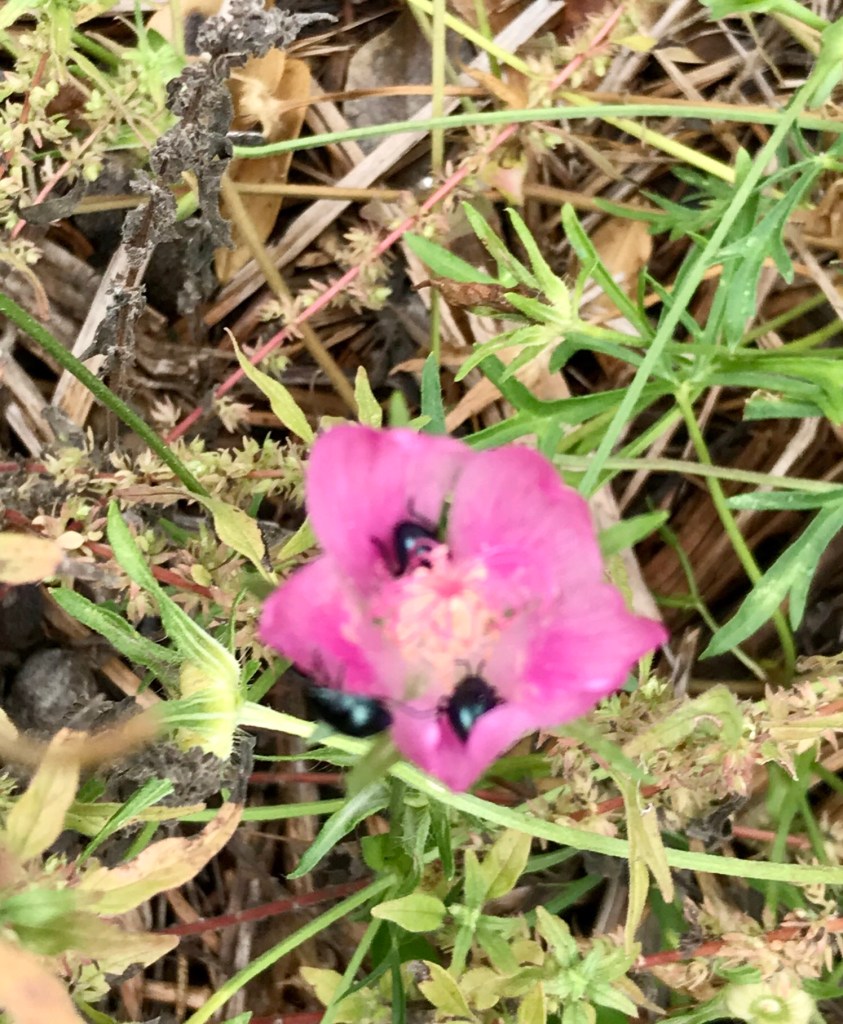
Callirhoe involucrata (Winecup, Purple Poppy Mallow)(cultivated)
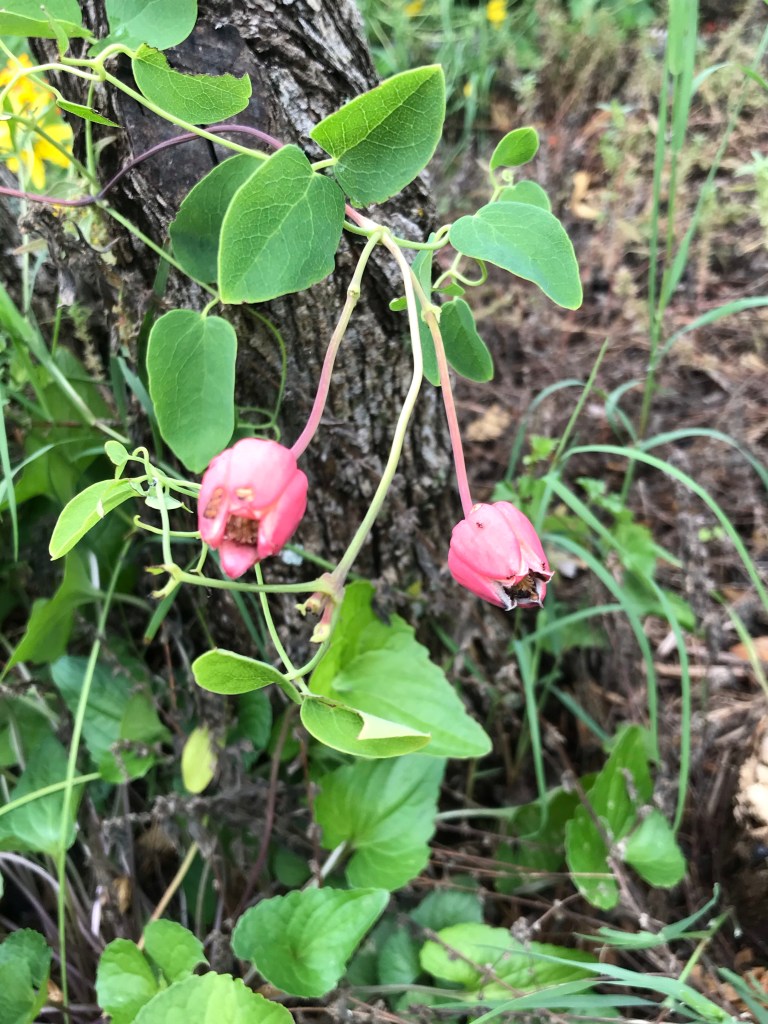
Clematis texensis (Scarlet Clematis, Scarlet Leatherflower, Texas Clematis)(cultivated)
Opuntia sp. (Prickly pear)(cultivated, “spineless varietal)
Luchophxllum frutescems (Cenizo, Purple sage, Trvas sage)(cultivated))
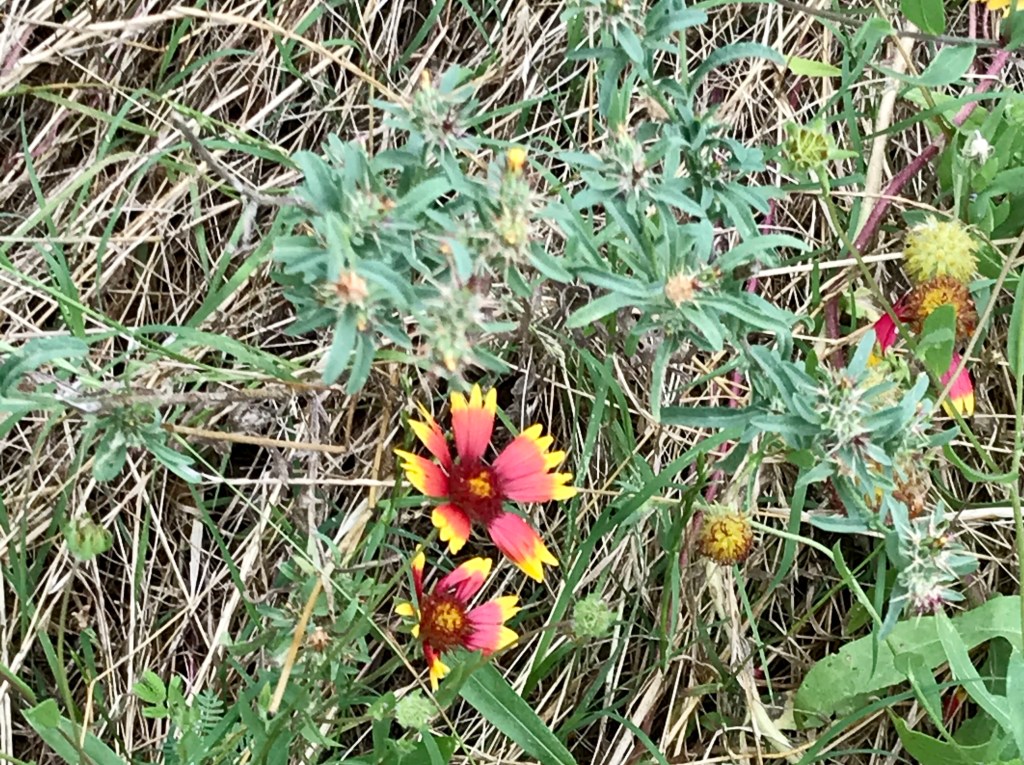
Gaillardia pulchella (Firewheel, Indian Blanket) (natiive, not cultivated)
Oenothera speciosa (Pink Evening Primrose, Pink Ladies) (native, not cultivated)
A variety of native plants (mostly)
Glandularia bipinnatifida (Dakota Mock Vervain, Prairie verbena) (native, not cultivated)
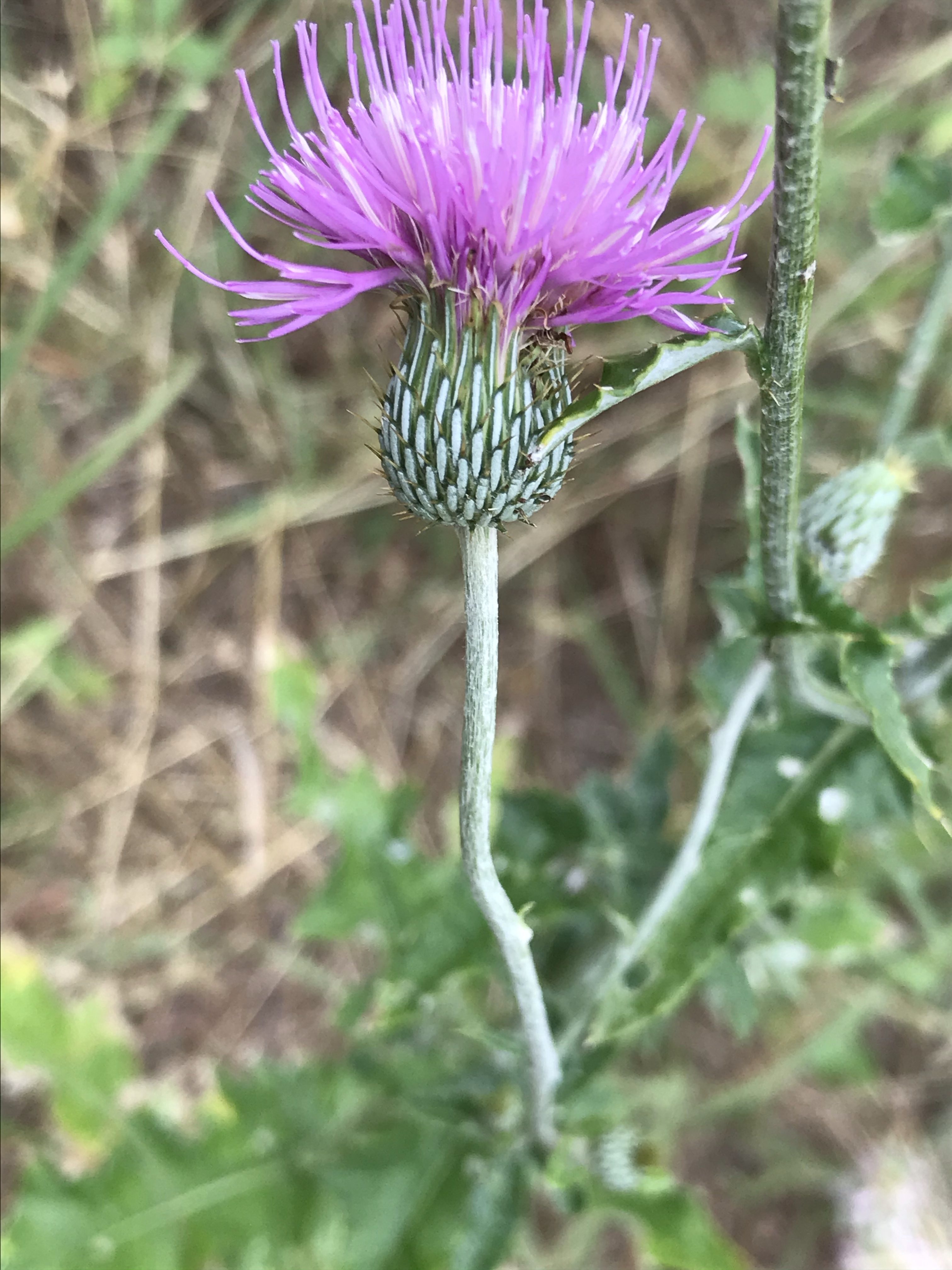
Cirsium texanum (Texas Thistle) (native, not cultivated)
Gaillardia pulchella (Indian Blanket) including recessive gene lacking red pigment, “Sunwheel” (native, not cultivated)
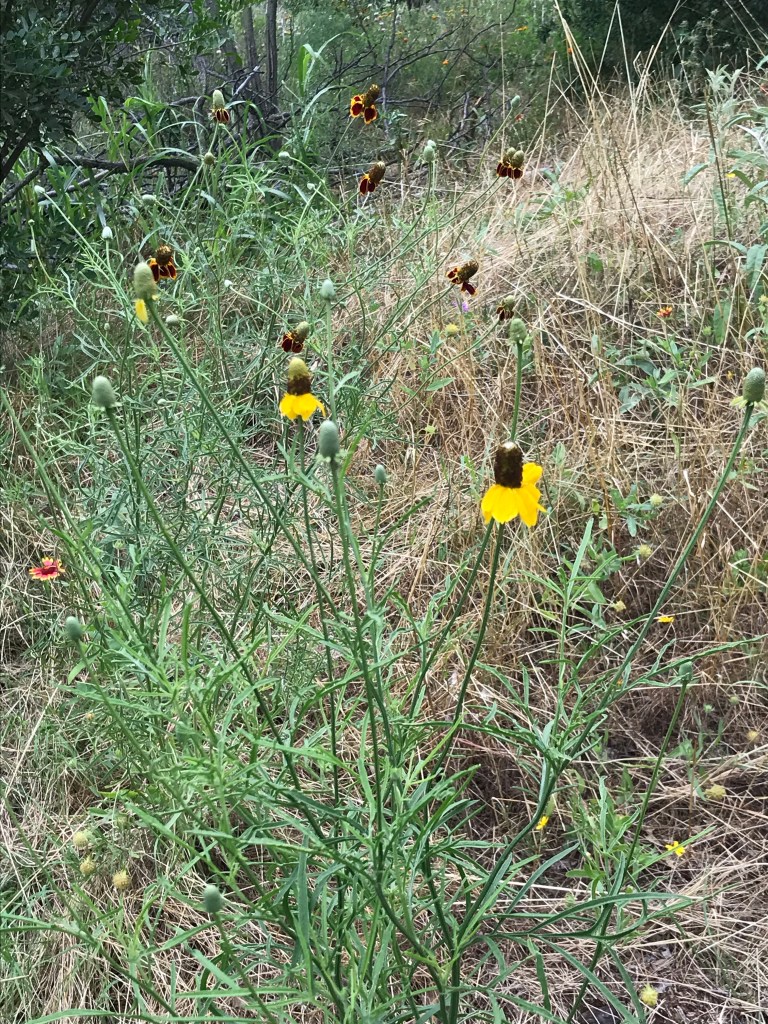
Ratibida columnifera (Prairie Coneflower, Mexican Hat)(native, not cultivated)

Return of the purple leather flower

_MG_08451024jpg

Clematis pitcheri – Purple leather flower

Back in the corner of our tiny lot, next to the compost bins and under the Diospyros texana, is a gallant vine that until now has shown no intentions of putting out any flowers.

Yesterday was the first day a bud showed up, so maybe it will get some followups as it matures, or other flowers come out. The Texas persimmon mentioned by its scientific name above provides the majority of the foliage in the photo above. but the Clematis leaves can be seen, they’re just much larger and out of focus.

Yesterday, while sitting on the back porch/deck, a titmouse came up to the trellis and started poking its head about. As I fumbled with my camera, I was able to get about four poorly focused or poorly framed shots, so my best guess is that it was a tufted and not aa black crested titmouse. As I tried to follow it around the yard after it left the deck, I took several shots of dubious quality. I was surprised to find that instead of the aforementioned bird, the next best shot was of a Carolina chickadee. Naturally, after the initial excitement of tiny birds flitting about the yard, I was left standing holding the camera without any feathered bipeds in sight, though I could still hear them singing – mostly a mockingbird.

Which I guess is why I mostly stick to plant photos – at least they stand still, more or less, except when the wind blows, or even breathes a whisper across them.