Castilleja species – Indian Paintbrush

Castilleja sp - Indian Paintbrush

Castilleja sp – Indian Paintbrush

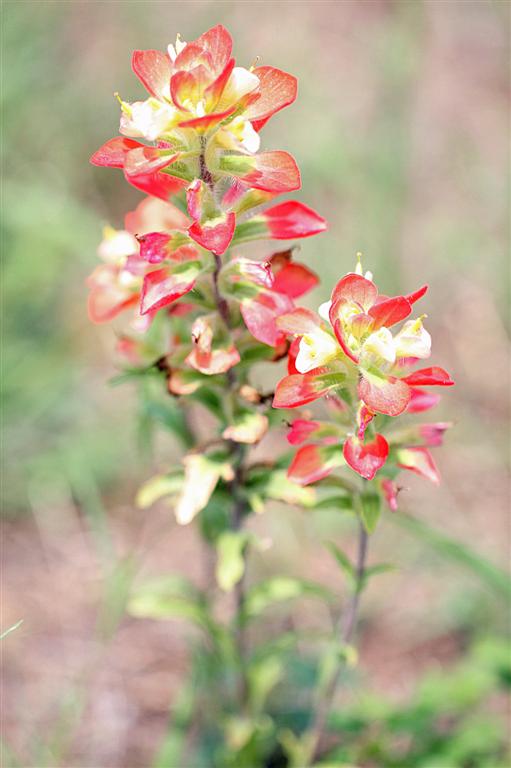
You can file this specimen under “what are you doing blooming on July 14?”, which is when the picture was taken.  Usual bloom period for the Castilleja indivisa species, which this appears to be, is March through May.  Then again, this was a fairly isolated specimen, so it just might be a case of a statistical outlier due to local circumstances.

The colorful part of the plant is due to bracts, leaflike parts of a plant appearing just below the flower, and not actual flower petals.  The actual flower petals are small and white and can be seen at the top of the plant in this picture.

The Indian Paintbrush is something of a parasite, in that its roots grow until they reach the roots of a host plant. Then they hijack the nutrients provided by the host plant’s root system.
Elymus canadensis – Canadian Wild Rye

 Elymus canadensis  - Canadian Wild Rye

Elymus canadensis – Canadian Wild Rye

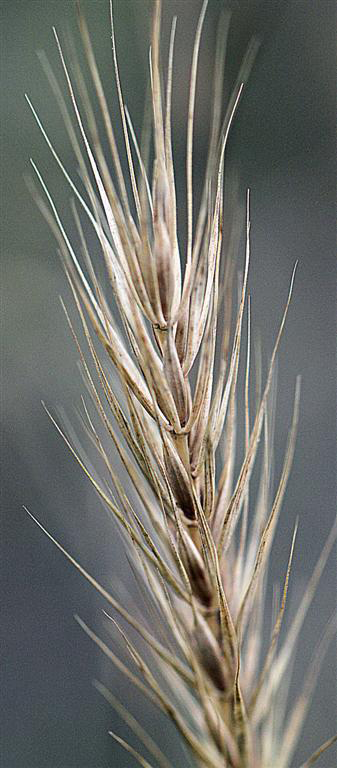
This is a perennial grass with a distinctive pattern of its spiky seedheads. It is shade tolerant and mildly drought tolerant.  It grows to about 2-3 feet high.

This photo was taken July 14 on a field trip to Taylor Park at Lake Granger in Williamson County, Texas. We saw a lot of this grass on the nature trail.

As always, clicking on the image opens a larger picture.


Clematis pitcheri – Purple Leatherflower

Clematis pitcheri - Purrple Leatherflower

Clematis pitcheri – Purrple Leatherflower

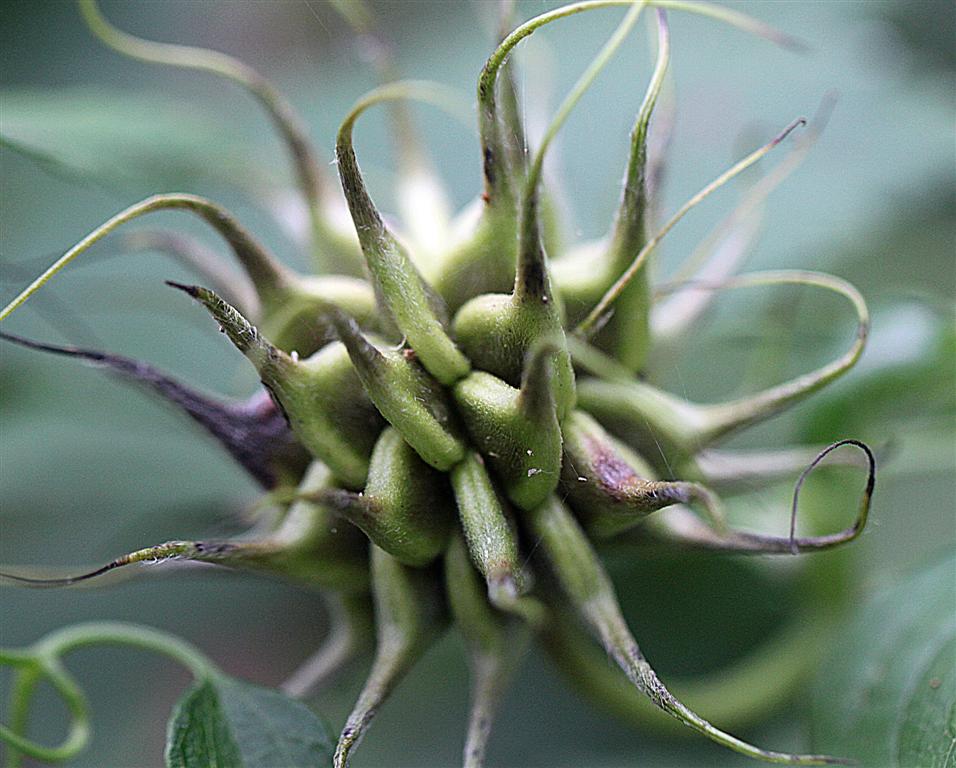
This is part of the Purple Leatherflower, presumably the seed pod after the blossom has faded.

Clematis pitcheri - Purple Leatherflower

Clematis pitcheri – Purple Leatherflower

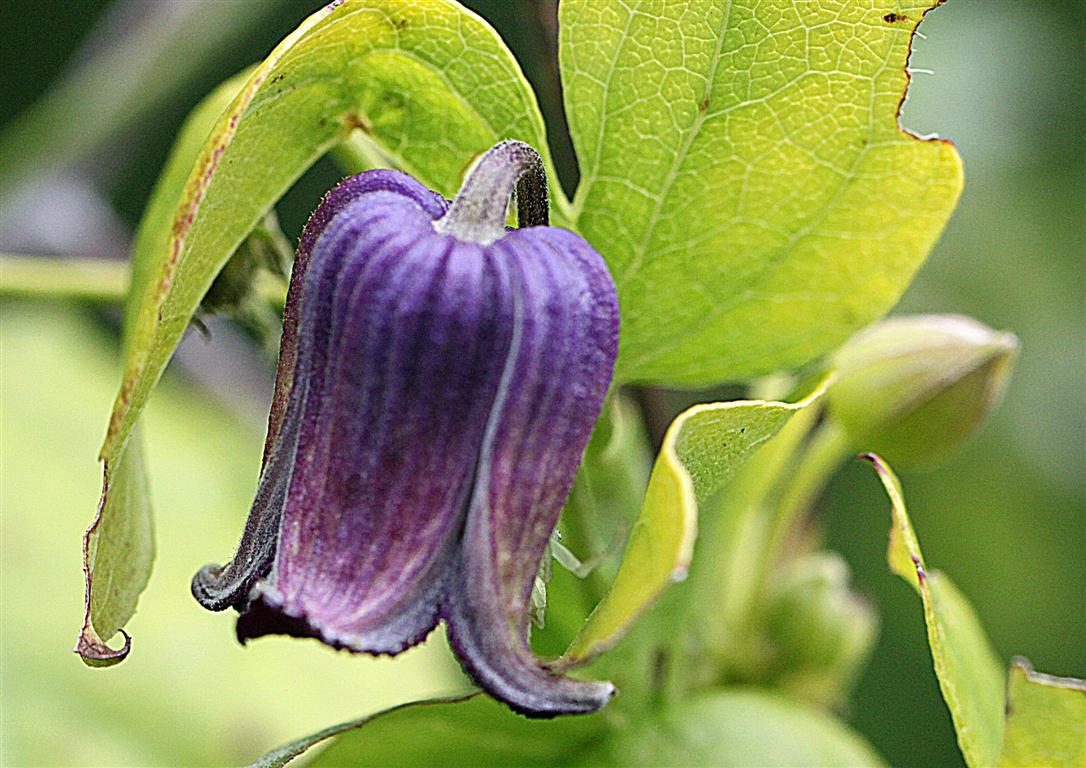
Here we see instead the flower, which is hanging, its four purple sepals looking like petals, which are absent. The flowers do appear to be somewhat leathery, hence the common name. It is a vine, from six to twelve feet in length, and makes its living standing on the shoulders of shrubs.

Liatris – Gayfeather

Liatris - Gayfeather

Liatris – Gayfeather

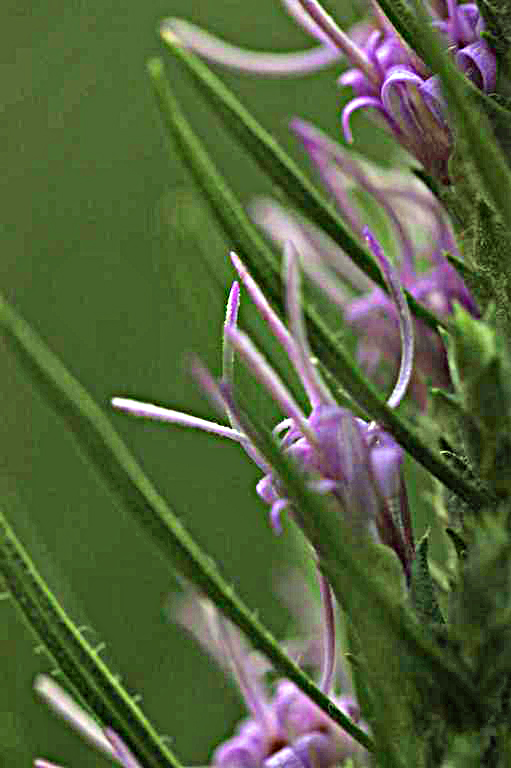
Here’s another shot of the Liatris mucronata in my front yard. Again, up close and personal and looking at a small portion of a spike, showing the needle-like leaves and the flowers. I feel confident in calling this one L. mucronata since that’s what the Wildflower Center had on its label when I bought it, assuming I bought it there…I will be posting some more Liatris in the next few days for which the species is not as certain, since they were found in the wild and mostly they weren’t in bloom, making it more difficult to identify them.


Liatris mucronata – Gayfeather

Liatris mucrinata - Gayfeather

Liatris mucrinata – Gayfeather

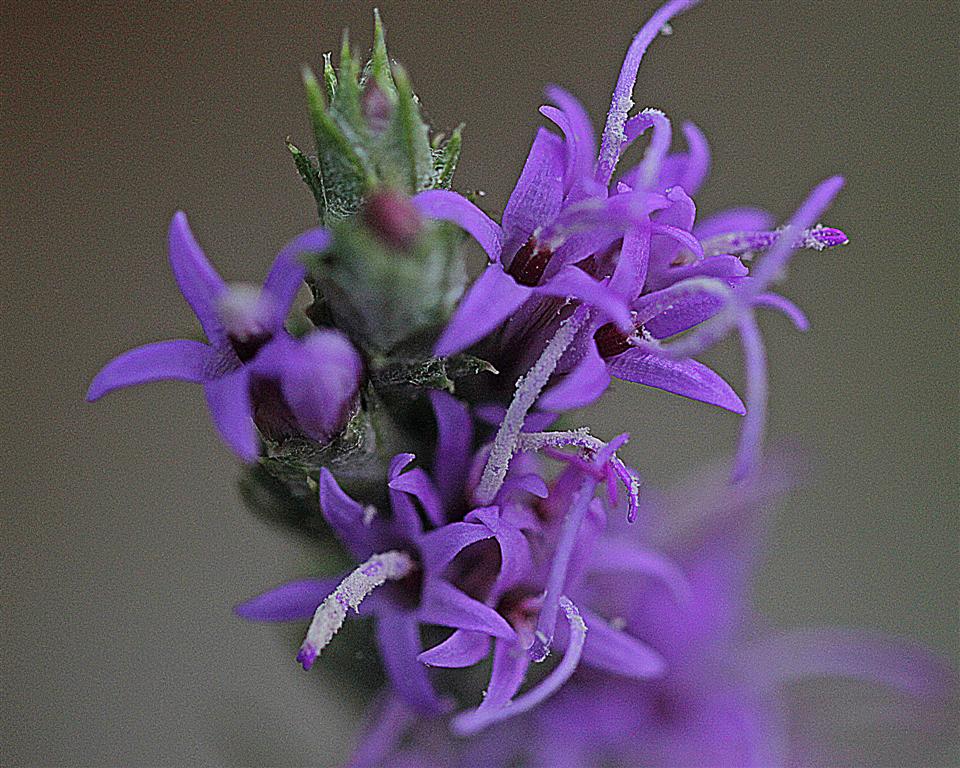
Liatris is in bloom, and this spiky looking plant doesn’t mind the heat, providing nectar for a variety of insects. Last year, it was one of the few plants that stood up to the series of 100 degree days that we had. This is a close-up of the blossoms, which form along the sides of the spikes. While the photo gives you the details, it doesn’t convey the overall shape of the plant and flowers.  That will have to wait for another day.

Acacia farnesiana – Huisache – Hazards of Huisache

Acacia farnesiana - Huisache

Acacia farnesiana – Huisache

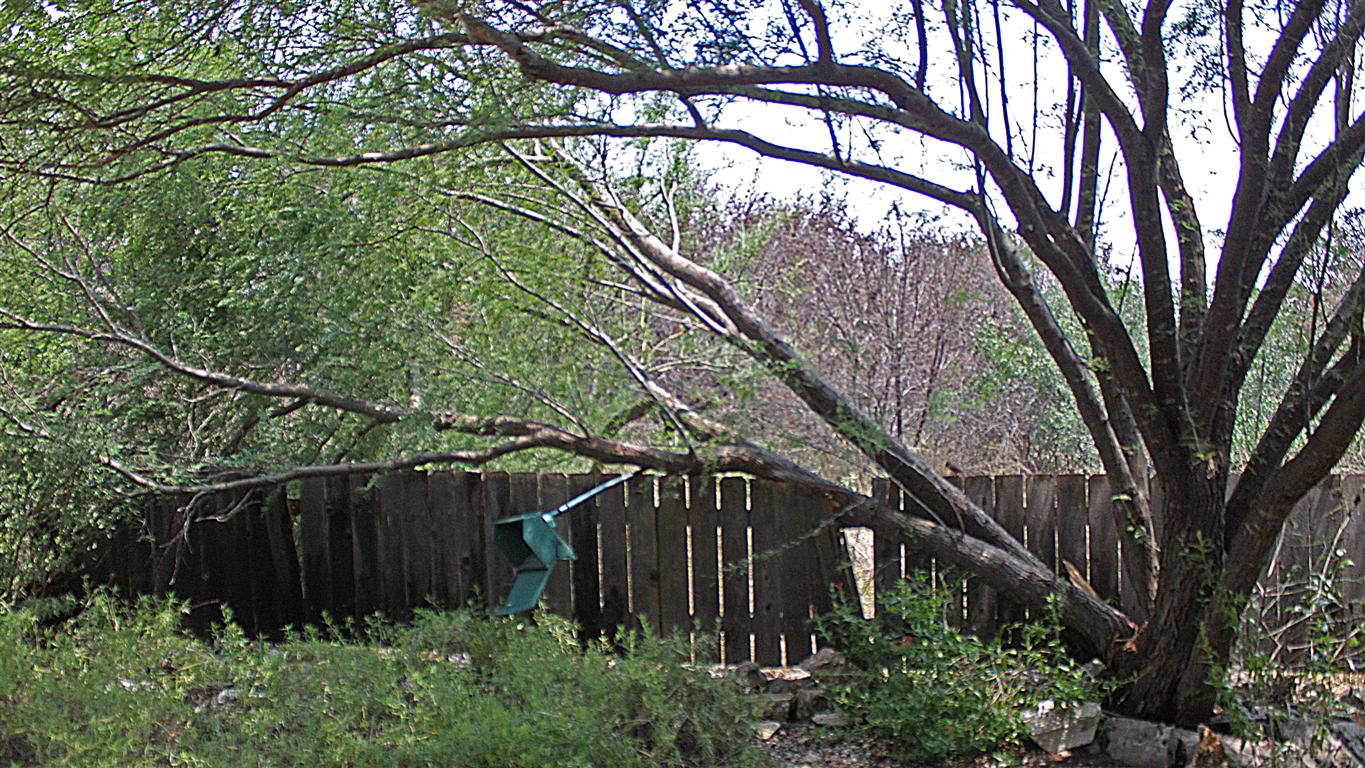
Here’s a slight change of pace – a picture of the Huisache tree in the back yard following Monday night”s thunderstorms in Central Texas.  Huisache is actually  a member of the Pea family, and is a multi-trunked tree or small shrub. This one is perhaps a dozen years old and has about a half-dozen trunks. Here two trunks have been torn loose at the base and fallen across the fence, taking out several slats and the bird feeder.  C’est la vie.

Maurandella antirrhiniflora – Snapdragon Vine

Maurandella antirrhiniflora - Snapdragon Vine

Maurandella antirrhiniflora – Snapdragon Vine

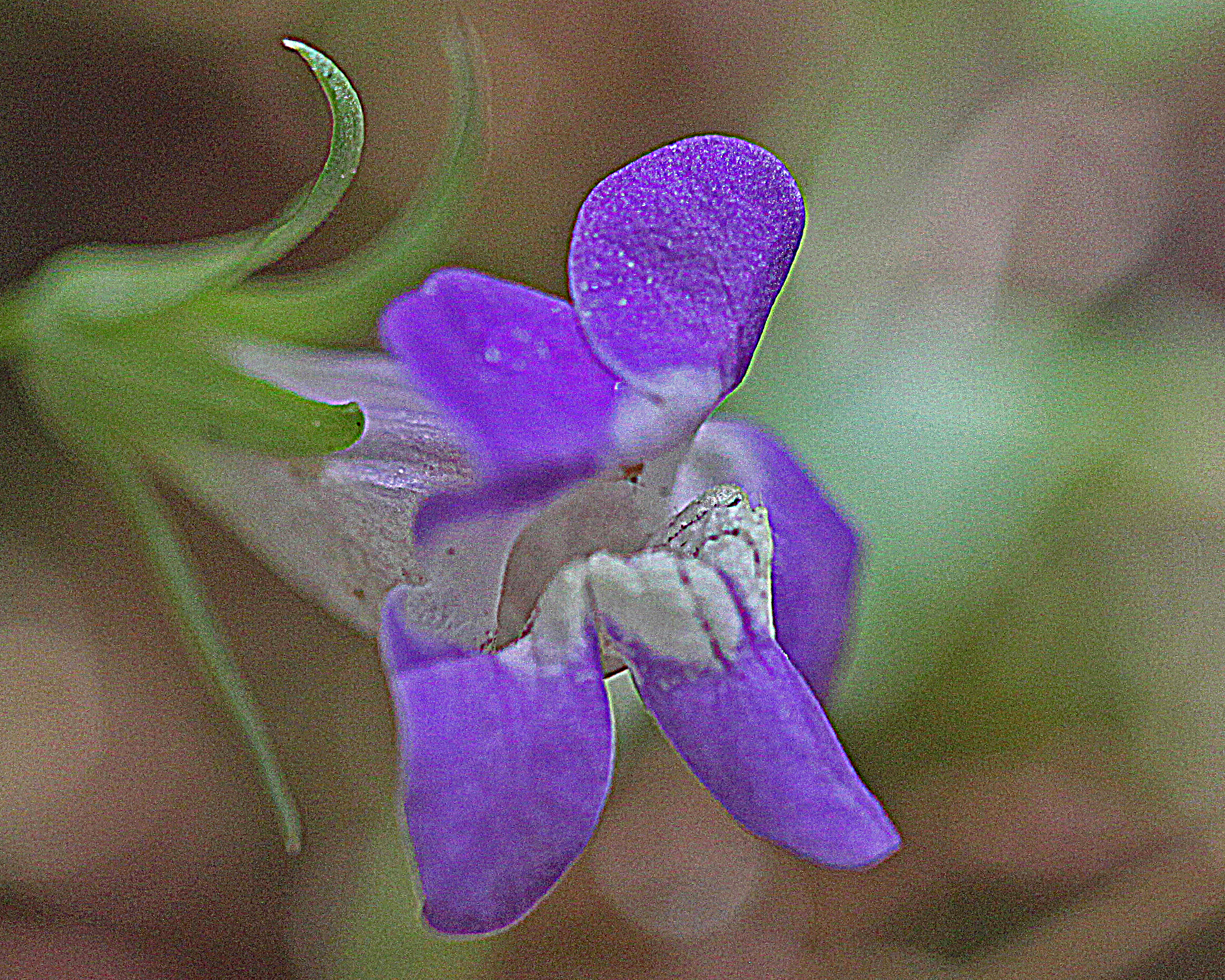
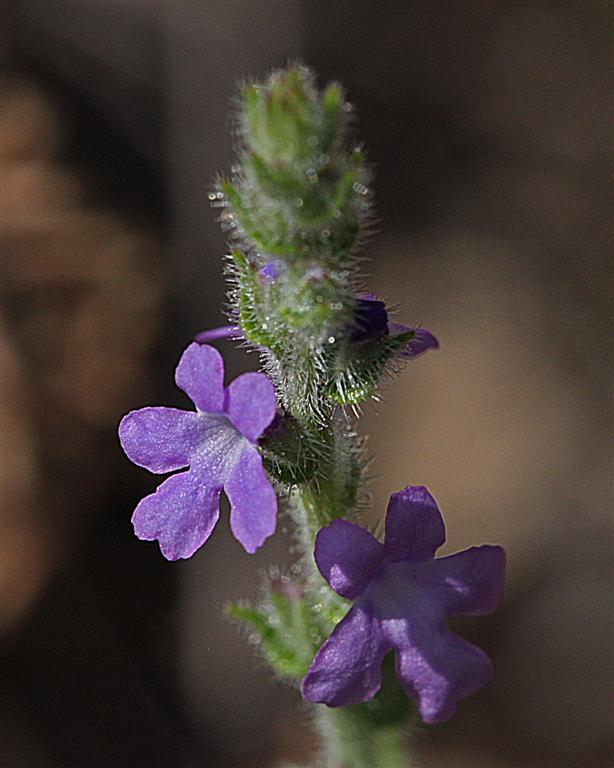
This little vine can be either a climbing vine or a groundcover, as it spreads in a dense mat of leaves. It will climb on fences and shrubs, and does well in the rocky calcareous soil of the Hill Country. The little flowers are about 1/2 to 3/4 of an inch long. Blooms appear from March through October. Stands up to drought quite well,since it doesn’t get watered in my yard…

Papilio polyxenes – Black Swallowtail larva

Papilio polyxenes - Black Swallowtail larva

Papilio polyxenes – Black Swallowtail larva

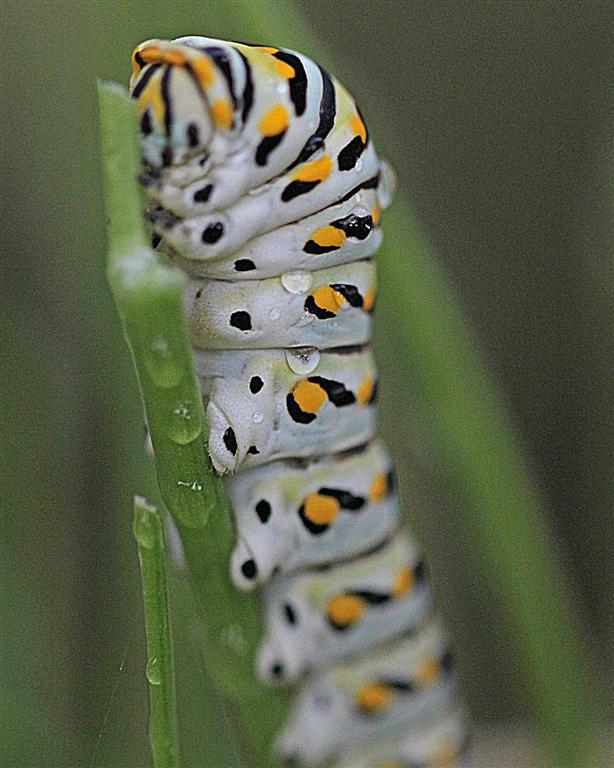
Here we have the larva of the Black Swallowtail butterfly doing what it does best – decimating and digesting Parlsey. Unfortunately, the Parlsey is non-native, and being grown in  my wife’s kitchen herb garden. So the best I can hope for is that I can convince her to let them try to feed on one of my native plants instead of squishing them. Oh well. I don’t have any Queen Ann’s Lace, which is a native plant host for  these beauties.  Guess I’ll have to do some research and find out if there are any other native plants that feed this until it’s chrysalis time…