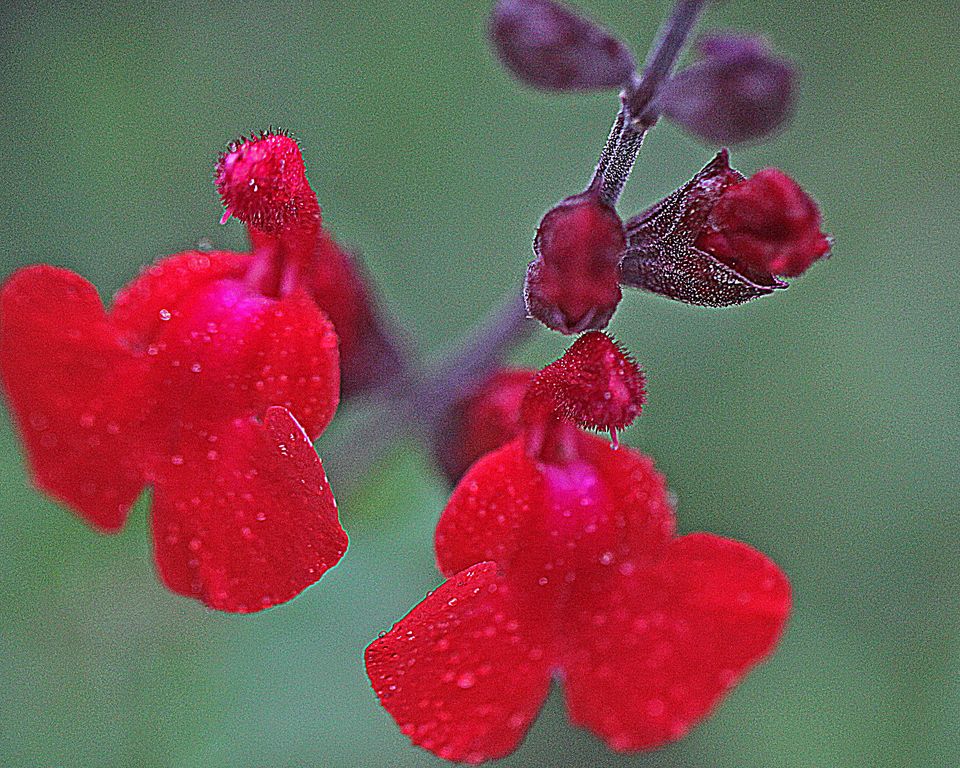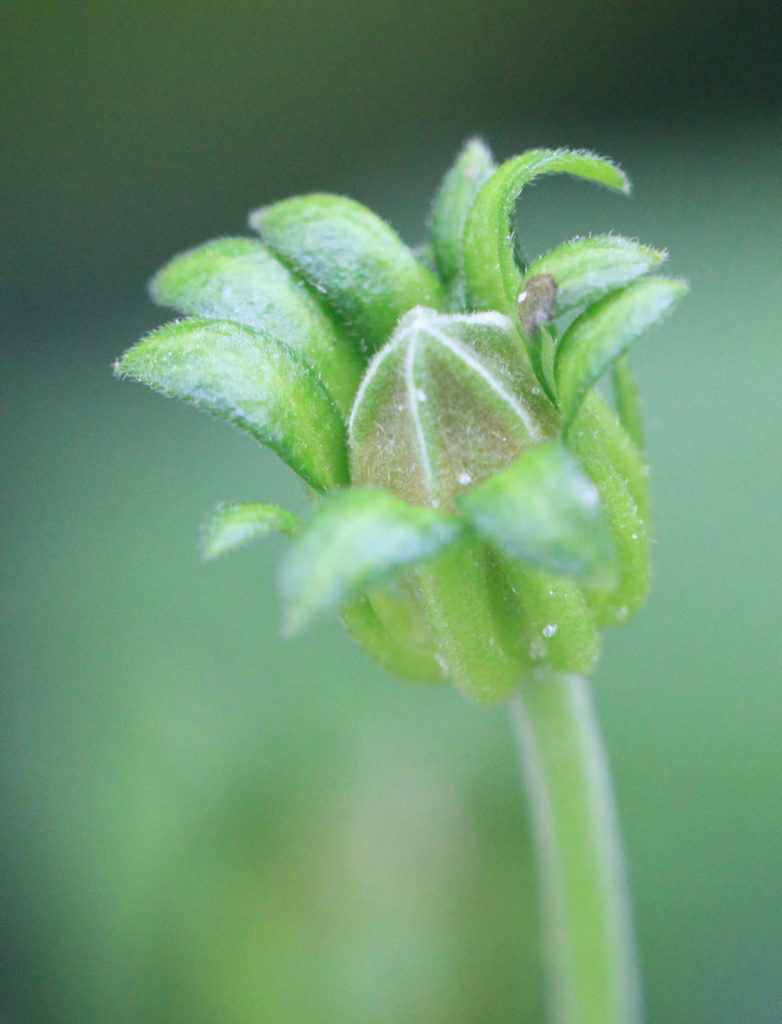
Salvia greggii – autumn sage

Clearing the decks – this is from an old draft post, taken and posted in February of 2013. Who doesn’t like Salvia greggii? Gardeners certainly do – they can bloom throughout the year, when conditions are right, and all it takes is a little deadheading of the fading blooms. They don’t get too tall or too bushy, and although you might see many insects in their vicinity, they don’t seem to be vulnerable to infestation by pests.

Insects you will see, everything from bumblebees and carpenter bees to butterflies and wasps. If you’re lucky you might see a hummingbird buzzing around, grabbing nectar from the tubular flowers.

Salvia Greggii - Autumn Sage

Salvia Greggii – Autumn Sage

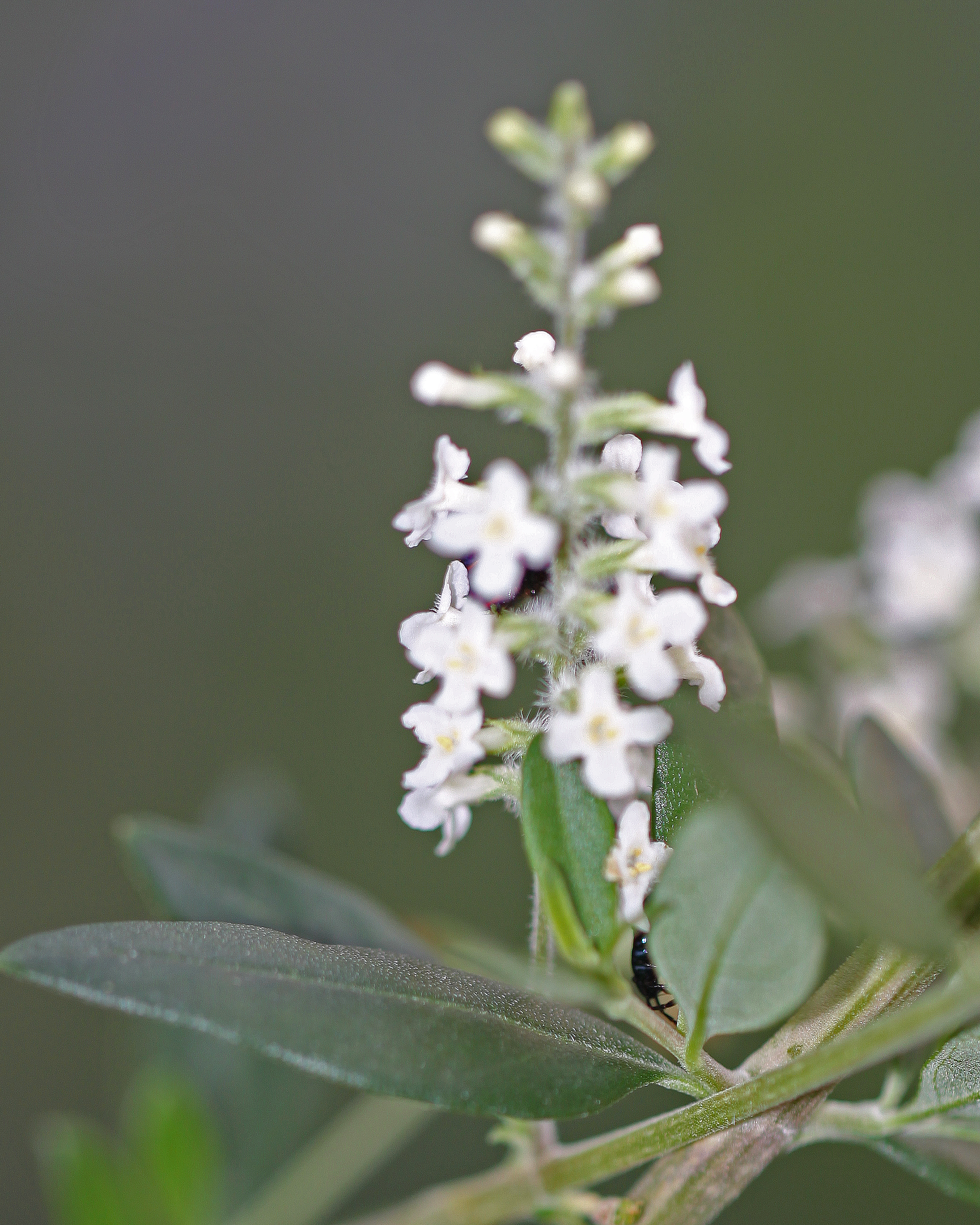
Aloysia gratissima – Beebrush

Aloysia gratissima - Beebrush

Aloysia gratissima – Beebrush


This Beebrush has been in the front yard under the Oak tree for several years now, and it probably should be transplanted to a spot where it will get full sun. Although it does have these vanilla scented spikes of flowers that attract bees and butterflies and other nectar feeding insects, I find it tends to be spindly in the partial shade it gets, and trimming shrubs is not my strong suit.

So if anyone in my vicinity (Round Rock TX) wants a high maintenance native plant that has a medium water use profile and likes moist soils, feel free to come over and dig it up with my blessings. Because this lovely little shrub will probably not make it through the summer in my yard, as it gets replaced by shade loving plants with low water requirements.


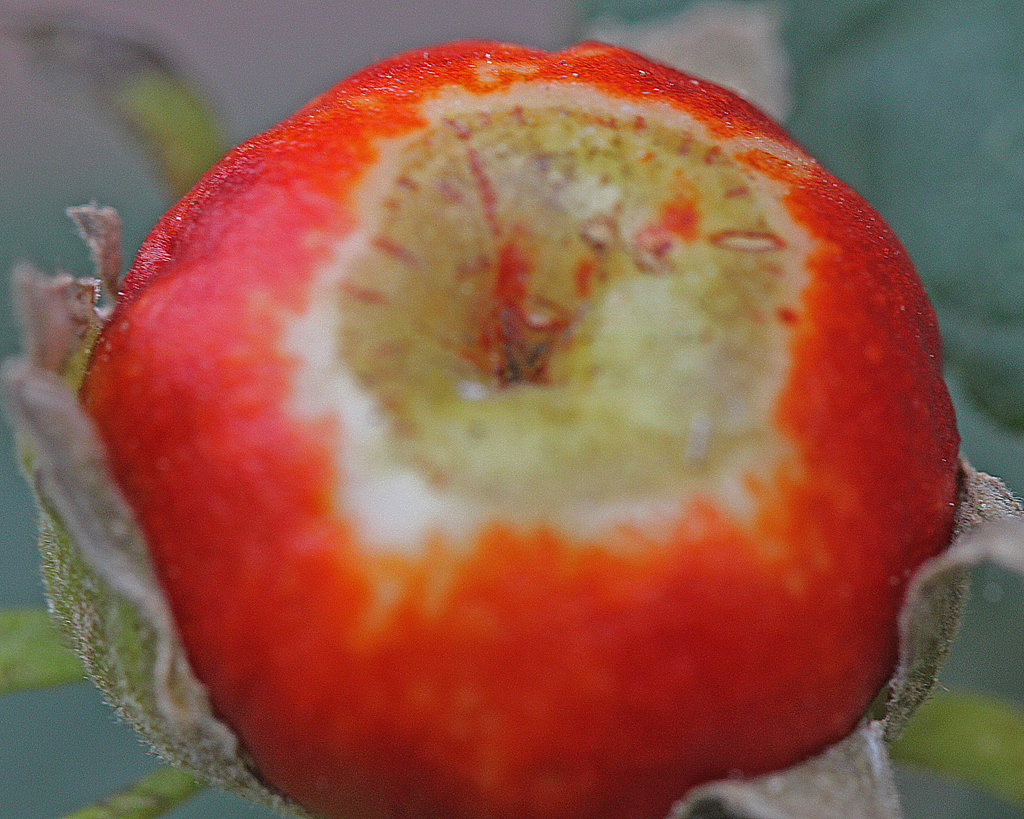
Fruit of Malvaviscus arboreus – Manzanilla

Malvavisus arboreus - Manzanilla

Malvavisus arboreus – Manzanilla


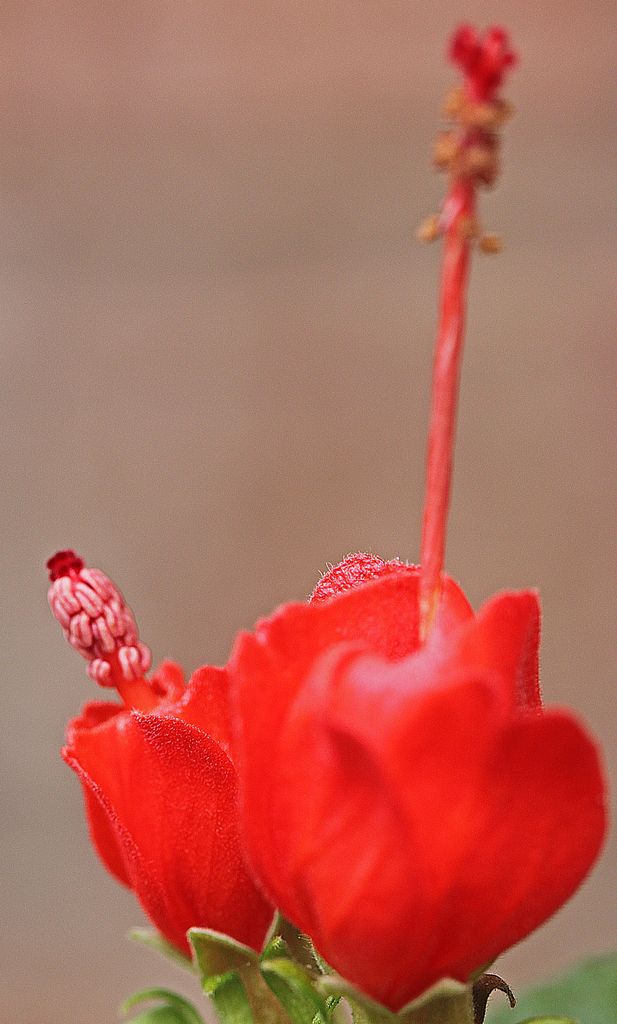
You might know this plant by the common name associated with its flower – Turks Cap.  Today we see its edible fruit, with its obvious resemblance to a small apple, hence the common names Manzanilla and Mexican Apple.  Manzanas of course, is Spanish for apples, and Manzanilla literally meaning “little apple” in translation.

The fruit is edible – I went back to look for this one a few days later and couldn’t find it. I assume it was eaten by a critter of some sort.

This illustrates some of the disadvantages of using common names for describing plants as well as some of the advantages of native plants in landscaping. The Malvaviscus arboreus provides nectar to hummingbirds and butterflies and other wildlife during its flowering stage, and fruit for wildlife after the bloom has gone. Having evolved in common with its habitat, it provides services to other living things that share that habitat.  It’s deciduous, so it sheds its leaves which decompose into compost, enriching the soil if given the chance.

Malvaviscus arboreus - Turks Cap

Malvaviscus arboreus – Turks Cap

It makes a good alternative to the exotic or alien Nandina which is ubiquitous in the nursery trade and has aggressively escaped into nature. Generally, folks advise cutting the dead wood back to about 1 foot somewhere around mid-February, but anytime after it drops its leaves is fine and should keep HOAs from finding fault with your native plantings.

It is shade tolerant as well as drought resistant, and also comes in a white-flowered variation.
Malpighia glabra – Barbados Cherry

Malpighia glabra - Barbados Cherry

Malpighia glabra – Barbados Cherry

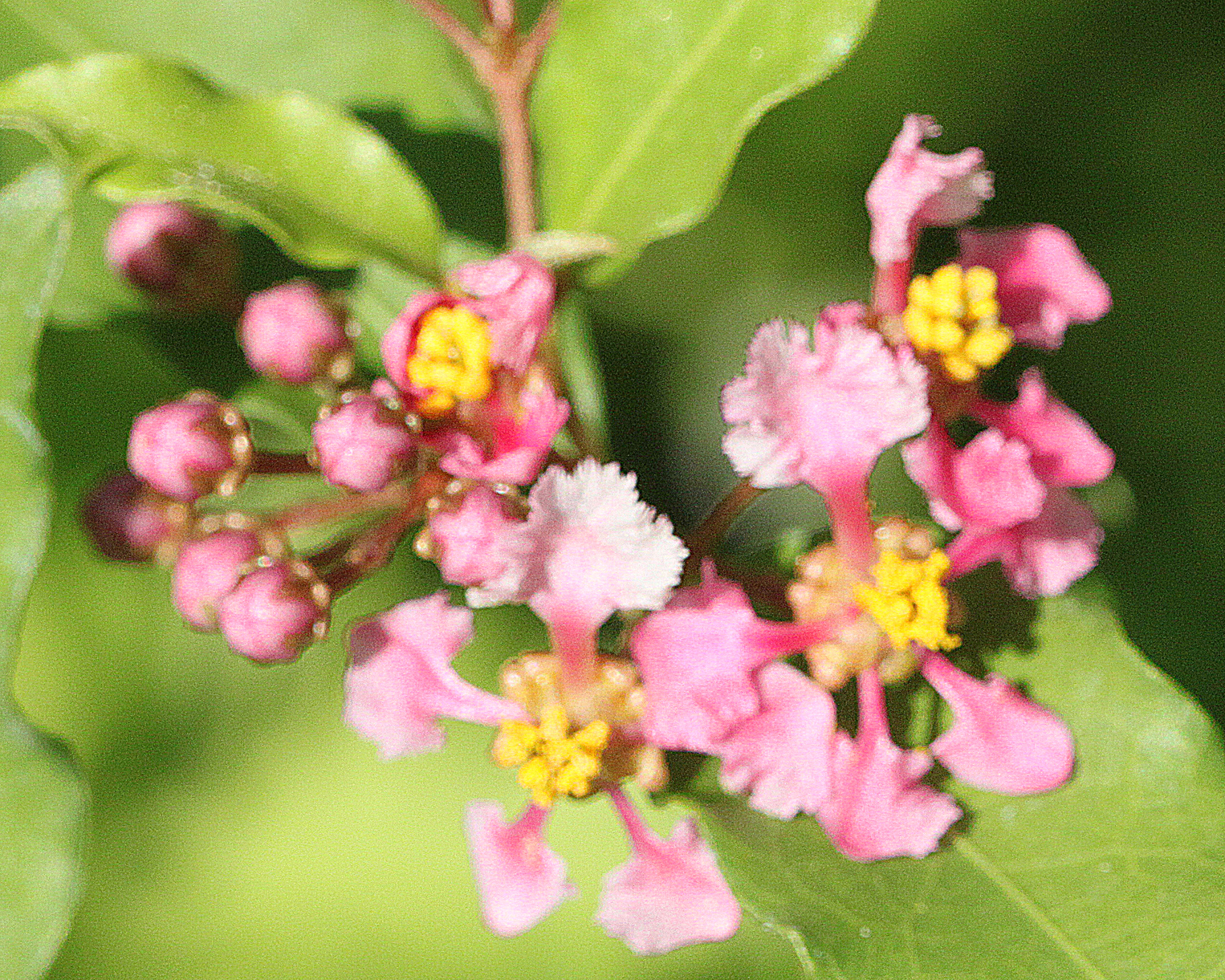
We used to have some of these back in Key West – the fruit, also known as Acerola cherries, is high in Vitamin C and can be used to make jelly.  Or eaten as is.

While native to Texas, its natural range is in South Texas, and probably only bloomed this year because of the mild winter we had in 2011-2012.  Its also native to Mexico, south to South America to Brazil.

I attended a talk on edible native plans for your garden this past Tuesday. Like many of the other edible natives that I have, in experience the widlife take the lion’s share of any fruits and I am left with to scavenge the gleanings.

Anisacanthus quadrifidus var wrightii – Hummingbird Bush

Anisacanthus quadrifidus var wrightii - Hummingbird Bush

Anisacanthus quadrifidus var wrightii – Hummingbird Bush

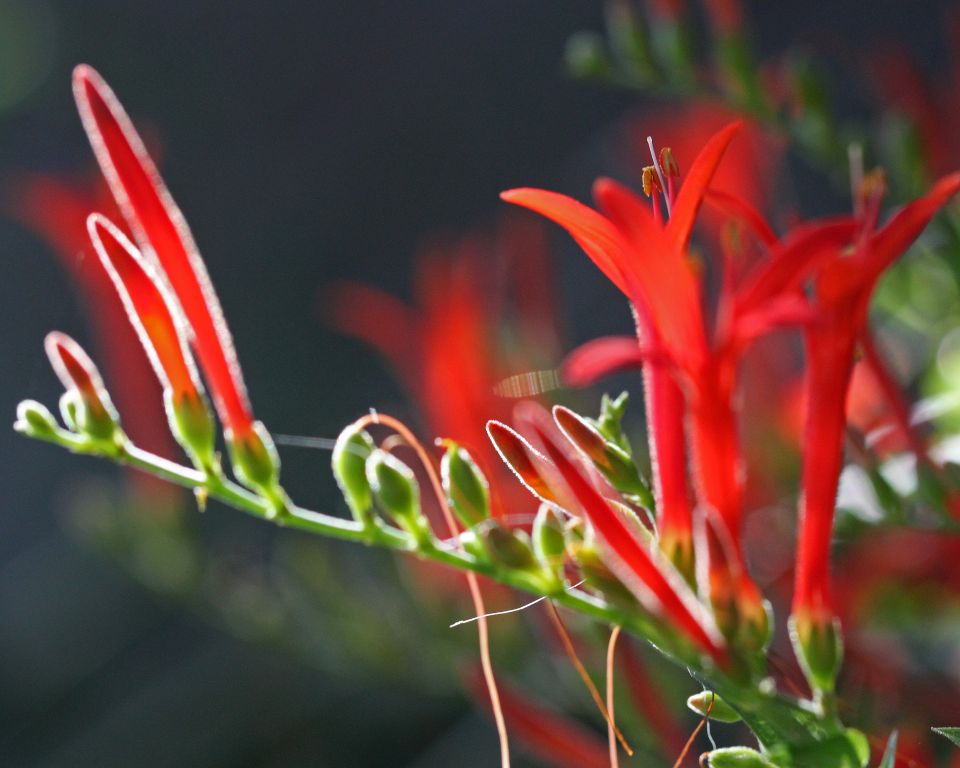
Also known as Flame Acanthus, this post goes with the Hummingbird Bush appellation because that’s what has been appearing in the yard lately. I believe that they are Black-throated Hummingbirds. Apparently this is the time for migration for these little feathered jewels.