Spring Photos of Three Oklahoma Tree Species

 A few photos from Bethel Acres in Central Oklahoma during. the Spring of 2025.

The first focuses on the long needles and early cones before they’ve matured. According to an Audubon Society Field Guide published in 1980, this species is native only to the Southeastern tip of Oklahoma. The Wildflower Center’s Native Plants database page, updated in 2022, repeats this information. The location where this photo was taken, of a tree distributed without human intervention, shows the effects of global warming in the extension of its range northward. (Assuming the species is identified correctly.)

LobLolly Pine
LobLolly Pine (Pinus taeda)


Next is what appears to be a Post Oak, with a three lobed leaf shape. The leaves are about 5 to 8 inches long, but shape and size are highly variable.

Post Oak (Quercus stellata)

Blackjack Oak (Quercus marilandica)

Finally, here’s a Blackjack Oak, which has much larger catkins than the Post Oak. The two different species are known to hybridize easily. Perhaps we will post some photos in the future. Observed what appeared to be a Post and a Blackjack oak, growing next to each other, and each showing leaves resembling the “template” form for both pf the species. The typical Blackjack Oak leaf has a “duck foot” shape, almost triangular, without any deep indents. The Post Oak, on the other hand, has a “head” lobe with two deep indents above and below what look like “arms,” tapering a little into the form of a (vaguely) human body.

But that’s a task for another day.

Creating Art with Musk Thistle: Van Gogh Inspired Filters

Or rather, the same photo done in more ways than one…

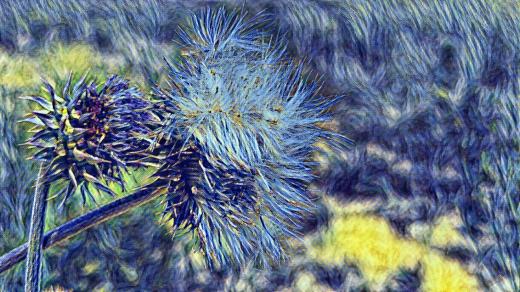
Musk Thistle (Carduus nutans) is an invasive plant native to Europe, Central  Asia, and North Africa. In the photo above we see on the left a flower getting ready to bloom, and behind it a bloom already ggone to seed. The yellow in the background are either Coreopsis or Brown Eyed Susans, or both, out of the depth of field.


The second version was created using a “psychedelic” set of filters.

The third attempts to recreate Vincent Van Gogh’s general style – again, using software filters.

The third variation (and fourth version of the same photo), also uses a Van Gogh approach, this time using a filter that attempts to imitate his Starry Night painting.

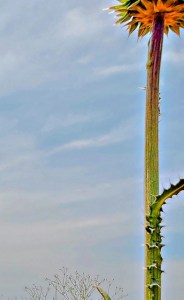
And finally, a “normal” shot accentuating the height of the stem as seen from below. If these photos have pricked your interest about Carduus nutans, you can click on the preceding link to check out the Wikipedia page for more information.

###

Resistance is futile…

Most folks will recall that line from various Star Trek encounters  with the Borg, as well as the following line “You will be assimilated.” Or was it the preceding line? Doesn’t matter, because the purpose of this post is to “announce” that my other WordPress blog, “Return To The Natives / Native Plants Are The Answer,” has been assimilated into “Bob’s Brain: Living Well With PD and Other Comorbidities.”

With the assimilation comes a couple of new categories in the menu: Native Plants, and Wildflowers. Here’s an example of what one might find under either of those categories.

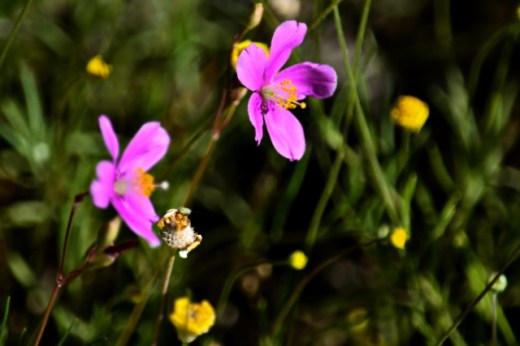
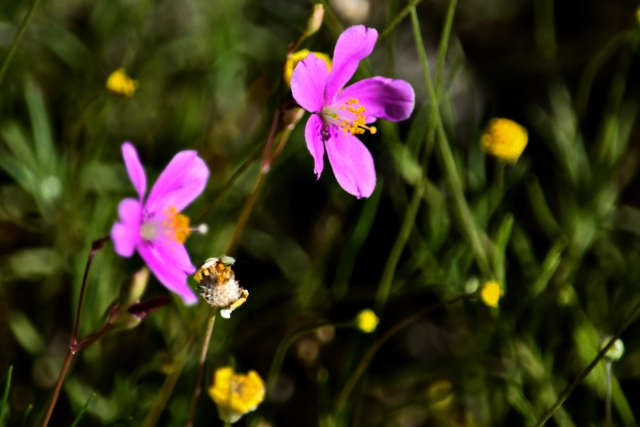
2016-03-06-Rock-Pink-640pxlw

Rock Pink (Phemeranthus calycinus). The blooms are ephemeral, lasting only one day, although a single plant may have more than one bloom. They grow in limestone soils, in locations where waters flow after rains (in this part of the world). This was captured digitally following recent rains in early May, 2016. Their bloom period is from April through September, which is the latest month in the year that I’ve been able to photograph them.

Now I’ve assimilated the two, there’s only one blog to intermittently post articles about things that interest me. Reduces my guilt in half. Next step is to post the news on RTTN / NPATA with a link to Bob’s Brain, and then deleting the old blog. I’m a cyborg, having had DBS, so it should work out as well as the coders have allowed for such a smooth transition.

We’ll see what happens.

Live long and prosper.

###

It might as well be Spring… or Fall

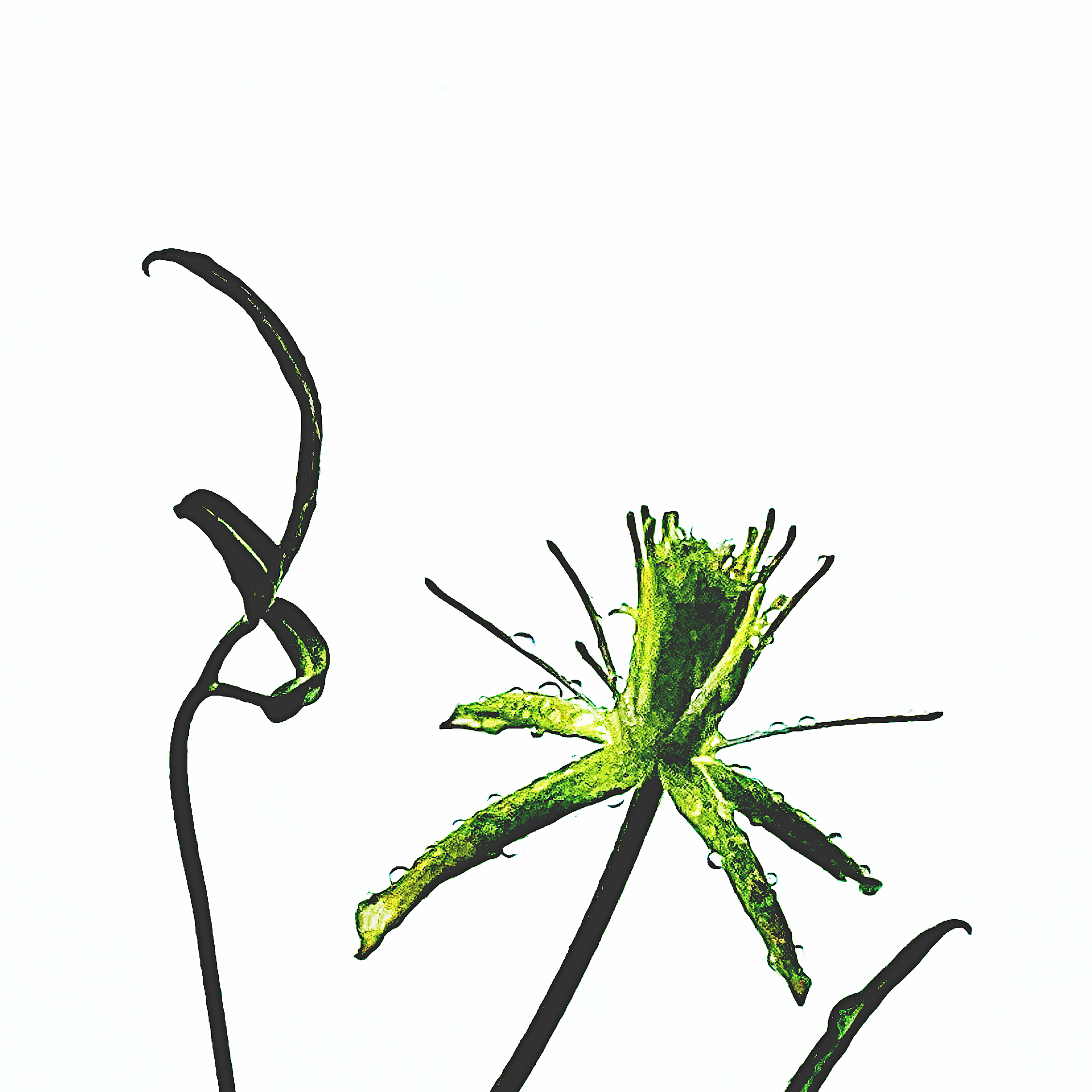
The long dry Summer was followed by a few showers (about a week, and 6″ of the liquid stuff), and some more warm weather. Some plants, like the Clematis drummondii in the first few frames, decided it was a good time to put out new fowers, even though they had already gone through the yearly cycle of blooms, with the female plants putting out their achenes that have given the plant the common name of Old Man’s Beard.

The vignetted shot towards the sun shows a Cedar Elm (Ulmus crassifolia) with some of its leaves already starting to turn to their Fall golden yellow color. In the tangled web of branches and vines are a few other species, difficult to identify in the photo.

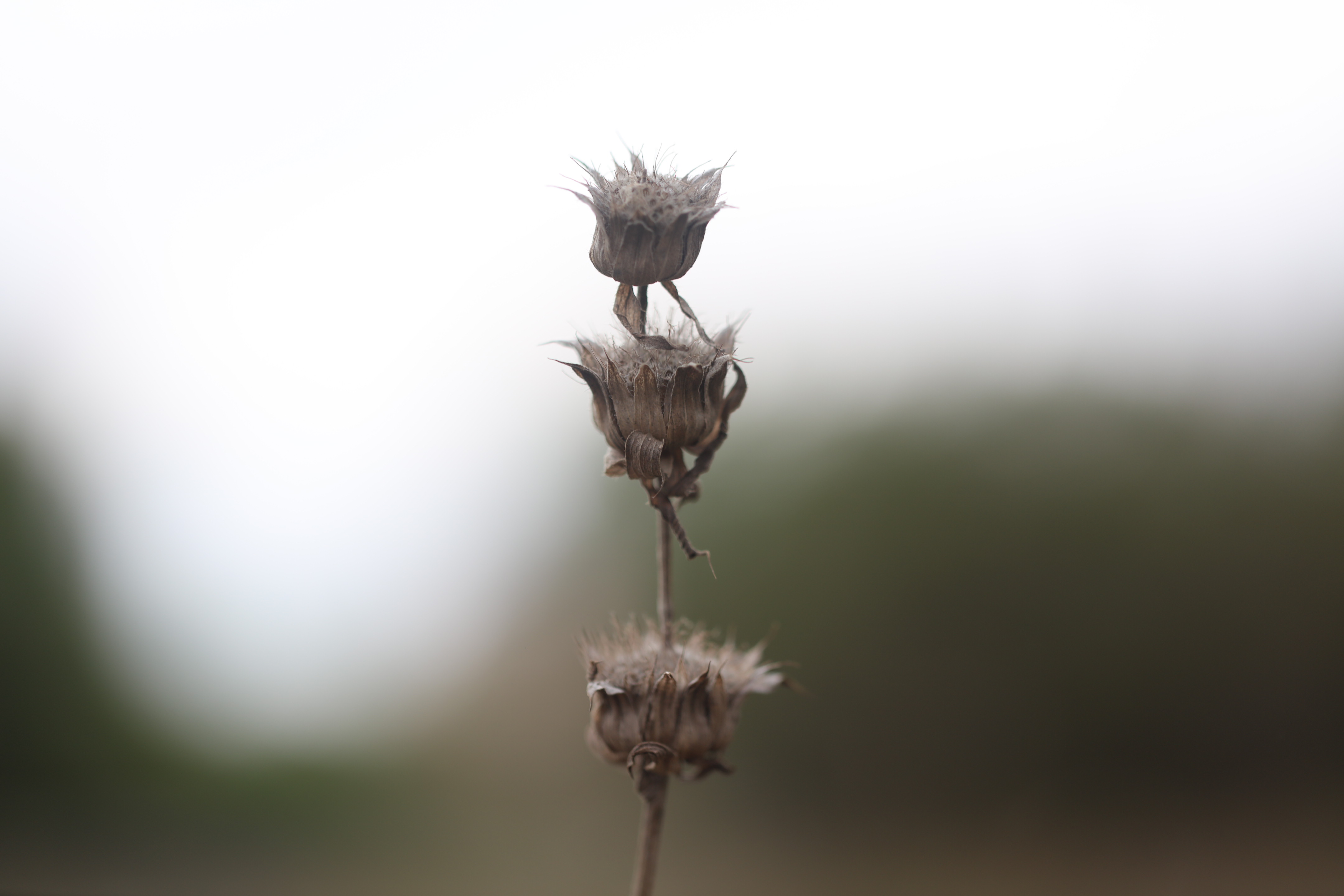
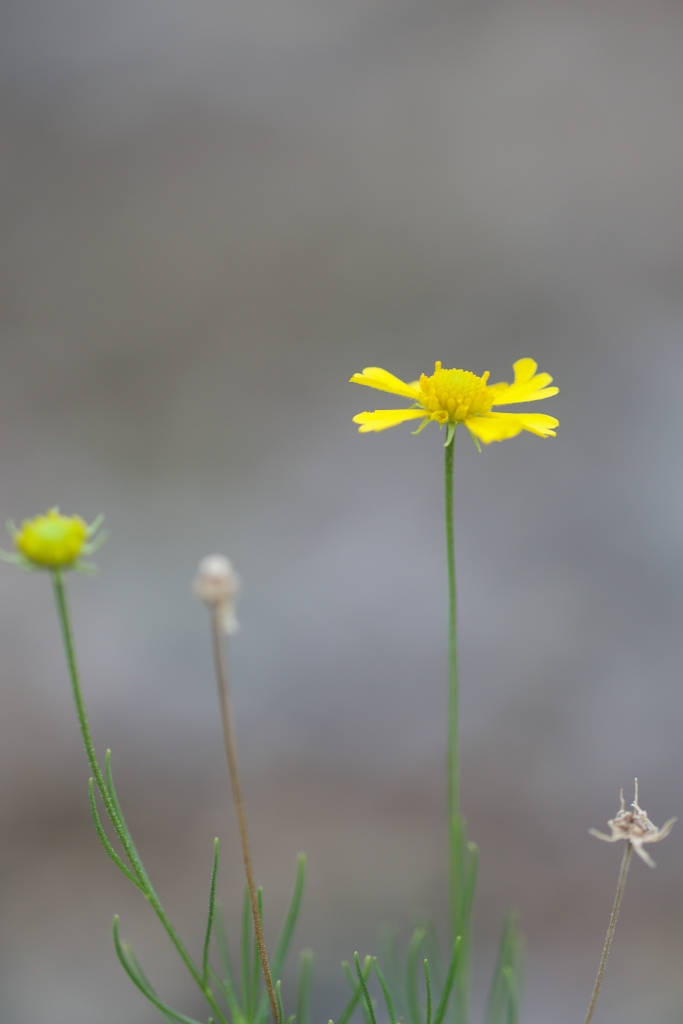
The bottom left shot shows the desiccated remains of a Monarda sp. (hard to tell them apart from just the skeletal remains). Meanwhile, in the lower right is Tetraneuris scaposa or Four-nerve daisy, a perennial that can bloom throughout all four seasons, given the right conditions.

And so it goes…

###