What a difference a year makes… for the better, this time.

After having managed to prevent the mowing down of a stand of wildflowers back in May, I had been busy bagging Centaurea melitensis (Maltese Star Thistle) from the berm between my house and the green belt, until last week, when I woke up Saturday morning with an excruciating pain which was diagnosed as a sciatic nerve issue. Haven’t done much weed-pulling since then. It’s not perfect yet, but I think we’ve made some progress.

So I think it’s about time to show how much better the berm looks this year (after thistle removal).

###

Oh no! They (almost) did it again!?!

May 7, 2021: I was just about to go out into the greenbelt for some photo taking when I heard the sound of a mower on the berm. I quickly came back running and shouting for him to stop.

Pointing out all of the native Texas wildflowers still in bloom, I explained that one should NEVER mow down a stand of wildflowers in bloom (as was done last year while I talked on the phone with their home office). I mentioned that I was trying to eliminate the invasive weeds so that the native wildflowers would have a chance to return, including the Bluebonnets, some of which had not set seed yet. (And to which he replied something along the lines of yeah, I thought I saw some back there, indicating the area that he had just mowed, and which now showed no evidence of Bluebonnets).

For an idea of what happened in 2020, refer to these two posts: May 25, 2020 May 28, 2020

Last year I managed to pull most of the Perennial ryegrass (Lolium perenne) that had covered the berm. This time around, Maltese star-thistle (Centaurea melitensis) was the infestation of the year, and as of May 11, 2021, I have removed about 10 bags of this from the berm behind my house. Of course, it has already infested the greenbelt.

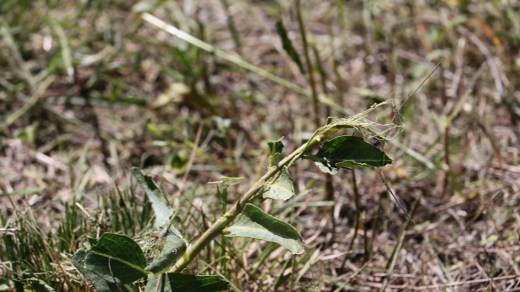
To their credit, the mowers backed off, apparently called someone for instructions on what to do, and then proceeded not to mow any more of the berm behind my fence, although he did have to drive through the area, choosing a path that would minimize the damage to the wildflowers. And crushed a good deal of the thistles to the ground, along with some wildflowers.

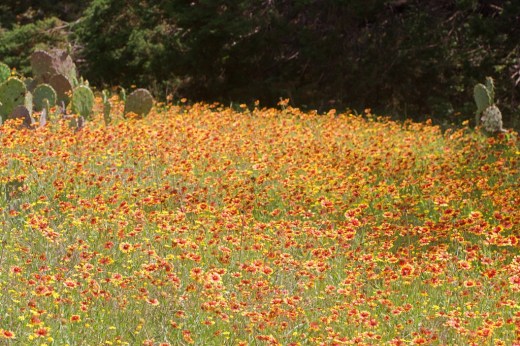
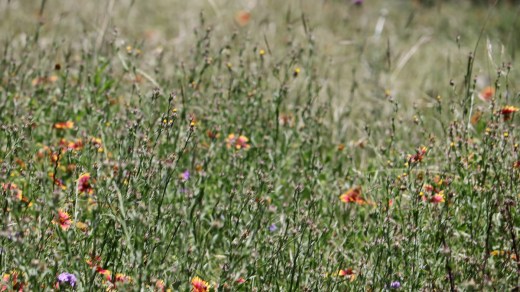
Thankfully, in spite of the C. melitensis, the wildflower population was much more numerous than last year. The recessive gene all-yellow Gaillardia pulchella (Indian blankets) for which I have coined the common name “Sunwheels” in contrast to the all-red pigmented “Firewheels” have also bloomed again, this time almost entirely on the berm. In previous years I have seen them in a few nearby locations, but for the last three years I have observed them directly behind my house, on the berm or in the greenbelt. (Of course, when you only have to step out the back yard to see them, you are not motivated to search very far for them).

But enough blah blah blah. Here are some pictures worth a thousand words, especially when compared with the posts from 2020.

2021-05-05-7870

Asclepias asperula (Antelope Horns) after the mowing.

2021-05-05-7885

Gaillardia pulchella (“Sunwheel”) surrounded by Centaurea melitensis (Maltese star thistle)

2021-05-05-7803

Berm behind my house – native plants plus invasive weeds

2021-05-14-8172-greenbelt2-1024pxl

The green belt – Gaillardia pulchella in bloom

2021-05-14-8146

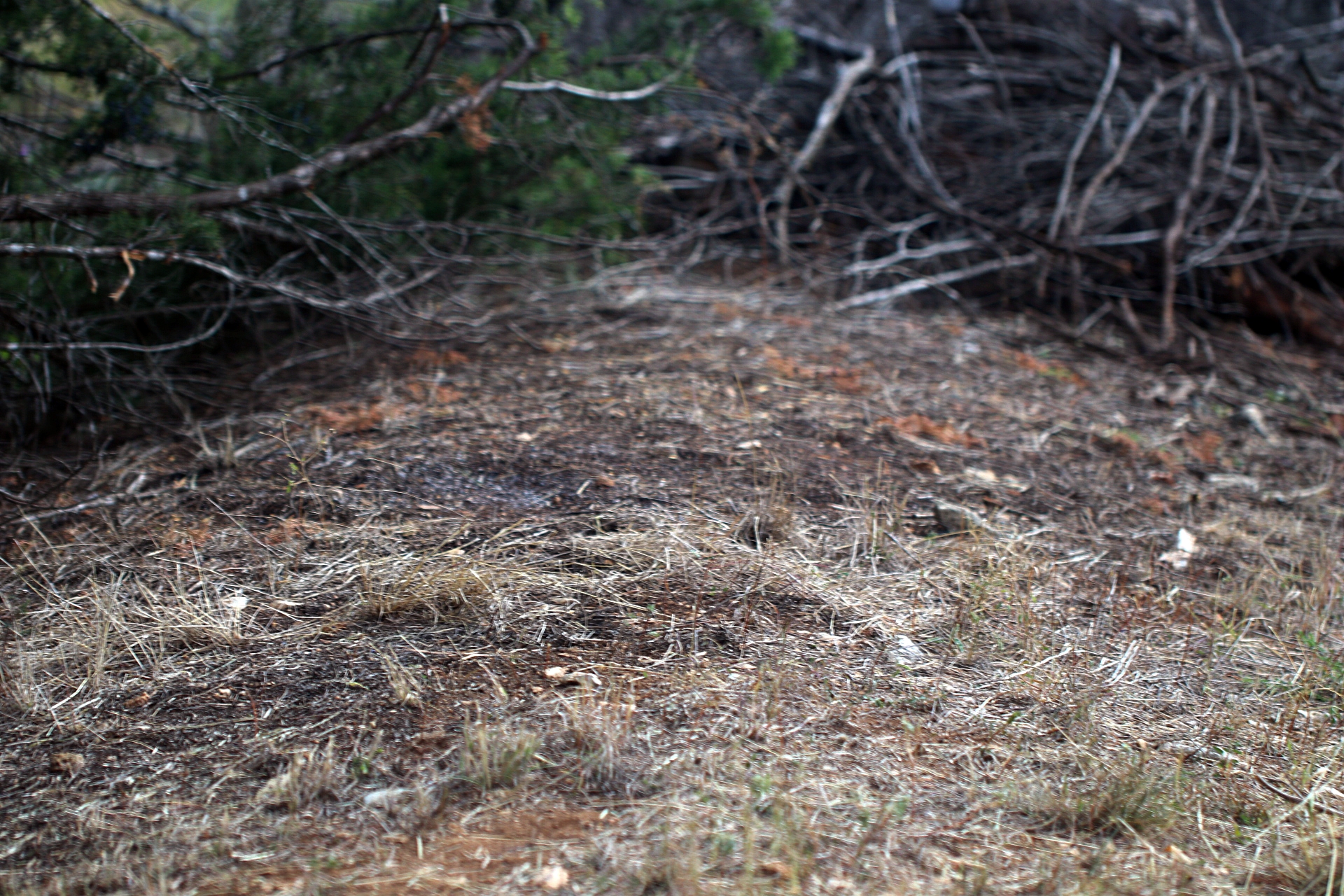
The mower mows, leaving nothing behind. Looking South from behind my house, greenbelt to the left, berm behind my fence in the foreground.

May all your weeds be wildflowers.

#BCMUD

###

The native Texas April yard/garden…

IF you live in Central Texas, of course. While many plants (including some native plants) are still trying to recover from what I have heard called Winter Storm Uri, which lasted for about ten days back in mid-February, 2021, most of the plants native to this region of Texas are coming back strong, or putting out blooms already.

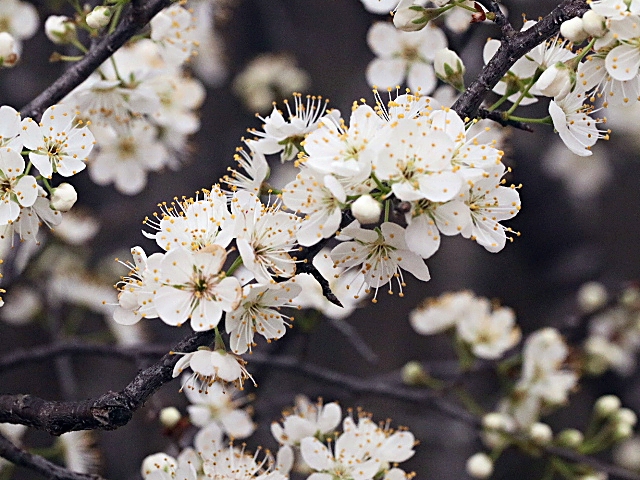
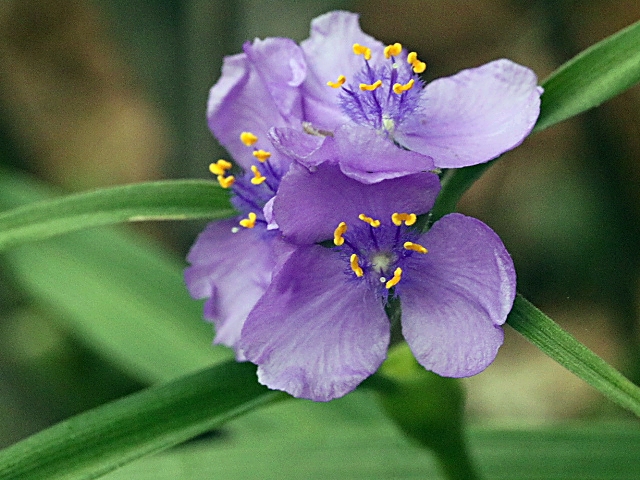
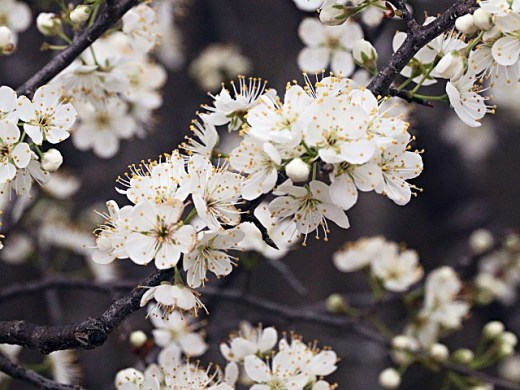
Mexican Plum (Prunus mexicana) has already flowered and started putting out leaves. Giant Spiderwort (Tradescantia gigantea) has for the most part finished with its most robust blooms, but there are still a few left. (Both of these photos were taken March 16, 2021).

.Prunus mexicana - Mexican PlumTradescantia gigantea

A little over two weeks later, things are really starting to perk up in the yard.

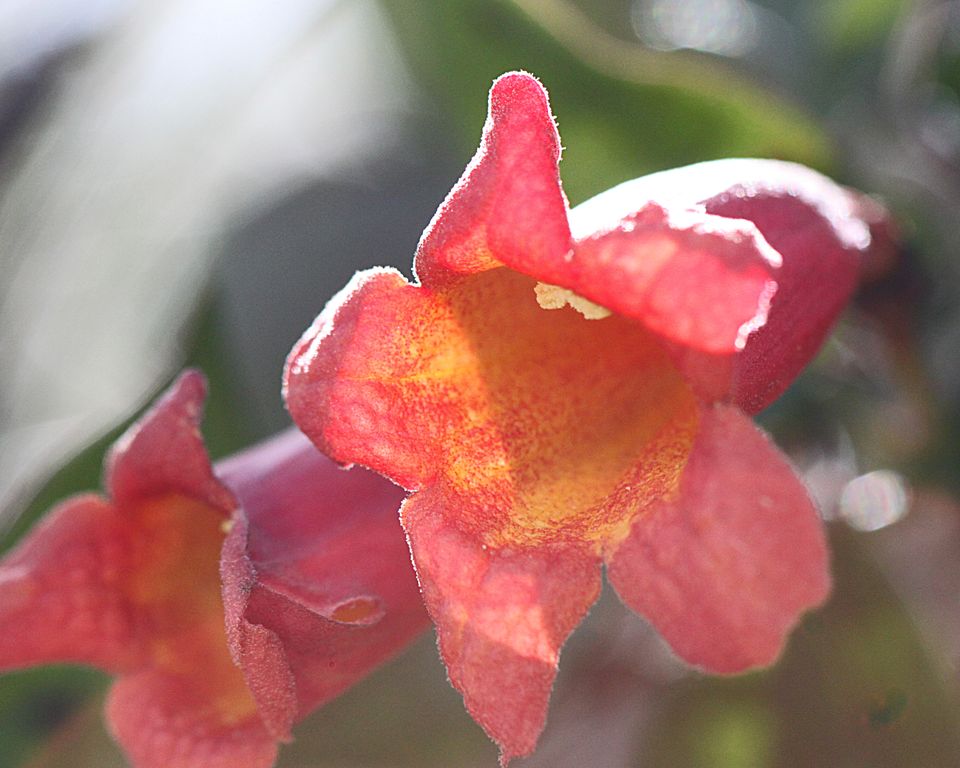
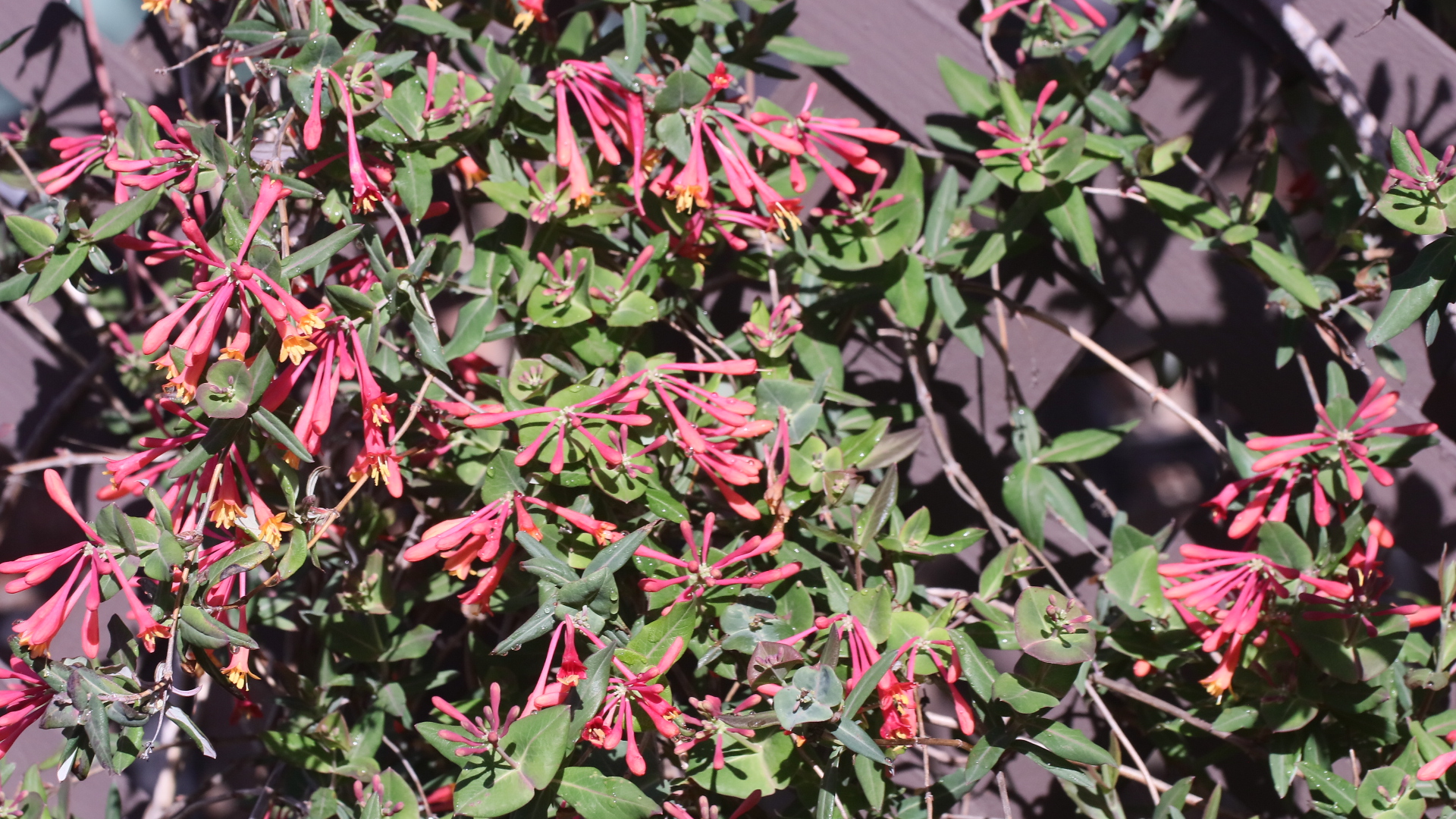
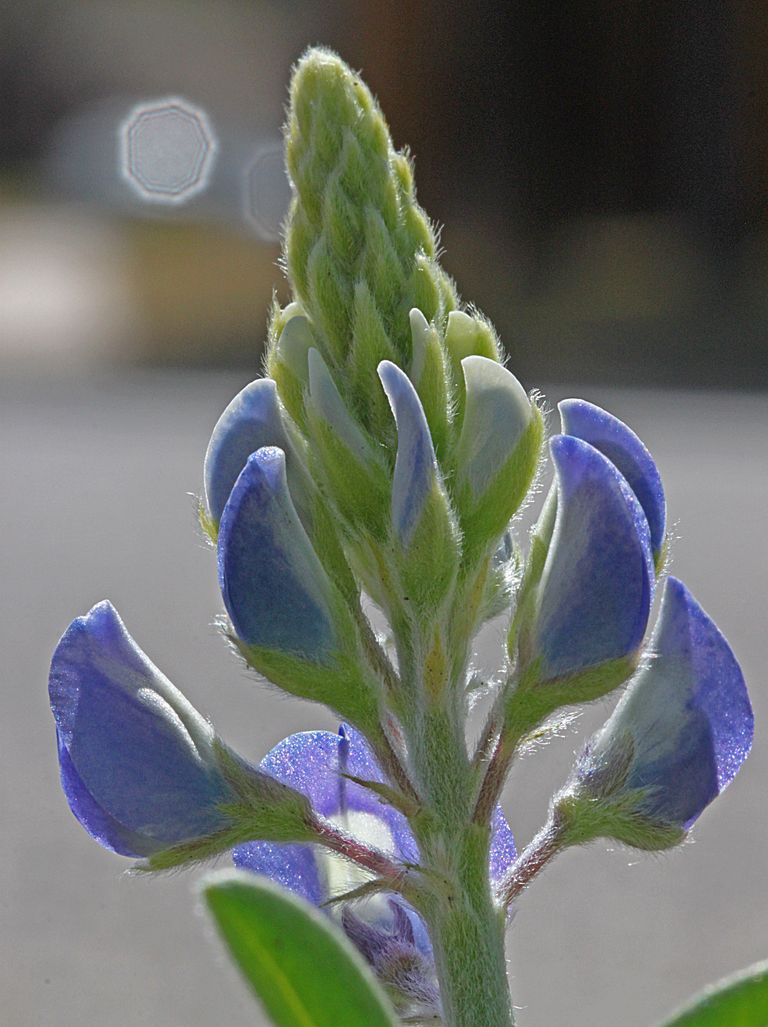
Bignonia capreolata - Crossvine Coral Honeysuckle (Lonicera sempervirens) Lupinus texensis - Texas Bluebonnet Crossvine (Bignonia capreolata), for instance, and Coral Honeysuckle (Lonicera sempervirens) which are both favored by Hummingbirds are blooming in profusion, as are the Texas Bluebonnets (Lupinus texensis).

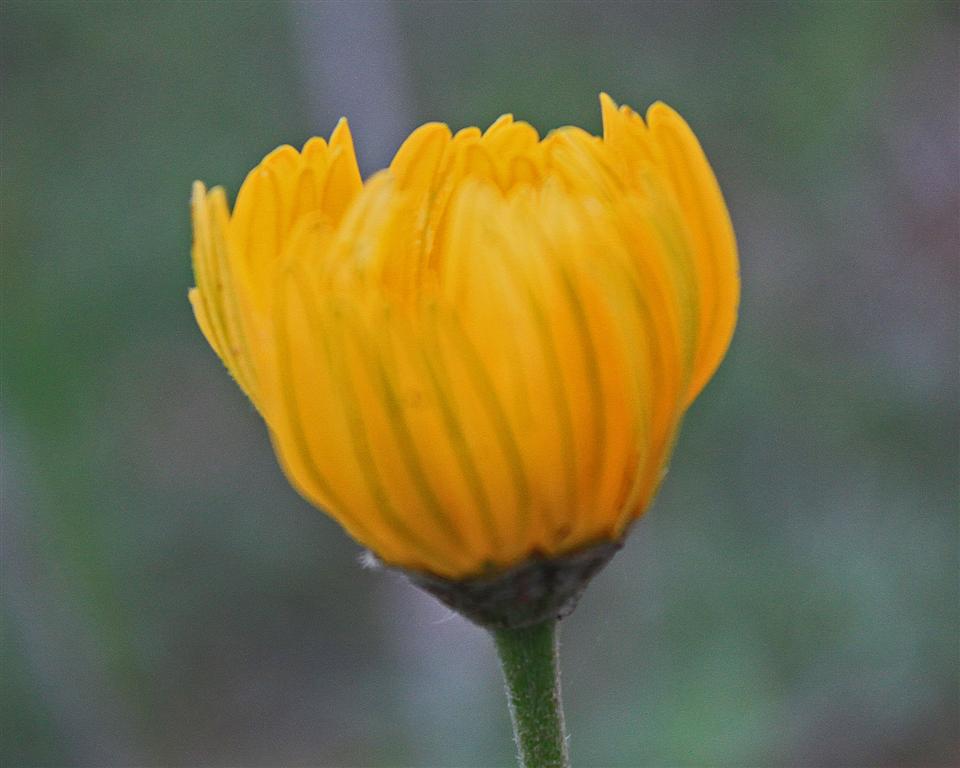
And then there are the Tetraneuris scaposa.which will bloom all year round if you let them, or keep on trimming off the deadheads, so that they can. These are perennials, but short lived, so after a few years you might have to replace them – or they might have spread and created new copies on their own.

Tetraneuris scaposa - Four Nerve Daisy

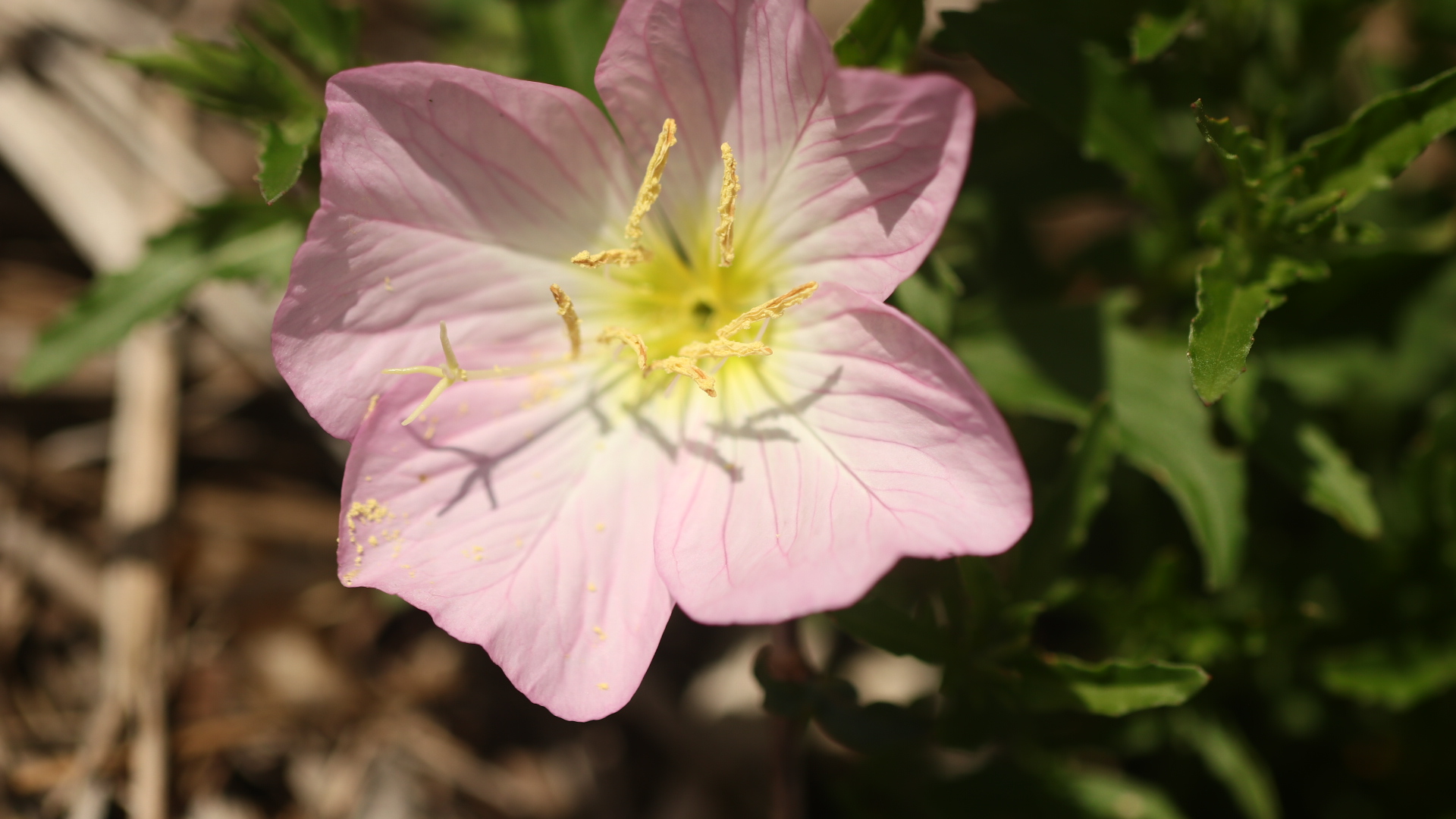
Oenothera speciosa - "Pink Ladies"

Oenothera speciosa – “Pink Ladies”

And, just to get this out there, Oenothera speciosa, known as Pink Primroses or Pink Ladies, are blooming currently. I have seen some popping up in neighbors’ yards that are otherwise mowed too short and devoid of any other native Texas plants. But thankfully, they haven’t mowed down the Pink Ladies. 

I will mention, but not add photos of Blue eyed grass, Cobea and Gulf Penstemons,  Mealy Blue Sage, Wright’s Skullcap, and a few others. The month of April is nearly over, The US Senate has unanimously voted to name April 2021 as National Native Plant Month, and there are invasive plants in my backyard and. beyond that need to be cut down before they go to seed. Oh, and the Rain Lilies have started popping up, finally after several days of light rain.

Hasta luego.

Return of the Celestials (or, A Day In The Life)

Fully open early in the day Nemastylis geminiflora

 I had been looking for Nemastylis geminiflora, commonly known as Celestials, among other names, since the middle of March. On March 23, 2021, I saw the first bloom or two. On the 24th, nothing blooming. Even went out later in the afternoon to see if anything had come up after the earlier jaunt, but still nothing new to show.

Note: I once contacted a seed source company to enquire if they had any seeds or bulbs for this plant. They indicated that they had a small amount sometime in the past, but they had quickly sold out. IF you have a large colony on your property, you might consider checking with a reputable native seed source to see how one might go about collecting seeds. I do not recommend trying to dig them up. They have bulbs which are buried deep in the soil which here in Central Texas is very rocky. Please refer to the Native Plant Society of Texas’s policy on the “taking” of plants.

First of all, what to look for?
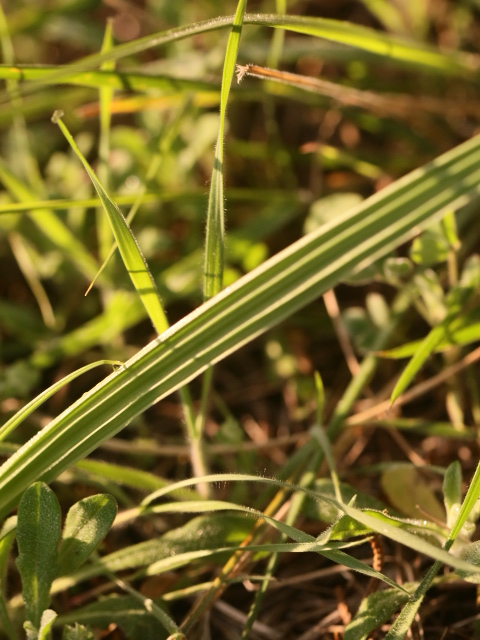
Pleatleaf Lily, one of the common names of N. geminiflora, comes from the distinctive shape of its leaves

Pleatleaf Lily, one of the common names of N. geminiflora, comes from the distinctive shape of its leaves.

Somewhere around midwinter the plant starts sending up a leaf or two. This inferred from the apparently chopped off tips of some of the leaves, following a presumed mowing. and probable weed-eater-ing of the berm, probably in January, which kept the berm shorn to less than 3 inches in height and scalped to bare soil in several places (but that’s a different post). Or maybe it was deer browse or rabbit nibbles.

In Central Texas, somewhere around mid-March, I am now beginning to scout out the individual plants, supposedly so I can find them later. In 2017 and 2020, I photographed plants in bloom around the 15 or 16th of the month, but most years they have appeared right about the Spring Equinox. Last year, the first plants appeared around the 15th-17th of March, then no blooms until around the 27th-29th. Then nothing, until I stumbled across a few around April 10th.This year, 2021, the first blooms did not appear until the 23rd, and these two or three seem to have been early bloomers. The majority of the plants in the area in which I am familiar were still just pleated leaves.

Eventually one will observe the stems with the pre-blossoms (for want of the correct botanical term) coming up, and from that, if one is lucky, the unfurled blossom in the early morning hours. 
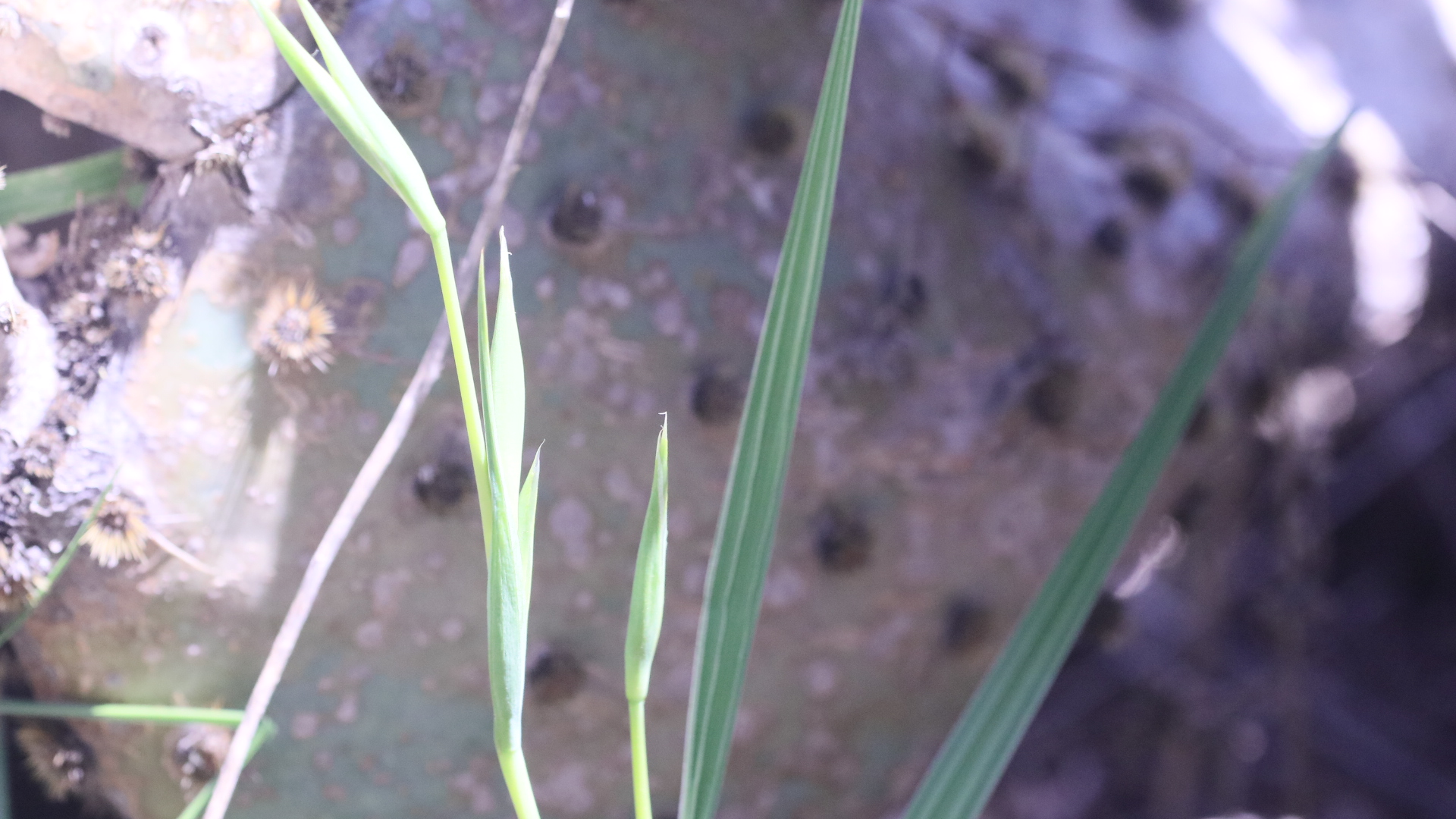
Celestial before blooms open (leaves to the right, stems with unopened inflorescences on the left)
Celestial before blooms open (leaves to the right, stems with unopened inflorescences on the left)

Inflorescence, still unfurled

Inflorescence, still unfurled

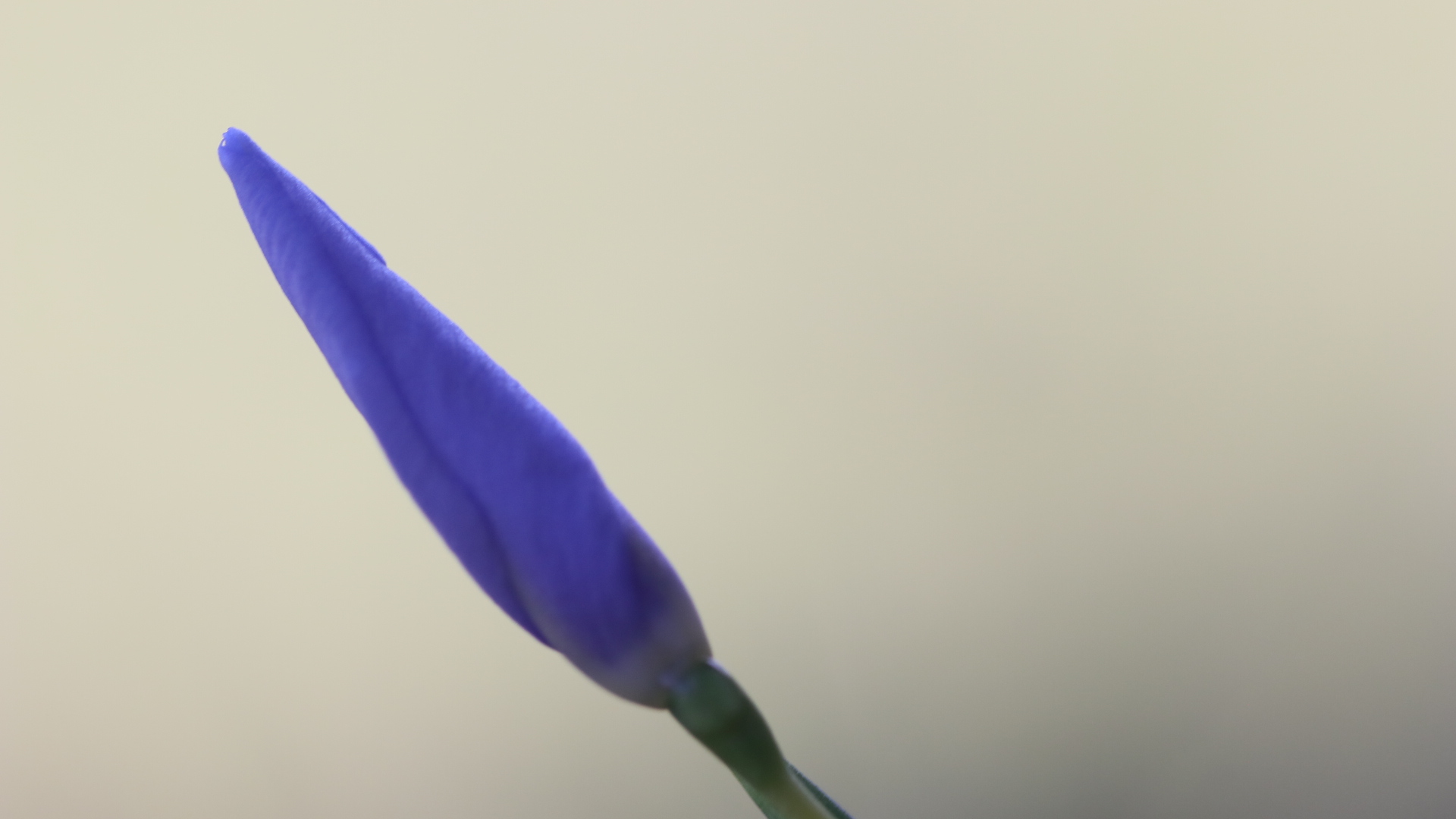
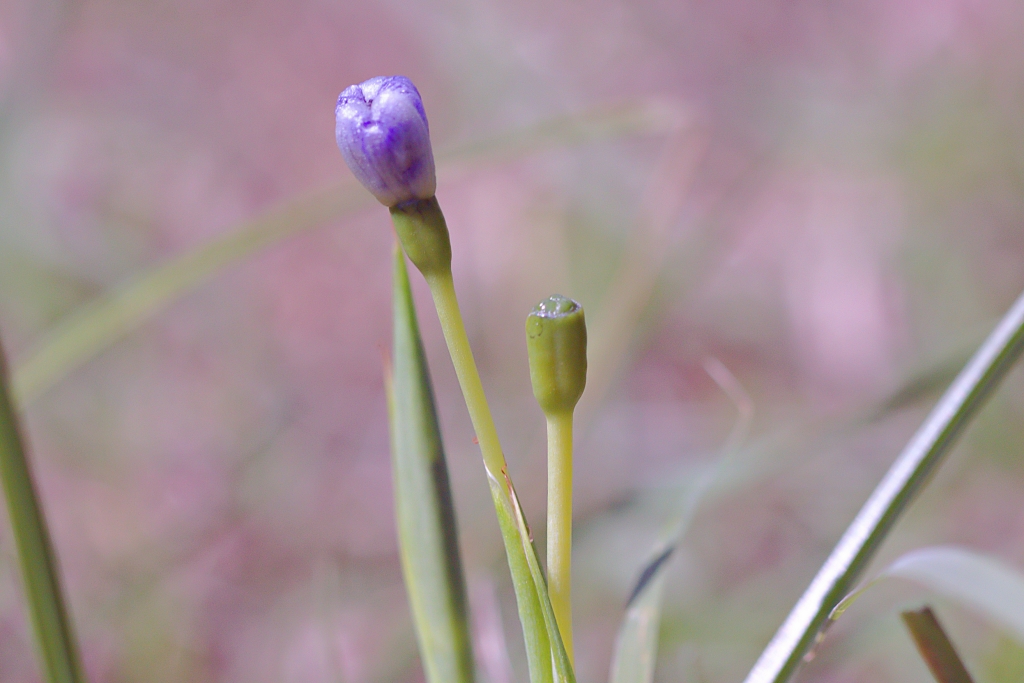
Then, usually the day before or earlier in the morning that the inflorescence fully extends, you’ll see a purple or bluish “flag,” not yet unfurled. 
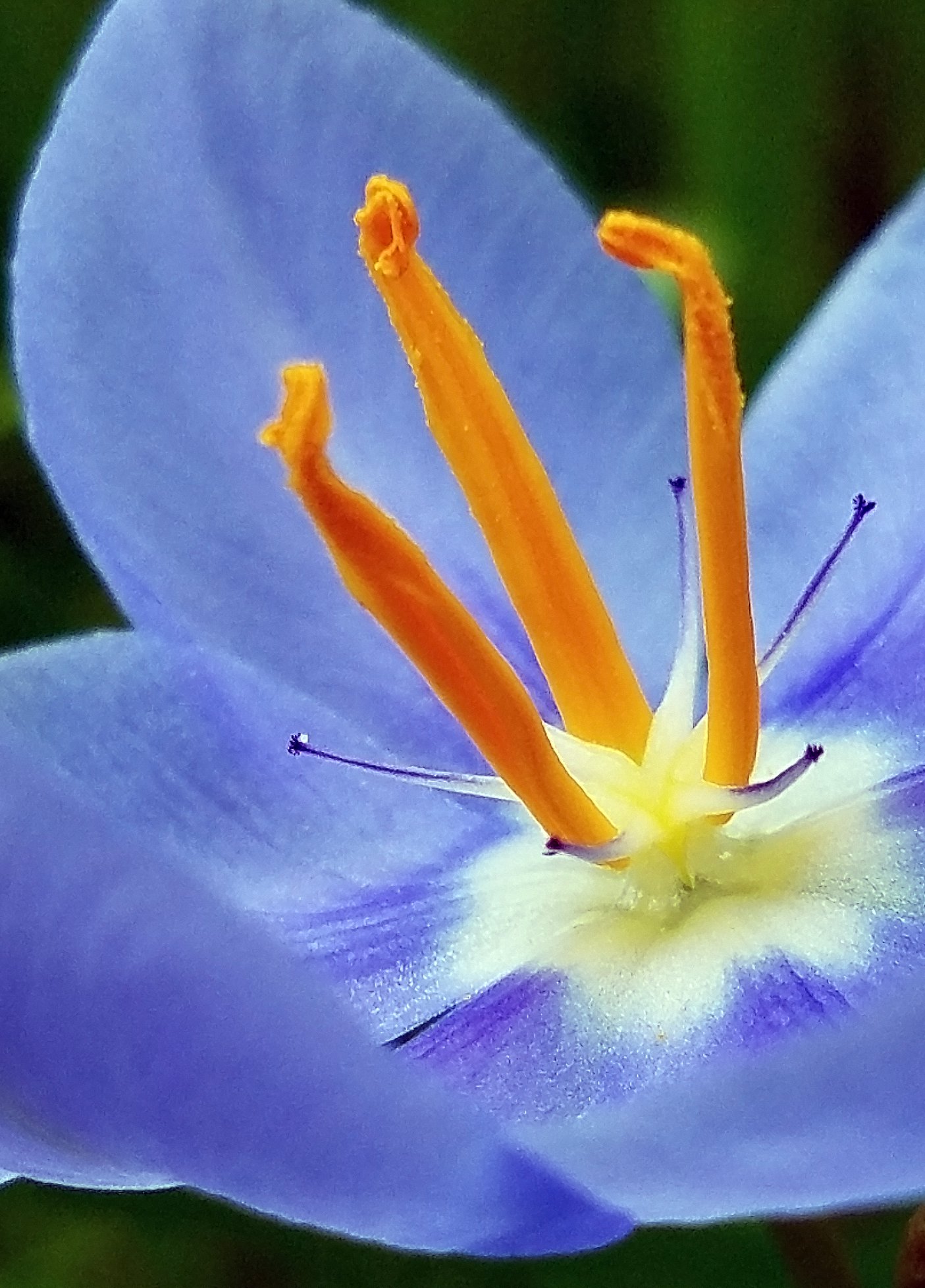
Fully open early in the day Nemastylis geminiflora

Fully open early in a day in the life of a Nemastylis geminiflora.

Either the next day or later the same day, depending upon the sort of day it is (cloudy days they seem to remain closed until after noon. Sunny days they seem to open earlier).

Later in the day, the three tall yellow stamens will have curled up and descended/curled up towards the six stigma spread out at the bottom of the flower as show below. This particular photo taken around 2:30 PM CDT, on a fairly sunny day this March 27th or 28th.

Stamens curled up as a pollinator of undetermined species is busy at work in mid afternoon.
Stamens curled up as a pollinator of undetermined species is busy at work in mid afternoon.

Tomorrow, and tomorrow... the petals have folded, and then the fruit begins to form, as seen left to right.

Yesterday, today, and tomorrow… the tepals have folded, and then the fruit begins to form, as seen left to right.

Although each flower blooms for a single day, a plant may have several flowers. Above, you can see what looks like a potential inflorescence to the left, either today or yesterday’s flower folded in on itself in the center, and to the right, the immature fruit which will eventual mature and provide seeds for future generations. When dry, they dehisc, popping out the small black seeds into the near vicinity.

So: That’s the life cycle of. the Nemastylis geminiflora, which usually blooms for a few short weeks from around the Vernal Equinox until the beginning of April – although sometimes it will fool you as I was last year when I chanced upon some late bloomers around the 10th of April. (I know, the Beatles’ song “Fool On The Hill” comes to mind – if not yours, in my mind, and “In My Life” at least).

Two takeaways:

  1. Do not pick the flowers – this prevents them from going to seed and producing new flowers for the next year. 
  2. Do not try to dig them up. Although they are called Prairie Celestials, the soil in which these are found is rocky and the bulbs are buried deep below the surface, so any attempt to dig them up will likely as not result in damaging the stem or the bulb, thus rendering such efforts useless.

 And a third:

Do get out to a local park or trail where native plants have not been discouraged by putting green level mowing practices, and take a leisurely walk (wearing a face mask, and maintaining a safe social distance). Even if you don’t see any Celestials, you just might see some other native plants and wildflowers. (In Central Texas, they were a little late in their blooming, so maybe they will extend it a little further into April. Who knows? Plants apparently don’t read field guides or any other books, so they don’t seem to follow the “rules” all the time).

###
Blooming March 16, 2021, ’round Round Rock, TX

Prunus mexicana - Mexican Plum

Took a walk outside this morning in search of one particular species, which hasn’t shown up yet, but found these, some planted, some occurring naturally:

Prunus mexicana - Mexican Plum

Mexican Plum started blooming a day or so ago. Noticeably absent so far has been a proliferation of pollinators.

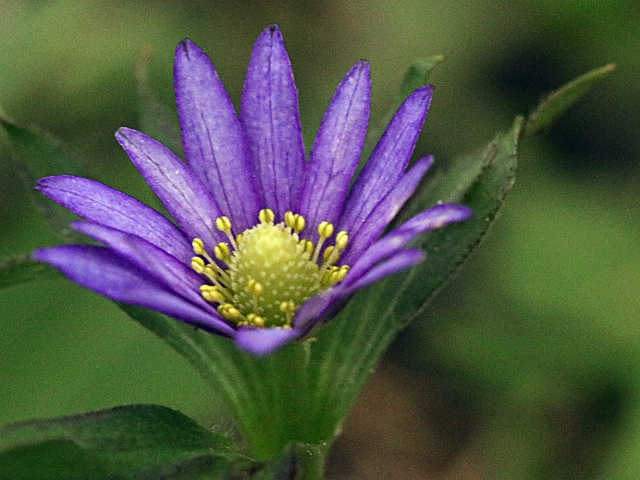
Anemone berlandieri

Anemone berlandieri – also known as Ten Petal Anemone, Berlandier’s Anemone, and Windflower

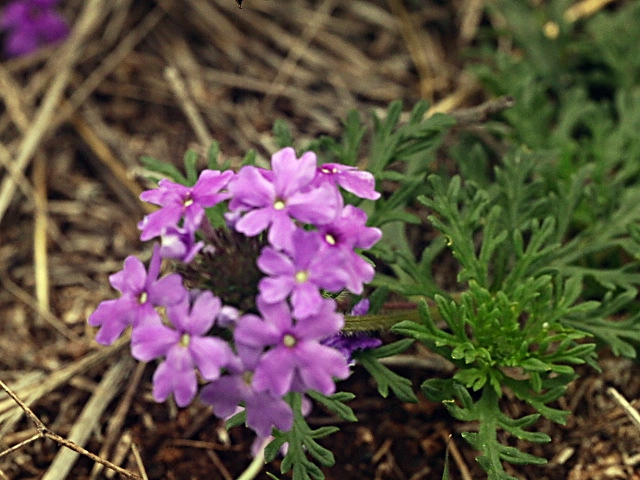
Glandularia bipinnatifida var. bipinnatifida

Glandularia bipinnatifida var. bipinnatifida, also known as Dakota Vervain, Prairie Verbena, among others

Tradescantia gigantea

Tradescantia gigantea – also known as Giant Spiderwort, is a good companion planting for Turkscaps (Malvaviscus arboreus var. drummondii), since the low grass-like mounds of the spiderwort remain green throughout the year, and start to bloom in lat February or early March, after the Texas Red Mallow (another common name) have dropped their leaves (and in the home garden, are ready to be trimmed back). Spiderwort is an aggressive spreader, Turkscap not so much: both can handle partly shady to shady environments. Both attract a variety of pollinators.

#RoundRockTX #CentralTexas #WhatsInBloom #NativePlantsOfTexas

Native plants are the answer…

Maybe it’s just me, but it seems to me that there are far too many crepe myrtles (Lagerstroemia sp.) in use for the good of the planet, especially for the good of wildlife in the United States.

The same could be said of other exotic plants, such as Privet or Ligustrum (Ligustrum sp.), Heavenly Bamboo (Nandina domestica),   Chinaberry (Melia azedarach), and others. Even plants native to one area might become invasive if introduced and allowed to spread in another ecoregion.

Best advice, of course, is to plant plants that are native to your ecoregion. And with Climate Change (or Climate Chaos, which seems to be a more accurate description), even plants native to one’s ecoregion might be getting squeezed out or moving further north, or moving higher up, or retreating into ecological niches (if they haven’t been paved over or bulldozed into oblivion).

img_0413

Texas Lantana (Lantana urticoides)

Take, for instance, Texas Lantana (Lantana urticoides) which can often be found, even in the “big box” stores. However, its cousin Lantana camara which is similar but has different colored flowers and somewhat different leaf texture (I am told) can also be found in those same stores which don’t offer plants grown only in the local region. So it shouldn’t have surprised me when I found several of the L. camara in the greenbelt this past fall, growing right beside what I took to be L. urticoides. And while trying to get photos of a stand of native Solidago sp., (aka Goldenrod), I chanced upon a young Chinaberry (Melia azedarach) sapling. Nearby there are several invasive Chinese pistache (Pistacia chinensis). And that’s just directly behind my house and/or my neighbors’ houses.

This, in a greenbelt that is protected because there is a cavern underneath it within which live one or two endangered species.

The conclusion is the title to this post.

PLANT GRASSES, FLOWERS, SHRUBS AND TREES THAT ARE NATIVE TO THE AREA IN WHICH YOU LIVE. NOTHING ELSE.

If you want a Crepe Myrtle in your yard, then move to Southeast Asia, or wherever it is that they’re from. And take the big-box store nurseries with you. Please. Thank you.

p.s. drove past the construction site where I had taken photos on September 23, 2020, and it appears that most of the native plants have been the subject of “brush clearing.” Don’t know for sure. Didn’t stop and inspect. Would think the Winecups might be in bloom, either now or soon.

###.

The polar vor-Texas of 2021


Or, that was the week that was…

On February 11, went outside and snapped these – oak leaves encased in ice, desert willow branches looking more like Apache plume, Opuntia dripping icicles and a frozen “heart”, icicles  hanging from. a cholla tree cactus, frozen Ashe juniper leaves,, brave little four nerve daisy, and Mexican feather grass icy swirls. 

Those were taken on February 11. And yet, there was more to come. On February 15,  2021,   the Four nerve daisy sticking it out above the accumulation.The berm, completely covered by 6 inches of snow, avng been mowed below 4 inches in January, a Texas persimmon leaf encased in ice, an icy silhouette, and a tangled web of branches. Finally, on the 20t, things  bega to start thawing out. 

###

And we have some losers…

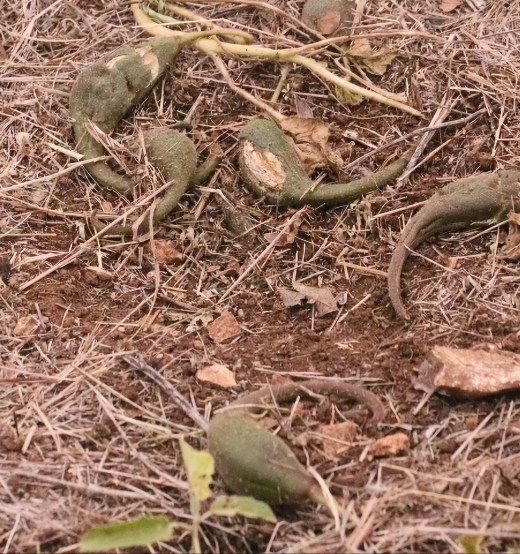
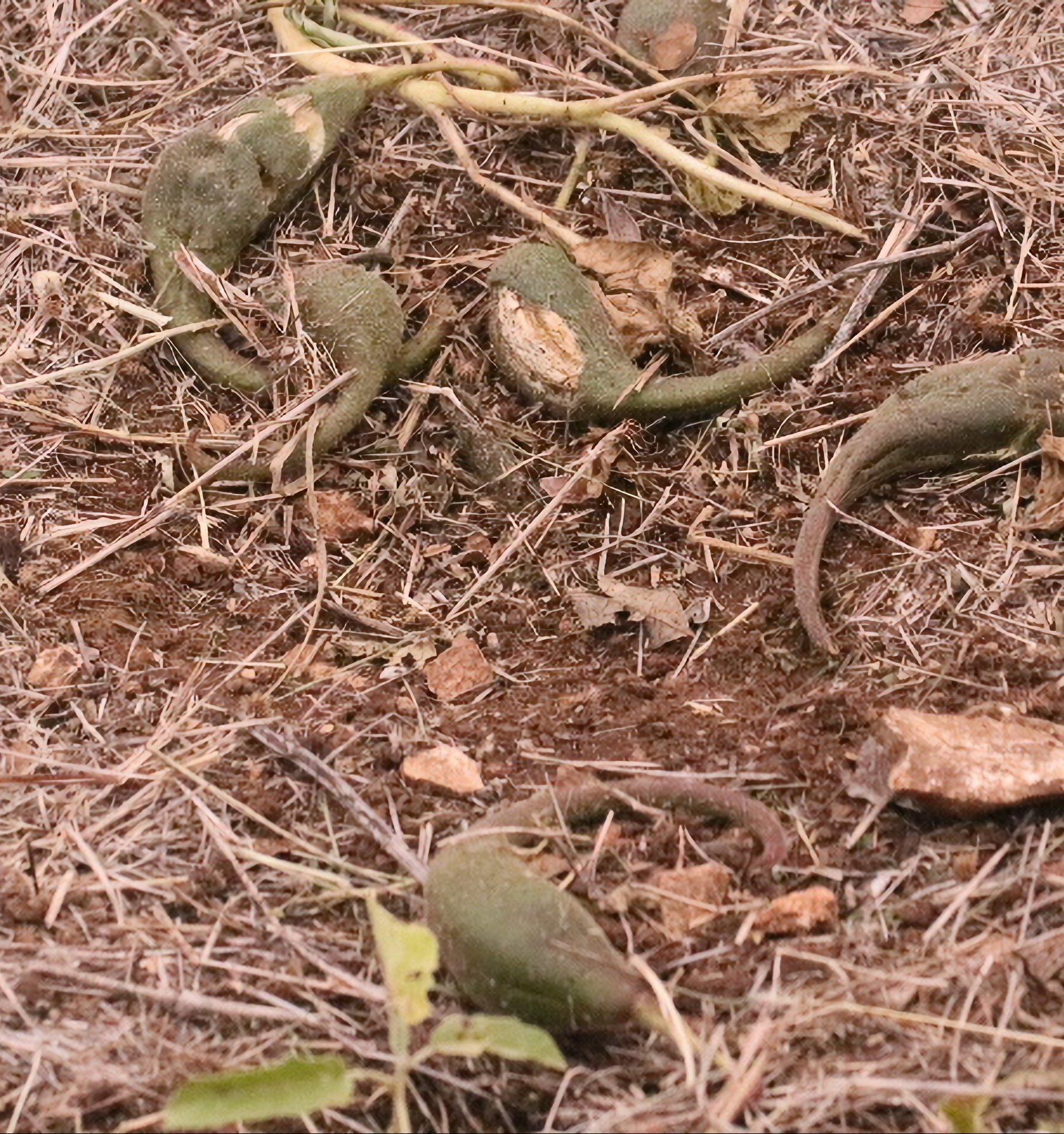
Proboscidea louisianica - Ram's Horn, Devil's Claw

Not so long ago, (November 10th 2020) I went out to the backyard and looked over the fence to find that the mowers had once again been through the berm ( the area between the houses and the greenbelt/protected zone that prevents (one hopes) undesirable materials (such as pesticides) from draining into the cavern which houses an endangered species.

Here’s what I observed:

2020-11-10-3715

2020-11-10-3711

“Scalping” of the berm in several places. The berm is slightly sloped, so as one drives over the top from either side, it is hard to avoid scalping unless the blades of the mower are set to the seven inches which the Texas Department of Transportation specifies in its 2018 Roadside Vegetation Management Manual for rural areas and five inches in urban areas (Chapter 2, page 17). The reasoning is this: low cutting is undesirable because it:

  • stresses the vegetation, especially in dry, hot conditions, resulting in loss of desirable vegetative cover,
  • deprives wildlife of cover,
  • and the lack of leaves above the ground reduces the ability of the plants to develop roots below the ground, resulting in susceptibility to things like
    • erosion,
    • loss of native plant cover, and
    • vulnerability to invasive plant species which can crowd out native species because they have no natural enemies or symbiotic fauna species ( which might depend on them for survival).

Earlier posts on this blog have documented

  • Mowing on wet ground after a rain (Chapter 2, page 16)
  • Mowing down stands of wildflowers still in bloom, (Chapter 1, page 8), and
  • invasive species that were most likely introduced by failure to follow safe hygiene (Special Provision 730-003, which requires pressure washing before and after equipment enters and leaves an area).

The November mowing was no exception, although it was done on dry soil, before a predicted rainfall the following week. But no plants below the height of three inches was spared. Although this Proboscidea louisianica was no longer in bloom, it had not completely set seed, as evident in these still green fruits. The mower had no sympathy for this Devil’s Claw.

Proboscidea louisianica - Ram's Horn, Devil's Claw

Proboscidea louisianica – Ram’s Horn, Devil’s Claw

One of my favorite Korean drama series, “Romance Is A Bonus Book” has a scene in which the CEO of the book publishing company says “You don’t need a botanist to mow the lawn.”

I’m beginning to think that you DO need a botanist, if not to mow the lawn, to tell the mowers When to mow, Where to mow, What to mow, How to mow, and Why to mow or not mow, so that the person Who does the mowing understands what he or she is doing, and can take pride in a job well done. The supervisors of the people who have mowed the berm between my house and the greenbelt, as well as other locations, based on the evidence I see, do not know, or have not trained their employees well.

Every time I see a roadside scalped, or steep sloped ditch mowed when it should have been planted with appropriate native plants, I wonder how long humans have before they realize that they are not the only species on this planet, and start to act as intelligently as they seem to think they are, “the most intelligent creatures on Earth.”

We have a winner!

2020-NPSOT-PhotoContest-GulfCoastPlainsAndMarrshes-winner

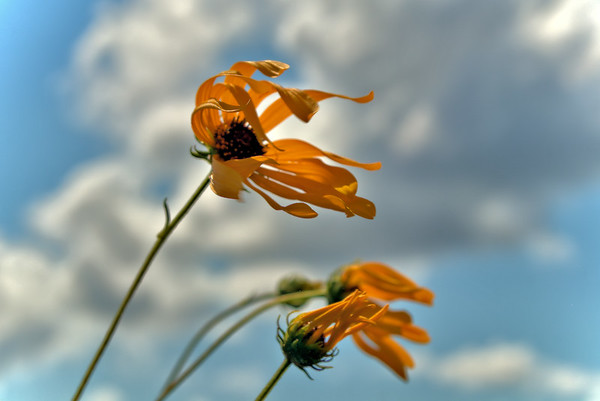
I am happy to say that I lucked out at the 2020 Native Plant Society of Texas photo contest with this photo taken at a pocket prairie East of League City, Texas. The category was the ecoregion of the Gulf Plains and Marshes (there are 12 ecoregions in the 2020 NPSOT photo contest).

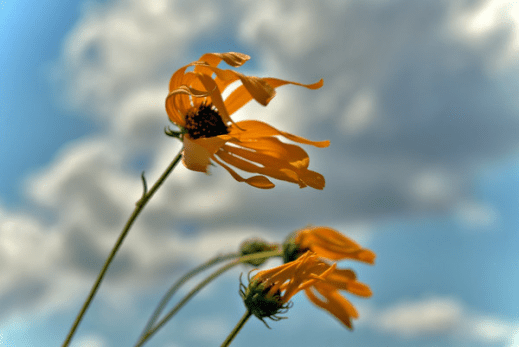
I was consciously channeling my “inner Steven Schwartzman” when I took this photo of the Maximillian Sunflowers (Helianthus maximiliani) that were blowing in the wind against a cloudy but sunny sky.. This one had the best composition of those that I took that day – other species were either out of focus or not suitable for a contest entry.

I did enter three other photos in a contest that was marked by many high quality photos – perhaps in part because Steven Schwartzman, who won in a majority of the 12 ecoregions last year, made the rounds to many of the chapters across the state to deliver his presentation on nature photography.

Here are my “losers.”

From the Edwards Plateau, this photo of a Wild Petunia (Ruellia nudiflora) taken early in the morning to catch the sun in the upper right, showing off the translucency of the petals and the red “sundog” created by the lens in. the lower left, and highlighting the hirsute stem and body:

2020-08-16-Wild-Petunia-Ruellia-nudiflora-rjk1024x768-IMG-3346

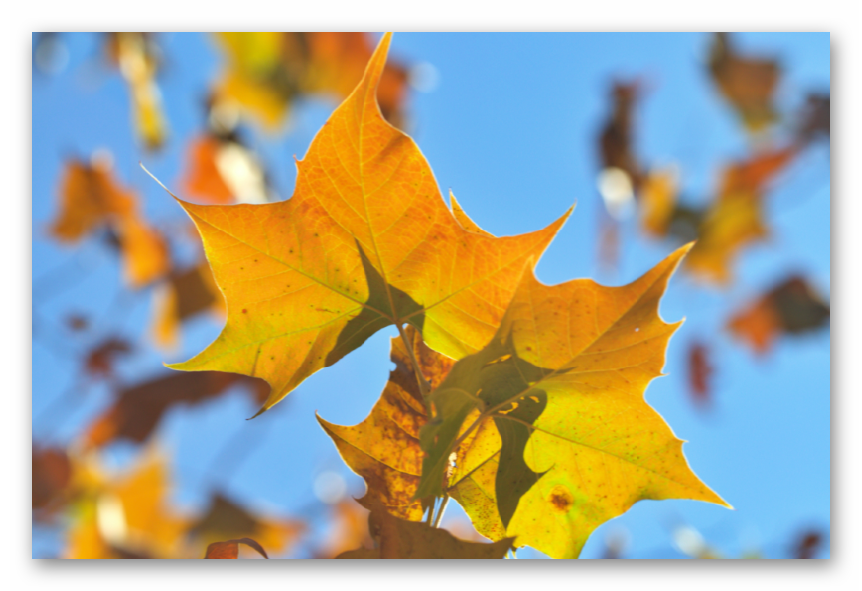
From the Cross Timbers ecoregion, this shot of an American Sycamore (Platanus occidentalis) with the autumn colors against a blue sky (Taken at Miller Springs Park near Belton, TX:

CrossTimbers

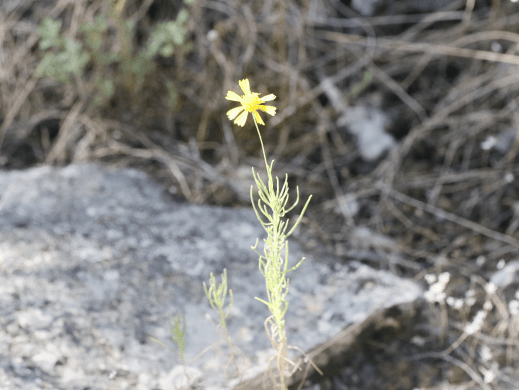
And finally, this photo from 2014 of a Southern Prairie Aster ( Eurybia hemispherica) in the East Texas Plains, this was the only one that showed the bloom off individually – although I used photo-editing software to sharpen it, I did not hype the colors. (And it might have disqualified because it was taken 6 years ago – the judges might have considered photos taken only with the last couple of years – I’m not entirely clear on that, but I not complaining, the overall qualities of the entries was awesome, and I was lucky to get one picked as a winner). And I’m not sure that i got this ID correct.

EastCentralPlains

All in all, any of the. above might have won, had there been different judges, or if there hadn’t been so many other high quality entries. I suspect that the latter is the main reason.  Check out the link to the contest entries (and winners) above and see if you don’t agree.

This has been a busy season, and I have yet to return to the issue of the berm between me and the greenbelt, or protected species area (there is a cave in the area, with an endangered species, so it is protected from development, but not from invasive species).

But that is for a different day.

Gone to seed, fruits, or berries, mostly…

Took a walk out in the woods, in the middle of the summer, to see if the Phemeranthus calycinus aka Rock Pink, might be in bloom, since we had had several days of rain prior. No such luck. There had been at least 20 specimens in the immediate area about four years ago, and earlier this year I found one in bloom, but even the Bitterweed (Helenium amarum) seemed to be scorched, for the most part, although I did take a photo of one that wasn’t, and some grasses. (For an article describing the flower I was looking for, and some photos, see Stalking the ephemeral Rock-Pink).

The area I’ve dubbed “Lace Cactus Lane” because of its concentration of Echinocereus species, was in fairly decent condition. And a pass through the area I call “Vine Street” revealed some Pearl Milkweed Vine (Matelea reticulata) pods dried and open, as well as some Carolina Snailseed (Cocculus carolinus), starting to put out its berries. Of course, there was the usual Poison Ivy (Toxicodendron radicans), Virginia Creeper (Parthenocissus quinquefolia ) and Sevenleaf Creeper (Parthenocissus heptophylla). And I took a few shots of the Bearded Swallow-Wort vine (Cynanchum barbigerum) just to illustrate the way it braids itself along whatever is supporting it.

A bit closer to home, Butterflyweed (Asclepias tuberosa) were in bloom,  as were Texas Lantana (Lantana urticoides) , Apache Plume (Fallugia paradoxa), Gregg’s Mistflower (Conoclinium greggii), Mealy Blue Sage (Salvia farinacea), Skeleton-leaf Golden-eye (Viguiera stenoloba),  Four-nerve daisies (Tetraneuris sp.), Flame acanthus  (Anisacanthus quadrifidus), Autumn Sage (Salvia greggii), and Manzanilla (better known by the name Turk’s Cap, and rarely called Texas Red Mallow)(Malvaviscus arboreus var. drummondii). Even the Wild petunia (Ruellia nudiflora) has been putting out blooms lately, and the Yellow Passion Flower (Passiflora lutea) seems to have just recently finished its latest cycle.

Which leads to a mention of the life cycle of the Gulf Fritillary (Agraulis vanillae) butterflies, which have tried their best but haven’t succeeded in stripping the Passiflora vines completely this year. Given that it is safe to speculate that the suburban subdivision where I reside has little habitat for these beautiful pollinators, one can only hope that my little nursery is keeping the local population going.