My Google Scholar alert feed tossed a couple of items my way that might be of interest. They are in PDF format, so you can read them online or download them for future reference:
Tricky partners: native plants show stronger interaction preferences than their exotic counterparts.
Citation: Coux, C., I. Donoso, J. M. Tylianakis, D. Garcı´a, D. Martı´nez, D. M. Dehling, and D. B. Stouffer. 2021. Tricky partners: native plants show stronger interaction preferences than their exotic counterparts Ecology 102(2):e03239. 10.1002/ecy.3239
Main takeaway (my interpretation): Increasing presence of exotic plants may put rare native plants at higher risk of extinction.
(Caveat: my browser says the site is not secure. However, I have several security programs that (hopefully) would mitigate. the risks).
That being said, the article is from a group of scientists from New Zealand, Germany and Spain who looked into the interactions that native and exotic plant species had with other plant species.
Exotic species interact with many partners with which they have not coevolved, and it remains unclear whether this systematically influences the strength of neutral processes on interactions, and how these interaction-level differences scale up to entire networks. To fill this gap, we compared interactions between plants and frugivorous birds at nine forest sites in New Zealand varying in the relative abundance and composition of native and exotic species, with independently sampled data on bird and plant abundances from the same sites
The results found that native plants’ interactions with birds were both more positive (preference for) and negative (avoidance of). Their analysis suggests that the blending of species communities through dispersal of exotics into native plant communities might result in an increase of neutral interactions between birds and native plants or exotic plants.
This could make rare species more vulnerable to this loss of selectivity and to greater randomness in the identity of their interaction partner.
So there’s another argument for getting rid of invasives.
Moving right along, here comes
Where Have the Native Grasses Gone: What a LongTerm Repeat Study Can Tell Us about California’s Native Prairie Landscapes
…found that native grass cover decreased dramatically (especially on the valley floor), exotic grass cover fluctuated widely over time, while both native and exotic forb cover increased over time. The findings support the notion that prior grazing management practices may have supported the former stands of Stipa pulchra.
… Several trends became apparent when the data from the three periods are viewed together. Both native and exotic forbs increased between each data collection. There were consistently more native forbs than exotic ones and native grasses decreased in cover. Though exotic grasses fluctuated, they always made up a greater amount of cover than their native counterparts. Lastly, cover of bare ground fluctuated and shrubs declined. The Fisher’s Exact test of the increases and decreases of forb and grass cover across quadrats from 1981 to 2015 had a p-value of 0.00012 indicating that we can reject the null hypothesis of independence…
… native bunchgrasses have declined dramatically since the end of the ranching era. Simultaneously, native forbs have increased (at least temporarily), especially on the valley floor. Our findings also suggest that the historical ranching practices in LJV likely supported the excellent stands of Stipa observed in the valley prior to release from grazing. These findings are in agreement with those of previous long-term studies in other parts of California that also found a decline in Stipa cover on lands released from grazing. (emphasis added).
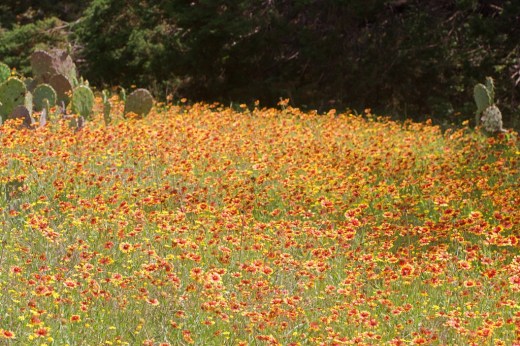
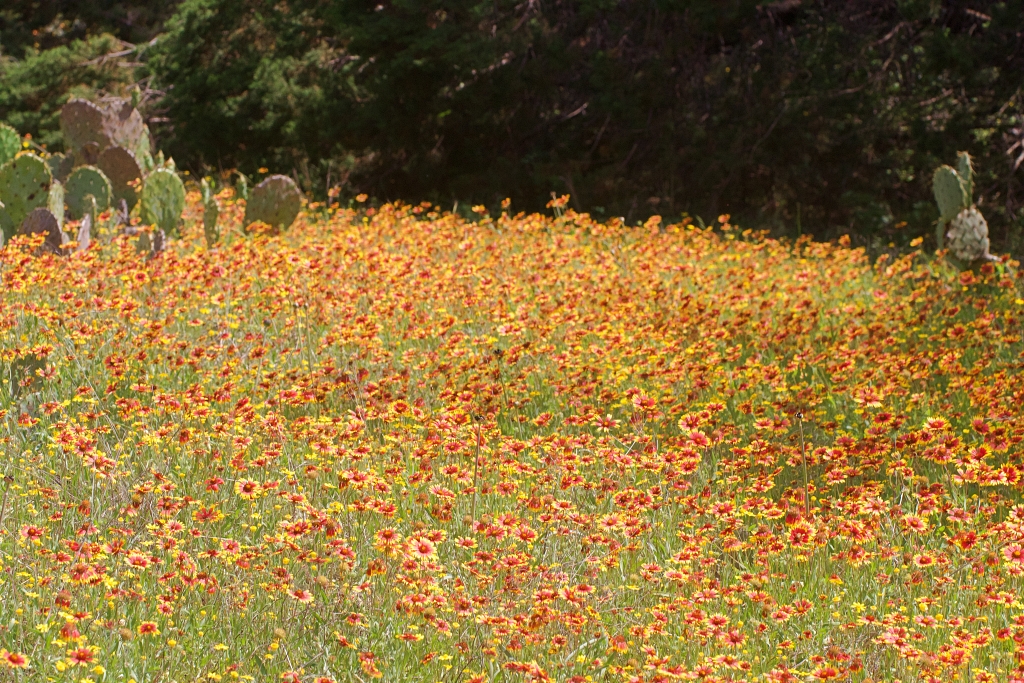
If one were to generalize the conclusions of this study to Texas, where this writer resides, I would say that the presence of large stands of Prickly Pear (Opuntia sp.). and Texas Cedars (Juniperus ashei) as the dominant species in large parts of Central Texas is probably due to past practices of overgrazing, similar to the presence of the native bunchgrasses in California has been attributed to the previous grazing practices in the study cited above.
However, I do not believe that the answer to the problem is to bulldoze the soil away and to cover the land with non-permeable surfaces like buildings and asphalt parking lots. One can develop land while leaving large portions of native plant species intact, and without replacing them with crappy myrtles and Nandina plants.
postscript:
One of the references used in the article on California grasses was California’s Fading Wildflowers by Richard A. Minnich. The table of contents and lists of illustrations and tables and preface are available for open access, but the book itself costs a hefty $128.00. Another reference was Terrestrial Vegetation of California. California Native Plant Society Special Publication Number 9 (pp. 733–760). Sacramento, California., which is not on the web.
###
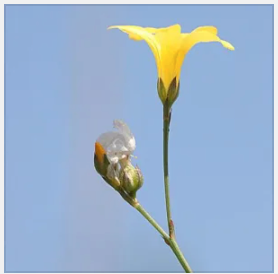
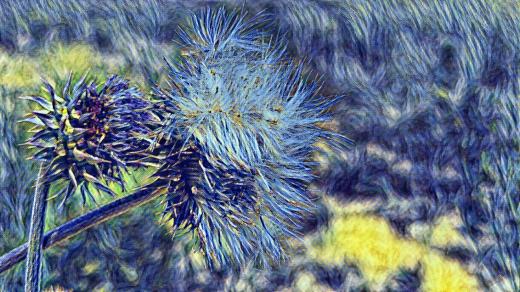


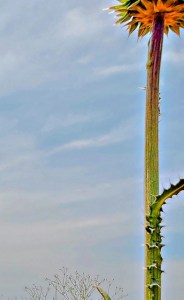


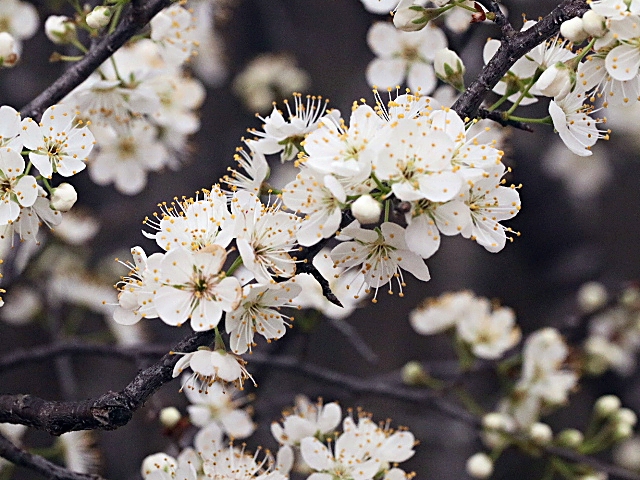
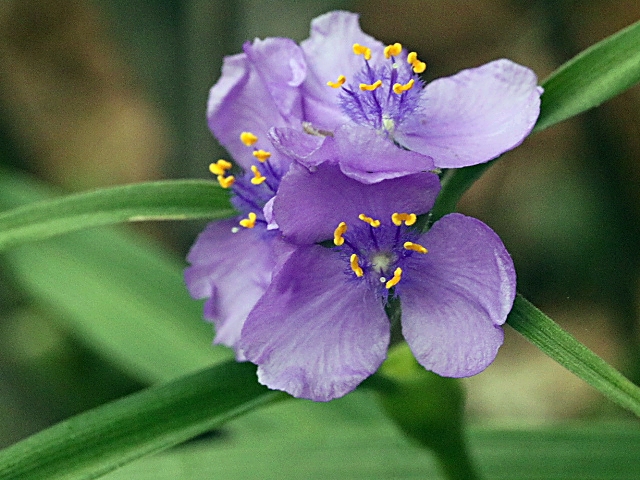
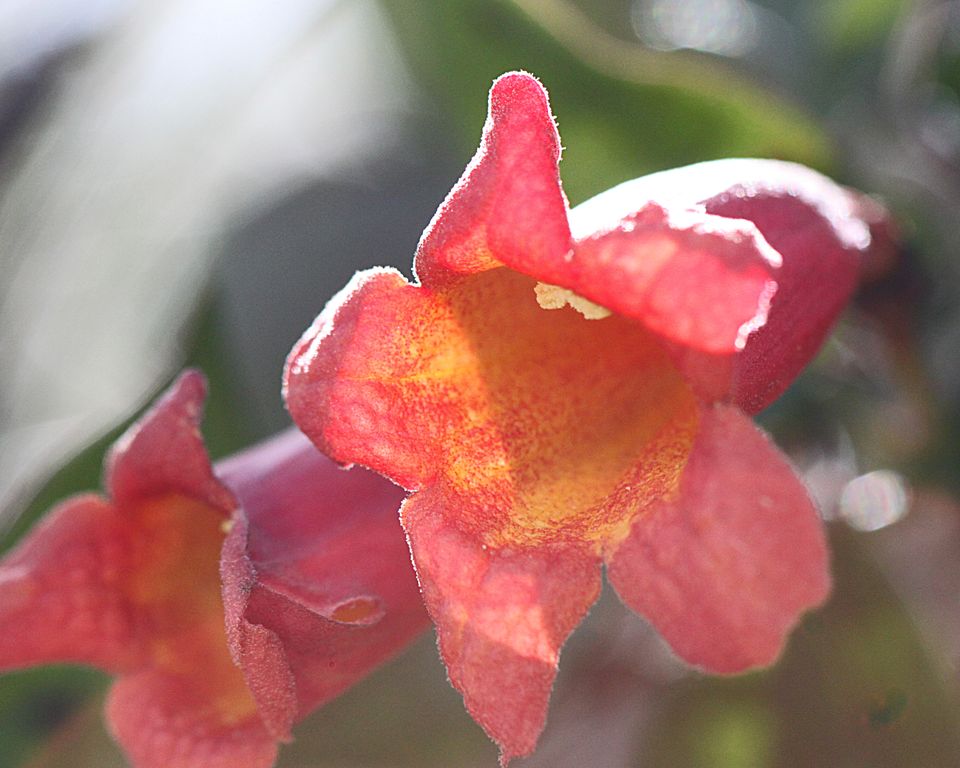
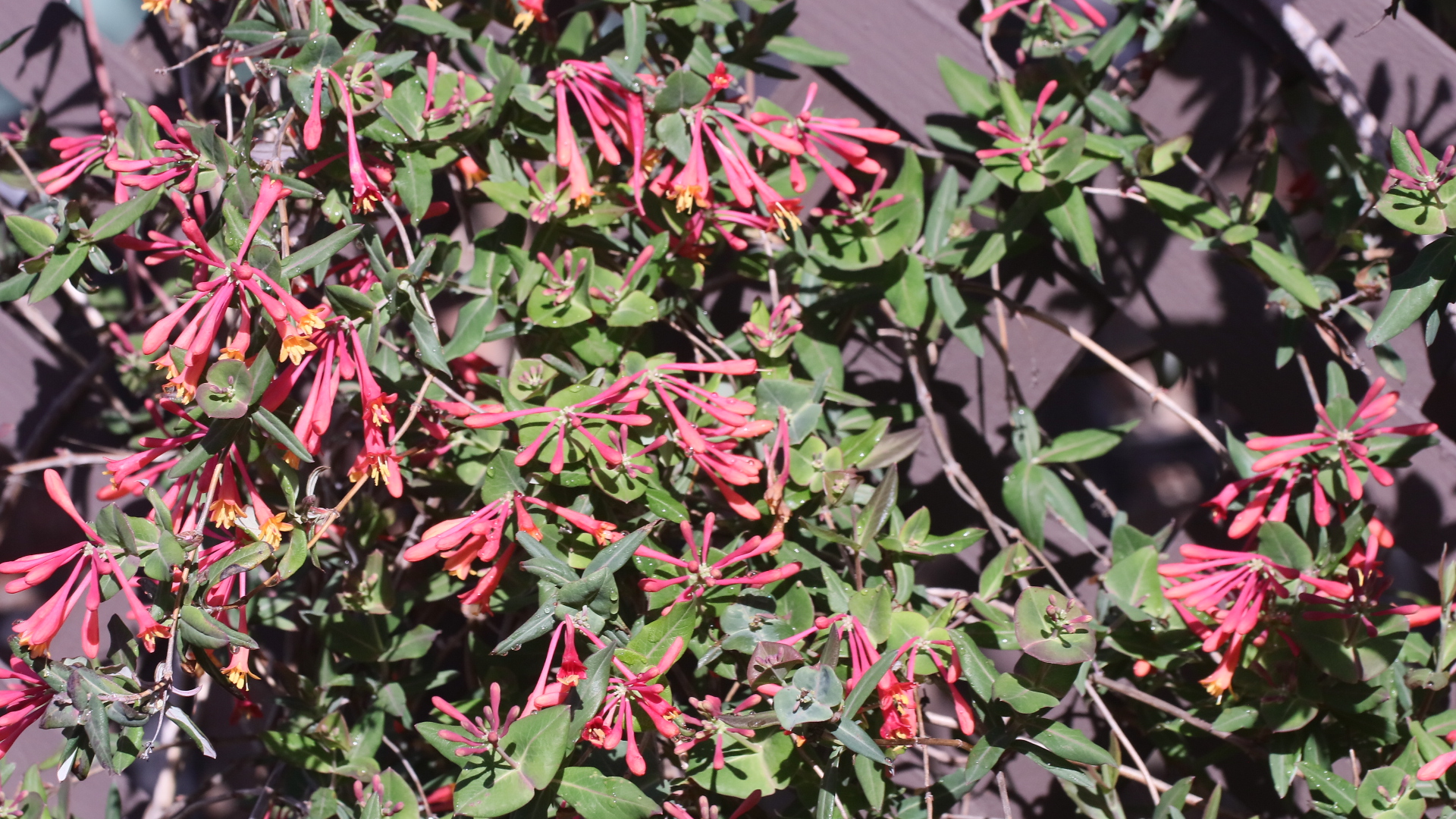
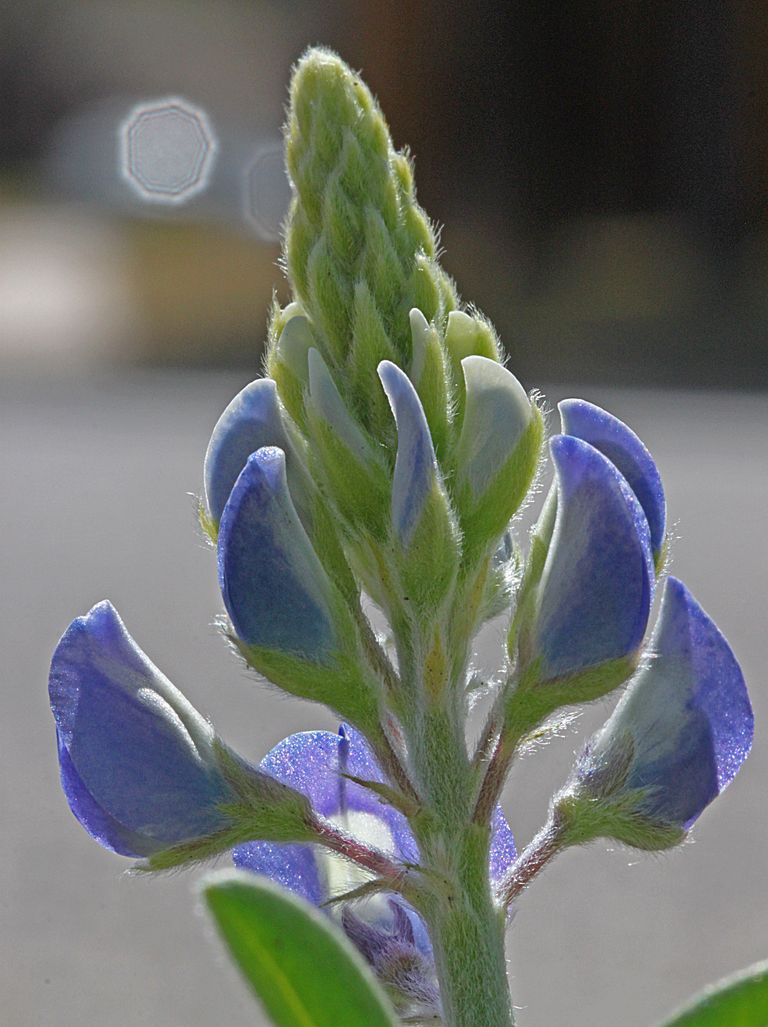 Crossvine (Bignonia capreolata), for instance, and Coral Honeysuckle (Lonicera sempervirens) which are both favored by Hummingbirds are blooming in profusion, as are the Texas Bluebonnets (Lupinus texensis).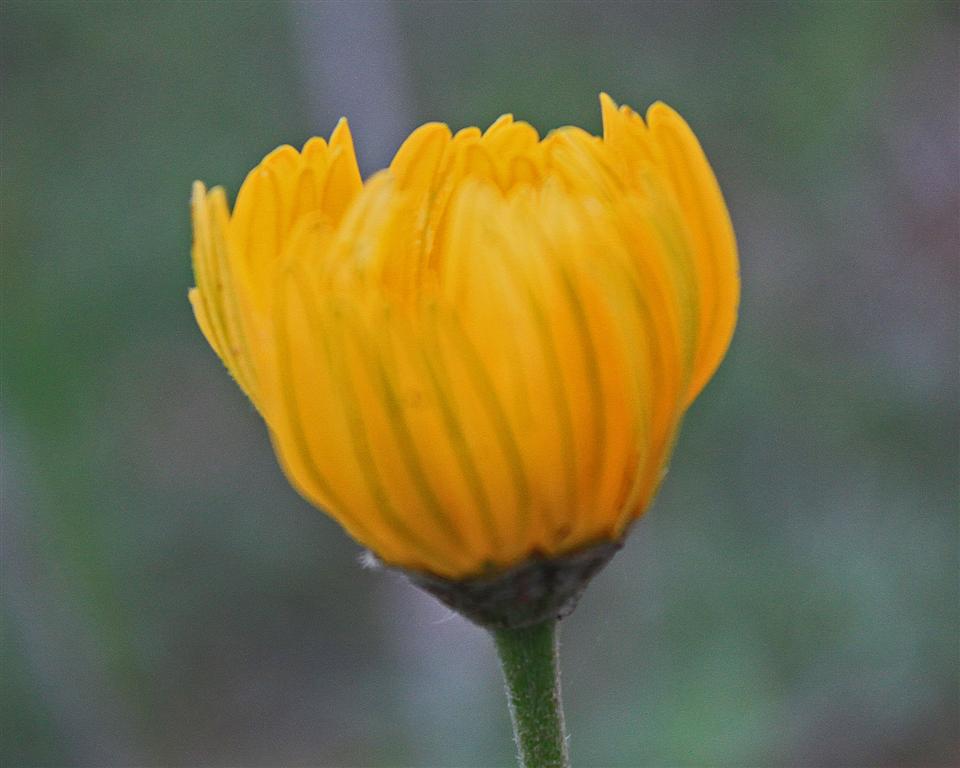


 bob's brain: living well with a movement disorder and other comorbidities