Back in my own backyard…

Early June 2022 and the heat is in the “triple digits”as the meteorologists like to say in TV-land. or 39 ° Celsius, as we were told we would have converted to 50 or more years ago. Either system, hot to humans is hot.

But to native plants that evolved in Central Texas for more years than Crepe Myrtle has been here, even these signs of Global Warming haven’t phased them. (Granted, I do some supplemental watering, especially of small trees for the first few years, but other plants like Passiflora incarnata grow like “weeds”).

I’ll  let the plants speak for themselves:

Those are just the photos I took on June 8, 2022, mostly in my yard. The Rain Lilies were just past the back fence (the ones in my yard had bloomed and gone to seed after the previous week’s mild spattering of rain drops).

###

Lack of April Showers… doesn’t faze native wildflowers

Rock Rose (Pavonia lasiopetala)

Well, the month of April is nearly over.

Here in Central Texas, the Golden Groundsel (Packera obvata) have already gone to seed, and the state flower, the Texas Bluebonnet (Lupinus texensis) is still in bloom, but many have started to go to seed.

My Milkweeds are coming up and thriving, but no blooms yet. Four Nerve Daisies (Tetraneuris scaposa)continue to push out blossoms. False Foxglove (Penstemon cobea) and Brazos Penstemon (Penstemon tenuis )are blooming..

The Mealy Blue Sage  (Salvia farinacea) are bouncing up and are in bloom in the backyard. The inconspicuous Purple Milkweed (Matalea biflora ) has bloomed, and the Purple Passion Flower (Passiflora incarnata) vines nearby, have bloomed.

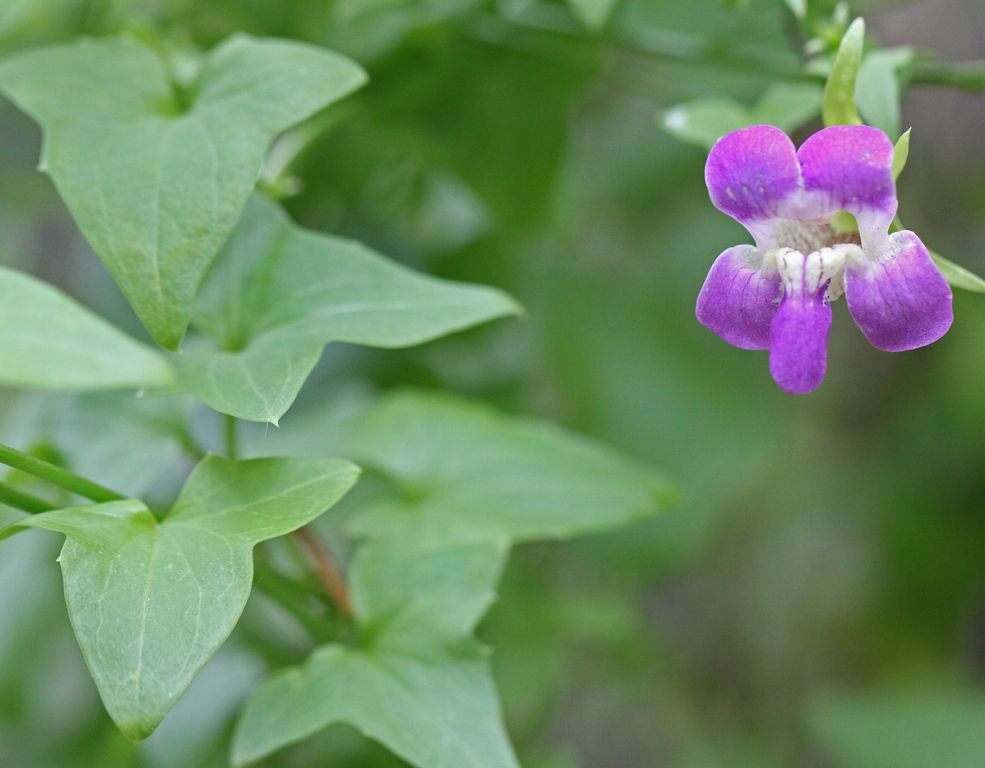
Lyre-Leaf Sage (Salvia lyrata )and Missouri Violets are in bloom lining the front yard stone walkway.

And the Scarlet LeatherFlower (Clematis texensis ), which is endemic to the Edwards Plateau, has also put out several flowers. The Coral Yucca (Hesperaloe parviflora) flowers are starting to open. And a few white wine cups (Callirhoe involucrata var. lineariloba) that I had rescued from a construction culvert on Old Chisholm Trail in Round Rock are in bloom, with their white petals and faint purple lines. They are endemic to just a few counties in Texas, and the Williamson County chapter of the Native Plant Society of Texas has adopted the name “Williamson County Winecup” for this species.

Finally, let’s hear it for the  red, white and blue blooms.

Rose Pavonia (Pavonia lasiopetala) (more hot pink than red) Autumn Sage (Salvia greggii)(both red and white, and Blue-eyed Grass (Sisyrinchium pruinosum) are all in evidence.

I don’t need any more evidence to arrive at my verdict.

Native plants are the answer.

The native Texas April yard/garden…

IF you live in Central Texas, of course. While many plants (including some native plants) are still trying to recover from what I have heard called Winter Storm Uri, which lasted for about ten days back in mid-February, 2021, most of the plants native to this region of Texas are coming back strong, or putting out blooms already.

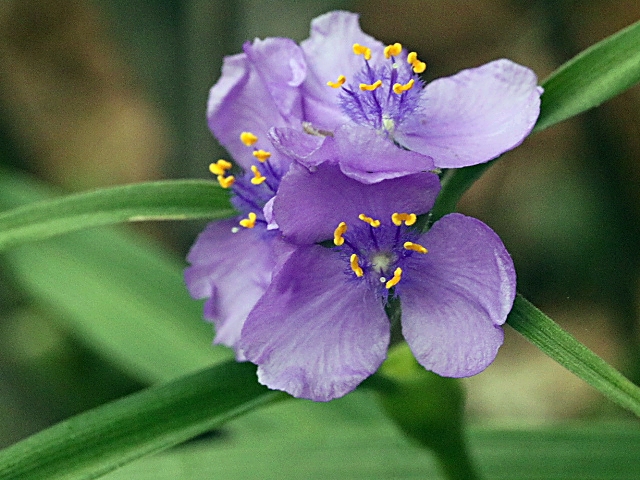
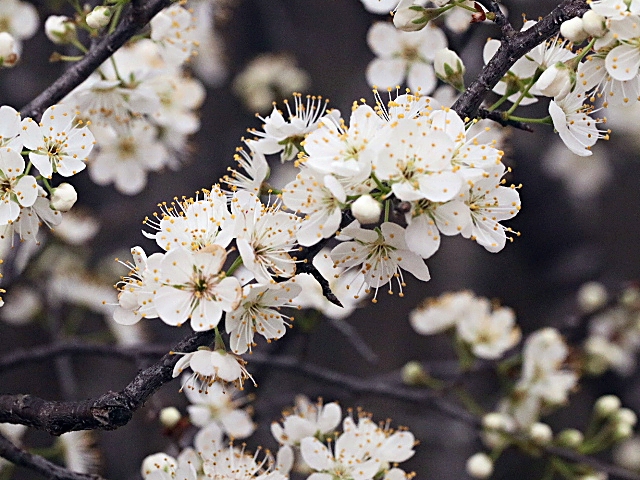
Mexican Plum (Prunus mexicana) has already flowered and started putting out leaves. Giant Spiderwort (Tradescantia gigantea) has for the most part finished with its most robust blooms, but there are still a few left. (Both of these photos were taken March 16, 2021).

.Prunus mexicana - Mexican PlumTradescantia gigantea
A little over two weeks later, things are really starting to perk up in the yard.
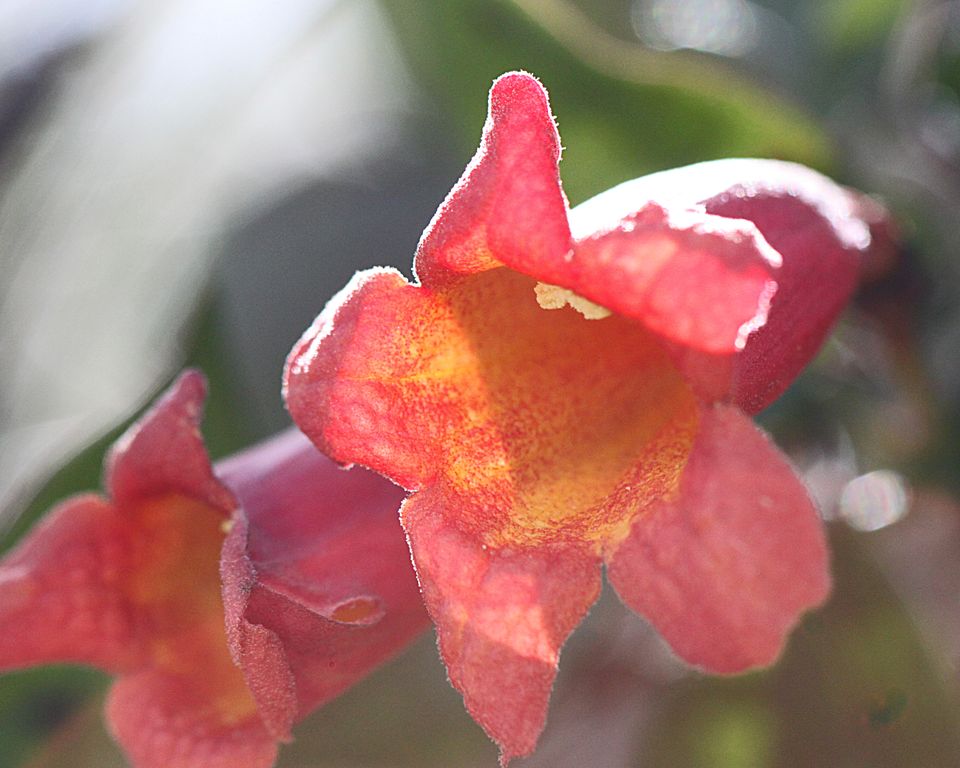
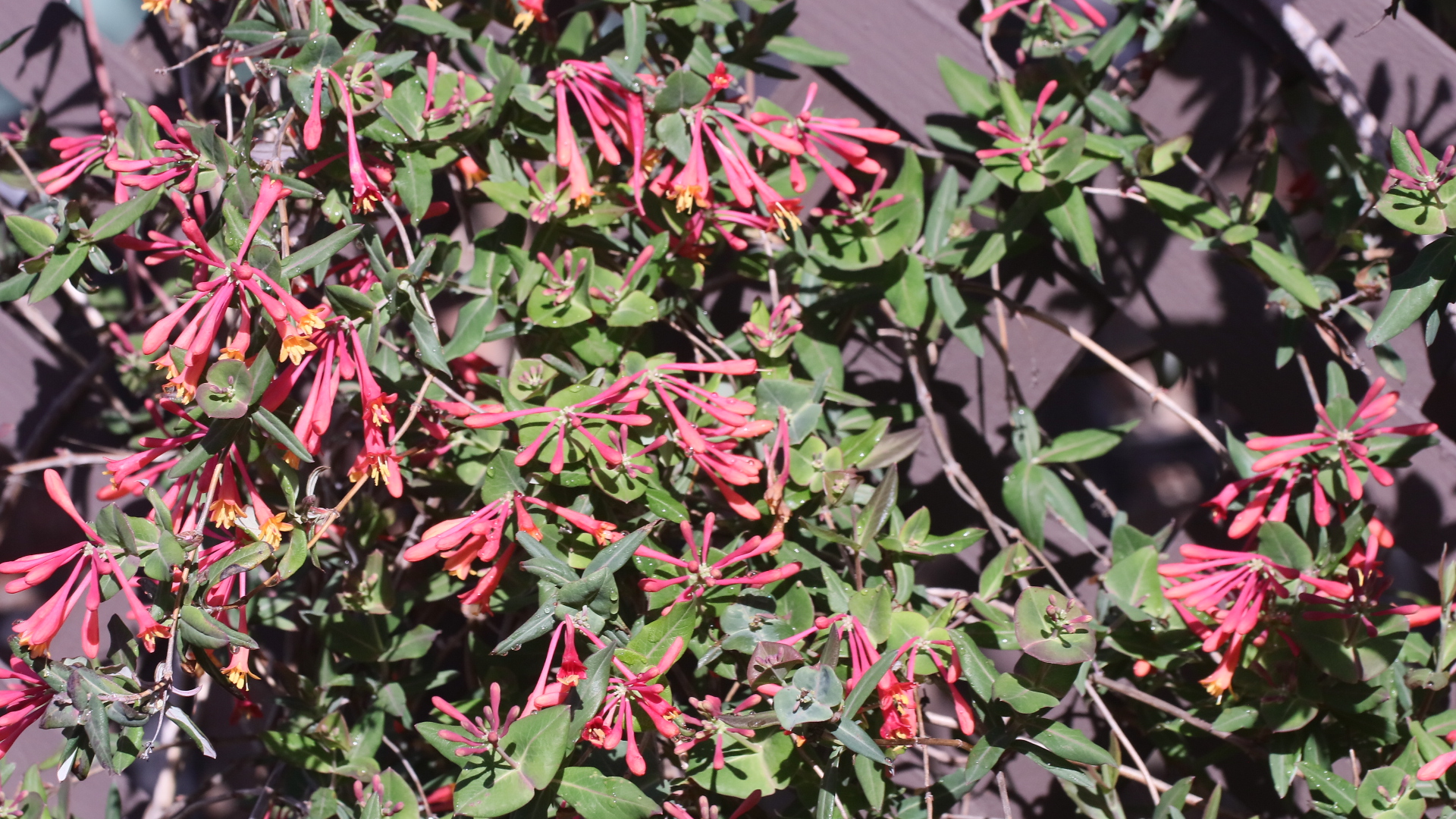
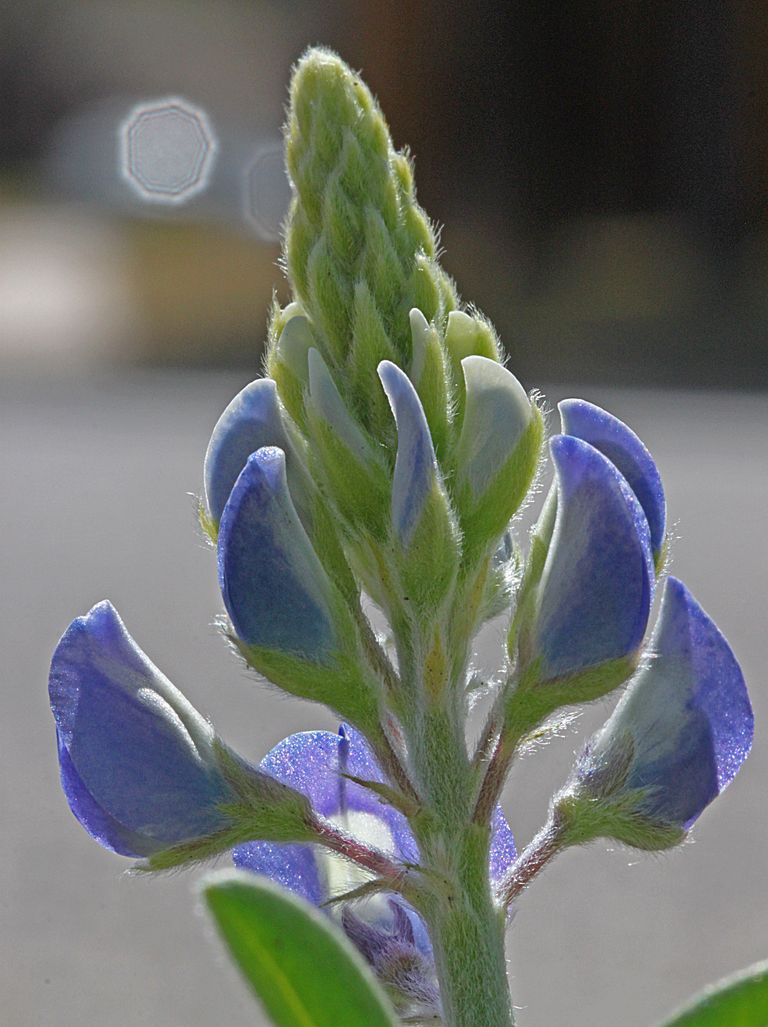
Bignonia capreolata - Crossvine Coral Honeysuckle (Lonicera sempervirens) Lupinus texensis - Texas Bluebonnet Crossvine (Bignonia capreolata), for instance, and Coral Honeysuckle (Lonicera sempervirens) which are both favored by Hummingbirds are blooming in profusion, as are the Texas Bluebonnets (Lupinus texensis).

And then there are the Tetraneuris scaposa.which will bloom all year round if you let them, or keep on trimming off the deadheads, so that they can. These are perennials, but short lived, so after a few years you might have to replace them – or they might have spread and created new copies on their own.
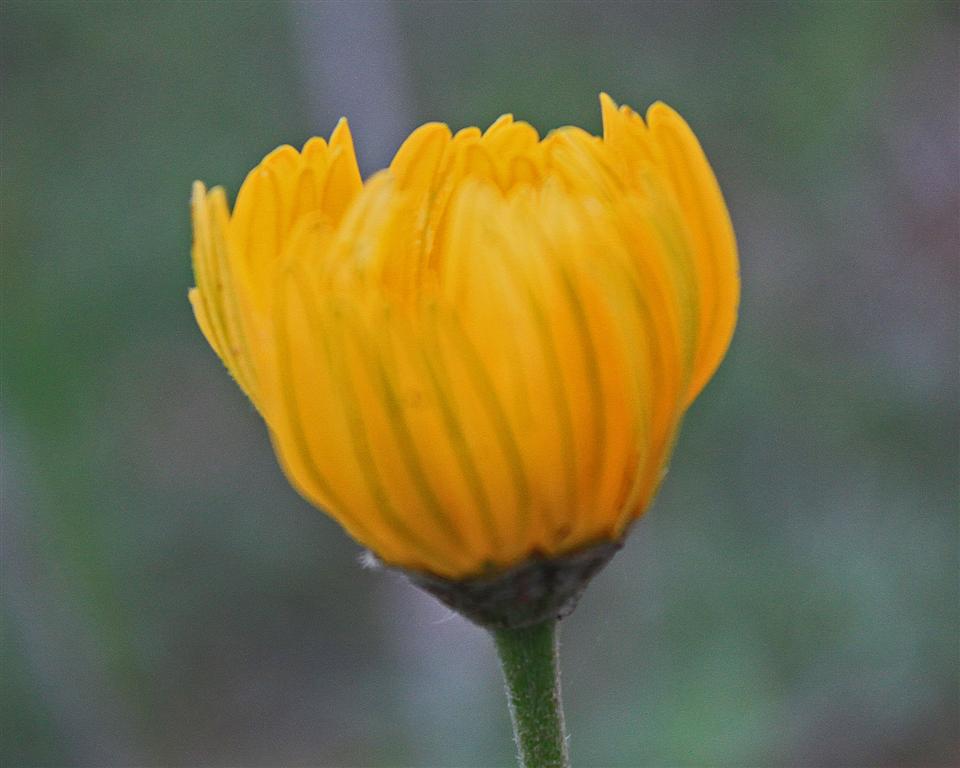
Tetraneuris scaposa - Four Nerve Daisy

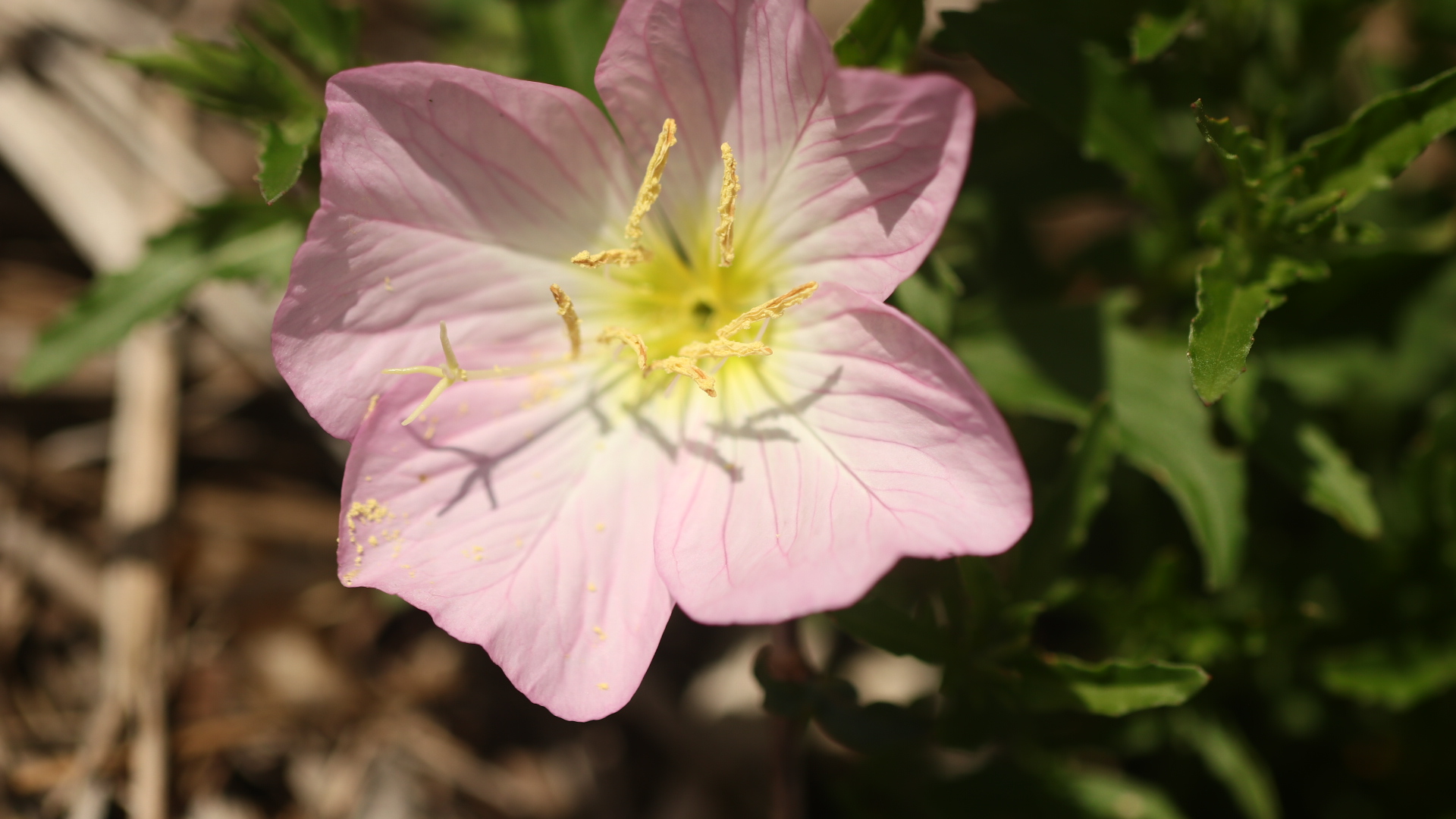
Oenothera speciosa - "Pink Ladies"

Oenothera speciosa – “Pink Ladies”

And, just to get this out there, Oenothera speciosa, known as Pink Primroses or Pink Ladies, are blooming currently. I have seen some popping up in neighbors’ yards that are otherwise mowed too short and devoid of any other native Texas plants. But thankfully, they haven’t mowed down the Pink Ladies. 

I will mention, but not add photos of Blue eyed grass, Cobea and Gulf Penstemons,  Mealy Blue Sage, Wright’s Skullcap, and a few others. The month of April is nearly over, The US Senate has unanimously voted to name April 2021 as National Native Plant Month, and there are invasive plants in my backyard and. beyond that need to be cut down before they go to seed. Oh, and the Rain Lilies have started popping up, finally after several days of light rain.

Hasta luego.
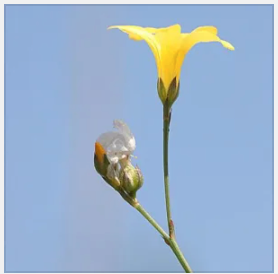
Natives returning, along with a few undesirables

A month after the Wildflower Massacre at the hands of untrained/poorly trained mowers (who are not to blame, for the are just pawns in the game), the native plants are making a strong comeback, as well as a couple of unwelcome plants, both exotic and native. Among the invasive or undesirable plants are Johnson Grass (Sorghum halepense), Bermuda Grass (Cynodon dactylon), and Poison Ivy (Toxicodendron radicans). Interestingly enough, most of the “new” natives are coming up in the area in which I had already pulled some 10 bags of grasses and weeds of the exotic and invasive persuasion. But enough talk, here’s a slideshow to illustrate what I’m talking about.


The low blade mowing (under 7 inches) according to a personal source expert on eradicating non-native species from parks and preserves, is a great way to spread the Poison Ivy (a native, but one which one prefers left in preserves, untouched by mower blades). I suspect that cutting below 7 inches also encourages the spread of Bermuda Grass. The Johnson Grass is an opportunistic plant that likes disturbed soils such as construction sites or “scalped” roadways and in my case, berms. But it can be easily defeated by pulling it out after every rain, and letting native grasses take over.