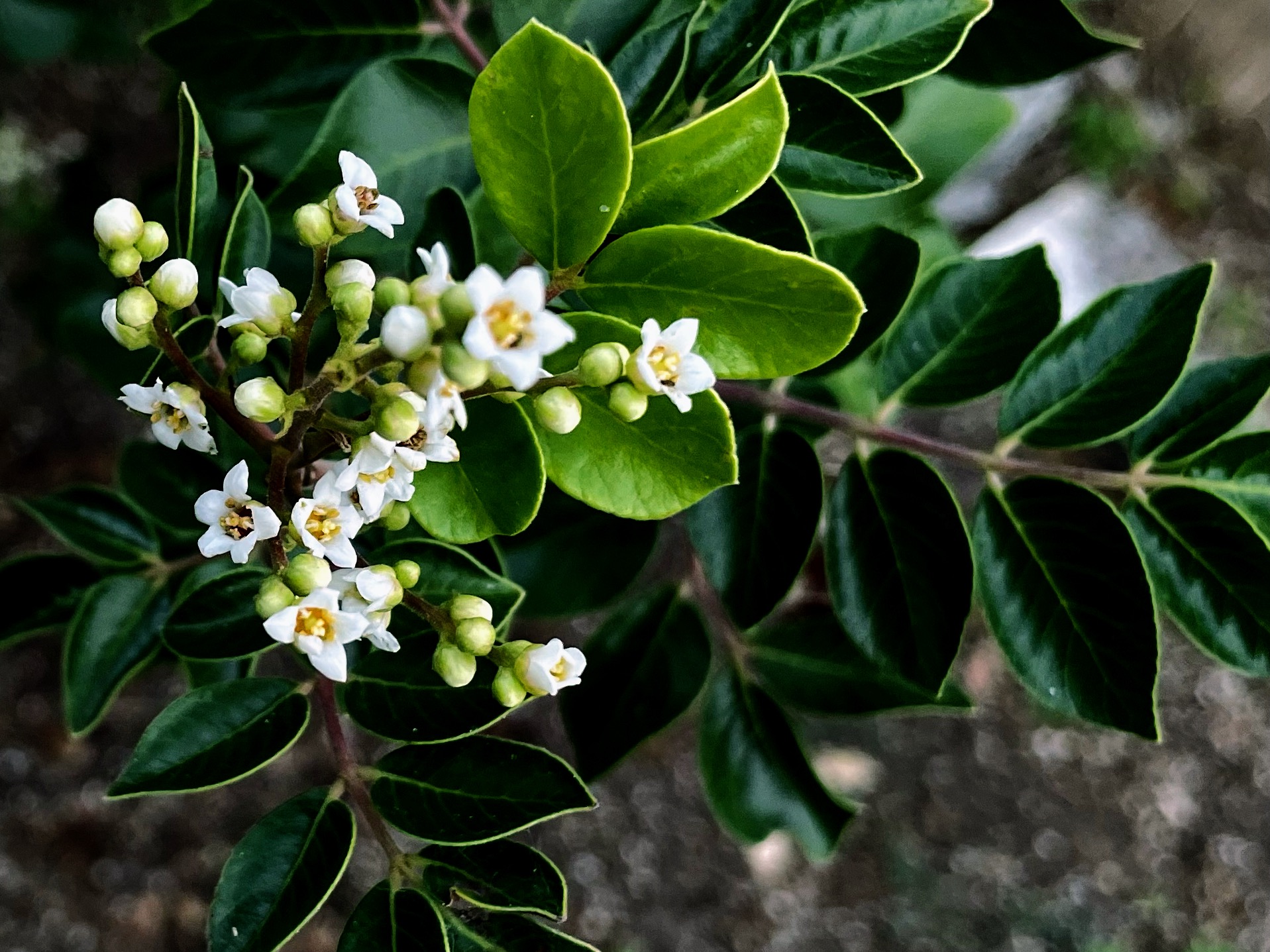
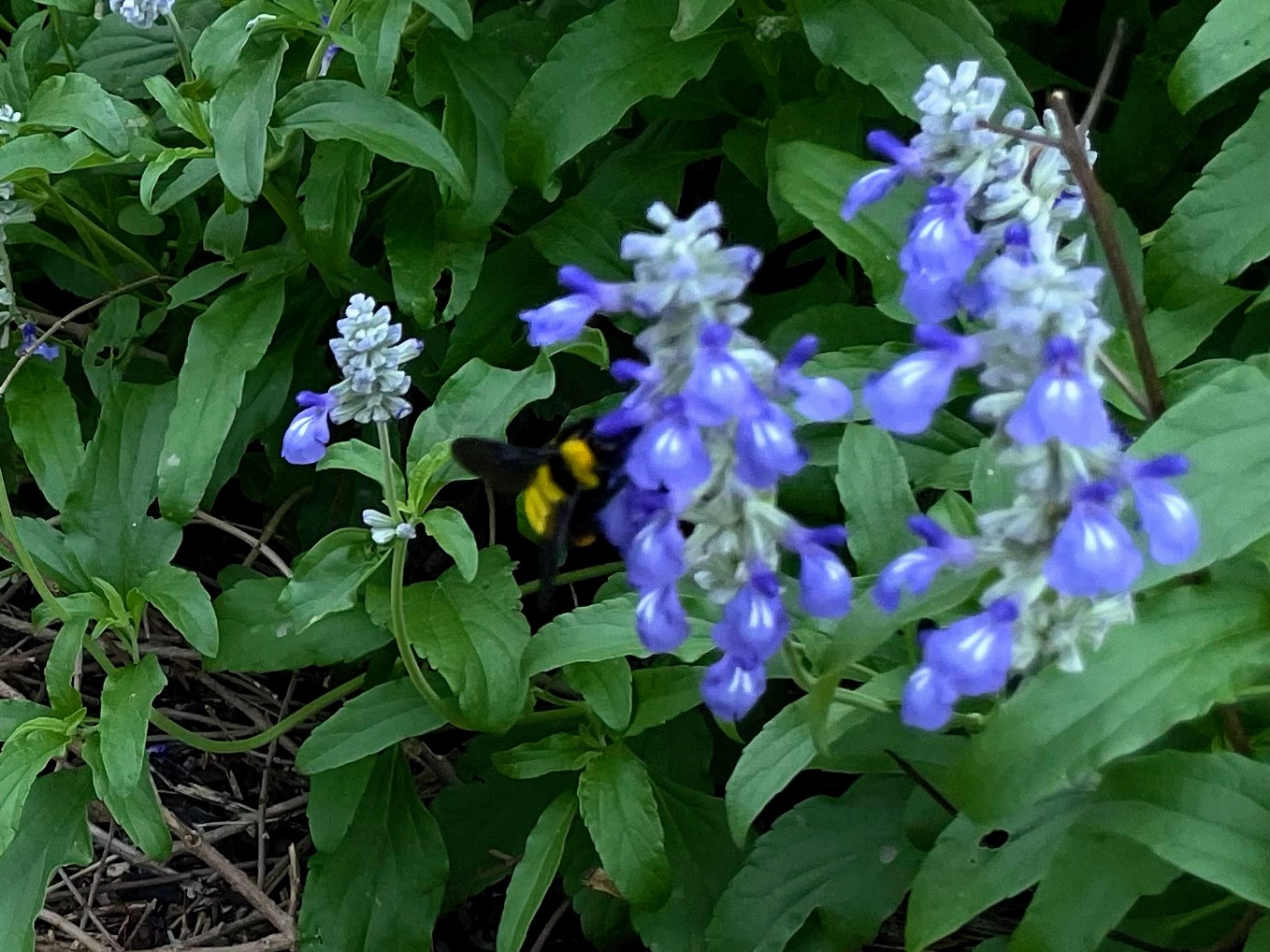
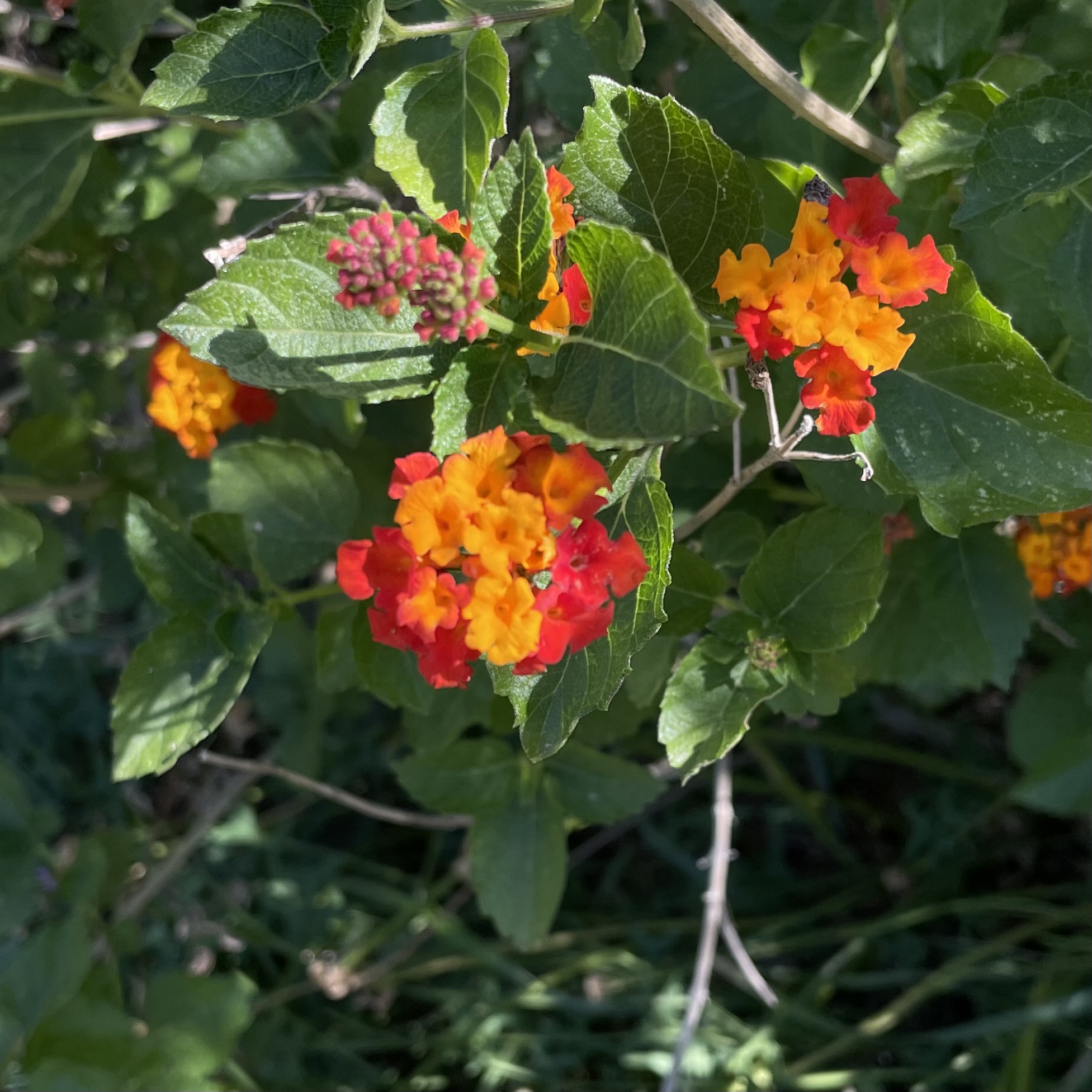
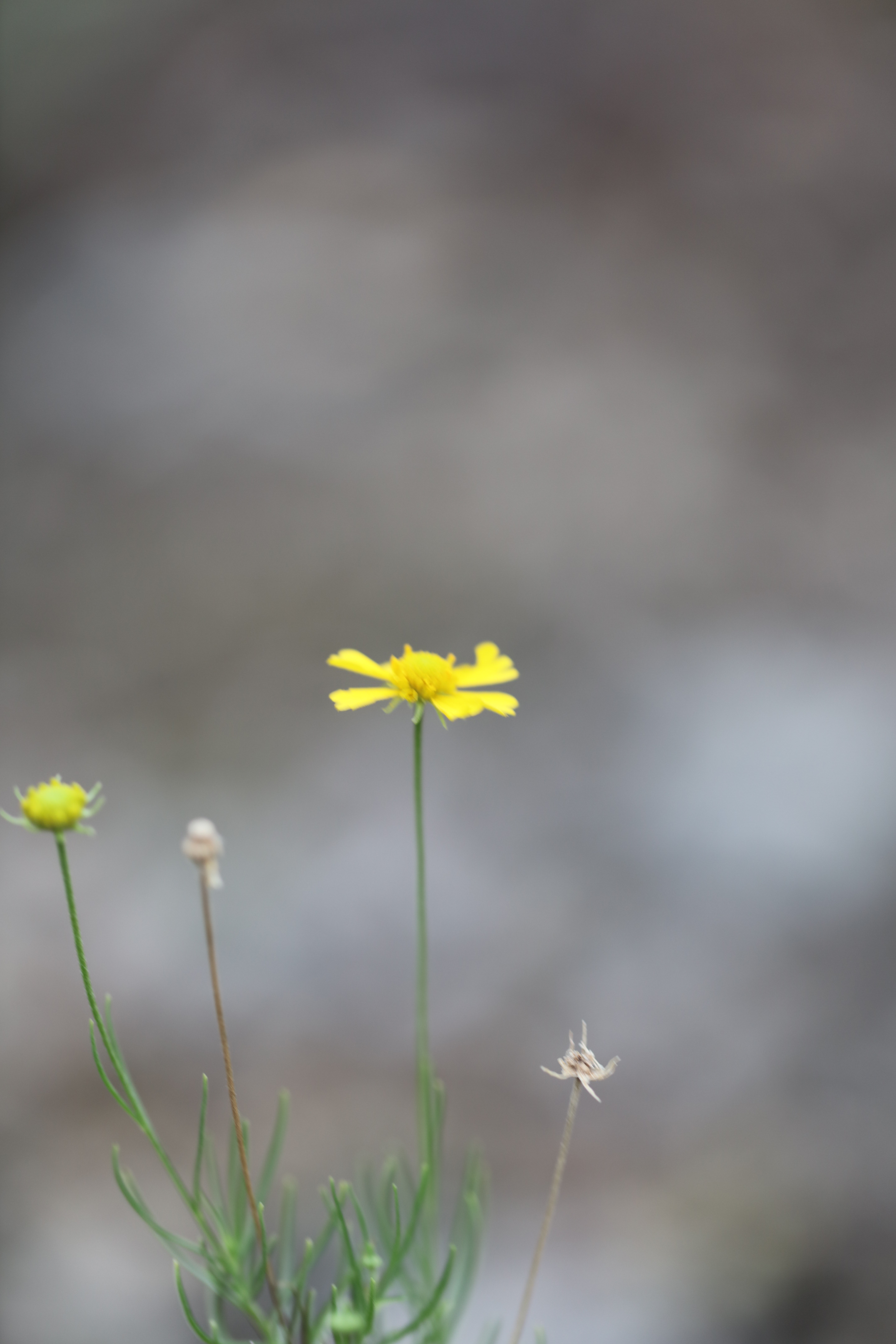
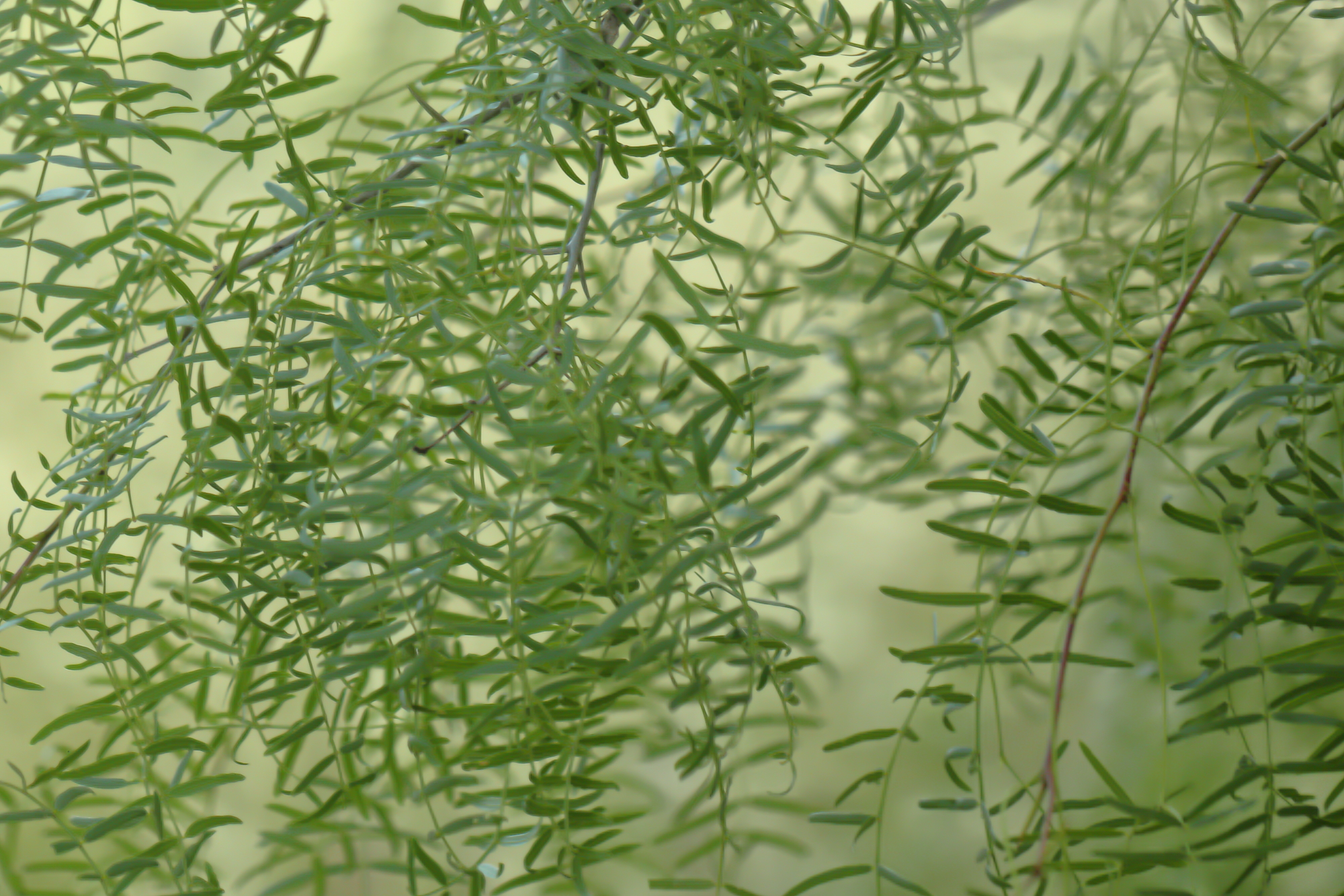
Recent blooms, both contained and wild

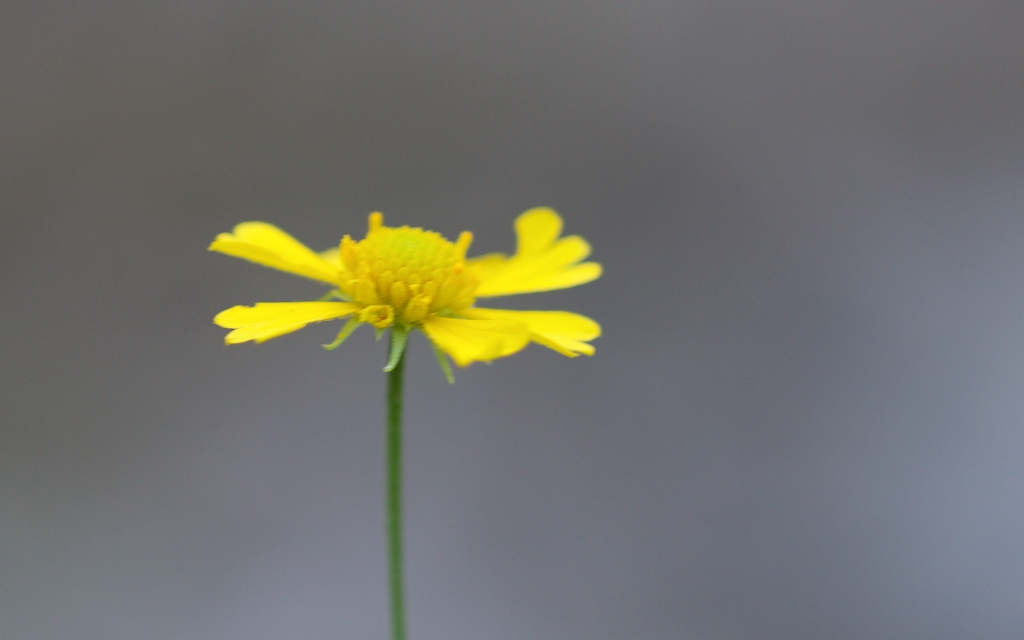
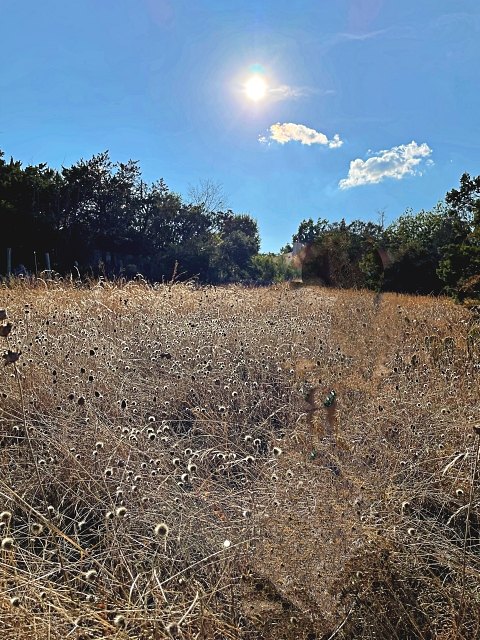
All the photos above were taken in September and October 2023, either in our yard or in the berm and greenbelt behind it. As one can tell, there was some rain during that time, enough to push up a few rain lilies, but not so much that most plants thrived.

###

In praise of Tetraneuris scaposa

Last post was nearly 6 months ago, after having gotten elected to my subdivision’s Home Owners Association (HOA). Fortunately for me, the new President has an excellent leadership style and a sense of humor – he’s commented a few times on my lack of love for Crape Myrtle (aka Crepe Myrtle) (Lagerstroemia spp.), and I have made a gavel from the remains of a few branches which had the misfortune of hanging over my property. (I have four longer pieces which I hope will become walking sticks or canes).

But I digress. This year Central Texas faced a drought throughout the Spring and Summer. Then, throughout November, we’ve had plenty of rain to raise our hopes for an abundant crop of wildflowers in the Spring. With the warmest December day we’ve ever had (82º F) this week, however, we should be cautious in making predictions.

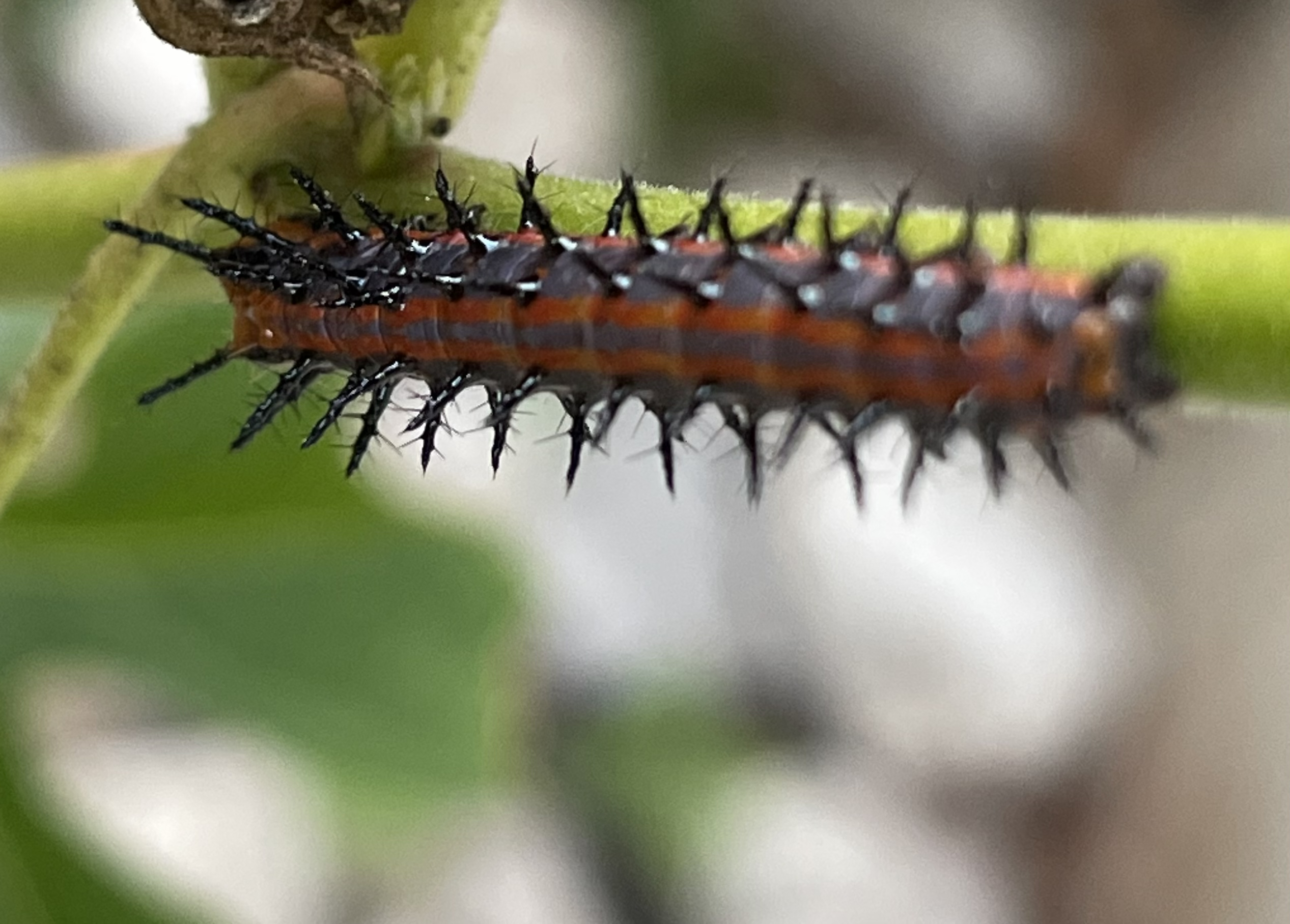
So, recently, I’ve stepped outside and found Gulf Fritillary caterpillars still on green Passiflora leaves (photo 1), and further below, bunches of yellow Tetraneuris scaposa flowers taking advantage of the extended growing season.

Gulf Fritillary caterpillar( Dione vanillae) Photo taken December 2, 2022

Photo taken December 2, 2022 of caterpillar.

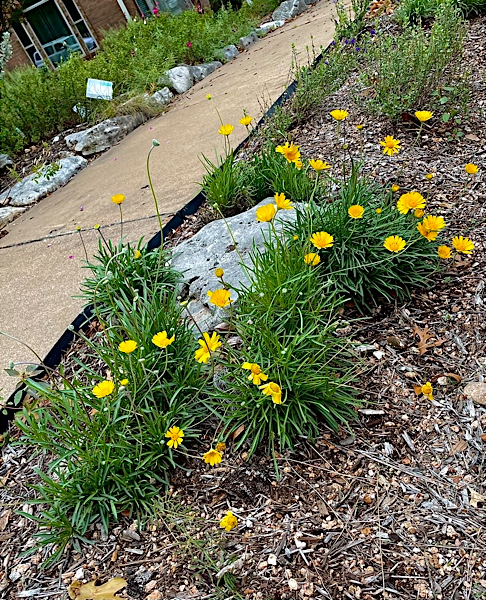
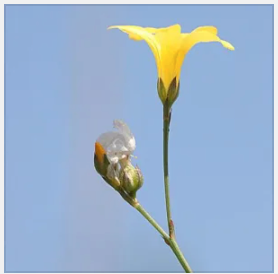
Four Nerve Daisies (Tetraneuris scaposa)  (photo 2) planted in the “nuisance strip” between the sidewalk and the curb; blooms are still going strong into December.

However, Tetraneuris scaposa can and will bloom throughout the year, here in Central Texas.Four Nerve Daisies Conditions have to be right, of course. They bear up to the heat of 100º F summers, but do need some water. And, as always, rain water seems to be the best for promoting growth in these and in BlackFoot Daisies (Melampodium leucanthum) of which I recently added a small plant and which has responded well to the recent rains.

###

Back in my own backyard…

Early June 2022 and the heat is in the “triple digits”as the meteorologists like to say in TV-land. or 39 ° Celsius, as we were told we would have converted to 50 or more years ago. Either system, hot to humans is hot.

But to native plants that evolved in Central Texas for more years than Crepe Myrtle has been here, even these signs of Global Warming haven’t phased them. (Granted, I do some supplemental watering, especially of small trees for the first few years, but other plants like Passiflora incarnata grow like “weeds”).

I’ll  let the plants speak for themselves:

Those are just the photos I took on June 8, 2022, mostly in my yard. The Rain Lilies were just past the back fence (the ones in my yard had bloomed and gone to seed after the previous week’s mild spattering of rain drops).

###

On the road again…

This past Saturday (May 29, 2022), I went out of the house for a change, on a field trip with the Williamson County Chapter of the Native Plant Society of Texas (NPSOT-Wilco), at the Southwest Williamson County Regional Park (SWCRP). The field trip consisted of walking along the Jim Rodgers Nature Trail, 1.75 miles long, I’m told.

I managed to arrive late, but soon caught up with the group. (Usually I arrive a week early, having managed to forget the actual date and time).

Then I managed to continually fall behind and catch up, working up a sweat. Because this was an evening field trip on a fairly even path (it does need mulching to give it a little more comfort underfoot), the pace of the hike was a little closer to a real hike than the usual NPSOT or Texas Master Naturalists’ walk in the woods – where it often takes an hour to go half a mile down the trail – if that much. And yet, I was able to get some interesting shots of some of the native plants and wildflowers.

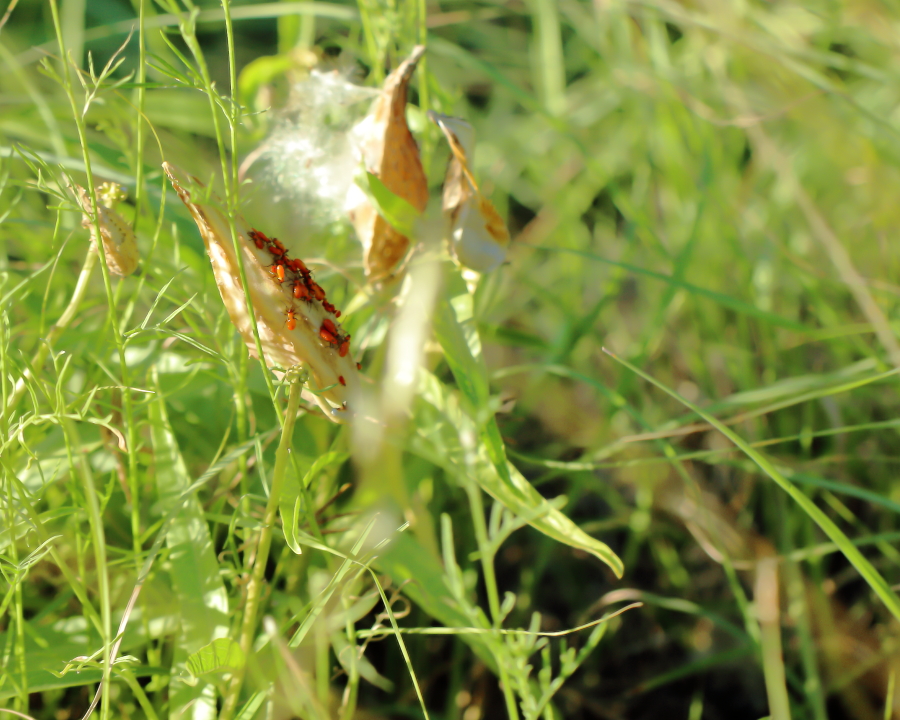
Asclepias asperula (Antelope Horns) milkweed seed pods ripened.

Asclepias asperula (Antelope Horns) milkweed, seed pods ripened.

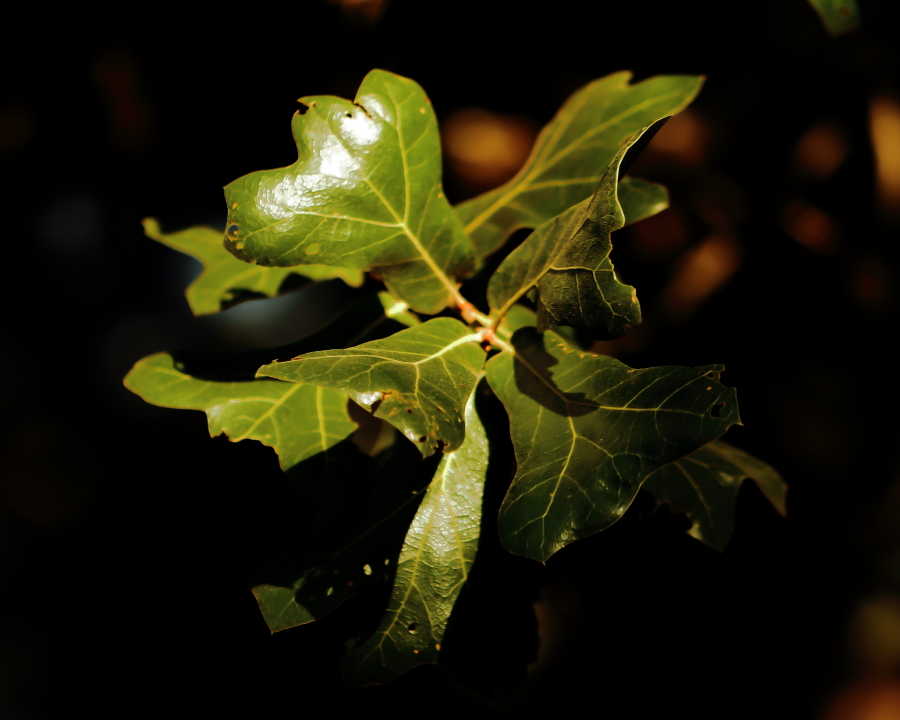
Quercas marilandis (Blackjack Oak) has distinctive "duckfoot"shaped leaves.

Quercus marilandica (Blackjack Oak) has distinctive “duckfoot”shaped leaves.

2022-05-29-006703

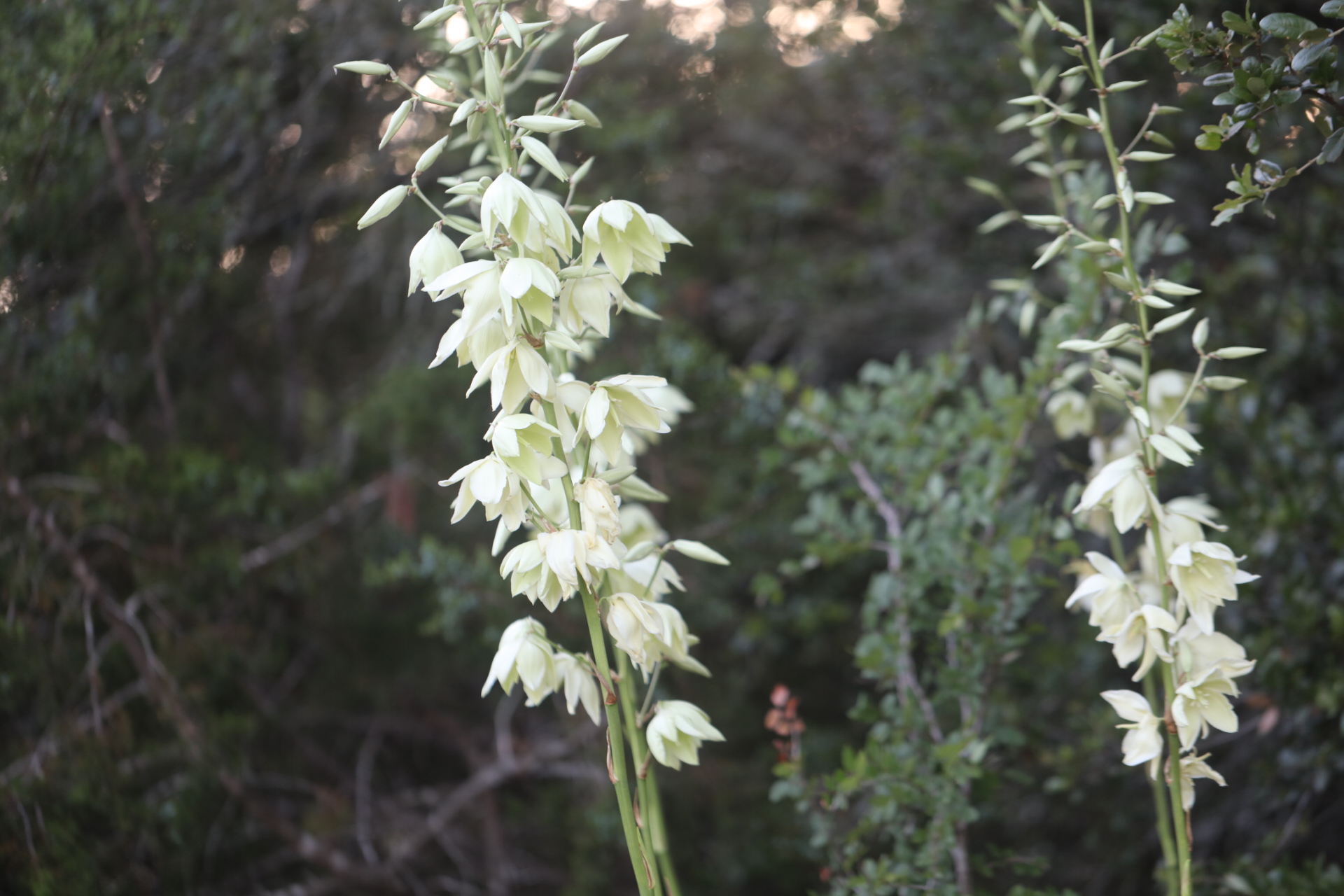
Yucca rupicola (Twist-Leaf Yucca) was in bloom

2022-05-29-006697-Yucca-rupicola

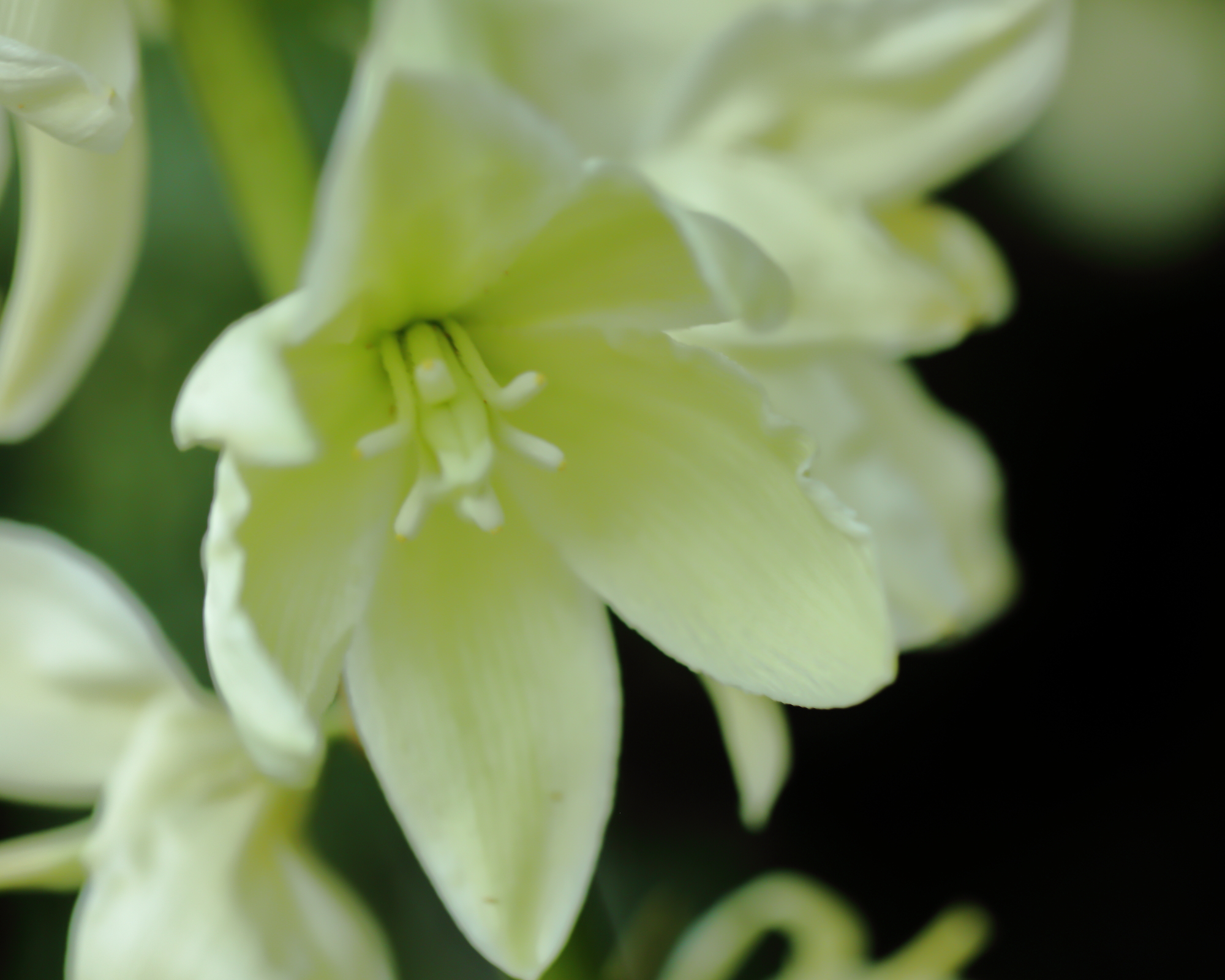
Yucca rupicola flower detail

2022-05-29-006695-Prosopis glandulosa

Prosopis glandulosa (Honey Mesquite)

2022-05-29-006714

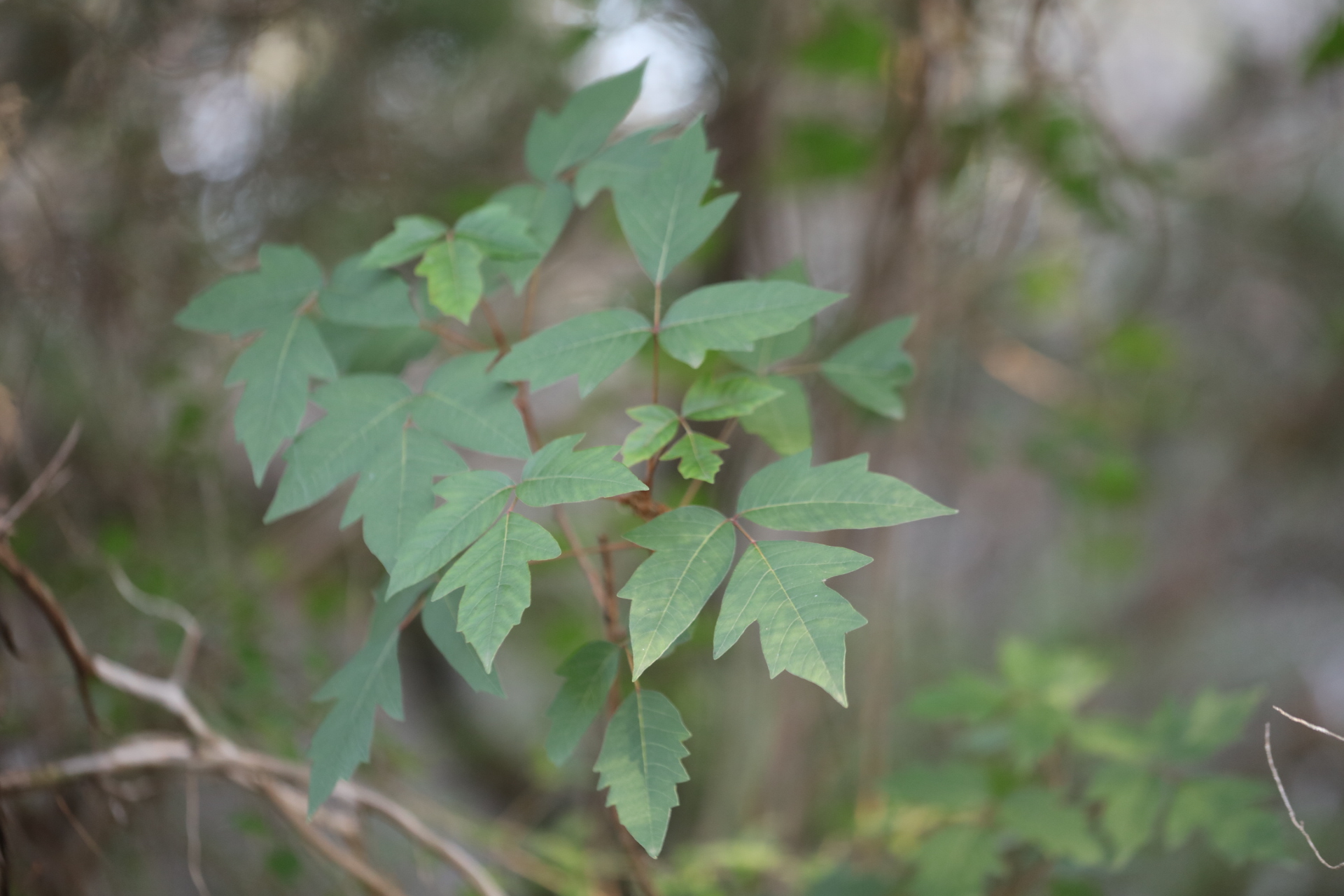
Toxicodendron radicans (Poison Ivy)

2022-05-29-006704

Pearl Milkweed vine seed pod

###

What’s in bloom in December?

Just a look at the most recent shots:

Taken on December 1, 2021. Since March 27, I have seen and photographed at least one Monarch Butterfly in each of the following months in 2021. And that just doesn’t seem right…

August: the heat goes on… But if you plant it, they will come.

But not as hot here in Central Texas as it is elsewhere, and not as hot as it has been in recent years, when there were streaks of thirty or forty days of 100 plus Fahrenheit weather. This year has been hot but humid – hey, the moisture from the melting ice caps has to go somewhere, right?

And yet, “Mother Nature” continues to give us native plants that thrive in whatever kind of weather and climate she gives us. Or we make for her, given that the current climate change is driven by the Industrial Revolution, which began some two hundred years or so past.

The Conoclinium greggii (Gregg’s Mistflower) will bring Queen and Monarch butterflies to your yard. It has been interesting to watch the Queens defend their territory against the one or two Monarchs that attempt to get a pheromone enhancing boost from the mistflowers.

 I’ve even seen a Gulf Fritillary take a break from the Passion Flowers and go after the mistflowers.(click on photos in the gallery to see them full size).

Well, this didn’t start out as an orange and black butterfly identification post, but that’s where it ended up, it seems. Go figure.

As you plant more native plants, you will find that you attract more native wildlife (and, hopefully ,fewer exotic or invasive fauna).

Sitting on the steps of the deck before dinner, as I took several of thee photos, the line from Ray Bolger’s character in The Wizard of Oz came to mind: “I could while away the hours, conversing with the flowers…”

###

All my weeds are wildflowers (I wish)

Passiflora incarnata/Ruellia nudiflora hybrid?

A couple of native plant species have begun to spread like weeds in the narrow area separating my subdivision plat from my neighbor’s house.

Passiflora incarnata, or Purple Passionflower, has sprung up where a corkscrew passionflower vine used to be, and through rhizomes has managed to propagate itself all along the Southern side of the house. I’ve done some pulling of the pups as the poke up through the mulch, and have been able to give away a few of them for others to try to get their own vines going.

The flowers of the Passion flower vine are about three inches in diameter, with the petals forming a wavy fringe. Stamens and stigmas also are striking in appearance as well. Several different types of butterflies use this as a larval host, most notably the Gulf Fritillary (Agraulis vanillae ) and Variegated Fritillary (Euptoieta  claudia ) butterflies. 
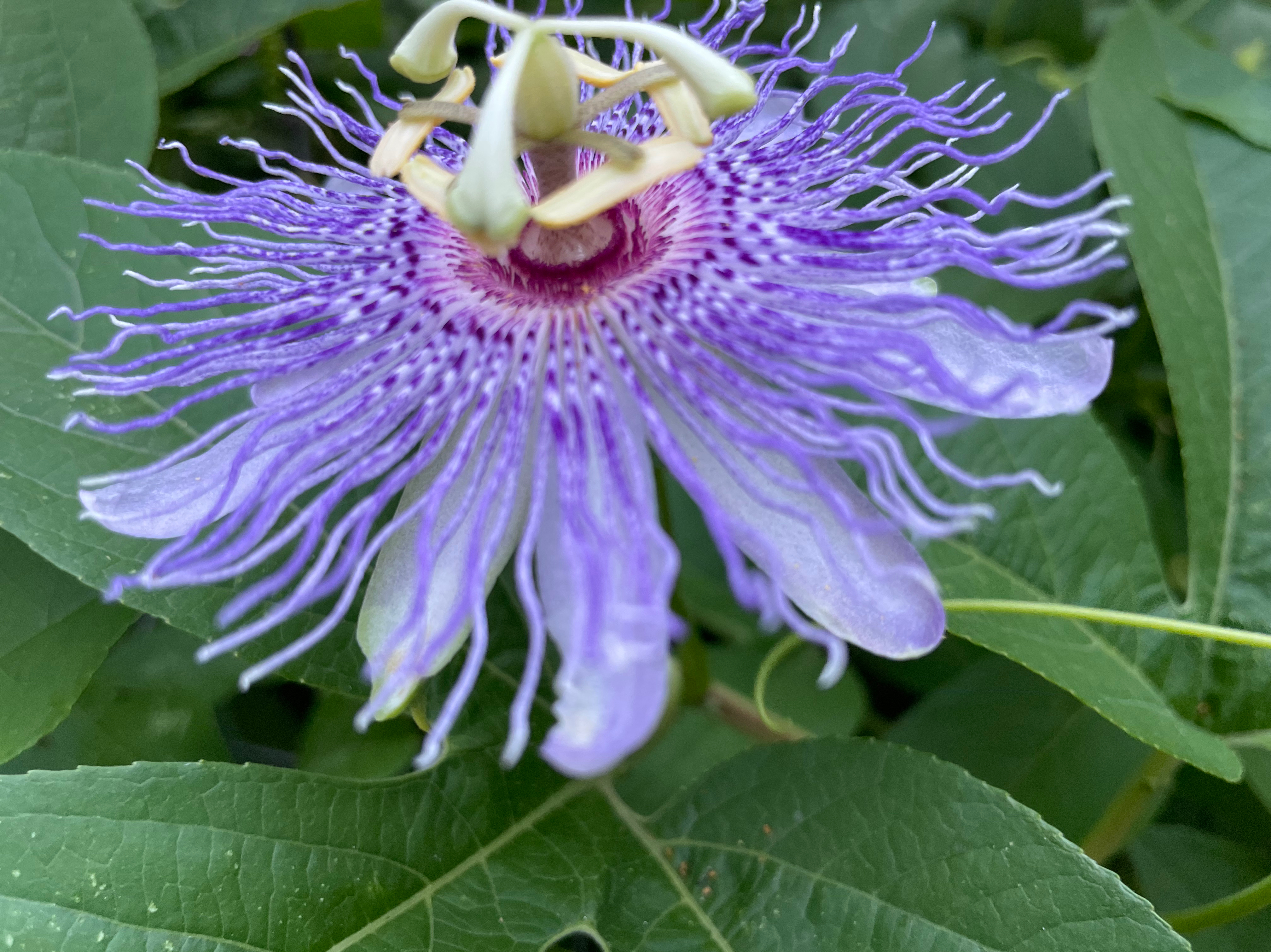
Passiflora icarnata infloresence, tri-lobed leaves, and tendril

Passiflora icarnata inflorescence, tri-lobed leaves, and tendril

The Ruellia nudiflora, or Wild Petunia, also has a purple to lavender flower, but it is trumpet-shaped. And it’s not a vine, but a sub-shrub perennial . After having transplanted this volunteer several years ago, it has now decided to propagate itself, like a weed, in the mulched bed and in the gravel path. Although its inflorescences look much like those of the cultivated Petunia, it is in the Acanthus Family, while the cultivated Petunia is in the Potato Family. The blossoms open in the morning, falling off in the afternoon. Like several other of my favorite wildflowers, its flowers are ephemeral, lasting for just a day.
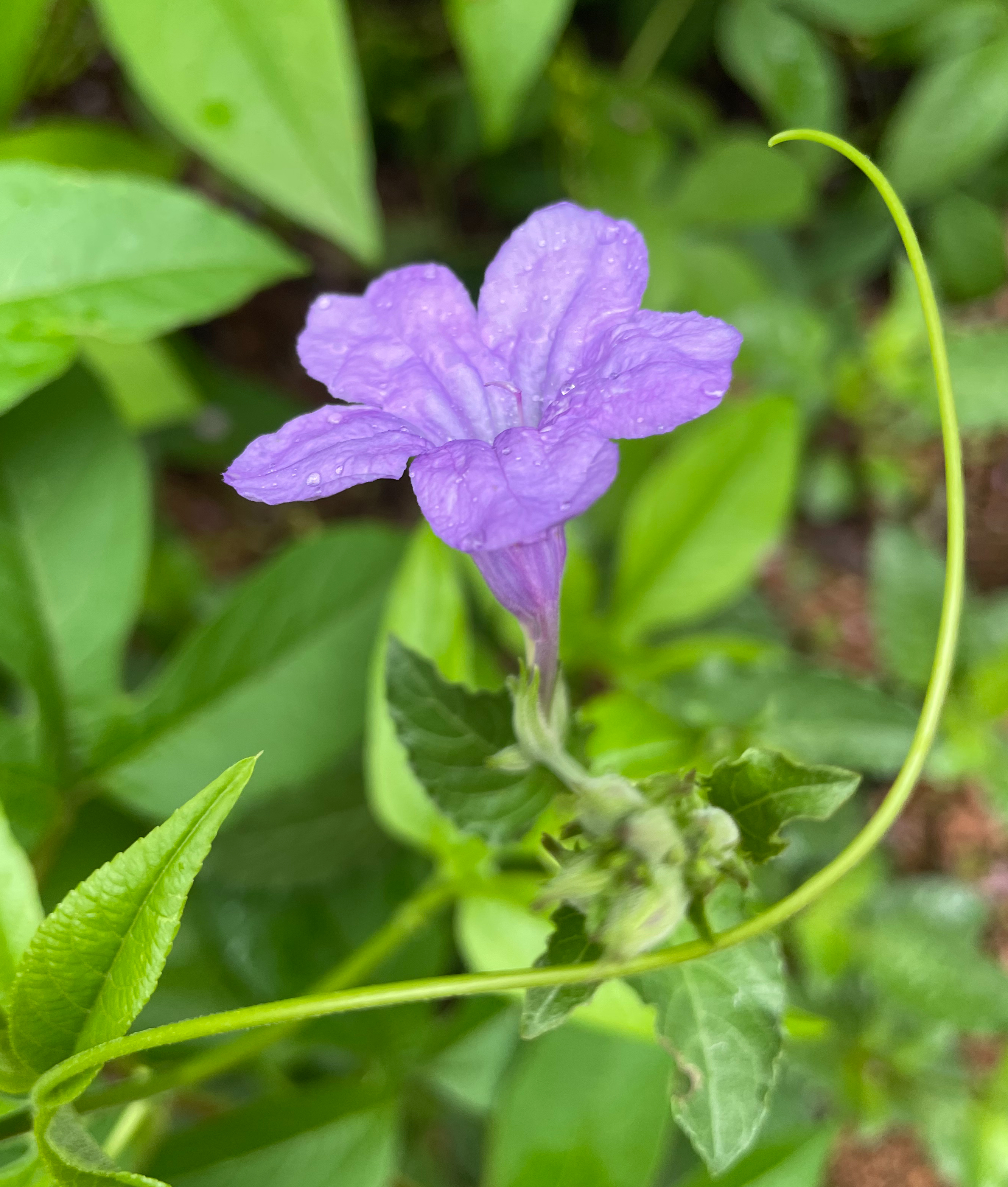
Ruellia nudiflora inflorescence, surrounded by Passiflora leaves and tendril

Ruellia nudiflora inflorescence, surrounded by Passiflora leaves and tendril

As if having to “weed” native species wasn’t bad enough, as one can see from the top photo in this post, it looks as though the two plants have begun to hybridize to form a new species. Fortunately, (or unfortunately), that’s not the case: A blossom from the Ruellia has been captured by a tendril from the Passiflora, making it look (almost) like it belongs to the vine. 

Not sure what I’d do if they actually did start to hybridize – probably get a botanist or two to take a closer look. And get a nursery to work with to develop and patent the new species. And sit back and watch the money roll in (ha!).

###
In the heat of the summer

I seem to suffer from Gilligan’s Syndrome – what starts out as a five minute walk outside to water the plants in their containers that I am hoping will hold on until cooler weather comes (September? October?) turns into an hour or more photo safari. Sometimes I go beyond the confines of my yard, sometimes not.

Ruellia nudiflora, for instance, has suddenly been blooming like crazy. A Passiflora incarnata volunteer popped up in the mulched bed across from the Passiflora lutea and Passiflora suberosa, and started putting out blooms. The Malvaviscus arboreus var. drummondii continue to bloom, as do the Salvia greggii, Lantana urticoides, Scutellarria wrightii, Salvia farinacea, and Conoclinium greggii. In the “nursery,” several Asclepias milkweeds have bloomed or budded, along with Tetraneuris scaposa. In the gravel pathway, I had to (reluctantly) trim the Boerhavia coccinea back to allow human passage. The Fallugia paradoxa has put out a few blooms and plumes, and the Pavonia lasiopetala has been a pleasant surprise with its hibiscus-like pink blossoms.

We have Liatris punctata still in bloom, Melampodium leucanthum, Asclepias texana, and a native grass that I have been calling “Indian Grass,” (turns out that is the common name for Sorghum nutans. The Aloysia gratissima has attracted pollinators, as has the Anisacanthus quadrifidus, and behind the fence, the Proboscidea louisianica or “Devil’s Claw,” has held out with a bloom or two. The Glandularia bipinnatifida has come up in various spots, too low for the mowers’ blades most of the time. As can be seen in some of the photos, these native plants of Texas, most of which are not receiving any supplemental watering, provide food for Bumblebees, butterflies, and even hummingbirds, lizards, and wasps. I even went out and over the course of several days, harvested enough Diospyros texana fruit to make a Texas Persimmon Loaf. The slide show that follows includes photos taken the week of August 10 – 16, 2020

This slideshow requires JavaScript.