Off to see the wizards, of OT and PT, oh my!

And where would we be without Occupational Therapists (OTs) and Physical Therapists (PTs)? Probably still in need of skillful psychiatrists. Which is a short way of saying that physical health and mental health are closely linked. “Fitness for Mind and Body,” as the slogan for Power for Parkinson’s succinctly says it.

I just received, in my full of junk mail inbox, a link to an article that lays out the differences and specific tasks of OT and PT:  Occupational and Physical Therapy – What’s the diff?

The key takeaways are here:

  • Occupational therapy (OT) focuses on helping people with injuries, illnesses, or disabilities learn necessary skills while physical therapy (PT) focuses on improving mobility, strength, and flexibility after illnesses, trauma, or medical procedures.
  • Occupational therapists (OTs) assist patients with a wide range of day-to-day tasks such as eating, bathing, or getting dressed (and much more), regardless of the health condition, injury, or trauma that may have affected their skills.
  • Physical therapists (PTs) treat conditions, injuries, or trauma that cause reduced mobility, pain, and movement problems, helping patients reduce pain, regain strength, and increase flexibility after surgeries, trauma, or neurological conditions such as Parkinson’s disease. (bold emphasis added)

I had the privilege (?!) of receiving services from both OTs and PTs within the past few years, and can attest to the skills they have and how they can improve one’s enjoyment of the tasks Of Daily Living (ODL).

May you never need their services, but if you do… do it!

###

The Healing Power of Nature on Human Health

Much has been written on the positive impact that exposure to nature has on general well-being, physical, and mental health. And yet, it seems that developers have not gotten the message. Why, I do not know. Maybe they are not aware of the research on the health benefits of nature. If not, here is some material to share.

A website post and two reviews, from most recent to next (within past five years):

Benefits of Nature Experience from Canada, posted in April 2024, lists the following benefits:

  • Attention: Our attention is a limited resource and it can become ‘fatigued’ throughout the day. Nature has been shown to restore attention and our ability to concentrate (Mason et al., 2022). Nature has also been found to reduce symptoms of Attention-Deficit/Hyperactivity Disorder (ADHD) (Faber Taylor & Kuo, 2009).
  • Mood: Nature improves mood and makes people feel happier (Neill et al., 2019). There is evidence that nature exposure can improve symptoms of depression (Berman et al, 2012).
  • Self-regulation: Nature helps us feel calmer and less irritable. This means that we are better able to control our impulses (Beute & de Kort, 2014; Weeland et al., 2019).
  • Stress: Nature reduces symptoms of anxiety, physical stress, and heart rate. It also helps us feel more relaxed (Shuda et al., 2020).
  • Social: Nature tends to increase generosity, cooperation, and our sense of social connection (Arbuthnott, 2023; Weinstein et al., 2009).

Impact of Nature on Human Health. An open access article, published in 2022:

this review has documented the increasing body of evidence in support of [nature-based-interventions] NBIs as effective tools to improve mental, physical, and cognitive health outcomes, and highlighted key factors that improve engagement with the natural world. [bracketed explanation of acronym inserted from elsewhere in the article]. Emphasis added.

And, finally, from 2021, another open access review, Association between Nature Exposure and Health, concluded that:

 We assessed the strength of evidence from experimental and observational studies and found evidence for associations between exposure to nature and improved cognitive function, brain activity, blood pressure, mental health, physical activity, and sleep. Evidence from experimental studies suggested protective effects of exposure to natural environments on mental health outcomes and cognitive function. Cross-sectional observational studies provide evidence of positive associations between exposure to nature, higher levels of physical activity and lower levels of cardiovascular disease. Longitudinal observational studies are starting to assess the long-term effects of exposure to nature on depression, anxiety, cognitive function, and chronic disease. Limitations and gaps in studies of nature exposure and health include inconsistent measures of exposure to nature, knowledge of the impacts of the type and quality of green space, and the health effects of the duration and frequency of exposure among different populations (e.g., adults, children, historically marginalized).

Reminds me of John Sebastian’s tune,  Daydream.  And also that I should take a walk outside about now…

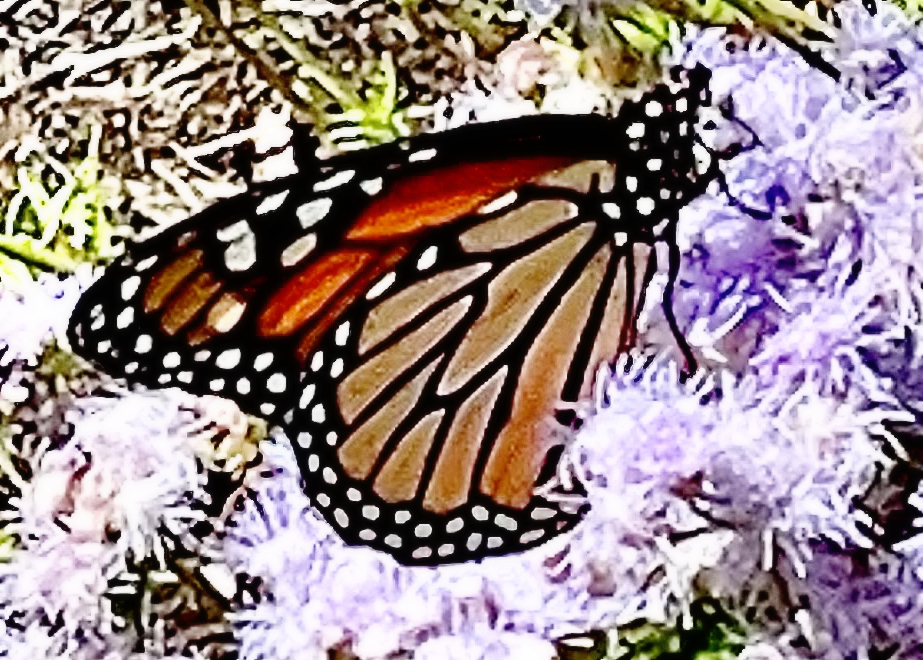
2024-10-20-Monarch-IMG_9401

###