This open access article piqued my interest. I have long been aware of studies that showed that infants are basically altruistic. This is the first one I came across that shows that infant “Spontaneous Motor Tempo” (SMT) is something that can be measured. Here’s the link:
We present the first data documenting the SMT of infants from 5 to 37 months of age using a simple drumming task. As in late childhood and adulthood, we predicted that infant SMT would slow across the first years of life. However, we find that older infants drum more quickly than younger infants. Furthermore, studies of adults suggest larger bodies prefer slower rhythms.
(emphasis added to quote) … which explains why this is the first time I’ve heard about infant SMT. A couple of their research highlights:
SMT can be measured at 5 months old using a simple drumming task
Infant drumming gets faster and more regular as they get older
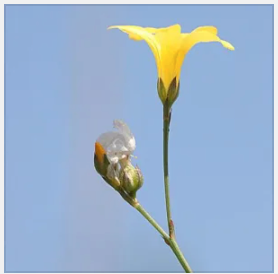
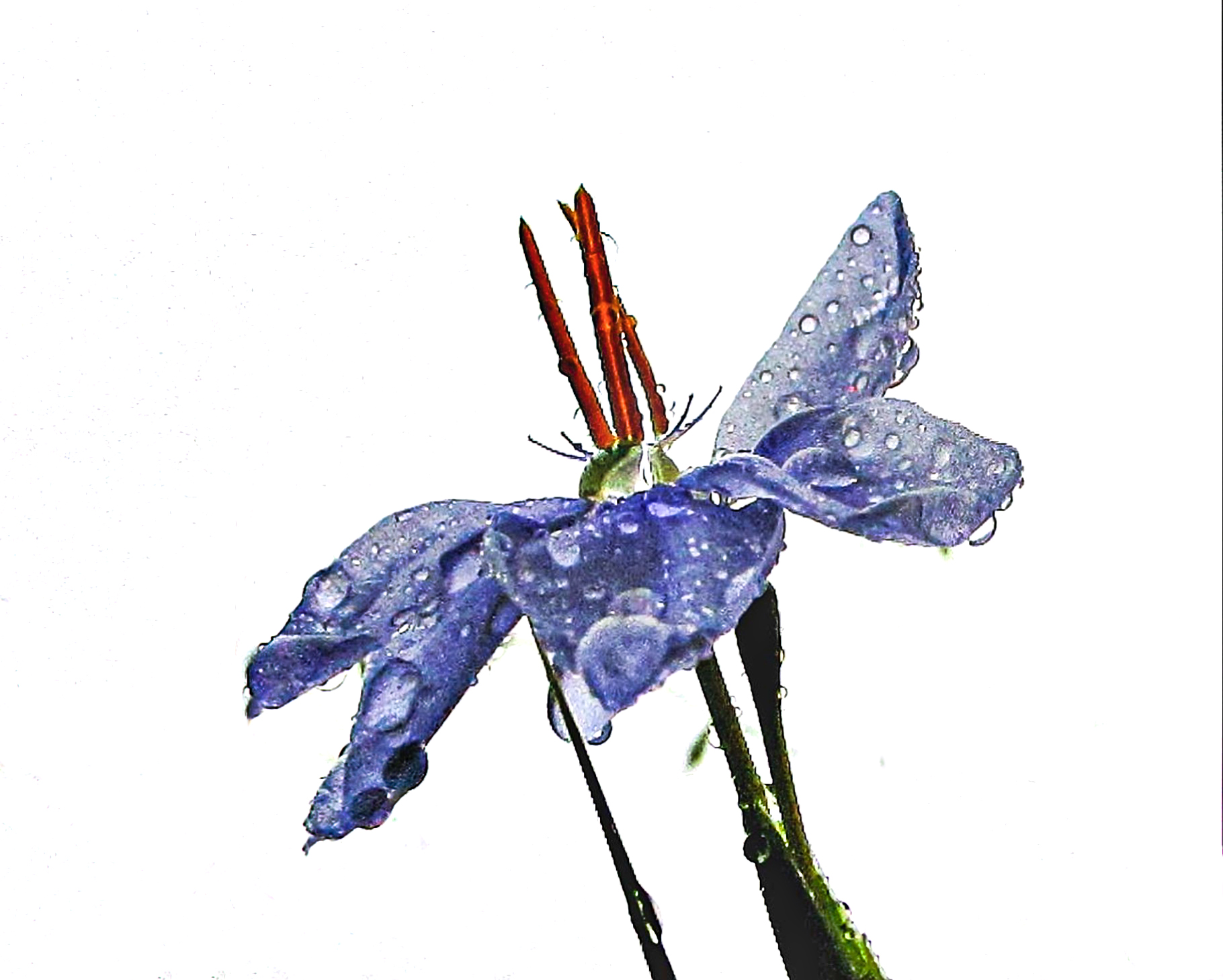
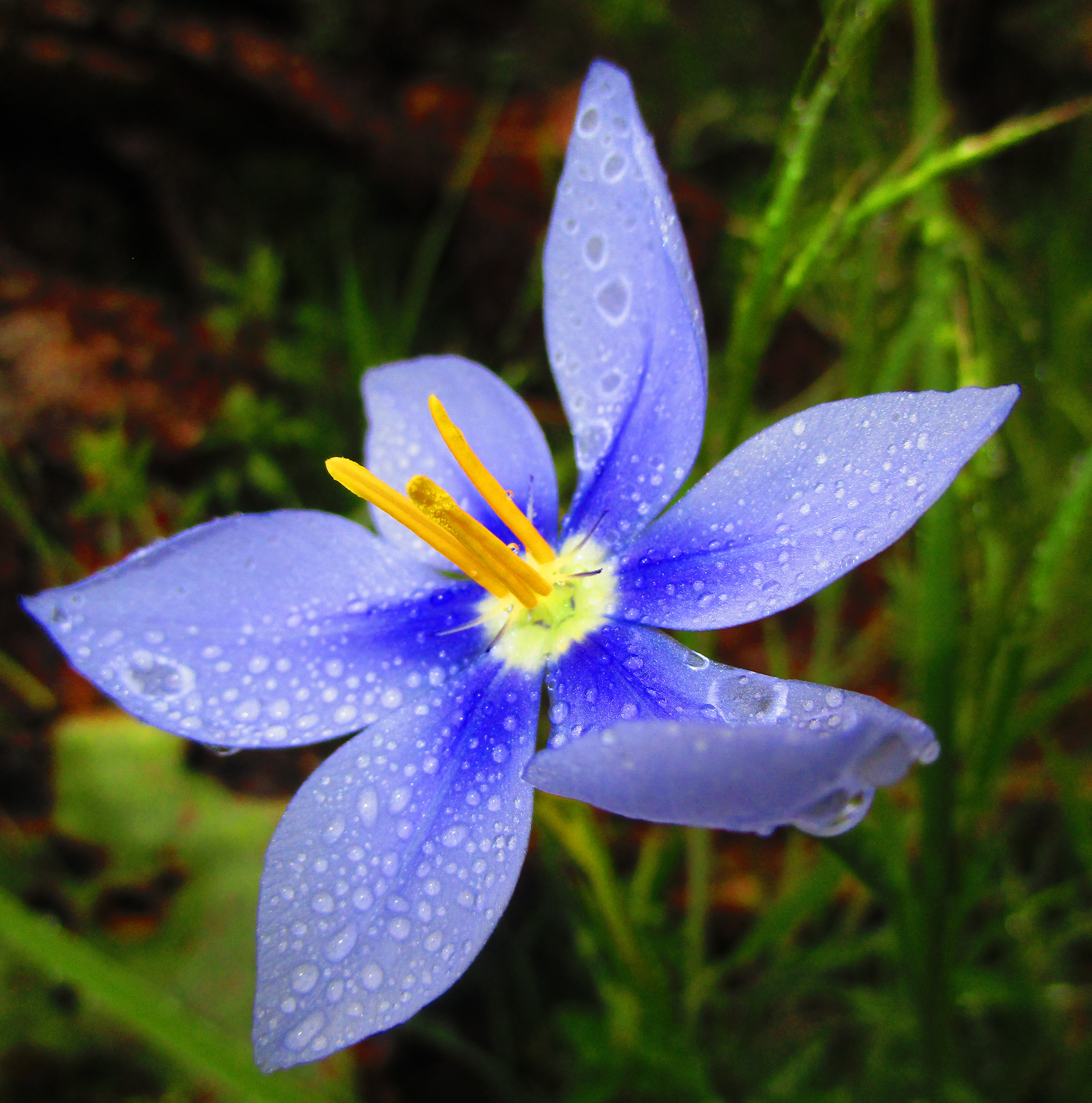
One of my favorite wildflowers is the Nemastylis geminiflora, a member of of the Iridaceae, or Iris family, in spite of some of its common names including Pleat-leaf Lily, Prairie Celestial, Celestial, and Celestial Lily. Below are photos from this year and a few years ago. I was on a Power for Parkinson’s Zoom call this past Friday (4/5/24) in which we were asked to share what gives us joy in our lives. I shared this photo:
The first photo was taken in 2021, The other, in 2024.
Both taken with a Canon Elph 190IS Powershot small camera, if I recall correctly (this year’s photo might have been taken with an iPhone 12 Pro). The difference in the photos can be accounted for by four possible influences:
The photographer fell and fractured a femur following 2023’s bloom period, and is more cautious about lying down on the ground to emulate Steven Scwhartzman’s signature technique of using the sky as a background, due to the possibility of not being able to get back up again.
The abundance and proliferation of exotic, invasive species on the berm, such as Japanese Brome, Malta Star Thistle, which reduce the native Nemastylis’ access to sunlight, and
The failure of mowers who maintain the firebreak between the greenbelt and the to practice good hygiene by pressure washing and cleaning of mower blades between sites (one can only assume) and
The setting of mower blades at less than 7 inches above the ground, which results in scalping of top of the berm, inviting aggressive invasive species onto the berm and into the greenbelt.
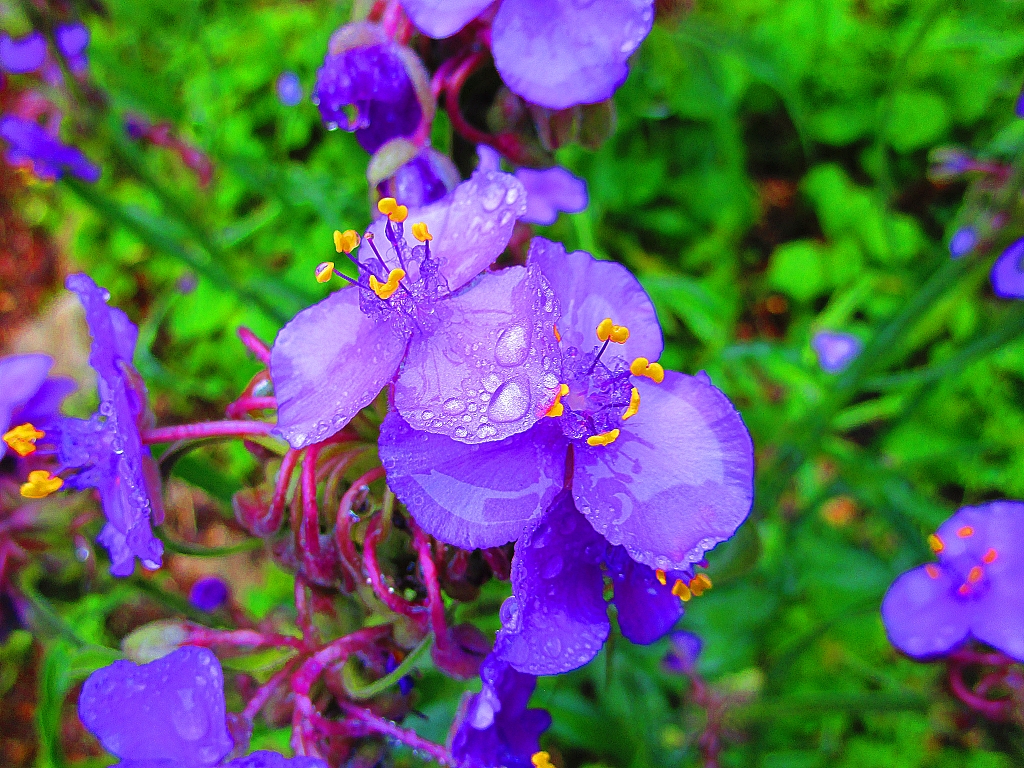
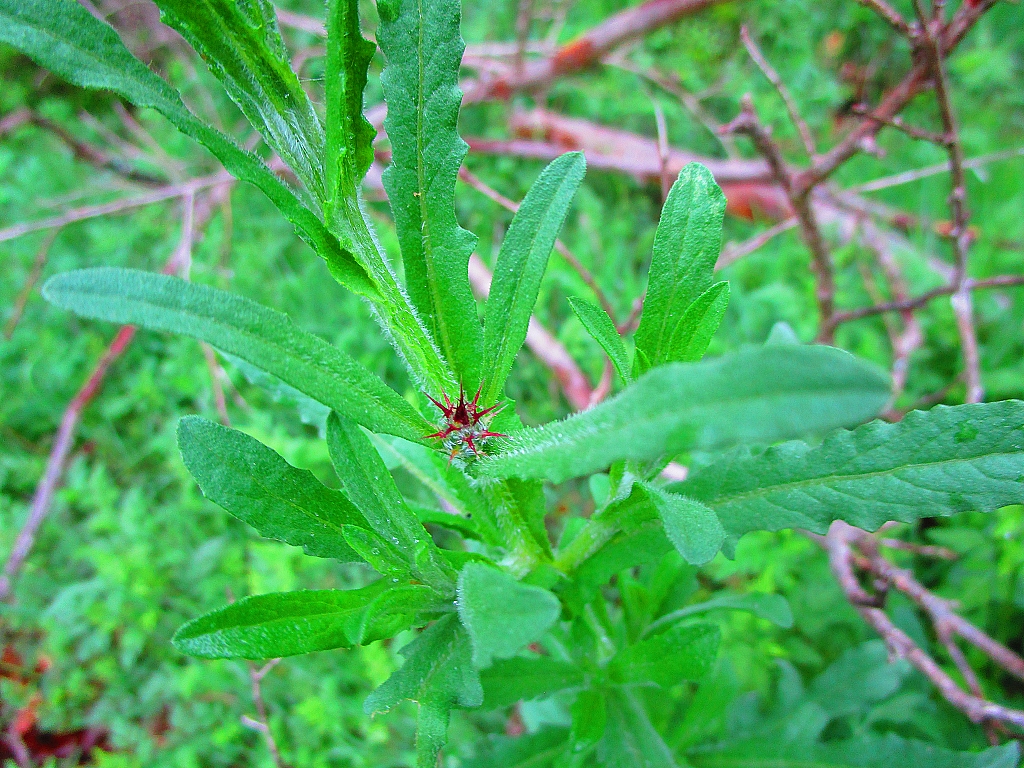
Above: Celestial against the sky. Second photo: Two blurry Celestials in foreground, blurry Dakota Mock Vrvain middle, and focus on Dakota Mock Vervain in the center, with backdrop of Ashe junipers and grasses.Tradescantia gigantea (Giant Spiderwort) an early bloomer in late Winter to early Spring, with blooms ranging from pinkish to purple. Provides color during an otherwise bleak season for landscaping.Finally, Malta Star Thistle (Centaurea melitensis) a very nasty and invasive plant that produces thousands of seeds per plant. Just too many of them on the greenbelt



 bob's brain: living well with a movement disorder and other comorbidities