As in All I Wanna Do is post some links to research on Dance and effects on PD symptoms and other related aspects of being a living human being on the face of the planet Earth. As I was going through these, some of the titles looked familiar. If so, no biggie – if I posted the links before, and am being repetitious, “I blame it on the Parkinson’s”©. And repetition is useful in learning.
The statistically significant results of this meta-analysis indicate that dance can improve postural control in people with PD in a short period of time and therefore contribute to the prevention of falls.
Twenty partnered tango lessons improved balance, endurance, balance confidence, and quality of life in a participant with severe PD. This is the first report of the use of dance as rehabilitation for an individual with advanced disease who primarily used a wheelchair for transportation.
Rhythmic cueing, dance, or RT positively affect the examined outcomes, with rhythmic cueing to be associated with three outcomes (Gait, Stride, and UPDRS-III), dance with three outcomes (TUG, Stride, and UPDRS-III), and RT with two outcomes (TUG and PDQ-39). Subgroup analyses confirmed the beneficial effects of these forms of exercise. Clinicians should entertain the idea of more holistic exercise protocols aiming at improving PD manifestations.
Compared with the non-dance group, DMT remarkably improved general disease condition, balance, and gait for individuals with PD.
Overall, the reviewed evidence demonstrated that dance can improve motor impairments, specifically balance and motor symptom severity in individuals with mild to moderate PD, and that more research is needed to determine its effects on non-motor symptoms and QOL
Although certainty of evidence was low, our review suggests that dance intervention modestly reduced motor disease severity and improved certain aspects of balance, while there is insufficient evidence on all other outcomes. The wide variety of dance intervention types and outcome assessed diluted the strength of the evidence base on the effectiveness of dance in people with PD.
It is getting close to my bedtime, so let me just leave a few titles as links in order to expedite this.
Dance for Chronic Pain Conditions: A Systematic Review
Dance for neuroplasticity: A descriptive systematic review
Physiotherapy management of Parkinson’s disease
and now it’s waay past my meds time, and my errors have increased, so time to put this blog post to bed.
###

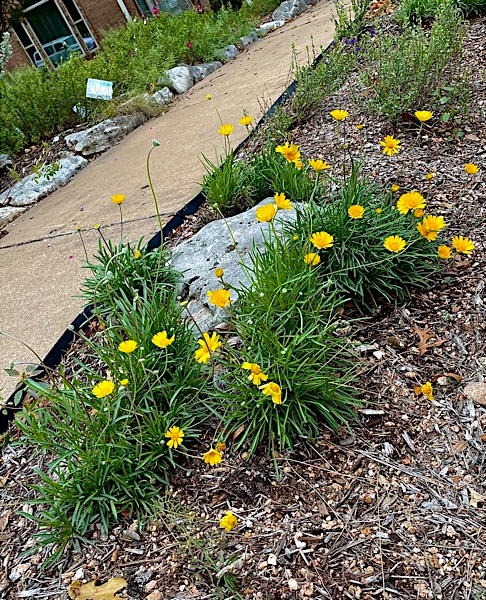 Conditions have to be right, of course. They bear up to the heat of 100º F summers, but do need some water. And, as always, rain water seems to be the best for promoting growth in these and in BlackFoot Daisies (Melampodium leucanthum) of which I recently added a small plant and which has responded well to the recent rains.
 bob's brain: living well with a movement disorder and other comorbidities