Palliative Care: It’s Not Just For End Of Life Anymore

In a discussion recently, the topic of Palliative Care came up. Some of us were under the impression that this was part of Hospice Care, which is usually reserved for the end of a life when the disease process has overwhelmed the body’s defenses. 

So, naturally, I did a search on PubMed Central to see what I could see. It turns out that, as the title says, it isn’t just for end of life. This first link is to a Mayo Clinic Proceedings CME course that expired for credits in 2015. But, the main points are:

  • Palliative care is not just for end of life cancer patients
  • Patients with chronic illnesses or conditions can benefit
  • Palliative care is appropriate at any stage of a serious disease or illness
  • Palliative care is a team effort
  • Palliative care can help reduce pain in chronic illnesses
  • Palliative care teams can help with managing complex communication interactions and with dealing with the emotional impact on patients and their families

Here’s the link:

What everyone should know about Palliative Care

Then, I thought it would be useful to get the World Health Organization’s definition:

Fact sheet: Palliative Care

Then, I found a recent clinical trial of Palliative care vs Standard care for people with PD:

A clinical trial of PC v SC for people with PD.  

The clinical trial showed better quality of life for people that received palliative care vs. those who received standard care. The variables were operationalized as: ” Outpatient integrated PC administered by a neurologist, social worker, chaplain, and nurse using PC checklists, with guidance and selective involvement from a palliative medicine specialist. Standard care was provided by a neurologist and a primary care practitioner.” Unfortunately no significant difference was found on burden for caregivers.

Finally, a citation: Oliver DJ, Borasio GD, Caraceni A, de Visser M, Grisold W, Lorenzl S, Veronese S, Voltz R. A consensus review on the development of palliative care for patients with chronic and progressive neurological disease. Eur J Neurol. 2016 Jan;23(1):30-8. doi: 10.1111/ene.12889. Epub 2015 Oct 1. PMID: 26423203. Although the complete article is not available online, they do make a few points:

  • …there is increasing evidence that palliative care and a multidisciplinary approach to care do lead to improved symptoms … and quality of life of patients and their families …
  • Main areas in which consensus was found and recommendations could made were:
    • the early integration of palliative care,
    • involvement of the wider multidisciplinary team,
    • communication with patients and families including advance care planning,
    • symptom management,
    • end of life care,
    • carer support and training, and
    • education for all professionals involved in the care of these patients and families

So there you have it. And since this blog is primarily about my interests in learning more about my Parkinson’s Disease diagnosis and various comorbidities so that I can live as well as I can for as long as I can, I am reassured by these findings and recommendations. Gesundheit! Mazel Tov! Salut! L’Chaim! and to quote Tiny Tim, “Bless us, every one!” 

###
The native Texas April yard/garden…

IF you live in Central Texas, of course. While many plants (including some native plants) are still trying to recover from what I have heard called Winter Storm Uri, which lasted for about ten days back in mid-February, 2021, most of the plants native to this region of Texas are coming back strong, or putting out blooms already.

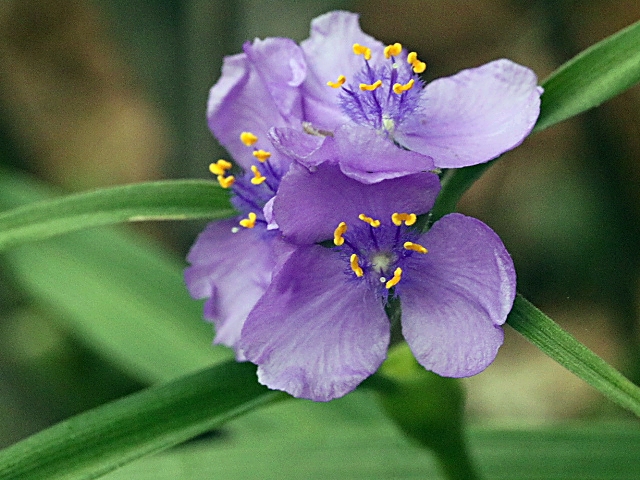
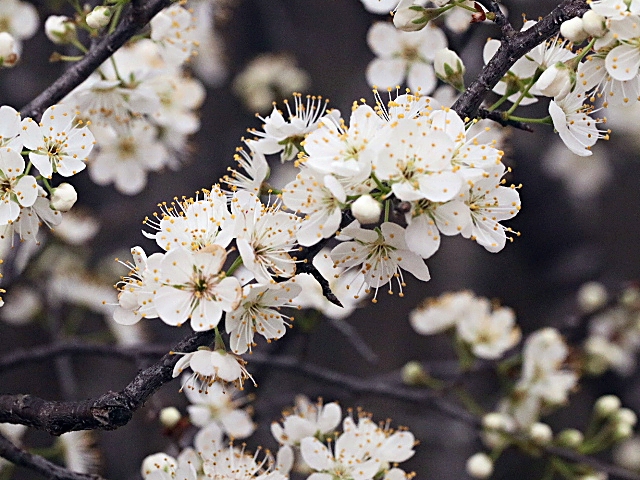
Mexican Plum (Prunus mexicana) has already flowered and started putting out leaves. Giant Spiderwort (Tradescantia gigantea) has for the most part finished with its most robust blooms, but there are still a few left. (Both of these photos were taken March 16, 2021).

.Prunus mexicana - Mexican PlumTradescantia gigantea

A little over two weeks later, things are really starting to perk up in the yard.

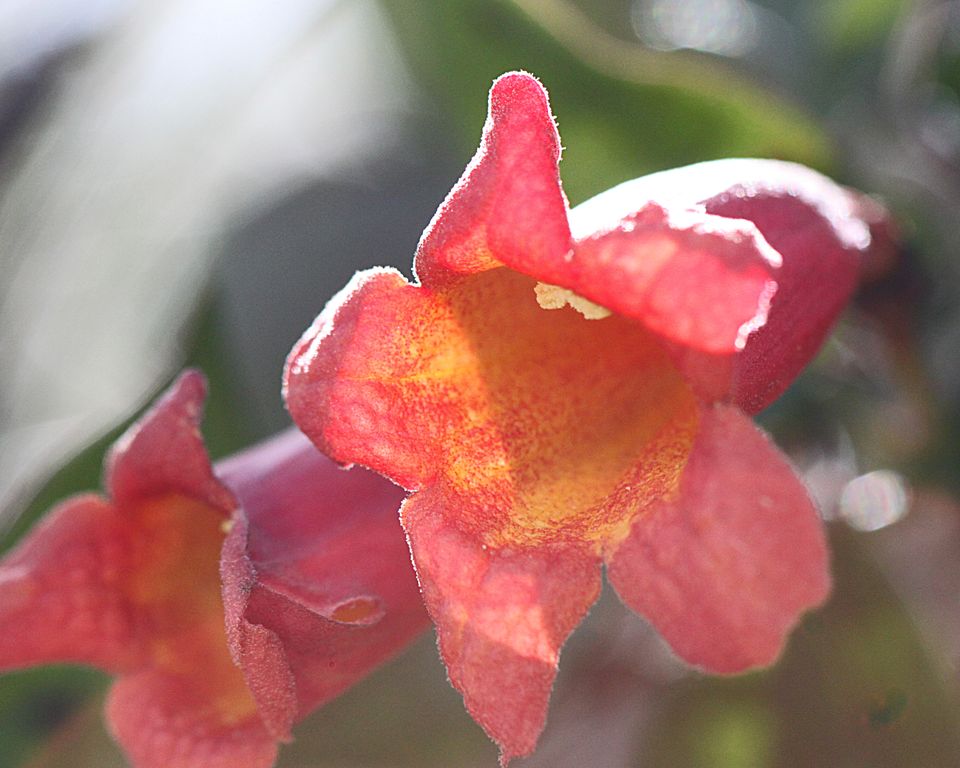
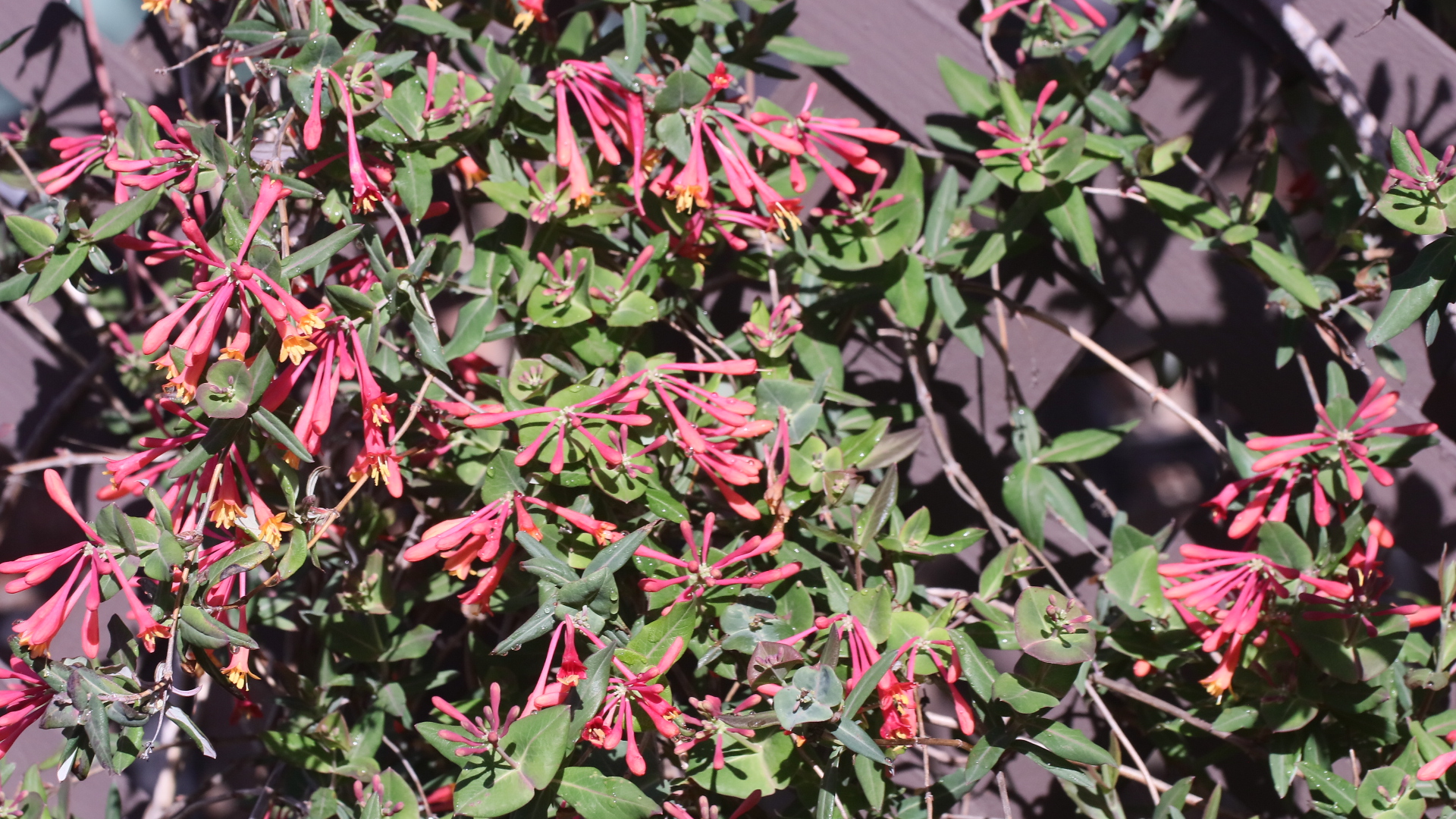
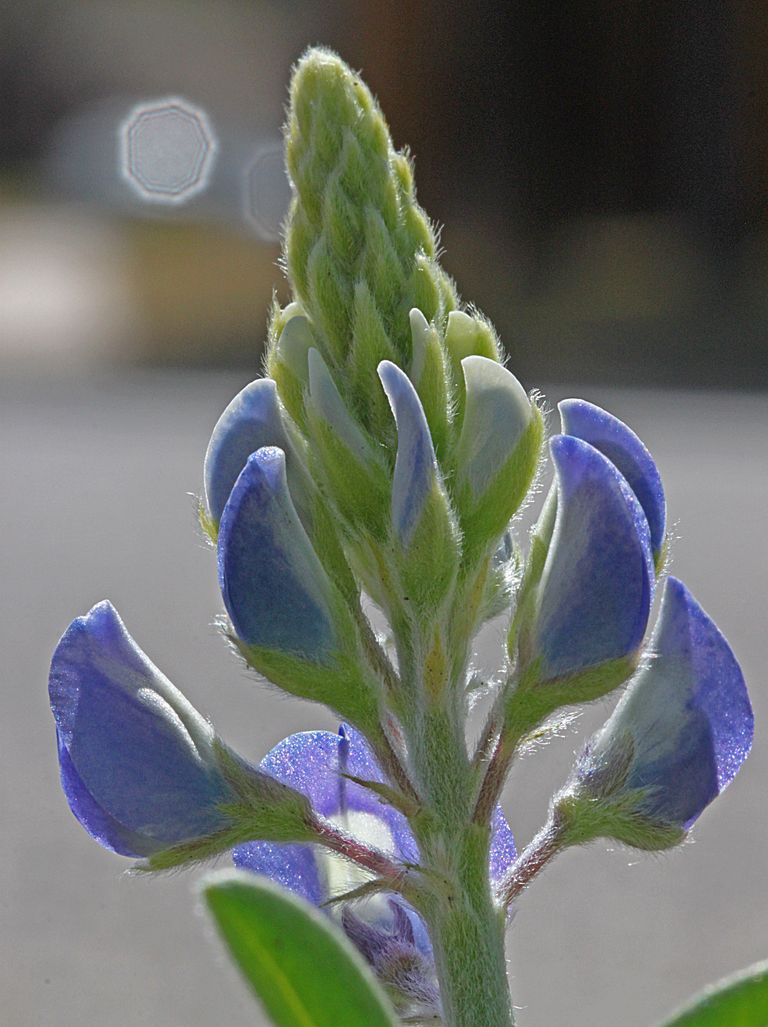
Bignonia capreolata - Crossvine Coral Honeysuckle (Lonicera sempervirens) Lupinus texensis - Texas Bluebonnet Crossvine (Bignonia capreolata), for instance, and Coral Honeysuckle (Lonicera sempervirens) which are both favored by Hummingbirds are blooming in profusion, as are the Texas Bluebonnets (Lupinus texensis).
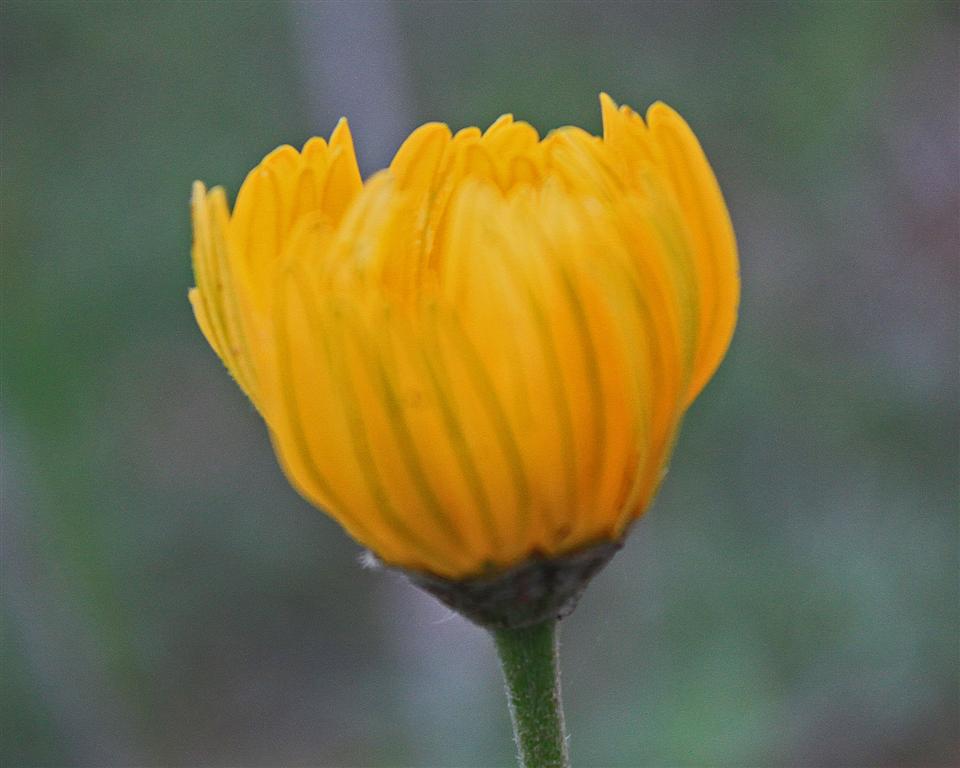
And then there are the Tetraneuris scaposa.which will bloom all year round if you let them, or keep on trimming off the deadheads, so that they can. These are perennials, but short lived, so after a few years you might have to replace them – or they might have spread and created new copies on their own.

Tetraneuris scaposa - Four Nerve Daisy

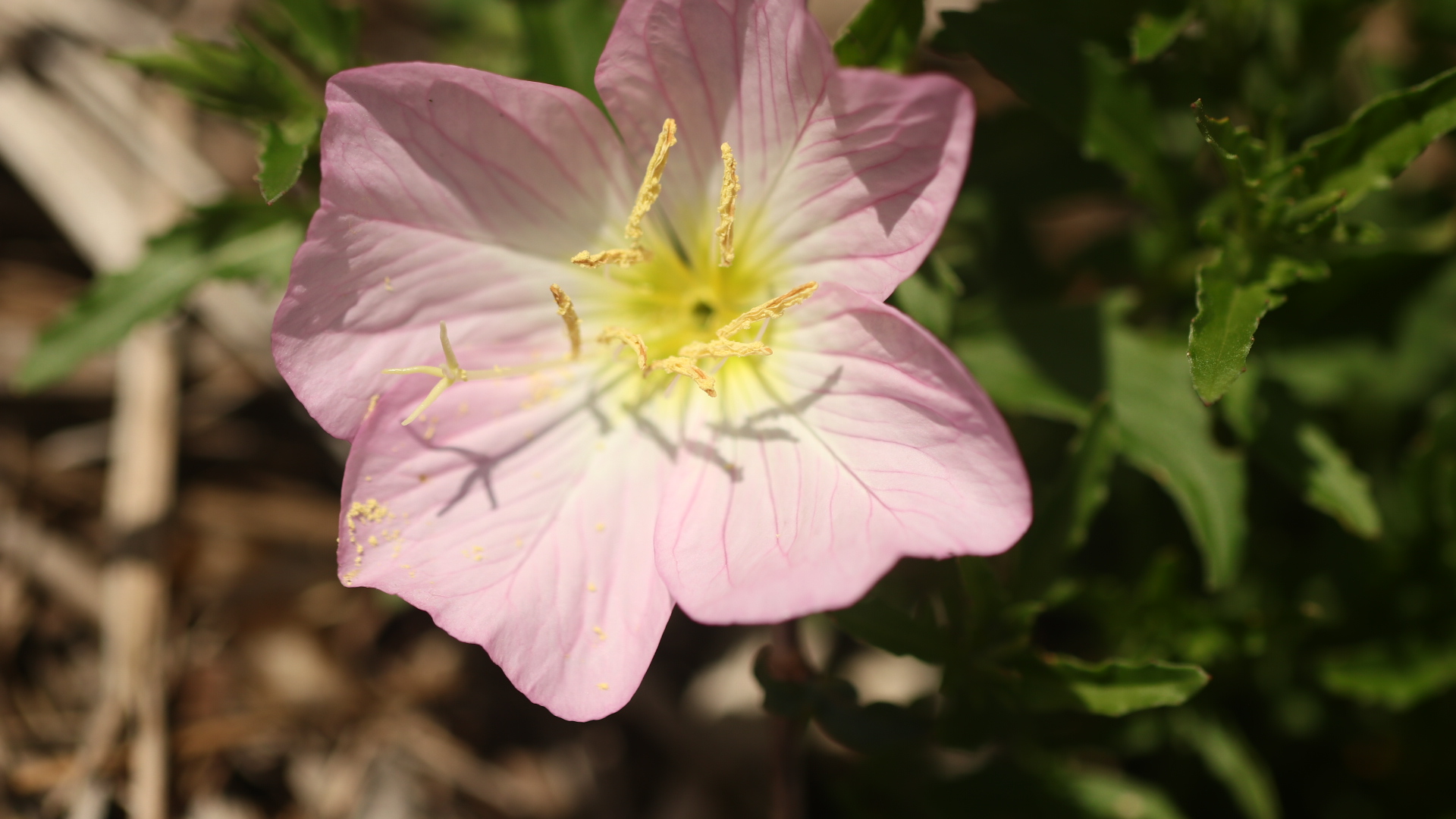
Oenothera speciosa - "Pink Ladies"

Oenothera speciosa – “Pink Ladies”

And, just to get this out there, Oenothera speciosa, known as Pink Primroses or Pink Ladies, are blooming currently. I have seen some popping up in neighbors’ yards that are otherwise mowed too short and devoid of any other native Texas plants. But thankfully, they haven’t mowed down the Pink Ladies. 

I will mention, but not add photos of Blue eyed grass, Cobea and Gulf Penstemons,  Mealy Blue Sage, Wright’s Skullcap, and a few others. The month of April is nearly over, The US Senate has unanimously voted to name April 2021 as National Native Plant Month, and there are invasive plants in my backyard and. beyond that need to be cut down before they go to seed. Oh, and the Rain Lilies have started popping up, finally after several days of light rain.

Hasta luego.

Darwin’s notebooks and Parkinson’s Disease?

What connection could there be between Charles Darwin’s notebooks and PD?

According to Roger Barker, writing in the Advanced Clinical Neuroscience Rehabilitation journal on Parkinson’s disease over the last 20 years – new concepts and developments, it took Cambridge University that much time to realize that it had lost two priceless original notebooks belonging to Charles Darwin, and during that time, in the field of PD much new knowledge has been gained, partly due to

  • Stem cell creation discoveries, (how to create induced pluripotent stem cells {iPSCs)),
  • Gene cell editing with CRISPR/Cas9,
  • and the ability to do single cell RNA analyses.

Much has been gained directly from observational and clinical studies, however.

First, alpha synuclein proteins were observed in tissues which had been transplanted, which led to hypotheses that

  • Alpha synuclein fibrils  can spread seed pathology in the adult Central Nervous System (CNS), which led to the hypothesis that
  • PD begins in the gut/olfactory system and then spreads along the connecting nerves to the brain, seeding the pathology as it goes until it finally reaches the STN (subthalamic nigra) dopaminergic cells.

This in turn led to

  • The concept of a prodromal stage of PD before the cardinal symptoms of tremor, bradykinesia and rigidity are evident in the motor control brain cells, and
  • The possibility of targeting pathological alpha synuclein proteins to slow down or stop the progression of PD.

In addition, PD has been hypothesized to have two different origin points

  • H1: The disease starts in the PNS and spreads centrally or
  • H2: The disease tarts within the CNS itself and then out to more peripheral sites. 
  • Recent imaging studies support this concept of PD falling into these two subtypes
  • Not either/or, but both could be true (Blog author’s note: which could be a reason why the course of PD is different for each person?)

Many different methods have been used to study the course of PD

  • The most powerful are those using community based epidemiological studies following patients over time
    • avoids possible bias in selection
    • Results:
      • younger patients tend to do better than older patients and
      • that those with more PD related symptoms and signs at diagnosis do less well

Another area of interest has been the relation between PD and the gut biome and inflammation

  • Alpha synuclein pathology starts in the gut and travels to the brain and CNS
  • People on anti-inflammatory medication seem to have lower rates for PD
  • Result is:
    • Repurposing of anti-inflammatory medications to treat PD and
    • Use of drugs specifically targeting the gut biome or alpha synuclein
  • Further advances include
    • stem cell transplants (now in clinical trials)
    • autologous cell transplants
    • As to whether these therapies will prove effective not yet known

Twenty years of research on PD has produced a great deal more knowledge than the previous 200 years since Dr. James Parkinson wrote his essay on the “Shaking Palsy.” The concept of prodromal stages and symptoms (to me) seems to be one of the most important ways to diagnose probable PD before the cardinal symptoms appear – resting tremors, bradykinesia, and rigidity – and thus provide the possibility of delaying the onset of the disease through lifestyle or nutritional changes, or both.

Dr Barker’s review can be read at:  Barker R. Adv Clin Neurosci Rehabil 2021;20(2):13-15

And that’s my slide presentation of Dr. Barker’s article. Hope I hit all the major points and didn’t miss anything.

###

Return of the Celestials (or, A Day In The Life)

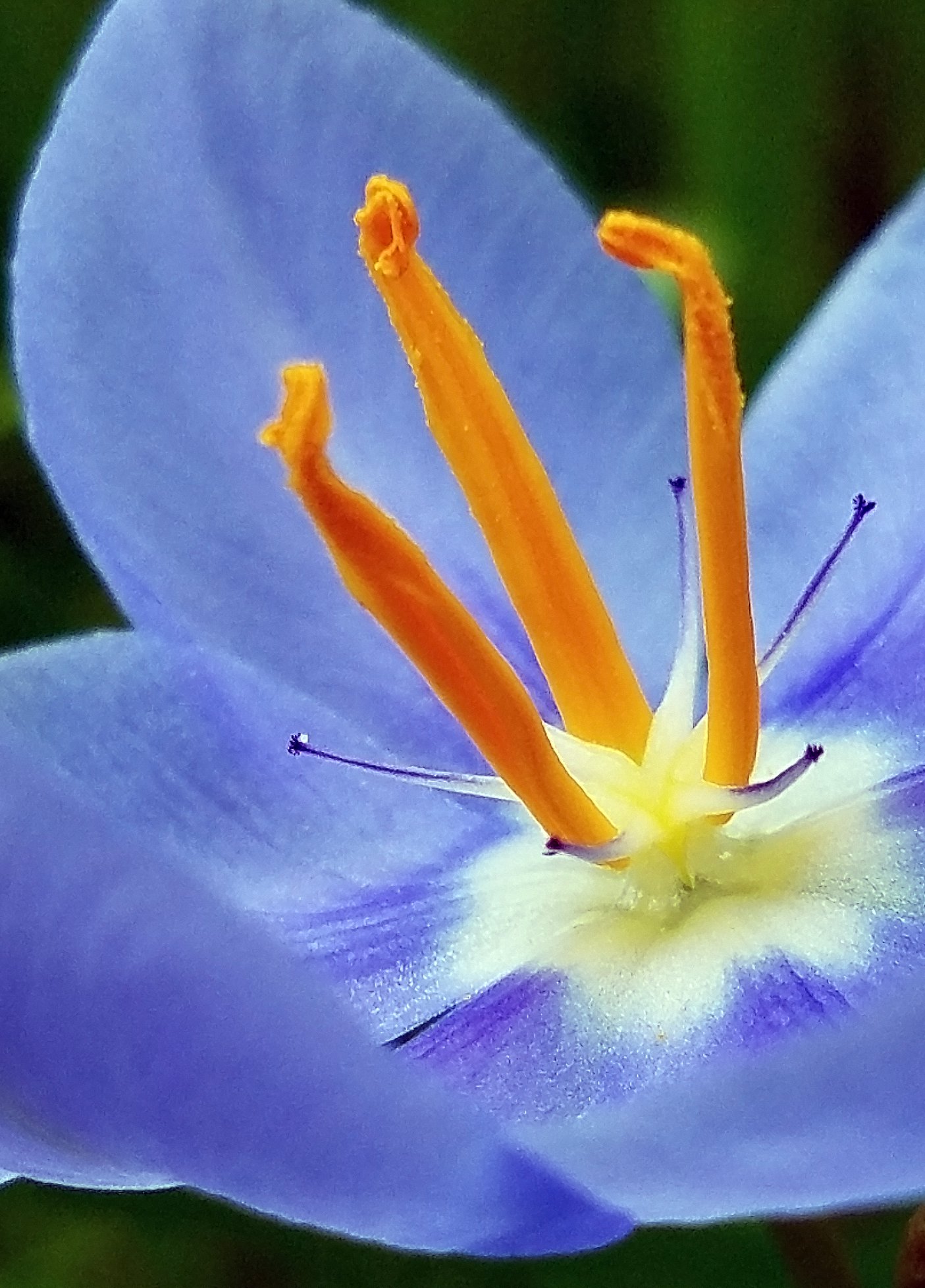
Fully open early in the day Nemastylis geminiflora

 I had been looking for Nemastylis geminiflora, commonly known as Celestials, among other names, since the middle of March. On March 23, 2021, I saw the first bloom or two. On the 24th, nothing blooming. Even went out later in the afternoon to see if anything had come up after the earlier jaunt, but still nothing new to show.

Note: I once contacted a seed source company to enquire if they had any seeds or bulbs for this plant. They indicated that they had a small amount sometime in the past, but they had quickly sold out. IF you have a large colony on your property, you might consider checking with a reputable native seed source to see how one might go about collecting seeds. I do not recommend trying to dig them up. They have bulbs which are buried deep in the soil which here in Central Texas is very rocky. Please refer to the Native Plant Society of Texas’s policy on the “taking” of plants.

First of all, what to look for?

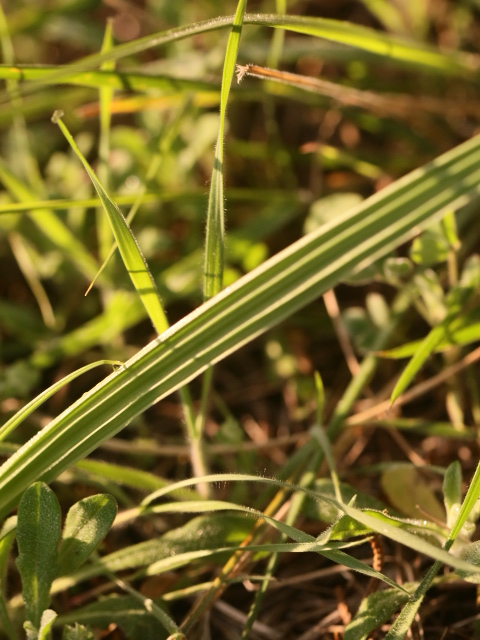
Pleatleaf Lily, one of the common names of N. geminiflora, comes from the distinctive shape of its leaves

Pleatleaf Lily, one of the common names of N. geminiflora, comes from the distinctive shape of its leaves.

Somewhere around midwinter the plant starts sending up a leaf or two. This inferred from the apparently chopped off tips of some of the leaves, following a presumed mowing. and probable weed-eater-ing of the berm, probably in January, which kept the berm shorn to less than 3 inches in height and scalped to bare soil in several places (but that’s a different post). Or maybe it was deer browse or rabbit nibbles.

In Central Texas, somewhere around mid-March, I am now beginning to scout out the individual plants, supposedly so I can find them later. In 2017 and 2020, I photographed plants in bloom around the 15 or 16th of the month, but most years they have appeared right about the Spring Equinox. Last year, the first plants appeared around the 15th-17th of March, then no blooms until around the 27th-29th. Then nothing, until I stumbled across a few around April 10th.This year, 2021, the first blooms did not appear until the 23rd, and these two or three seem to have been early bloomers. The majority of the plants in the area in which I am familiar were still just pleated leaves.

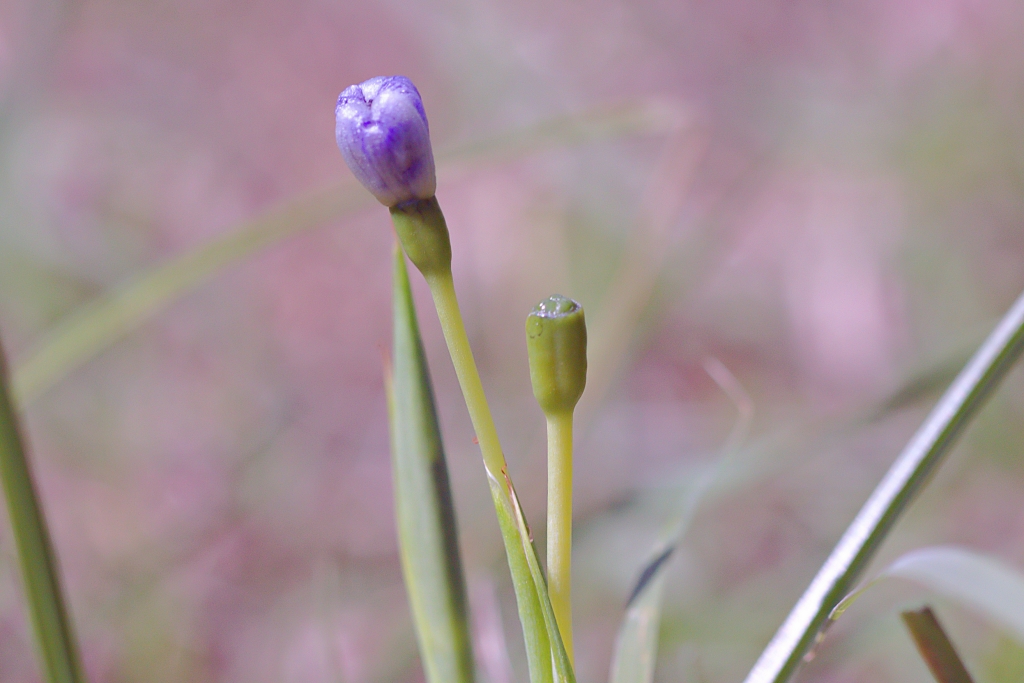
Eventually one will observe the stems with the pre-blossoms (for want of the correct botanical term) coming up, and from that, if one is lucky, the unfurled blossom in the early morning hours. 

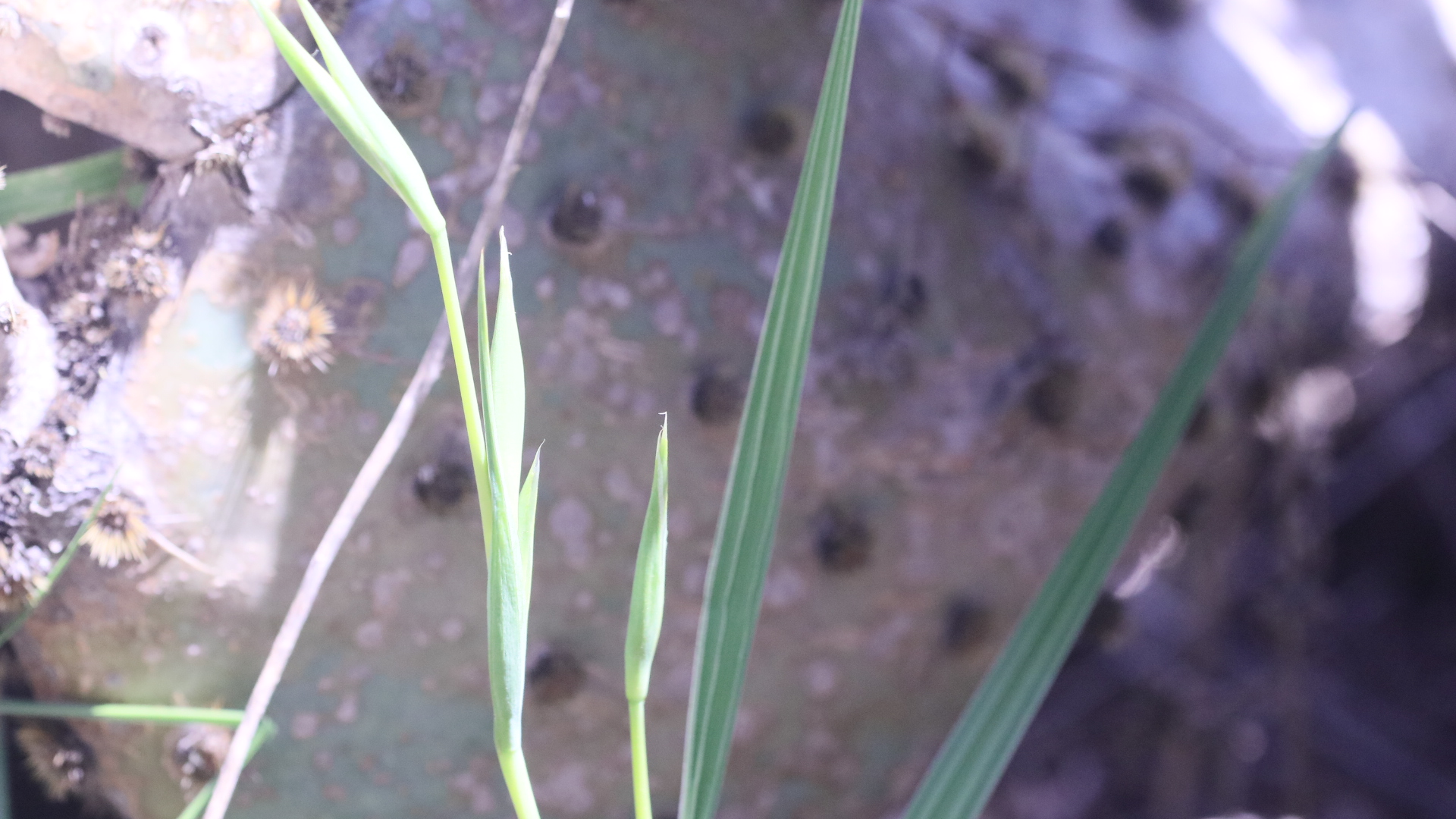
Celestial before blooms open (leaves to the right, stems with unopened inflorescences on the left)

Celestial before blooms open (leaves to the right, stems with unopened inflorescences on the left)

Inflorescence, still unfurled

Inflorescence, still unfurled

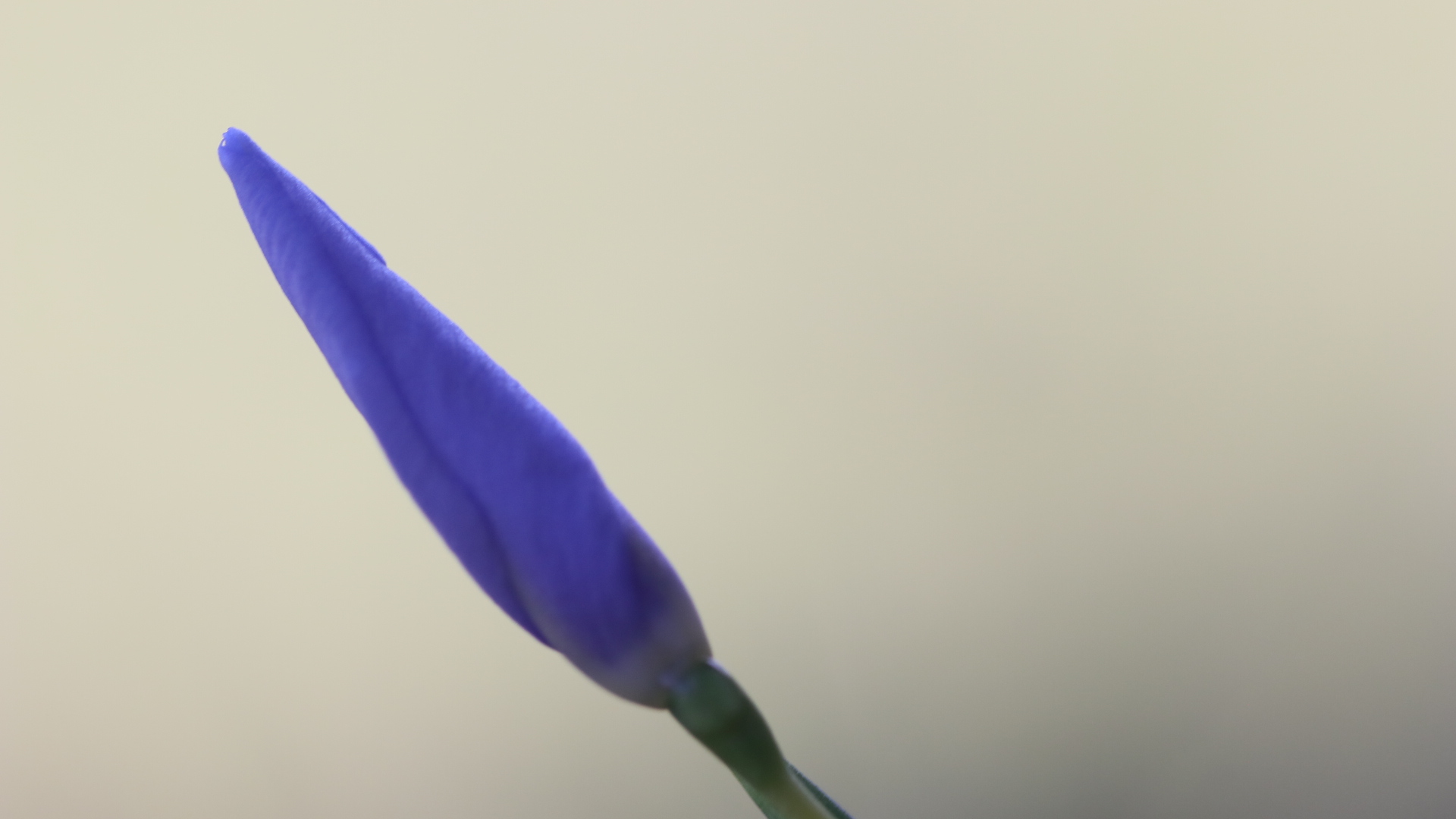
Then, usually the day before or earlier in the morning that the inflorescence fully extends, you’ll see a purple or bluish “flag,” not yet unfurled. 

Fully open early in the day Nemastylis geminiflora

Fully open early in a day in the life of a Nemastylis geminiflora.

Either the next day or later the same day, depending upon the sort of day it is (cloudy days they seem to remain closed until after noon. Sunny days they seem to open earlier).

Later in the day, the three tall yellow stamens will have curled up and descended/curled up towards the six stigma spread out at the bottom of the flower as show below. This particular photo taken around 2:30 PM CDT, on a fairly sunny day this March 27th or 28th.

Stamens curled up as a pollinator of undetermined species is busy at work in mid afternoon.

Stamens curled up as a pollinator of undetermined species is busy at work in mid afternoon.

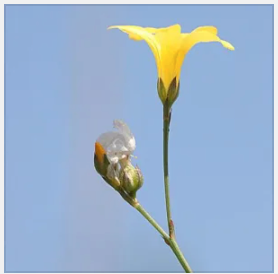
Tomorrow, and tomorrow... the petals have folded, and then the fruit begins to form, as seen left to right.

Yesterday, today, and tomorrow… the tepals have folded, and then the fruit begins to form, as seen left to right.

Although each flower blooms for a single day, a plant may have several flowers. Above, you can see what looks like a potential inflorescence to the left, either today or yesterday’s flower folded in on itself in the center, and to the right, the immature fruit which will eventual mature and provide seeds for future generations. When dry, they dehisc, popping out the small black seeds into the near vicinity.

So: That’s the life cycle of. the Nemastylis geminiflora, which usually blooms for a few short weeks from around the Vernal Equinox until the beginning of April – although sometimes it will fool you as I was last year when I chanced upon some late bloomers around the 10th of April. (I know, the Beatles’ song “Fool On The Hill” comes to mind – if not yours, in my mind, and “In My Life” at least).

Two takeaways:

  1. Do not pick the flowers – this prevents them from going to seed and producing new flowers for the next year. 
  2. Do not try to dig them up. Although they are called Prairie Celestials, the soil in which these are found is rocky and the bulbs are buried deep below the surface, so any attempt to dig them up will likely as not result in damaging the stem or the bulb, thus rendering such efforts useless.

 And a third:

Do get out to a local park or trail where native plants have not been discouraged by putting green level mowing practices, and take a leisurely walk (wearing a face mask, and maintaining a safe social distance). Even if you don’t see any Celestials, you just might see some other native plants and wildflowers. (In Central Texas, they were a little late in their blooming, so maybe they will extend it a little further into April. Who knows? Plants apparently don’t read field guides or any other books, so they don’t seem to follow the “rules” all the time).

###