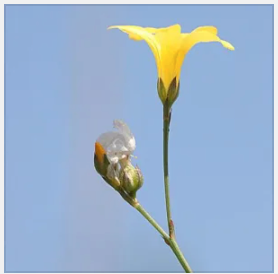

We have a winner!

2020-NPSOT-PhotoContest-GulfCoastPlainsAndMarrshes-winner

I am happy to say that I lucked out at the 2020 Native Plant Society of Texas photo contest with this photo taken at a pocket prairie East of League City, Texas. The category was the ecoregion of the Gulf Plains and Marshes (there are 12 ecoregions in the 2020 NPSOT photo contest).

I was consciously channeling my “inner Steven Schwartzman” when I took this photo of the Maximillian Sunflowers (Helianthus maximiliani) that were blowing in the wind against a cloudy but sunny sky.. This one had the best composition of those that I took that day – other species were either out of focus or not suitable for a contest entry.

I did enter three other photos in a contest that was marked by many high quality photos – perhaps in part because Steven Schwartzman, who won in a majority of the 12 ecoregions last year, made the rounds to many of the chapters across the state to deliver his presentation on nature photography.

Here are my “losers.”

From the Edwards Plateau, this photo of a Wild Petunia (Ruellia nudiflora) taken early in the morning to catch the sun in the upper right, showing off the translucency of the petals and the red “sundog” created by the lens in. the lower left, and highlighting the hirsute stem and body:

2020-08-16-Wild-Petunia-Ruellia-nudiflora-rjk1024x768-IMG-3346

From the Cross Timbers ecoregion, this shot of an American Sycamore (Platanus occidentalis) with the autumn colors against a blue sky (Taken at Miller Springs Park near Belton, TX:

CrossTimbers

And finally, this photo from 2014 of a Southern Prairie Aster ( Eurybia hemispherica) in the East Texas Plains, this was the only one that showed the bloom off individually – although I used photo-editing software to sharpen it, I did not hype the colors. (And it might have disqualified because it was taken 6 years ago – the judges might have considered photos taken only with the last couple of years – I’m not entirely clear on that, but I not complaining, the overall qualities of the entries was awesome, and I was lucky to get one picked as a winner). And I’m not sure that i got this ID correct.
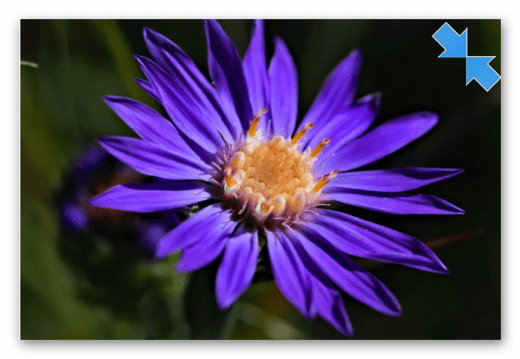
EastCentralPlains

All in all, any of the. above might have won, had there been different judges, or if there hadn’t been so many other high quality entries. I suspect that the latter is the main reason.  Check out the link to the contest entries (and winners) above and see if you don’t agree.

This has been a busy season, and I have yet to return to the issue of the berm between me and the greenbelt, or protected species area (there is a cave in the area, with an endangered species, so it is protected from development, but not from invasive species).

But that is for a different day.

Sleep, drowsiness, DBS and PD

Here are a few links to articles that look at the effects of Deep Brain Stimulation (DBS) on sleep, and daytime drowsiness, which could be a side effect from poor sleep. Or it could be something else.

Long term effects of DTN DBS on sleep

10 year study on daytime drowsiness and PD

REM Sleep Behavior Disorder is one of the more highly correlated conditions that end up with Parkinson’s.I remember having to spend the night on the floor of a motel when traveling with the college marching band. I was dreaming about a girl, and reached out to put my arm around her,  waking the guy who was sharing the queen bed with me.  It’s funny, now. I’ve had worse dreams. Still act out some of them.  Which as a lead-in to:

The largest clinical investigation to date of Prodromal Parkinsonism and Neurodegenerative Risk Stratification in REM Sleep Behavior Disorder

Abstract from a chapter in a book on sleep disorders:

 Significant progress has been made in understanding the pathophysiology of sleep and wake disruption in alphasynucleinopathies during the past few decades. Despite these advancements, treatment options are limited and frequently associated with problematic side effects. Further studies that center on the development of novel treatment approaches are very much needed. In this article, the author discusses the current state of the management of disturbed sleep and alertness in PD and MSA. © 2017 International Parkinson and Movement Disorder Society (emphasis added)

accessed at this link:

Management of sleep disorders in Parkinson’s disease and multiple system atrophy

As someone once wrote: To sleep, perchance to dream…

Self management and care partnerships

I don’t know about y’all, but without my care partner I would have been dead a long time ago. As it is, I am able to let her go off for a couple of weeks to help take care of her elderly old father and still manage to handle all the Activities of Daily Living (AD). This thesis looked into care partnerships and clinicians, and what could be done to improve outcomes. Four insights emerged:

Self-Management as a means to Achieving Client-Centred Care for the Care Partnership Living withParkinson’s disease

This research program has given rise to four main insights, grounded in the perspectives of both care partnerships and the clinicians who provide their care.

First, is the importance of incorporating the care partner into clinical care discussions, both about how to support the person diagnosed with PD, and for their own health.

Second, is to consider self management education as a means of achieving client-centered care by supporting the care partnership to effect the cognitive, emotional and behavioural responses required to manage the many dimensions of PD.

Third, is the importance of supporting the care partnership to assemble a healthcare team of relevant professionals and connecting them with appropriate community resources.

Finally, identifying and managing expectations through empathetic,
effective communication is paramount to the care partnership’s satisfaction with their clinical care.

Understanding how care partnerships learned to care for themselves while living with PD carries important implications for clinical practice in various disciplines. Healthcare professionals may reflexively contemplate these insights and consider how they may be applied in their clinical settings.