Natives returning, along with a few undesirables

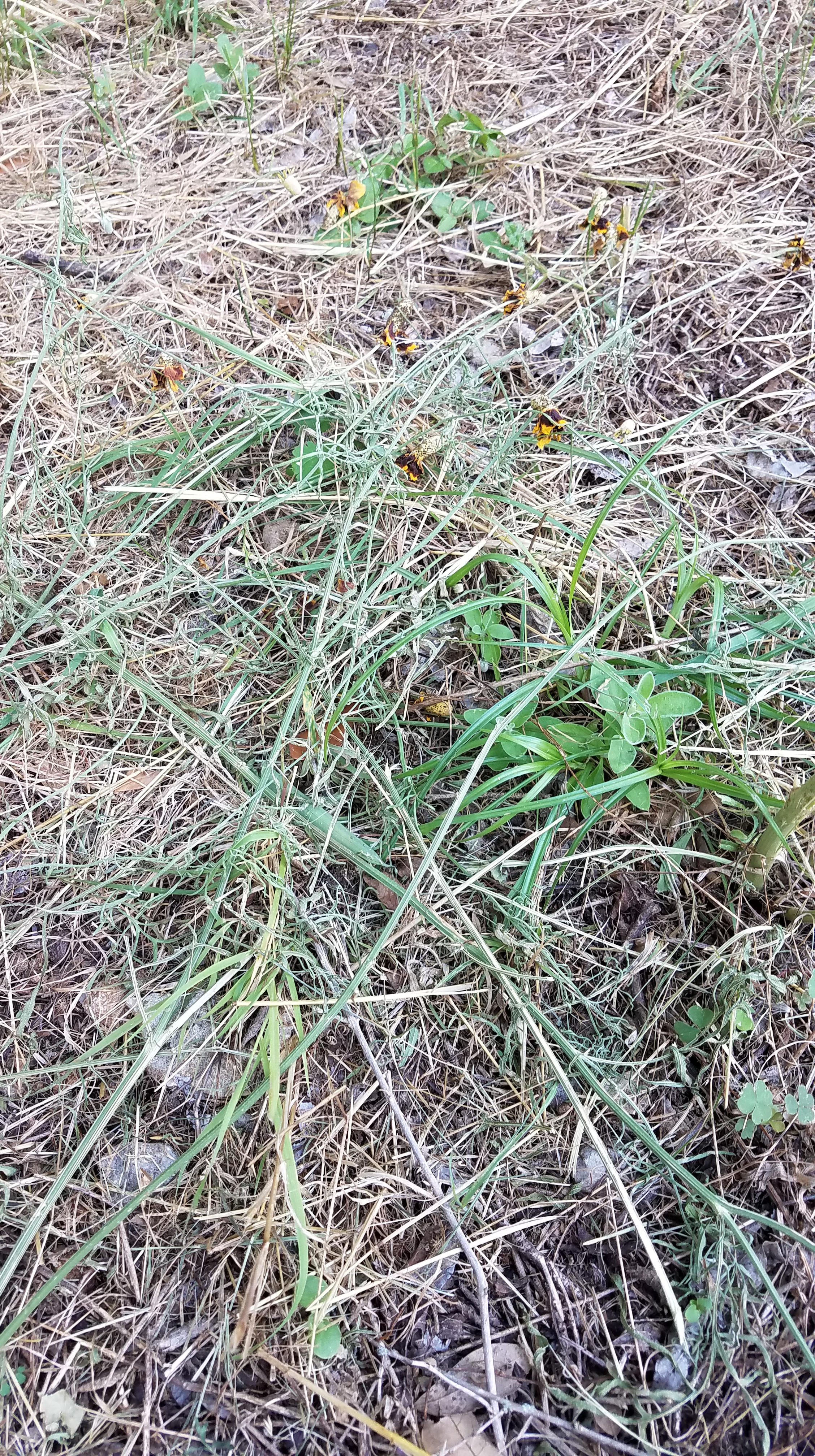
A month after the Wildflower Massacre at the hands of untrained/poorly trained mowers (who are not to blame, for the are just pawns in the game), the native plants are making a strong comeback, as well as a couple of unwelcome plants, both exotic and native. Among the invasive or undesirable plants are Johnson Grass (Sorghum halepense), Bermuda Grass (Cynodon dactylon), and Poison Ivy (Toxicodendron radicans). Interestingly enough, most of the “new” natives are coming up in the area in which I had already pulled some 10 bags of grasses and weeds of the exotic and invasive persuasion. But enough talk, here’s a slideshow to illustrate what I’m talking about.


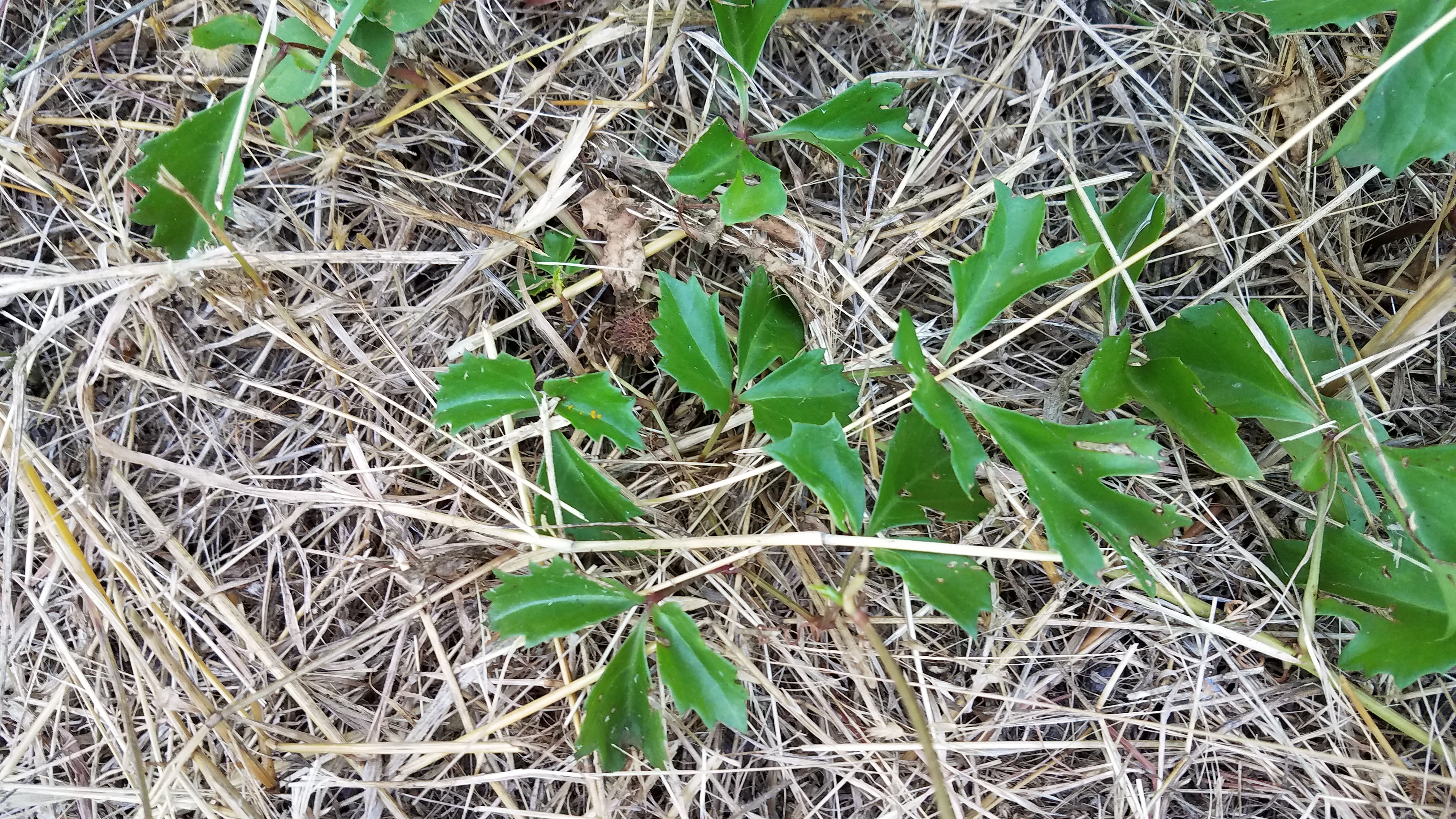
The low blade mowing (under 7 inches) according to a personal source expert on eradicating non-native species from parks and preserves, is a great way to spread the Poison Ivy (a native, but one which one prefers left in preserves, untouched by mower blades). I suspect that cutting below 7 inches also encourages the spread of Bermuda Grass. The Johnson Grass is an opportunistic plant that likes disturbed soils such as construction sites or “scalped” roadways and in my case, berms. But it can be easily defeated by pulling it out after every rain, and letting native grasses take over.

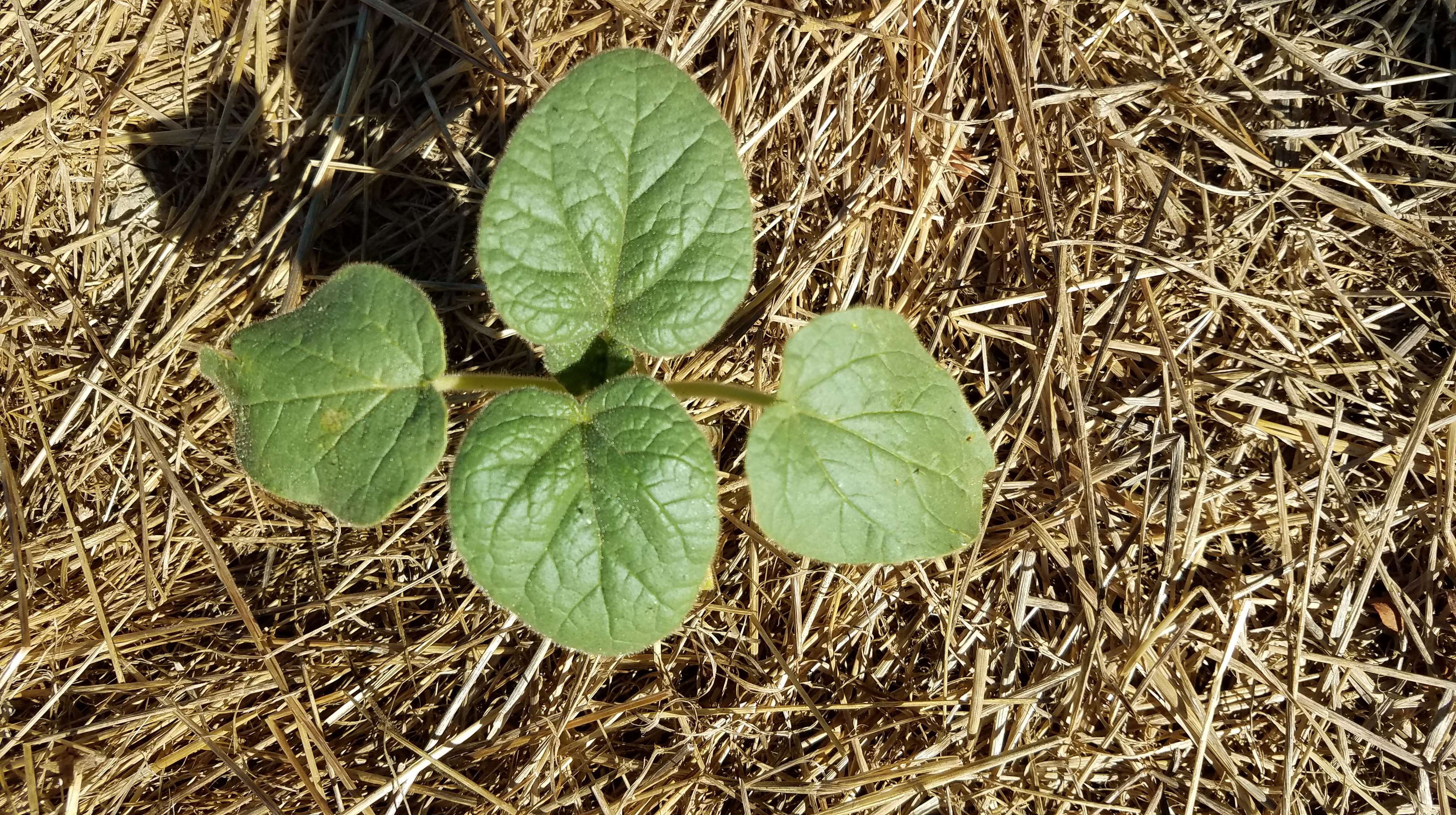
Mowed down to the ground, the natives return

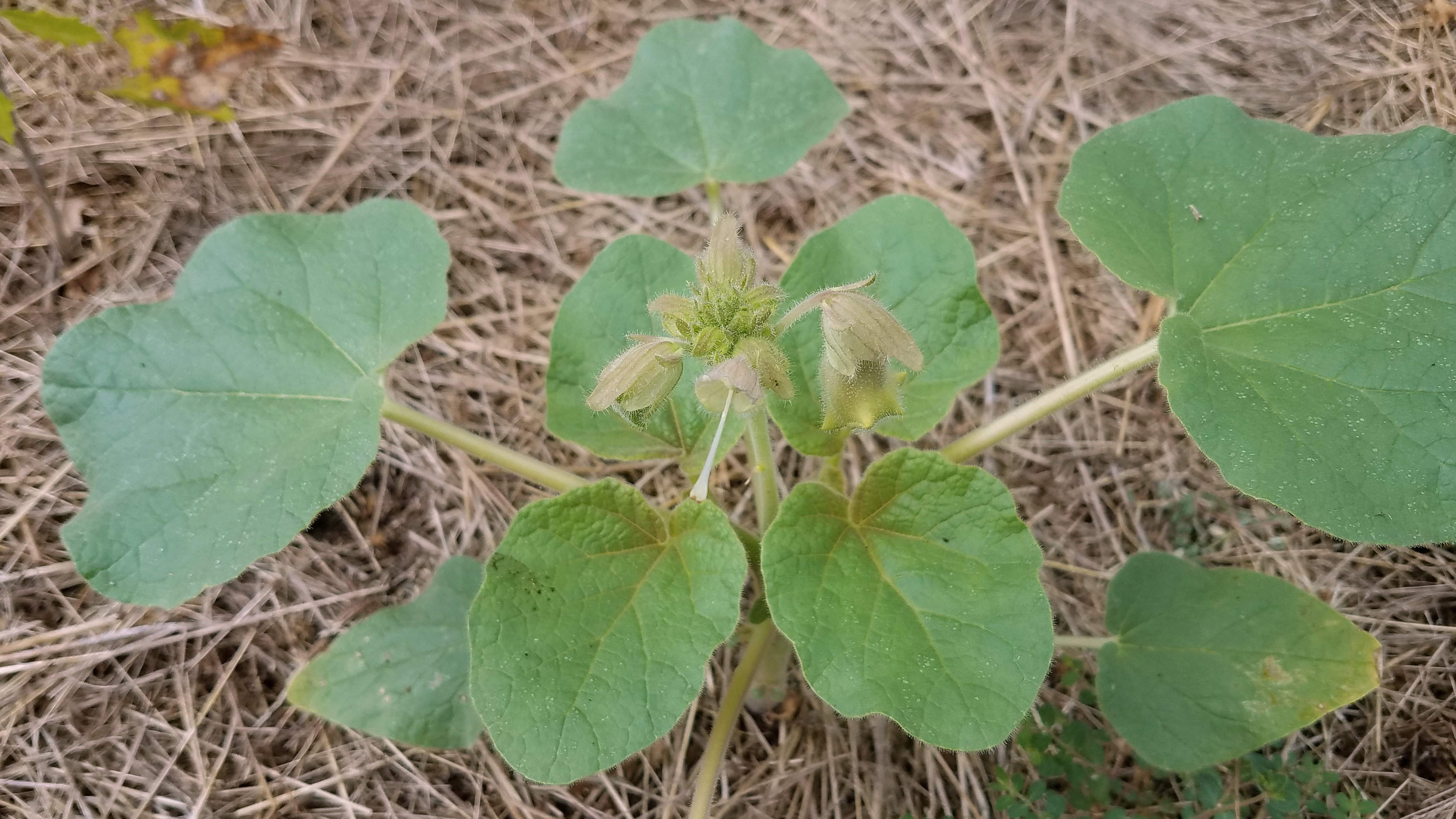
  • Texas Bluebonnet floret
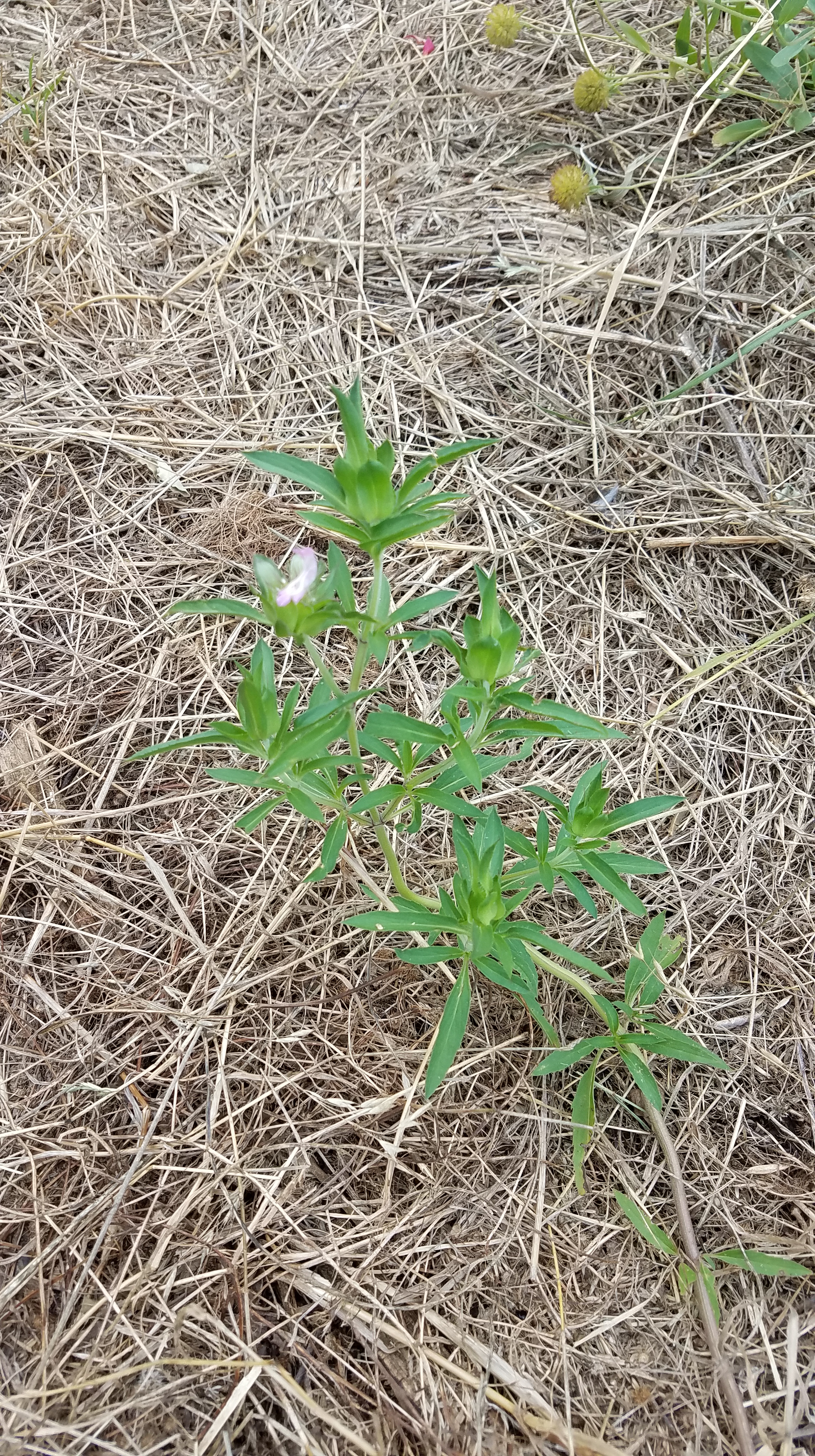
  • Devil's Claw / Ram's Horn
  • Horsemint / Bee Balm
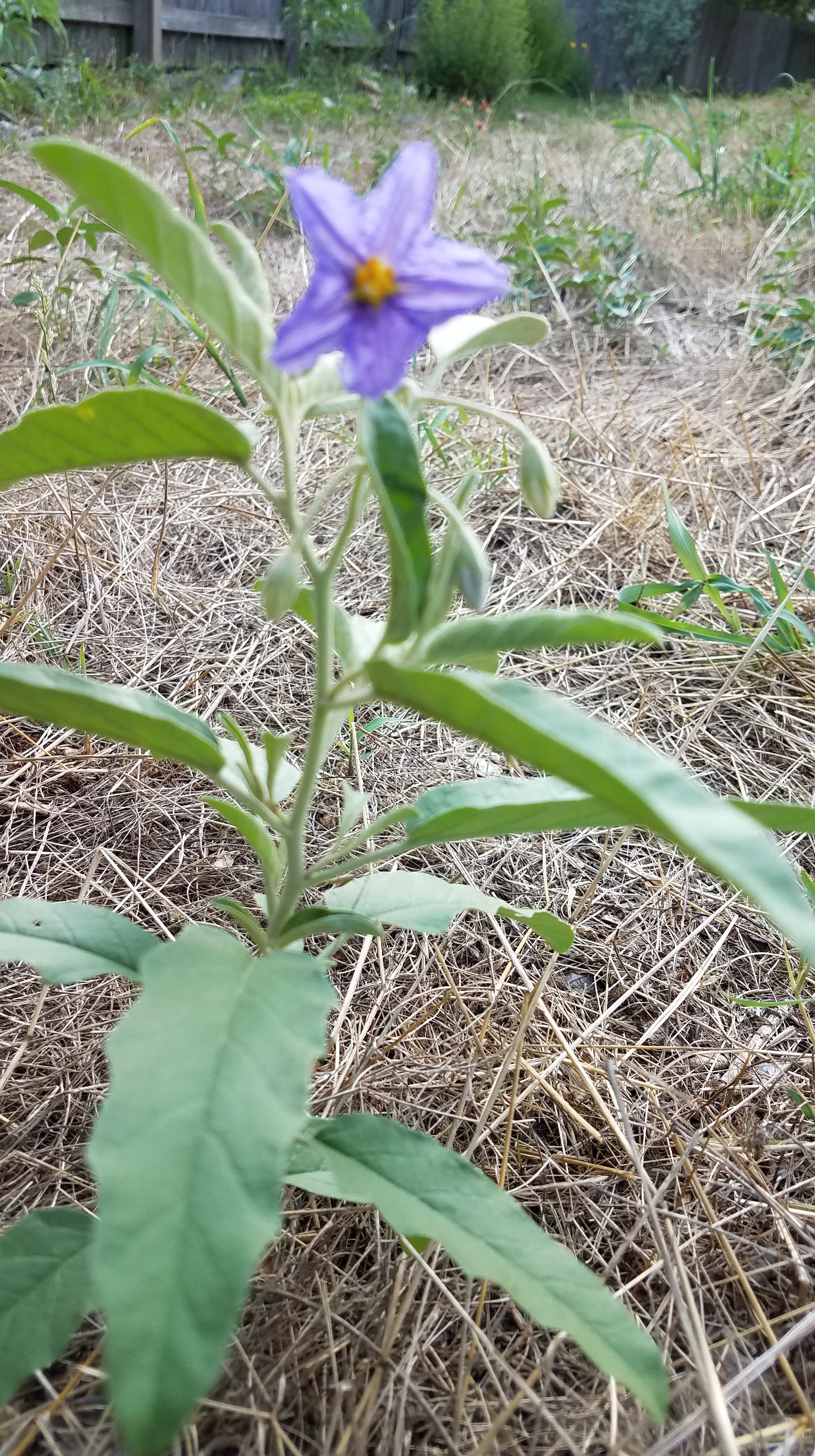
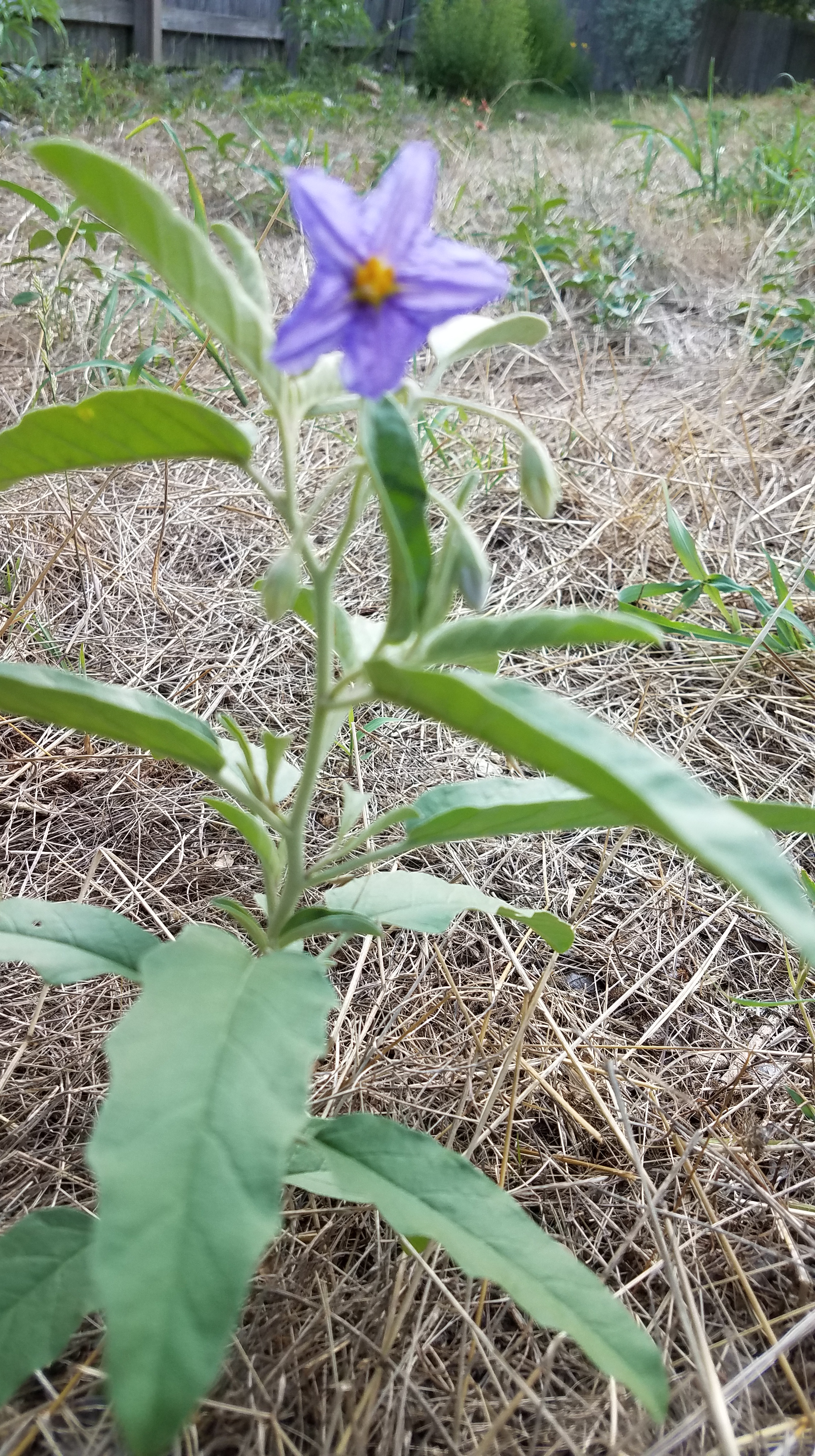
  • Silverleaf nightshade
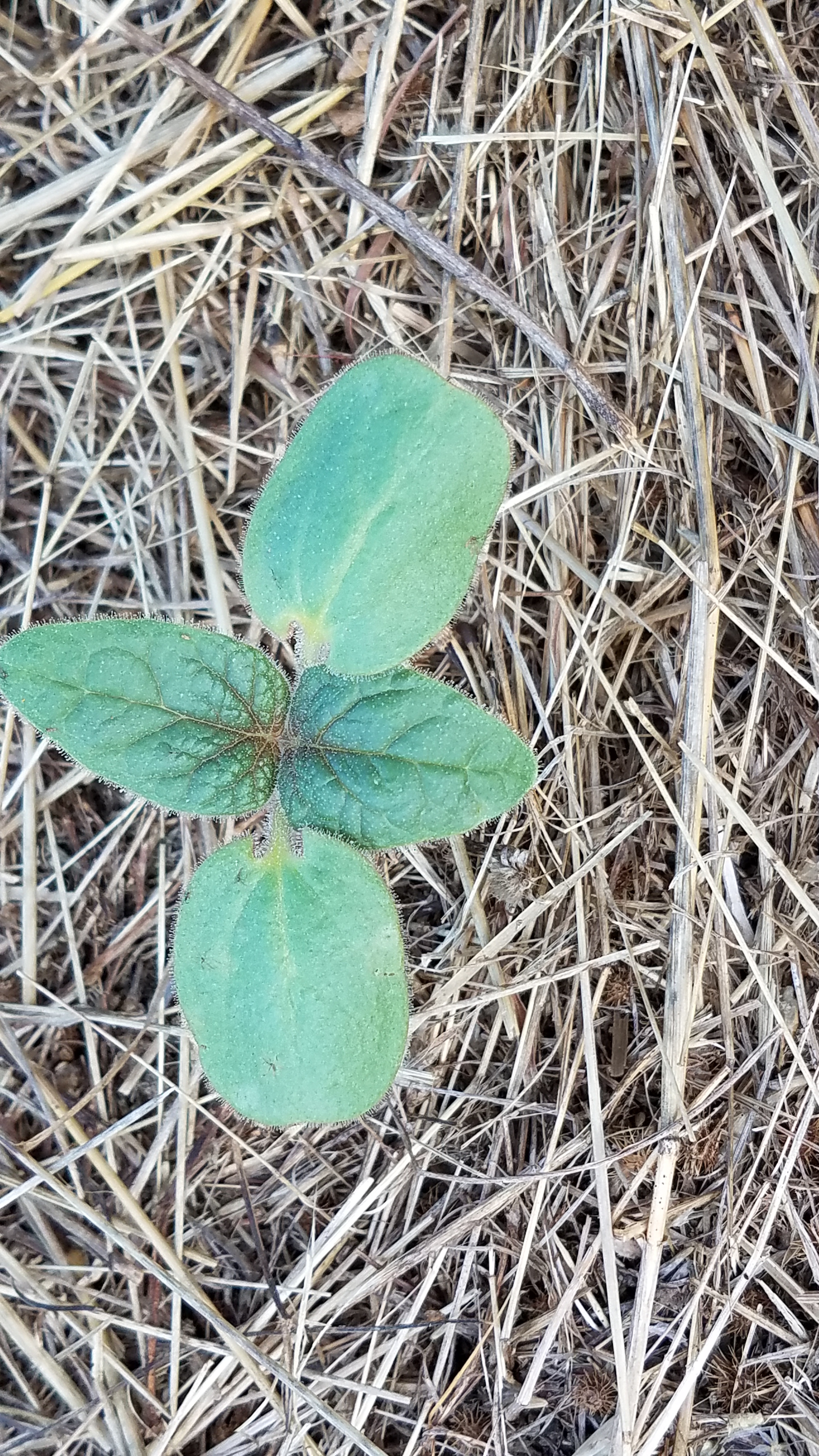
  • Devil's Claw
  • Devil's Claw
  • Cow-Itch or Sorrel vine
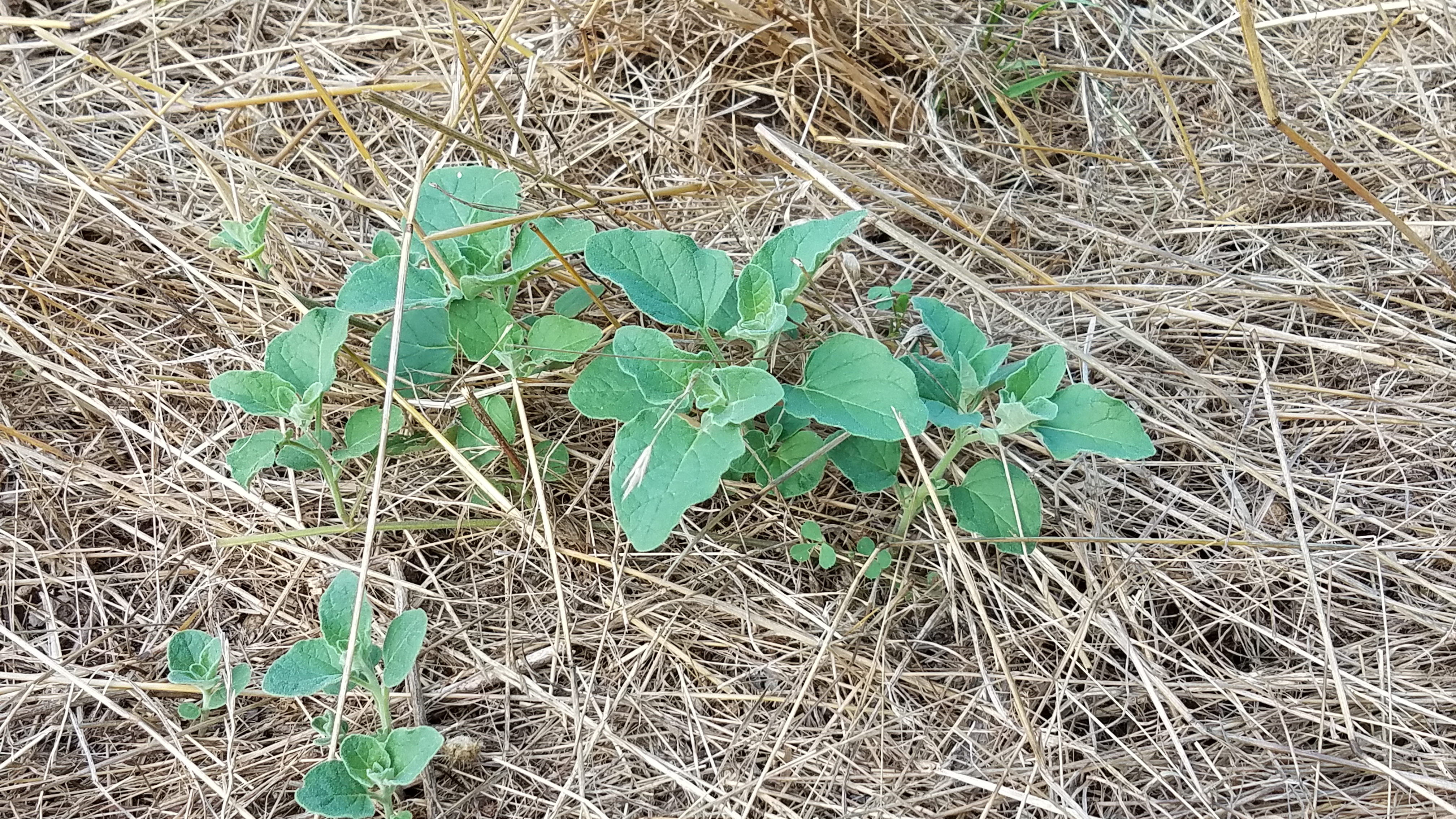
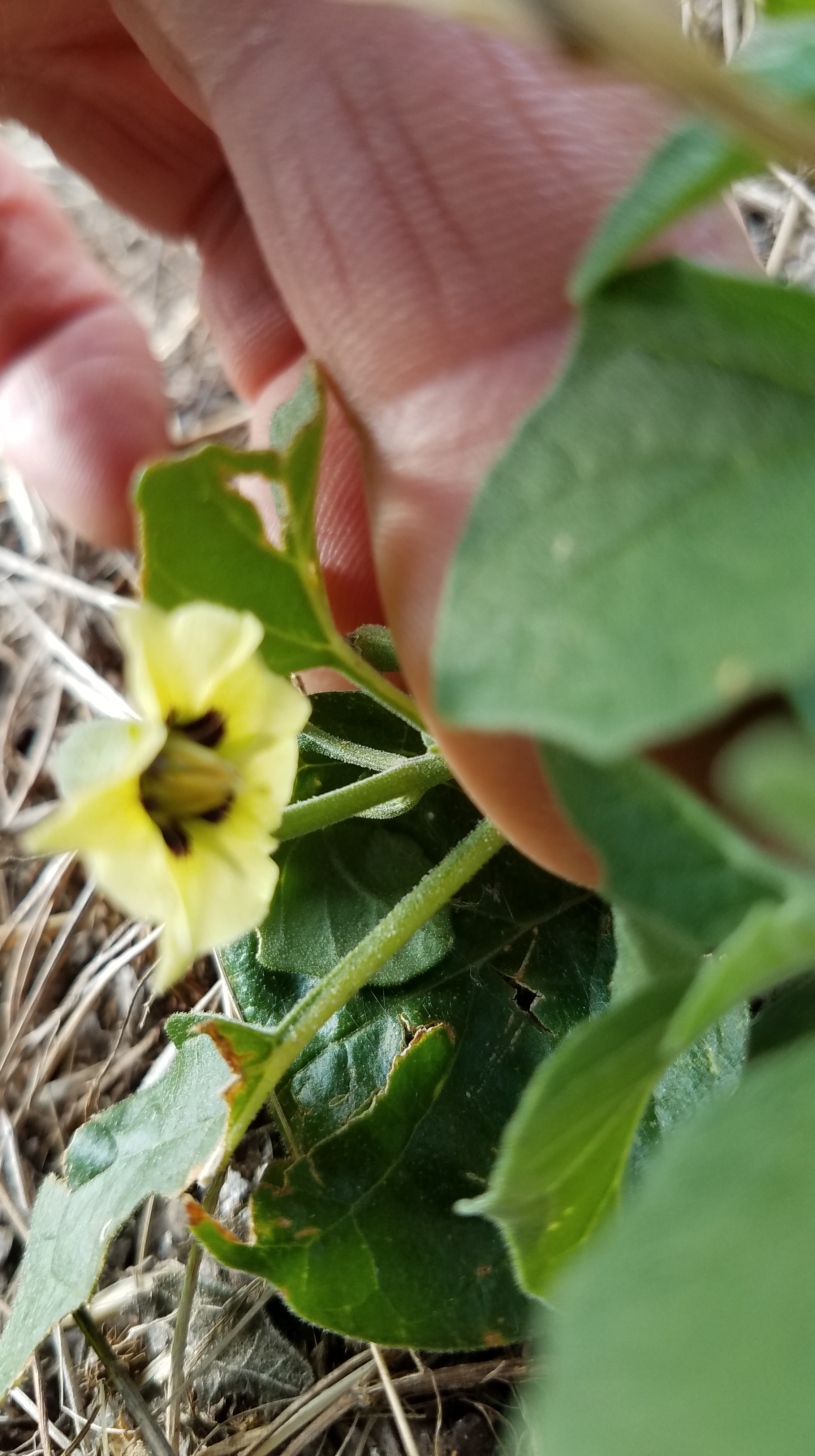
  • Yellow Ground Cherry - one of the Solonaceae
  • Silverleaf Nightshade
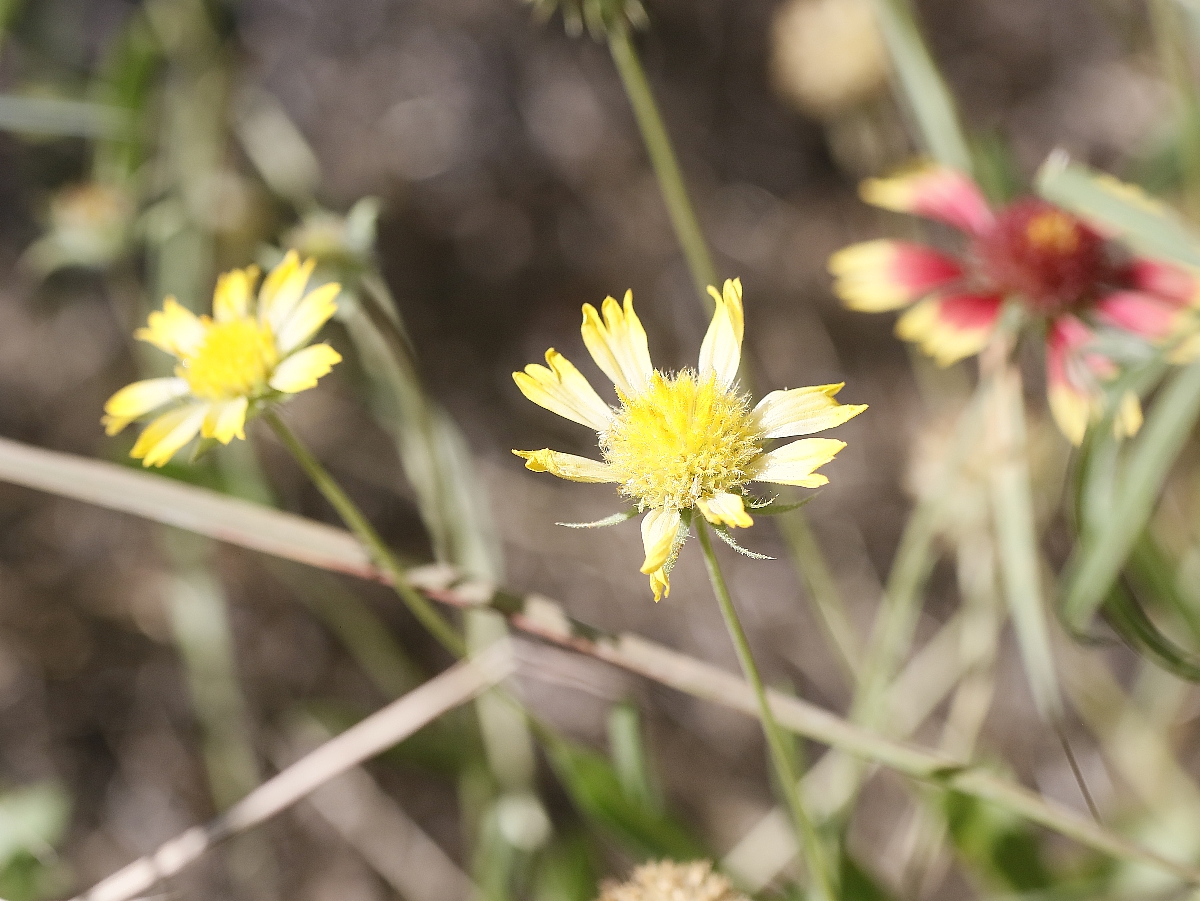
  • Gaillardia pulchella
  • May 27, 2020 - prostrate upright coneflowers (Ratibida columnifera)
  • Ram's Horn or Devil's Claw

On May 26, the mowers came by and mowed down the stand of wildflowers still in bloom on the berm between my backyard and the greenbelt. But since then, in addition to the Johnson Grass (which is fairly easy to control as an invasive plant), there have been several native Texas plants coming up from the embattled field.

A Texas Bluebonnet floret starts the slide show, and we have Gaiillardia, including some of the “albino” variety that seems to favor this location. Straggler Daisy, a low lying ground cover, and a member of the primrose family.above it. It’s not clear to me yet whether it is small due to lack of nutrients, or if it a different member of the Onotheraceae. I will have to look in my books…

And we have have a few that I haven’t identified but others have seen the photos and suggested Ram’s Hron for one of them. The Prairie Vervain have come, as have several Solonaceae: Silverleaf nightshade, Western Horse Nettle, and even Ground Cherry.

And I should probably note the Poison Ivy, which has entangled itself among some of the other plants. I have been told by an expert in the eradication of invasive plants that mowing is one of the best ways to spread Poison Ivy around.

And shall we do now?