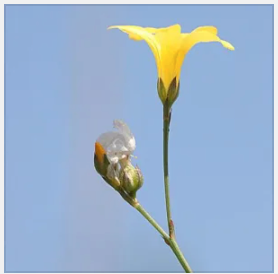
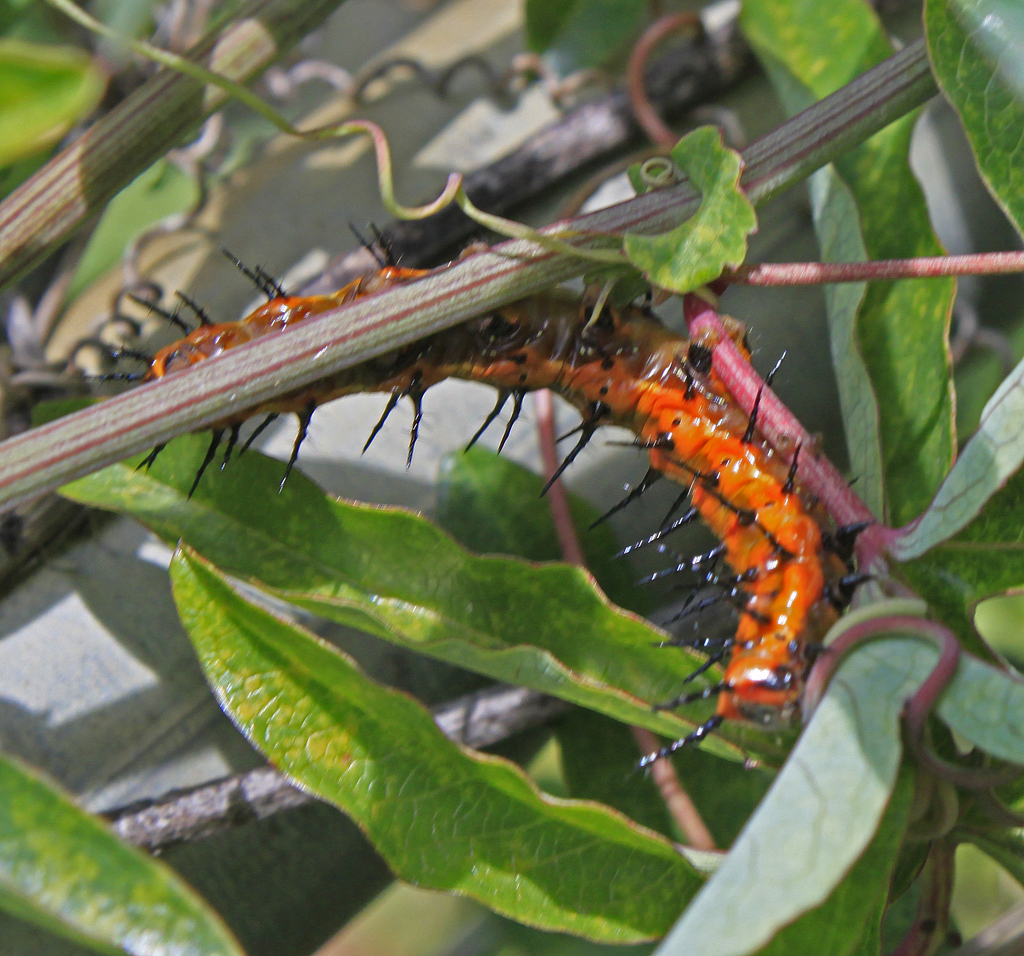
Agraulis vanillae Gulf Fritillary Butterfly larva

Agraulis vanillae Gulf Fritillary Butterfly on Passiflora sp

Agraulis vanillae Gulf Fritillary Butterfly on Passiflora sp


While the Gulf Fritillary, as the name implies, is native to the area surrounding the Gulf of Mexico, but its range actually extends far beyond that. It is found as far south as Argentina and as far north as San Fransisco, according to Wikipedia.

Here it is on one of the Passiflora vines, one which is not native to the part of Central Texas where I live. It seems that one cannot find locally native plants unless one digs them up, which can’t be both ethical and legal, or manages to find some that have gone to seed and from which a small taking of seed would not endanger reproduction in the natural state.
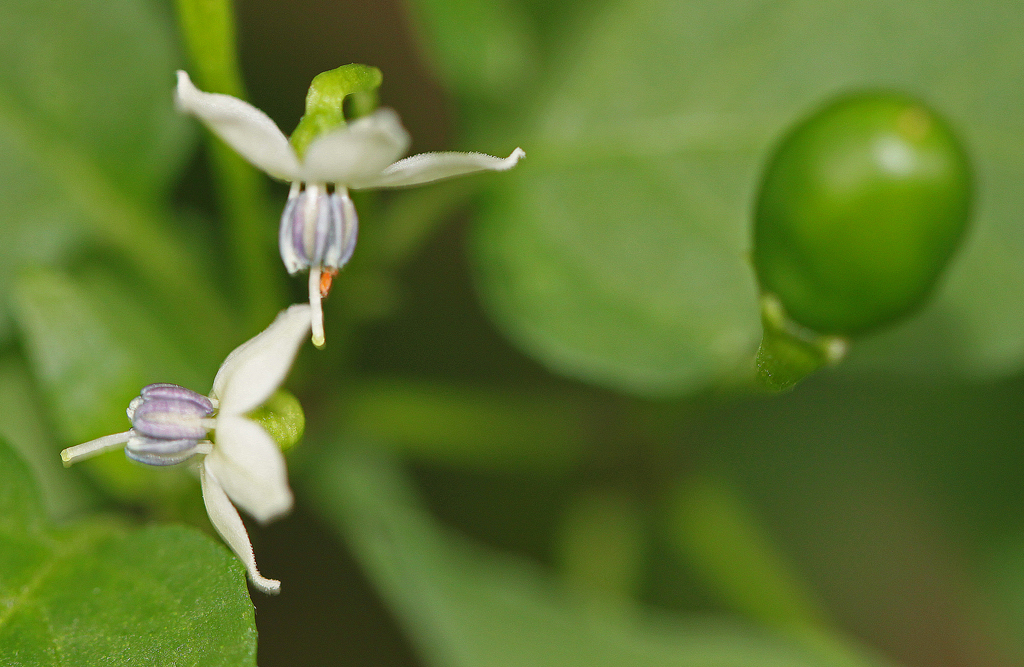
 

Capsicum annuum – Chile Pequin

 Capsicum annuum - Chile Pequin

Capsicum annuum – Chile Pequin

Hadn’t really looked at the tiny flowers of the Chile Pequin before, but here they are, with a slight touch of purple in them.

Off to the right is the fruit, which turns a bright shiny red when it has fully ripened. Easy to grow, withstands drought, edible, attracts nectar feeders when in bloom and birds after bloom has turned to fruit. Reseeds itself if allowed to.


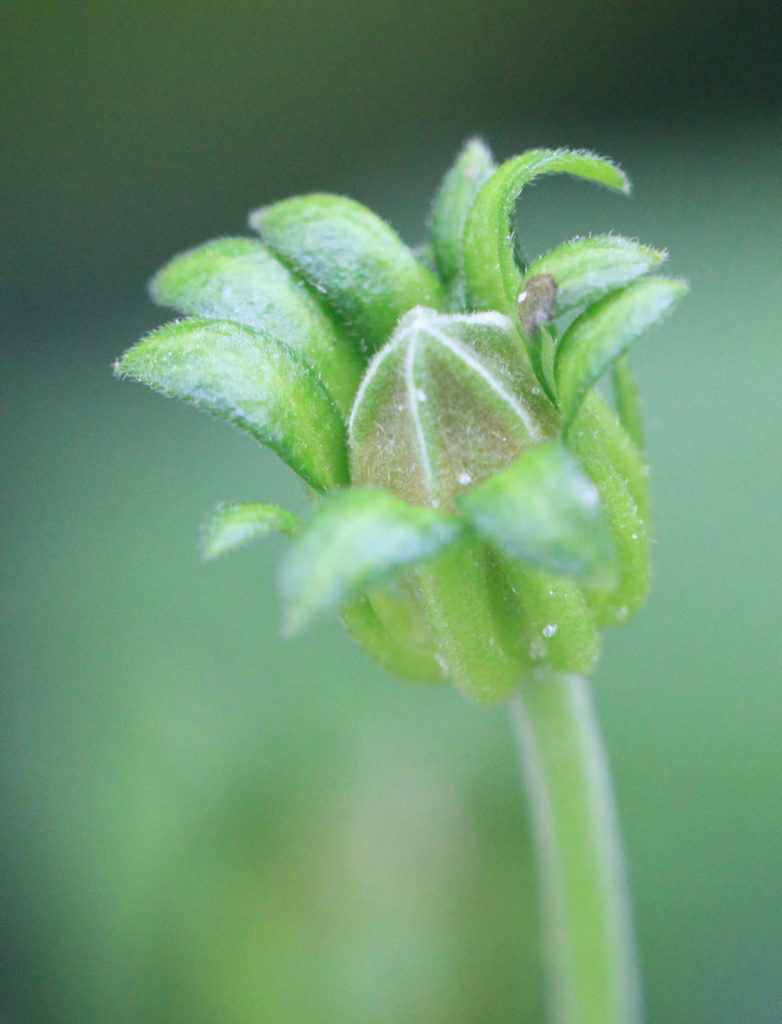
Ratibida columnifera- Mexican Hat

Ratibida columnifera- Mexican Hat

Ratibida columnifera- Mexican Hat

Also known as Prairie Coneflower,  this perennial also comes with yellow petals instead of the orange, brown, and yellow petals shown here.  In their native environment, they can form large colonies, sometimes interspersed with similarly colored Gaillardia pulchella Firewheel. Whether seen singly or en masse, it is singularly and strikingly sttractive. It is drought tolerant and can grow in a wide variety of soil types.