Intruder Alert

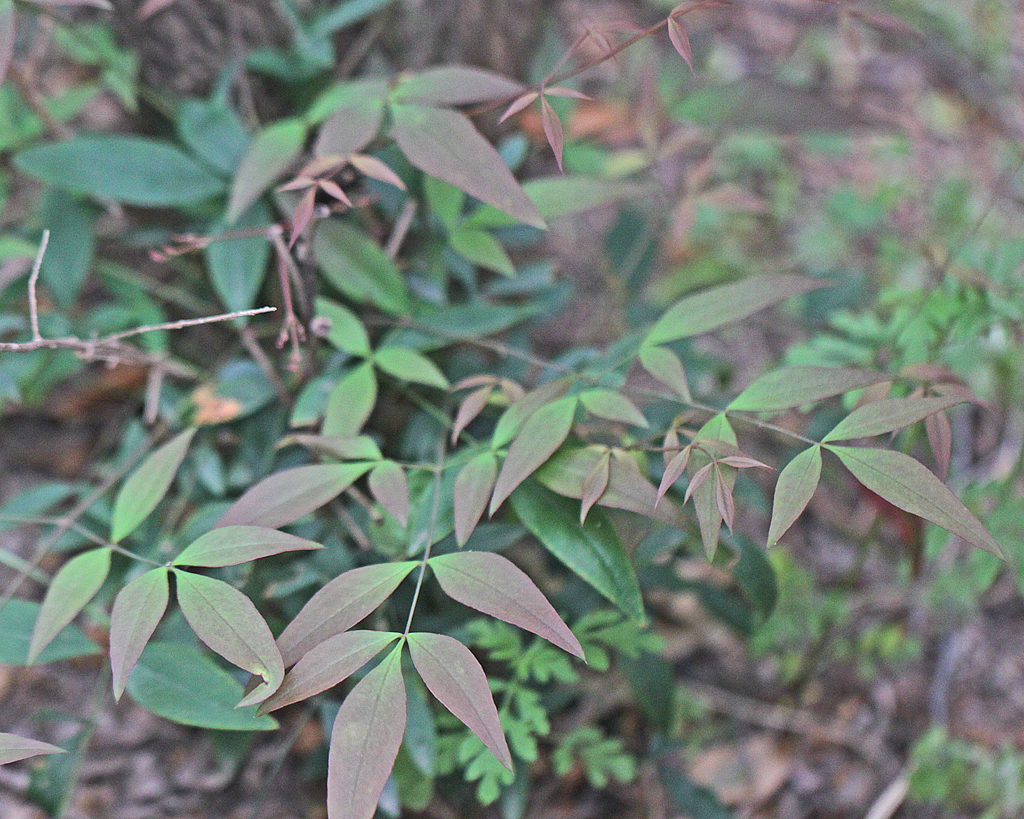
Nandina domestica - Heavenly Bamboo

Nandina domestica – Heavenly Bamboo

Imagine my disappointment when I stepped outside and glanced down at the the foot of a Leucophylum frutescans Cenizo bush and saw this too familiar sight. Tomorrow I will dig it up and throw it in the trash and bid it good riddance. Unfortunately, I can’t go into my neighbors’ yard and remove the plants which may have been the source of the seed dispersed by birds which resulted in this invasive species specimen.

If you see any of these, or have any in your yard, I hope you’ll do the same.
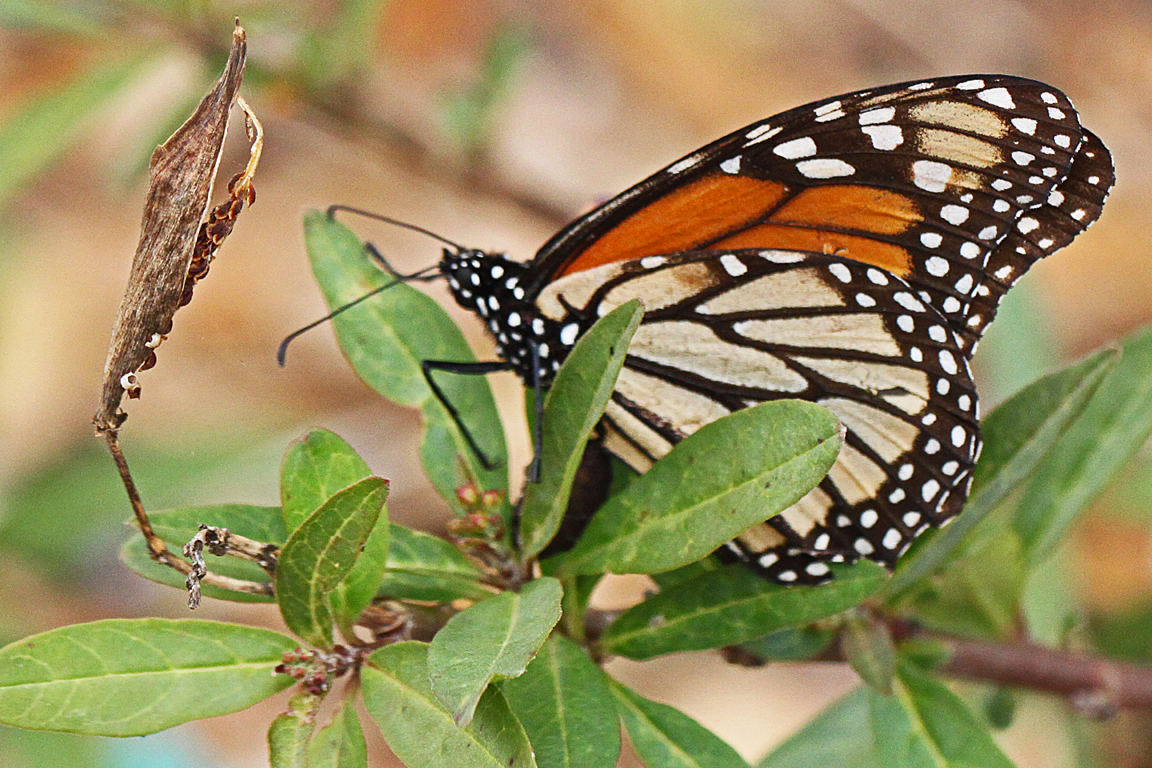
Danaus plexippus – Monarch

Danaus plexippus - Monarch

Danaus plexippus – Monarch

This photo was taken on the 17th of March, and marks the second sighting of a Monarch in my garden this year. The first occurred a couple of weeks ago, and the Monarch was feeding from a Texas Mountain Laurel Sophora secundiflora . Today I sighted another Monarch. So maybe the great migration has begun. During the Fall migration, the Monarchs like to feed on the Gregg’s Mistflowers Conoclinium greggii, but so far they haven’t bloomed and are not likely to any time real soon. So the current Monarch activity appears to be egg-laying.

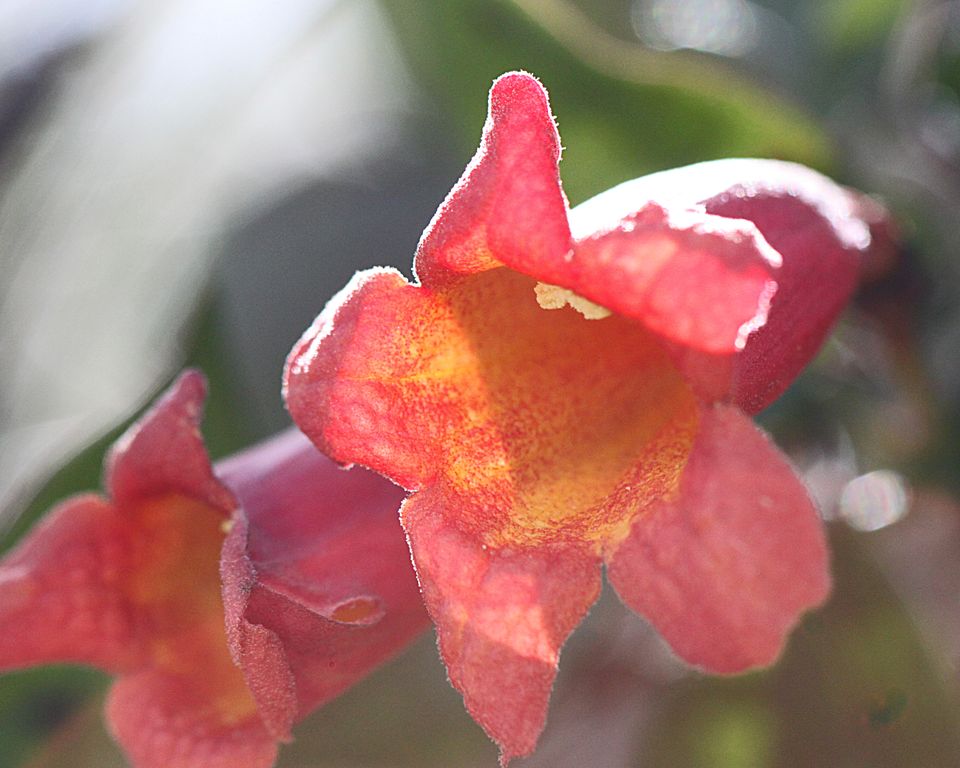
Bignonia capreolata – Crossvine

Bignonia capreolata - Crossvine

Bignonia capreolata – Crossvine

The Crossvine is blooming, draped across the Eastern Redbud, and it seems to be handling the drought with less stress than the Redbud.   The blooming period is from March through May. It attracts hummingbirds (if there happen to be any in the suburban desert) and butterflies that feed on the nectar. Which reminds me – I saw my first Monarch Butterfly (Danaus plexippus) of the season over the weekend (Saturday to be exact). Oddly enough, it was feeding on the Texas Mountain Laurel Sophora secundiflora, but apparently not long enough for me to grab the camera, Also spotted a couple of Red Admiral  (Vanessa atalanta) butterflies yesterday and did grab my camera, but the creature wouldn’t settle down long enough for me to get a shot. So here’s the Bignonia capreolata instead.

Bouteloua gracilis – blue grama

Bouteloua gracilis - blue grama

Bouteloua gracilis – blue grama

Blue Grama is a drought resistant native turfgrass that can be grown from seed.  It can easily be mistaken for Bouteloua hirsuta Hairy Grama if one doesn’t know that Hairy Grama has a “spike” or pointy end to its seedhead.  The Blue Grama pictured  above is spikeless or pointless, as it were. And the picture above doesn’t quite show a seedhead, since the florets are in bloom. The picture above was taken next to the Bluebonnet in the previous post, in the little patch of grass between the curb and the sidewalk.

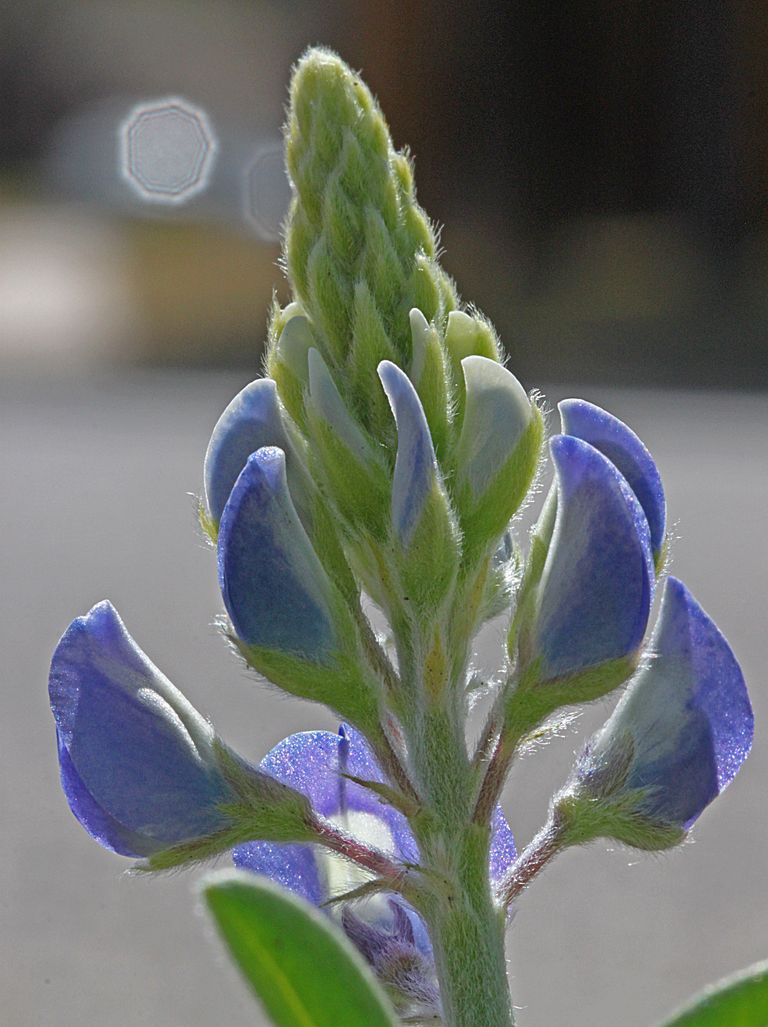
Lupinus texensis – Texas Bluebonnet

Lupinus texensis - Texas Bluebonnet

Lupinus texensis – Texas Bluebonnet

While most instances of the state flower in my yard are still scrawny and small rosettes thanks to the continuing drought in Central Texas, this example has started to put out blossoms in the area between the curb and the sidewalk. Conversations with other native plant advocates have indicated that some bluebonnets have been putting out new blossoms for a couple of weeks now.

The normal bloom period of this annual is from March through May, so it appears to be right on schedule this year. It is especially attractive to native bees and is frequented by butterflies as well. It serves as a larval host for the Hairstreak and Elfin butterflies.