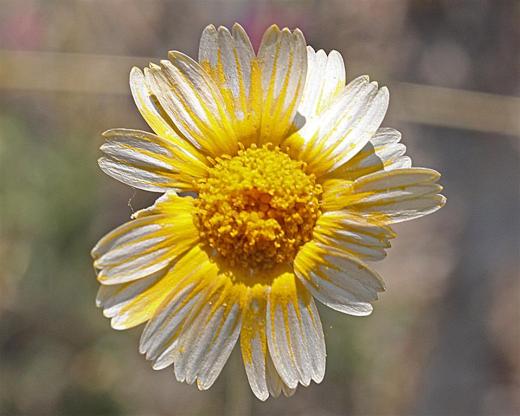
Hymenosa scaposa – Slender Stem Bitterweed
This Bitterweed is either an albino or it has lost some of its natural yellow coloring. First one like this that I’ve seen.
Hymenosa scaposa – Slender Stem Bitterweed
This Bitterweed is either an albino or it has lost some of its natural yellow coloring. First one like this that I’ve seen.
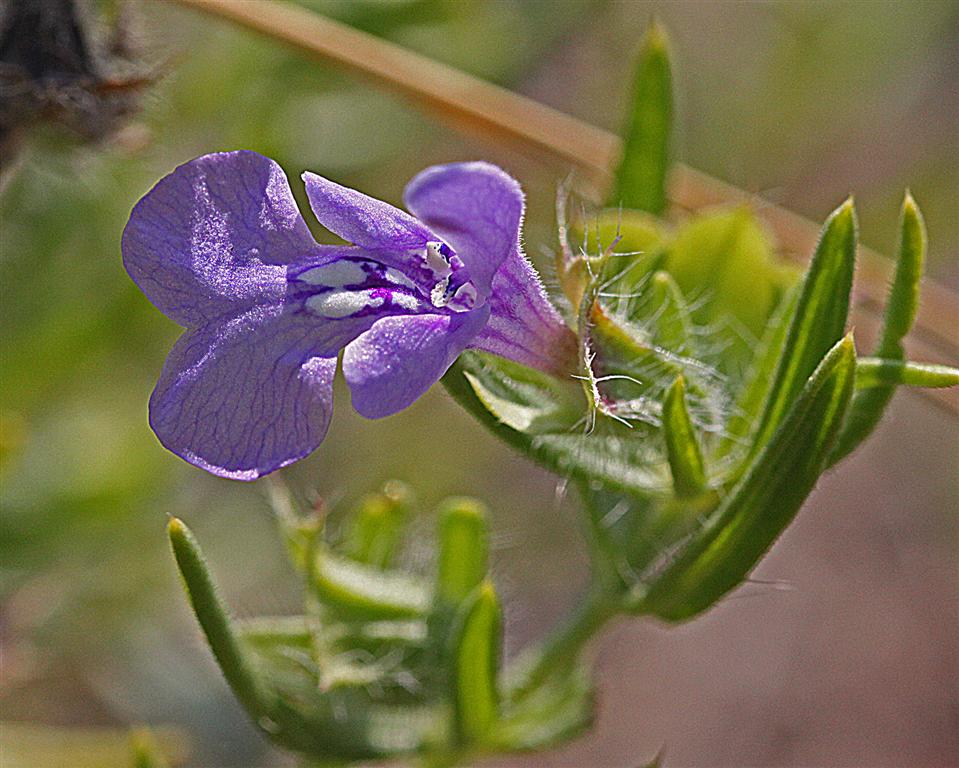
Salvia
Thanks to Megan Lowery for catching this incorrect identification from a shot taken back in 2012. She suggests either S. engelmannia or S. texana as the correct ID. Not sure how the wrong name got attached, whether it was in the field, or just sloppiness on my part, but I do recall having had a Salvia texana, aka Teas Sage, in my yard at one point, and perhaps a picture of it was mislabeled prior to publication on this blog, which hasn’t been updated for several years. I noted that Scutellaria drummondii is called Salvia drummondii on the Lady Bird Johnson Plant ID part of their website: “Salvia drummondii grows up to 12 inches tall. It is often branched at the base, forming clumps. Leaves are opposite and densely arranged. ” (https://www.wildflower.org/plants/result.php?id_plant=SCDR2). Live and learn.
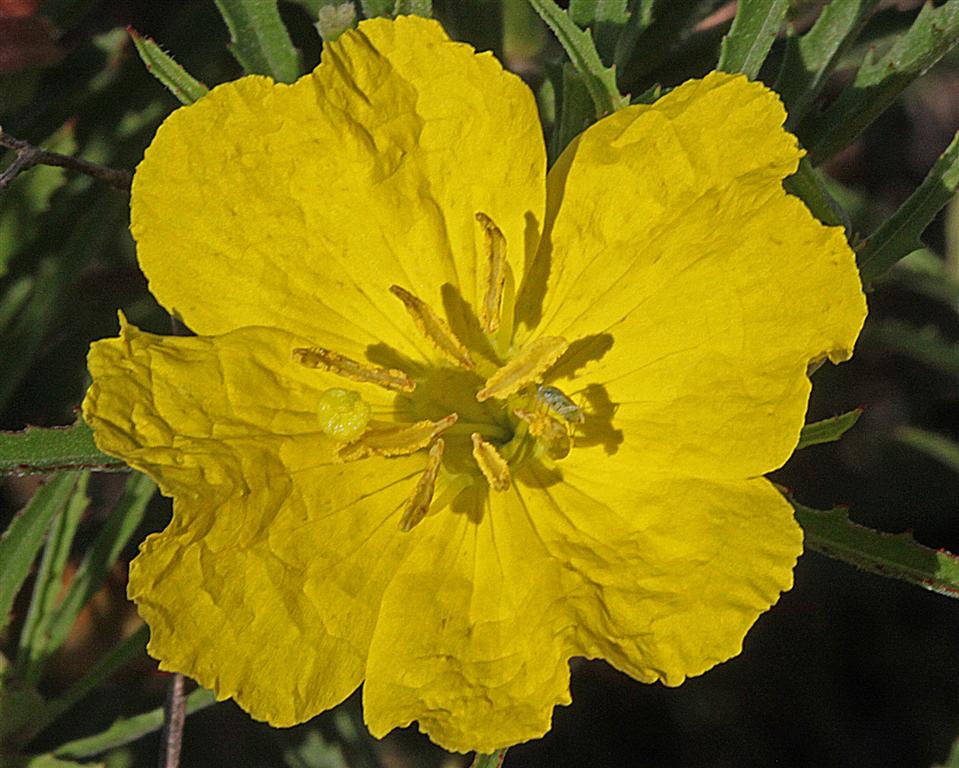
Calyophus Berlandieri – Square-Bud Primrose
Most primroses are members of the Oenothera genus, which means that their stigma are X-shaped. Not so with Calyophus genus, which has a rounded stigma, which can be seen better if you click on the picture above. Usually the Square-Bud Primrose has a black throat and a black stigma, but this particular variety has yellow throat and stigma. In bloom at a Williamson County park near me…
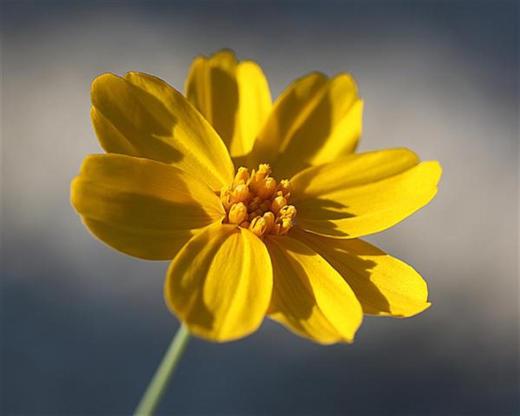
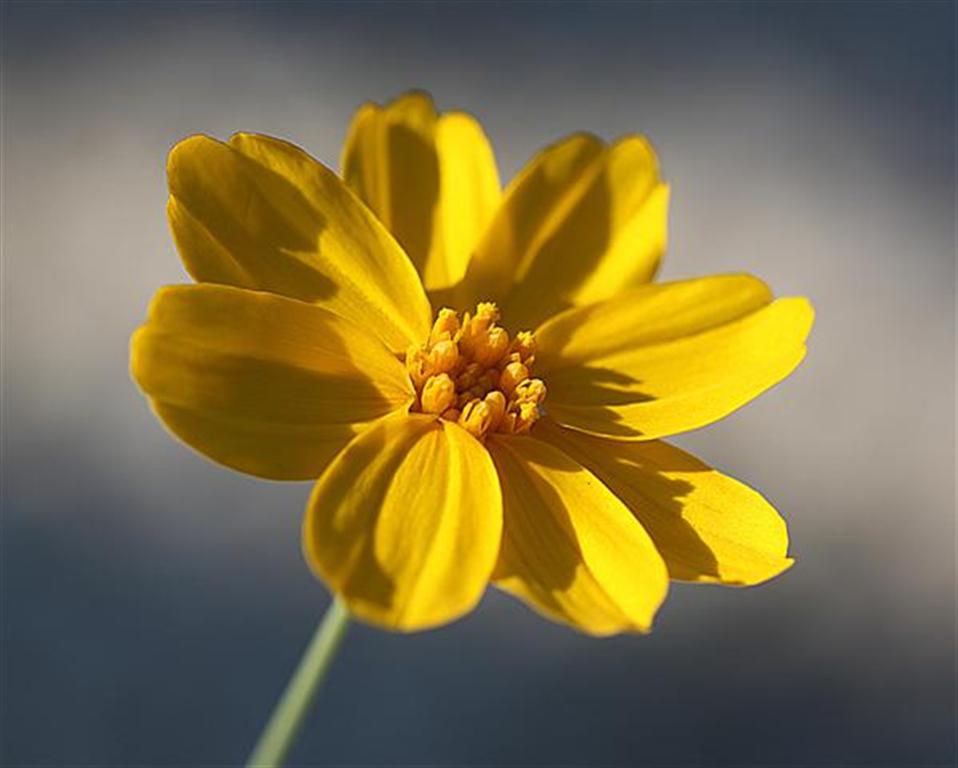
Thelesperma simplicifolium – Navajo Tea
Here’s hoping I got the identification right on this one. I am sure it isn’t Thelesperma megapotamicum because the flower head is shaped much differently. Thelesperma subnudum doesn’t fit the bill because it is not native to Texas. Thelesperma filifolium var. filifolium looks like the species shown in yesterday’s post and commonly called Greenthread. That leaves T. simplicifolium as the last one at the Wildflower Center’s Native Plant Information database (NPIN) and fortunately it does seem to match the photos in the database and it is native to Texas and New Mexico. It blooms from May to November and one might assume that the petals were used by Native Americans to make a beverage, based on the common name given to it. Alas, I can’t confirm or deny that at the moment, so we’ll just have to refer to it as Thelesperma simplicifolium and hope we got the identification right this time.
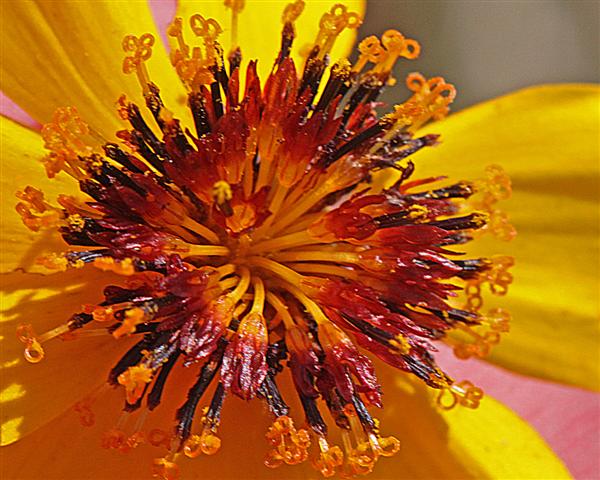
Thelesperma – Greenthread
There are several different species within the Thelesperma Genus, and this is most definitely one of them. Which one, though, can be difficult to say for sure, since this is so closeup that there is no way to judge the height of the flower, the shape of the leaves, etc. Perhaps it might help if the photographer kept better notes while in the field… Compounding the problem is that several different species share the common names Greenthread and Navajo Tea, which is why Greenthread was used in the title. It’s probably one of the common names of this Thelesperma.

Horsemint – Monarda citriodora
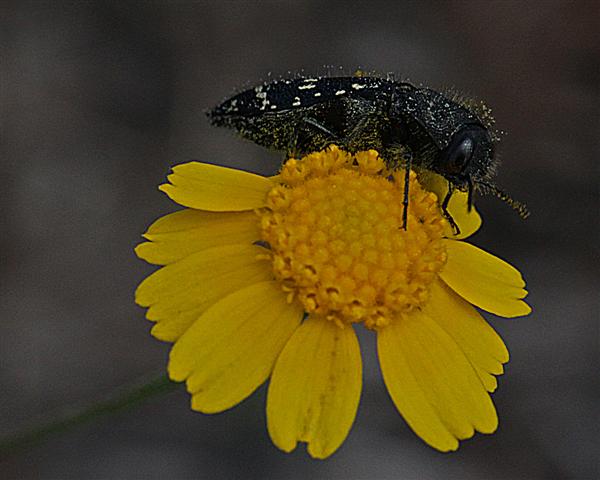
possibly Yellow Bitterweed – Helenium Amarum
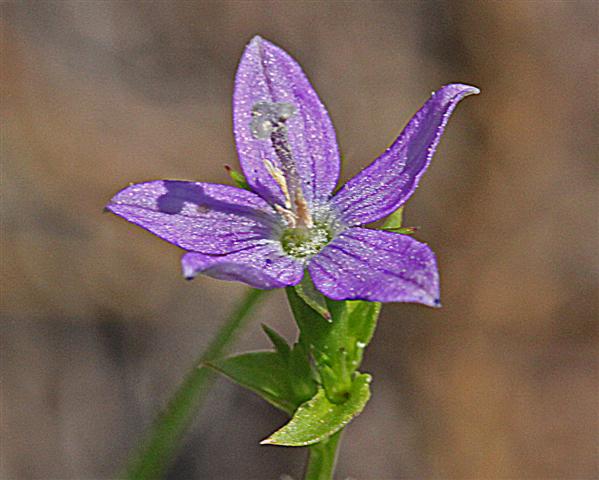
Western Venus’ Looking Glass – Triodanis coloradoensis
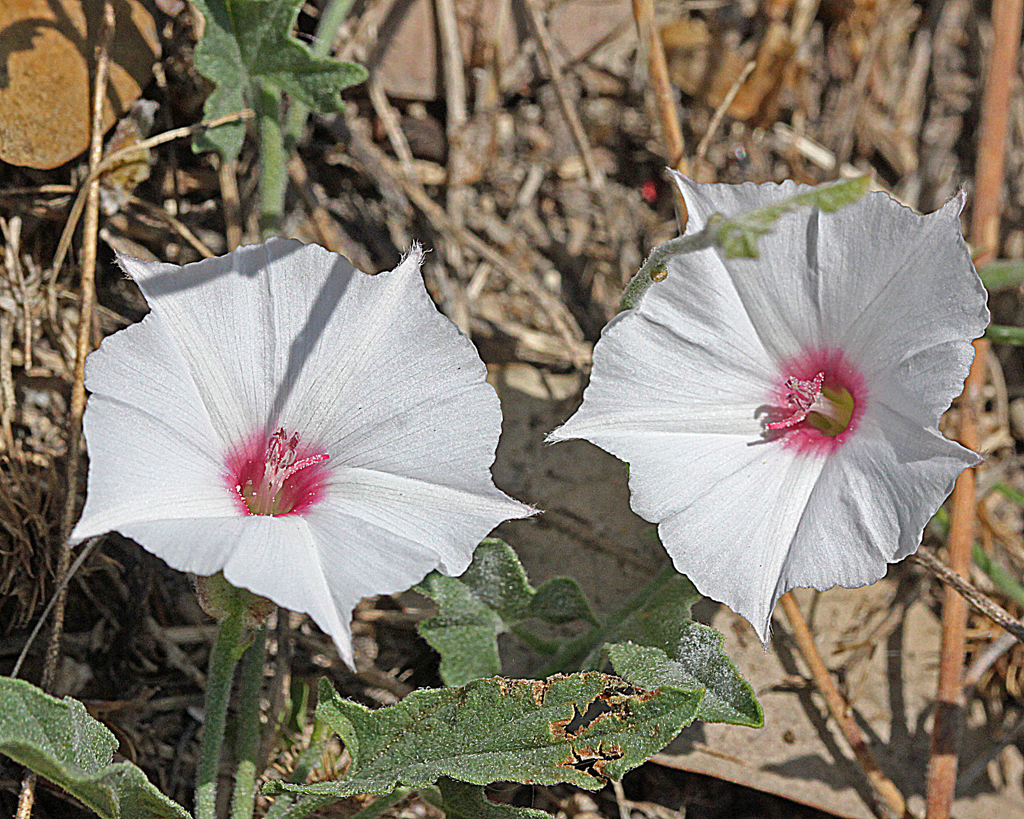
Convolvulus equitans – Texas Bindweed
 bob's brain: living well with a movement disorder and other comorbidities