Dyssodia pentachaeta – Parralena

Dyssodia pentachaeta - Parralena

Dyssodia pentachaeta – Psarralena

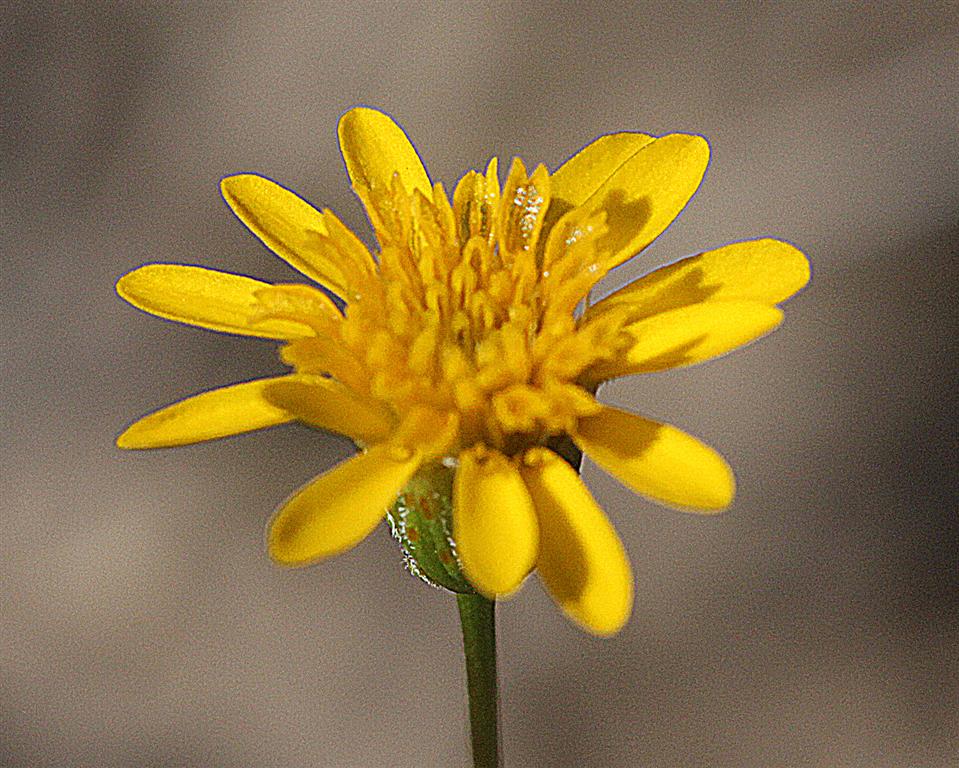
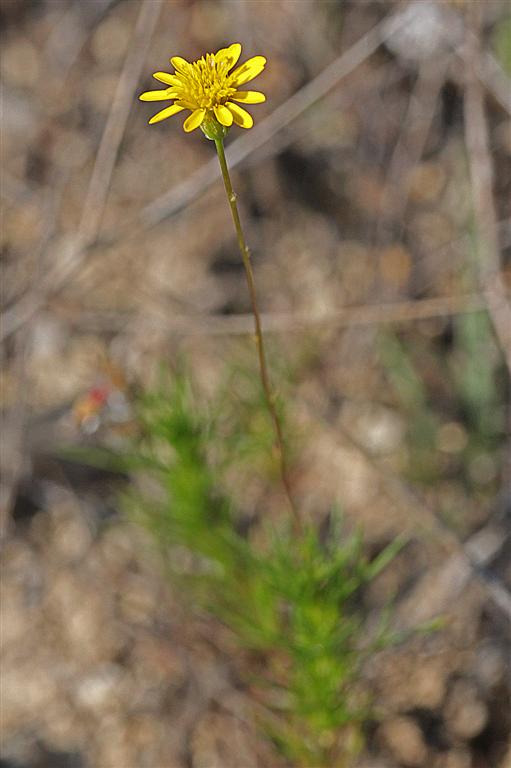
This perennial composite is on the short side – less than a foot tall.  It’s found on dry caliche throughout Central Texas. This one was photographed during June’s plant survey field trip.  The  flowers are at the end of peduncles from 1 to 4 inches. I might have seen this in someone’s front yard the other day, but didn’t have my Enquist with me at the time to check it out.
Dyssodia pentachaeta - Parralena

Dyssodia pentachaeta – Parralena
Centaurium texense – Lady Bird’s Centaury

Centaurium texense - Lady Bird's Centaury

Centaurium texense – Lady Bird’s Centaury

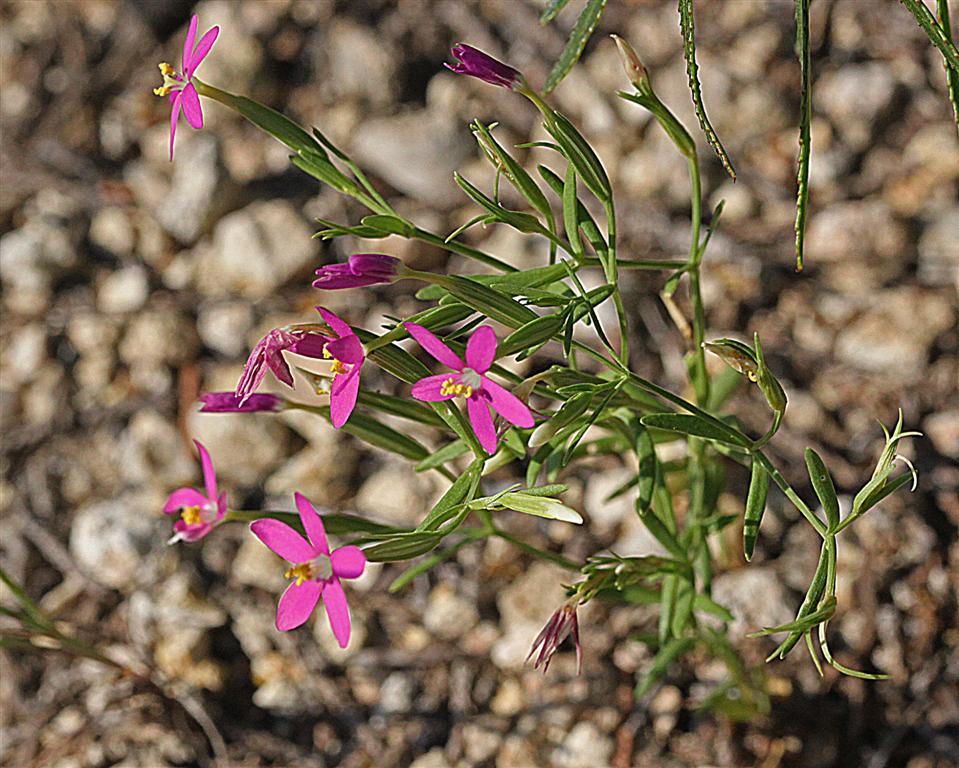
Here’s another look at Lady Bird’s Centaury. this time a whole plant view.  As mentioned previously, Mountain Pink is similar but it occurs in tightly bunched profuse cones of flowers, like a bouquet. As you can see, Centaurium texense is more loosely configured. In the field, this difference helps in the identification.  Also obvious in this picture is the rocky calcareous soil in which it grows.

Centaurium texense – Lady Bird’s Centaury

Centaurium texense - Lady Bird's Centaury

Centaurium texense – Lady Bird’s Centaury

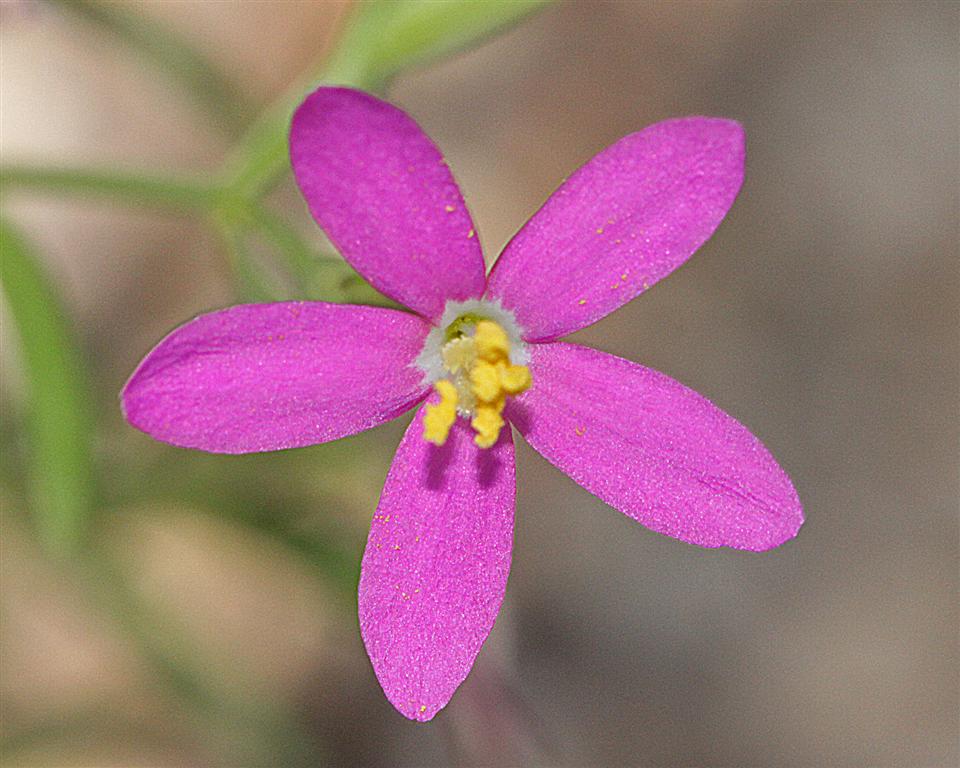
Named after the former First Lady whose legacy lives on at the Wildflower Center south of Austin, this modest yet colorful little pink flower can be found on the rocky soils of the Hill Country.  The individual bloom bears some resemblance to Mountain Pink, but the fact that one can isolate an individual bloom is a clue that this is indeed Centaurium texense.

Linum rupestre – Rock Flax

Linum rupestre - Rock Flax

  Linum rupestre – Rock Flax

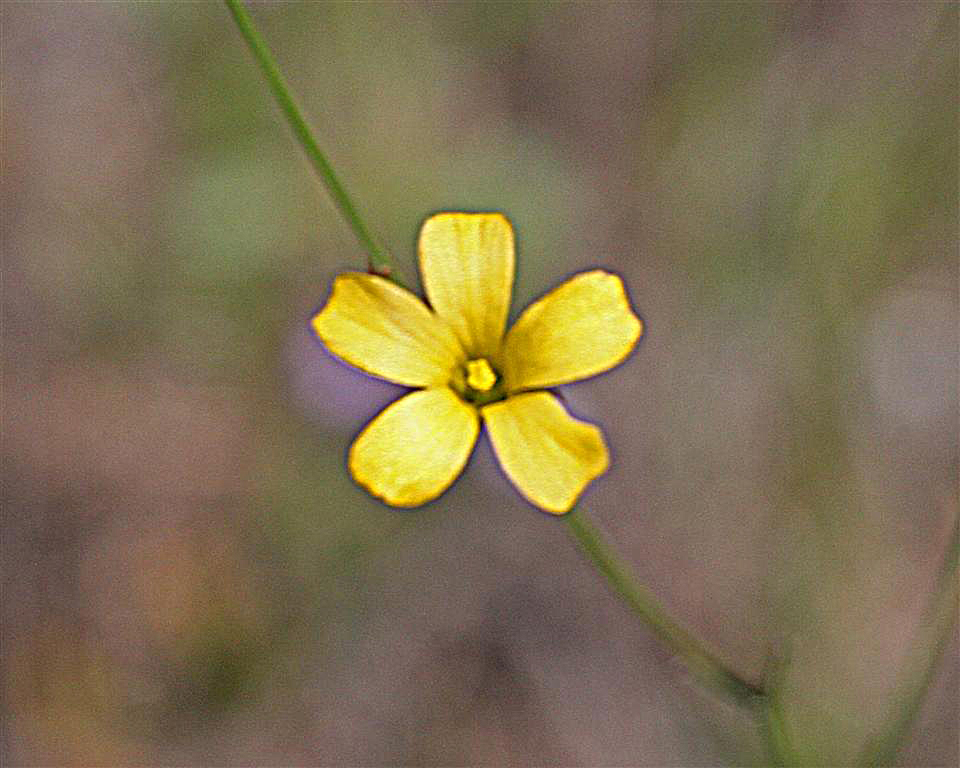
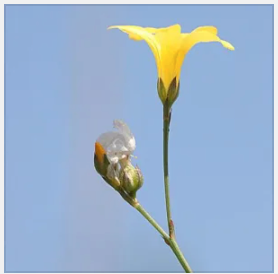
Here’s a different look at the Rock Flax, this time from above.  Although not as artistic as the previous photo, this one does have the advantage of making it easier to identify the plant. Note the five petals and the yellow throat. Although not as obvious, another differentiating factor is the spindly stem, that grows upright from one to two feet tall.

Linum rupestre – Rock Flax

 Linum rupestre - Rock Flax

Linum rupestre – Rock Flax

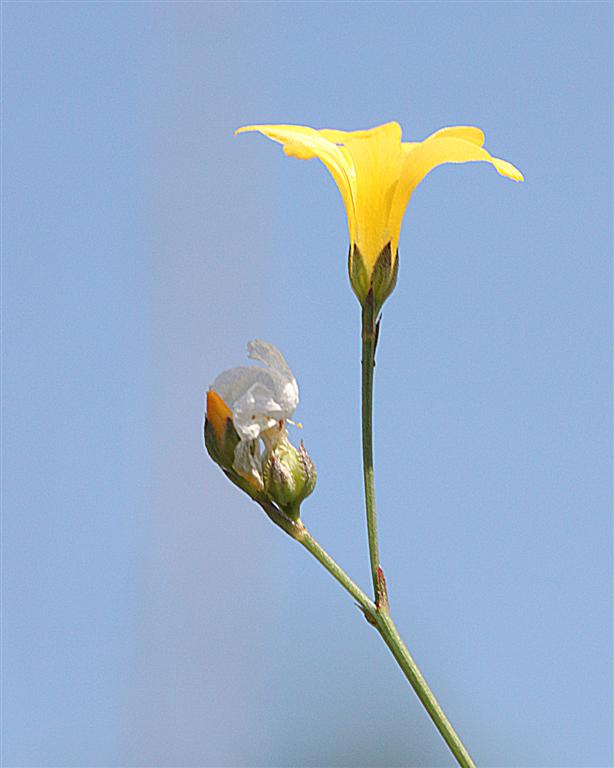
This is actually a fairly nondescript little yellow flower that grows in calcareous soils, hence the name Rock Flax. It is often found on caliche out in the sun. The yellow flowers have five petals. This photo was taken in an attempt to show the “tiny gland-tipped teeth” that line the margins of the sepals.  Not sure that goal was completely achieved, but the photo is aesthetically pleasing nonetheless.

Cirsium undulatum – Plumed Thistle

Cirsium undulatum - Plumed Thistle

Cirsium undulatum – Plumed Thistle

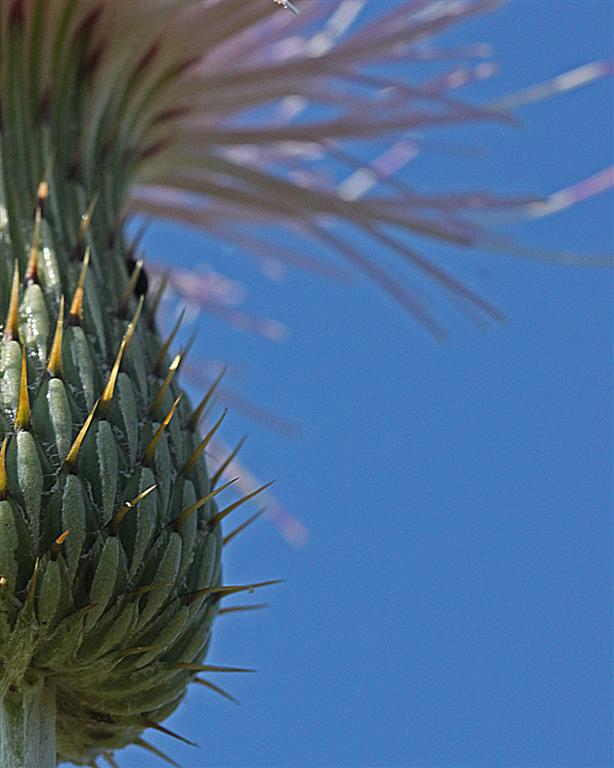
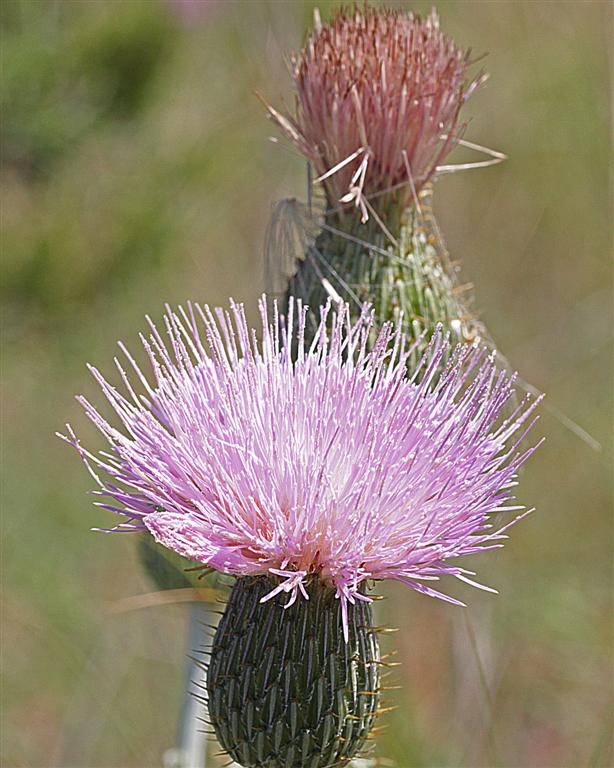
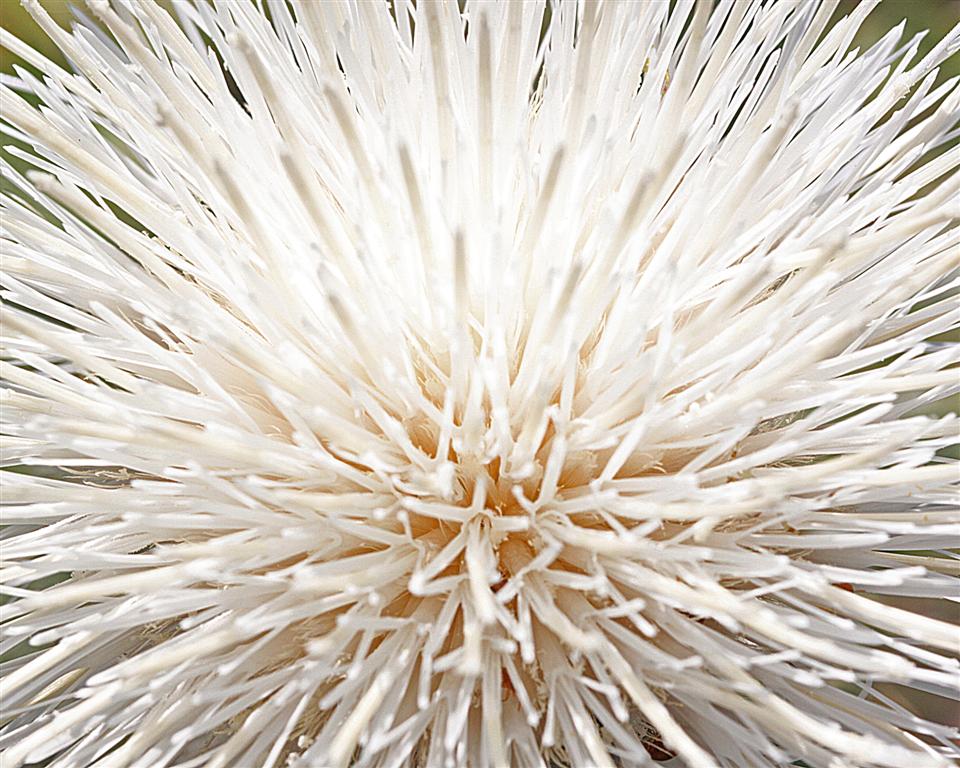
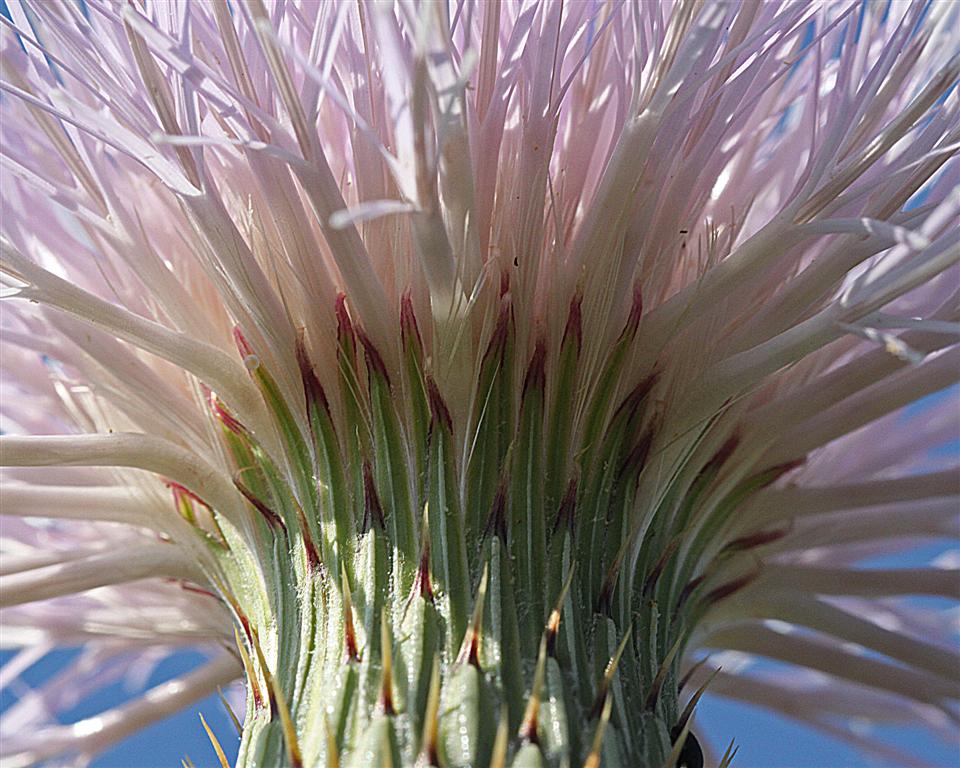
In addition to the Texas Thistle. Plumed Thistle can also be mistaken at first glance for Centaurea americana American Basket-Flower. The distinguishiing characteristic is the presence of thorns on the thistle and the lack of them on the Basket-Flower.  Here we see the flower of the Plumed Thistle in its more common creamy white coloration. Here we also see the photographer’s dilemma – crop for aesthetics or for plant identification. Alas, it isn’t always an easy choice. So we take multiple pictures in order to capture all the facets of the flowering plant, which, taken as a whole, provide a more comprehensive view.

Cirsium undulatum – Plumed Thistle

 
Cirsium undulatum – Plumed Thistle
Cirsium undulatum - Plumed Thistle

Cirsium undulatum – Plumed Thistle

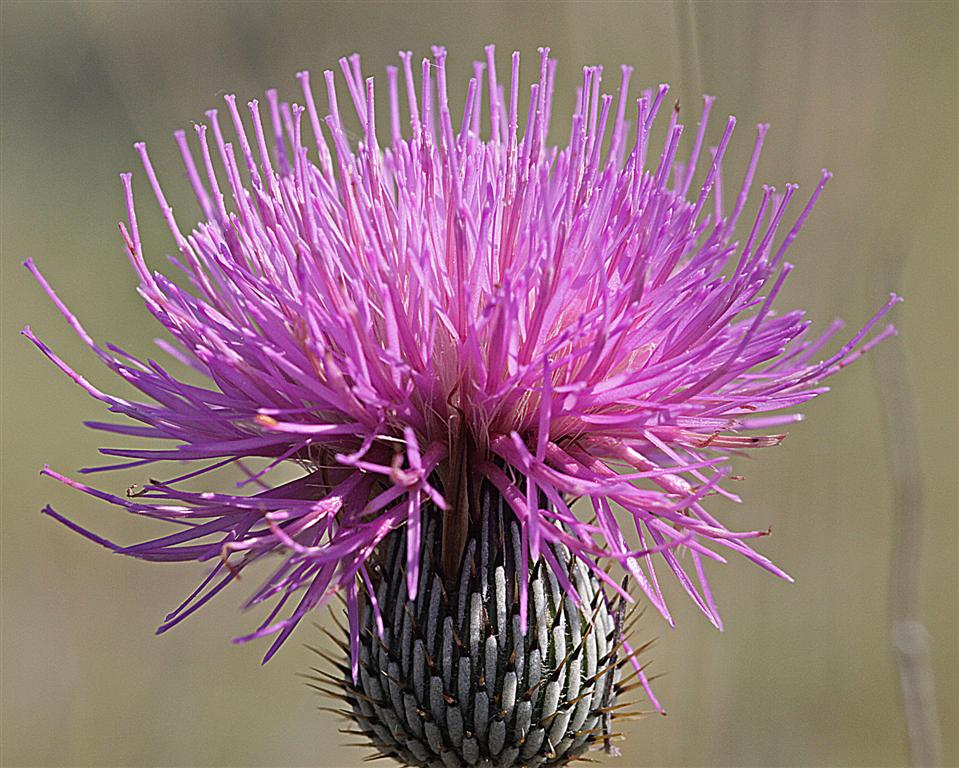
At first glance, this might be mistaken for Texas Thistle, especially this particular specimen, which has the purplish-reddish blossom that is exceptionally similar to Texas Thistle Cirsium texanum.  Or rose-lavender, if you prefer those hues.  Actually, the Plumed Thistle more often has a more creamy-white color to its blossom, which I’ll post later.